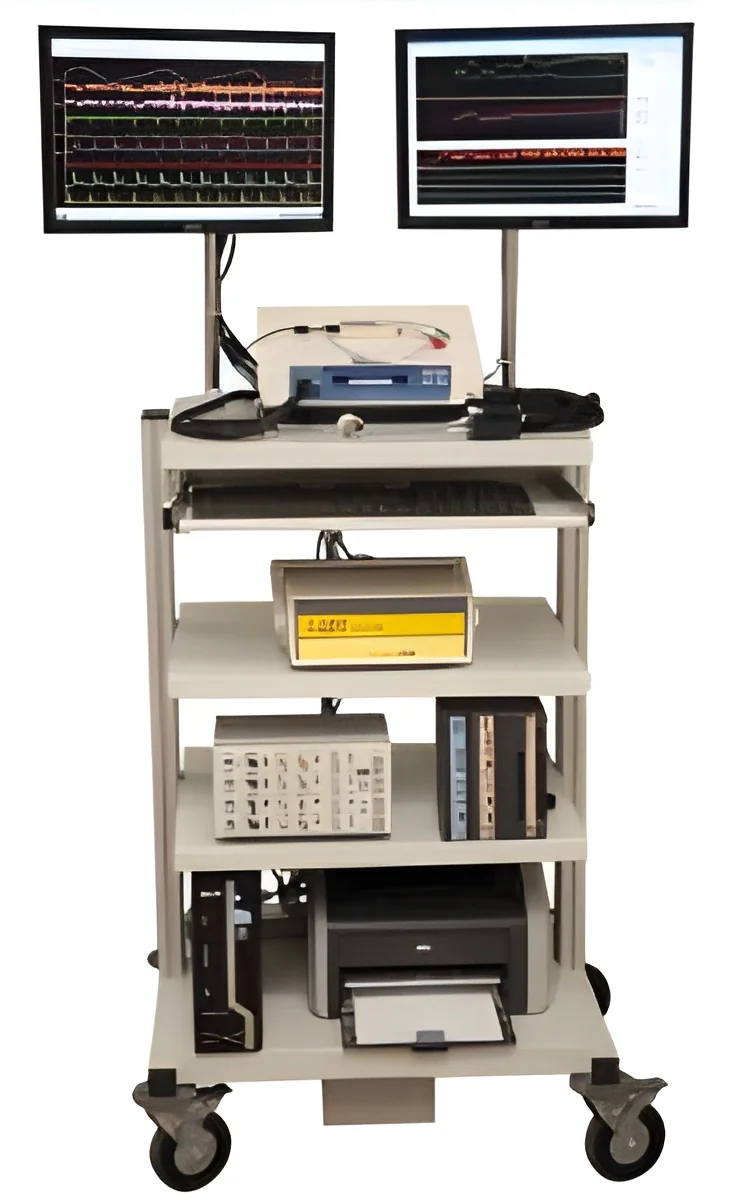
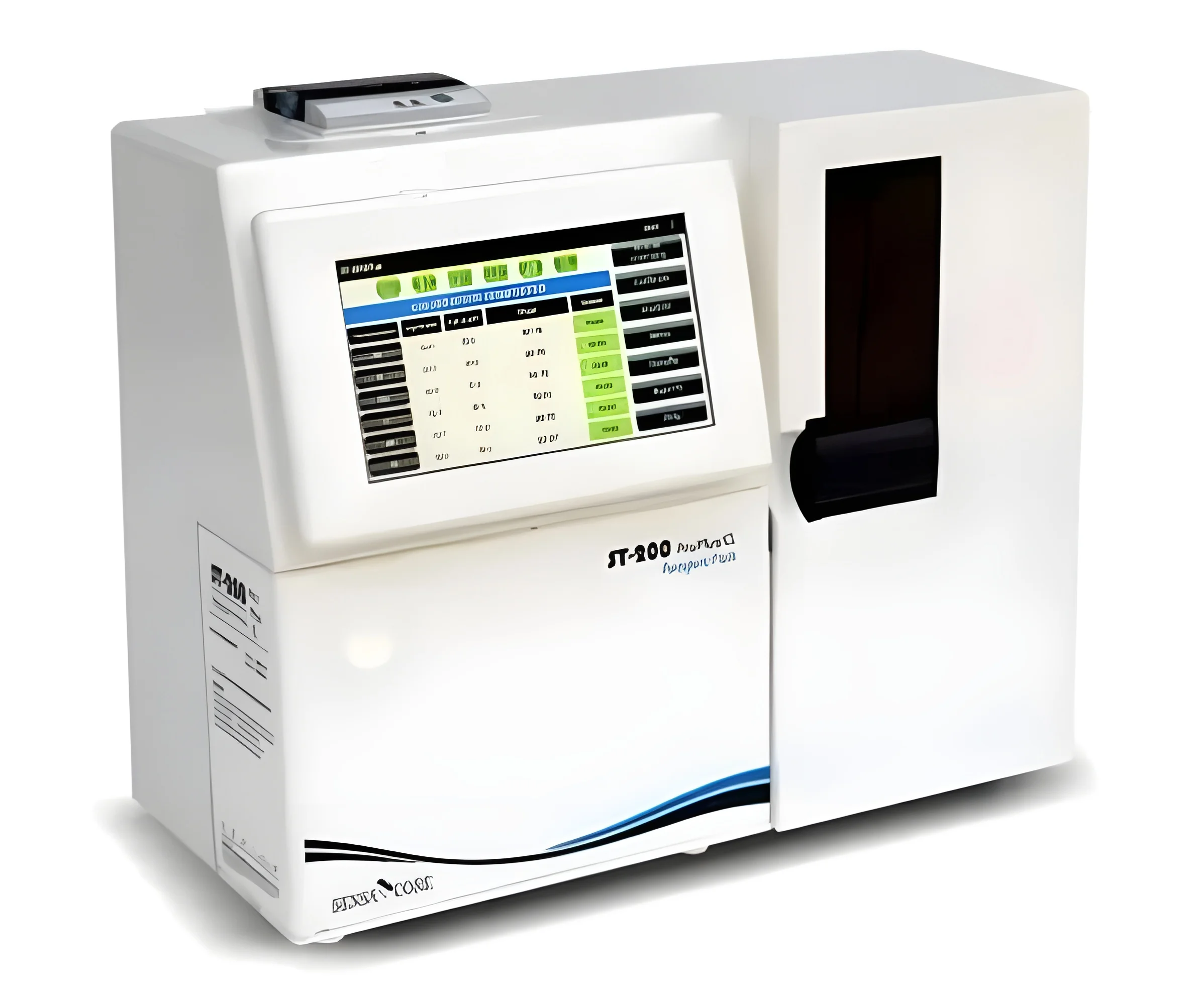
What are Patient Monitors (Multiparameter)?
Patient monitors, specifically multiparameter monitors, are sophisticated medical devices designed to continuously assess and display vital signs and other critical health parameters of patients. These monitors integrate various monitoring functions, allowing healthcare providers to track multiple physiological metrics simultaneously. Key parameters typically include heart rate, blood pressure, oxygen saturation, respiratory rate, and temperature. By consolidating this data into one device, multiparameter monitors facilitate efficient patient management and timely medical interventions.
The primary uses of these monitors are found in hospital settings, particularly in intensive care units (ICUs), operating rooms, and emergency departments. They play an essential role in monitoring patients who require constant observation due to serious medical conditions or those undergoing surgical procedures. These devices are also increasingly used in outpatient settings and at home for chronic disease management. Given the growing demand for health monitoring solutions and the rise of home healthcare, the market for multiparameter patient monitors is expanding rapidly, reflecting their critical importance in modern healthcare.
๐๐ฒ๐ ๐๐ฒ๐ฎ๐๐๐ฟ๐ฒ๐ ๐ฎ๐ป๐ฑ ๐ฆ๐ฝ๐ฒ๐ฐ๐ถ๐ณ๐ถ๐ฐ๐ฎ๐๐ถ๐ผ๐ป๐
Multiparameter patient monitors come equipped with a range of advanced features tailored to meet the needs of healthcare professionals. These monitors are designed for reliability, accuracy, and ease of use. They often include alarms and alerts for abnormal readings, ensuring that healthcare providers can respond quickly to critical changes in a patient's condition.
Key specifications include:
1. Vital Sign Monitoring
- Measures heart rate, blood pressure, temperature, and oxygen saturation
- Real-time data acquisition and display
2. Display Technology
- High-resolution color screens for clear visibility
- Touchscreen interfaces for intuitive operation
3. Connectivity Options
- Supports wired and wireless data transmission
- Integration with hospital information systems
4. Battery Life
- Extended battery operation for portable use
- Rechargeable battery options
5. Alarm Systems
- Customizable alarm thresholds for various parameters
- Visual and audible alerts for critical events
6. Data Storage
- Capability to store patient data for trend analysis
- Export options for electronic health records
7. Size and Portability
- Compact designs for easy transport
- Lightweight construction for mobile applications
8. User Interface
- Simple and user-friendly interface for healthcare staff
- Multilingual support for diverse clinical environments
In summary, multiparameter patient monitors are equipped with essential features that enhance patient safety and facilitate efficient monitoring in various medical settings.
๐๐ผ๐บ๐บ๐ผ๐ป ๐๐ฝ๐ฝ๐น๐ถ๐ฐ๐ฎ๐๐ถ๐ผ๐ป๐ ๐ฎ๐ป๐ฑ ๐จ๐๐ฒ ๐๐ฎ๐๐ฒ๐
Multiparameter patient monitors serve a variety of industries, each benefiting from their advanced capabilities.
1. Healthcare Facilities: In hospitals and clinics, these monitors are used to track the vital signs of patients in critical care, surgical, and emergency departments, ensuring timely interventions.
2. Home Healthcare: Increasingly, patients with chronic conditions use multiparameter monitors at home to manage their health remotely, enabling real-time data sharing with healthcare providers.
3. Telemedicine: These devices support telehealth applications by allowing healthcare professionals to monitor patients from a distance, providing critical data for remote consultations.
4. Rehabilitation Centers: In rehabilitation settings, multiparameter monitors help assess the progress of patients recovering from surgeries or injuries.
5. Research Institutions: Clinical trials and research studies utilize these monitors to gather data on patient responses to treatments and interventions.
6. Sports Medicine: Athletes and individuals in fitness programs use these monitors to track their vital signs and optimize performance.
7. Veterinary Medicine: Multiparameter monitors are also applicable in veterinary clinics for monitoring animal patients undergoing surgery or critical care.
๐ฃ๐ฟ๐ผ๐ฑ๐๐ฐ๐ ๐ฉ๐ฎ๐ฟ๐ถ๐ฎ๐ป๐๐ ๐ฎ๐ป๐ฑ ๐ฆ๐๐ฏ๐ฐ๐ฎ๐๐ฒ๐ด๐ผ๐ฟ๐ถ๐ฒ๐
Multiparameter patient monitors are available in various configurations to meet specific clinical needs.
Basic Model
This variant offers essential monitoring capabilities with a focus on vital signs. It is ideal for general ward use and provides reliable data for routine patient assessments.
Advanced Model
Designed for critical care environments, this model includes additional features such as advanced waveform analysis and multi-patient connectivity. It is suitable for intensive care units and emergency scenarios.
Portable Model
This compact version is tailored for use in transport and emergency situations. It is lightweight and battery-operated, allowing for mobility while maintaining essential monitoring functions.
๐๐ฒ๐ป๐ฒ๐ณ๐ถ๐๐ ๐ฎ๐ป๐ฑ ๐๐ฑ๐๐ฎ๐ป๐๐ฎ๐ด๐ฒ๐
Multiparameter patient monitors provide significant advantages in healthcare settings.
1. Enhanced Patient Safety: Continuous monitoring helps detect critical changes in a patient's condition, allowing for rapid responses and improved outcomes.
2. Increased Efficiency: By consolidating multiple monitoring functions into one device, healthcare providers can save time and reduce the complexity of patient management.
3. Data-Driven Decisions: The ability to analyze trends and historical data supports clinical decision-making and personalized care plans.
4. Remote Monitoring Capabilities: These devices facilitate remote health monitoring, supporting telehealth initiatives and improving access to care.
5. Customizable Alerts: Healthcare teams can set personalized alarm thresholds, ensuring that they are alerted to significant changes in patient status.
6. Cost-Effectiveness: By integrating multiple functions, multiparameter monitors can reduce the need for multiple devices, potentially lowering overall healthcare costs.
๐๐๐๐ถ๐ป๐ด ๐๐๐ถ๐ฑ๐ฒ ๐ณ๐ผ๐ฟ ๐๐ฎ๐ ๐๐๐๐ฒ๐ฟ๐
When sourcing multiparameter patient monitors, several key factors should be considered to ensure a suitable selection.
1. Quality Assessment: Evaluate monitors based on their accuracy, reliability, and adherence to industry standards. Look for products that have undergone rigorous testing and validation.
2. Supplier Verification: It is crucial to vet suppliers for their credibility and experience in the market. Check for references and previous customer feedback to ensure reliability.
3. Pricing and MOQ: Understand the pricing structure and minimum order quantities (MOQ) associated with the monitors. Compare costs across different suppliers to find the best deal.
4. Delivery and Lead Times: Assess suppliers' logistics capabilities to determine their delivery schedules and lead times, ensuring that your needs align with their timelines.
5. Compliance Requirements: Verify that the monitors meet necessary regulatory standards and certifications, such as CE and UL, to guarantee safety and efficacy in a clinical environment.
๐๐ผ๐บ๐ฝ๐น๐ถ๐ฎ๐ป๐ฐ๐ฒ ๐ฎ๐ป๐ฑ ๐๐ฒ๐ฟ๐๐ถ๐ณ๐ถ๐ฐ๐ฎ๐๐ถ๐ผ๐ป๐
Multiparameter patient monitors must comply with various quality standards to ensure reliability and safety in medical settings. Key standards include ISO 9001, which focuses on quality management systems, and HACCP guidelines that address food safety and hygiene, even in healthcare contexts.
Industry certifications such as CE and UL are crucial for establishing product compliance with European and North American safety regulations. These certifications indicate that the devices meet specific safety and performance criteria, which is essential for gaining trust from healthcare providers.
Additionally, patient monitors need to adhere to safety and testing requirements to ensure they operate effectively in diverse environments. Regional compliance considerations may vary, so it is important to understand local regulations governing medical devices in the markets where the monitors will be used.
Why Source Patient Monitors (Multiparameter) from Pepagora?
Pepagora is a trusted platform for sourcing multiparameter patient monitors, offering several key advantages to B2B buyers.
Verified Supplier Network: Pepagora connects businesses with a network of verified suppliers who have been thoroughly vetted for their quality and reliability. This ensures that buyers can trust the products they are purchasing.
Streamlined RFQ Process: The platform features a straightforward request for quotation (RFQ) system, making it easier for buyers to obtain competitive pricing and compare options from multiple suppliers efficiently.
Trade Assurance and Support: Pepagora provides trade assurance that protects buyers from potential risks associated with their purchases. Their dedicated support team is available to assist with any queries or issues that may arise during the sourcing process.
Regional Coverage: With a broad geographic reach across India, the GCC, and Southeast Asia, Pepagora is equipped to meet the sourcing needs of businesses in various regions, facilitating access to quality patient monitoring solutions.