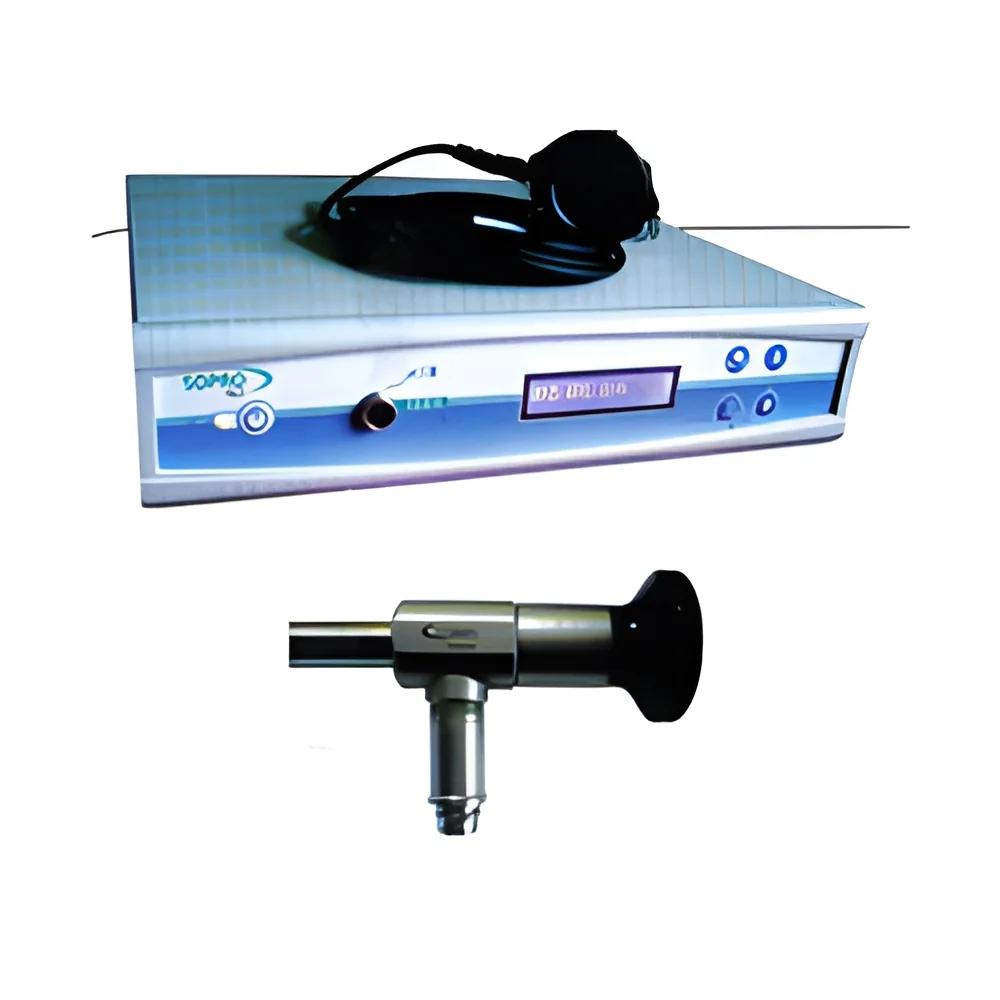
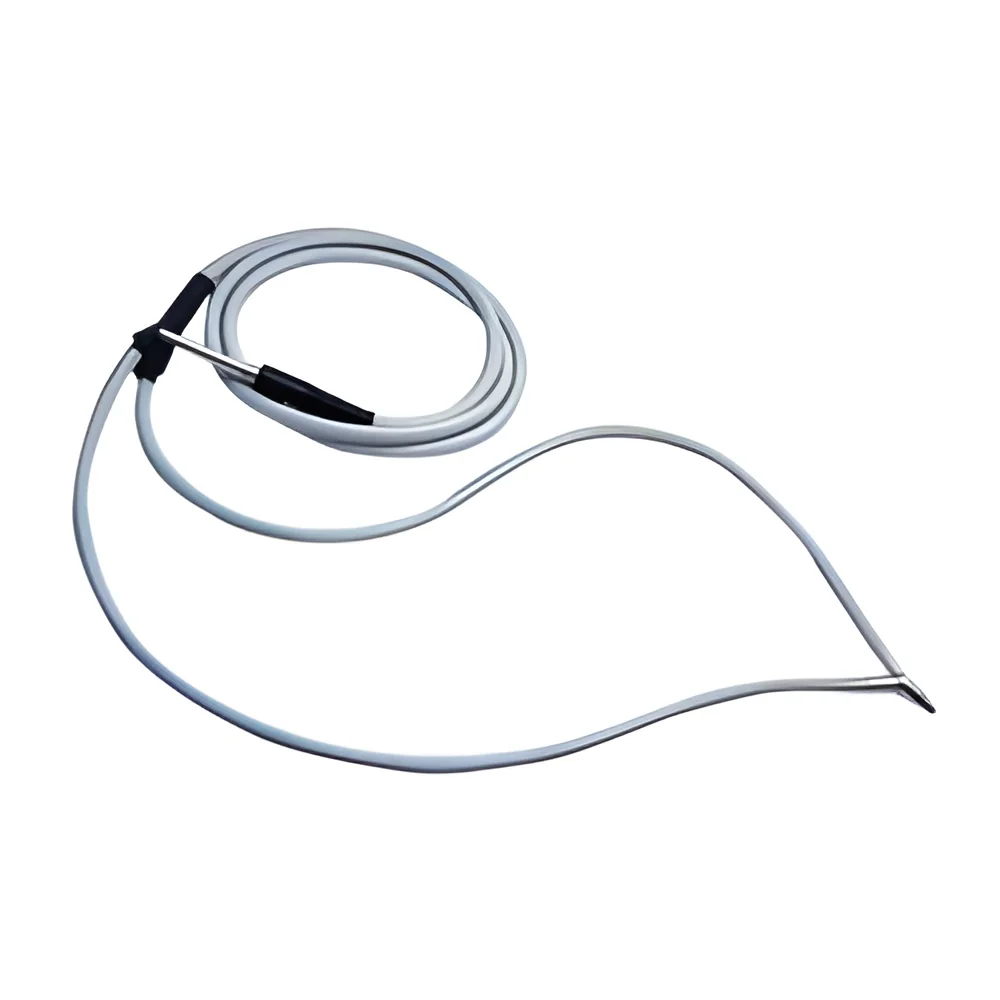
What are Endoscopy Equipment?
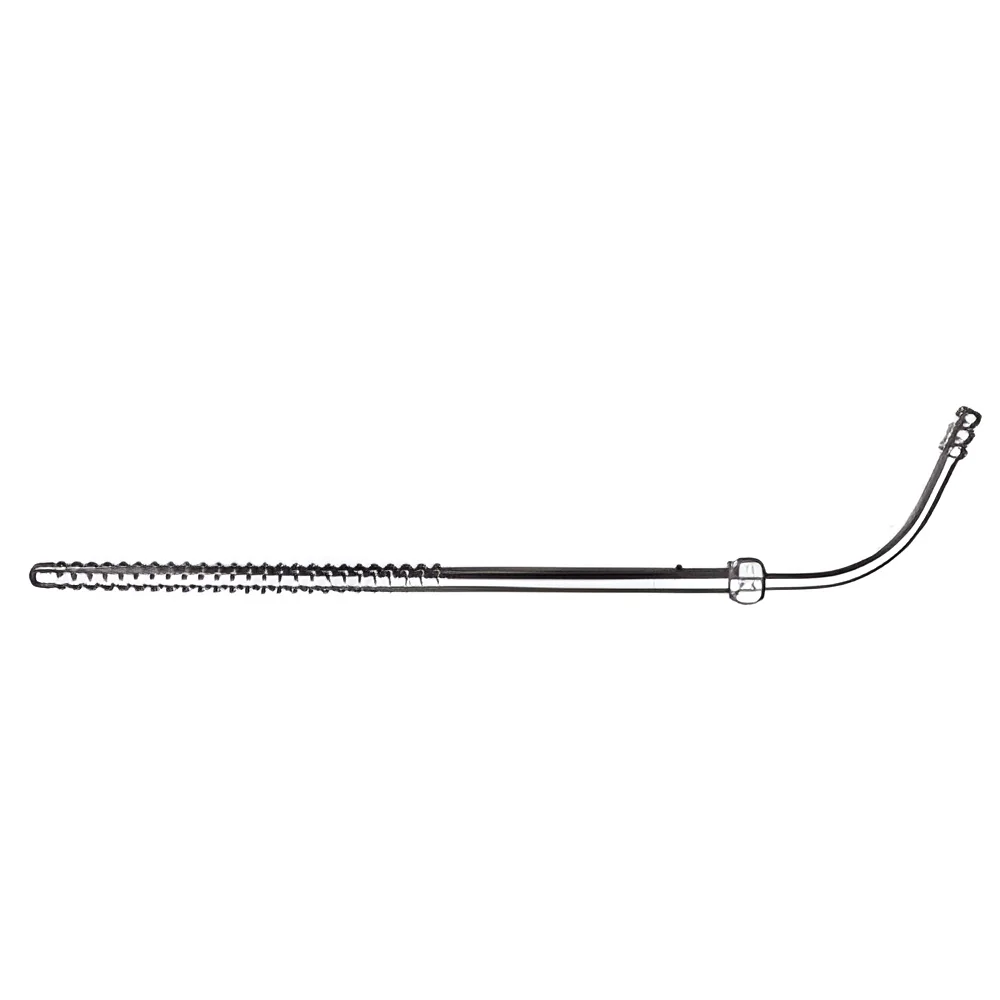
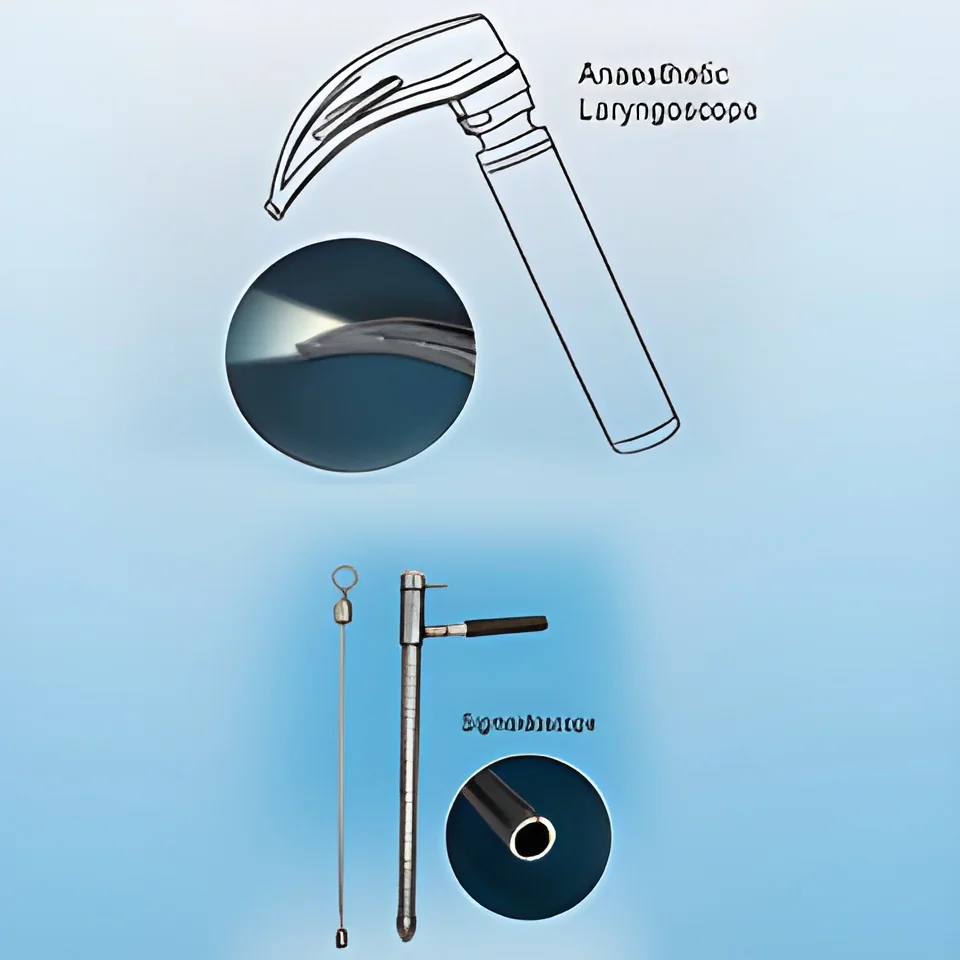
Endoscopy equipment refers to a range of medical devices used for visualizing the interior of a body cavity or organ. These instruments are designed to be inserted into the body, typically through natural openings, to allow physicians to diagnose and treat various medical conditions. Endoscopy can be performed using flexible or rigid tubes equipped with a light and a camera, which transmits images to a monitor for real-time viewing.
The primary uses of endoscopy equipment include gastrointestinal examinations, respiratory assessments, and surgical interventions. In business applications, endoscopy is essential for hospitals, outpatient clinics, and specialty medical practices. This technology enables healthcare professionals to perform minimally invasive procedures, reducing recovery times and improving patient outcomes. The global market for endoscopy equipment continues to grow, driven by advancements in technology and an increasing prevalence of chronic diseases.
As healthcare evolves, the relevance of endoscopy equipment in various medical fields solidifies its position in modern diagnostics and treatment. The demand for effective and efficient healthcare solutions keeps this market dynamic, encouraging continuous innovation and improvement.
Key Features and Specifications
Endoscopy equipment comes with a variety of features and specifications that enhance its functionality and effectiveness in medical procedures. Understanding these specifications is essential for B2B buyers looking to invest in reliable and advanced endoscopy solutions.
Key specifications include:
1. Imaging Technology
- High-definition imaging capabilities
- Resolution typically ranges from 720p to 4K
2. Flexibility and Diameter
- Varied diameters for different applications
- Flexible models can navigate complex anatomical structures
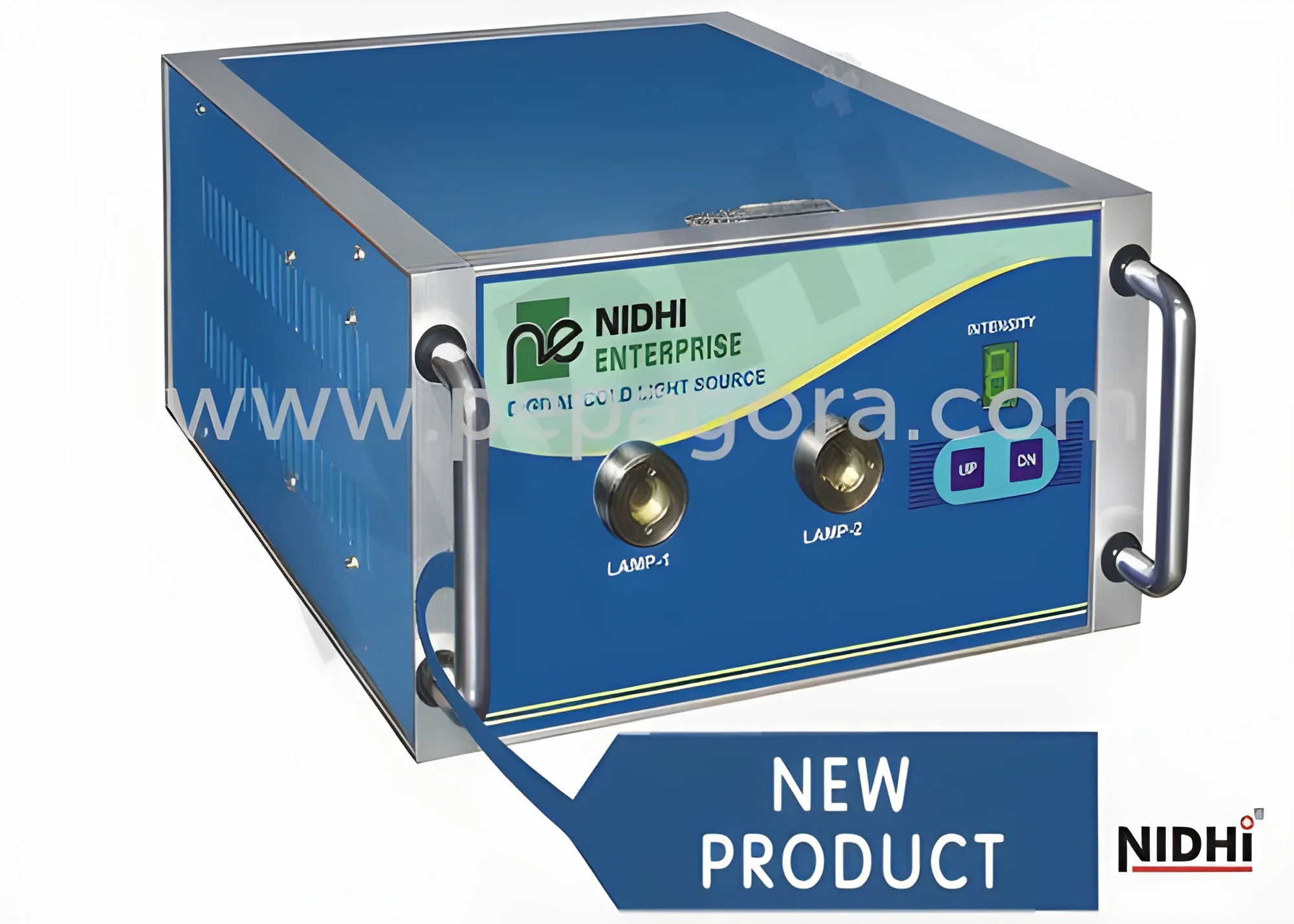
3. Light Source
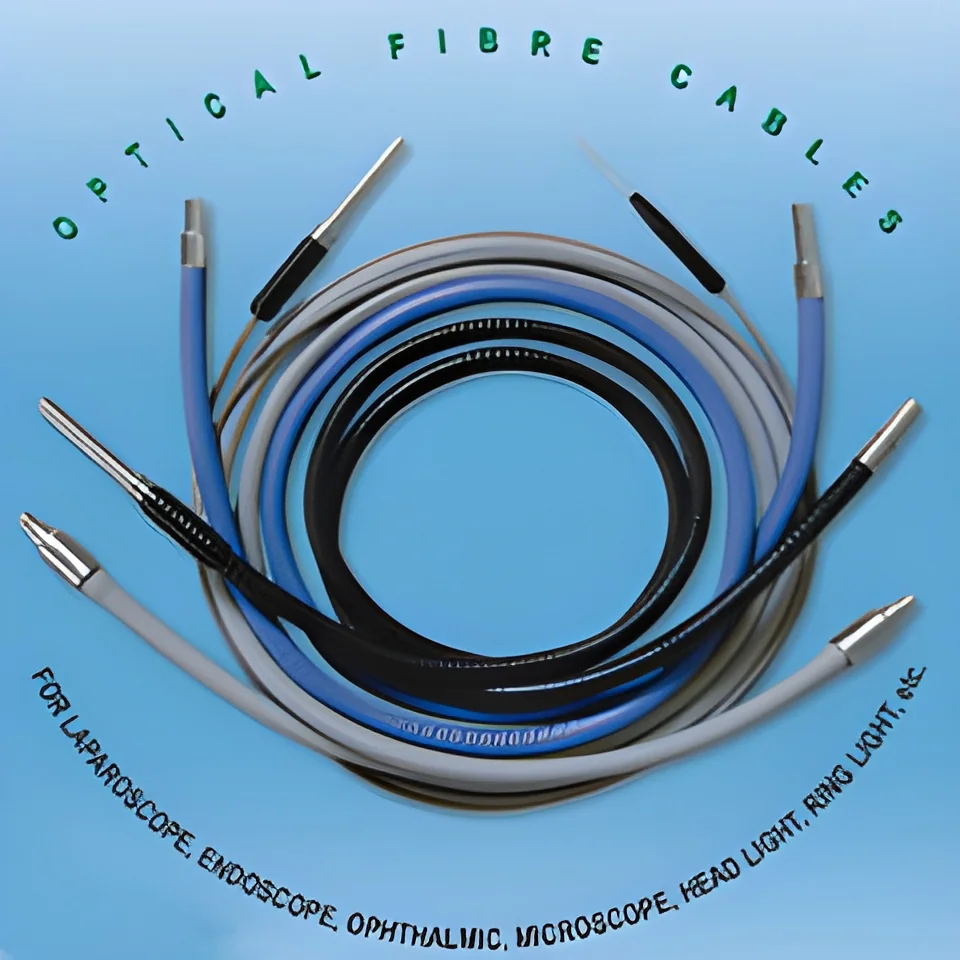
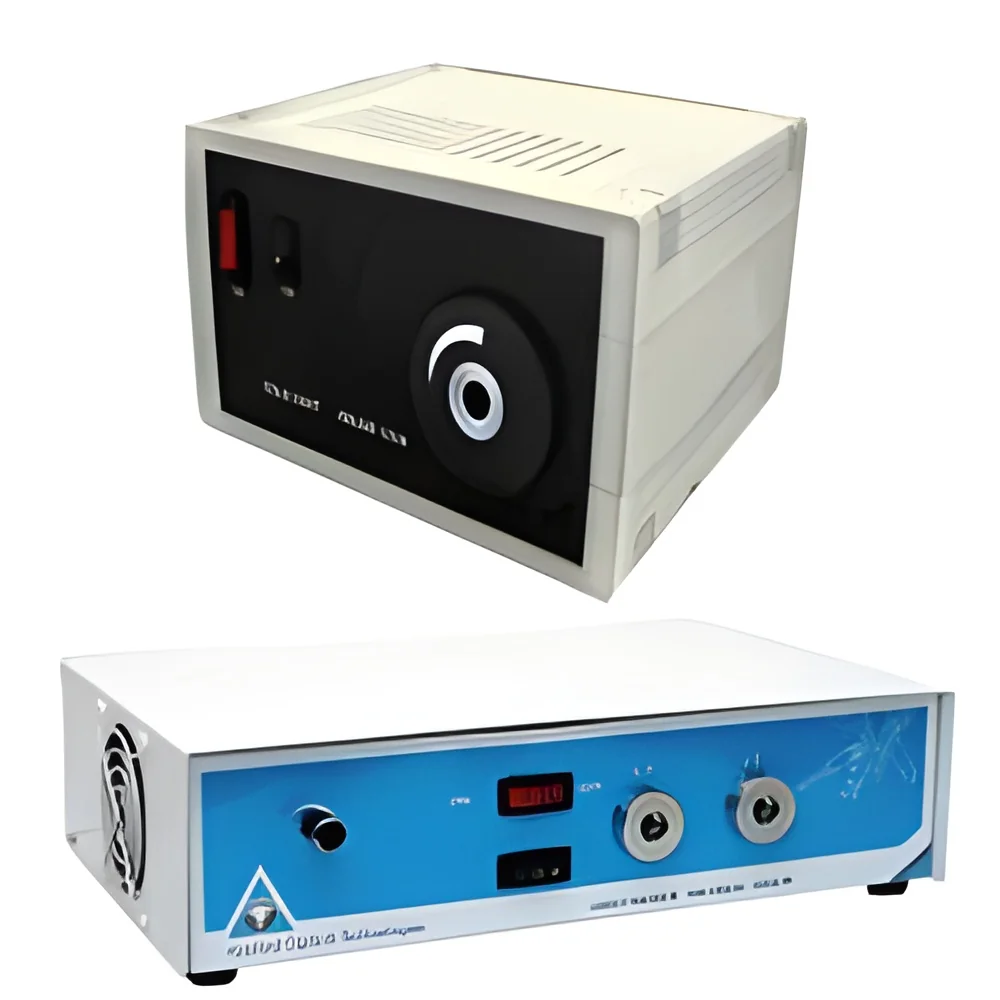
- LED or Xenon light options for illumination
- Adjustable brightness settings
4. Working Channel Size
- Standard working channel sizes range from 2.8mm to 4.2mm
- Allows for the introduction of instruments for biopsies or interventions
5. Video Output
- Compatibility with various display systems
- Digital video output for high-quality recording and playback
6. Cleaning and Sterilization
- Designed for easy disassembly and reassembly
- Compatibility with standard sterilization methods
7. Weight and Portability
- Lightweight designs for ease of handling
- Portable options available for field use
8. User Interface
- Intuitive controls for ease of operation
- Touchscreen options for improved usability
These specifications collectively contribute to the efficiency and effectiveness of endoscopic procedures, making it essential for buyers to consider them carefully.
Common Applications and Use Cases
Endoscopy equipment serves various industries beyond just healthcare, emphasizing its versatility.
1. Healthcare: In hospitals and clinics, endoscopes are used for diagnostic procedures, such as gastroscopy and colonoscopy, allowing for early detection of diseases.
2. Veterinary Medicine: Endoscopy is utilized in veterinary practices to visualize the internal structures of animals, aiding in diagnostics and surgical procedures.
3. Industrial Applications: Certain endoscopic tools are used in industrial settings to inspect machinery and components for maintenance and safety checks.
4. Research: In laboratory settings, endoscopy equipment aids in studying biological processes and conducting advanced research in anatomy and physiology.
5. Aerospace: Endoscopic techniques are employed for inspecting and maintaining aircraft engines, ensuring safety and compliance with industry standards.
6. Automotive: Endoscopy is used in automotive manufacturing for inspecting internal engine components without disassembly.
7. Oil and Gas: In this sector, endoscopes are employed for pipeline inspections, ensuring operational integrity and identifying potential issues.
Product Variants and Subcategories
Endoscopy equipment offers a range of variants to cater to different medical and industrial needs.
Flexible Endoscopes
These are designed for navigating through complex anatomical pathways. They are often used in gastrointestinal and respiratory procedures, providing high-quality imaging and access for interventions.
Rigid Endoscopes
This variant is used for a wide range of surgical applications. They are ideal for orthopedic and urological procedures, offering stability and precision during operations.
Video Endoscopes
These endoscopes come equipped with advanced imaging technology, providing real-time video footage. They are widely used in both medical and industrial applications for enhanced visibility.
Single-Use Endoscopes
Designed for one-time use, these endoscopes reduce the risk of infections and are convenient for quick procedures. They are increasingly popular in outpatient settings.
Benefits and Advantages
Investing in endoscopy equipment presents numerous advantages for medical facilities and industries alike.
1. Minimally Invasive Procedures: Endoscopy allows for procedures to be performed with smaller incisions, resulting in less pain and quicker recovery times for patients.
2. Enhanced Diagnostic Accuracy: High-quality imaging capabilities lead to more accurate diagnoses, which can improve treatment outcomes and patient satisfaction.
3. Cost-Effective Solutions: By utilizing endoscopy, facilities can reduce the need for more invasive surgeries, leading to lower overall healthcare costs.
4. Versatility: Endoscopy equipment can be utilized across various medical specialties and industries, making it a valuable investment.
5. Improved Safety: The ability to visualize internal structures reduces the risk of complications during procedures, enhancing patient safety.
6. Faster Recovery Times: Patients typically experience shorter hospital stays and quicker return to normal activities, which is beneficial for healthcare providers and patients alike.
Buying Guide for B2B Buyers
When sourcing endoscopy equipment, it is vital for B2B buyers to consider several key factors to ensure they make informed purchasing decisions.
1. Quality Assessment: Buyers should evaluate the quality of endoscopy equipment based on manufacturer reputation and compliance with industry standards. Look for certifications such as CE to ensure reliability.
2. Supplier Verification: Vet potential suppliers thoroughly. Research their history, customer reviews, and adherence to quality assurance processes to ensure a trustworthy partnership.
3. Pricing and MOQ: Understand the pricing structure and minimum order quantities. Compare costs across different suppliers to find the best value while ensuring quality is not compromised.
4. Delivery and Lead Times: Consider the logistics involved in the supply chain. Ensure that suppliers can meet your delivery timelines to avoid disruptions in your operations.
5. Compliance Requirements: Familiarize yourself with regulatory compliance needs specific to your industry. Ensuring that equipment meets these standards is essential for smooth operations.
Compliance and Certifications
Endoscopy equipment must adhere to various compliance and certification standards to ensure safety and effectiveness.
Relevant quality standards such as ISO 9001 are critical in maintaining high-quality manufacturing processes. Facilities that produce endoscopy equipment should demonstrate strong quality management systems to comply with these standards.
Additionally, equipment often requires certifications such as CE, indicating compliance with European health, safety, and environmental protection standards. This certification assures buyers of the equipment's safety and reliability in medical applications.
Safety and testing requirements are also essential considerations. Endoscopy equipment undergoes rigorous testing to evaluate its performance and safety before it reaches the market, ensuring it meets the necessary health regulations.
Regional compliance considerations may vary depending on the country or region. Buyers must ensure that the endoscopy equipment they source complies with local regulations and standards.
Why Source Endoscopy Equipment from Pepagora?
Pepagora provides a trusted platform for sourcing endoscopy equipment, offering several key advantages that set it apart from competitors.
Verified Supplier Network: Pepagora has established a robust network of verified suppliers, ensuring that buyers can access high-quality endoscopy equipment from reputable manufacturers. This verification process enhances trust and reliability in sourcing.
Streamlined RFQ Process: The platform offers a streamlined Request for Quotation (RFQ) process, allowing buyers to easily compare quotes from multiple suppliers. This efficiency saves time and simplifies the purchasing process.
Trade Assurance and Support: Pepagora prioritizes buyer protection through trade assurance programs. This support includes assistance with disputes and ensuring that buyers receive their orders as specified, fostering confidence in transactions.
Regional Coverage: With a geographic reach spanning India, the GCC, and Southeast Asia, Pepagora connects buyers with suppliers across multiple regions. This extensive coverage facilitates better sourcing options for businesses looking for endoscopy equipment.
By choosing Pepagora, buyers can enhance their procurement processes and ensure they have access to the best endoscopy equipment available in the market.

 IN
IN