What are Medical Trolleys & Cabinets?
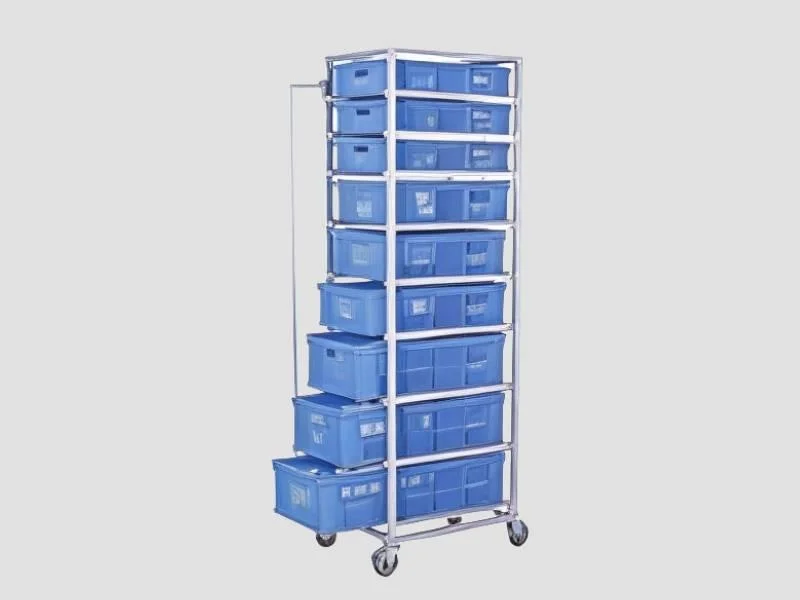
Medical trolleys and cabinets are essential pieces of equipment used in healthcare settings for the storage and transportation of medical supplies, instruments, and equipment. These units are designed to meet the specific needs of medical professionals, facilitating quick access to necessary tools while ensuring organization and efficiency. Medical trolleys typically feature wheels for mobility, allowing healthcare workers to move supplies easily between different areas of a facility.
These products are primarily used in hospitals, clinics, and laboratories, where they serve various functions such as medication delivery, equipment storage, and emergency response. Their ability to keep critical supplies organized and readily accessible enhances the workflow in healthcare environments. As the demand for efficient healthcare solutions continues to rise globally, the relevance of medical trolleys and cabinets within the industry remains significant. They play a crucial role in improving patient care and overall operational efficiency.
Key Features and Specifications
Medical trolleys and cabinets come equipped with several key features that enhance their functionality and usability. Understanding these specifications is vital for healthcare providers when selecting the right units for their needs.
Key specifications include:
1. Mobility
- Medical trolleys are typically equipped with swivel casters for easy movement.
- Some models feature locking mechanisms for stability when stationary.
2. Material
- Common materials include stainless steel, aluminum, and high-density plastic.
- These materials are chosen for durability, ease of cleaning, and resistance to corrosion.
3. Storage Capacity
- Trolleys and cabinets come in various sizes, accommodating different storage needs.
- They can feature multiple shelves, drawers, and compartments for organized storage.
4. Weight Capacity
- Each unit has a specified weight limit for safe storage and transportation of medical supplies.
- This is crucial for ensuring the trolley can handle heavy equipment or materials.
5. Customization Options
- Many manufacturers offer customization, allowing buyers to tailor features to specific needs.
- This can include additional shelving, specialized drawers, or color options.
6. Safety Features
- Some units include safety locks to prevent unauthorized access to medications or supplies.
- Non-slip surfaces and rounded edges enhance user safety.
7. Hygiene Compliance
- Trolleys and cabinets are designed for easy cleaning and disinfection.
- Materials used often comply with healthcare hygiene standards.
8. Certifications
- Many medical trolleys and cabinets are certified to meet international quality standards such as CE.
- Compliance with industry regulations ensures reliability and safety in healthcare settings.
In summary, selecting medical trolleys and cabinets involves understanding their key features and specifications, which directly impact their usability in various medical contexts.
Common Applications and Use Cases
Medical trolleys and cabinets serve a variety of applications across different industries. Their versatility makes them a valuable asset in numerous healthcare environments.
1. Hospitals: Medical trolleys are commonly used in hospitals for transporting medications, surgical instruments, and emergency supplies to various departments.
2. Clinics: In outpatient clinics, trolleys facilitate the efficient organization of patient care supplies, ensuring quick access during examinations.
3. Laboratories: Laboratory settings utilize cabinets for the secure storage of sensitive materials, reagents, and equipment, maintaining organization and compliance.
4. Nursing Homes: Trolleys assist nursing staff in delivering medications and supplies to patients, enhancing the quality of care in residential settings.
5. Emergency Services: Emergency medical teams rely on mobile trolleys to transport critical medical supplies and equipment quickly during urgent situations.
6. Dental Offices: Trolleys are employed in dental practices for storing instruments and materials, allowing dental professionals to maintain an organized workspace.
7. Veterinary Clinics: In veterinary settings, medical cabinets provide secure storage for animal care supplies and medications, ensuring the safety and health of patients.
Product Variants and Subcategories
Medical trolleys and cabinets are available in various designs to cater to specific needs within the healthcare sector. Each variant offers unique features tailored to different applications.
Standard Medical Trolley
This variant typically includes multiple shelves and compartments, making it ideal for general use in hospitals and clinics. It is designed for easy mobility and quick access to supplies.
Medication Cart
Medication carts are specifically designed for the secure storage and transport of medications. They often feature locking drawers and compartments to ensure compliance with safety regulations.
Surgical Trolley
Surgical trolleys are equipped with specialized features such as instrument trays and sterile storage areas. They are essential for operating rooms and surgical suites.
Emergency Response Trolley
These trolleys are designed for rapid deployment in emergency situations. They often include built-in storage for essential emergency supplies and tools, ensuring quick access when seconds matter.
Benefits and Advantages
Investing in medical trolleys and cabinets provides numerous advantages for healthcare providers. Understanding these benefits can help organizations make informed purchasing decisions.
Key benefits include:
1. Enhanced Efficiency: Medical trolleys and cabinets streamline workflows, allowing healthcare professionals to access necessary supplies quickly.
2. Improved Organization: These units help maintain order in medical environments, reducing clutter and potential confusion during critical tasks.
3. Increased Mobility: Trolleys designed for easy movement enable healthcare workers to transport supplies without straining or creating delays.
4. Safety and Security: Lockable features prevent unauthorized access to medications and sensitive materials, ensuring compliance with safety standards.
5. Durable Construction: High-quality materials ensure longevity and resistance to wear and tear, making them a cost-effective investment.
6. Compliance with Regulations: Many medical trolleys and cabinets meet strict industry standards, ensuring they are suitable for use in healthcare environments.
Buying Guide for B2B Buyers
When sourcing medical trolleys and cabinets, B2B buyers should consider several critical factors to ensure they select the right products for their needs.
1. Quality Assessment: Evaluate materials and construction quality to ensure durability and compliance with industry standards. Look for certifications that confirm the product meets regulatory requirements.
2. Supplier Verification: Vet potential suppliers for reliability and reputation. Check their history, reviews, and certifications to ensure they provide quality products and services.
3. Pricing and MOQ: Understand the pricing structure and minimum order quantities. This information will help budget effectively while ensuring sufficient supply levels.
4. Delivery and Lead Times: Inquire about logistics, including delivery schedules and lead times. Reliable suppliers should provide clear timelines for order fulfillment.
5. Compliance Requirements: Ensure the products meet all necessary regulatory compliance needs specific to your region or industry. This includes safety standards and hygiene regulations.
Compliance and Certifications
Medical trolleys and cabinets must adhere to various compliance standards and certifications to ensure safety and reliability. Key quality standards include ISO 9001, which focuses on quality management systems, and HACCP, which emphasizes safe handling practices in healthcare environments.
Additionally, CE certification is crucial in ensuring that products meet European health, safety, and environmental protection standards. It indicates that the product has been assessed and complies with EU regulations.
Safety and testing requirements are also paramount. Manufacturers must conduct thorough testing to ensure their products can withstand the rigors of medical environments. Regional compliance considerations may vary, so it is essential to be aware of local regulations that apply to medical equipment.
Why Source Medical Trolleys & Cabinets from Pepagora?
Pepagora provides a trusted platform for sourcing medical trolleys and cabinets, offering several key advantages that benefit B2B buyers.
Verified Supplier Network: Pepagora connects buyers with a network of verified suppliers, ensuring quality and reliability. Each supplier undergoes a thorough vetting process, enhancing buyer confidence.
Streamlined RFQ Process: The platform simplifies the request for quotation process, allowing buyers to easily compare prices and offerings from multiple suppliers. This efficiency saves time and resources.
Trade Assurance and Support: Pepagora offers trade assurance services that protect buyers against potential risks. This support fosters secure transactions and builds trust between buyers and suppliers.
Regional Coverage: With a strong presence in India, the GCC, and Southeast Asia, Pepagora provides extensive regional coverage. This geographic reach connects buyers with suppliers that can meet their specific needs and preferences.

 IN
IN