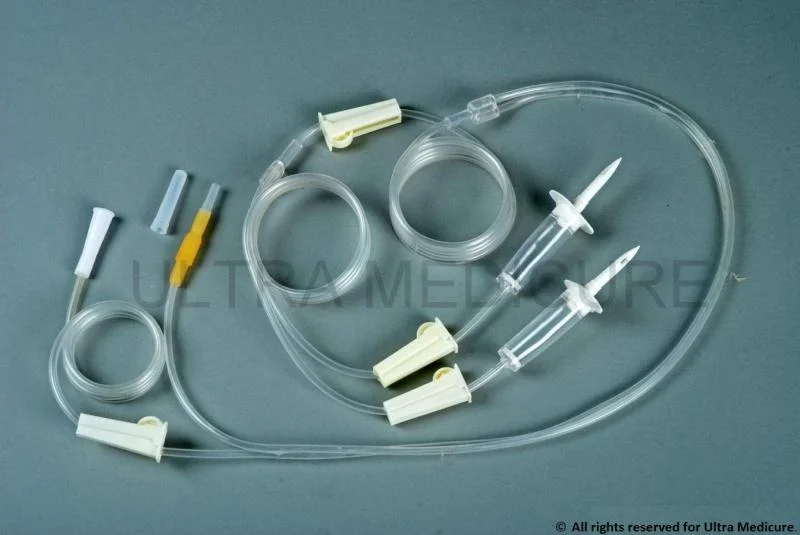
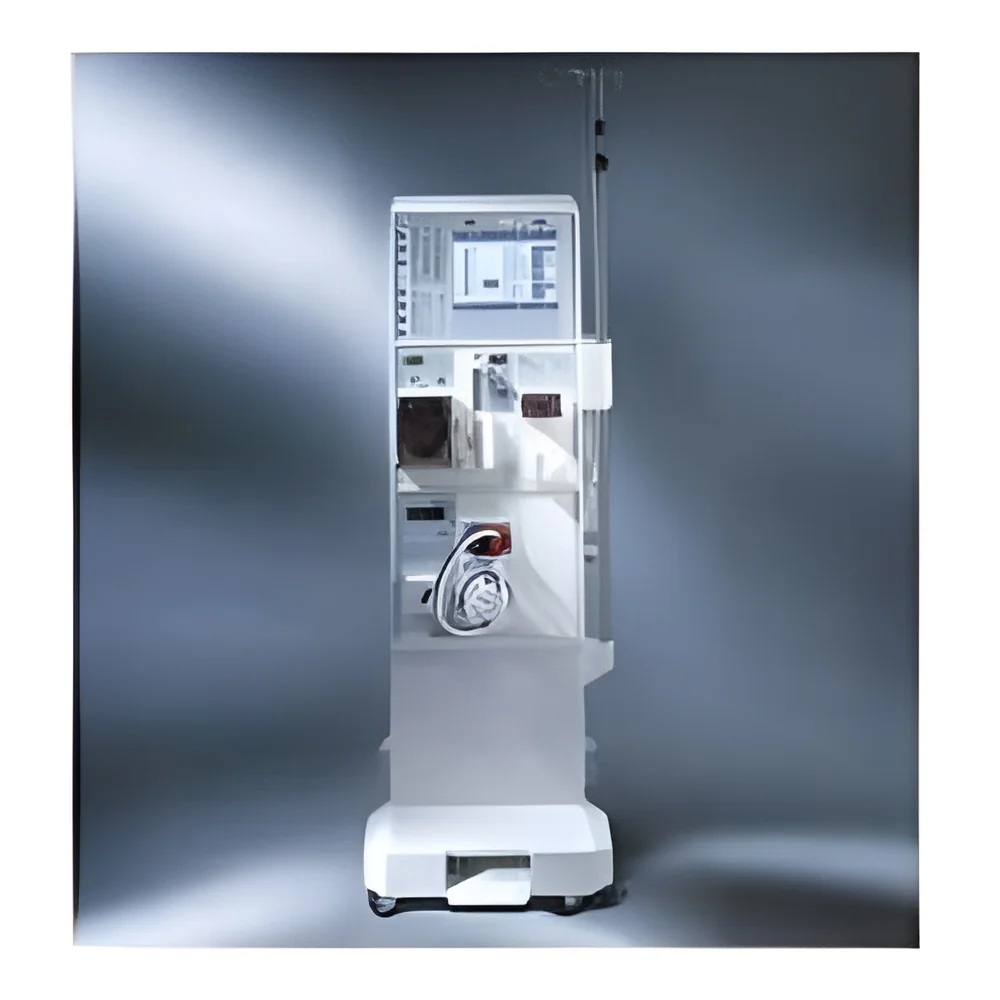
What are Dialysis Machines?
Dialysis machines are medical devices designed to perform the function of the kidneys in patients with kidney failure. They filter waste products, excess fluids, and toxins from the blood, which the kidneys can no longer effectively remove. These machines are crucial for maintaining a patient's health and quality of life by ensuring that the blood is appropriately purified and balanced with essential electrolytes.
Primarily, dialysis machines are used in healthcare settings such as hospitals, clinics, and dialysis centers. They support patients undergoing hemodialysis, a treatment that requires the use of an external machine to clean the blood. The increasing prevalence of chronic kidney disease and the growing aging population contribute to the rising demand for dialysis services, making these machines an integral part of healthcare infrastructure.
In the context of the medical equipment market, dialysis machines represent a significant segment. As advancements in technology continue to improve efficiency and patient comfort, manufacturers are innovating to meet the evolving needs of healthcare providers. The market for these machines is expected to grow, driven by increased awareness of kidney diseases and the importance of timely treatment.
Key Features and Specifications
Dialysis machines come equipped with a variety of features that enhance their functionality and usability. Understanding these specifications is crucial for healthcare providers selecting the right equipment.
Key specifications include:
1. Filtration System
- The filtration system is designed to remove toxins and excess fluids from the blood.
- Technical parameters include dialysate flow rates and blood flow rates that optimize the filtration process.
2. Monitoring Features
- These machines include monitoring capabilities to track patient vitals and dialysis parameters in real-time.
- Key metrics often monitored include blood pressure, temperature, and ultrafiltration.
3. User Interface
- A user-friendly interface allows healthcare professionals to operate the machine efficiently.
- Features may include touch screens and intuitive controls.
4. Safety Alarms
- Safety alarms alert operators to any abnormalities during the dialysis process.
- Common alarm types include those for air bubbles, low blood flow, and system malfunctions.
5. Size and Portability
- The size and portability of the machines can vary, with some designed for stationary use and others for mobility.
- Compact models are often preferred in outpatient settings.
6. Power Supply Options
- Dialysis machines may offer various power supply options, including battery backup for emergencies.
- This feature ensures continued operation during power outages.
7. Compatibility with Dialyzers
- Machines must be compatible with different types of dialyzers to accommodate patient needs.
- This compatibility can affect treatment efficacy.
8. Maintenance Requirements
- Maintenance protocols are essential for ensuring the longevity and functionality of the machine.
- Standard requirements may include regular cleaning and part replacements.
In summary, knowing the key features and specifications of dialysis machines can significantly influence the choice of equipment for healthcare facilities, ensuring effective treatment and patient safety.
Common Applications and Use Cases
Dialysis machines are utilized across various medical fields and industries, serving numerous applications.
1. Nephrology Clinics: These machines are primarily used in nephrology clinics where patients receive regular hemodialysis treatments for chronic kidney disease.
2. Hospitals: In hospitals, dialysis machines are essential for treating acute kidney injury and managing patients with severe health conditions requiring renal support.
3. Home Dialysis: Some models are designed for home dialysis, allowing patients to undergo treatment in the comfort of their homes, which enhances their quality of life.
4. Research Facilities: In research settings, dialysis machines may be used for studies related to kidney function and development of new treatment protocols.
5. Nursing Homes: Dialysis machines are also found in nursing homes, providing necessary treatment for elderly patients with kidney issues.
6. Emergency Services: Portable dialysis machines may be employed in emergency medical services to provide urgent care for patients in critical situations.
7. Outpatient Centers: Many outpatient centers utilize dialysis machines to offer treatment on a scheduled basis, allowing for increased patient throughput.
Product Variants and Subcategories
Dialysis machines come in various designs and configurations to meet diverse patient needs and clinical settings.
Portable Dialysis Machines
These machines are designed for easy transport and use in home settings or emergency situations. They provide flexibility for patients who require regular treatment outside traditional medical facilities.
Stationary Dialysis Machines
Stationary models are typically found in hospitals and clinics. They are equipped with advanced monitoring systems and larger filtration capacities, suitable for high-volume patient care.
Automated Dialysis Machines
These machines offer automated processes for dialysis treatment, reducing the need for manual intervention. They enhance efficiency and provide consistent treatment standards.
Benefits and Advantages
Investing in dialysis machines offers numerous benefits for healthcare providers and patients alike.
1. Improved Patient Outcomes: Effective filtration and monitoring lead to better management of kidney failure, improving overall health and longevity for patients.
2. Enhanced Safety: Built-in safety features and alarms reduce the risk of complications during treatment, ensuring patient safety throughout the dialysis process.
3. Increased Efficiency: Modern machines with automated features streamline operations, allowing healthcare providers to treat more patients effectively.
4. Flexibility in Treatment: Options for home and portable machines provide flexibility for patients, accommodating their lifestyle and personal preferences.
5. Cost-Effectiveness: While initial investments may be significant, the long-term savings from improved patient outcomes and reduced hospital stays can be substantial.
Buying Guide for B2B Buyers
When sourcing dialysis machines, it is essential for buyers to consider several critical factors to ensure they make informed decisions.
1. Quality Assessment: Evaluate the quality of the machines by reviewing manufacturer certifications and compliance with industry standards. High-quality machines are crucial for reliable patient care.
2. Supplier Verification: Vetting suppliers is vital to ensure they have a proven track record and provide reliable products. Research their reputation in the market and seek customer testimonials.
3. Pricing and MOQ: Understand the price range for dialysis machines and the minimum order quantity required. Consider budget constraints and negotiate terms with suppliers for favorable pricing.
4. Delivery and Lead Times: Discuss logistics with suppliers, including delivery timelines. Timely availability of machines is crucial for healthcare operations.
5. Compliance Requirements: Ensure that the machines meet all regulatory compliance requirements in your region, including safety and environmental standards.
Compliance and Certifications
Dialysis machines must adhere to various quality standards and certifications to ensure safety and efficacy in medical settings.
ISO 9001 is a widely recognized standard that outlines criteria for quality management systems. Compliance with this standard indicates that manufacturers have established processes to maintain high-quality production and service delivery.
CE certification is essential for medical devices sold in the European market. It ensures that the product meets safety, health, and environmental protection standards. Manufacturers must undergo rigorous testing and documentation to achieve this certification.
Safety and testing requirements are critical for dialysis machines, as they directly impact patient health. Regular testing of the machines ensures that they operate correctly and do not pose risks to users.
Regional compliance considerations vary globally. It is essential to stay informed about local regulations regarding medical devices to ensure that the machines meet necessary legal requirements.
Why Source Dialysis Machines from Pepagora?
Pepagora offers a reliable platform for sourcing dialysis machines, providing several key advantages that benefit B2B buyers.
Verified Supplier Network: Pepagora connects buyers with a network of verified suppliers who meet stringent quality and reliability standards. This reduces the risk of sourcing subpar equipment.
Streamlined RFQ Process: The request for quotation (RFQ) process is designed to be user-friendly, allowing buyers to quickly gather multiple quotes and compare options from various suppliers, making procurement more efficient.
Trade Assurance and Support: Pepagora provides trade assurance to protect buyers throughout the purchasing process. This support ensures that buyers receive their products as expected and addresses any concerns that may arise.
Regional Coverage: With a strong presence in India, the GCC, and Southeast Asia, Pepagora facilitates access to a wide range of dialysis machines suitable for diverse markets. This regional coverage ensures that buyers can find the right equipment tailored to their specific needs.

 IN
IN