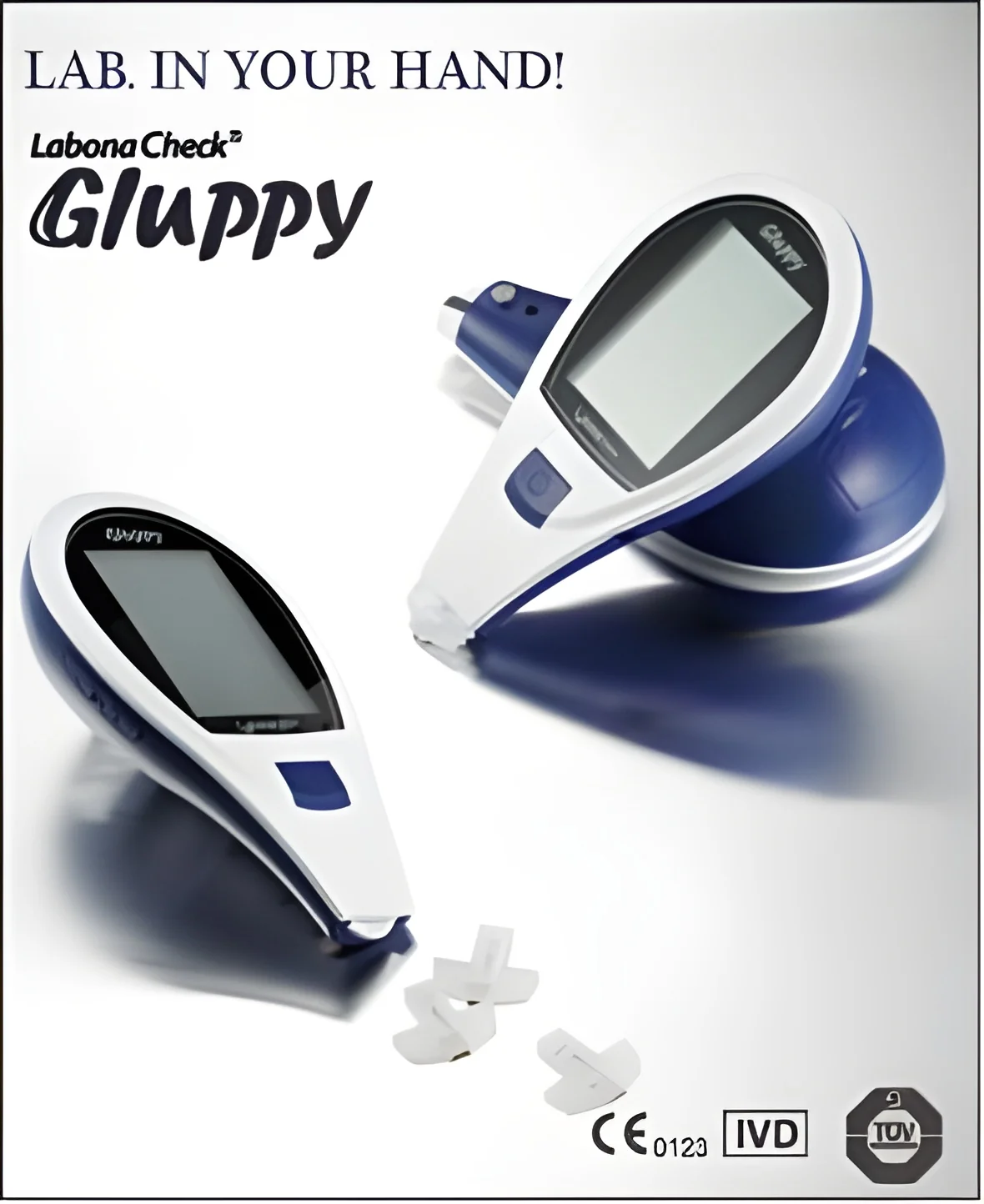
What are Glucometers & Strips?
Glucometers and strips are essential medical devices used to measure blood glucose levels in individuals, particularly those managing diabetes. A glucometer is a portable device that reads the glucose concentration in a small blood sample, typically obtained through a finger prick. The strips, which are disposable, contain chemical reagents that react with the glucose in the blood, enabling the glucometer to display an accurate reading.
These devices are primarily used in healthcare settings, including hospitals, clinics, and home care environments. They help patients monitor their blood sugar levels and manage their diabetes effectively, ensuring timely interventions when necessary. The growing prevalence of diabetes globally underscores the importance of glucometers and strips in both personal health management and broader healthcare strategies, making them vital products in the medical supply market.
Key Features and Specifications
Glucometers and strips come with various features and specifications that enhance their usability and accuracy. Understanding these features is crucial for selecting the right product for specific needs.
Key specifications include:
1. Measurement Range
- Typically ranges from 20-600 mg/dL.
- Ensures coverage for both hypoglycemic and hyperglycemic states.
2. Sample Size
- Usually requires a small blood sample of 0.5 to 1.0 microliters.
- Minimal discomfort for users during testing.
3. Display Type
- LCD or LED display options available.
- Clear readings in various lighting conditions.
4. Memory Capacity
- Can store between 250 to 1000 readings.
- Helps users track their blood glucose levels over time.
5. Connectivity Options
- Bluetooth or USB connectivity for data transfer.
- Enables integration with health management apps.
6. Battery Life
- Typically lasts between 1-2 years depending on usage.
- Reduces the need for frequent replacements.
7. Calibration Requirement
- Some models require manual calibration.
- Others are factory-calibrated for convenience.
8. Test Strip Expiration
- Strips generally have a shelf life of 6-12 months post-manufacture.
- Proper storage is essential to maintain effectiveness.
In summary, knowing these features and specifications allows healthcare providers and individuals to choose the right glucometers and strips suitable for their needs.
Common Applications and Use Cases
Glucometers and strips find extensive application across various industries, enhancing patient care and monitoring.
1. Healthcare: Hospitals and clinics utilize glucometers for immediate blood glucose testing in patients, facilitating timely medical interventions.
2. Home Care: Patients managing diabetes at home rely on these devices for daily monitoring, empowering them to maintain optimal health.
3. Pharmaceutical: Pharmaceutical companies often use glucometers in clinical trials to monitor participants' blood glucose levels and assess medication efficacy.
4. Research: Academic and clinical research institutions employ glucometers in studies focused on diabetes management and treatment innovations.
5. Fitness and Wellness: Health professionals in fitness centers use glucometers to provide personalized health plans for clients with diabetes.
Product Variants and Subcategories
Glucometers and strips are available in several variants, catering to diverse user requirements.
Standard Glucometer
This is the most common variant, designed for general use. It features basic functions for measuring blood glucose levels and is suitable for home and clinical settings.
Smart Glucometer
Equipped with advanced features like Bluetooth connectivity, this variant allows users to sync data with mobile applications, providing insights and trends over time.
Continuous Glucose Monitor (CGM)
CGMs offer real-time monitoring without the need for frequent finger pricks. This variant is ideal for patients requiring constant glucose level tracking.
Benefits and Advantages
Glucometers and strips provide numerous benefits that significantly impact diabetes management.
1. Accuracy: High precision in blood glucose readings ensures users can make informed health decisions.
2. Portability: The compact design allows easy transport, making it convenient for use at home or on the go.
3. User-Friendly: Many devices feature intuitive interfaces and simple operation, making them accessible for all users.
4. Cost-Effectiveness: Over time, these devices can reduce healthcare costs by minimizing complications associated with uncontrolled blood sugar levels.
5. Enhanced Monitoring: Regular testing enables users to track their glucose levels effectively, leading to better health outcomes.
6. Improved Quality of Life: By managing their blood sugar levels, users can maintain a more active lifestyle and reduce the risk of diabetes-related complications.
Buying Guide for B2B Buyers
When sourcing glucometers and strips, it is essential for B2B buyers to consider several critical factors.
1. Quality Assessment: Evaluate the quality of glucometers and strips by checking certifications and compliance with industry standards. Look for devices that have undergone rigorous testing to ensure reliability.
2. Supplier Verification: Conduct thorough background checks on suppliers. Ensure they have a track record of delivering quality products and positive customer feedback.
3. Pricing and MOQ: Understand the pricing structure and minimum order quantities. Compare prices from different suppliers to ensure competitive rates without compromising quality.
4. Delivery and Lead Times: Assess the supplier's ability to meet delivery schedules. Timely delivery is crucial for maintaining inventory and meeting customer demands.
5. Compliance Requirements: Ensure that the products meet local and international regulatory standards. Familiarize yourself with any specific compliance requirements relevant to your market.
Compliance and Certifications
Glucometers and strips must adhere to various quality standards to ensure safety and efficacy. Common standards include ISO 9001, which outlines quality management systems, and HACCP, which focuses on food safety management.
In addition to these standards, products often require CE certification, indicating compliance with European health, safety, and environmental protection regulations. Safety and testing requirements are critical, as they ensure that the devices perform accurately under specified conditions.
Regional compliance considerations may vary, so it is essential for manufacturers and suppliers to stay updated with local regulations pertaining to medical devices. This compliance is vital for maintaining market access and ensuring user safety.
Why Source Glucometers & Strips from Pepagora?
Pepagora offers a robust platform for sourcing glucometers and strips, providing several advantages to B2B buyers.
Verified Supplier Network: Pepagora connects buyers with a network of verified suppliers, ensuring that all products meet high-quality standards. Each supplier undergoes a rigorous vetting process to ensure reliability.
Streamlined RFQ Process: The Request for Quotation (RFQ) system simplifies the procurement process. Buyers can easily compare offers from multiple suppliers, facilitating informed purchasing decisions.
Trade Assurance and Support: Pepagora provides trade assurance, offering protection for buyers throughout the transaction process. This support instills confidence in sourcing decisions.
Regional Coverage: With a presence in India, the GCC, and Southeast Asia, Pepagora effectively caters to diverse market needs, ensuring that buyers can find suitable products in their regions.
By choosing Pepagora, businesses can enhance their procurement efficiency while ensuring access to quality glucometers and strips.

 IN
IN