What are Nebulizers (Home & Clinical Use)?
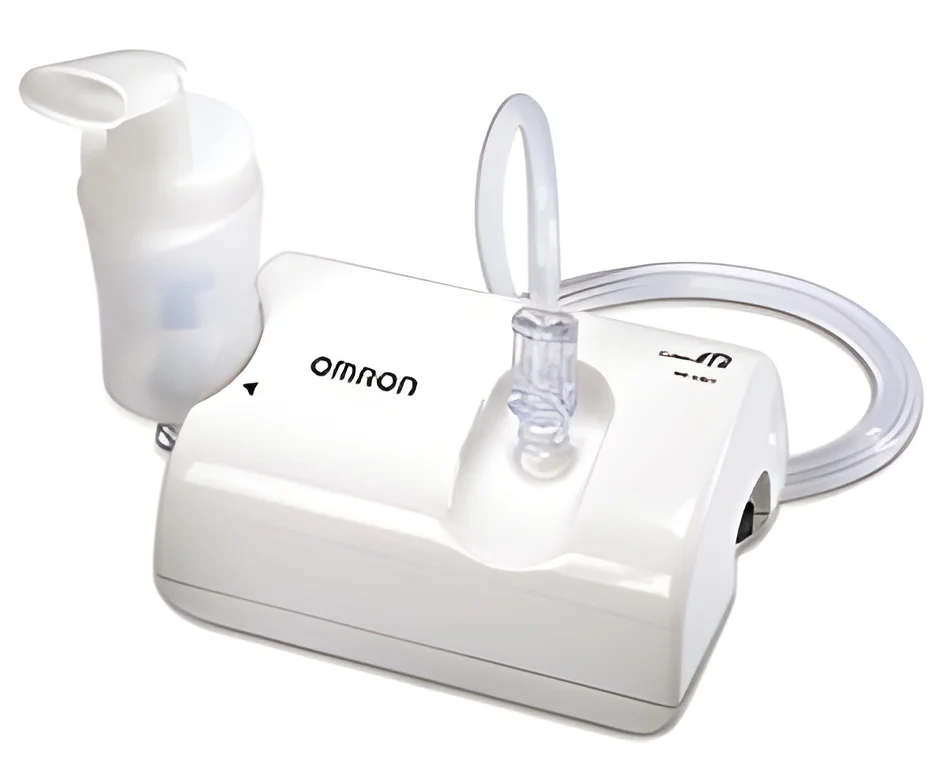
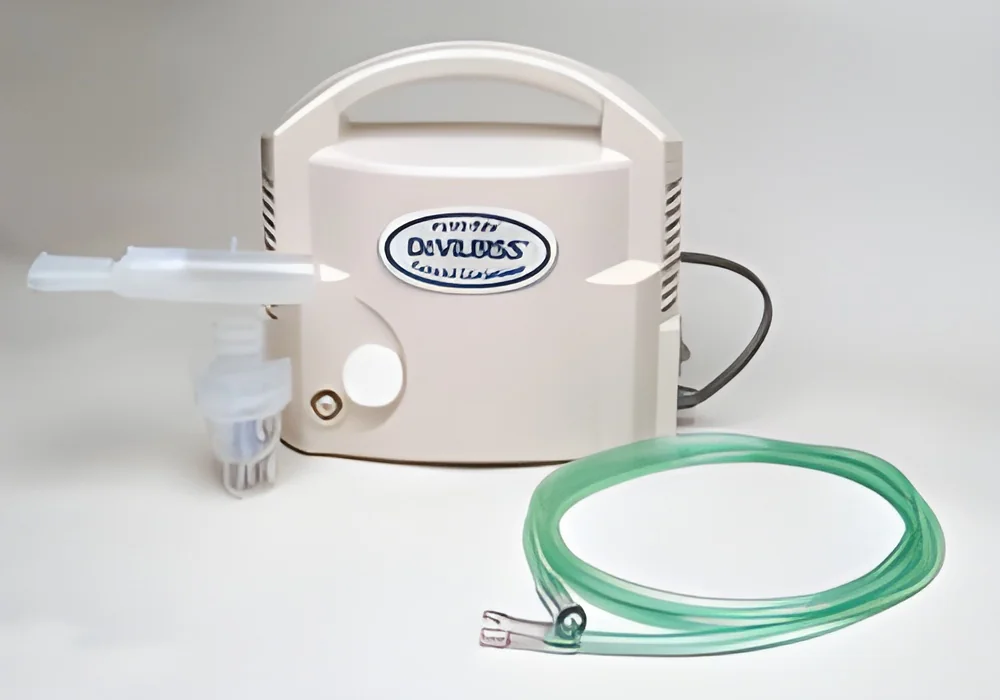
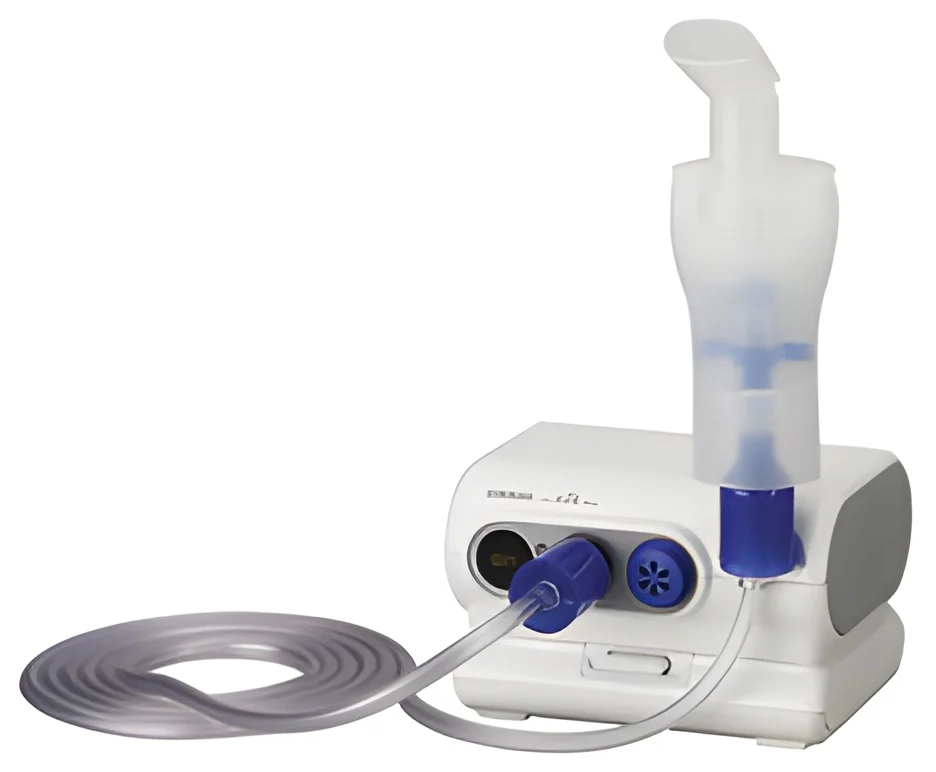
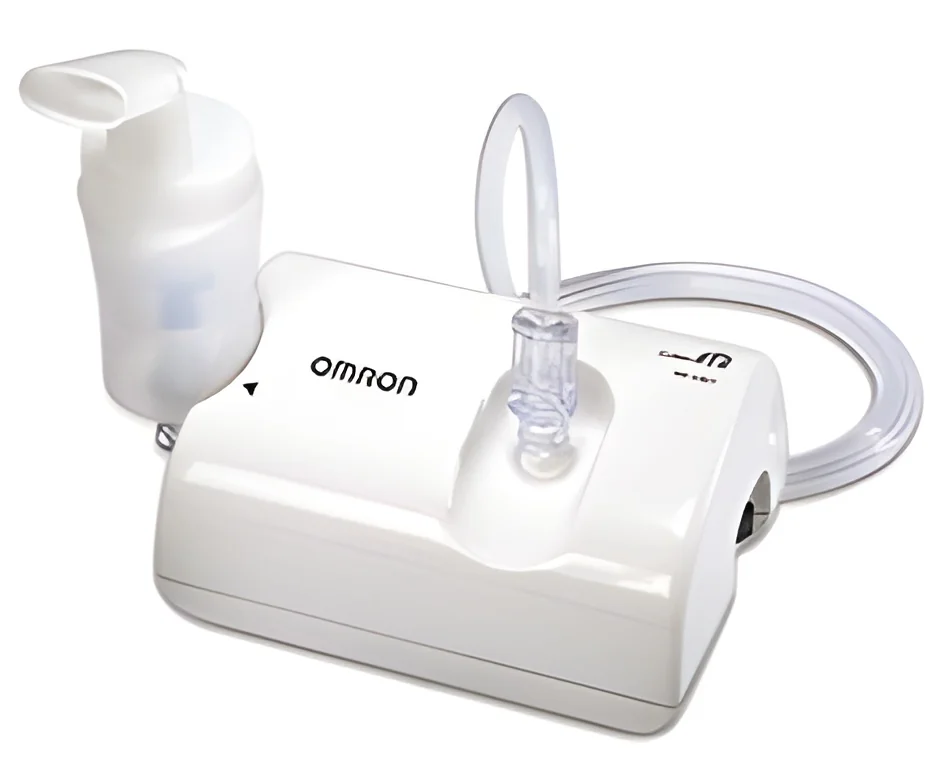
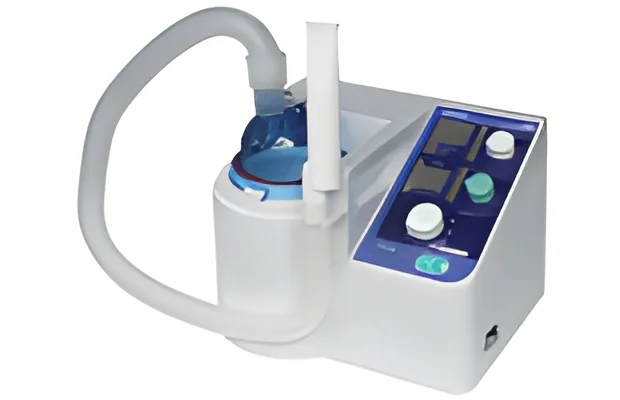
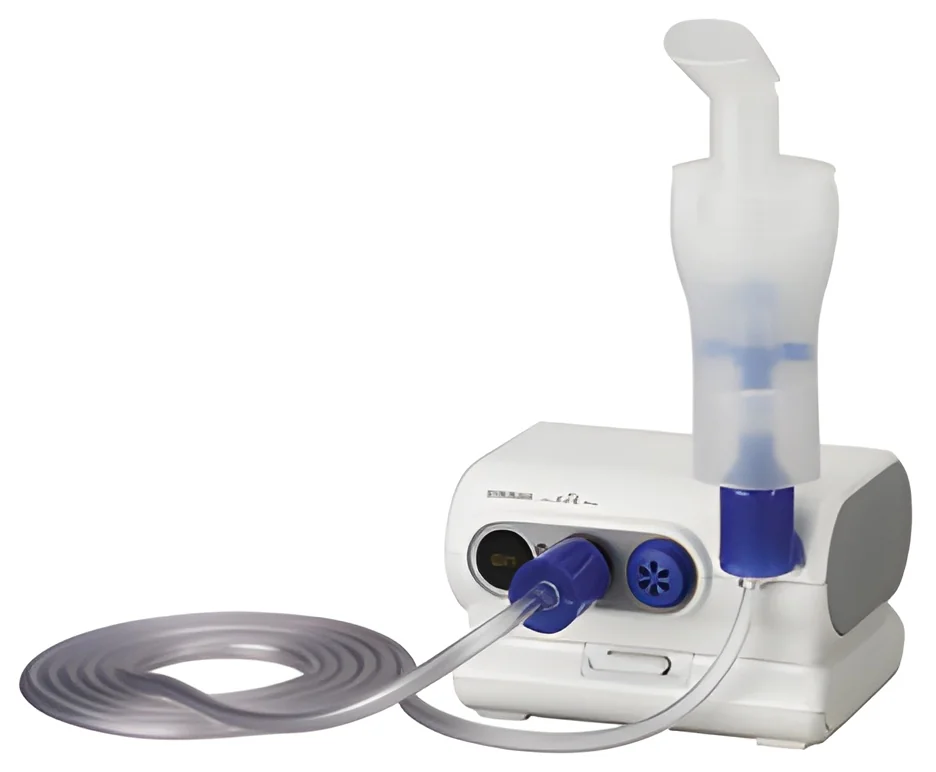
Nebulizers are medical devices that convert liquid medication into a fine aerosol mist for inhalation. This process allows patients to receive medication directly into their lungs, providing rapid relief for respiratory conditions. Nebulizers are commonly used in both home and clinical settings, making them versatile tools for managing chronic respiratory diseases such as asthma, chronic obstructive pulmonary disease (COPD), and other airway conditions.
In clinical settings, nebulizers are often utilized for administering bronchodilators and corticosteroids during acute exacerbations. Home use nebulizers enable patients to manage their conditions conveniently, promoting adherence to treatment regimens. The growing prevalence of respiratory diseases has driven demand in the market, leading to innovations in nebulizer technology and design. As healthcare continues to evolve, nebulizers maintain a critical role in both outpatient and inpatient care.
๐๐ฒ๐ ๐๐ฒ๐ฎ๐๐๐ฟ๐ฒ๐ ๐ฎ๐ป๐ฑ ๐ฆ๐ฝ๐ฒ๐ฐ๐ถ๐ณ๐ถ๐ฐ๐ฎ๐๐ถ๐ผ๐ป๐
Nebulizers come with a range of features designed to improve functionality and user experience. These include portability, ease of use, and compatibility with various medications. Below are key specifications that define the performance and reliability of nebulizers.
Key specifications include:
1. Nebulization Rate
- Refers to the speed at which medication is converted into mist.
- Typical ranges are between 0.25 to 0.5 mL/min.
2. Particle Size
- Indicates the size of aerosol particles produced.
- Optimal size for deep lung penetration is around 1 to 5 microns.
3. Operating Time
- Duration a nebulizer can operate continuously.
- Commonly ranges from 20 to 30 minutes.
4. Noise Level
- Measurement of sound produced during operation.
- Typically between 30 to 60 decibels.
5. Power Source
- Indicates whether the device is battery-operated or electric.
- Many models offer both options for flexibility.
6. Chamber Capacity
- Volume of medication the nebulizer can hold.
- Generally ranges from 2 to 10 mL.
7. Cleaning and Maintenance
- Recommendations for cleaning frequency and methods.
- Many models are designed for easy disassembly and dishwasher safety.
8. Weight and Portability
- Reflects the device's convenience for travel or home use.
- Lightweight models often weigh less than 2 pounds.
In summary, understanding these specifications helps users select the right nebulizer to meet their medical and lifestyle needs.
๐๐ผ๐บ๐บ๐ผ๐ป ๐๐ฝ๐ฝ๐น๐ถ๐ฐ๐ฎ๐๐ถ๐ผ๐ป๐ ๐ฎ๐ป๐ฑ ๐จ๐๐ฒ ๐๐ฎ๐๐ฒ๐
Nebulizers find applications across various industries, particularly in healthcare.
1. Healthcare Facilities: Hospitals and clinics utilize nebulizers for acute treatment of respiratory disorders, ensuring patients receive timely medication during emergencies.
2. Home Healthcare: Patients with chronic conditions like asthma and COPD use home nebulizers for regular medication administration, promoting adherence to treatment plans.
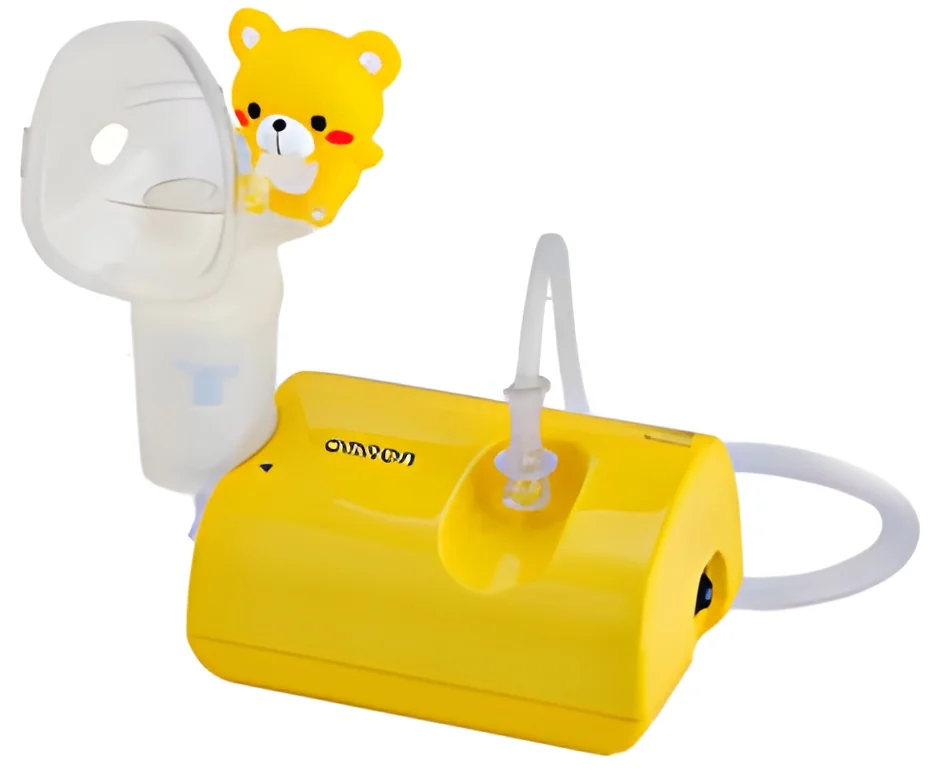
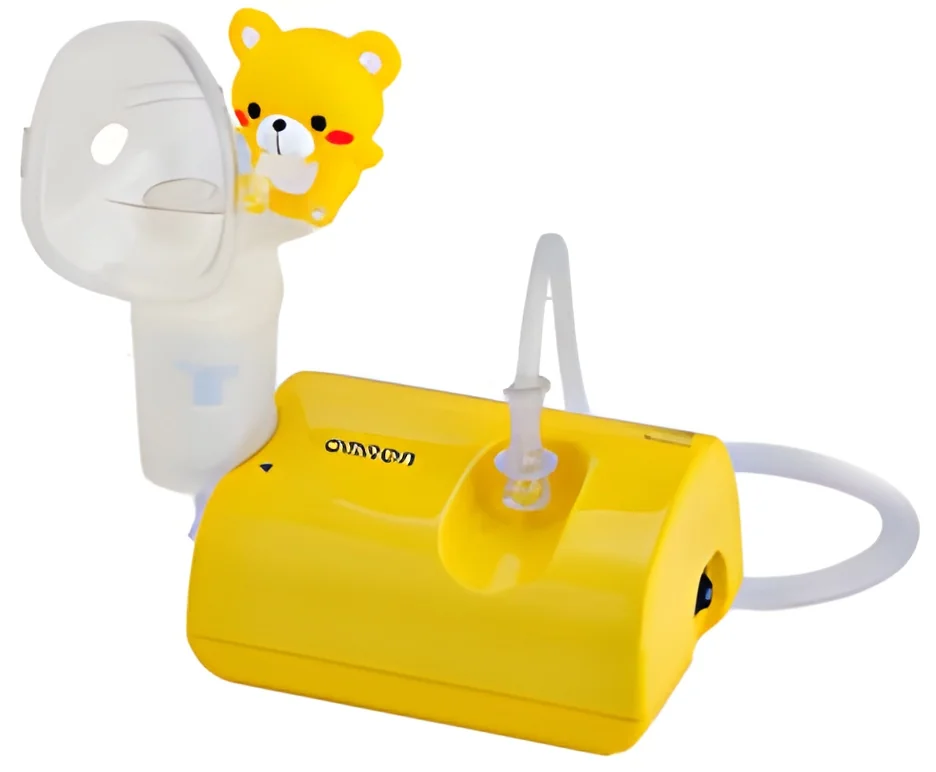
3. Pediatric Care: Nebulizers are commonly prescribed for children, as they are easier to use than inhalers and provide effective delivery of medication.
4. Geriatric Care: Older adults benefit from nebulizers due to their ease of use, allowing for straightforward management of respiratory issues without needing complex inhalation techniques.
5. Veterinary Medicine: Nebulizers are also used in veterinary settings to treat respiratory conditions in animals, providing a non-invasive method of medication delivery.
๐ฃ๐ฟ๐ผ๐ฑ๐๐ฐ๐ ๐ฉ๐ฎ๐ฟ๐ถ๐ฎ๐ป๐๐ ๐ฎ๐ป๐ฑ ๐ฆ๐๐ฏ๐ฐ๐ฎ๐๐ฒ๐ด๐ผ๐ฟ๐ถ๐ฒ๐
Nebulizers come in various types, each designed for specific needs and applications.
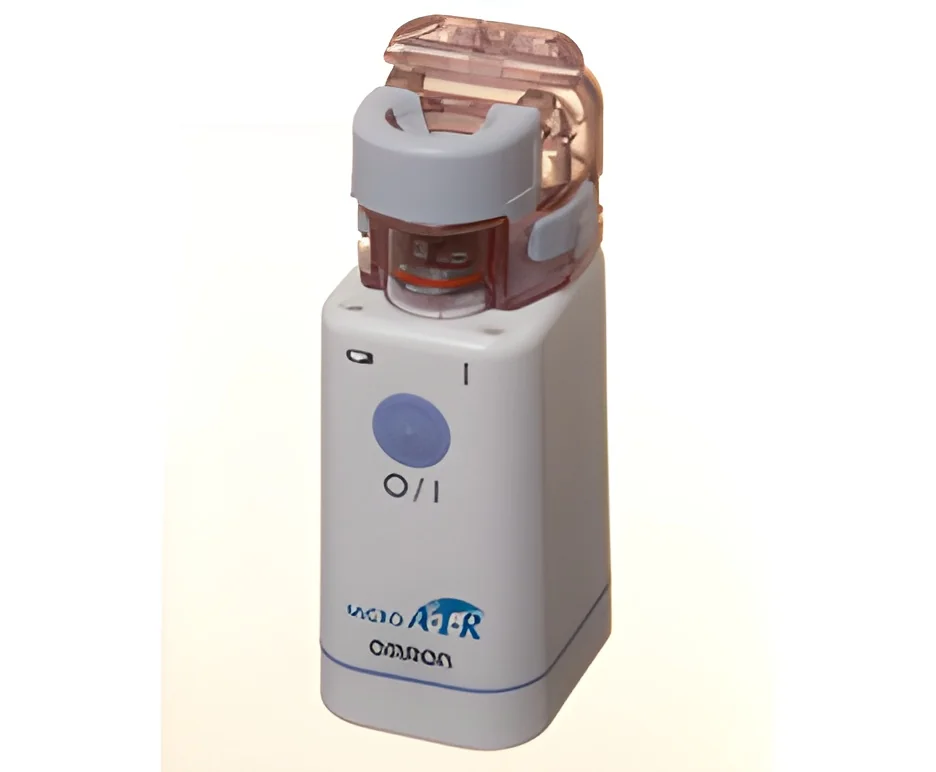
Mesh Nebulizers: These devices use a vibrating mesh to create aerosolized medication. They are compact, quiet, and ideal for on-the-go use.
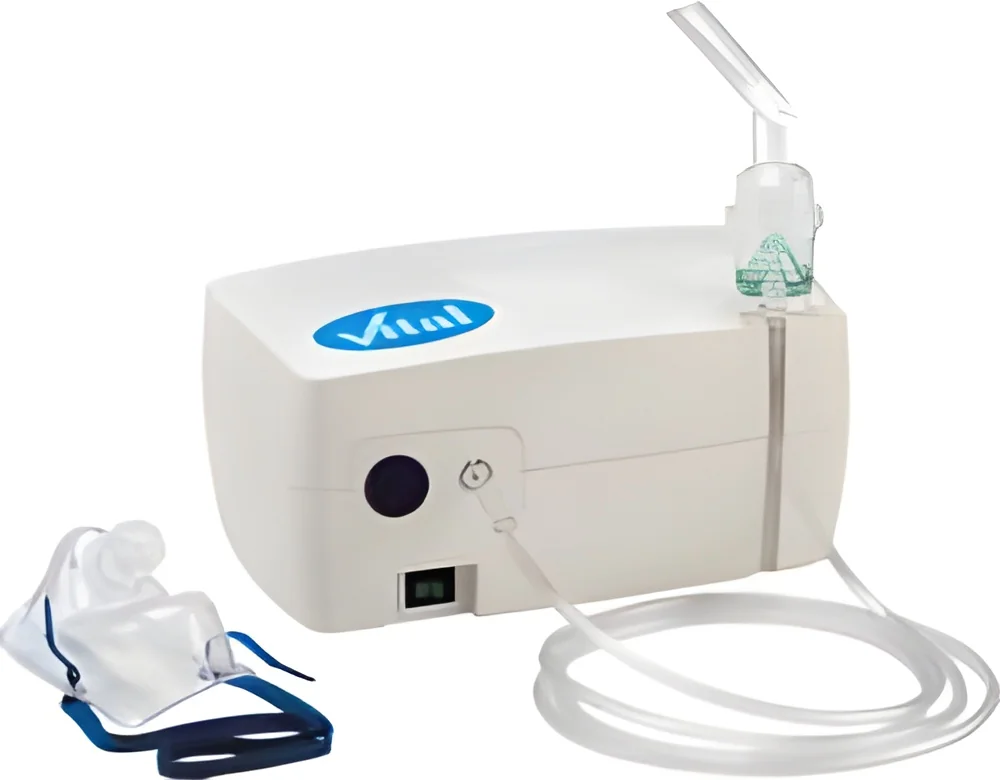
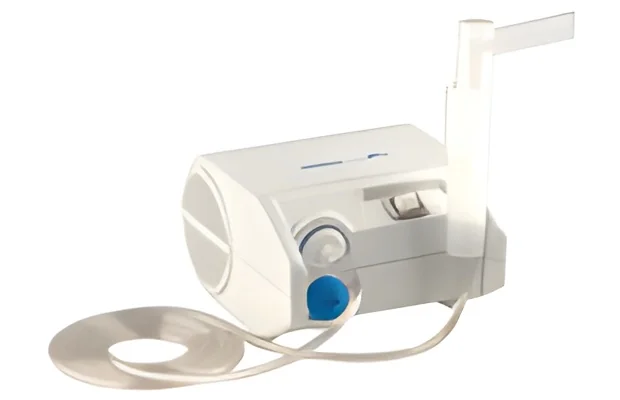
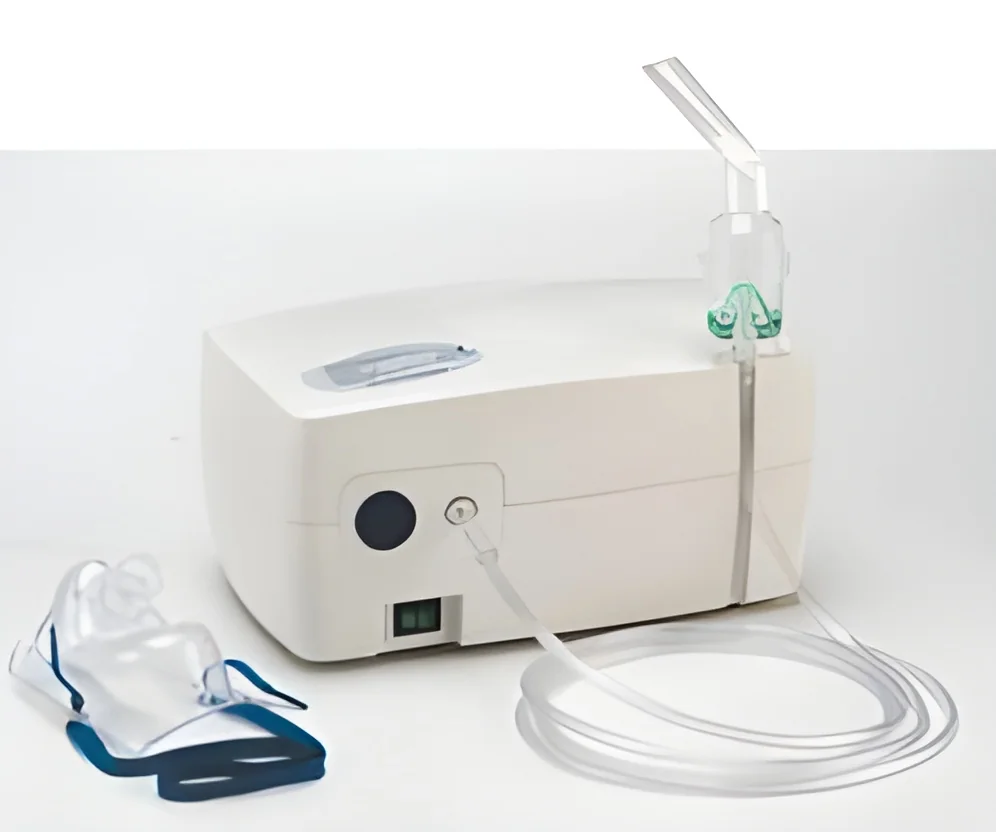
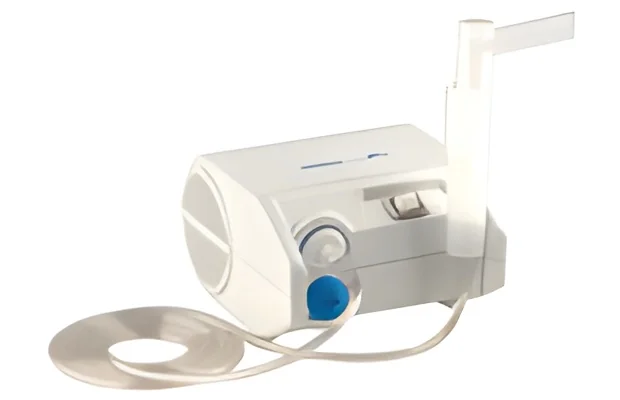
Compressor Nebulizers: These are traditional nebulizers that use compressed air to aerosolize liquid medication. They are widely used in clinical settings and are effective for a wide range of medications.
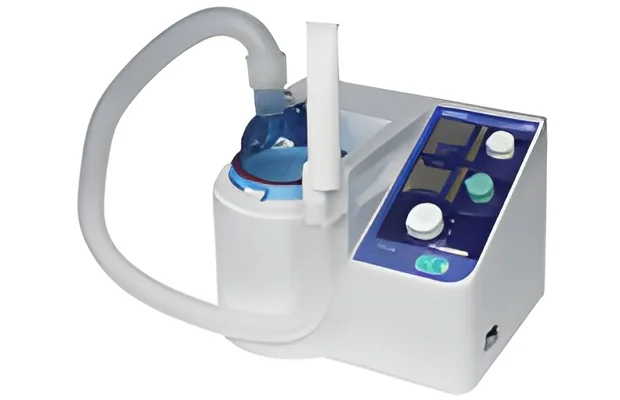
Ultrasonic Nebulizers: Utilizing ultrasonic waves, these nebulizers create fine mist for inhalation. They are known for their efficiency and speed but may be limited in the types of medications they can deliver.
๐๐ฒ๐ป๐ฒ๐ณ๐ถ๐๐ ๐ฎ๐ป๐ฑ ๐๐ฑ๐๐ฎ๐ป๐๐ฎ๐ด๐ฒ๐
Nebulizers provide significant advantages for both patients and healthcare providers.
1. Effective Drug Delivery: Nebulizers deliver medication directly to the lungs, improving treatment efficacy for respiratory conditions.
2. User-Friendly: Many nebulizers are designed for easy operation, making them suitable for patients of all ages.
3. Versatile Medication Compatibility: Nebulizers can be used with a variety of medications, including bronchodilators, corticosteroids, and antibiotics.
4. Reduced Side Effects: Direct delivery minimizes systemic absorption, potentially reducing side effects compared to oral medications.
5. Continuous Treatment: Nebulizers can administer medication over a longer period, allowing for more sustained relief of symptoms.
6. Adaptability: With various models available, nebulizers can cater to the specific needs of different patient populations, including children and the elderly.
๐๐๐๐ถ๐ป๐ด ๐๐๐ถ๐ฑ๐ฒ ๐ณ๐ผ๐ฟ ๐๐ฎ๐ ๐๐๐๐ฒ๐ฟ๐
When sourcing nebulizers for business use, several factors should be considered to ensure quality and reliability.
1. Quality Assessment: Evaluate nebulizers based on performance, durability, and user reviews. Ensure the product meets established medical standards.
2. Supplier Verification: Vet suppliers for credibility and reliability. Look for certifications and customer feedback to confirm their reputation in the market.
3. Pricing and MOQ: Analyze pricing structures and minimum order quantities. Ensure that the costs align with your budget while maintaining quality.
4. Delivery and Lead Times: Confirm logistics capabilities and expected delivery timelines to avoid supply chain disruptions.
5. Compliance Requirements: Understand the regulatory standards that apply to nebulizers in your region, ensuring all products meet necessary compliance.
๐๐ผ๐บ๐ฝ๐น๐ถ๐ฎ๐ป๐ฐ๐ฒ ๐ฎ๐ป๐ฑ ๐๐ฒ๐ฟ๐๐ถ๐ณ๐ถ๐ฐ๐ฎ๐๐ถ๐ผ๐ป๐
Nebulizers must adhere to several quality standards and industry certifications to ensure safety and efficacy. Compliance with ISO 9001 standards indicates effective quality management systems in manufacturing processes.
Additionally, certifications such as CE mark and UL listing are crucial for demonstrating that products meet European and North American safety standards, respectively.
Safety testing requirements are essential to verify that nebulizers operate safely under specified conditions. Regional compliance considerations may vary, so it is important to stay informed about local regulations governing medical devices.
Why Source Nebulizers (Home & Clinical Use) from Pepagora?
Pepagora provides a trusted platform for sourcing nebulizers for both home and clinical use, offering several key advantages.
Verified Supplier Network: Pepagora has established a rigorous vetting process for suppliers, ensuring that only reputable and compliant manufacturers are included in the network. This gives buyers confidence in the quality of products sourced through the platform.
Streamlined RFQ Process: The request for quotation (RFQ) system simplifies the procurement process, allowing buyers to quickly obtain competitive pricing and product details from multiple suppliers.
Trade Assurance and Support: Pepagora prioritizes buyer protection through trade assurance measures, providing support for transactions and ensuring that buyers receive what they are promised.
Regional Coverage: With a strong presence in India, the GCC, and Southeast Asia, Pepagora offers extensive regional coverage, making it easier for businesses to find and source nebulizers in their local markets.