
 IN
INPhysiotherapy Machines (TENS, Ultrasound)
10 products available
Key Features and Specifications
Common Applications and Use Cases
Product Variants and Subcategories
Benefits and Advantages
Buying Guide for B2B Buyers
Compliance and Certifications


.webp)
.webp)
Frequently Asked Questions
What are Physiotherapy Machines (TENS, Ultrasound)?
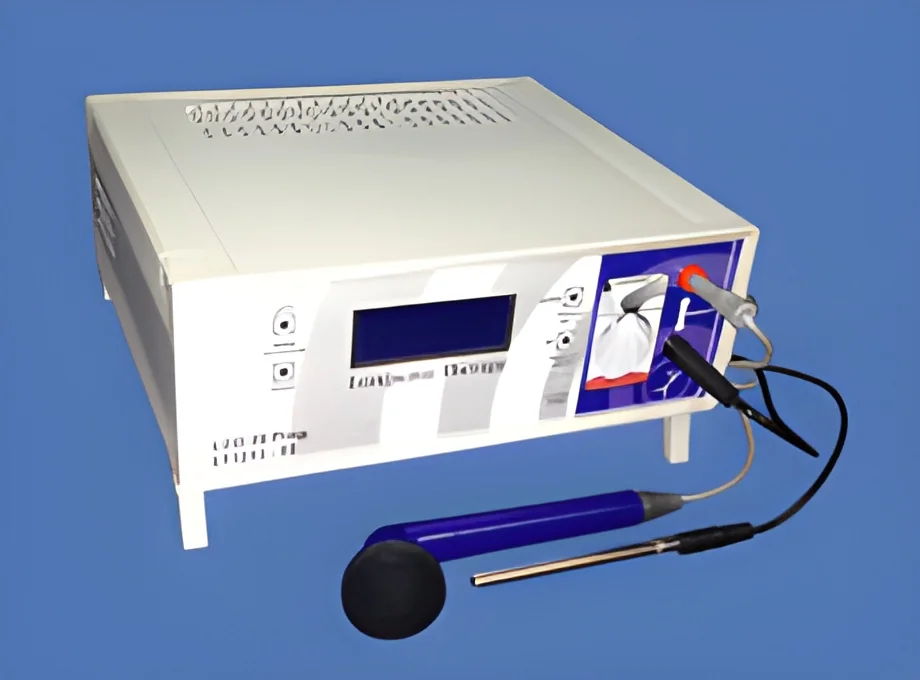
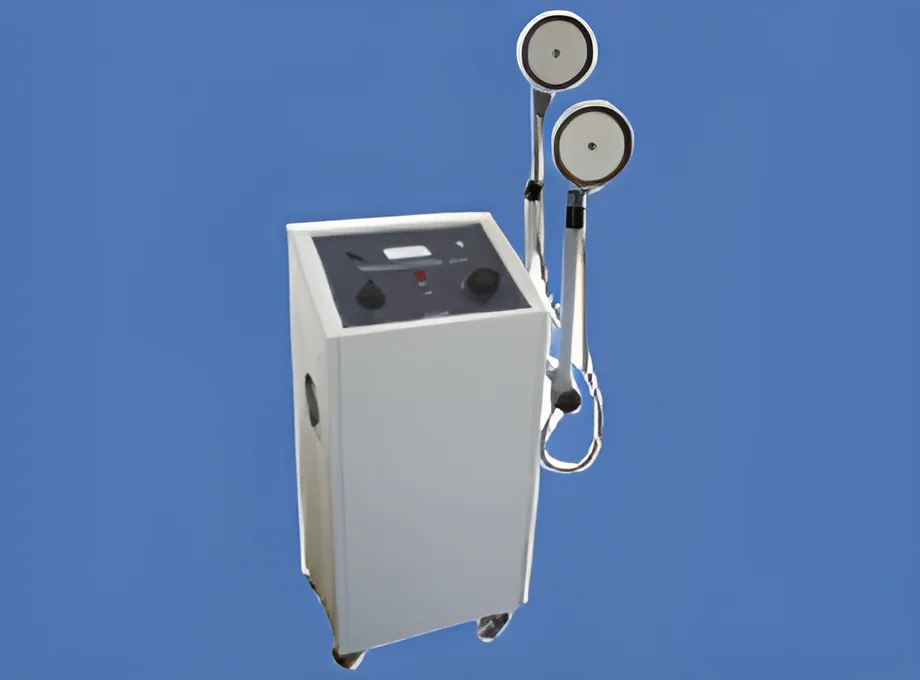
Physiotherapy Machines, including TENS (Transcutaneous Electrical Nerve Stimulation) and Ultrasound devices, are used in therapeutic practices to alleviate pain and promote healing. TENS machines use electrical impulses to stimulate nerves for pain relief, while Ultrasound machines utilize sound waves to penetrate tissues for healing and inflammation reduction.
What are the different types of Physiotherapy Machines (TENS, Ultrasound)?
The primary types of Physiotherapy Machines include TENS units, which are available in portable and clinical models, and Ultrasound machines, which may feature continuous or pulsed output modes. Other types include electrotherapy devices, combination therapy units, and infrared therapy machines, each designed for specific treatment goals.
How do I choose the right Physiotherapy Machines (TENS, Ultrasound)?
To choose the right Physiotherapy Machine, consider the specific treatment needs, the type of conditions being addressed, and the patient's medical history. Additionally, evaluate factors like device features, ease of use, portability, and manufacturer reputation to ensure you select a machine that meets clinical requirements.
What are the standard specifications for Physiotherapy Machines (TENS, Ultrasound)?
Standard specifications for TENS machines typically include adjustable frequency and intensity settings, while Ultrasound machines often feature frequency ranges of 1 MHz to 3 MHz, power output, and treatment time settings. It's essential to check for compliance with safety and efficacy standards in medical devices.
What is the price range for Physiotherapy Machines (TENS, Ultrasound)?
The price range for Physiotherapy Machines varies widely based on type and features, with TENS units typically ranging from ₹2,000 to ₹15,000, while Ultrasound machines can cost between ₹10,000 and ₹1,00,000 or more. Higher-end models may offer advanced features and longer warranties.
What quality standards apply to Physiotherapy Machines (TENS, Ultrasound)?
Physiotherapy Machines must comply with quality standards such as ISO 13485 for medical devices and CE marking for products sold in Europe. In India, manufacturers should adhere to the regulations set by the Central Drugs Standard Control Organization (CDSCO) to ensure safety and efficacy.
Where can I find Physiotherapy Machines (TENS, Ultrasound) suppliers in India?
You can find suppliers of Physiotherapy Machines in India through online B2B marketplaces like Pepagora, trade shows, and medical equipment expos. Additionally, industry directories and manufacturer websites can provide valuable contacts for sourcing these machines.
Can Physiotherapy Machines (TENS, Ultrasound) be customized?
Yes, many manufacturers offer customization options for Physiotherapy Machines to meet specific clinical needs or branding requirements. Customization may include tailored features, design modifications, or bespoke packaging, depending on the supplier.
What is the typical minimum order quantity for Physiotherapy Machines (TENS, Ultrasound)?
The typical minimum order quantity (MOQ) for Physiotherapy Machines varies by manufacturer and can range from 1 to 100 units. It's advisable to check with individual suppliers for their specific MOQs and any potential bulk order discounts.
What is the typical lead time for Physiotherapy Machines (TENS, Ultrasound)?
The typical lead time for Physiotherapy Machines varies based on the manufacturer and order size, generally ranging from 2 to 6 weeks. Factors like customization requests and inventory levels can also affect delivery timelines.
Why Businesses Trust Pepagora
Thousands of companies trust Pepagora to source smarter and sell faster
Expand Your Sales Globally

Source Smarter,Grow Faster
