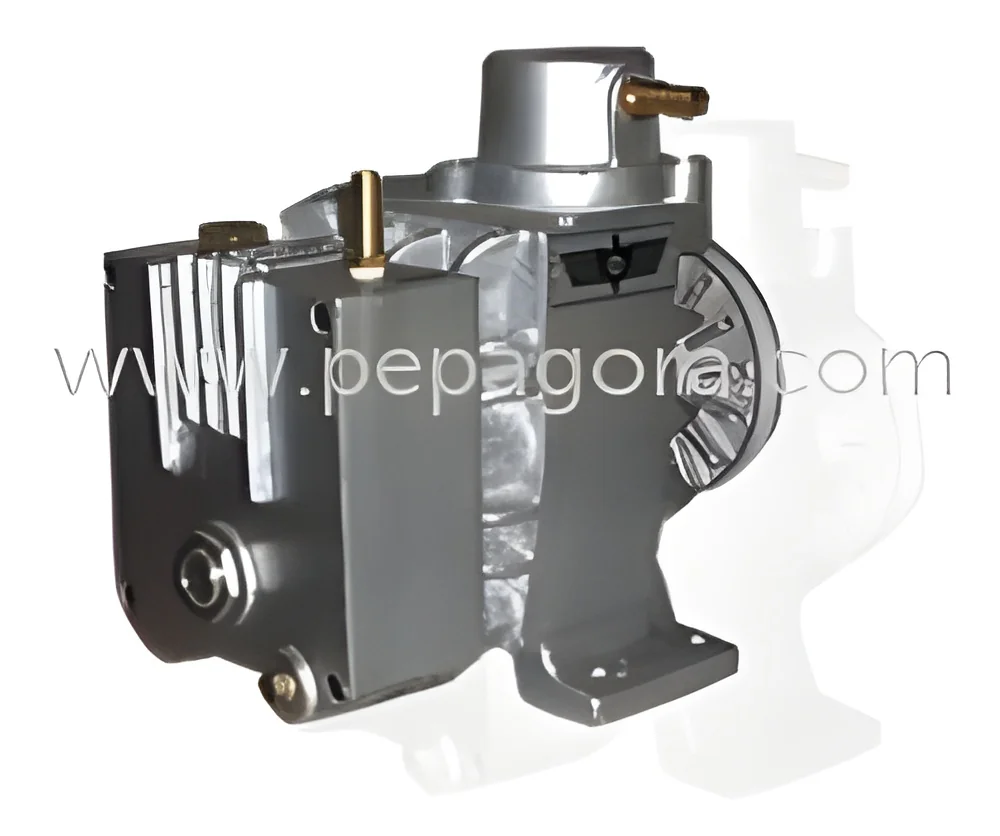
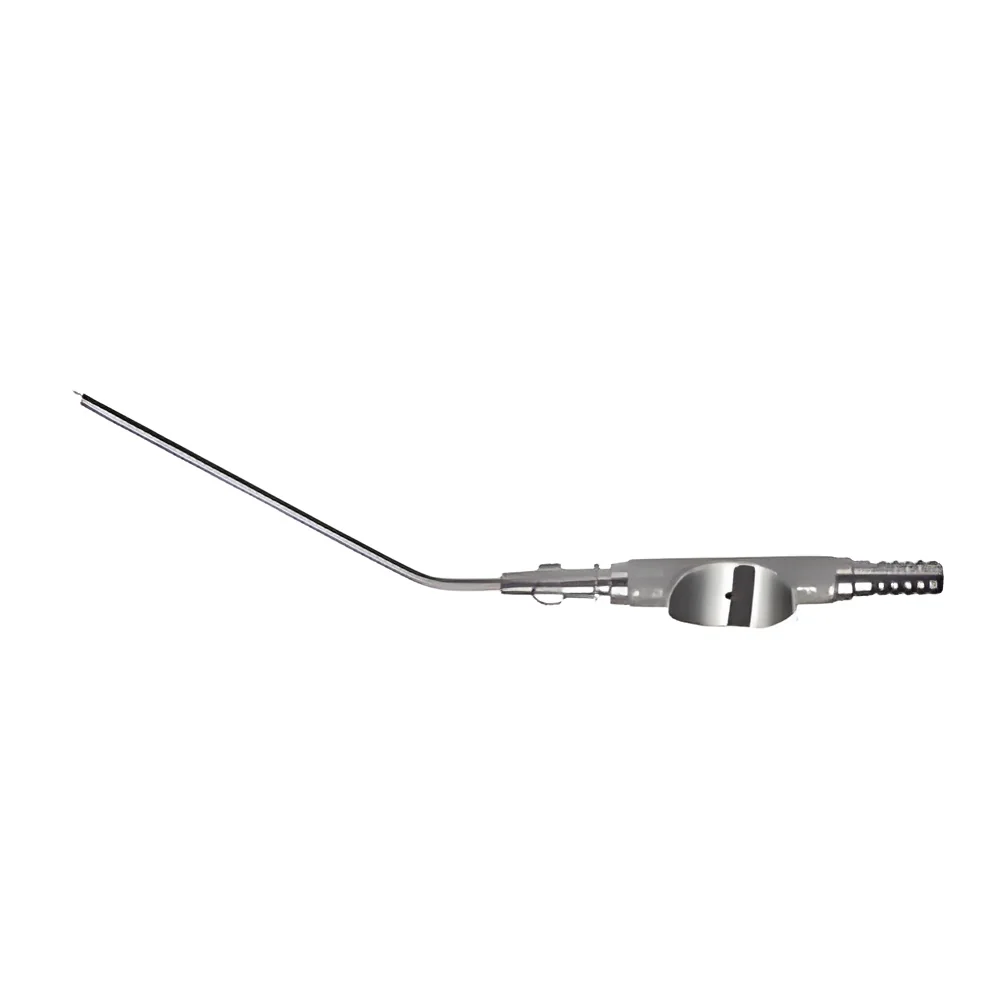
What are Suction Machines?
Suction machines are medical devices designed to remove fluids and secretions from the airways or surgical sites. They consist of a motorized pump, collection canisters, and tubing, allowing healthcare professionals to maintain a clear and unobstructed airway for patients. These machines can be powered by electricity or battery, providing flexibility in various settings.
Primarily used in hospitals, clinics, and emergency care, suction machines are essential in procedures such as tracheostomy care, wound irrigation, and aspiration during surgeries. They help prevent complications associated with fluid accumulation, such as aspiration pneumonia, and are critical in managing patients with respiratory distress. The market for suction machines is growing, driven by the increasing prevalence of chronic respiratory diseases and advancements in medical technology.
As healthcare facilities continue to evolve, suction machines remain relevant in improving patient outcomes. With ongoing innovations in design and functionality, these devices are becoming more efficient, portable, and user-friendly, making them indispensable in modern medical environments.
Key Features and Specifications
Suction machines come with a variety of features and specifications tailored to meet the needs of healthcare providers. When selecting a suction machine, it is essential to consider these specifications to ensure optimal performance and reliability.
Key specifications include:
1. Suction Pressure Range
- Typically ranges from 0 to 760 mmHg
- Allows for adjustable suction levels for different procedures
2. Collection Canister Size
- Available in sizes ranging from 500 ml to 3000 ml
- Larger canisters minimize the frequency of changes during use
3. Power Source
- Options include electric and battery-operated models
- Battery-operated models offer portability for emergency situations
4. Noise Level
- Generally measured in decibels (dB)
- Lower noise levels enhance patient comfort during use
5. Weight
- Weighs between 5 to 15 kg depending on the model
- Lightweight models are easier to transport and handle
6. Tubing Length
- Standard lengths typically range from 1 to 3 meters
- Longer tubing allows for flexibility in positioning
7. Safety Features
- Includes overflow protection and automatic shut-off
- Enhances safety for both patients and healthcare providers
8. Maintenance Requirements
- Designed for easy cleaning and disinfection
- Many models come with disposable components to minimize cross-contamination
In summary, understanding the key features and specifications of suction machines is crucial for making informed purchasing decisions. Selecting the right model based on these criteria can significantly impact patient care and operational efficiency.
Common Applications and Use Cases
Suction machines are versatile devices utilized across various industries, particularly in healthcare settings.
1. Healthcare: In hospitals and clinics, suction machines are essential for procedures like tracheostomy care and during surgeries to remove excess fluids and maintain clear airways.
2. Emergency Services: Ambulances and emergency response units use portable suction machines to manage airway obstructions and provide immediate care to patients in critical conditions.
3. Dental Clinics: Dentists use suction machines to remove saliva and debris from the mouth during procedures, ensuring a clear field of view and promoting patient comfort.
4. Veterinary Practices: Veterinary clinics utilize suction machines for surgical procedures on animals, helping to manage fluids and maintain a clean operating environment.
5. Home Care: Home healthcare providers may use suction machines for patients requiring long-term respiratory care, enabling effective management of secretions in a familiar setting.
6. Rehabilitation Centers: In rehabilitation facilities, suction machines assist in the care of patients recovering from respiratory illnesses or surgeries, promoting their recovery process.
7. Long-term Care Facilities: Suction machines play a vital role in nursing homes and assisted living facilities, where they help manage the care of elderly patients with swallowing difficulties.
Product Variants and Subcategories
Suction machines come in various models to cater to specific needs and applications. While there are no specified subcategories, the diversity in design and functionality allows for targeted solutions.
Portable Suction Machines
These models are compact and lightweight, designed for use in emergency situations or home care. Their battery-operated features make them ideal for mobile healthcare providers.
Stationary Suction Machines
Designed for clinical environments, these machines often have larger canisters and higher suction power. They are typically used in hospitals and surgical centers for routine procedures.
Heavy-Duty Suction Machines
These devices are built for continuous use in high-demand settings. They offer high suction capacity and are equipped with advanced features for professional medical environments.
Benefits and Advantages
Suction machines offer numerous benefits that enhance patient care and operational efficiency in healthcare settings.
1. Improved Patient Safety: By effectively removing secretions, suction machines reduce the risk of aspiration and respiratory complications during and after medical procedures.
2. Enhanced Workflow: These machines streamline the process of managing airway obstructions, allowing healthcare providers to focus on patient care instead of manual suctioning techniques.
3. Versatility: Suction machines can be used in various applications, from emergency care to routine medical procedures, making them a valuable asset in any healthcare setting.
4. User-Friendly Design: Modern suction machines are designed for ease of use, with intuitive controls and clear indicators that improve usability for healthcare professionals.
5. Portability: Many suction machines are lightweight and battery-operated, allowing for easy transportation and use in diverse settings, including ambulances and home care.
6. Cost-Effectiveness: Investing in a reliable suction machine can lead to long-term savings by reducing complications, improving patient outcomes, and minimizing hospital stays.
Buying Guide for B2B Buyers
When sourcing suction machines for your organization, it is important to consider several factors to ensure you find the right fit for your needs.
1. Quality Assessment: Evaluate the quality of suction machines by examining manufacturer certifications, customer reviews, and compliance with industry standards. High-quality machines are crucial for patient safety and effective performance.
2. Supplier Verification: Vet potential suppliers by checking their reputation, experience, and certifications. A reliable supplier will have a solid track record in the healthcare industry and provide adequate support.
3. Pricing and MOQ: Consider pricing structures and minimum order quantities (MOQ) when negotiating with suppliers. Understanding the cost implications can help you budget effectively while ensuring you meet your operational needs.
4. Delivery and Lead Times: Assess the logistics and delivery options provided by suppliers. Timely delivery is essential to maintain inventory and avoid disruptions in patient care.
5. Compliance Requirements: Ensure that the suction machines comply with local regulations and standards, such as CE certification. Compliance with safety and quality standards is critical for healthcare equipment.
Compliance and Certifications
Suction machines are subject to stringent quality standards to ensure safety and effectiveness in medical environments. Key certifications include ISO 9001, which focuses on quality management systems, and CE certification, which indicates compliance with European safety standards.
Manufacturers must adhere to safety and testing requirements to guarantee that their suction machines are reliable and safe for use. These requirements often include performance testing, durability assessments, and risk management evaluations.
Additionally, regional compliance considerations may vary based on local regulations and healthcare practices. It is essential for buyers to verify that the suction machines they source meet all necessary compliance standards in their respective regions.
Why Source Suction Machines from Pepagora?
Pepagora offers a trusted platform for sourcing suction machines, providing several key advantages to B2B buyers.
Verified Supplier Network: Pepagora ensures that all suppliers are thoroughly vetted for quality and reliability. This gives buyers confidence in the products they purchase and the suppliers they partner with.
Streamlined RFQ Process: The platform features an efficient request for quotation (RFQ) system that simplifies the procurement process. Buyers can easily request quotes from multiple suppliers, allowing for competitive pricing and informed decision-making.
Trade Assurance and Support: Pepagora provides trade assurance services to protect buyers throughout the purchasing process. This includes support for any issues that may arise, ensuring a smooth transaction.
Regional Coverage: With a broad geographic reach that includes India, the GCC, and Southeast Asia, Pepagora connects buyers with suppliers across diverse markets. This regional coverage offers access to a wide range of suction machines tailored to specific needs.

 IN
IN