Key Features and Specifications
Autoclaves, whether vertical or horizontal, come equipped with a range of features designed to ensure effective sterilization and user convenience. Choosing the right autoclave involves understanding these features and specifications.
Key specifications include:
1. Chamber Capacity
- The volume of the chamber typically ranges from 10 liters to 300 liters.
- Larger capacities are suitable for hospitals or large laboratories.
2. Temperature Range
- Most autoclaves operate at temperatures between 121°C to 134°C.
- Higher temperatures may be required for specific sterilization processes.
3. Pressure Settings
- Standard operating pressure is usually around 1.1 to 2.0 bar.
- Adjustable pressure settings provide flexibility for various applications.
4. Cycle Time
- Sterilization cycles can range from 30 minutes to several hours.
- Quick cycles are beneficial for high-throughput environments.
5. Control System
- Modern autoclaves feature digital controls for precise monitoring.
- Some models offer programmable cycles for user convenience.
6. Safety Features
- Includes pressure relief valves and automatic shut-off systems.
- Ensures safe operation and minimizes risk of accidents.
7. Compliance Standards
- Meets regulatory standards such as CE certification.
- Ensures the autoclave adheres to industry safety and quality requirements.
8. Monitoring Features
- Some autoclaves offer built-in data logging and reporting.
- Facilitates compliance with quality assurance protocols.
In summary, understanding these specifications helps businesses select autoclaves that best fit their operational needs and compliance requirements.
Common Applications and Use Cases
Autoclaves serve a broad spectrum of industries, each with specific applications that leverage their sterilization capabilities.
1. Healthcare: Autoclaves are vital for sterilizing surgical instruments, laboratory tools, and other medical devices, ensuring patient safety and compliance with health regulations.
2. Pharmaceuticals: In the pharmaceutical sector, autoclaves are used for sterilizing production equipment, containers, and raw materials, maintaining product integrity and safety.
3. Research Laboratories: Autoclaves are commonly employed in research settings for sterilizing media, glassware, and other lab equipment, facilitating safe experimentation.
4. Food Processing: Autoclaves are used to sterilize food products and packaging, ensuring safety and extending shelf life.
5. Veterinary Services: Veterinary clinics utilize autoclaves for sterilizing surgical tools and equipment, ensuring safe procedures for animal care.
6. Tattoo and Piercing Studios: These establishments use autoclaves to sterilize needles and other equipment, maintaining hygiene standards for client safety.
7. Dental Practices: Autoclaves are essential in dental offices for the sterilization of tools and instruments, ensuring a safe environment for patients.
Product Variants and Subcategories
Autoclaves come in various configurations to meet diverse needs across industries.
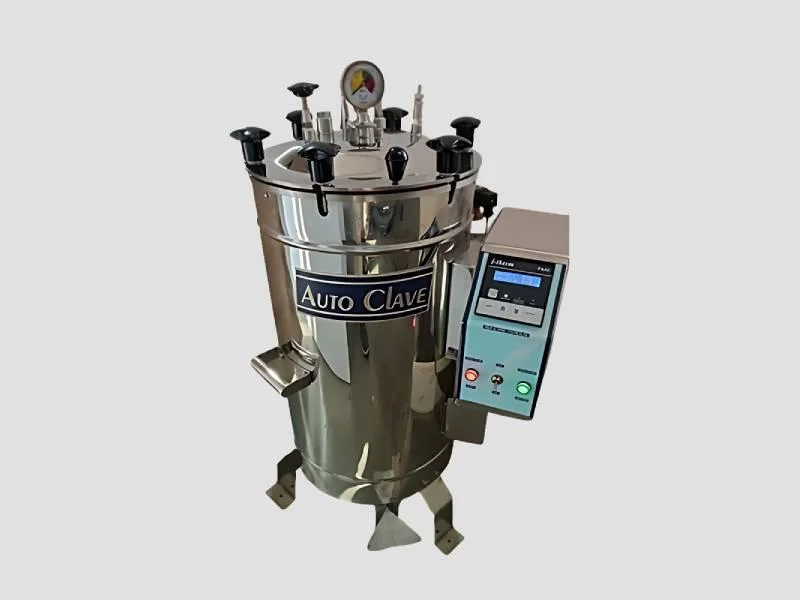
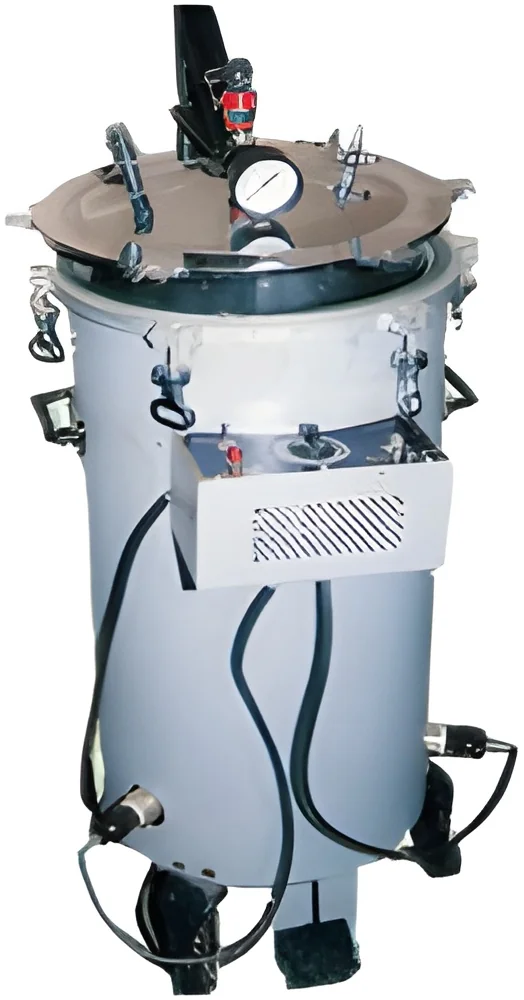
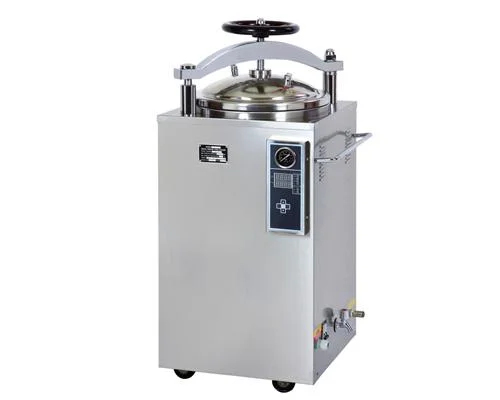
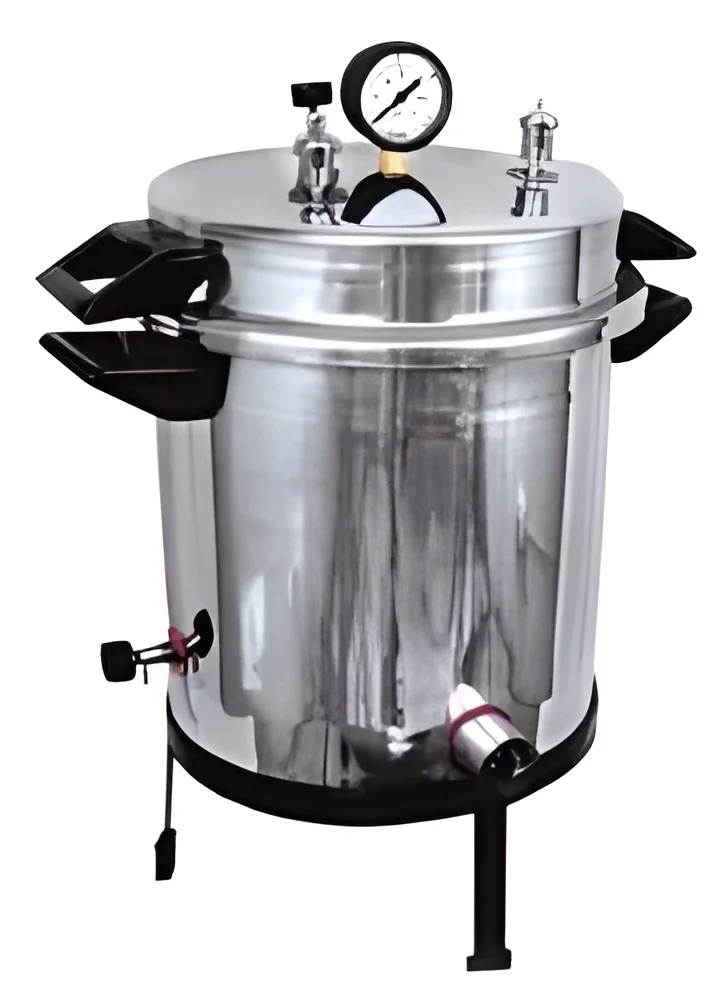
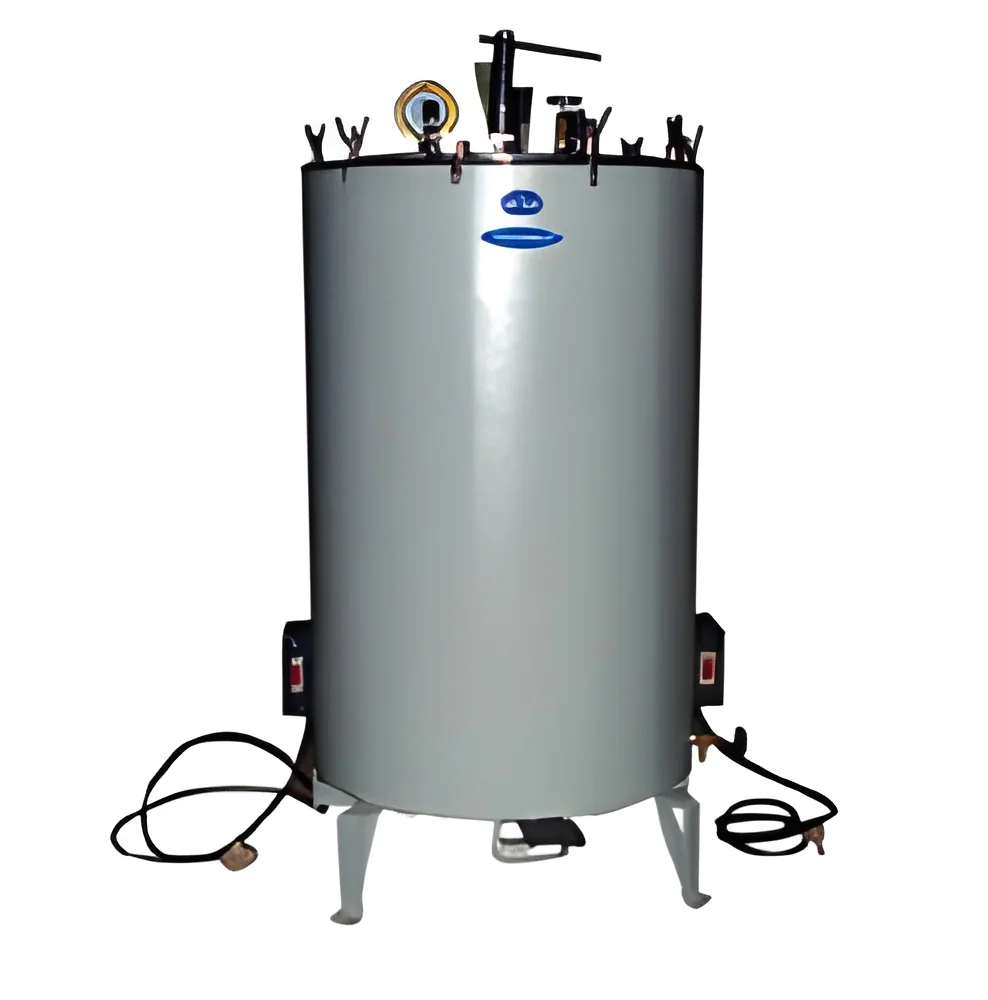
Vertical Autoclaves
These autoclaves are designed with an upright chamber, making them suitable for larger items and bulk sterilization. They are often used in hospitals and laboratories where space may be limited, and their design allows for easy loading and unloading.
Horizontal Autoclaves
Horizontal autoclaves feature a compact design that is ideal for smaller laboratories. They offer quick cycle times and are typically used for sterilizing smaller equipment and tools. Their versatile design makes them suitable for various applications in research and healthcare.
Benefits and Advantages
Investing in autoclaves provides numerous benefits that enhance operational efficiency and safety.
1. Effective Sterilization: Autoclaves ensure thorough elimination of pathogens, providing high standards of hygiene necessary for healthcare and laboratory settings.
2. Time Efficiency: With fast cycle times, autoclaves allow for rapid processing of sterilization, helping businesses maintain productivity.
3. Compliance Assurance: Autoclaves that meet industry standards help businesses adhere to safety and quality regulations, reducing liability risks.
4. Versatility: These devices can handle a variety of materials and applications, making them suitable for diverse industries.
5. User-Friendly Operation: Many modern autoclaves feature digital controls and programmable settings, simplifying the sterilization process for users.
6. Long-Term Durability: High-quality autoclaves are built to withstand rigorous use, ensuring a good return on investment through longevity and reliability.
Buying Guide for B2B Buyers
When sourcing autoclaves, businesses should consider several key factors to ensure they select the right product for their needs.
1. Quality Assessment: Evaluate the quality of materials and construction. Look for autoclaves that meet recognized standards and have a proven track record in the industry.
2. Supplier Verification: Vet potential suppliers to ensure they are reputable and can provide reliable products. Check for certifications and customer reviews.
3. Pricing and MOQ: Understand the pricing structure and minimum order quantities. Compare quotes from multiple suppliers to find the best value.
4. Delivery and Lead Times: Discuss logistics with suppliers to ensure timely delivery. Consider lead times that align with your operational needs.
5. Compliance Requirements: Ensure that the autoclaves meet all necessary regulatory standards for your industry. This includes safety certifications and operational guidelines.
Compliance and Certifications
Compliance with industry standards is crucial for the safe and effective operation of autoclaves. Key quality standards include ISO 9001, which focuses on quality management systems, ensuring that manufacturers adhere to strict quality assurance measures.
In addition to ISO standards, autoclaves often require compliance with HACCP (Hazard Analysis and Critical Control Points) and GDP (Good Distribution Practice) guidelines, especially in food and pharmaceutical applications. These certifications help ensure that processes are in place to manage safety risks effectively.
The CE mark is also a critical certification for autoclaves sold in Europe. It signifies that the product meets all necessary health, safety, and environmental protection standards mandated by the European Union.
Safety and testing requirements are essential in ensuring that autoclaves function correctly and safely. Regular testing and maintenance are necessary to comply with these standards and to mitigate risks associated with high-pressure steam operations.
Finally, regional compliance considerations may vary based on local regulations. It is essential for buyers to be aware of any specific requirements in their area to ensure full compliance.
Why Source Autoclaves (Vertical & Horizontal) from Pepagora?
Pepagora provides a trusted platform for sourcing autoclaves, offering several key advantages for B2B buyers.
Verified Supplier Network: Pepagora connects buyers with a network of verified suppliers, ensuring that all vendors meet high standards of quality and reliability. This transparency helps buyers make informed decisions.
Streamlined RFQ Process: The request for quotation (RFQ) system simplifies the procurement process. Buyers can receive multiple quotes quickly, allowing for comparison and selection of the best offers.
Trade Assurance and Support: Pepagora offers buyer protection through trade assurance, ensuring that transactions are secure and that support is available throughout the purchasing process.
Regional Coverage: With a strong presence in India, the GCC, and Southeast Asia, Pepagora provides extensive regional coverage, making it easy for buyers to find suitable suppliers close to their operations.
By choosing Pepagora, businesses can efficiently source autoclaves while benefiting from a platform designed to facilitate trust and transparency in the sourcing process.

 IN
IN