
 IN
Ophthalmic Slit Lamps & Charts
3 products available
What are Ophthalmic Slit Lamps & Charts?
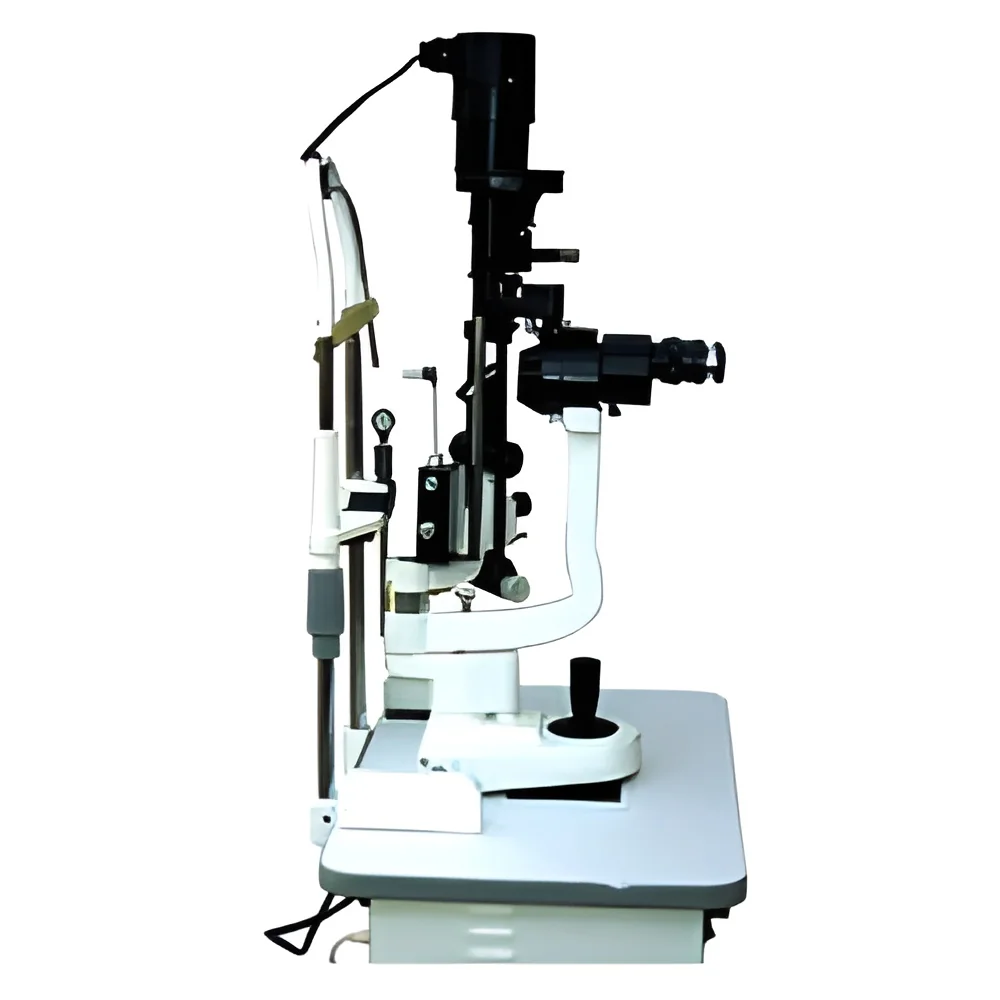
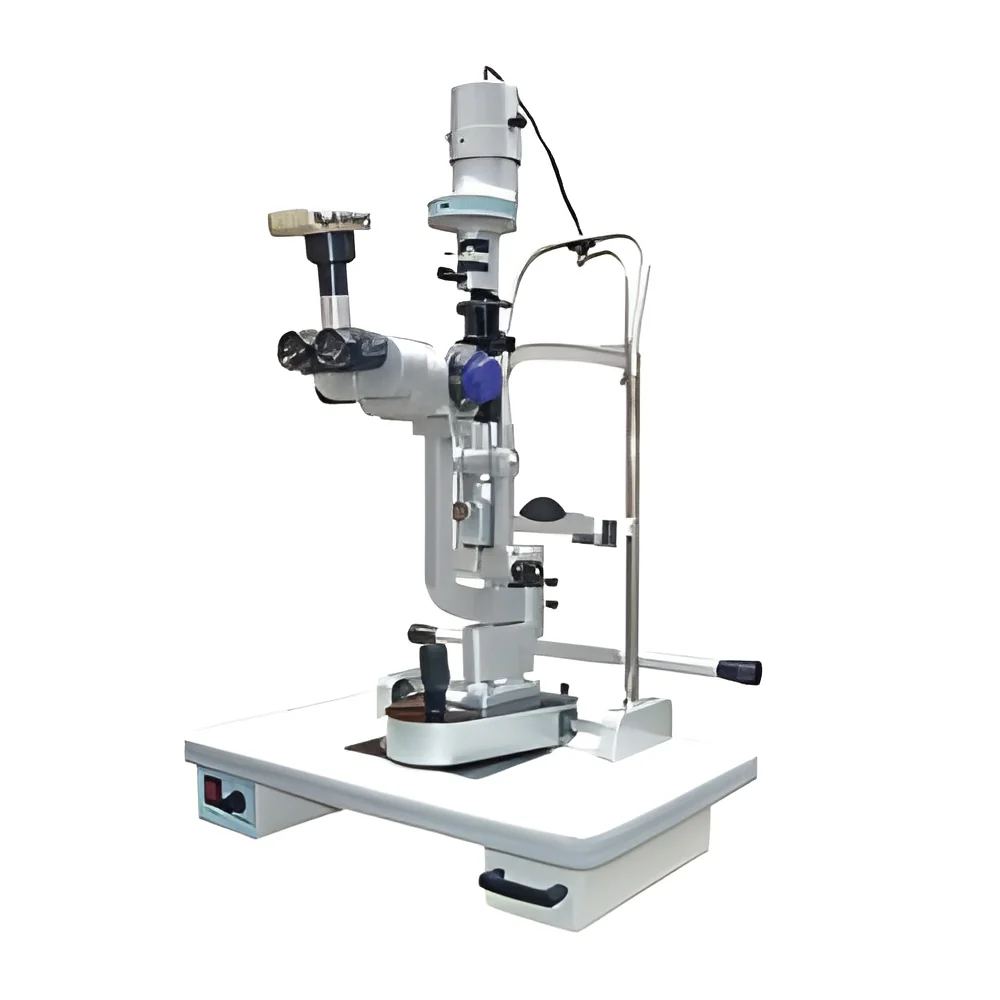
Ophthalmic slit lamps are specialized instruments used in eye examinations to provide a magnified view of the eye's structures. They consist of a high-intensity light source that can be focused to shine a thin beam of light into the eye, allowing healthcare professionals to examine the cornea, lens, iris, and other internal structures in detail. Charts used in conjunction with slit lamps, such as visual acuity charts, help in assessing a patient's vision and identifying any ocular conditions.
These devices are primarily used by ophthalmologists and optometrists for diagnosing various eye disorders, including cataracts, glaucoma, and retinal diseases. They are essential tools in both clinical and surgical settings, enabling precise assessments that guide treatment decisions. The market for ophthalmic slit lamps and charts has been growing steadily, driven by advancements in technology and an increasing prevalence of eye-related health issues.
Ophthalmic slit lamps and charts are vital to the healthcare industry, particularly in vision care. As the demand for eye care increases globally, the need for reliable and accurate examination tools continues to rise. With an expanding market for ophthalmic instruments, companies are continually innovating to offer enhanced features and improved functionality.
Key Features and Specifications
Ophthalmic slit lamps and charts come equipped with various features that enhance their usability and effectiveness in eye examinations. These specifications are crucial for healthcare providers when selecting the right equipment for their practices.
Key specifications include:
1. Light Source
- High-intensity halogen or LED illumination
- Adjustable brightness levels
2. Magnification Levels
- Multiple magnifications available, typically ranging from 6x to 40x
- Enhanced detail visibility for thorough examinations
3. Slit Width Adjustment
- Adjustable slit width for different examination needs
- Supports narrow and wide beam settings
4. Binocular Viewing
- Dual eyepiece configuration for stereoscopic vision
- Comfortable viewing for extended examination periods
5. Imaging Capability
- Options for digital imaging integration
- Enables documentation and analysis of findings
6. Base Stability
- Sturdy base design for secure positioning
- Allows for smooth adjustments during examinations
7. Portability
- Some models available in lightweight, portable designs
- Facilitates use in various settings, including mobile clinics
8. Chart Compatibility
- Supports various visual acuity charts
- Options for custom chart configurations
These features contribute to the effectiveness of ophthalmic slit lamps and charts in delivering high-quality eye care and improving diagnostic accuracy.
Common Applications and Use Cases
Ophthalmic slit lamps and charts are utilized across various industries, serving a wide range of applications in eye care.
1. Healthcare: Ophthalmologists and optometrists use slit lamps for comprehensive eye examinations, diagnosing conditions like cataracts and glaucoma.
2. Research: Academic institutions leverage slit lamps in clinical studies to investigate eye diseases and treatment efficacy.
3. Mobile Clinics: Portable slit lamps are deployed in community health initiatives to provide eye care in underserved areas.
4. Veterinary Medicine: Animal ophthalmologists utilize slit lamps to assess eye health in pets and livestock.
5. Optical Retail: Eye care professionals in retail settings use these instruments for vision assessments and fitting corrective lenses.
6. Education: Training programs for future eye care professionals incorporate slit lamps for hands-on learning.
7. Telemedicine: Advanced slit lamps with imaging capabilities enable remote consultations and diagnoses.
Product Variants and Subcategories
Ophthalmic slit lamps and charts are diverse, catering to various user needs and settings.
Portable Slit Lamps
These models are designed for easy transport, featuring lightweight constructions and battery power. They are ideal for mobile clinics and field assessments.
Digital Slit Lamps
Equipped with imaging technology, these slit lamps allow for real-time capturing of eye images. They facilitate better documentation and sharing of findings.
Traditional Slit Lamps
Standard models with manual adjustments are commonly used in clinical settings. They provide robust functionality for detailed examinations.
User-Friendly Slit Lamps
Some variants feature intuitive controls and ergonomic designs, enhancing user experience and reducing fatigue during prolonged use.
Benefits and Advantages
Ophthalmic slit lamps and charts offer numerous benefits that enhance eye care delivery.
1. Enhanced Diagnosis: The magnification and illumination features allow for early detection of eye diseases, leading to timely interventions.
2. Comprehensive Assessments: Slit lamps enable detailed examinations of different eye structures, providing a thorough understanding of a patient's ocular health.
3. Improved Patient Care: Accurate diagnostics facilitate personalized treatment plans, enhancing overall patient satisfaction and outcomes.
4. Versatile Applications: These instruments can be used in various settings, from hospitals to private practices, making them indispensable in eye care.
5. Integration with Technology: Many modern slit lamps support digital imaging, aiding in better record-keeping and telemedicine applications.
6. Increased Efficiency: Streamlined examination processes reduce patient wait times, improving clinic workflow and productivity.
Buying Guide for B2B Buyers
When sourcing ophthalmic slit lamps and charts, several factors should be considered to ensure optimal selection for your practice.
1. Quality Assessment: Evaluate the manufacturer's reputation and product reviews. Look for instruments that meet industry standards for durability and performance.
2. Supplier Verification: Verify the credentials of suppliers by checking their history, customer testimonials, and compliance with industry regulations.
3. Pricing and MOQ: Compare prices across different suppliers and consider the minimum order quantities to ensure they align with your budget and needs.
4. Delivery and Lead Times: Assess the supplier's logistics capabilities to ensure timely delivery of your equipment, especially for urgent requirements.
5. Compliance Requirements: Confirm that the products comply with relevant safety regulations and certifications, such as CE marking, to ensure patient safety and legal adherence.
Compliance and Certifications
Ophthalmic slit lamps and charts must adhere to specific quality standards and certifications to ensure safety and efficacy in medical use.
Relevant quality standards such as ISO 9001 guarantee that manufacturers maintain consistent quality management systems. These standards focus on continuous improvement and customer satisfaction.
Additionally, obtaining CE certification indicates compliance with European safety and health regulations. This certification reassures users that the equipment meets essential safety requirements.
Safety testing is crucial for ophthalmic devices, ensuring they do not pose risks to patients or operators. Manufacturers must conduct rigorous testing to confirm the reliability and performance of their instruments.
Regional compliance considerations may vary, so it is essential to understand the specific regulations governing ophthalmic equipment in your area.
Why Source Ophthalmic Slit Lamps & Charts from Pepagora?
Pepagora provides a trusted platform for sourcing ophthalmic slit lamps and charts, ensuring buyers access high-quality products with several key advantages.
Verified Supplier Network: Pepagora connects buyers with a network of reliable suppliers, ensuring that all vendors meet stringent quality standards and have a proven track record in the industry.
Streamlined RFQ Process: The request for quotation (RFQ) system simplifies the procurement process, allowing buyers to receive competitive pricing and detailed product information in a timely manner.
Trade Assurance and Support: Pepagora offers trade assurance, protecting buyers from potential risks and ensuring that they receive the products as described and on schedule.
Regional Coverage: With a strong presence in India, the GCC, and Southeast Asia, Pepagora facilitates access to a diverse range of ophthalmic instruments, catering to the unique needs of different markets.
By choosing Pepagora, businesses can make informed purchasing decisions while benefitting from comprehensive support throughout the sourcing process.

Frequently Asked Questions
What are Ophthalmic Slit Lamps & Charts?
Ophthalmic slit lamps are specialized instruments used by eye care professionals to examine the anterior segment of the eye, including the cornea, iris, and lens. They provide a magnified, illuminated view of the eye, allowing for detailed assessment and diagnosis. Ophthalmic charts, on the other hand, are visual aids used to test visual acuity and other aspects of vision.
What are the different types of Ophthalmic Slit Lamps & Charts?
There are various types of ophthalmic slit lamps, including tabletop models, portable slit lamps, and digital slit lamps which incorporate advanced imaging technologies. Charts may include standard eye charts, Amsler grids, and color vision tests, each designed for specific diagnostic purposes. The choice of type depends on the clinical requirements and the setting in which they are used.
How do I choose the right Ophthalmic Slit Lamps & Charts?
Choosing the right ophthalmic slit lamp involves considering factors such as the intended use, features like illumination and magnification levels, and whether additional imaging capabilities are required. For charts, consider the type of tests you need to conduct and the level of detail required. Consulting with experienced professionals can also guide your decision.
What are the standard specifications for Ophthalmic Slit Lamps & Charts?
Standard specifications for ophthalmic slit lamps typically include adjustable light intensity, variable slit widths, and magnification levels ranging from 10x to 40x. Additionally, they should conform to safety and quality standards set by regulatory bodies. For charts, specifications may include font sizes, distances for testing, and the inclusion of various testing modalities.
What is the price range for Ophthalmic Slit Lamps & Charts?
The price range for ophthalmic slit lamps varies widely based on features, brand, and technology, typically starting from around INR 30,000 and going up to INR 2,00,000 or more for advanced models. Charts are generally more affordable, with prices ranging from INR 500 to INR 5,000. It's essential to compare products to find options within your budget.
What quality standards apply to Ophthalmic Slit Lamps & Charts?
Ophthalmic slit lamps and charts must meet specific quality standards set by organizations such as the Bureau of Indian Standards (BIS) and international bodies like ISO. These standards ensure safety, durability, and performance reliability in clinical settings. Regular calibration and maintenance are also important to adhere to quality standards.
Where can I find Ophthalmic Slit Lamps & Charts suppliers in India?
You can find ophthalmic slit lamps and charts suppliers in India through online B2B marketplaces, medical equipment suppliers, and specialized ophthalmic equipment distributors. Websites like Pepagora provide a platform to connect with manufacturers and suppliers, making it easier to compare products and prices. Attending medical trade shows can also help identify potential suppliers.
Can Ophthalmic Slit Lamps & Charts be customized?
Yes, many manufacturers offer customization options for ophthalmic slit lamps and charts to meet specific clinical needs. Customizations could include tailored features, specific chart designs, or branding options. It's advisable to discuss your requirements with suppliers to explore available customization possibilities.
What is the typical minimum order quantity for Ophthalmic Slit Lamps & Charts?
The typical minimum order quantity (MOQ) for ophthalmic slit lamps can vary significantly between suppliers, often starting from one unit for smaller practices and increasing for larger organizations. For charts, the MOQ is generally lower, sometimes as few as five to ten units. It's essential to check with individual suppliers for their specific MOQ policies.
What is the typical lead time for Ophthalmic Slit Lamps & Charts?
The lead time for ophthalmic slit lamps and charts can vary depending on the supplier and the complexity of the order, ranging from a few days to several weeks. Custom orders may require longer lead times. It's advisable to confirm the expected delivery time with the supplier at the time of purchase.
Why Businesses Trust Pepagora
Thousands of companies trust Pepagora to source smarter and sell faster
Expand Your Sales Globally

Source Smarter,Grow Faster
