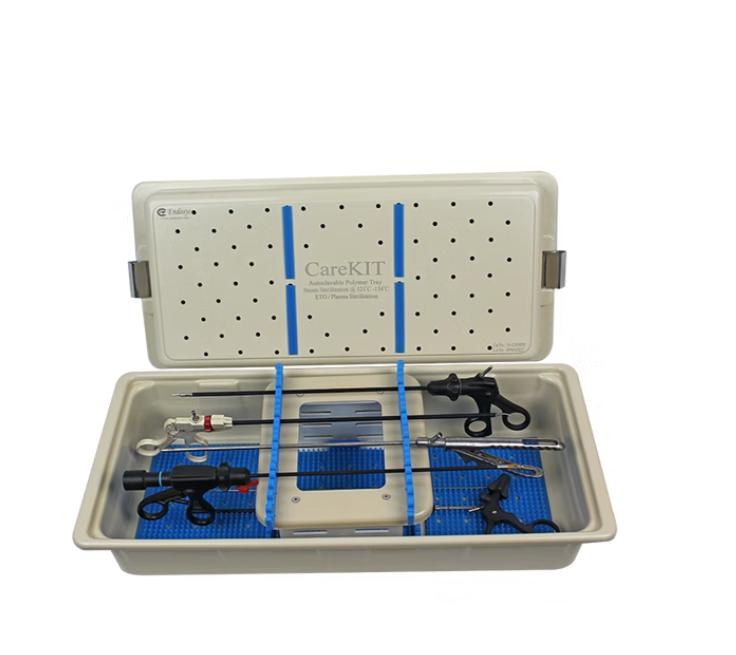
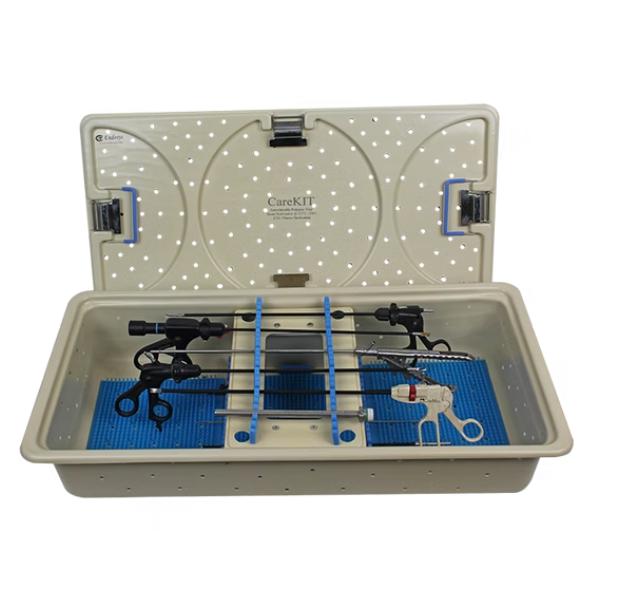
What are Laparoscopy Instruments?
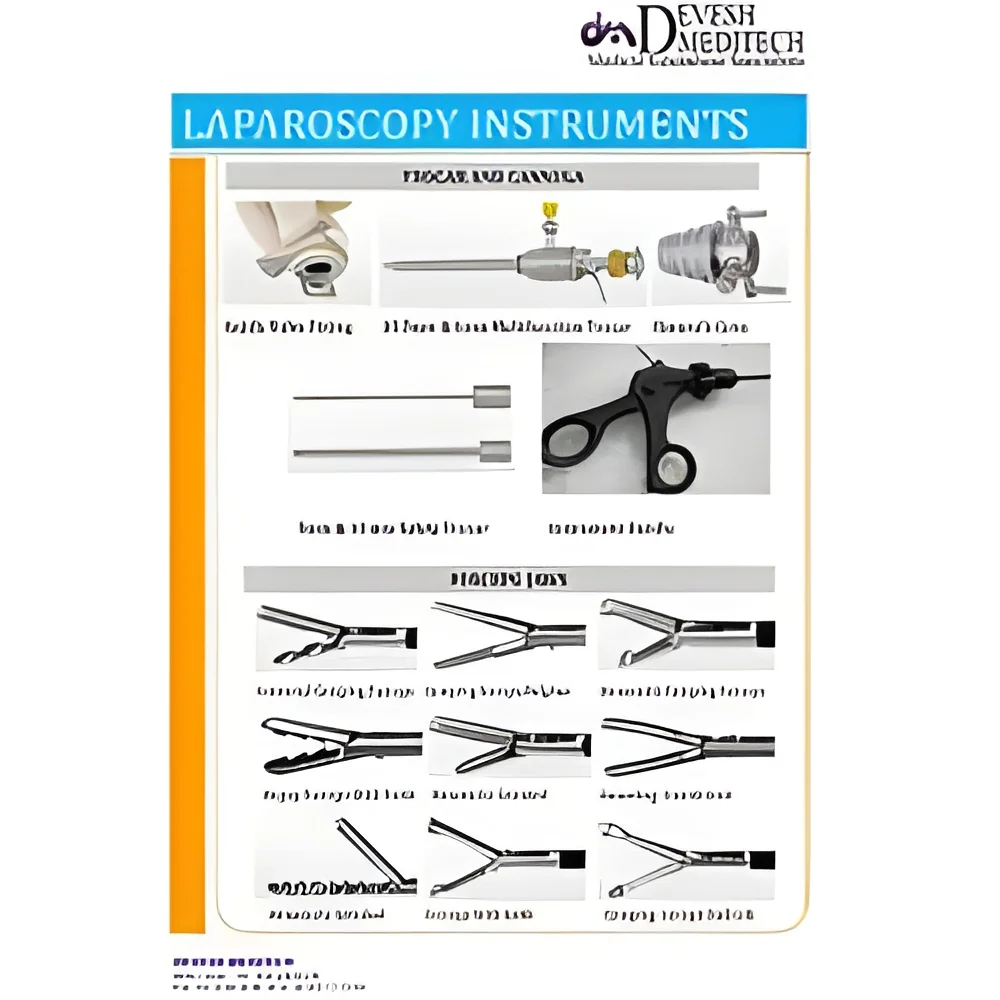
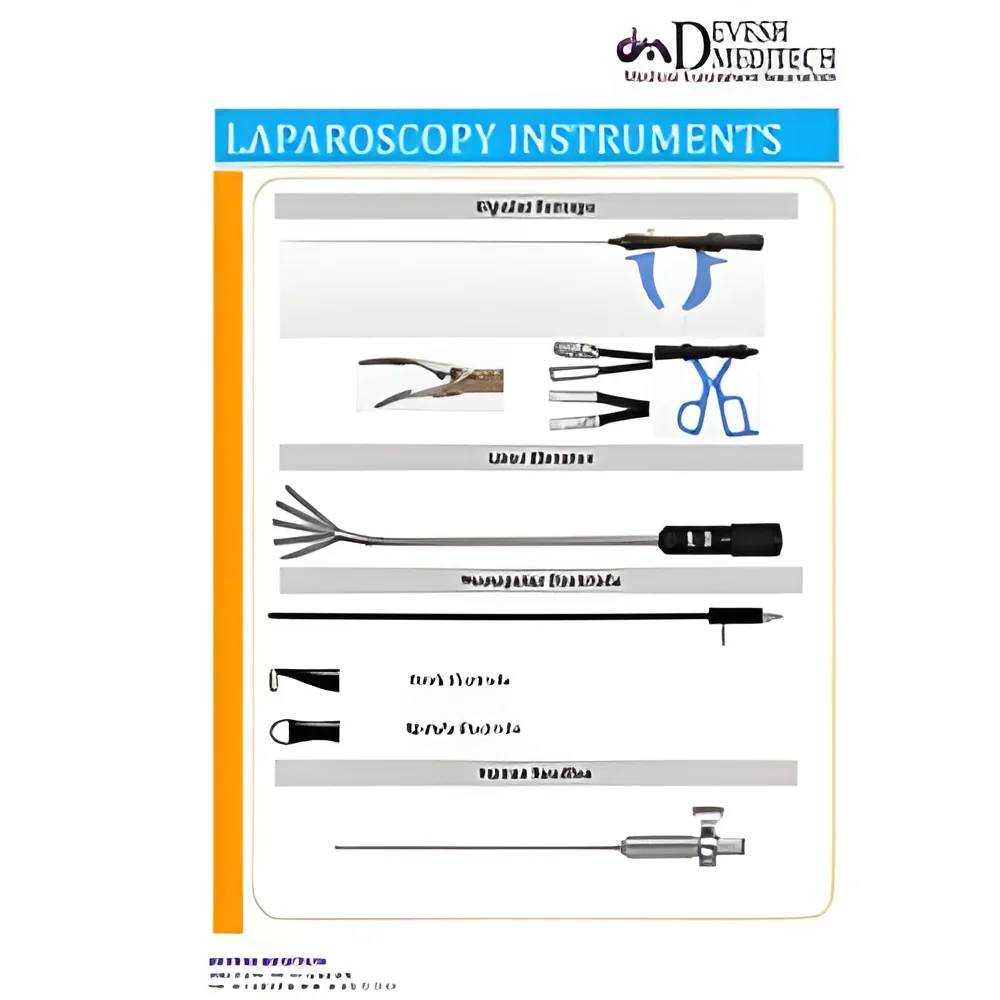
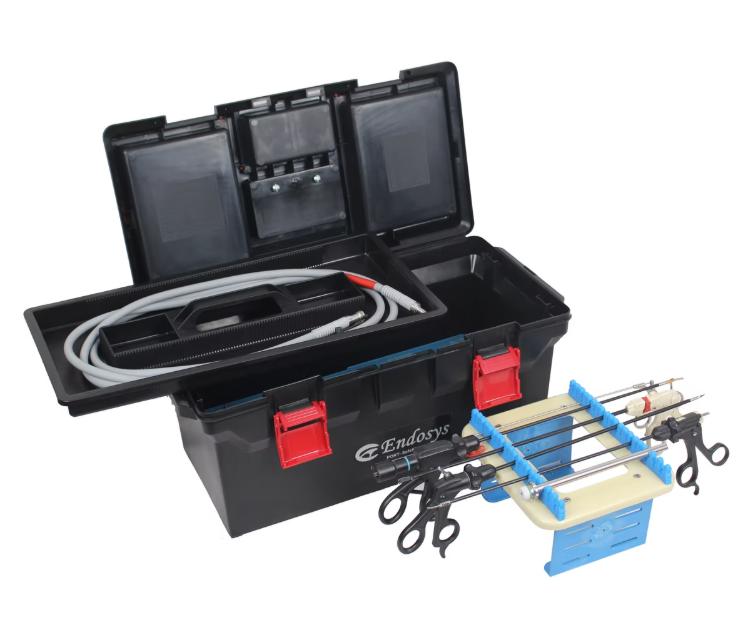
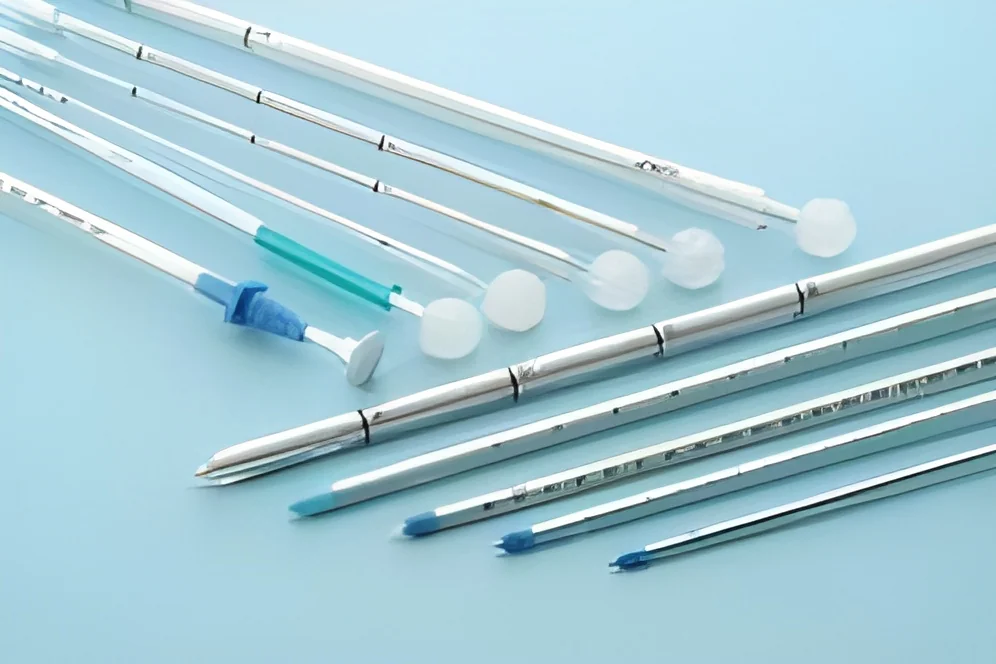
Laparoscopy instruments are specialized surgical tools designed for minimally invasive procedures. They allow surgeons to access the abdominal cavity and pelvic organs through small incisions, using a camera and specialized instruments to perform surgeries without the need for large open incisions. This technique not only reduces recovery time but also minimizes scarring, leading to better patient outcomes.
The primary uses of laparoscopy instruments include diagnostic procedures, such as biopsies, and surgical interventions, including gallbladder removal, hernia repairs, and various gynecological surgeries. These tools are critical in hospitals and surgical centers, where efficiency and patient care are paramount. The market for laparoscopy instruments is expanding due to the growing preference for minimally invasive surgeries, reflecting advancements in technology and increasing awareness among patients about their benefits.
As the healthcare industry continues to evolve, the relevance of laparoscopy instruments remains significant. Innovations in design and functionality are driving demand, and many manufacturers are focusing on quality and compliance to meet regulatory standards. This has created a competitive landscape for suppliers, making it essential for healthcare providers to stay informed about the latest offerings in the market.
Key Features and Specifications
Laparoscopy instruments come equipped with various features and specifications that enhance their utility and effectiveness in surgical settings. Understanding these specifications can help healthcare providers make informed purchasing decisions.
Key specifications include:
1. Ergonomic Design
- Facilitates ease of use for surgeons
- Reduces hand fatigue during lengthy procedures
2. Material Composition
- Typically made from stainless steel or other high-grade materials
- Ensures durability and resistance to corrosion
3. Size and Length Variations
- Available in multiple lengths to suit different surgical needs
- Standard sizes often range from 5mm to 12mm in diameter
4. Sterilization Compatibility
- Instruments designed for compatibility with standard sterilization methods
- Ensures safety and hygiene in surgical environments
5. Camera Integration
- Many instruments are compatible with laparoscopes for real-time imaging
- Enhances visualization during procedures
6. Compatibility with Other Surgical Tools
- Instruments often designed to work seamlessly with other laparoscopic tools
- Promotes efficiency in surgical workflows
7. Lightweight Construction
- Designed to reduce the overall weight for better maneuverability
- Helps in achieving precision during operations
8. Cost-Effectiveness
- Many manufacturers offer competitive pricing structures
- Provides options for various budget constraints
Understanding these specifications allows surgical teams to choose instruments that best fit their operational needs while maintaining high standards of care.
Common Applications and Use Cases
Laparoscopy instruments find application in various healthcare sectors, reflecting their versatility and importance in modern medicine.
1. General Surgery: These instruments are widely used for procedures like appendectomies and cholecystectomies, allowing for reduced recovery times and minimal patient discomfort.
2. Gynecology: Laparoscopy is a common technique for treating conditions such as endometriosis and ovarian cysts, enabling precise interventions with less trauma.
3. Urology: Surgeons utilize laparoscopy instruments for procedures like nephrectomies and prostatectomies, benefiting from enhanced visualization and reduced blood loss.
4. Bariatric Surgery: Instruments are essential for weight-loss surgeries, providing minimally invasive options that promote quicker recovery and improved patient outcomes.
5. Pediatric Surgery: Laparoscopic techniques are increasingly used in pediatric patients, minimizing trauma and promoting faster healing in younger populations.
6. Oncology: Laparoscopic tools are employed in cancer surgeries to remove tumors while preserving surrounding healthy tissue whenever possible.
7. Transplant Surgery: These instruments facilitate organ transplants by allowing surgeons to operate through smaller openings, reducing the risk of complications.
Product Variants and Subcategories
Laparoscopy instruments are diverse, with various variants tailored to specific surgical needs. Each variant is designed with distinct features that enhance performance and usability.
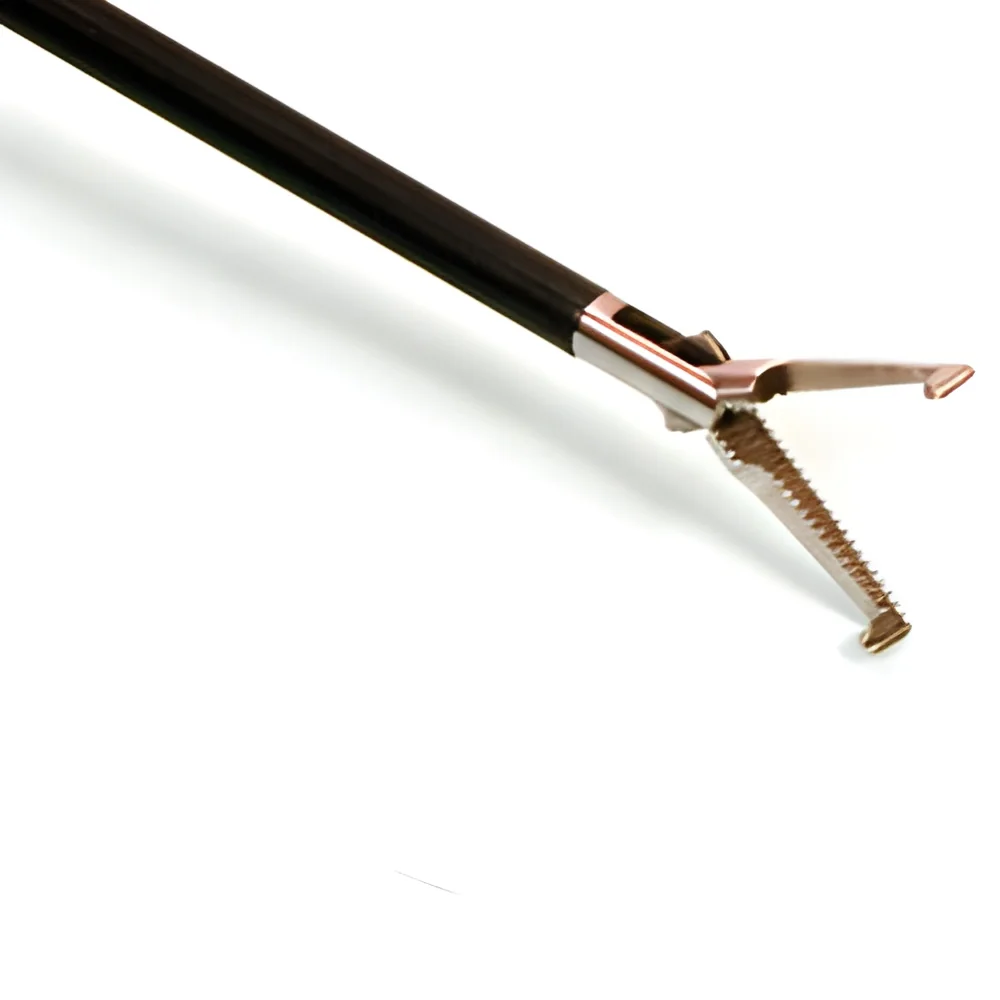
Laparoscopic Graspers
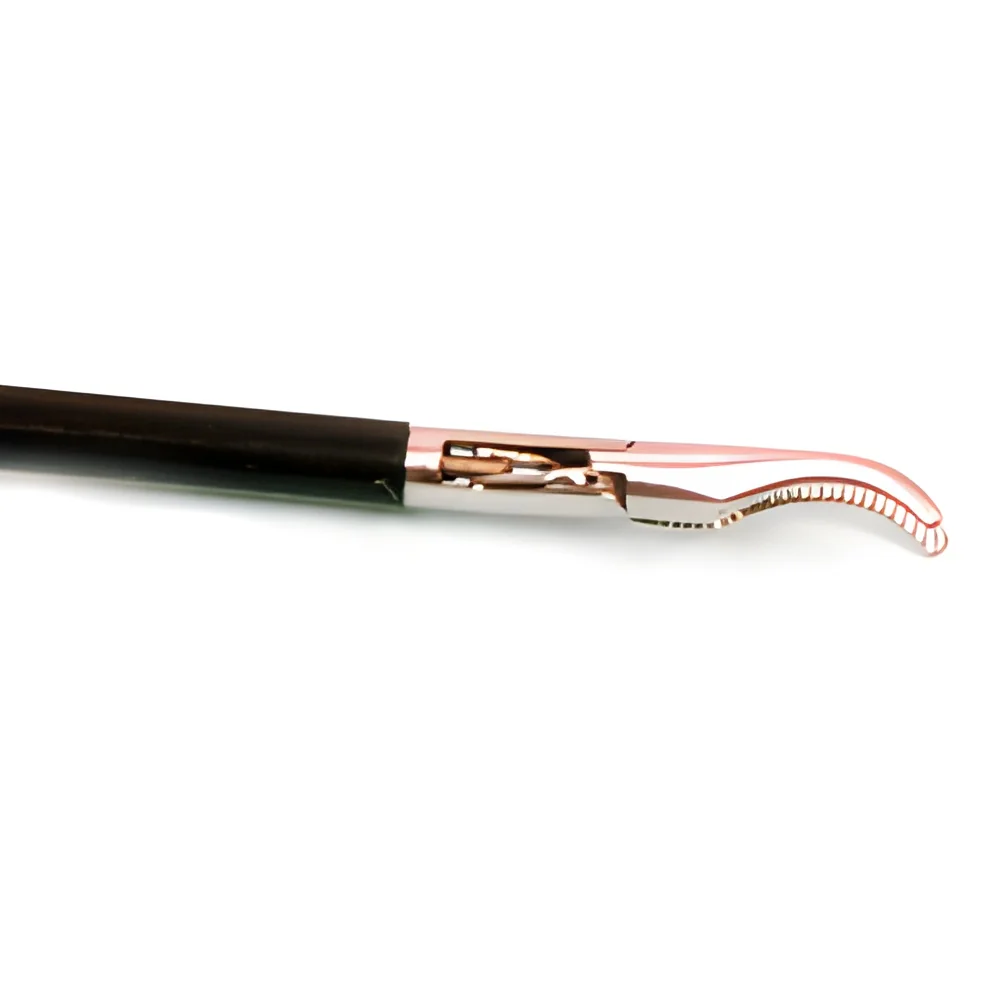
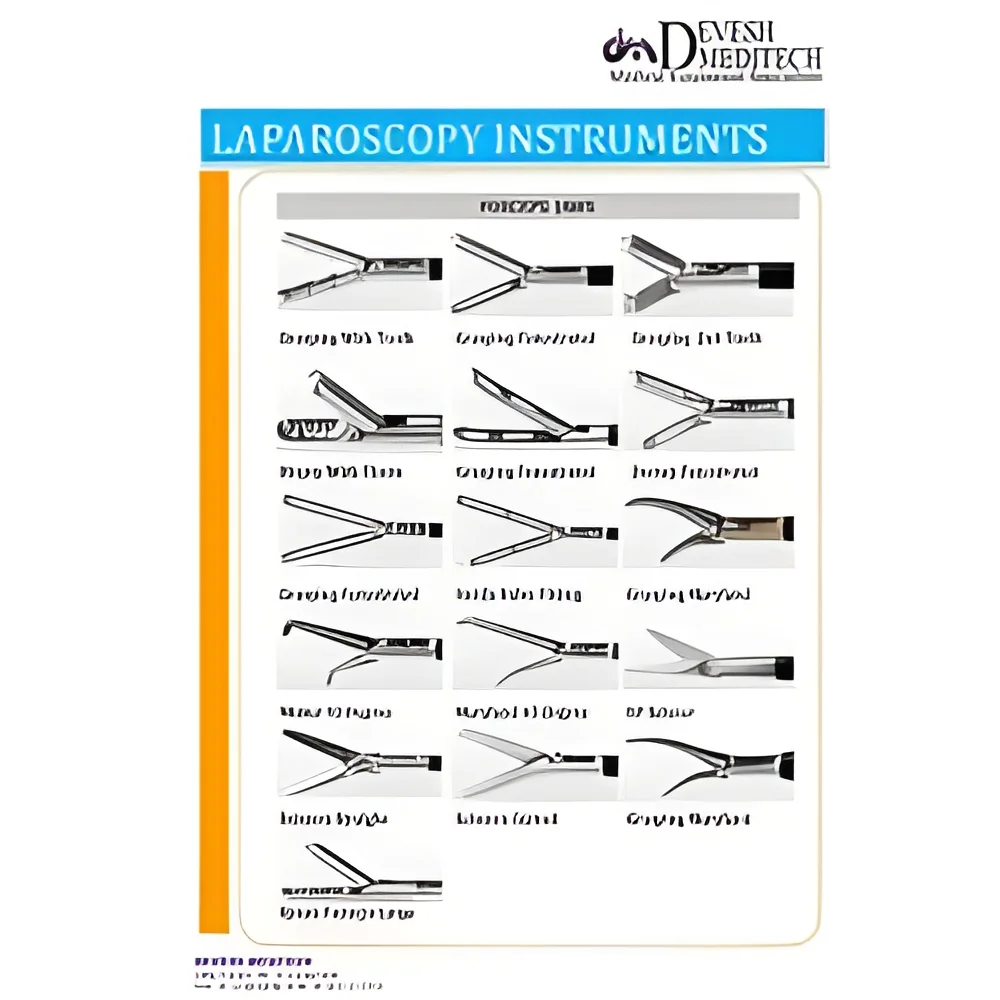
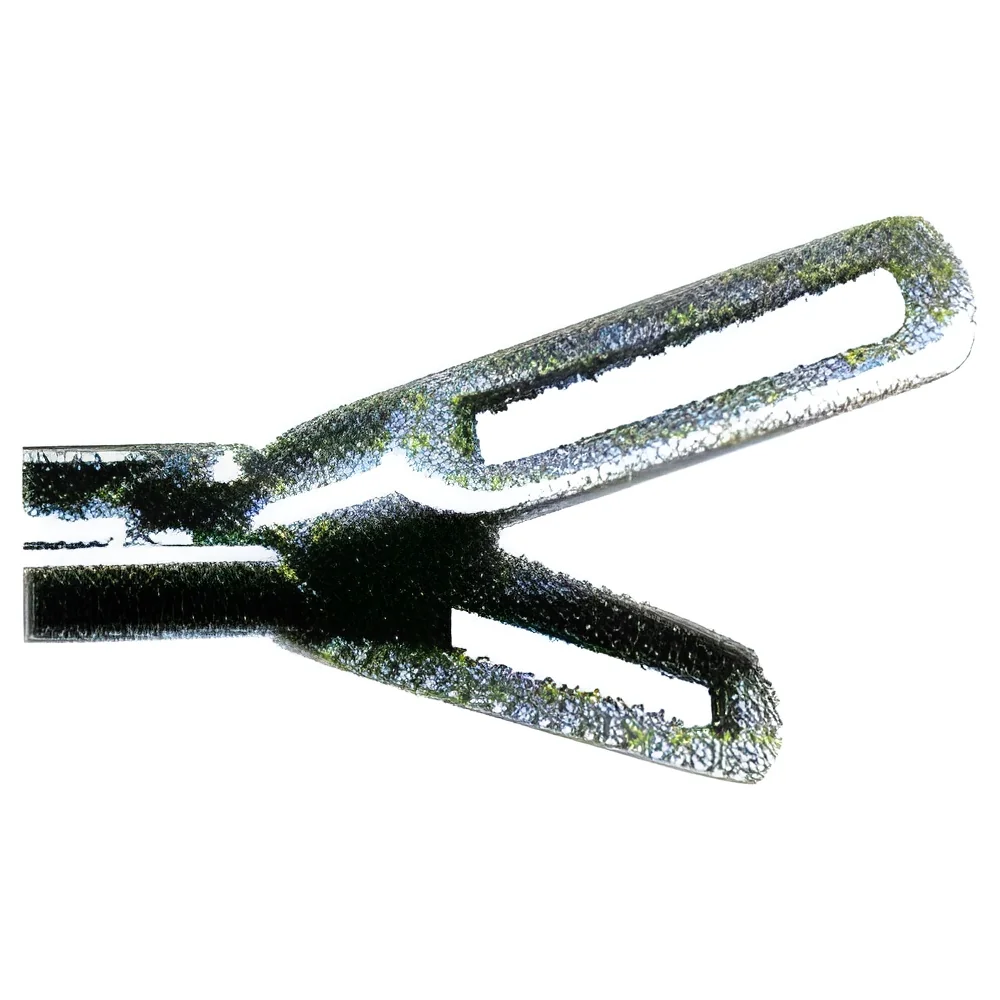
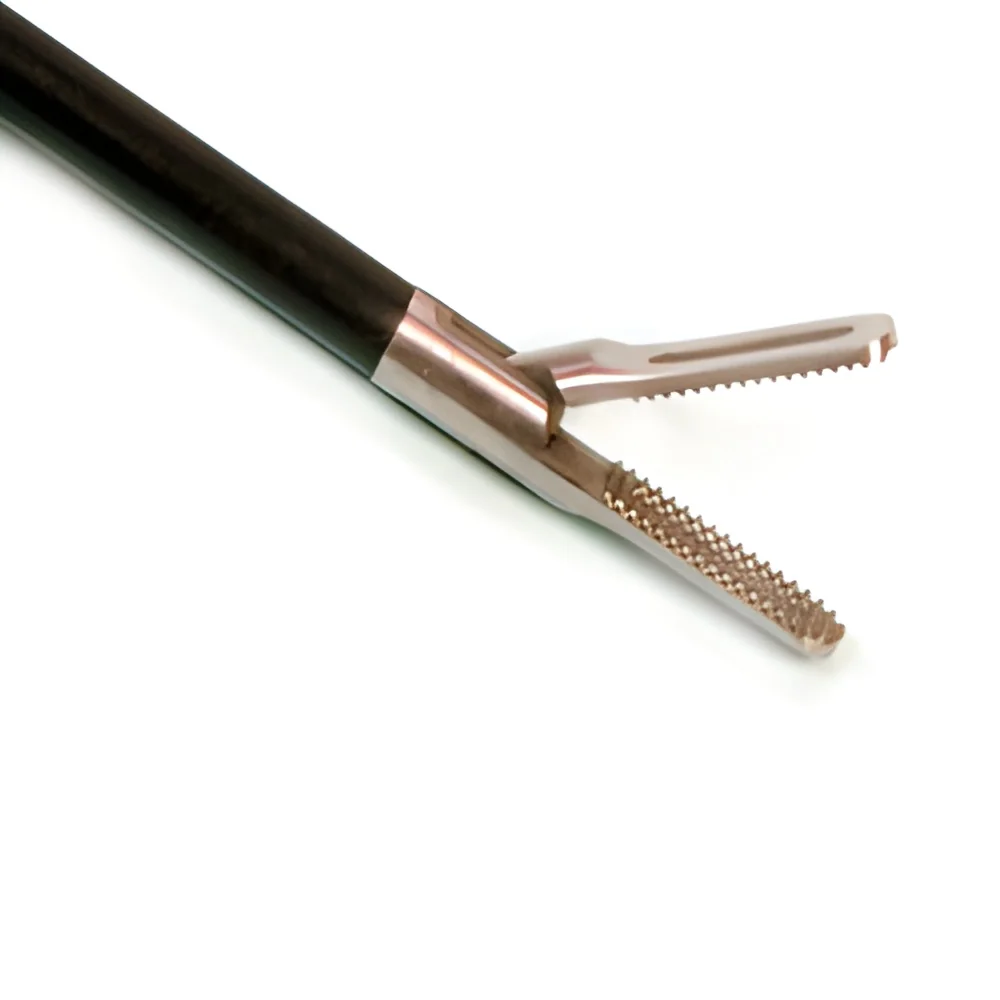
These instruments are used for holding and manipulating tissues during surgery. Their design allows for secure gripping without damaging delicate structures.
Laparoscopic Scissors
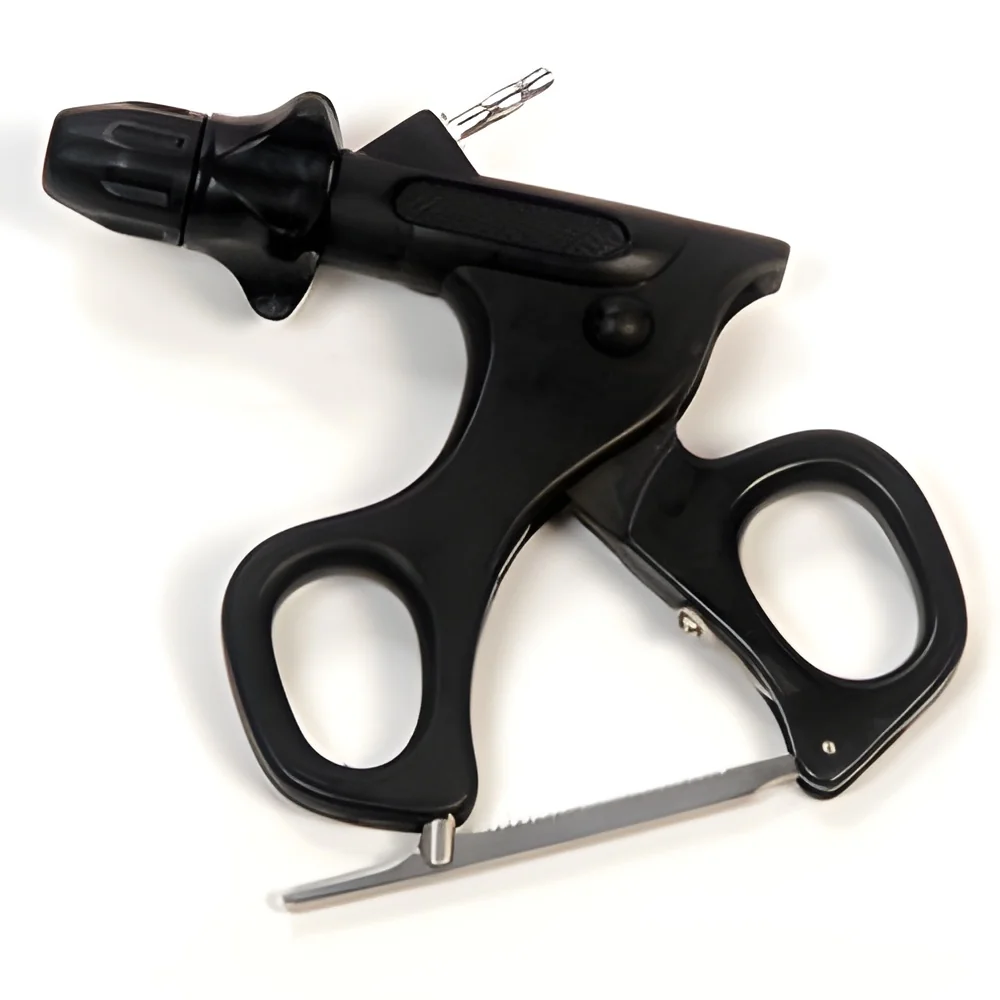
Engineered for cutting tissues with precision, laparoscopic scissors come in various shapes and sizes to accommodate different surgical procedures and techniques.
Laparoscopic Needle Holders
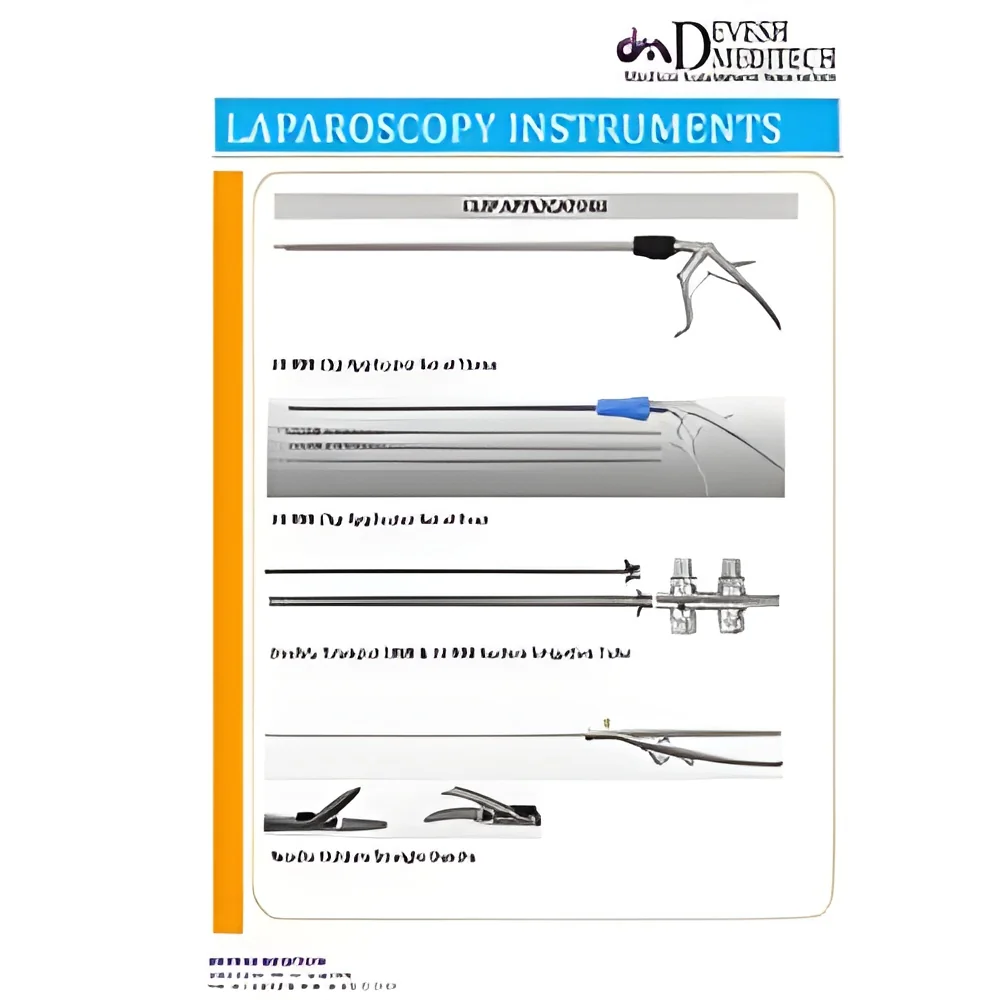
These tools are designed for suturing and securing needles. Their ergonomic handles provide surgeons with better control and accuracy during suturing tasks.
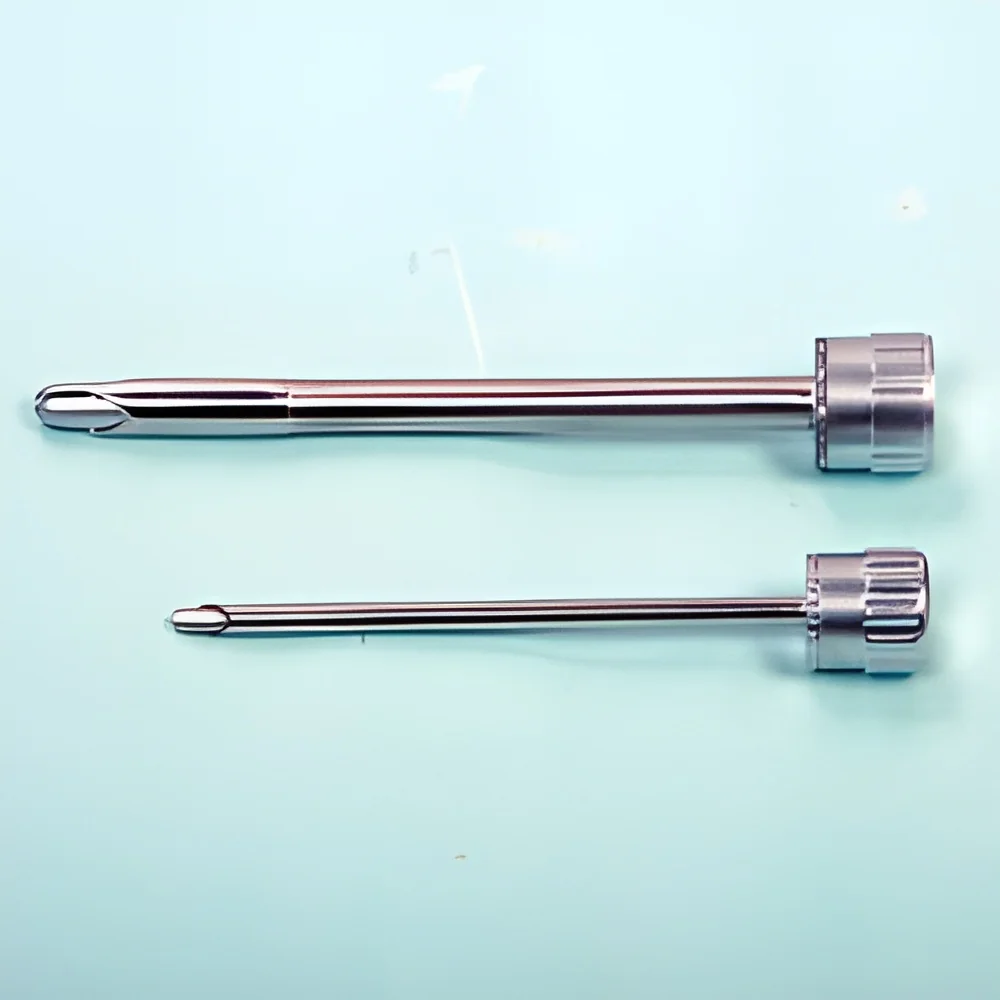
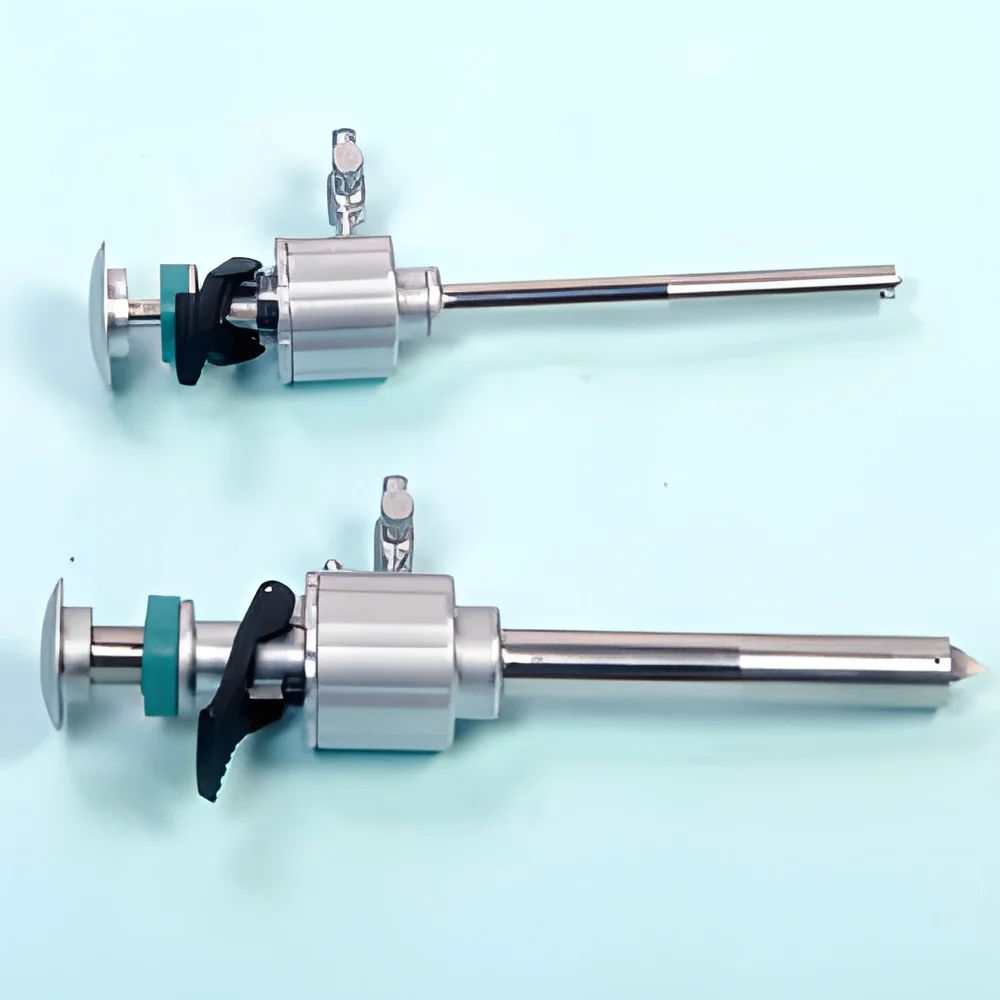
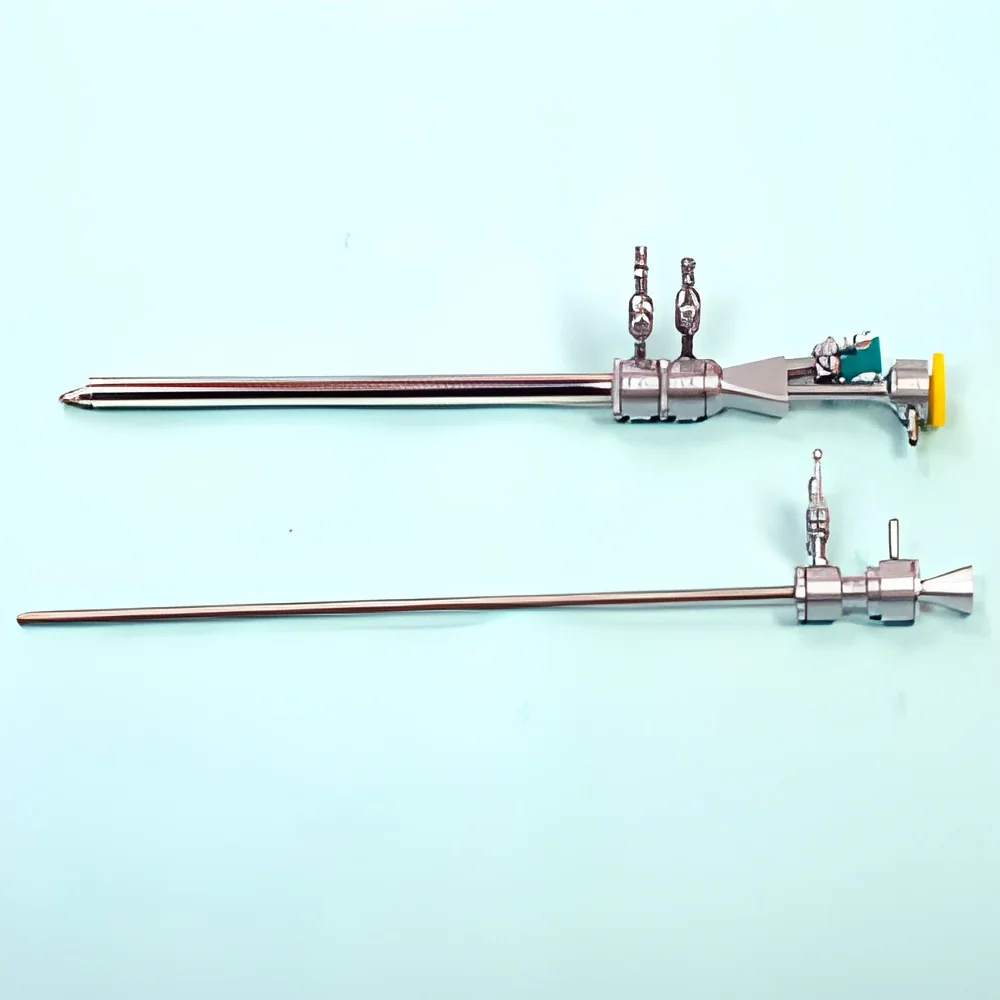
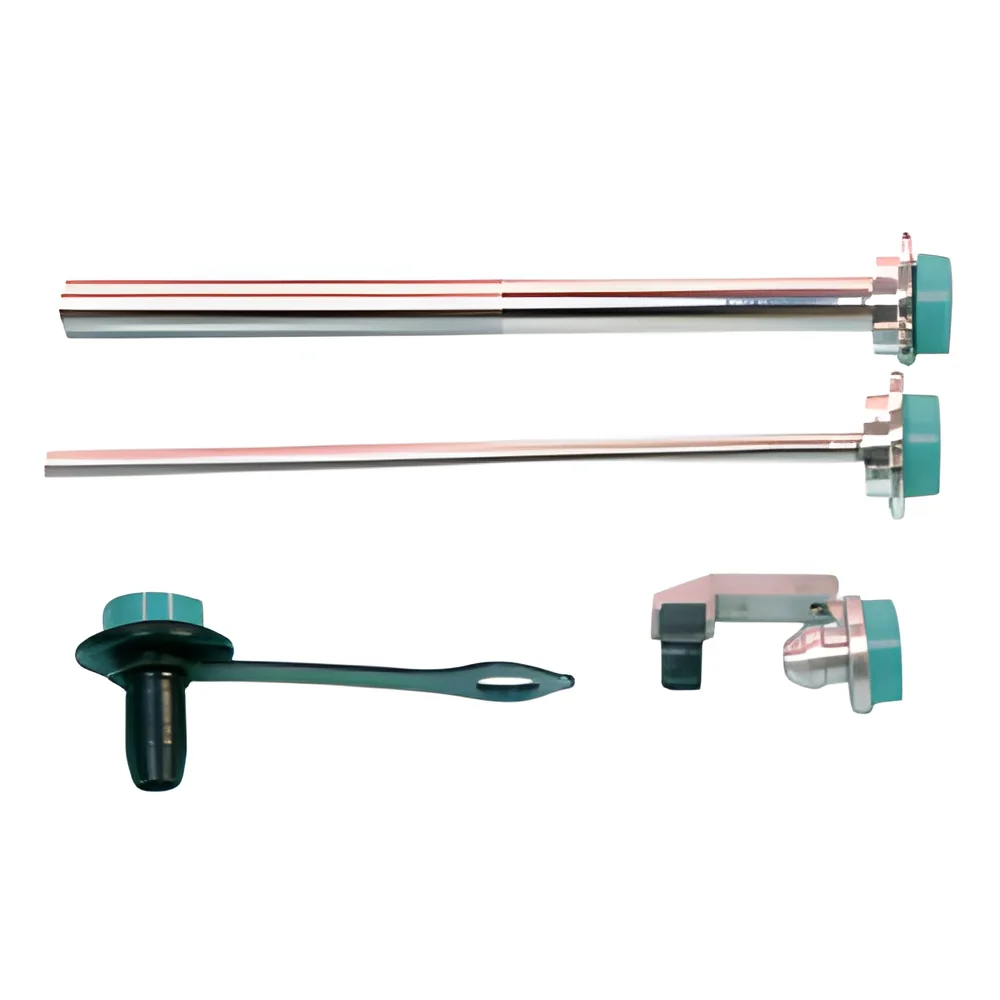
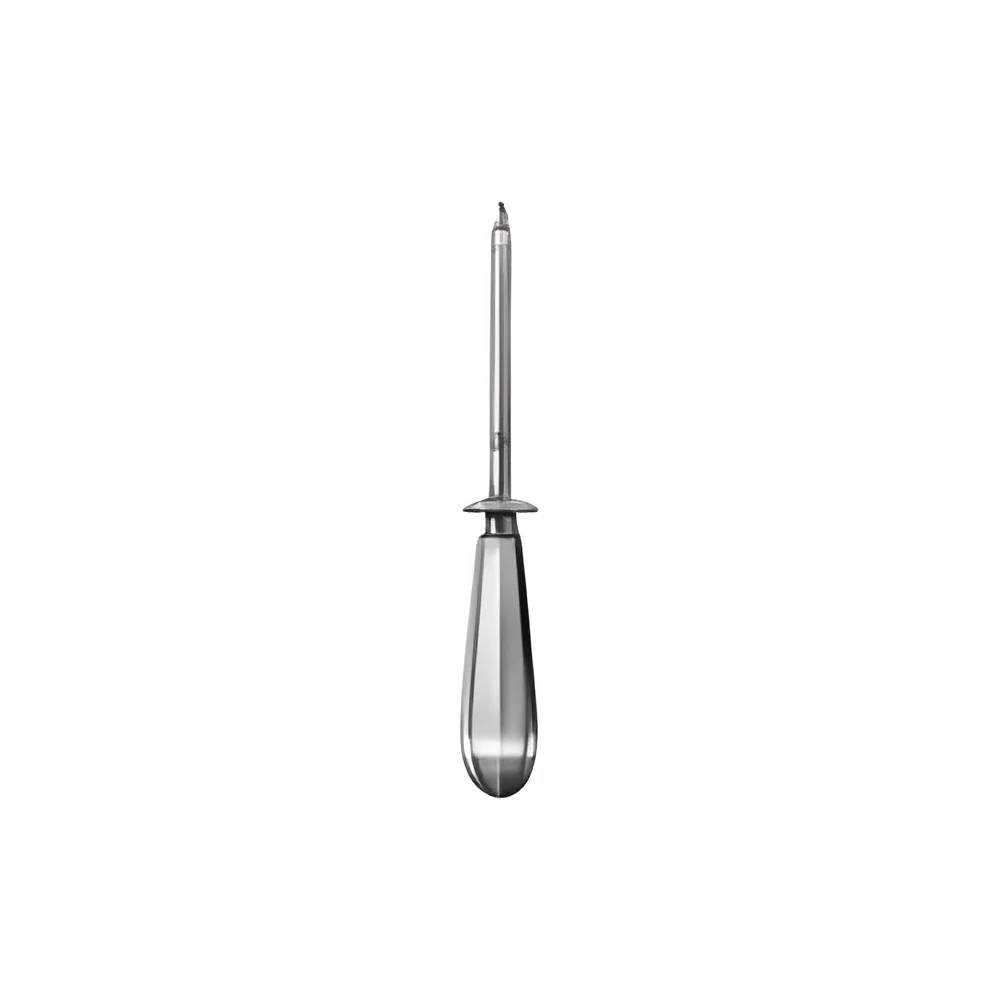
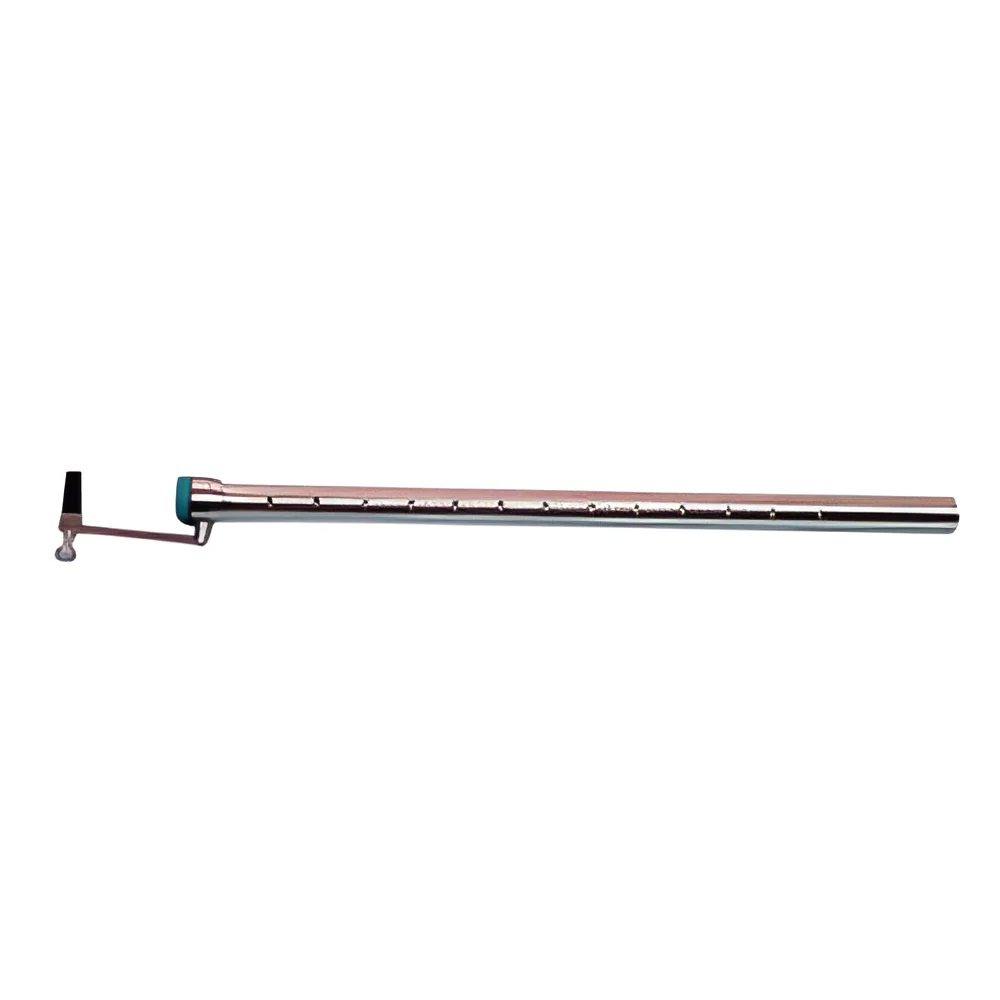
Laparoscopic Trocar
Trocar instruments create access points for other laparoscopic instruments. Their design minimizes trauma while ensuring optimal access to the surgical site.
Benefits and Advantages
Laparoscopy instruments provide numerous benefits that enhance surgical procedures and patient care.
1. Minimally Invasive: They reduce the size of incisions, leading to less pain and quicker recovery times for patients.
2. Reduced Scarring: Smaller surgical openings result in less visible scarring, improving patients' aesthetic outcomes.
3. Shorter Hospital Stays: Patients often experience reduced hospital stays due to faster recovery, leading to lower healthcare costs.
4. Enhanced Visualization: Many laparoscopic instruments come with integrated cameras, providing surgeons with improved sightlines during procedures.
5. Lower Risk of Infection: Minimally invasive techniques minimize exposure and reduce the likelihood of postoperative infections.
6. Increased Precision: The ergonomic design of these instruments allows for greater control and accuracy during surgeries.
Buying Guide for B2B Buyers
When sourcing laparoscopy instruments, it is essential for B2B buyers to consider several crucial factors to ensure quality and reliability.
1. Quality Assessment: Evaluate the manufacturing standards and quality control processes of potential suppliers to ensure the instruments meet industry norms.
2. Supplier Verification: Conduct due diligence to verify suppliers' credentials, checking for certifications and reviews from previous clients.
3. Pricing and MOQ: Understand the pricing structures and minimum order quantities, as these can vary significantly among suppliers.
4. Delivery and Lead Times: Confirm the expected delivery times and shipping methods to ensure that instruments arrive when needed for surgical procedures.
5. Compliance Requirements: Be aware of the regulatory requirements in your region to ensure that the instruments meet necessary safety and compliance standards.
Compliance and Certifications
Laparoscopy instruments must adhere to various compliance and certification standards that ensure their safety and effectiveness in surgical environments. One of the most critical standards is ISO 9001, which sets the quality management system requirements for manufacturers. Compliance with this standard indicates that a manufacturer consistently provides products that meet customer and regulatory requirements.
Another important certification is CE marking, which signifies that the instruments comply with European health, safety, and environmental protection standards. This certification is crucial for devices sold in the European market, ensuring that they are safe for use.
Manufacturers should also comply with safety and testing requirements to ensure the reliability and performance of their instruments. This includes rigorous testing for durability and functionality. Additionally, regional compliance considerations may vary, so it is essential for buyers to understand the specific requirements in their locality.
Why Source Laparoscopy Instruments from Pepagora?
Pepagora provides a trusted platform for sourcing laparoscopy instruments, offering several key advantages to B2B buyers.
Verified Supplier Network: Pepagora connects buyers with a network of verified suppliers, ensuring quality and reliability in the products offered. This network helps buyers find reputable manufacturers who adhere to industry standards.
Streamlined RFQ Process: The platform simplifies the request for quotation (RFQ) process, allowing buyers to easily compare prices and specifications from multiple suppliers. This transparency helps buyers make informed purchasing decisions efficiently.
Trade Assurance and Support: Pepagora offers trade assurance, providing buyers with protection on their purchases. This support ensures that buyers can source high-quality products with confidence, knowing they have recourse if issues arise.
Regional Coverage: With a strong presence in India, the GCC, and Southeast Asia, Pepagora offers broad geographic coverage. This regional focus helps buyers access local suppliers while facilitating international trade relationships, enhancing their procurement strategies.

 IN
IN