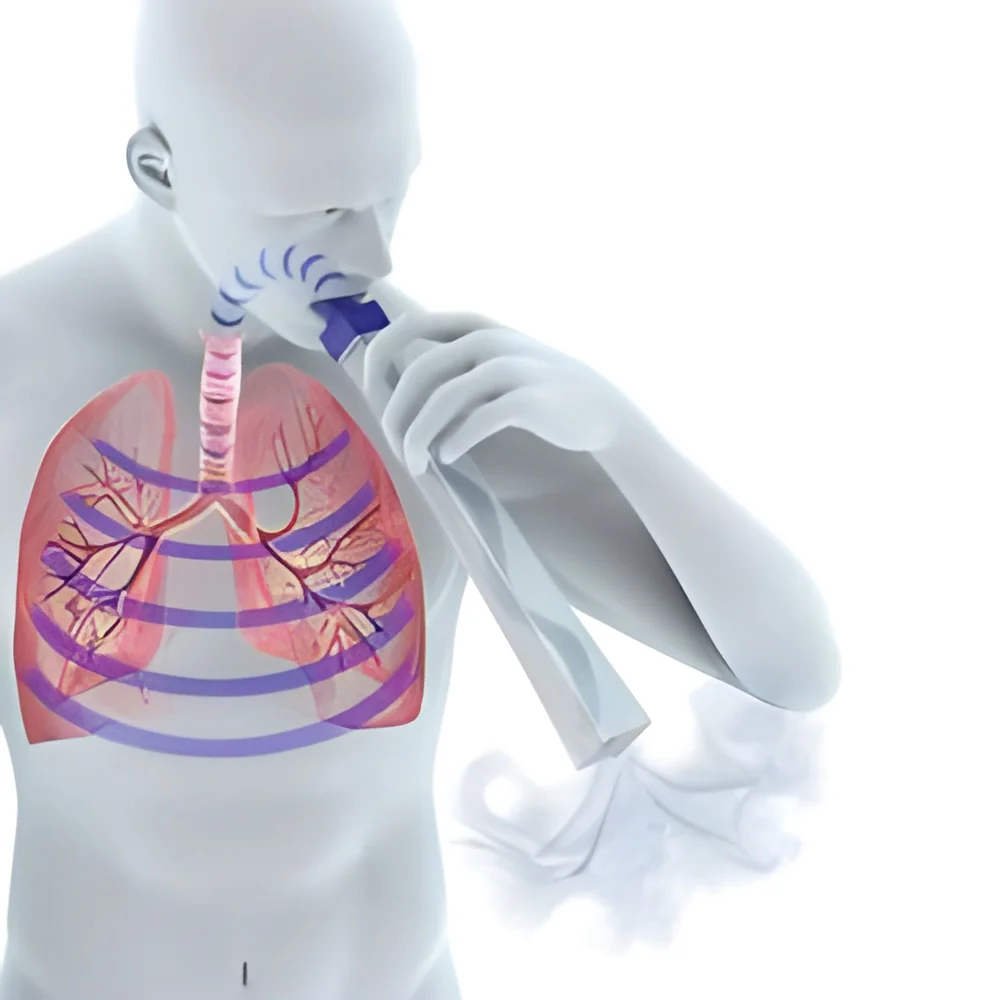
What are Spirometers?
Spirometers are medical devices used to measure the volume and flow of air during inhalation and exhalation. These instruments play a crucial role in diagnosing and managing respiratory conditions by providing essential data on lung function. By analyzing the airflow and lung capacity, spirometers help healthcare professionals assess the respiratory health of patients, identify abnormalities, and guide treatment decisions.
Primarily, spirometers are utilized in various healthcare settings, including hospitals, clinics, and pulmonary rehabilitation facilities. They are indispensable tools in the diagnosis of conditions such as asthma, chronic obstructive pulmonary disease (COPD), and other respiratory disorders. Additionally, spirometers are increasingly being used in occupational health assessments and research studies to evaluate lung function in specific populations.
In the context of the healthcare industry, the demand for spirometers has been growing steadily, driven by an increasing focus on respiratory health, advancements in medical technology, and a rising prevalence of respiratory diseases. The global spirometer market continues to expand, reflecting the critical importance of these devices in improving patient outcomes and enhancing respiratory care.
Key Features and Specifications
Spirometers come equipped with various features and specifications that enhance their functionality and usability. These characteristics ensure accurate measurements and reliable performance in clinical settings.
Key specifications include:
1. Measurement Range
- Typically measures forced vital capacity (FVC), forced expiratory volume (FEV1), and peak expiratory flow (PEF)
- Ranges vary based on device design but commonly span from low to high lung volumes
2. Data Output
- Provides real-time results in both graphical and numerical formats
- Often includes options for printouts or digital export for electronic health records
3. Connectivity Options
- Many modern spirometers feature Bluetooth or USB connectivity
- Allows seamless integration with other healthcare systems for enhanced data management
4. User Interface
- Generally equipped with a touch screen for easy navigation
- Simplified menus facilitate quick access to settings and results
5. Calibration Requirements
- Regular calibration is essential for accurate readings
- Some models offer automatic calibration features for user convenience
6. Portability
- Lightweight designs are available for ease of transport
- Battery-operated options enhance mobility and usability in various settings
7. Power Supply
- Can be powered by rechargeable batteries or mains electricity
- Extended battery life is often a key feature for portable models
8. Software Compatibility
- Many spirometers come with proprietary software for data analysis
- Compatible with various operating systems for flexibility in data management
In summary, the features and specifications of spirometers play a vital role in their effectiveness as diagnostic tools for respiratory health. Understanding these aspects can help healthcare providers select the right device for their needs.
Common Applications and Use Cases
Spirometers serve a wide range of industries and applications, reflecting their versatility in assessing respiratory health.
1. Healthcare Facilities: Hospitals and clinics utilize spirometers for routine lung function tests to diagnose and monitor respiratory diseases.
2. Occupational Health: Employers in industries such as construction and manufacturing use spirometers to assess the lung health of employees exposed to respiratory hazards.
3. Research Institutions: Spirometers are employed in clinical studies to evaluate the effectiveness of new treatments or interventions for respiratory conditions.
4. Sports Medicine: Athletic organizations use spirometers to monitor the lung function of athletes, particularly in endurance sports, to optimize performance.
5. Home Healthcare: Portable spirometers enable patients to monitor their lung function at home, providing valuable data for ongoing management of chronic conditions.
6. Environmental Health: Spirometers are used in studies assessing the impact of air quality on respiratory health in different populations.
In conclusion, spirometers are essential tools across various sectors, contributing significantly to health assessment and management.
Product Variants and Subcategories
Spirometers are available in different variants, catering to diverse needs within healthcare settings.
Portable Spirometers
These compact devices are designed for easy transport and use in various locations. Their lightweight nature makes them ideal for home healthcare and field assessments. Many portable spirometers offer Bluetooth connectivity for data transfer.
Desktop Spirometers
Typically used in clinical environments, desktop spirometers provide comprehensive lung function analysis with advanced features. They often come with larger displays and enhanced data management capabilities, making them suitable for extensive testing.
Digital Spirometers
These modern devices feature digital displays and often integrate with software for detailed analysis. They are user-friendly, with touch screens and easy navigation, making them ideal for both professional and patient use.
Benefits and Advantages
Using spirometers offers numerous benefits that enhance respiratory assessment and management.
1. Accurate Diagnosis: Spirometers provide precise measurements of lung function, aiding in the early diagnosis of respiratory conditions.
2. Improved Patient Monitoring: Regular spirometry tests allow healthcare providers to monitor patients' lung health over time, facilitating timely interventions.
3. Enhanced Treatment Planning: The data obtained from spirometry tests enables personalized treatment strategies based on individual patient needs.
4. Increased Patient Engagement: Patients can actively participate in their health management by using portable spirometers for home monitoring.
5. Cost-Effective Solutions: Investing in spirometry technology can lead to better health outcomes, ultimately reducing healthcare costs associated with untreated respiratory conditions.
6. Versatile Applications: Spirometers are adaptable for various settings, from hospitals to home care, making them valuable tools across the healthcare spectrum.
In summary, spirometers offer significant advantages that contribute to improved respiratory health management.
Buying Guide for B2B Buyers
When sourcing spirometers for business needs, several factors should be taken into consideration.
1. Quality Assessment: Evaluate the quality of spirometers by checking for compliance with established medical standards. Look for devices that have been tested and certified for accuracy and reliability.
2. Supplier Verification: Conduct thorough research to ensure that suppliers have a good reputation in the market. Check for customer reviews and testimonials to gauge the performance of their products.
3. Pricing and MOQ: Understand the pricing structure and minimum order quantities (MOQ) set by suppliers. This information is crucial for budgeting and ensuring that the investment aligns with your business needs.
4. Delivery and Lead Times: Inquire about delivery schedules and lead times to ensure that you receive the spirometers in a timely manner. This is especially important for businesses that require immediate access to diagnostic tools.
5. Compliance Requirements: Ensure that the spirometers meet relevant regulatory standards in your region. Compliance with certifications such as CE is vital for ensuring safety and efficacy.
Compliance and Certifications
Compliance and certifications play a crucial role in the quality assurance of spirometers. Many devices adhere to international quality standards, such as ISO 9001, which ensures consistent quality management processes throughout manufacturing.
Additionally, spirometers are often required to meet safety standards and undergo rigorous testing for performance and reliability. Certification bodies, such as CE, provide assurances that the devices comply with European health, safety, and environmental protection standards.
Regional compliance considerations are also significant, as different countries may have specific regulations governing medical devices. It is essential for manufacturers and suppliers to stay updated on these requirements to ensure their products remain compliant in their target markets.
Why Source Spirometers from Pepagora?
Pepagora serves as a trusted platform for sourcing spirometers, offering several key advantages to B2B buyers.
Verified Supplier Network: Pepagora connects buyers with a network of verified suppliers, ensuring that all listed products meet high standards of quality and reliability. This helps mitigate risks associated with sourcing from unverified sources.
Streamlined RFQ Process: The platform simplifies the request for quotation (RFQ) process, allowing businesses to quickly obtain competitive pricing from multiple suppliers. This efficiency saves time and ensures informed purchasing decisions.
Trade Assurance and Support: Pepagora provides buyer protection through trade assurance, giving customers peace of mind throughout the purchasing process. The platform also offers support for any issues that may arise, enhancing the overall experience.
Regional Coverage: With a focus on markets in India, the GCC, and Southeast Asia, Pepagora offers extensive regional coverage. This geographic reach allows businesses to access a diverse range of spirometer suppliers tailored to local needs.
In conclusion, Pepagora provides an effective and reliable avenue for sourcing spirometers, facilitating better respiratory health management solutions for B2B buyers.

 IN
IN