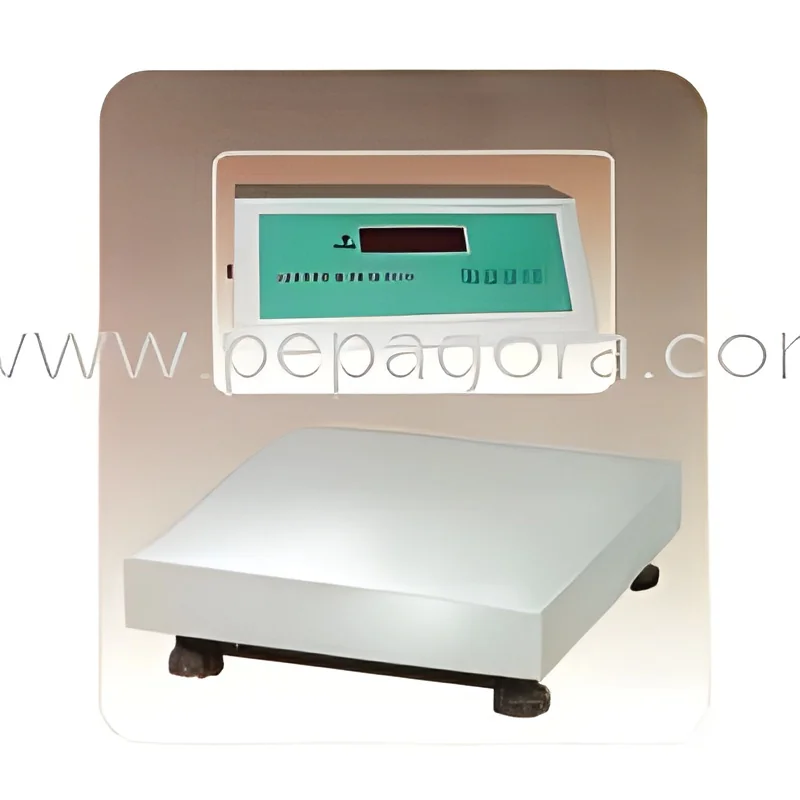
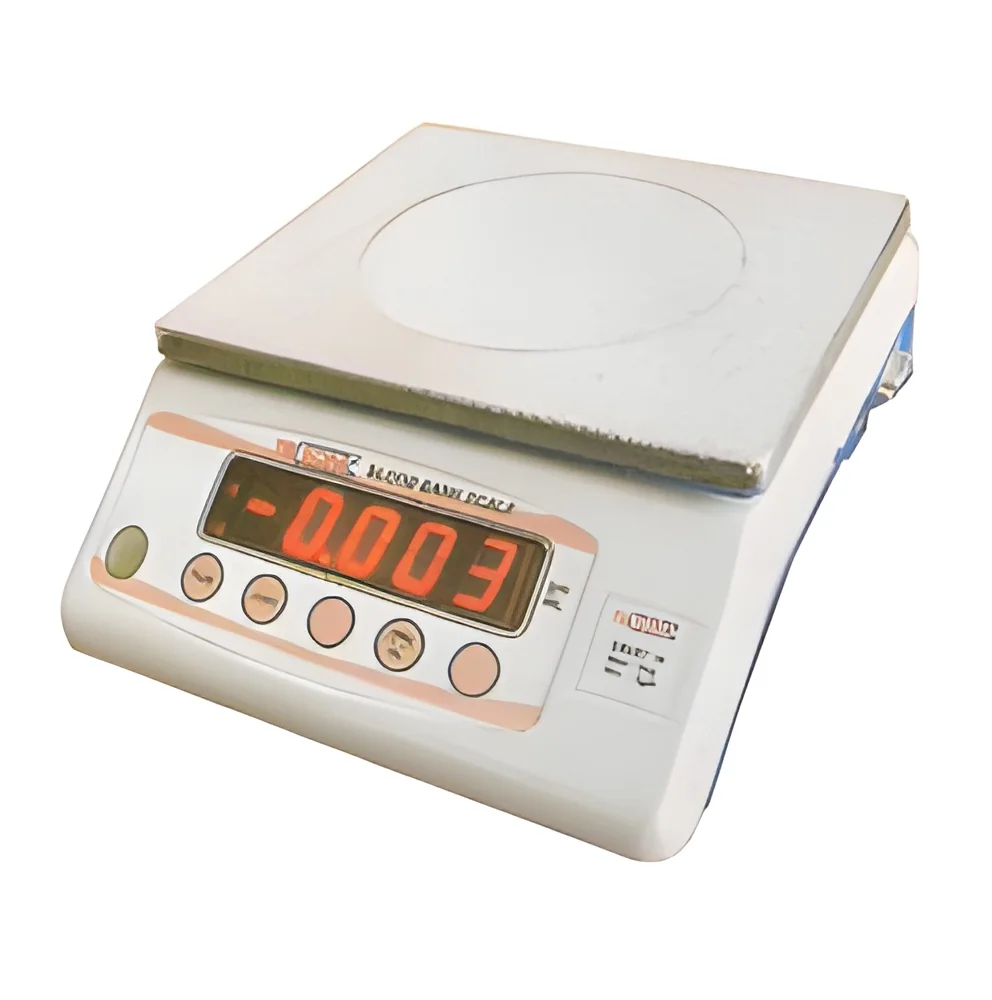
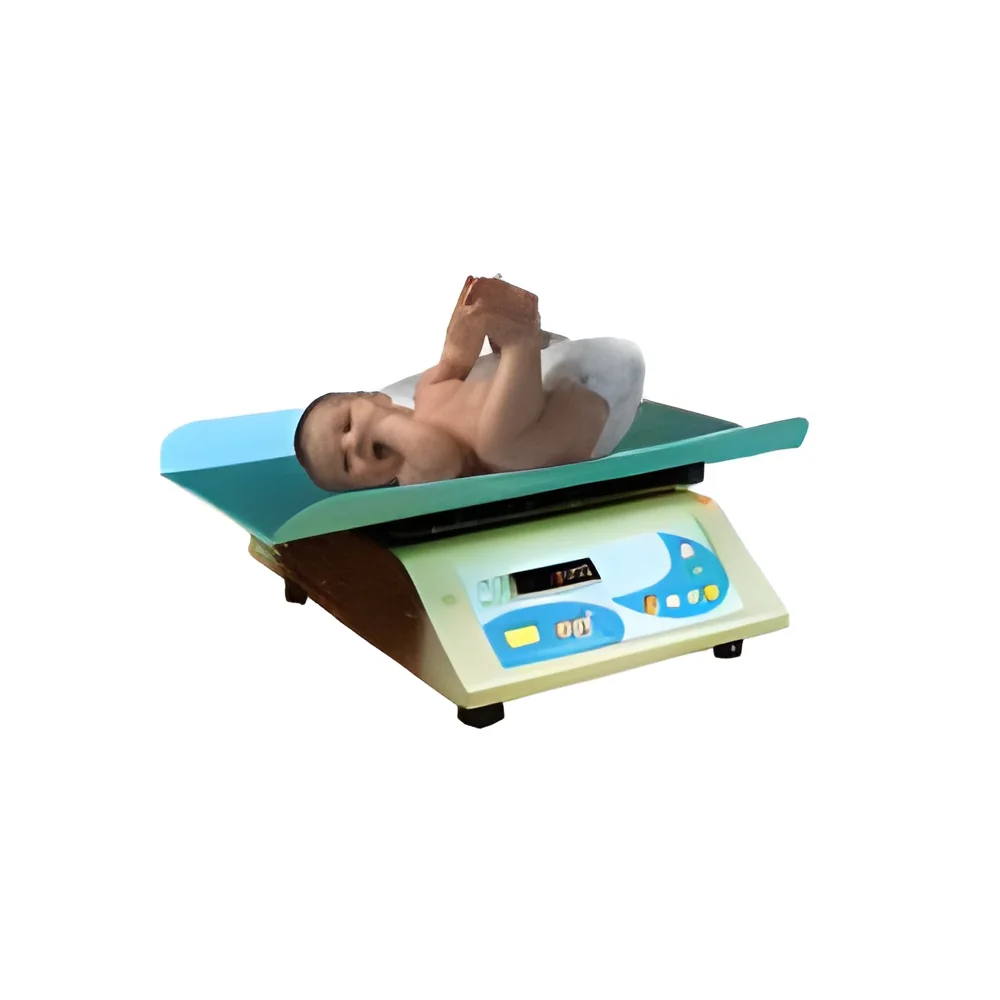
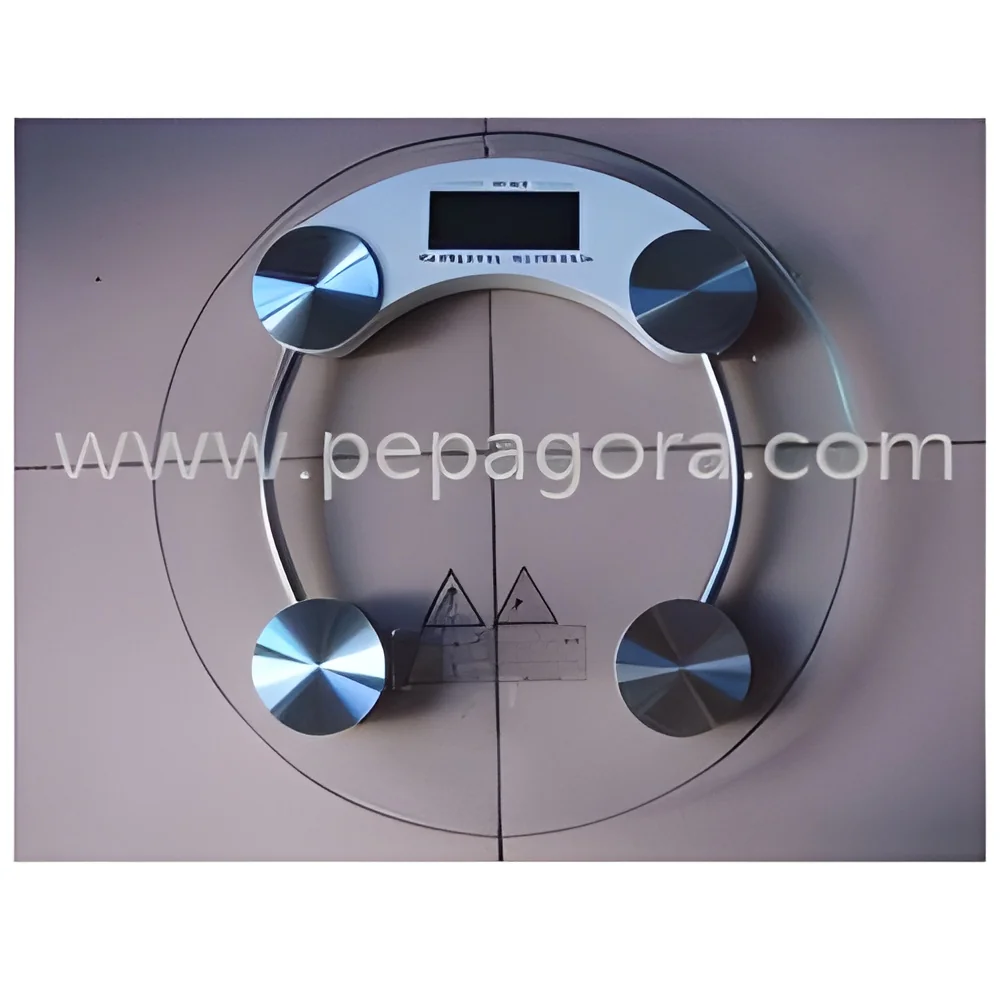
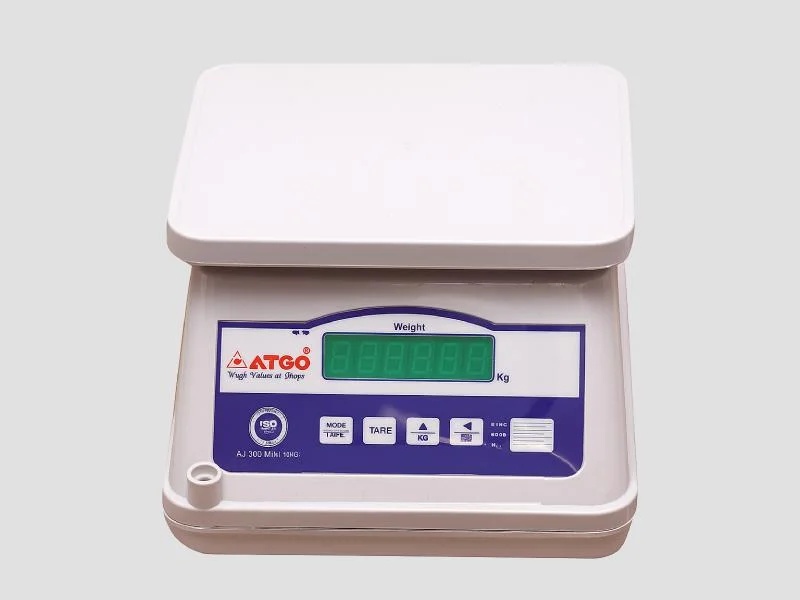
Key Features and Specifications
Weighing scales for bodies and babies come equipped with various features that enhance their functionality and accuracy. When considering these scales, it is essential to be aware of key specifications that ensure they meet industry standards and customer expectations.
Key specifications include:
1. Weight Capacity
- Body scales generally support a weight capacity ranging from 100 kg to 250 kg.
- Baby scales can measure weights from a few grams up to 20 kg.
2. Measurement Units
- Most scales provide flexibility with measurement units, allowing users to switch between kilograms and pounds.
3. Accuracy
- Body scales typically offer an accuracy range of ±0.1 kg.
- Baby scales usually provide higher precision with an accuracy of ±5 grams.
4. Display Type
- Digital displays are common for their clarity and ease of reading.
- Some models may also feature backlit screens for visibility in low light.
5. Calibration
- Automatic calibration features ensure that the scales maintain accuracy over time.
- Manual calibration options are available for more advanced users.
6. Power Source
- Many scales operate on batteries, providing portability.
- Some models may offer plug-in options for continuous use.
7. Additional Features
- Some baby scales come with tare functions to subtract the weight of blankets or clothing.
- Body scales may include body composition analysis features, measuring fat percentage and muscle mass.
These specifications ensure that weighing scales deliver reliable performance for both body and baby measurements.
Common Applications and Use Cases
Weighing scales for bodies and babies find their way into various industries, each utilizing them to meet specific needs.
1. Healthcare: Hospitals and clinics use baby scales for monitoring newborns' weight gain. Body scales are essential for adult patient assessments.
2. Fitness: Gyms and wellness centers utilize body scales to track clients' weight loss or gain, assisting in personal training and nutrition planning.
3. Childcare: Daycare centers and pediatric clinics use baby scales to ensure infants are growing healthily, helping caregivers keep accurate records.
4. Home Use: Families often have body and baby scales at home to monitor their health and the growth of their children.
5. Veterinary: Pet clinics use specialized scales to weigh animals, ensuring proper health care for pets.
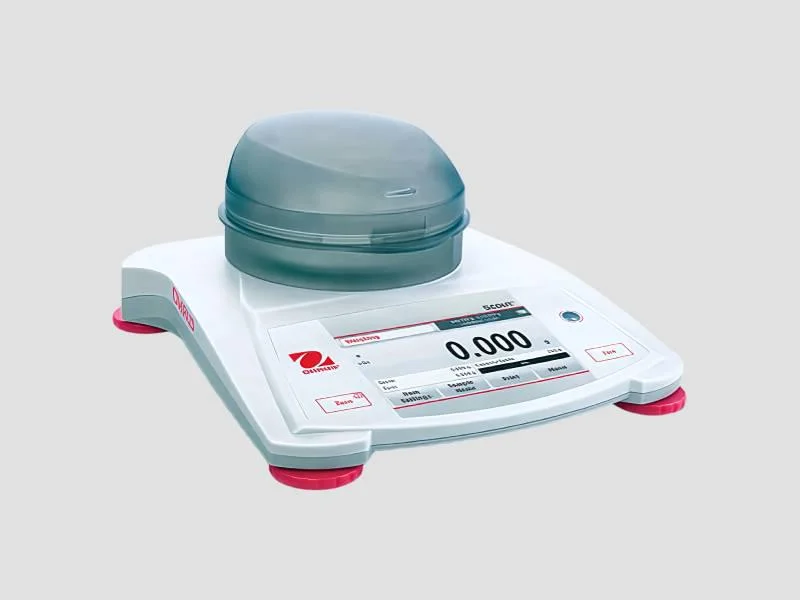
6. Research: Academic institutions and laboratories may use these scales for studies requiring accurate weight data.
7. Retail: Some stores offer body scales for customers to measure their weight while shopping for health and fitness products.
Product Variants and Subcategories
Weighing scales for bodies and babies come in a variety of models to cater to different user requirements. This diversity ensures that businesses can find the right fit for their specific applications.
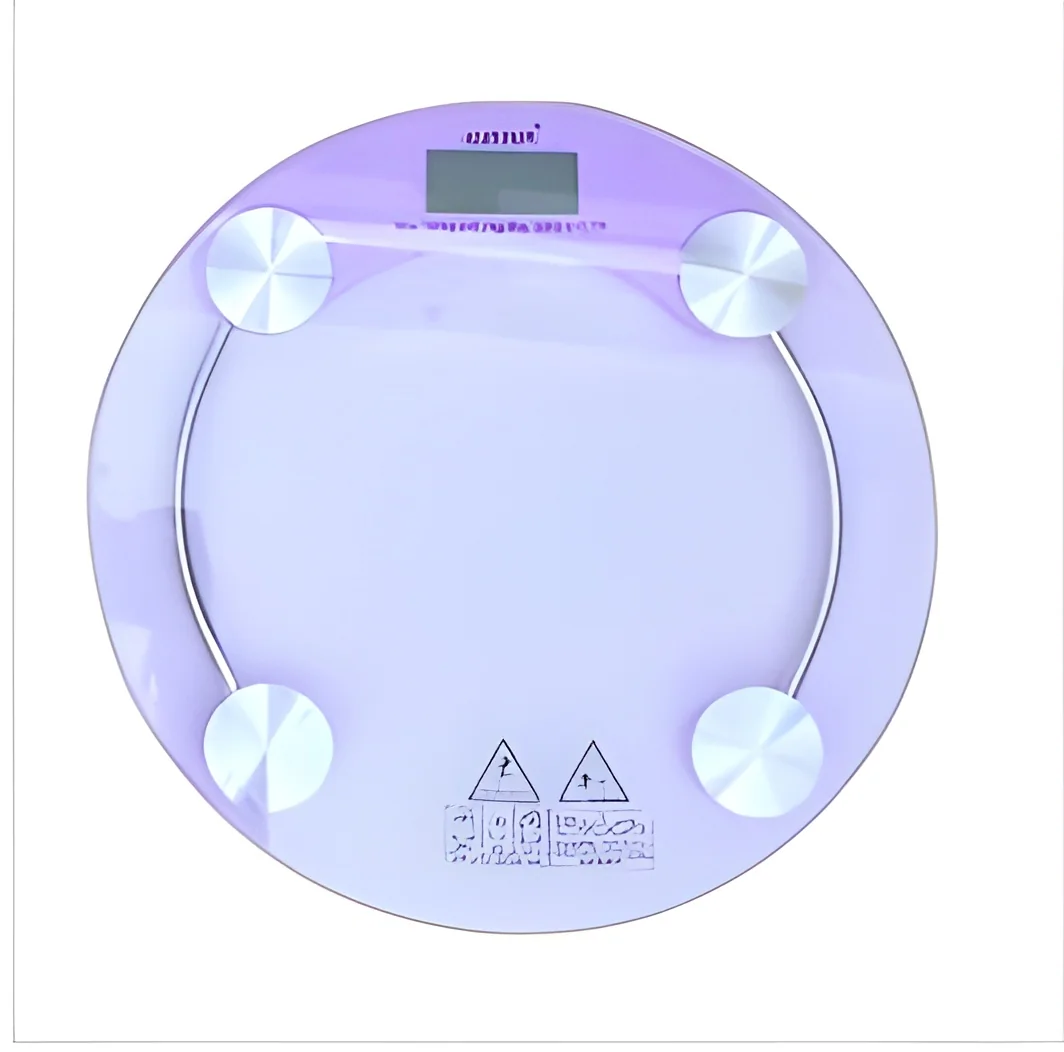
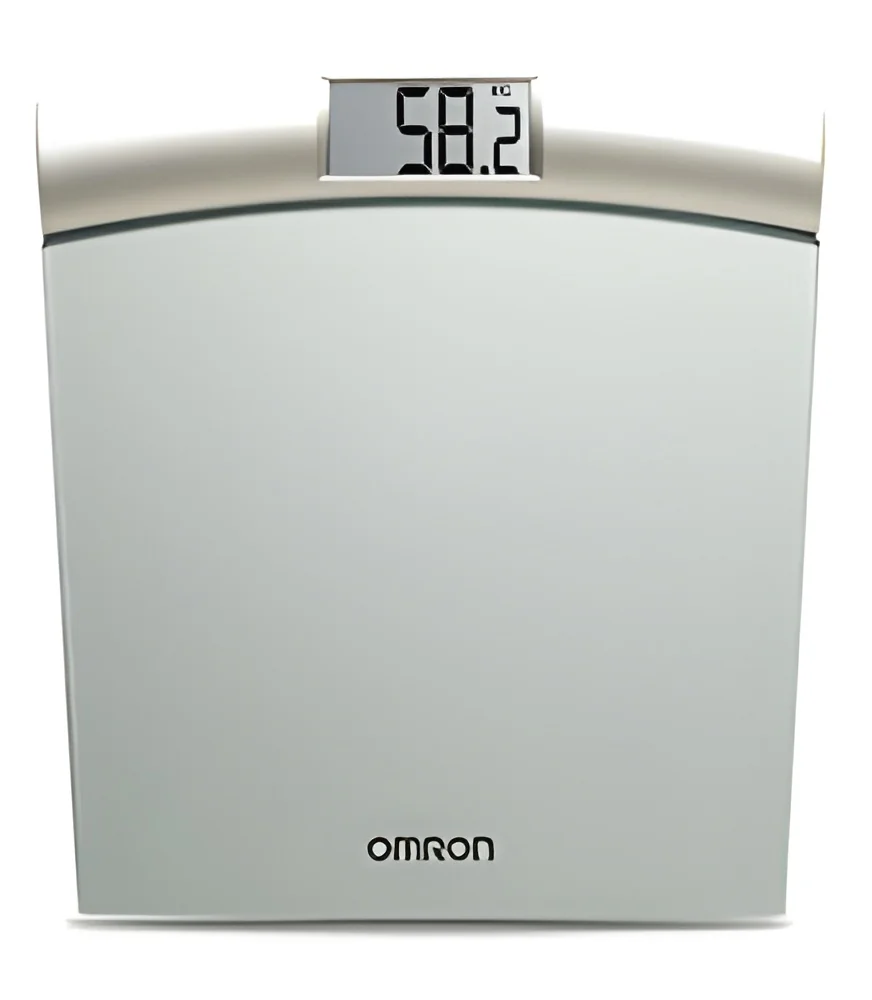
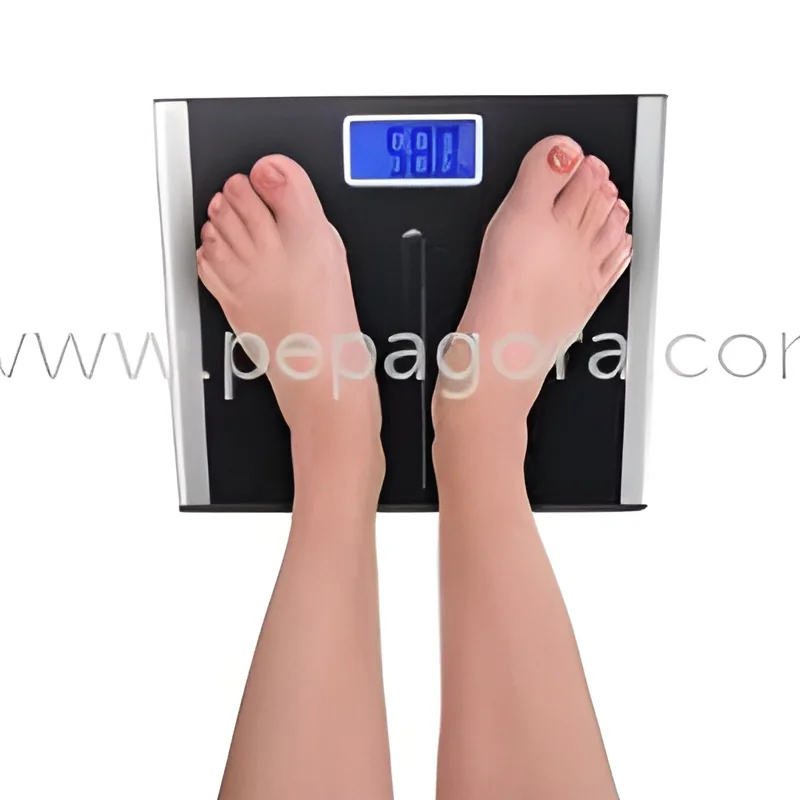
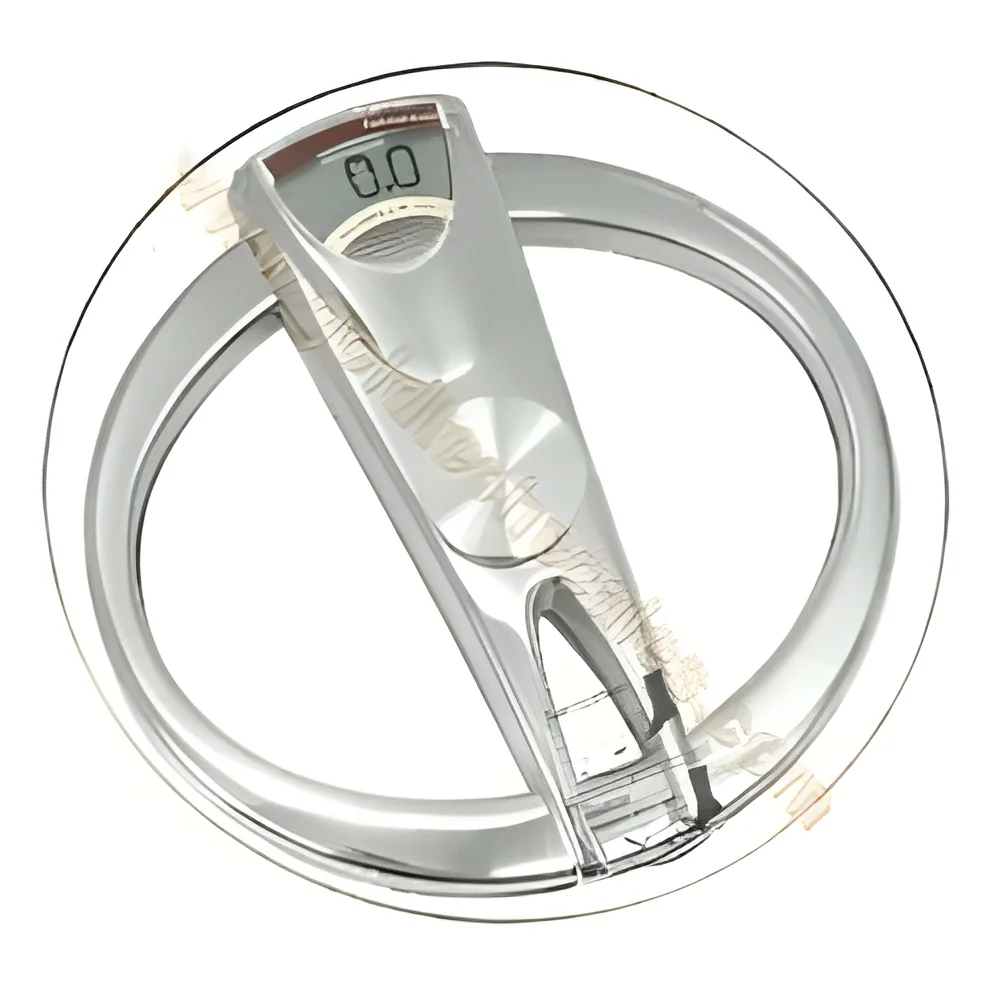
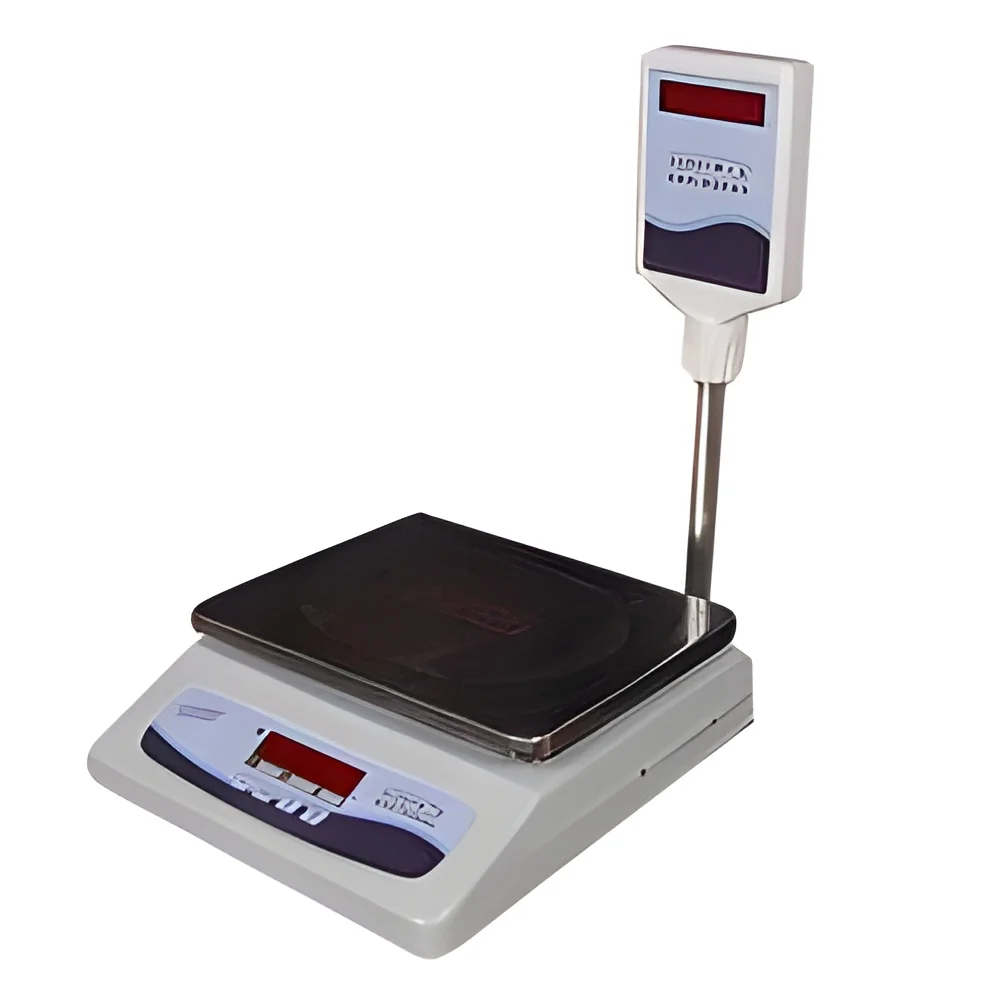
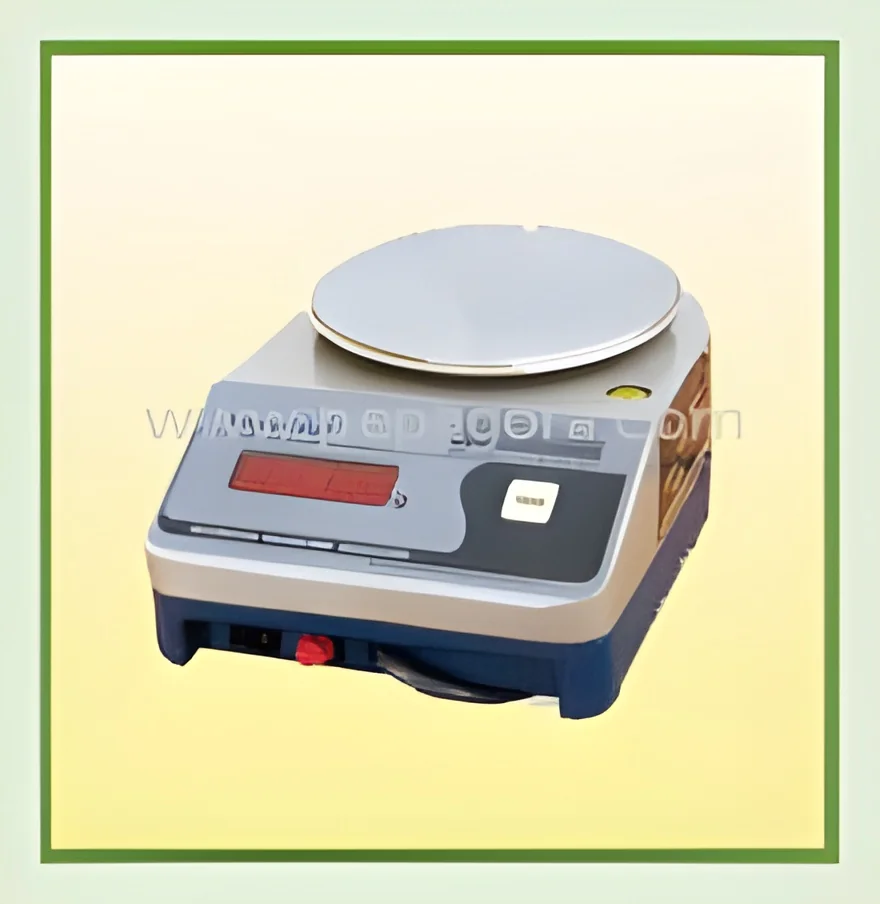
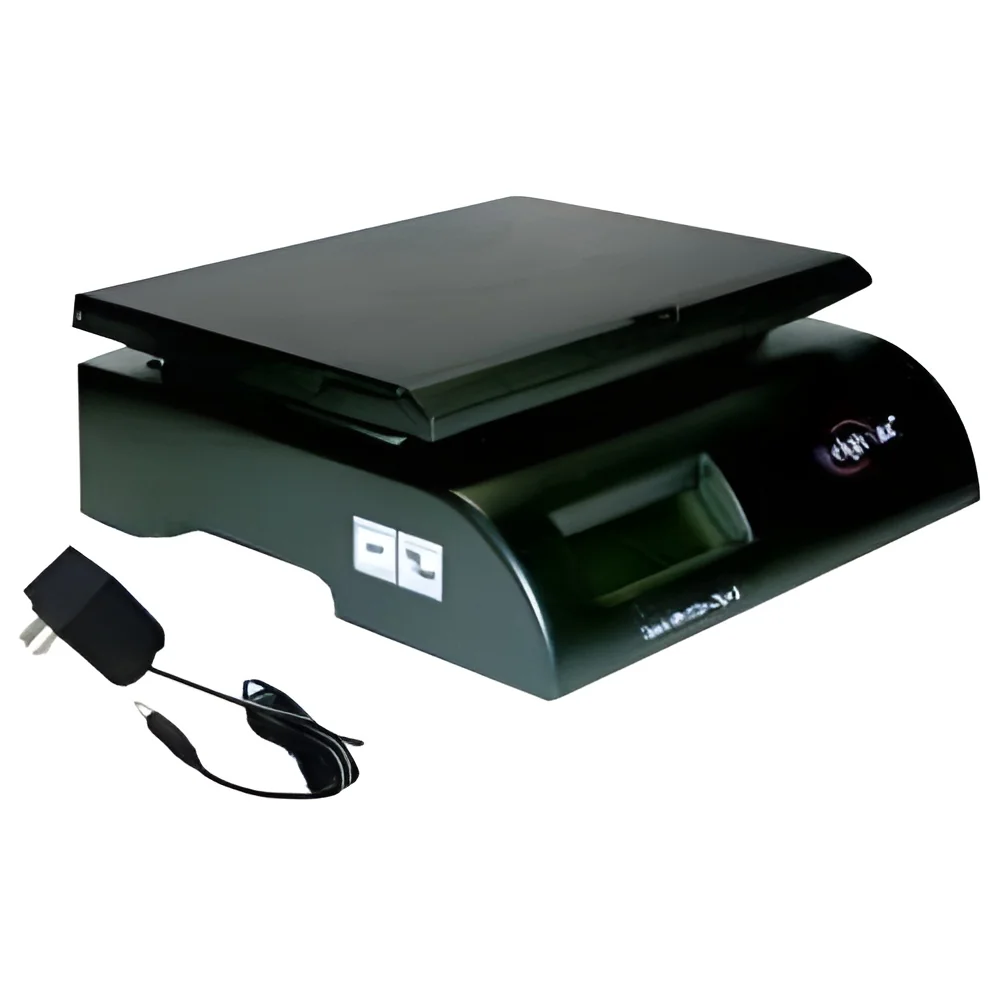
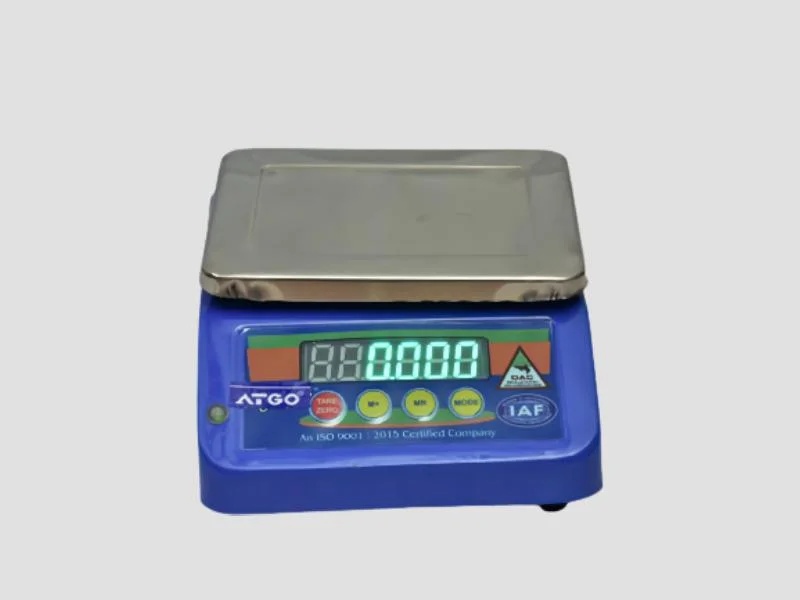
Digital Body Scale
These scales provide accurate weight readings with a modern design. Often featuring a large display, they are user-friendly and suited for both personal and professional use.
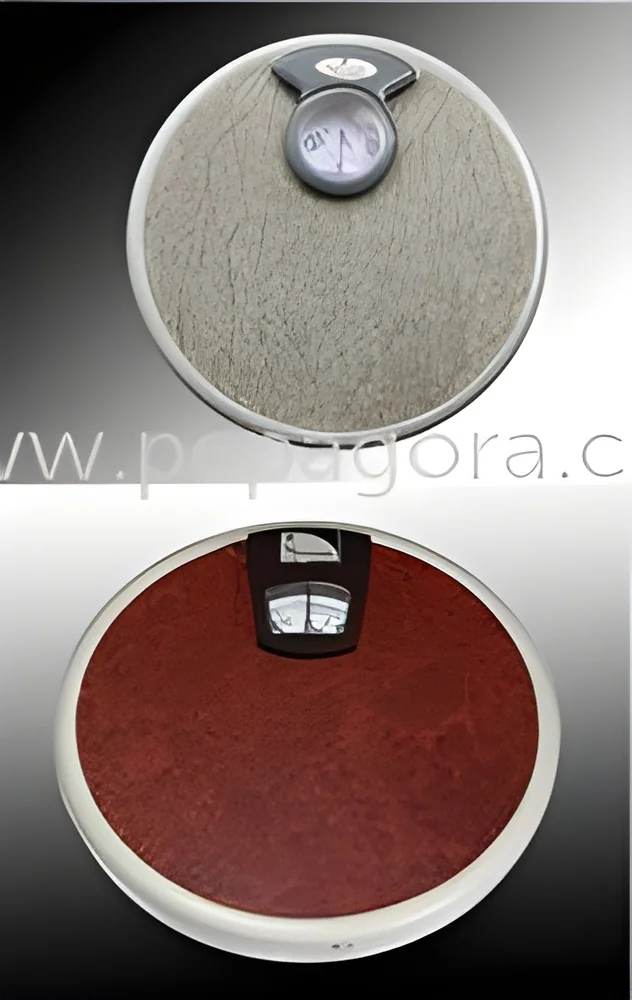
Mechanical Body Scale
These traditional scales use a dial to indicate weight. They are durable and do not require batteries, making them reliable for long-term use.
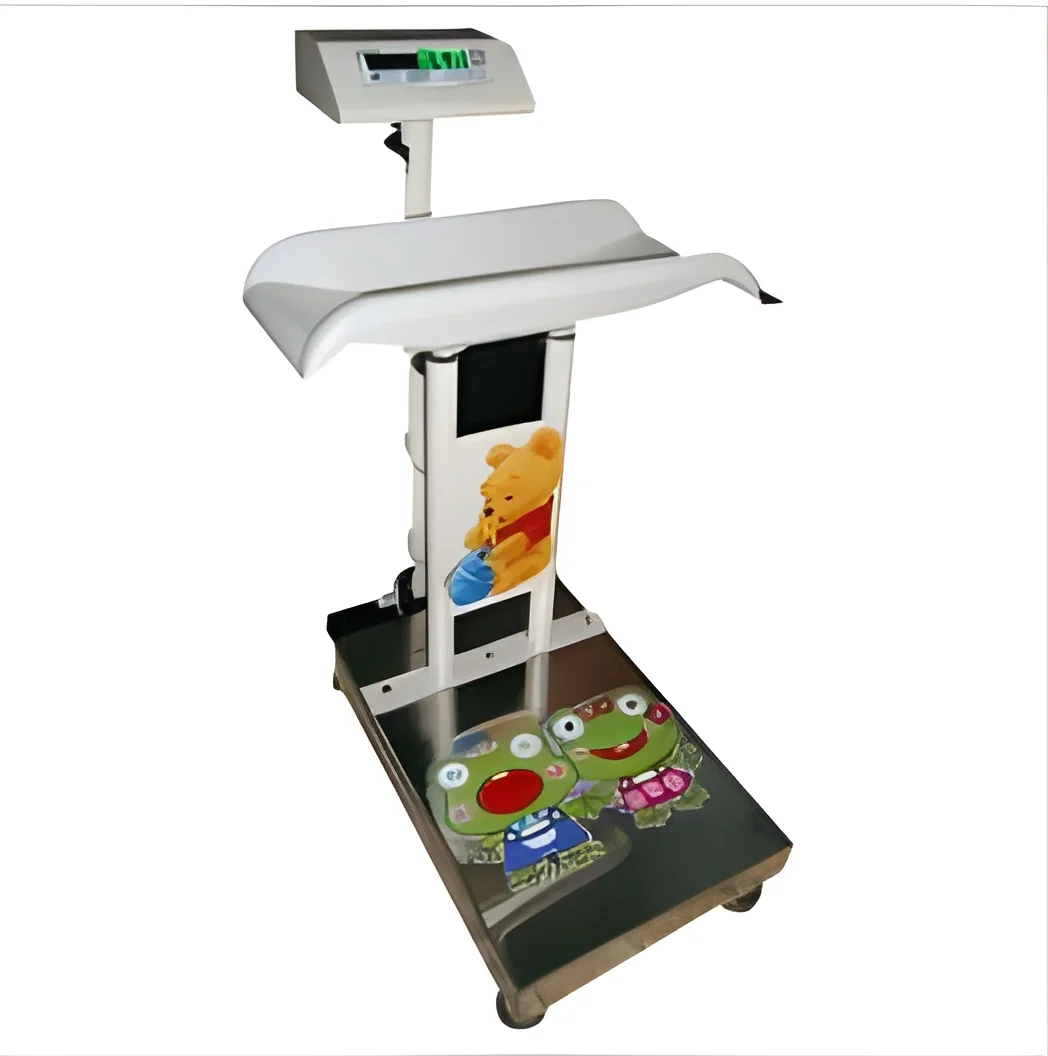
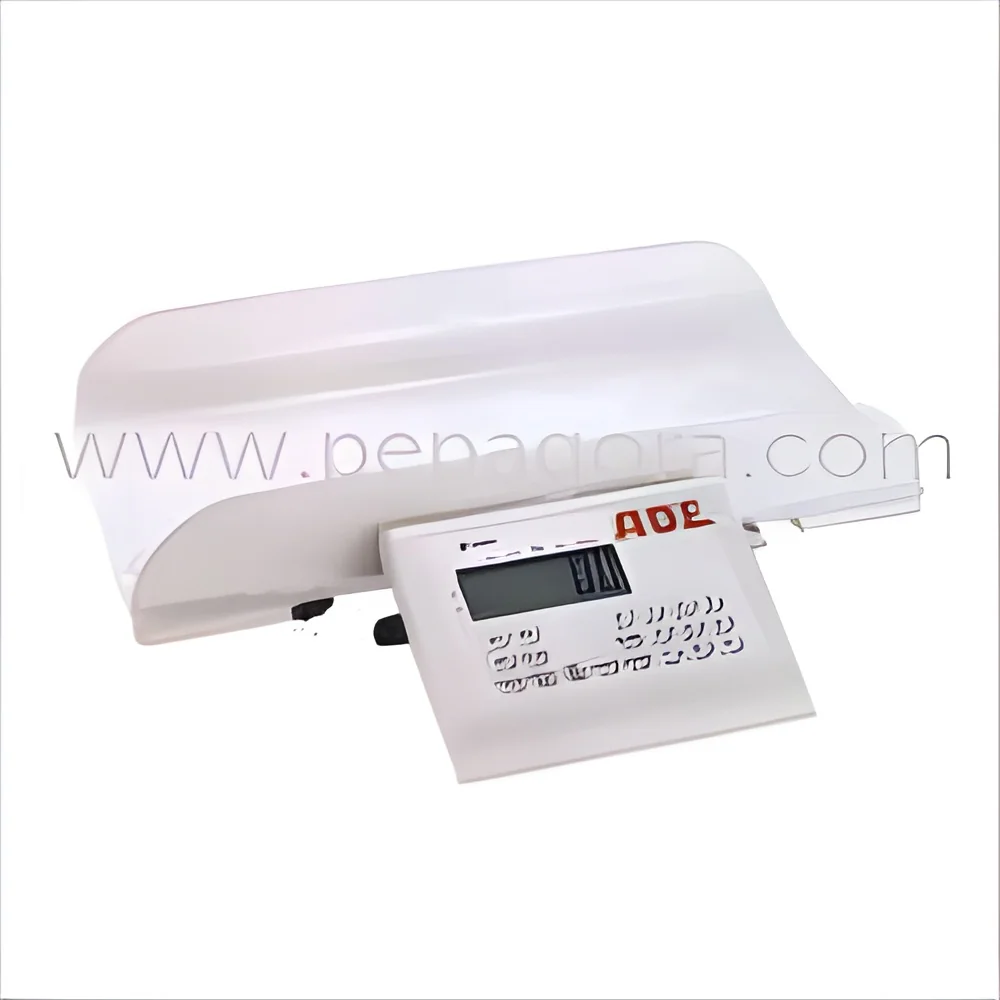
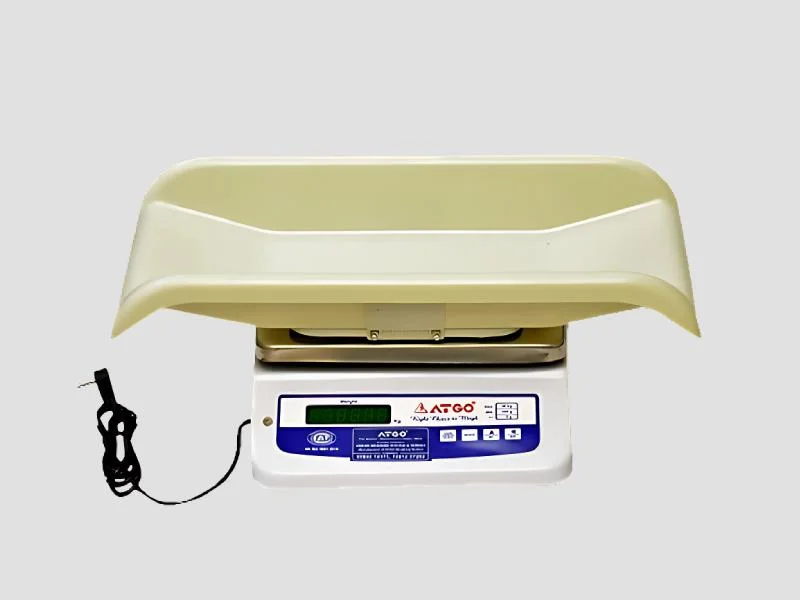
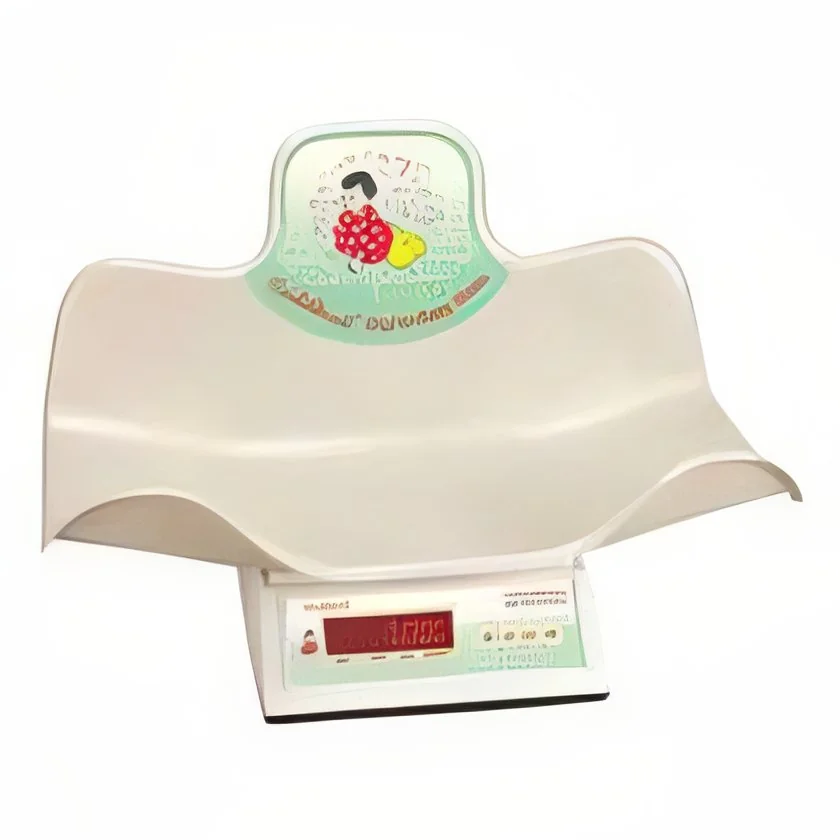
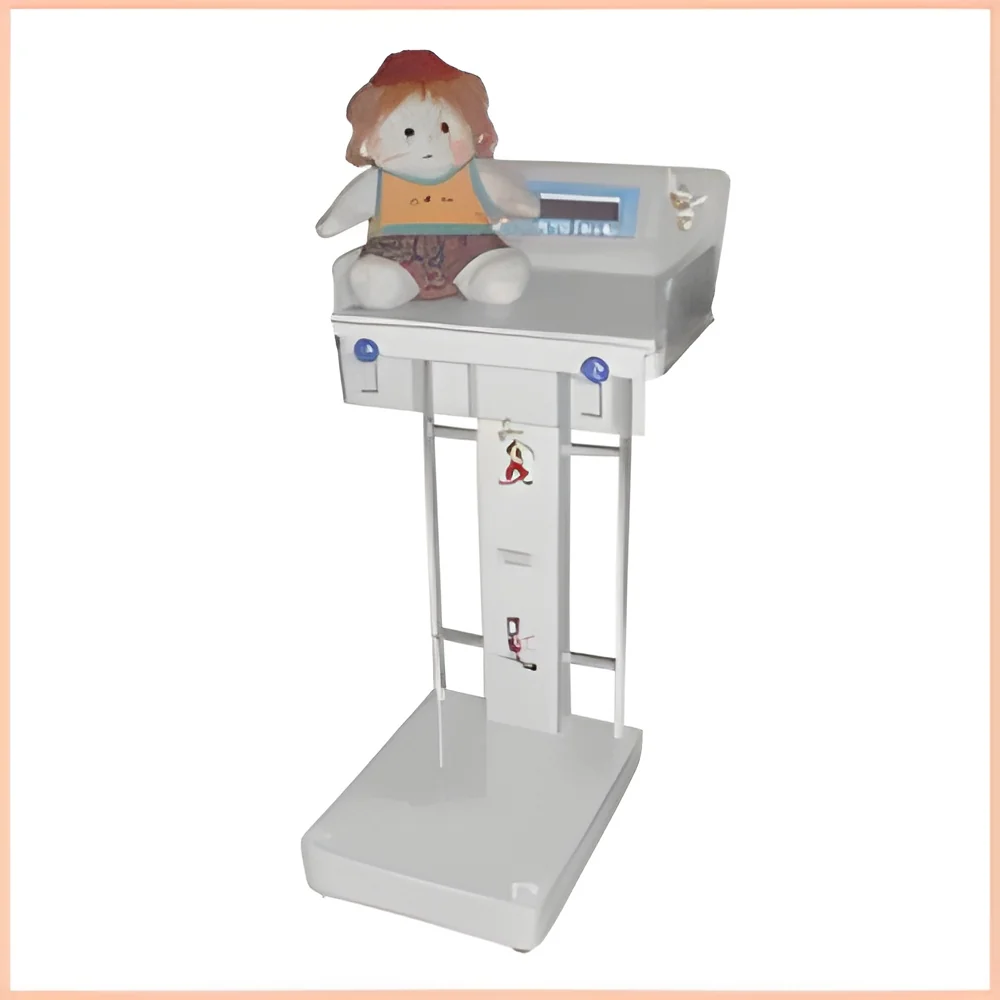
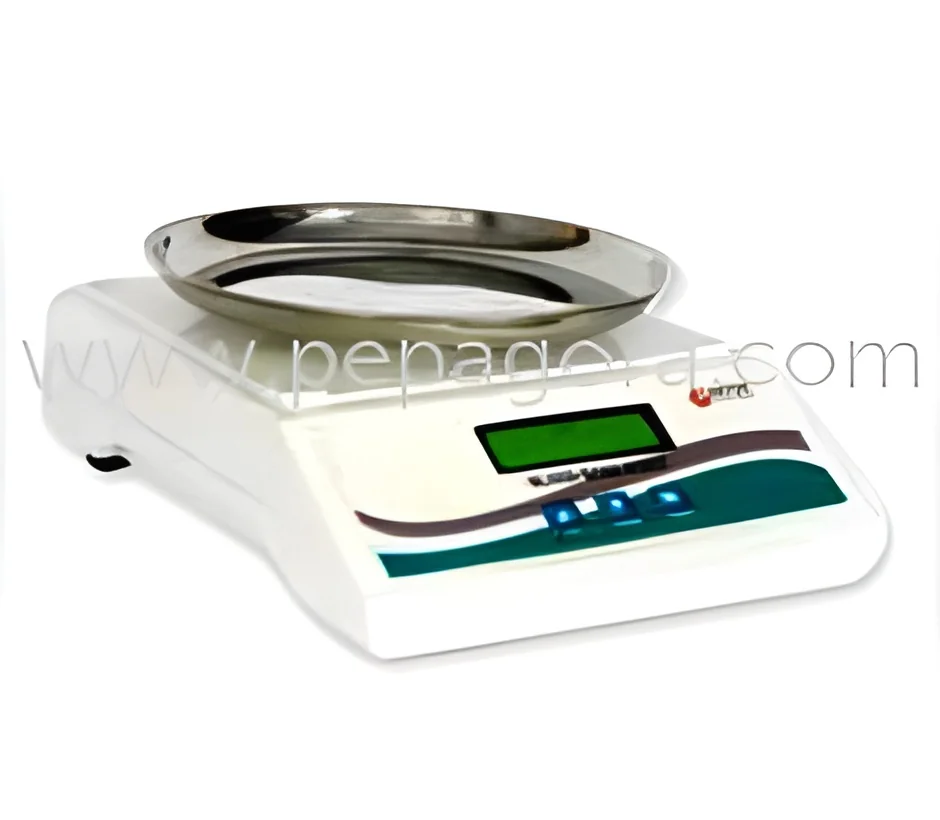
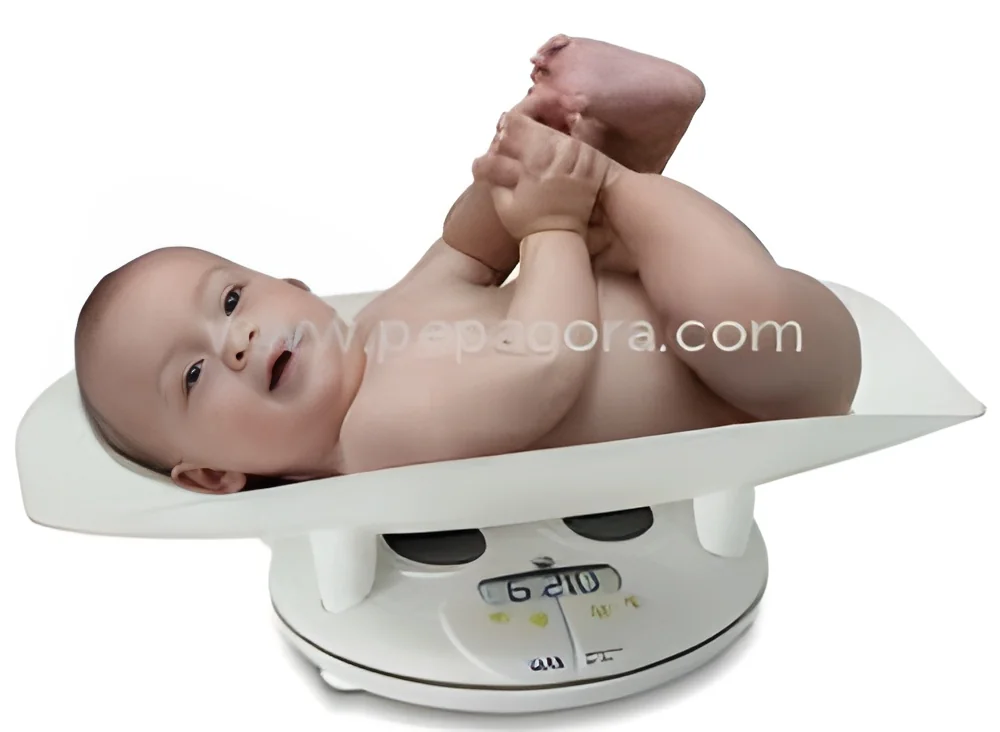
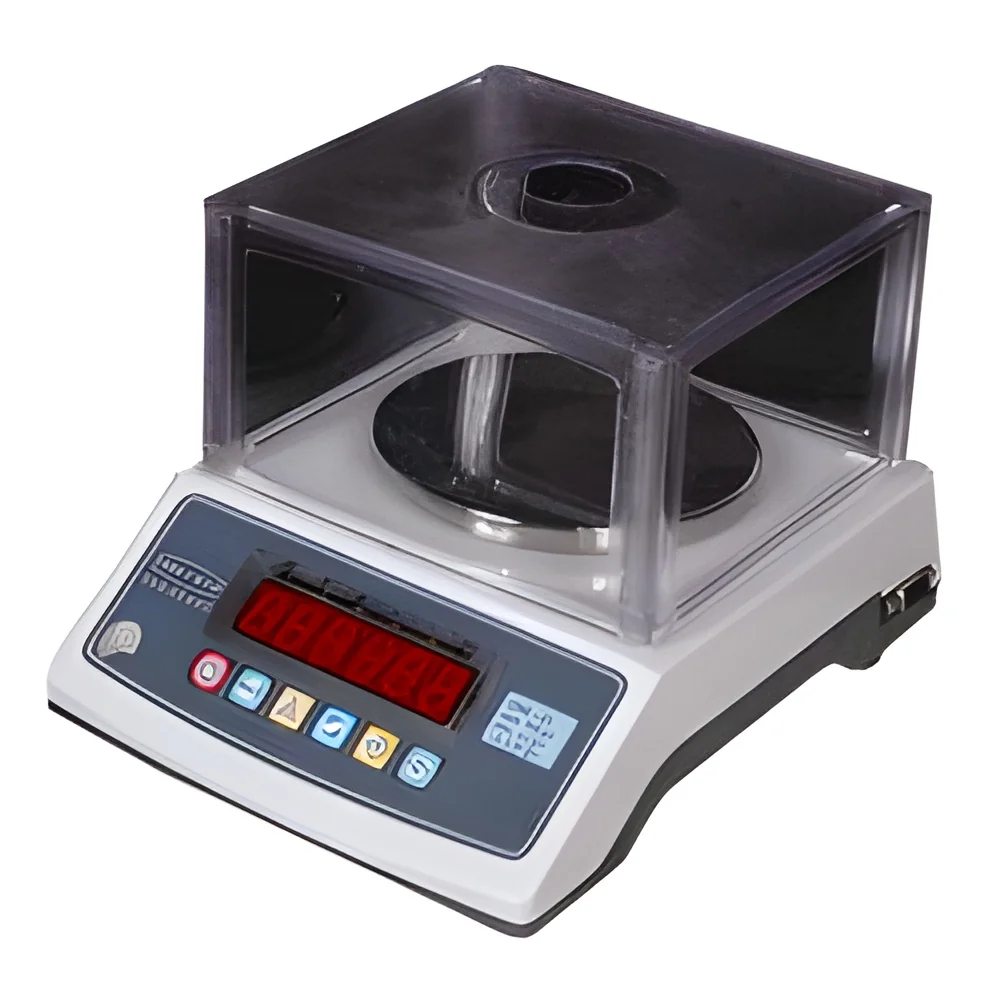
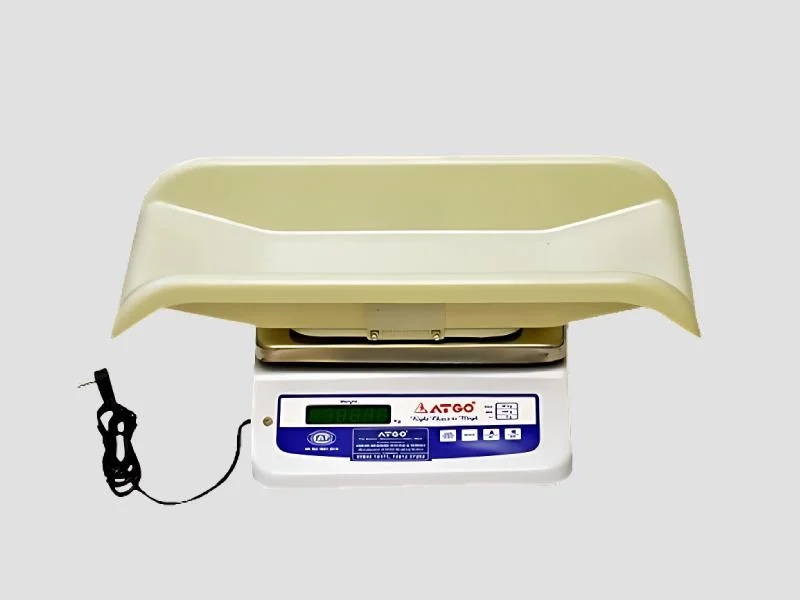
Digital Baby Scale
Designed specifically for infants, these scales ensure accurate measurements. They often include features such as a tare function and high precision for the best results.
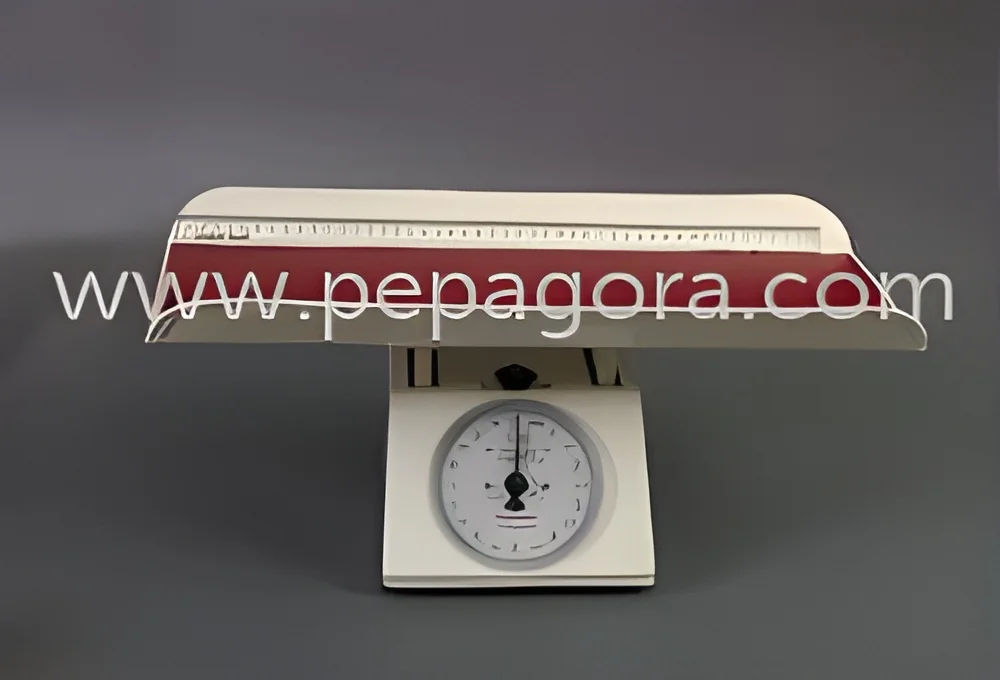
Mechanical Baby Scale
These scales offer a simple, battery-free solution for measuring infants. They are robust and easy to use, making them popular in various settings.
Benefits and Advantages
Weighing scales for bodies and babies provide numerous advantages that make them essential tools in various sectors.
1. Precision: High accuracy levels ensure that users receive reliable weight measurements, essential for health assessments.
2. User-Friendly: Digital models often feature easy-to-read displays, making them accessible for everyone, including caregivers and fitness professionals.
3. Portability: Many scales are lightweight and battery-operated, allowing for easy transportation between different locations.
4. Versatility: Scales can serve multiple applications, from healthcare to fitness, making them a valuable investment for businesses and families.
5. Health Monitoring: Regular weight checks help in tracking health changes, allowing for timely interventions when necessary.
6. Enhanced Features: Additional functionalities, such as body composition analysis, provide deeper insights into an individual’s health beyond just weight.
Buying Guide for B2B Buyers
When sourcing weighing scales for bodies and babies, buyers should consider several important factors to ensure they make informed decisions.
1. Quality Assessment: Buyers should prioritize scales that adhere to high manufacturing standards and have undergone rigorous testing for accuracy and durability.
2. Supplier Verification: It is crucial to work with reputable suppliers who can provide certifications and references. This helps to ensure the reliability of the products.
3. Pricing and MOQ: Understanding price ranges and minimum order quantities (MOQ) is essential for budgeting and planning purchases effectively.
4. Delivery and Lead Times: Buyers should inquire about shipping options and lead times, ensuring that the scales can be delivered promptly to meet business needs.
5. Compliance Requirements: Familiarity with local and international regulations is essential. Ensure that the products comply with relevant standards and certifications, such as CE.
Compliance and Certifications
Weighing scales for bodies and babies must meet various compliance and certification requirements to ensure they are safe and reliable for use.
Relevant quality standards include ISO 9001, which ensures that manufacturers adhere to quality management principles. This certification is vital for maintaining consistency in product quality.
Industry certifications, such as CE, indicate that the products have met European safety standards. This certification is crucial for products sold within the European market.
Safety and testing requirements involve rigorous evaluation of the scales to ensure they function correctly under various conditions. Manufacturers must demonstrate that their products can withstand typical usage scenarios.
Regional compliance considerations may vary. Buyers must be aware of local regulations regarding weighing instruments, especially in healthcare settings, to avoid compliance issues.
Why Source Weighing Scales (Body & Baby) from Pepagora?
Pepagora provides a trusted platform for sourcing weighing scales for bodies and babies, offering several key advantages for B2B buyers.
Verified Supplier Network: Pepagora has a robust network of verified suppliers. This ensures that buyers have access to quality products from reputable manufacturers.
Streamlined RFQ Process: The platform simplifies the request for quotation (RFQ) process, allowing buyers to receive multiple quotes quickly and easily. This efficiency helps in making timely purchasing decisions.
Trade Assurance and Support: Pepagora offers trade assurance, providing buyers with protection and support throughout the sourcing process. This adds an extra layer of security for businesses making significant investments.
Regional Coverage: With a presence in India, GCC, and Southeast Asia, Pepagora caters to a broad geographic area. This ensures that businesses in these regions can source high-quality weighing scales conveniently and efficiently.

 IN
IN