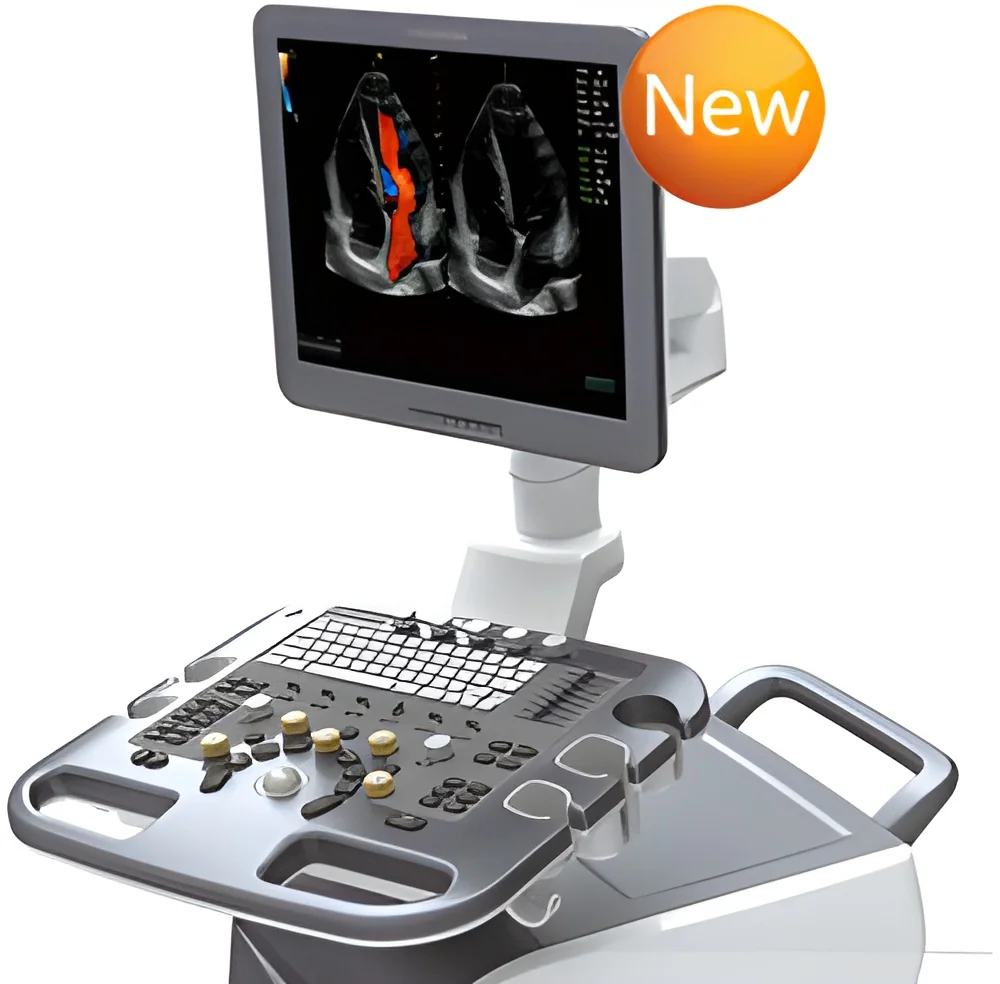
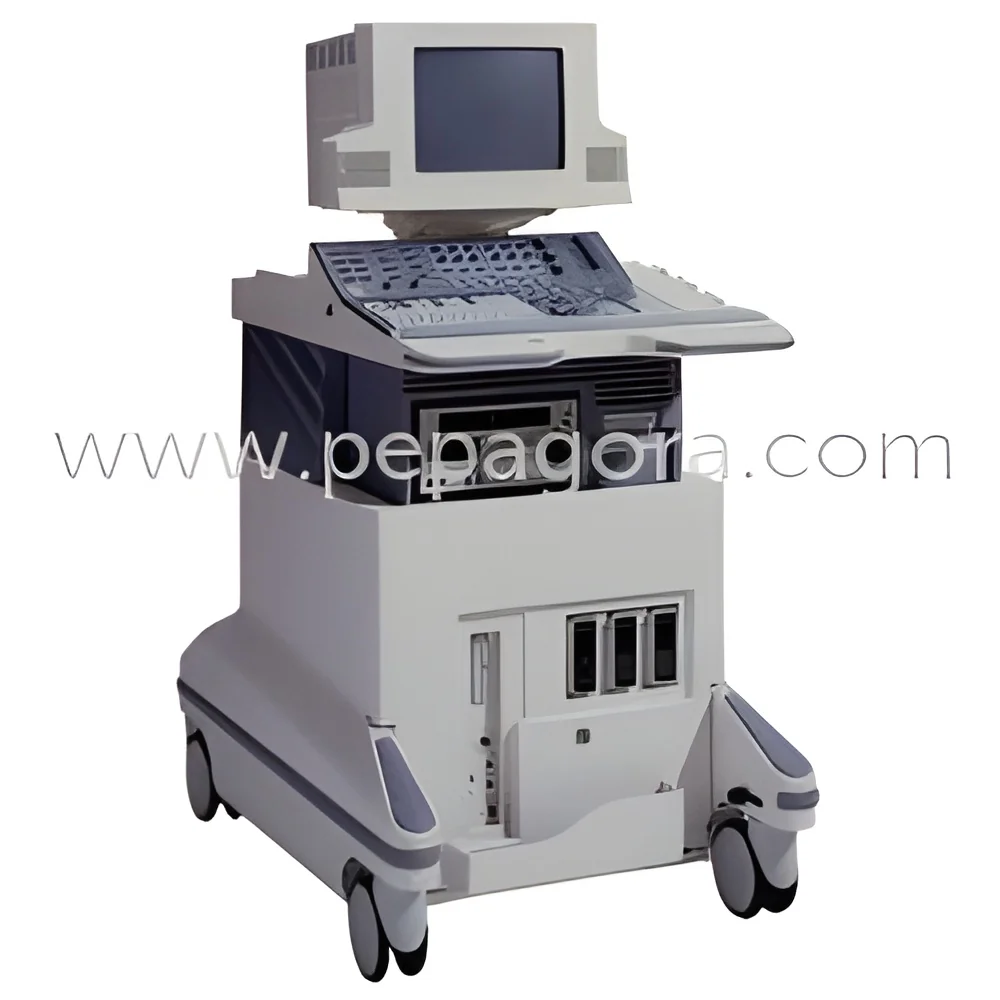
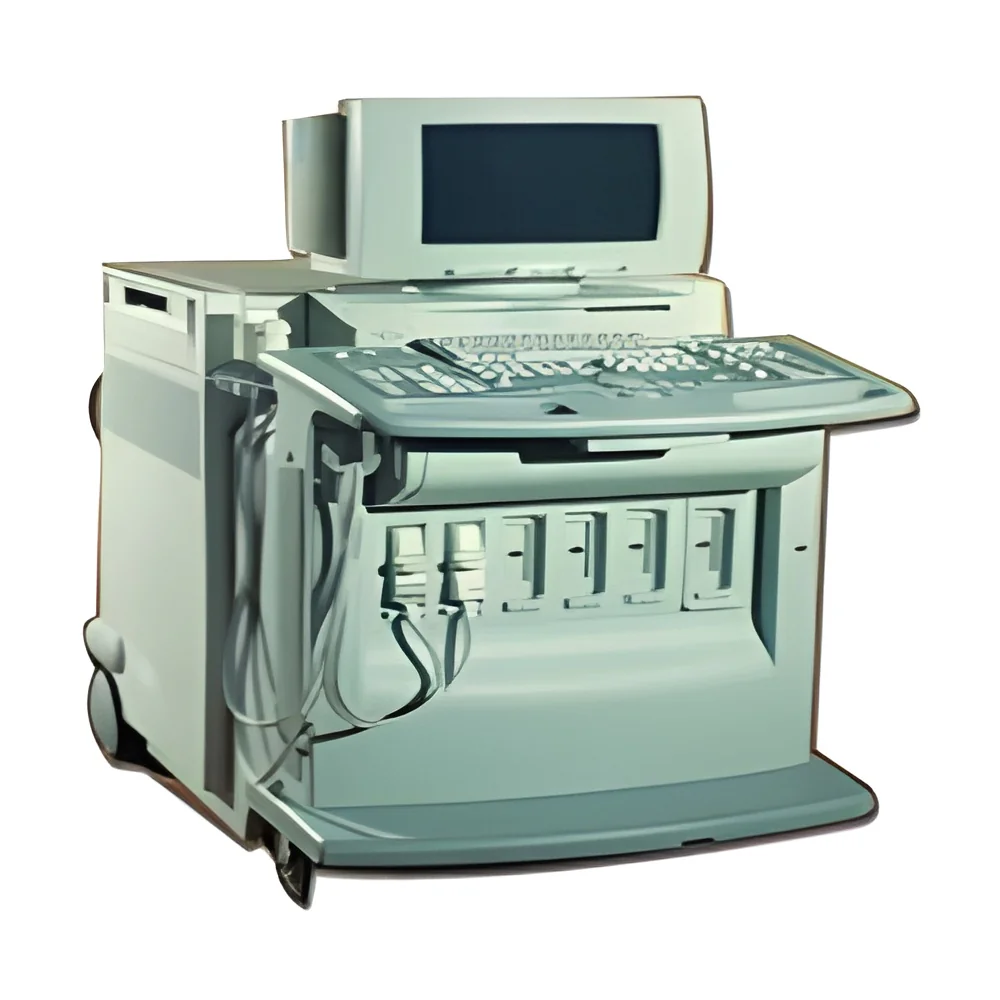
What are Ultrasound Machines?
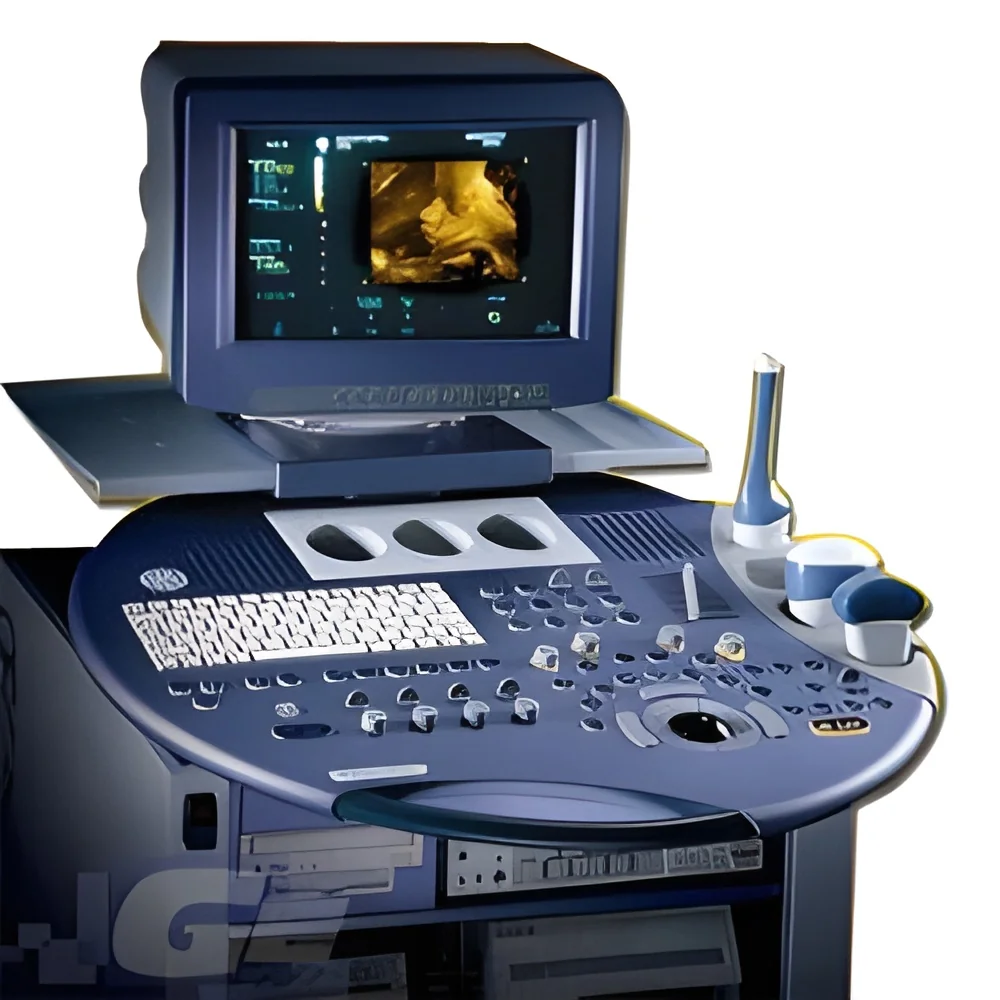
Ultrasound machines are sophisticated medical devices that utilize high-frequency sound waves to create images of internal body structures. These machines transmit ultrasound waves into the body, which then reflect back to the device to form visual representations of organs, tissues, and blood flow. The technology is non-invasive and does not involve radiation, making it a preferred choice for various diagnostic procedures.
These machines are primarily used in healthcare settings for a variety of applications, including prenatal monitoring, abdominal examinations, and cardiac assessments. They help medical professionals diagnose conditions, monitor fetal development, and guide certain medical procedures. The use of ultrasound technology has expanded beyond healthcare to applications in industrial settings, notably in non-destructive testing and structural evaluations.
The ultrasound equipment market is experiencing significant growth due to its increasing adoption in hospitals and clinics. As medical imaging technology evolves, ultrasound machines are becoming more advanced, offering enhanced imaging capabilities and portability. The demand for compact and user-friendly models is rising, reflecting the need for efficient diagnostic tools in various clinical environments.
Key Features and Specifications
Ultrasound machines come equipped with a variety of features designed to enhance diagnostic capabilities and user experience. Understanding these specifications is critical for selecting the right device for specific applications.
Key specifications include:
1. Imaging Modes
- Common imaging modes include 2D, 3D, and Doppler.
- These modes help visualize different aspects of body structures and functions.
2. Frequency Range
- Typical frequency ranges for ultrasound transducers vary from 2 to 18 MHz.
- Different frequencies are used based on the depth and type of imaging required.
3. Display Quality
- High-definition monitors are standard, providing clearer images.
- The size and resolution of the display can impact usability in clinical settings.
4. Portability
- Many models are designed to be portable for ease of transport.
- Compact designs cater to both hospital and field use.
5. Software Features
- Advanced software options include image enhancement and measurement tools.
- User-friendly interfaces facilitate ease of use.
6. Connectivity Options
- Devices often include USB, Wi-Fi, and network connectivity.
- These options enhance data sharing and remote diagnostics.
7. Battery Life
- Battery-operated models provide flexibility in various environments.
- Typical battery life ranges from 2 to 8 hours depending on usage.
8. User Interface
- Intuitive touch-screen interfaces are common.
- Simplified controls enhance the user experience for medical staff.
In summary, selecting an ultrasound machine involves understanding its features and specifications to ensure it meets clinical needs effectively.
Common Applications and Use Cases
Ultrasound machines serve various industries and applications beyond traditional healthcare settings.
1. Healthcare: In hospitals and clinics, ultrasound machines are used for prenatal scans, diagnosing organ conditions, and guiding needle biopsies.
2. Veterinary Medicine: Veterinary clinics utilize ultrasound for imaging pets and livestock, aiding in diagnosis and treatment planning.
3. Industrial Testing: Industries employ ultrasound technology for non-destructive testing, ensuring the integrity of materials and structures.
4. Research: Laboratories use ultrasound machines for various research applications, including biological studies and material science.
5. Emergency Services: Portable ultrasound devices are increasingly used in emergency medicine to assess trauma patients quickly.
6. Sports Medicine: Ultrasound is employed in sports medicine to evaluate injuries and monitor recovery processes.
7. Cardiology: In cardiology, ultrasound machines are essential for echocardiograms, providing real-time images of heart function.
Product Variants and Subcategories
Ultrasound machines come in diverse models tailored to various needs and applications.
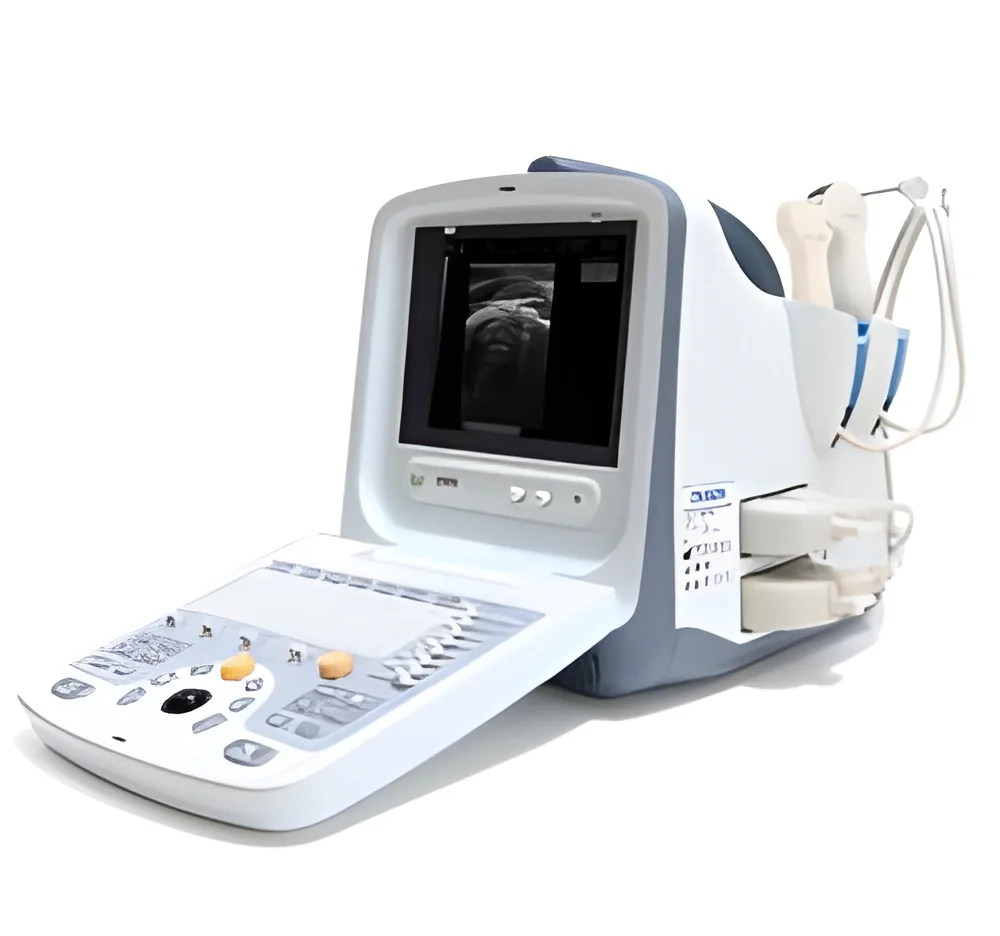
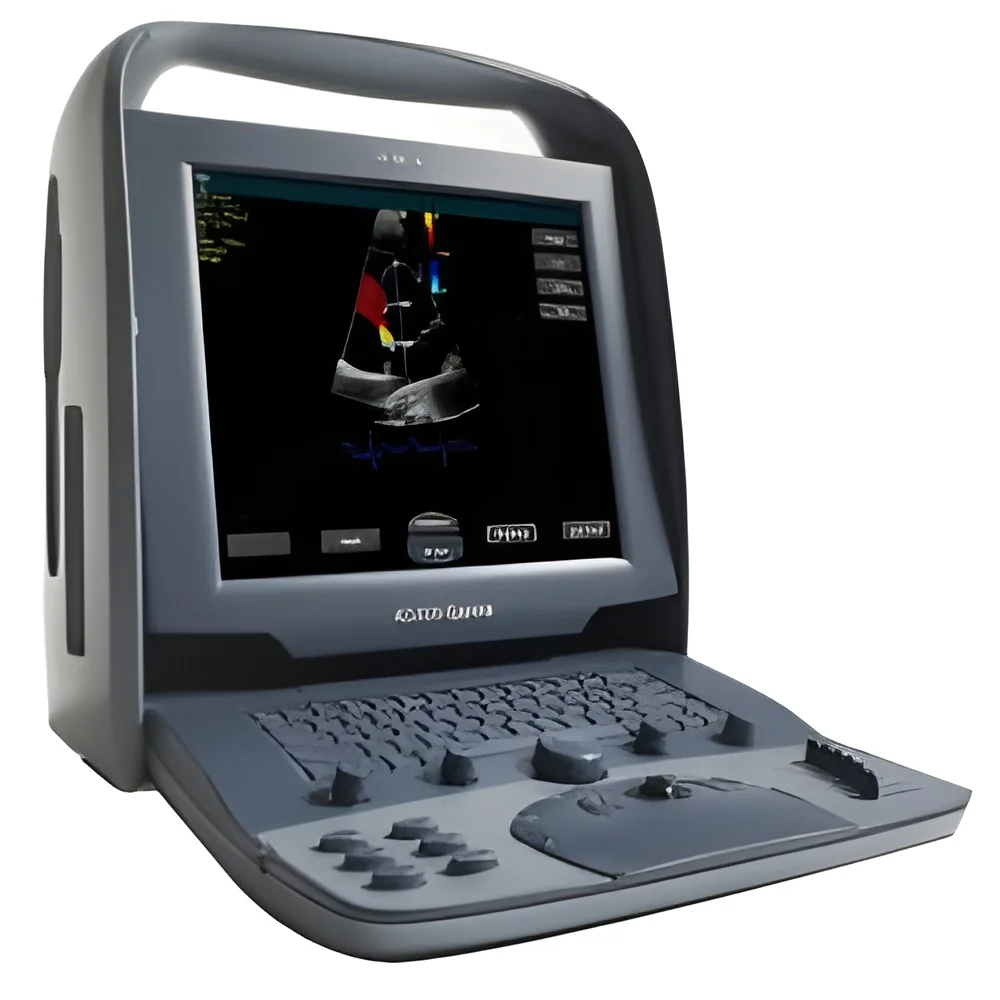
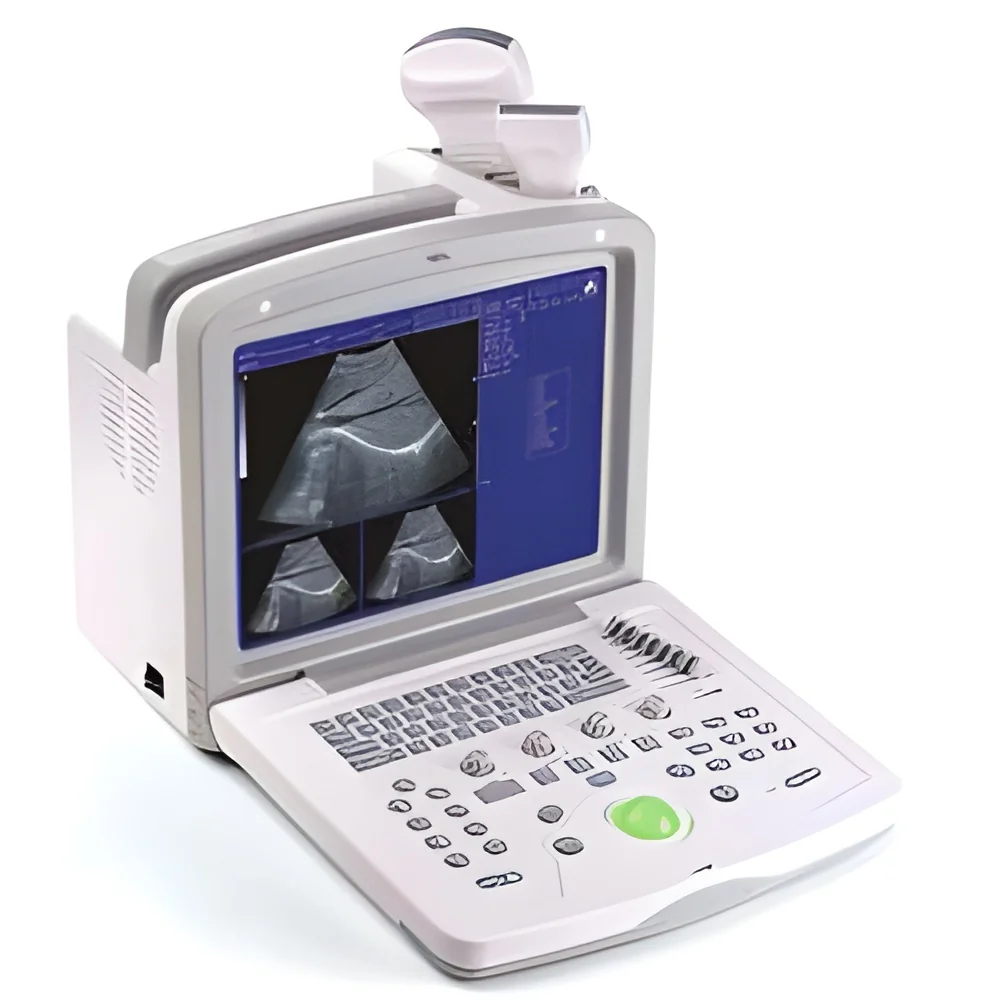
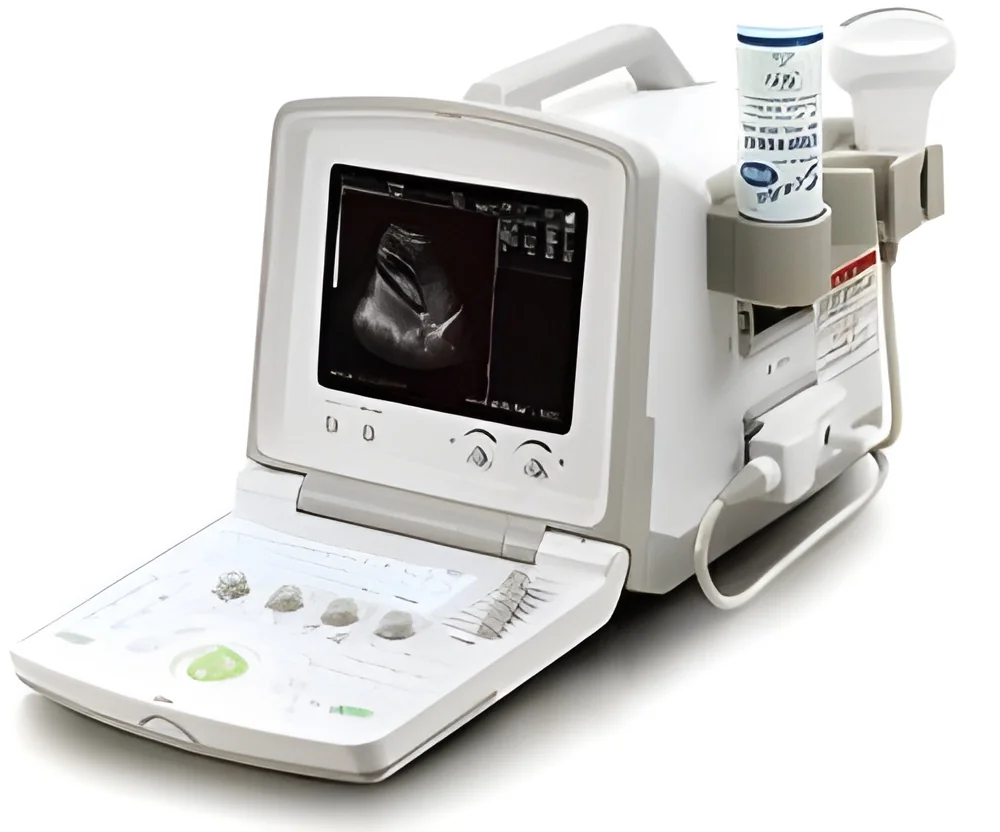
Portable Ultrasound Machines
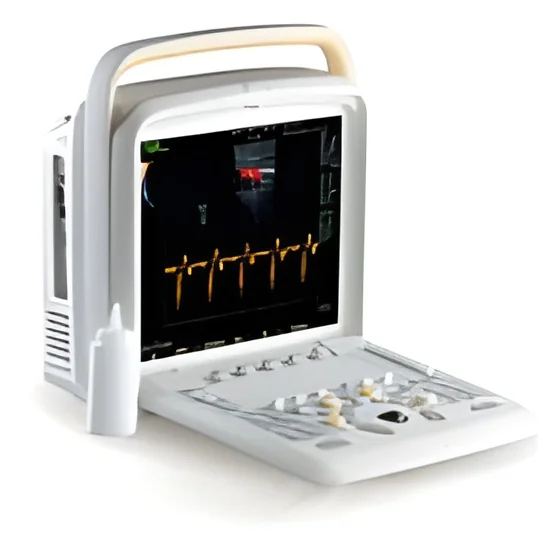
These machines are compact and designed for mobility, making them ideal for fieldwork and emergency situations. They often include user-friendly interfaces and essential imaging features.
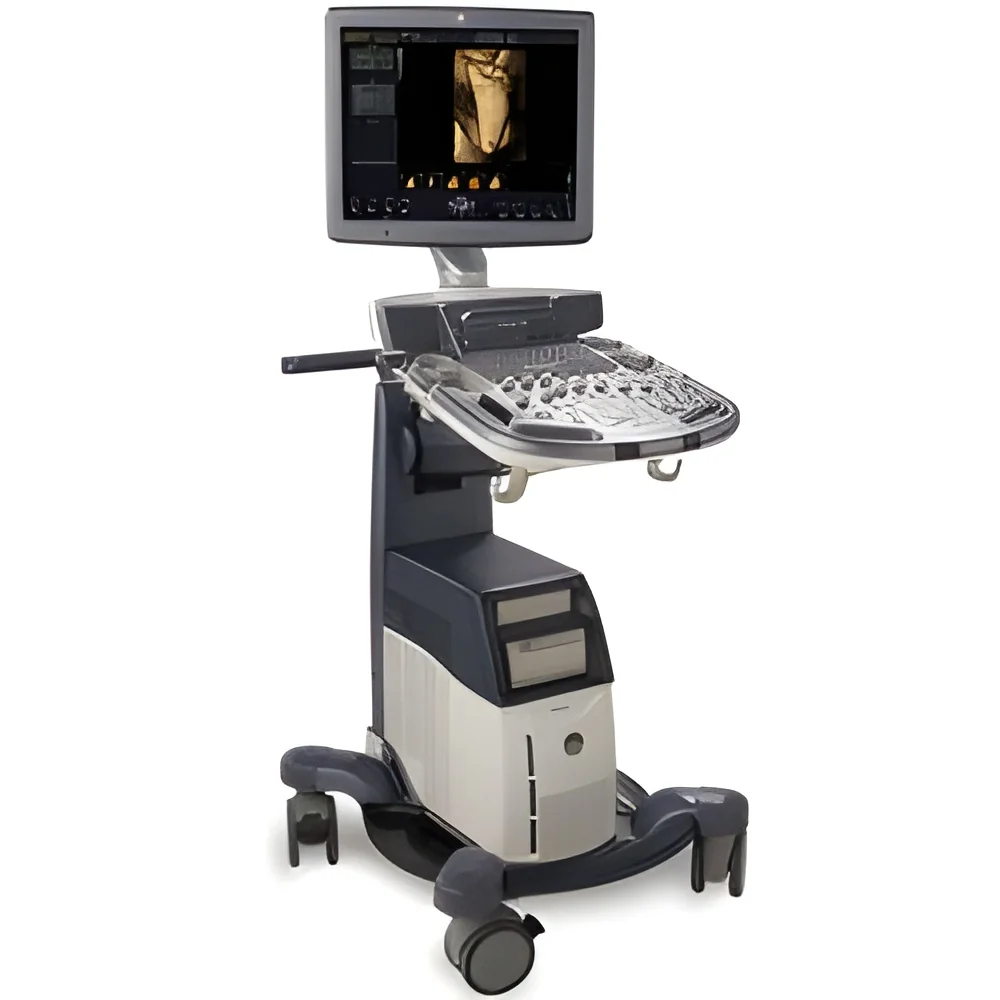
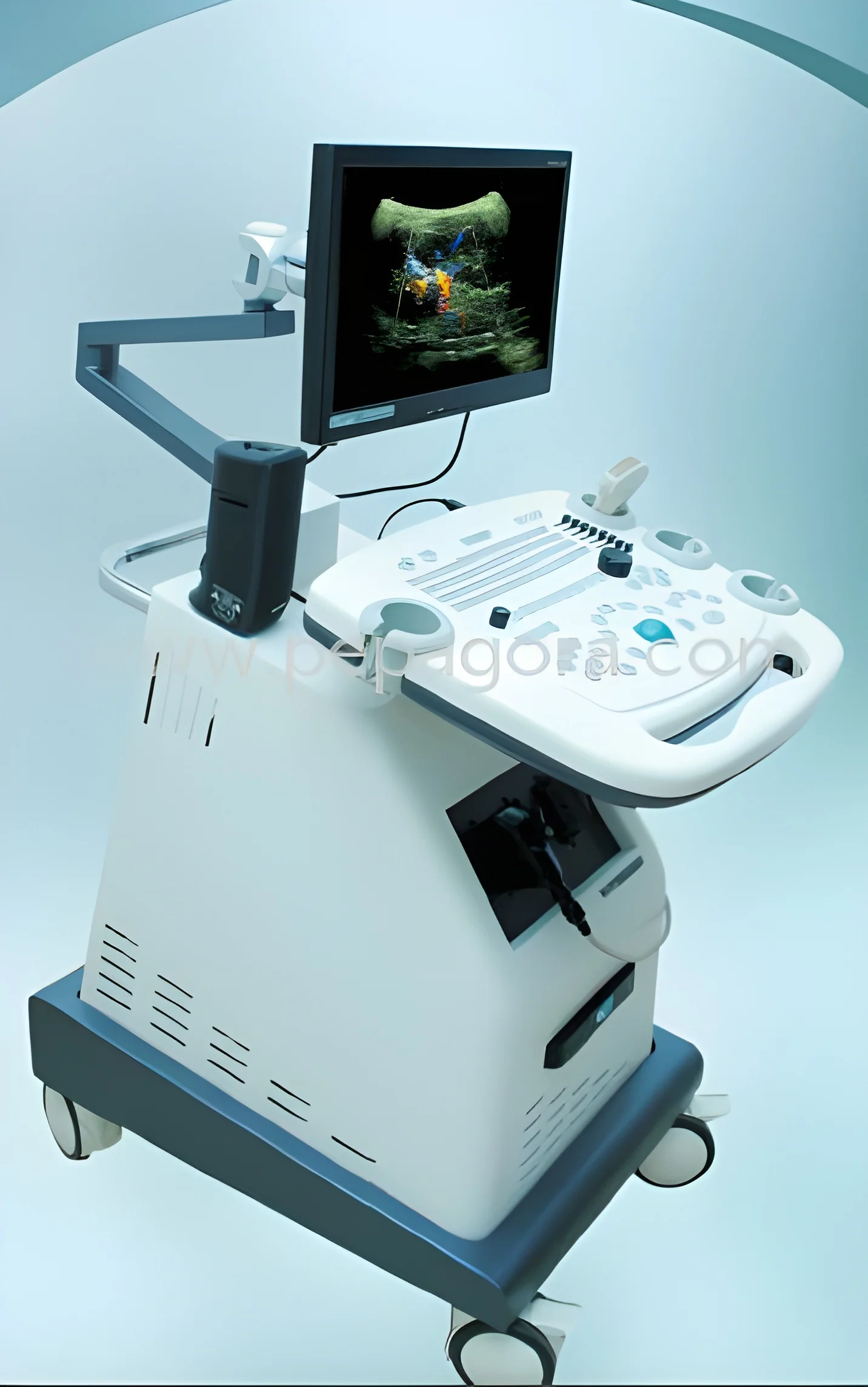
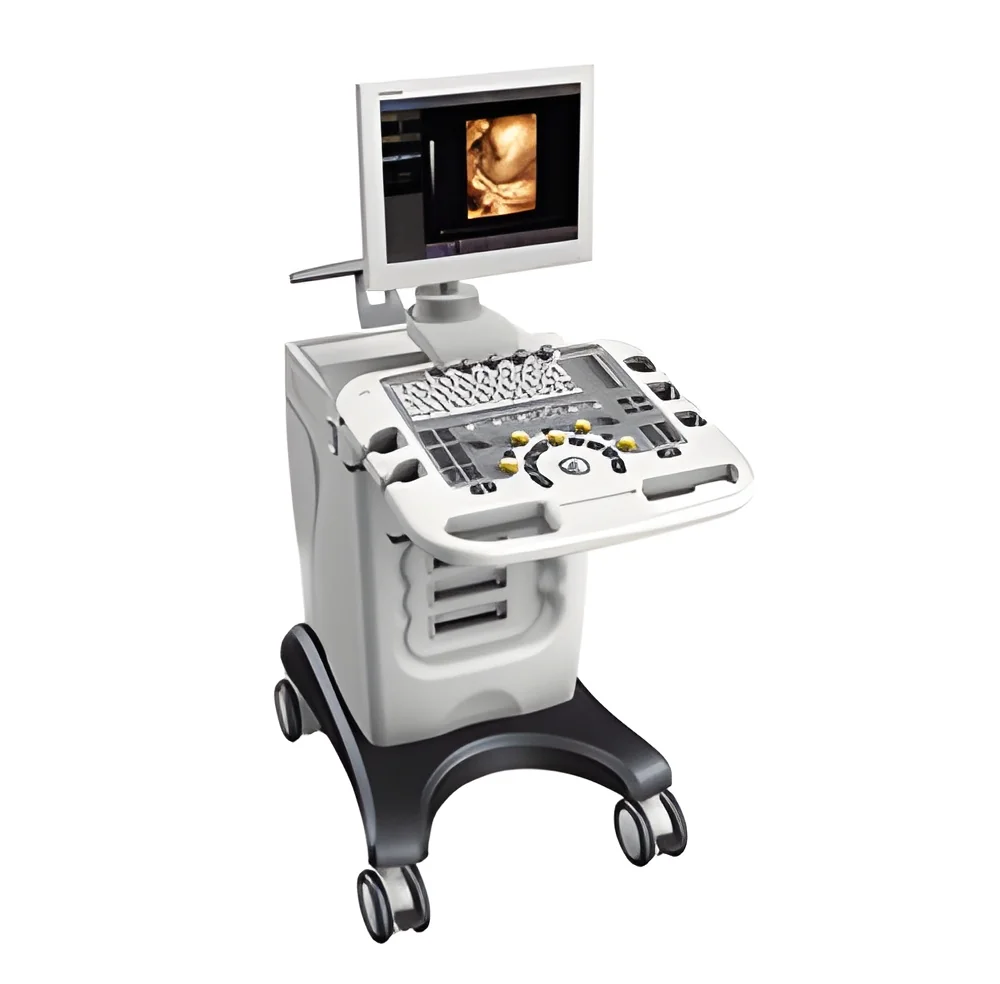
Trolley-Based Ultrasound Machines
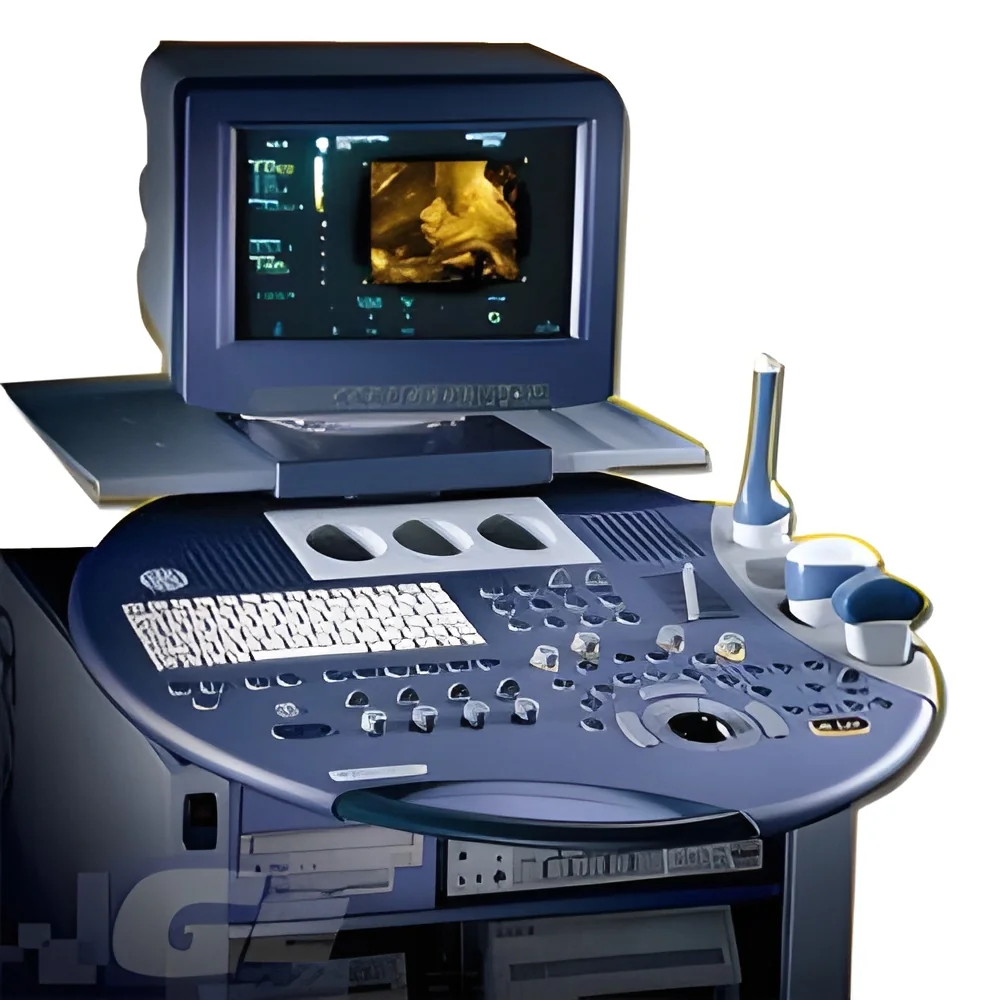
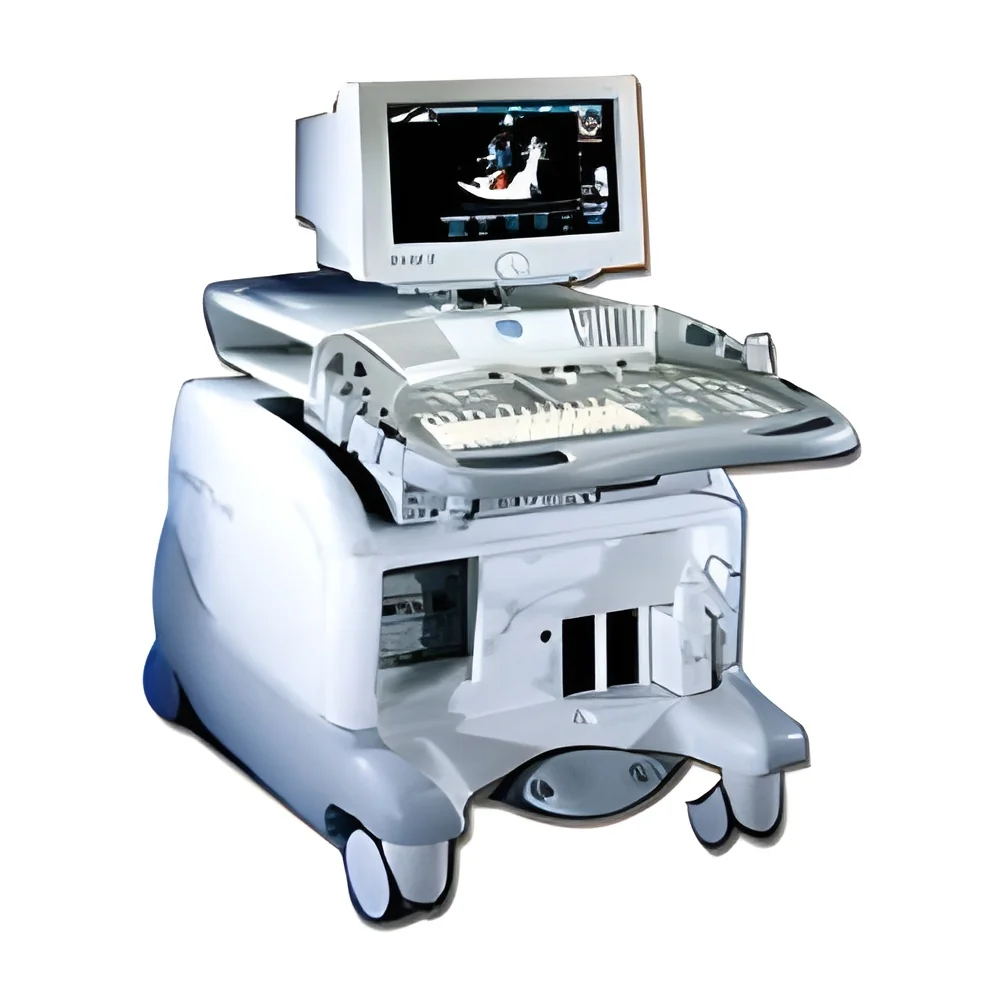
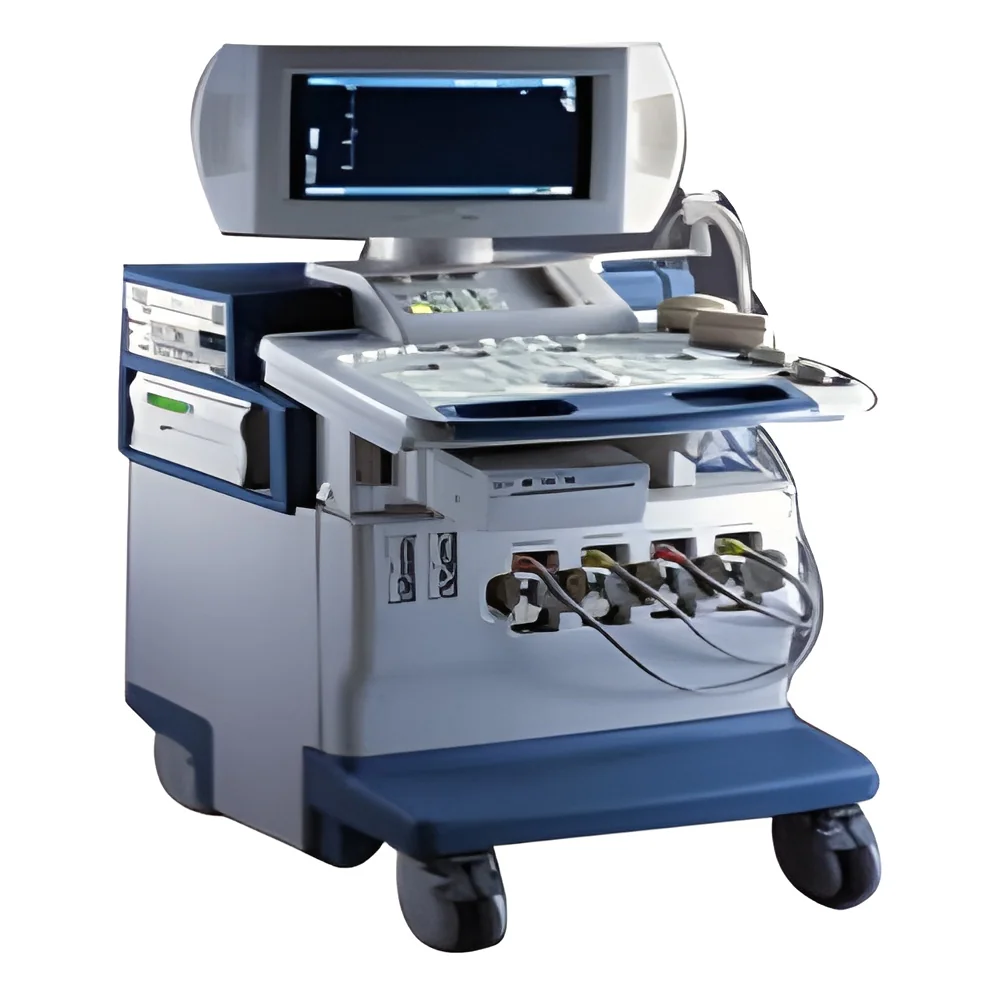
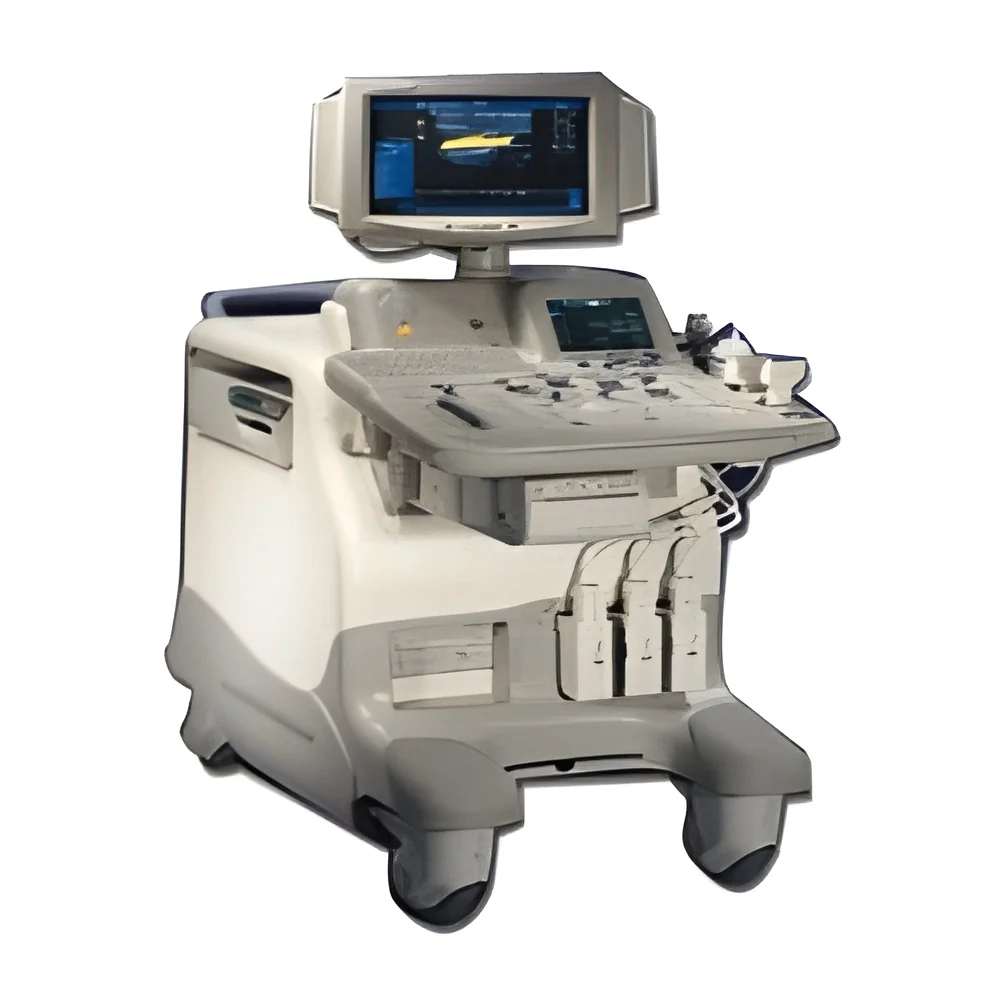
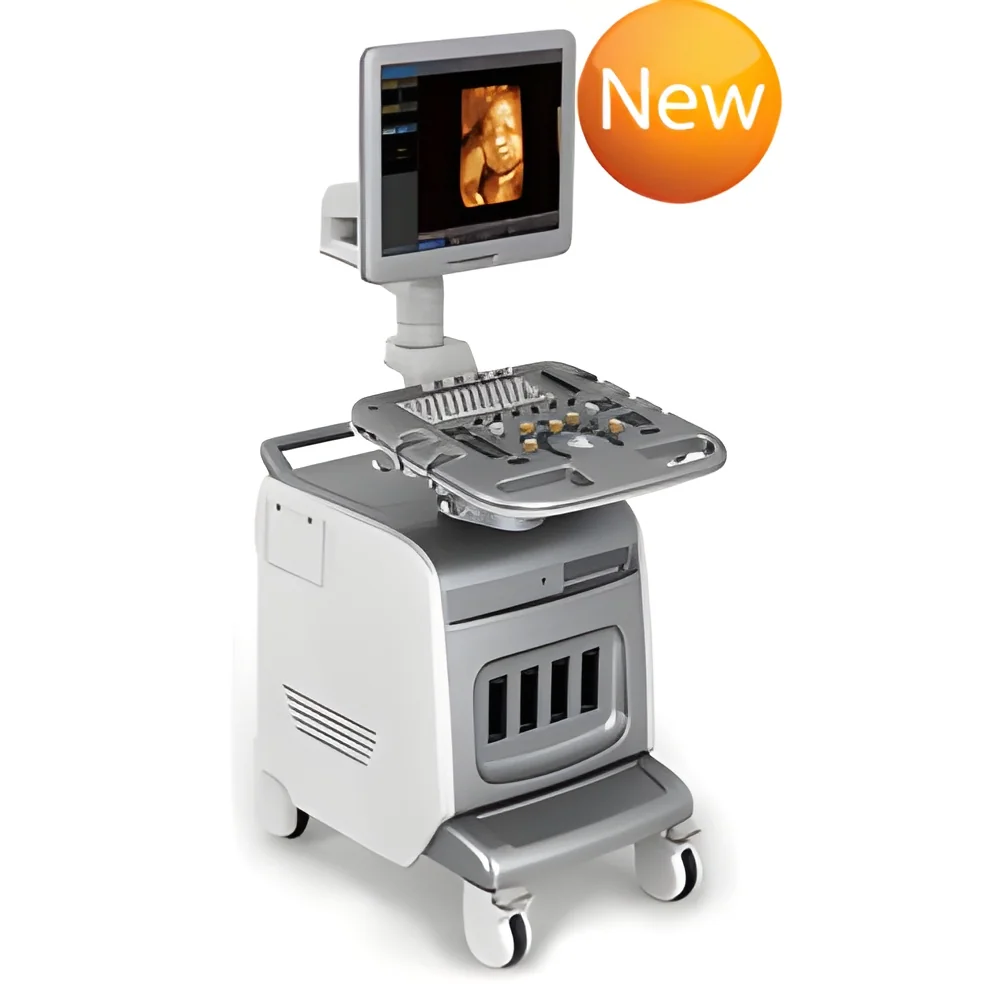
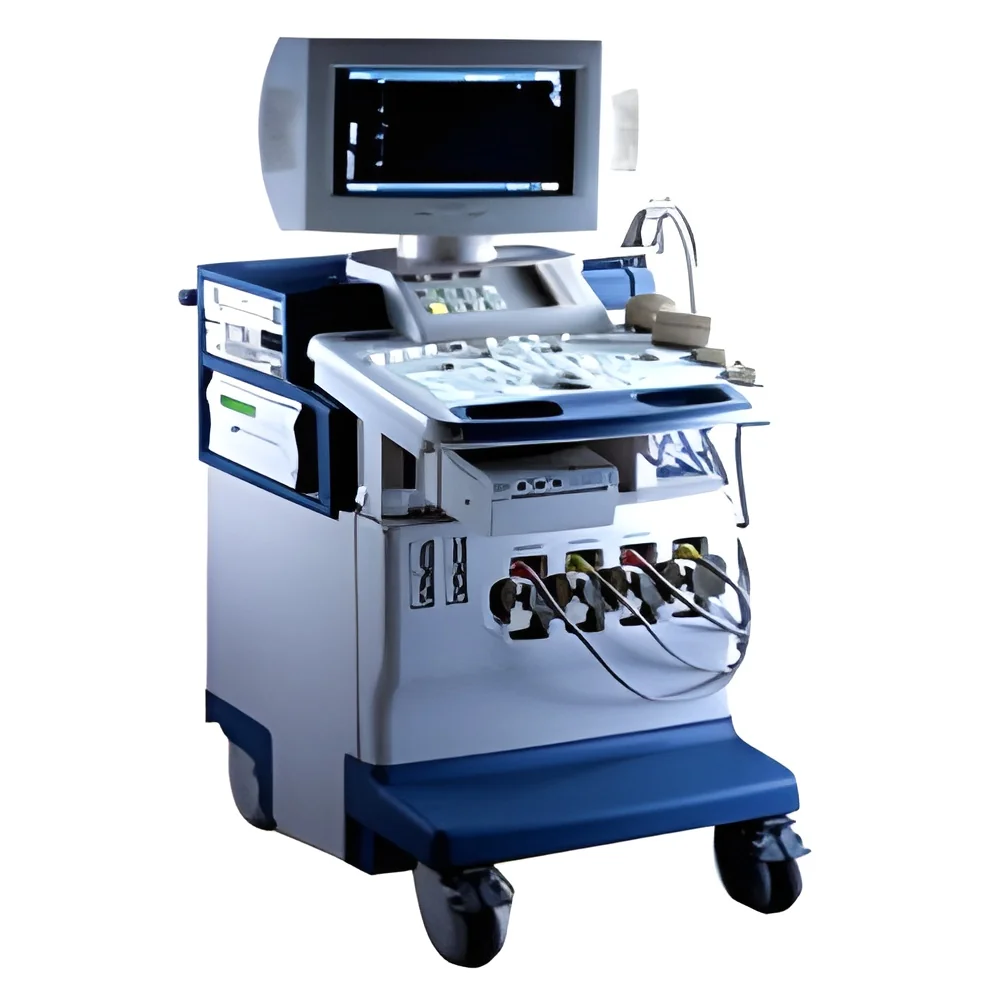
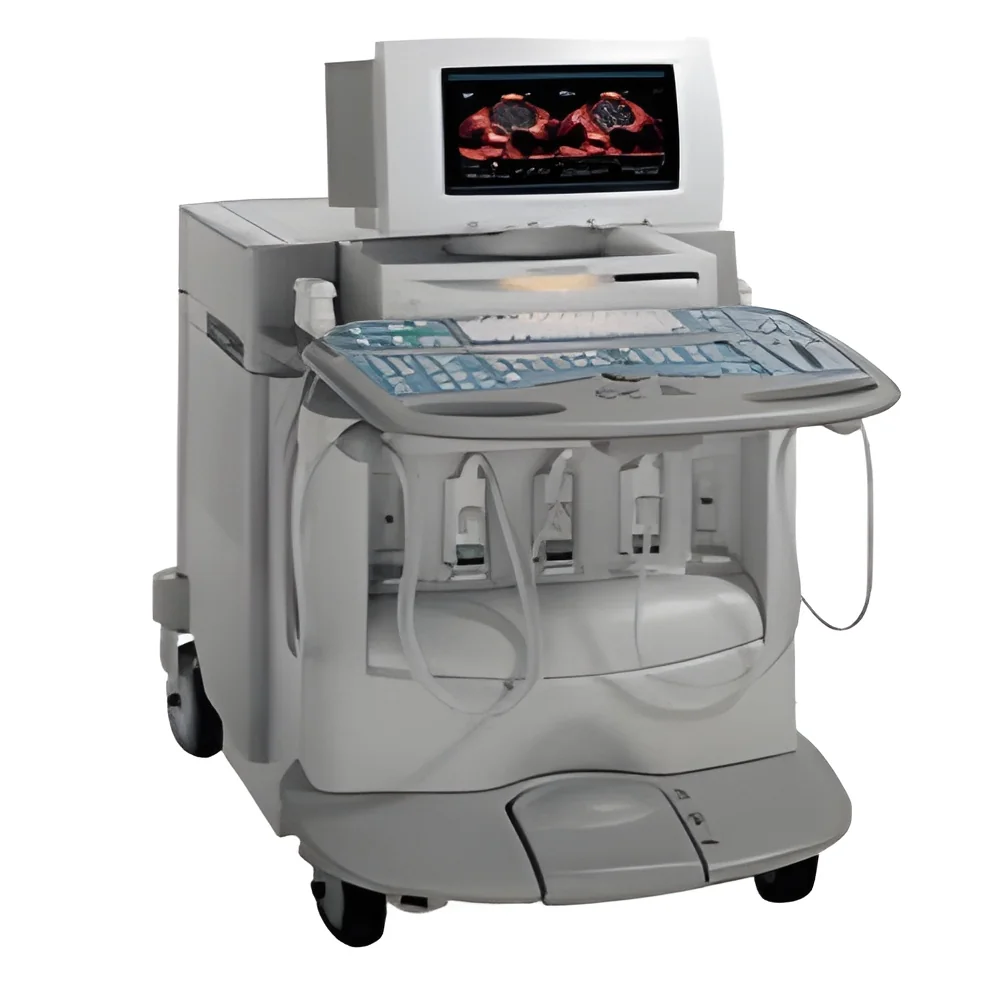
These are larger units typically found in hospitals, equipped with advanced imaging capabilities and comprehensive software options. They are suitable for a wide range of diagnostic applications.
Transducer-Specific Ultrasound Machines
Certain models focus on specific applications, such as vascular or cardiac imaging, equipped with specialized transducers to enhance diagnostic precision.
Benefits and Advantages
Ultrasound machines offer numerous benefits that make them indispensable in medical and industrial fields.
1. Non-Invasive: The non-invasive nature of ultrasound makes it a safe option for patients, reducing the risk compared to other imaging techniques.
2. Real-Time Imaging: Ultrasound provides real-time images, allowing for immediate diagnostic assessments and interventions.
3. Cost-Effective: Compared to other imaging modalities, ultrasound machines are generally more affordable, making them accessible for various healthcare facilities.
4. Versatile Applications: These machines can be used for multiple applications across different medical fields, increasing their utility.
5. Minimal Preparation: Patients typically require minimal preparation for ultrasound examinations, enhancing patient comfort and convenience.
6. Portability: Many modern ultrasound machines are portable, allowing for use in various settings, including remote locations and emergency situations.
Buying Guide for B2B Buyers
When sourcing ultrasound machines for business needs, several important factors should be considered.
1. Quality Assessment: Ensure that the machines adhere to industry standards and quality certifications. Look for devices with proven reliability and performance in clinical settings.
2. Supplier Verification: Vet suppliers by checking their reputation, customer feedback, and track record in delivering quality products. Reliable suppliers should have a history of successful transactions.
3. Pricing and MOQ: Consider the cost of ultrasound machines and any minimum order quantities. Understanding pricing structures can help in budgeting and procurement.
4. Delivery and Lead Times: Evaluate the logistics involved, including delivery times and shipping options. Timely delivery is critical for meeting operational needs.
5. Compliance Requirements: Ensure that the machines meet relevant regulatory standards and certifications required in your region to avoid compliance issues.
Compliance and Certifications
Ultrasound machines must meet various compliance standards and certifications to ensure safety and efficacy.
Quality standards such as ISO 9001 focus on quality management systems, ensuring that manufacturers maintain high production and operational standards. Compliance with HACCP and GDP further guarantees that devices are safe for use in healthcare settings.
Industry certifications such as CE and UL demonstrate that the machines meet specific safety and performance requirements. CE certification is particularly relevant in European markets, while UL certification is essential for products sold in North America.
Safety and testing requirements are critical to ensuring that ultrasound machines operate effectively without posing risks to patients. Regular testing and inspections help maintain these safety standards.
Regional compliance considerations vary, with different countries imposing specific regulations on medical devices. It is essential to be aware of these regulations when sourcing ultrasound machines in different markets.
Why Source Ultrasound Machines from Pepagora?
Pepagora provides a trusted platform for sourcing ultrasound machines, offering several key advantages to B2B buyers.
Verified Supplier Network: Pepagora ensures that all suppliers are thoroughly vetted, providing buyers with confidence in the quality and reliability of the products offered.
Streamlined RFQ Process: The platform features an efficient request for quotation system, simplifying the process of obtaining quotes from multiple suppliers. This helps buyers make informed purchasing decisions quickly.
Trade Assurance and Support: Buyers benefit from trade assurance policies that protect their purchases, ensuring that they receive quality products as promised. Customer support is readily available to assist with any queries or issues.
Regional Coverage: With a strong presence in India, the GCC, and Southeast Asia, Pepagora offers a wide reach, making it easier for buyers in different regions to find suitable ultrasound machines and suppliers.

 IN
IN