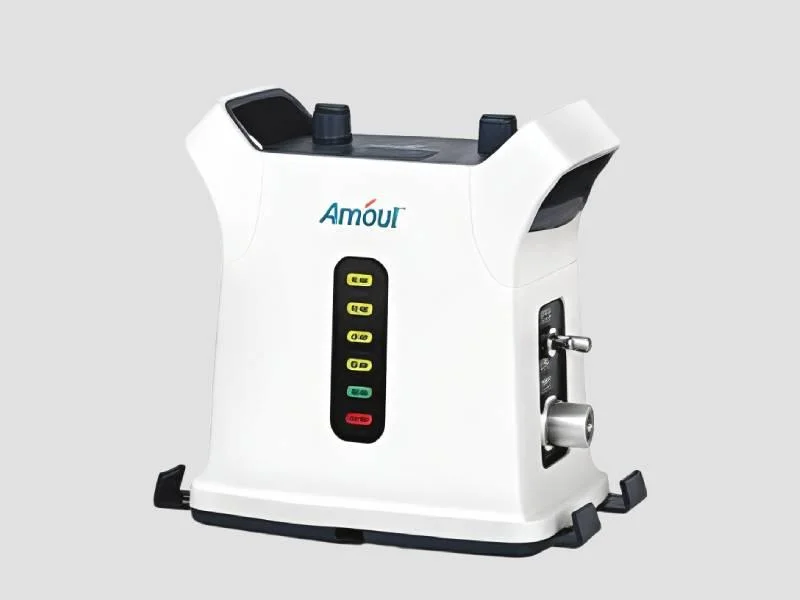
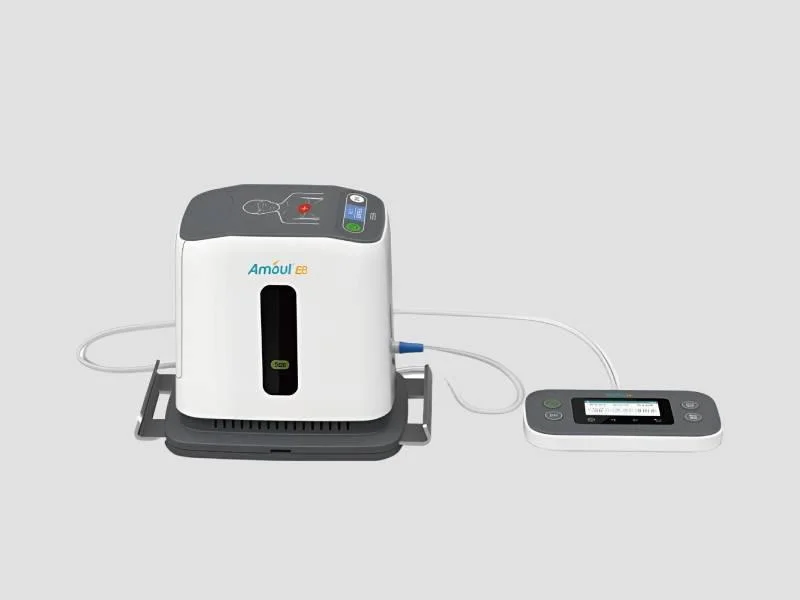
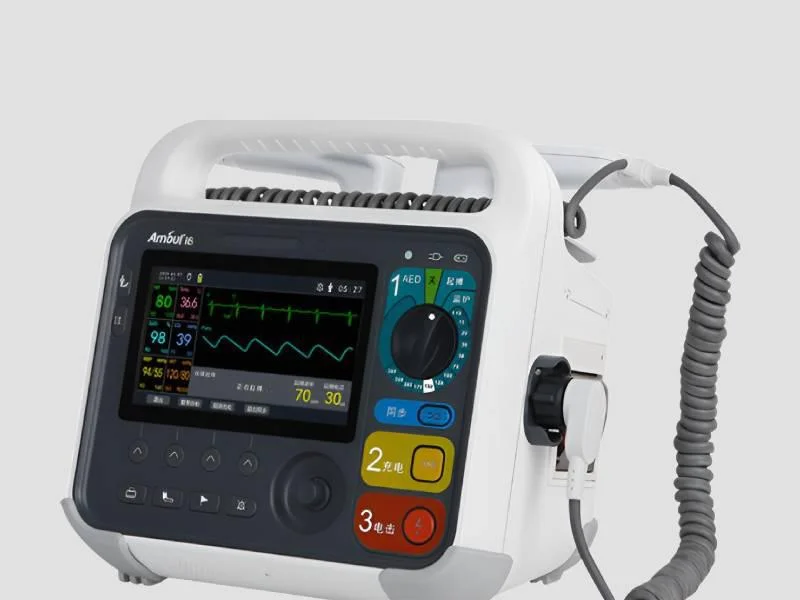
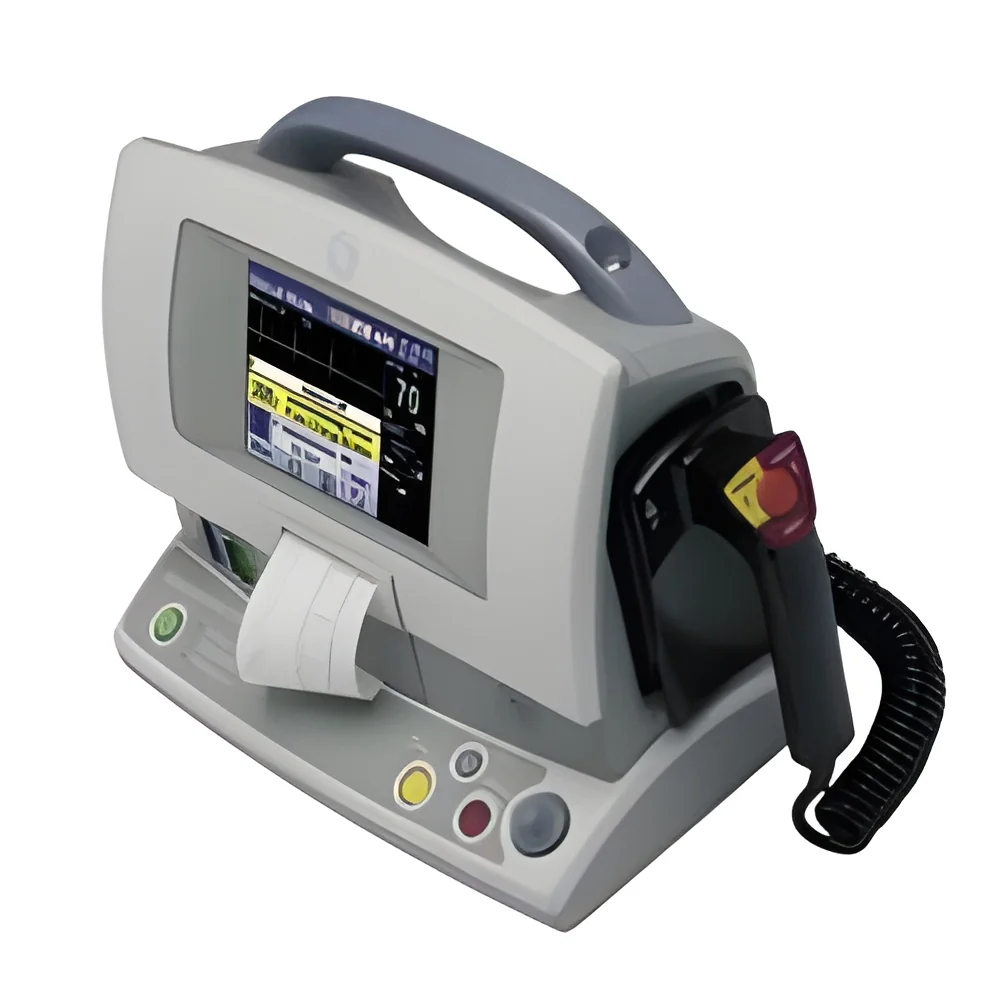
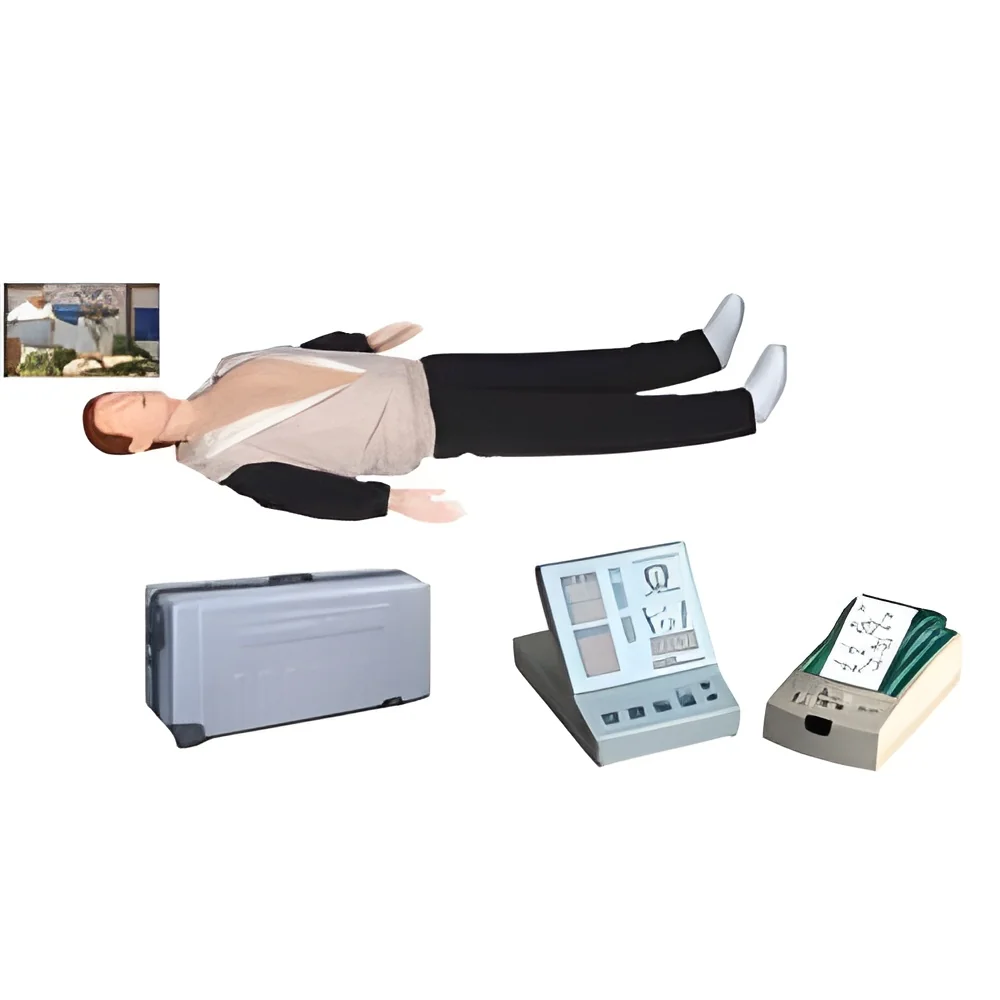
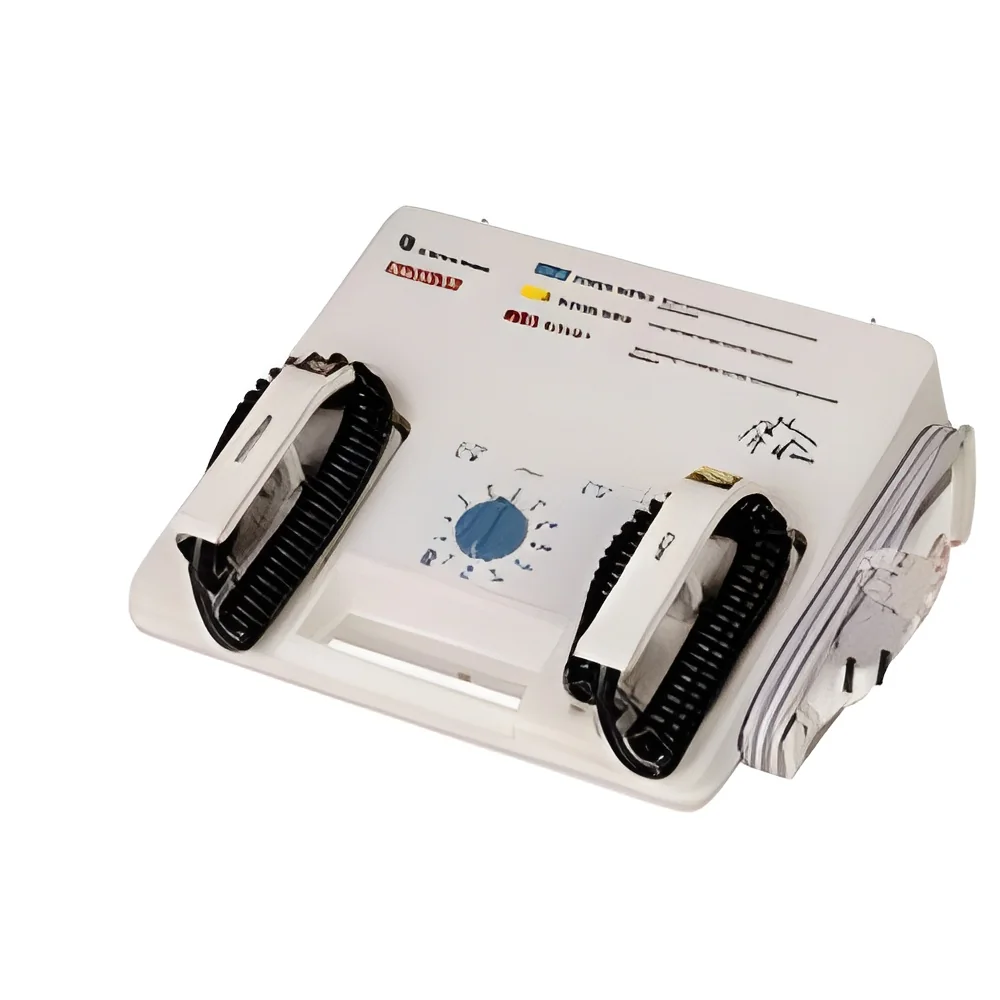
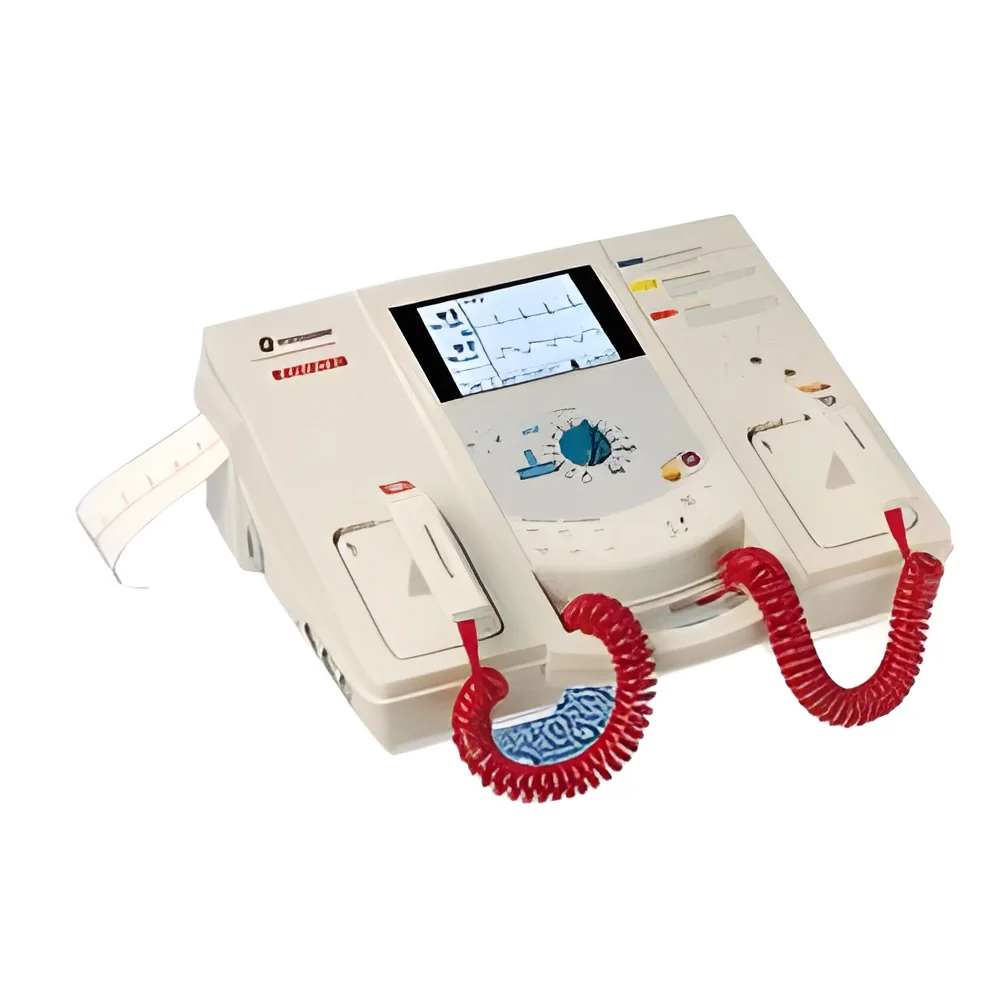
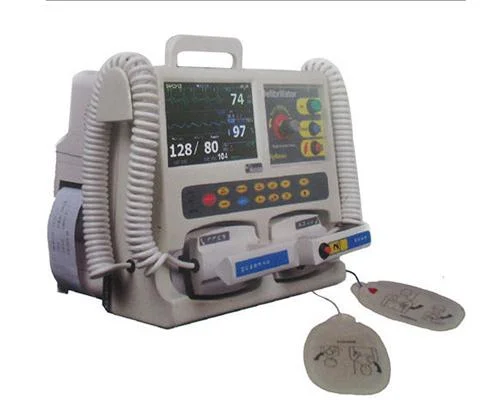
Key Features and Specifications
Defibrillators come equipped with a variety of features that enhance their usability and effectiveness in emergency situations. Understanding these specifications is crucial for businesses looking to invest in these life-saving devices.
Key specifications include:
1. Device Type
- Automated External Defibrillators (AED) provide voice and visual prompts for easy operation.
- Manual Defibrillators require trained personnel to operate and can offer more advanced features.
2. Energy Levels
- AEDs typically deliver shocks at energy levels ranging from 150 to 360 Joules.
- Manual defibrillators allow operators to adjust energy settings based on clinical guidelines.
3. Battery Life
- Most AEDs have a battery life of 2 to 5 years depending on the model.
- Manual defibrillators may have rechargeable batteries with varying lifespans.
4. Weight and Portability
- AEDs are designed to be lightweight (generally under 5 kg) for easy transport.
- Manual defibrillators can be bulkier and are often used in fixed locations.
5. Display Features
- AEDs feature LCD screens that show instructions and patient data.
- Manual models often have more complex monitoring screens for detailed patient information.
6. Electrode Pads
- AEDs come with simple adhesive pads that are easy to apply.
- Manual defibrillators may use specialized pads for various patient types.
7. Connectivity
- Some modern AEDs offer connectivity options for data transfer to emergency services.
- Manual defibrillators often include telemetry capabilities for real-time monitoring.
In summary, understanding the key features and specifications of defibrillators is essential for any organization considering their purchase. These specifications ensure that the devices are effective, reliable, and suitable for various emergency situations.
Common Applications and Use Cases
Defibrillators are versatile devices used across numerous industries to save lives during cardiac emergencies.
1. Healthcare: Hospitals and clinics utilize both AEDs and manual defibrillators in emergency rooms and during patient transport to manage cardiac arrest cases.
2. Educational Institutions: Schools and universities often have AEDs on-site to ensure the safety of students and staff during events and daily activities.
3. Corporate Offices: Many businesses invest in AEDs as part of their health and safety protocols to protect employees and visitors.
4. Sports Facilities: Gyms, stadiums, and recreational centers keep AEDs accessible to respond quickly to potential cardiac events among athletes and spectators.
5. Public Spaces: Parks, shopping malls, and airports increasingly feature AEDs to provide immediate assistance to the public in emergencies.
6. Transportation: Buses, trains, and airplanes may be equipped with defibrillators to ensure passenger safety during travel.
7. Emergency Services: Ambulances are often equipped with manual defibrillators to provide advanced care before reaching the hospital.
Product Variants and Subcategories
Defibrillators are available in multiple variants to cater to different needs and operational environments.
Automated External Defibrillators (AED)
These devices are designed for public use, featuring simple instructions and voice prompts. They are portable, lightweight, and ideal for use in various public places, ensuring that non-medical personnel can operate them effectively in emergencies.
Manual Defibrillators
These devices are used primarily by trained professionals in healthcare settings. They offer advanced features such as adjustable energy levels and real-time monitoring capabilities, allowing for more comprehensive patient care during cardiac emergencies.
Benefits and Advantages
Investing in defibrillators provides numerous benefits for organizations concerned about health and safety.
1. Life-Saving Potential: Defibrillators can significantly increase the chances of survival during cardiac emergencies by enabling rapid response.
2. User-Friendly Operation: AEDs are designed for ease of use, allowing individuals without medical training to administer potentially life-saving shocks.
3. Compliance with Regulations: Many regions require businesses and public spaces to have defibrillators on-site, ensuring compliance with health and safety regulations.
4. Training Opportunities: Organizations can offer training sessions for staff on how to use AEDs, fostering a culture of safety.
5. Enhanced Emergency Response: Having defibrillators readily available improves overall emergency preparedness and response times in critical situations.
6. Community Trust: Businesses that invest in defibrillators demonstrate a commitment to the well-being of employees and customers, enhancing their reputation.
Buying Guide for B2B Buyers
When sourcing defibrillators, it is essential for B2B buyers to consider several factors to ensure they make informed decisions.
1. Quality Assessment: Look for products that meet industry standards and have undergone rigorous testing. Consider certifications like CE that indicate compliance with safety regulations.
2. Supplier Verification: Research potential suppliers to verify their credibility and reputation. This may include checking reviews, requesting references, and ensuring they have a reliable track record.
3. Pricing and MOQ: Understand the price ranges for different models and inquire about minimum order quantities. This information is crucial for budgeting and meeting organizational needs.
4. Delivery and Lead Times: Discuss logistics with suppliers to establish realistic delivery timelines. Timely access to defibrillators is critical, especially in emergency scenarios.
5. Compliance Requirements: Ensure that the selected devices meet local regulatory requirements. This includes understanding any necessary certifications or approvals specific to your region.
Compliance and Certifications
Defibrillators must adhere to various quality standards and certifications to ensure their safety and effectiveness.
Relevant quality standards include ISO 9001, which focuses on quality management systems and helps manufacturers consistently meet customer requirements. Compliance with HACCP (Hazard Analysis and Critical Control Points) can also be important for devices used in healthcare settings, ensuring that safety protocols are followed.
Industry-specific certifications, such as CE marking, indicate that the defibrillators meet European safety and performance requirements. These certifications provide assurance to buyers regarding the reliability of the devices.
Safety and testing requirements for defibrillators involve rigorous evaluations to ensure they function correctly in emergency situations. Regular maintenance and testing are also necessary to ensure the devices remain operational.
Regional compliance considerations may vary, so it is crucial for buyers to understand the specific regulations governing medical devices in their area. This knowledge helps ensure that the devices comply with local laws and standards.
Why Source Defibrillators (AED & Manual) from Pepagora?
Pepagora offers a reliable platform for sourcing defibrillators, providing several advantages for businesses.
Verified Supplier Network: Pepagora ensures that all suppliers are thoroughly vetted for credibility and quality. This verification process helps buyers find trustworthy partners for their medical device needs.
Streamlined RFQ Process: The request for quotation (RFQ) system simplifies the sourcing process, allowing buyers to compare multiple offers quickly. This efficiency helps businesses make informed decisions without unnecessary delays.
Trade Assurance and Support: Buyers benefit from trade assurance measures that protect their investments. Pepagora provides support throughout the purchasing process, ensuring buyer confidence.
Regional Coverage: With a presence in India, the GCC, and Southeast Asia, Pepagora offers extensive geographical reach. This coverage ensures that businesses across these regions can access high-quality defibrillators efficiently.
By choosing Pepagora, businesses can confidently source defibrillators, enhancing their emergency preparedness and safety protocols.

 IN
IN