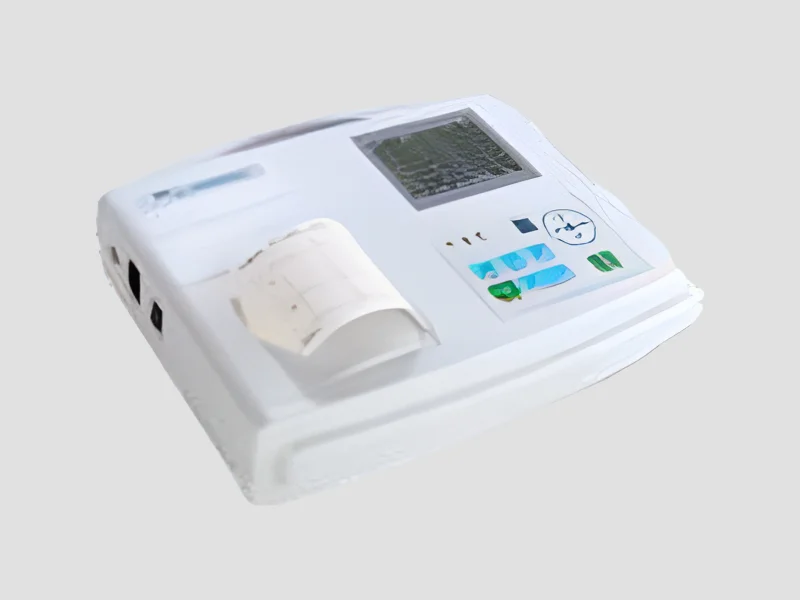
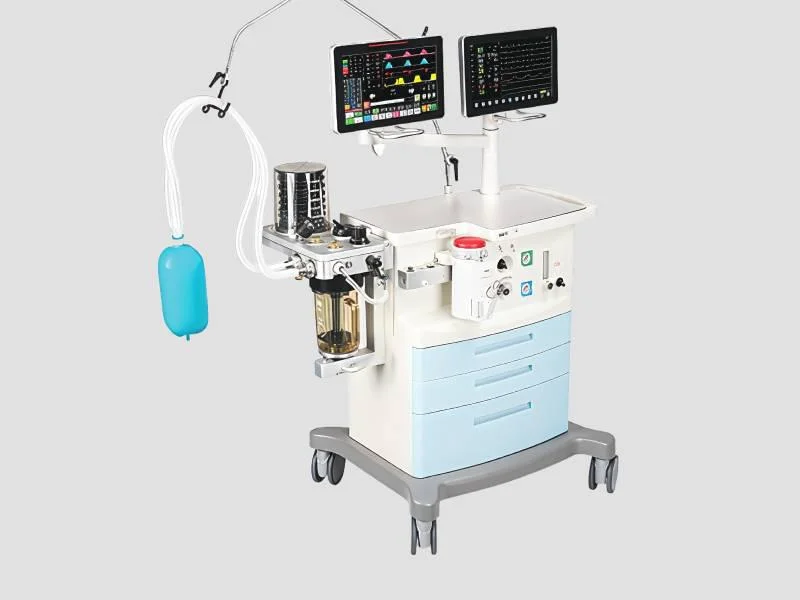
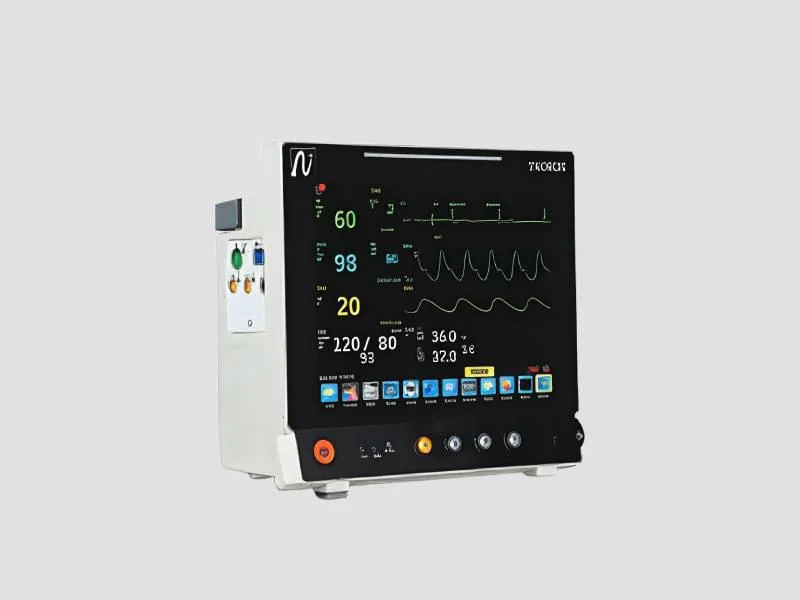
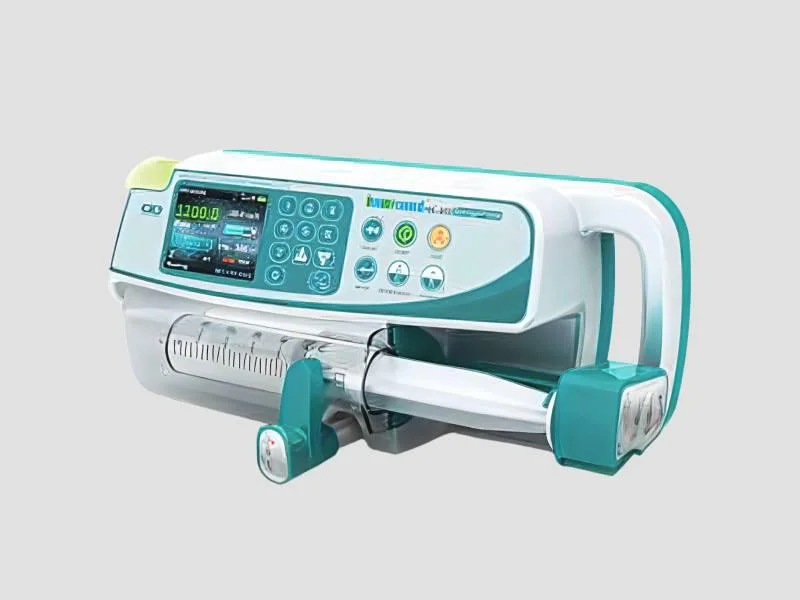
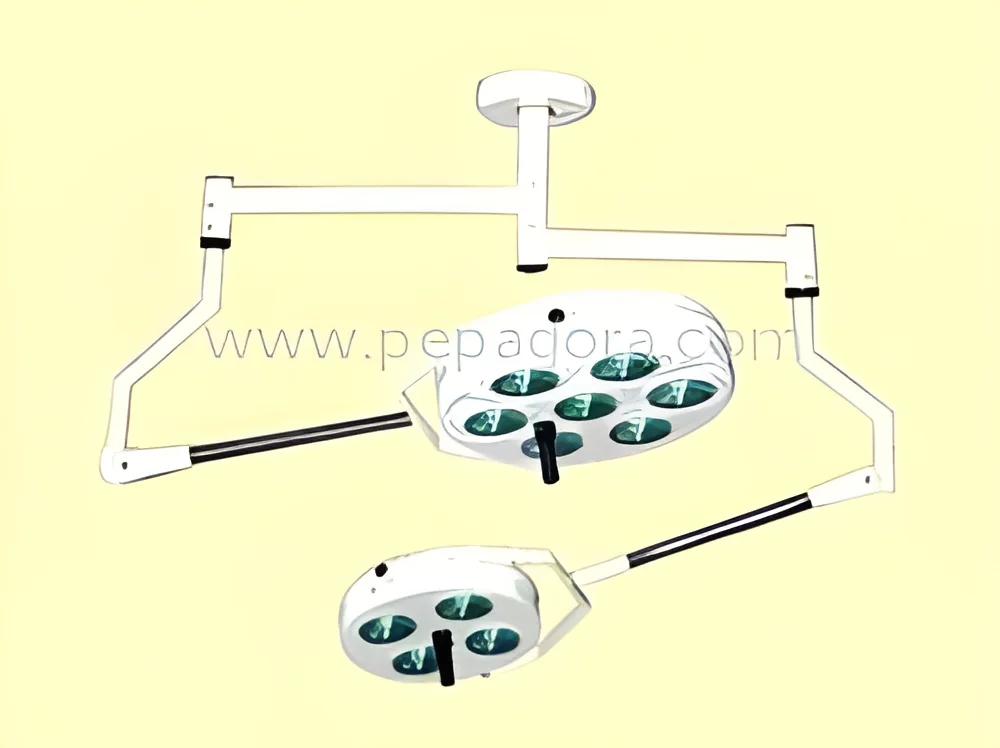
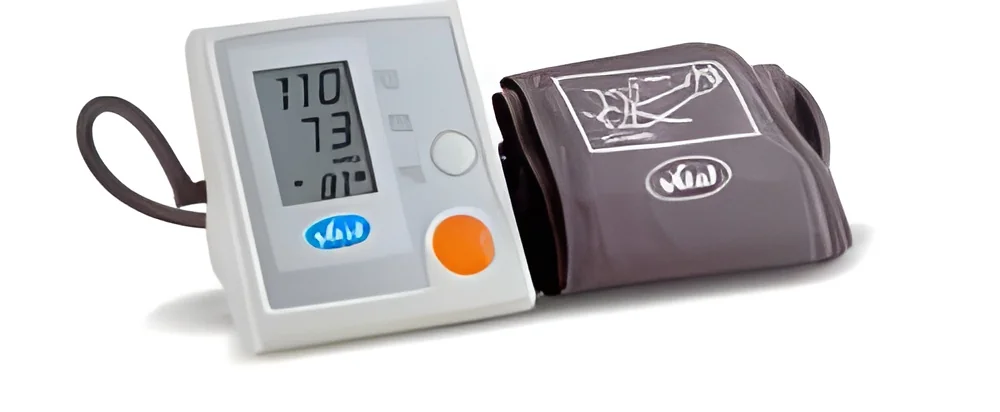
𝗪𝗵𝗮𝘁 𝗮𝗿𝗲 𝗠𝗲𝗱𝗶𝗰𝗮𝗹 𝗗𝗲𝘃𝗶𝗰𝗲𝘀 & 𝗘𝗾𝘂𝗶𝗽𝗺𝗲𝗻𝘁?
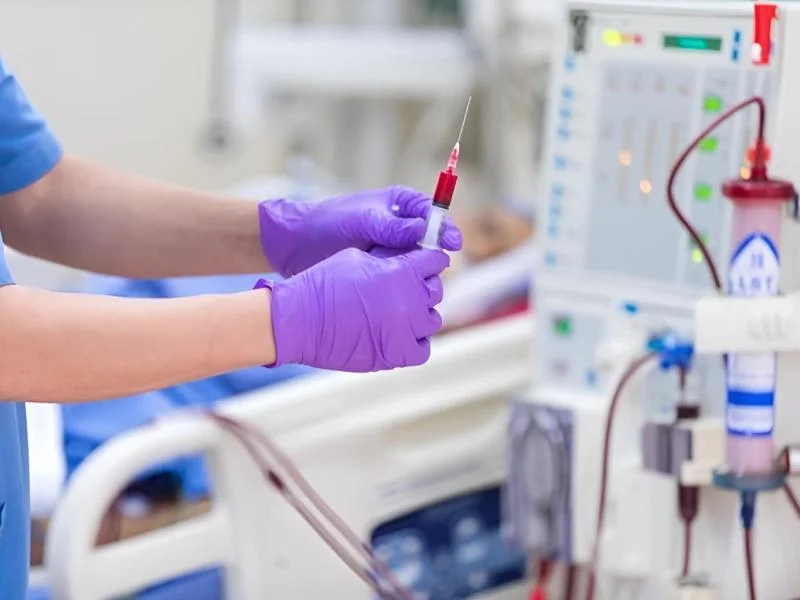
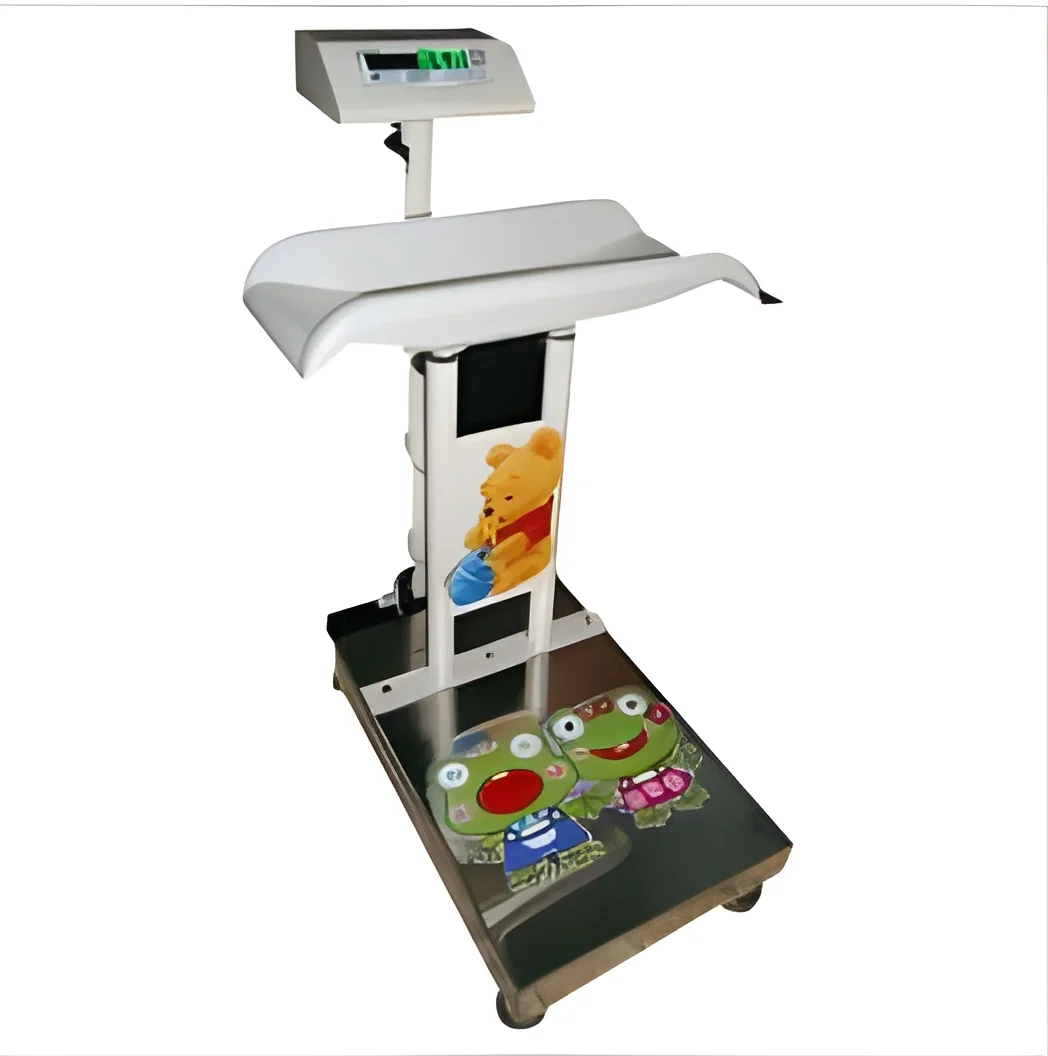
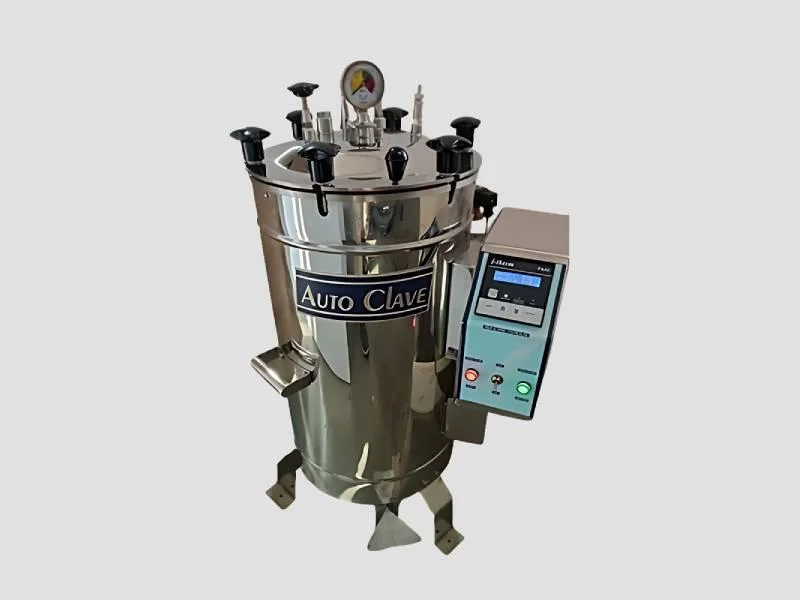
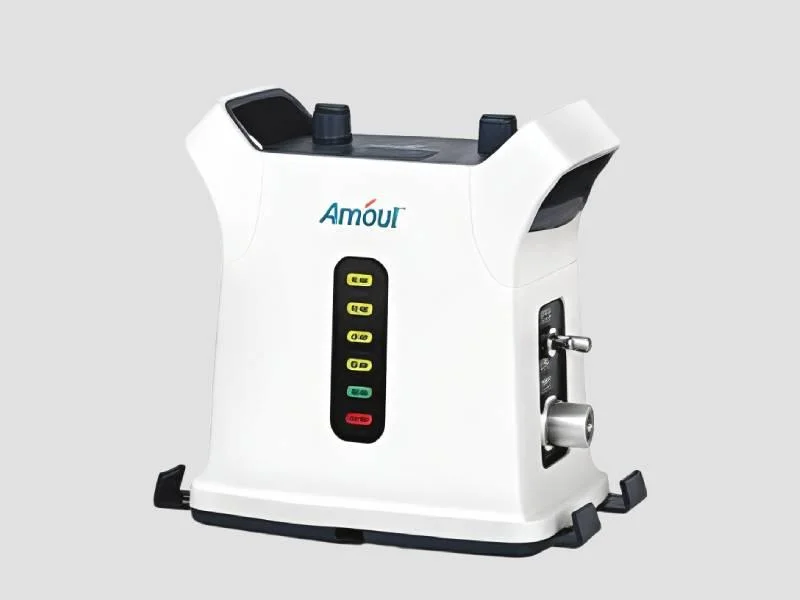
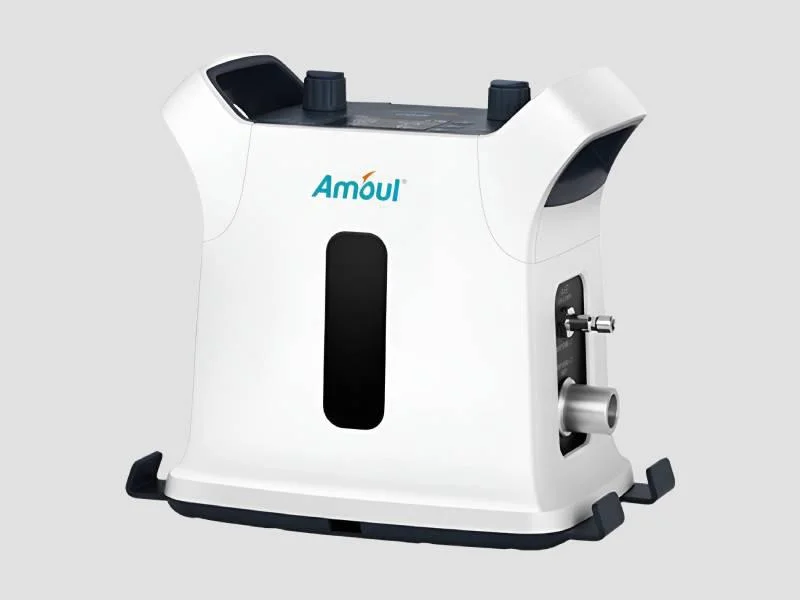
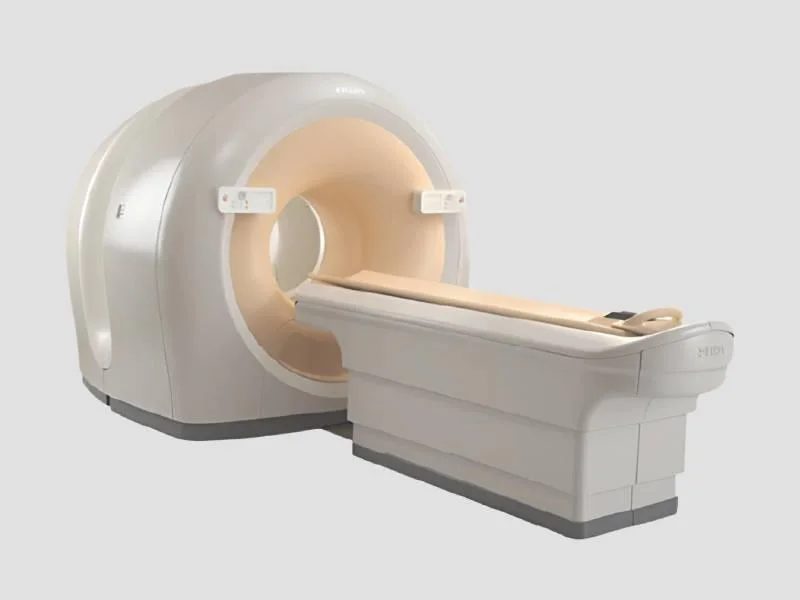
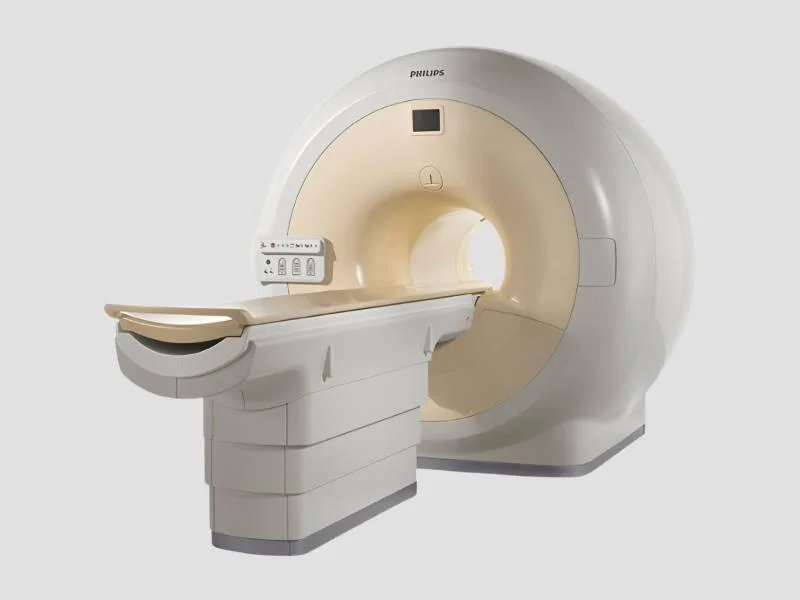
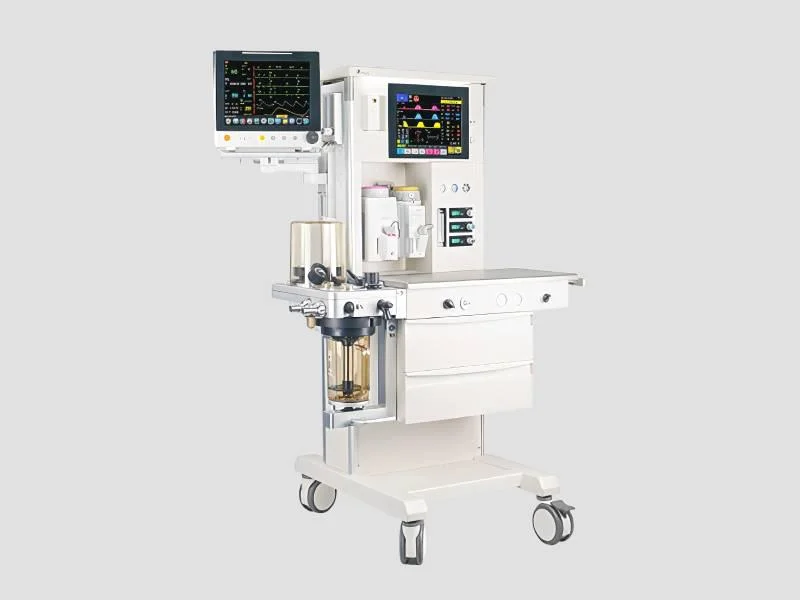
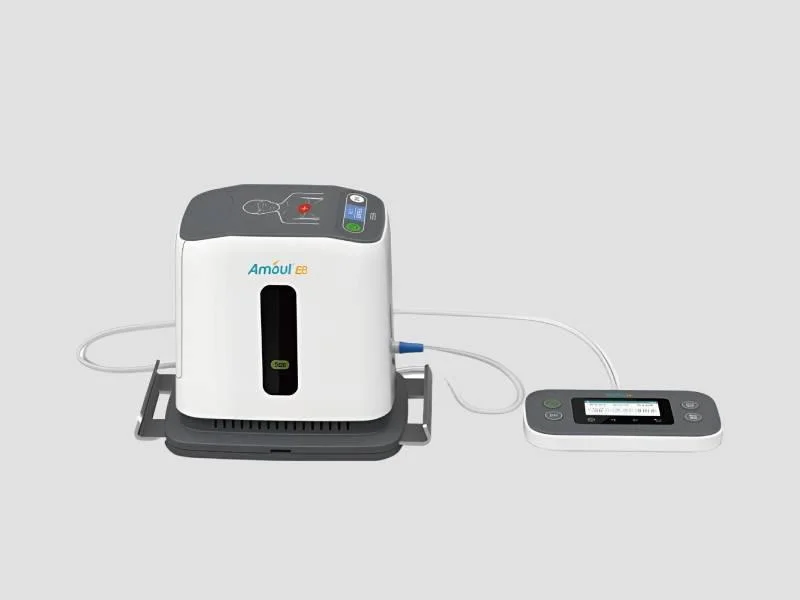
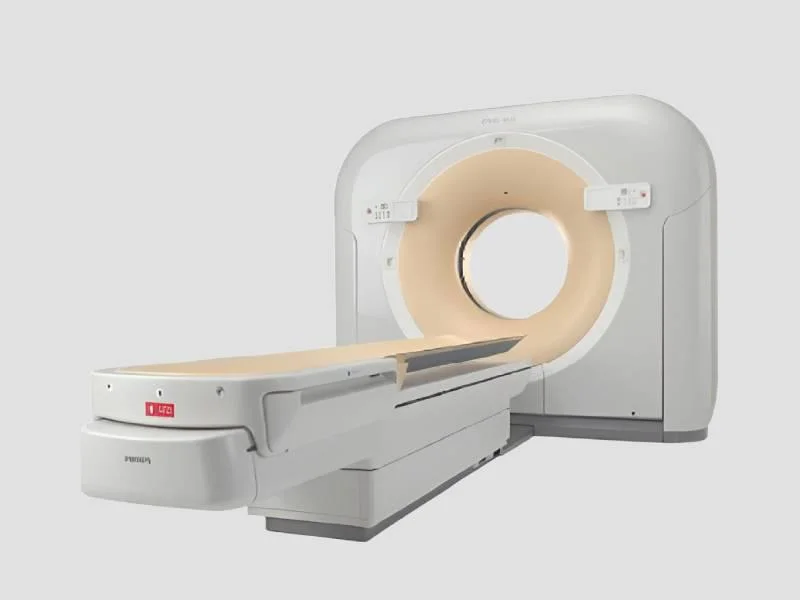
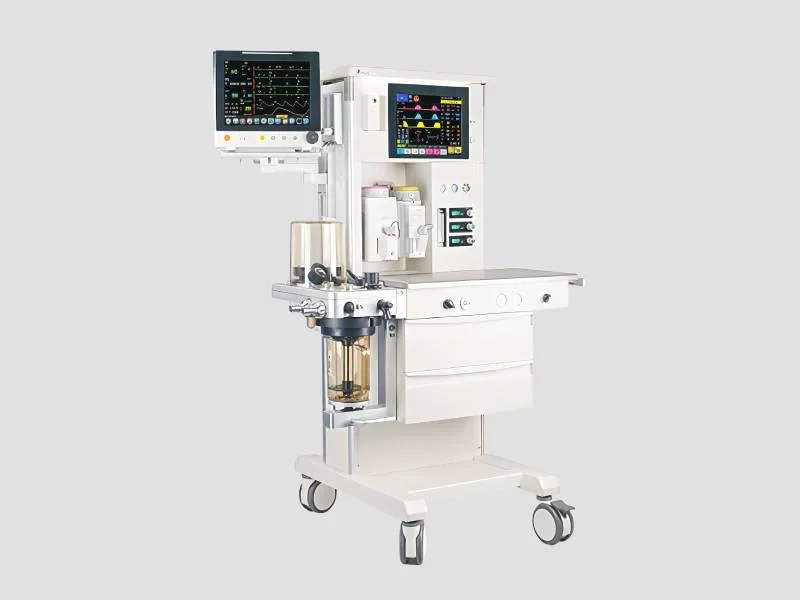
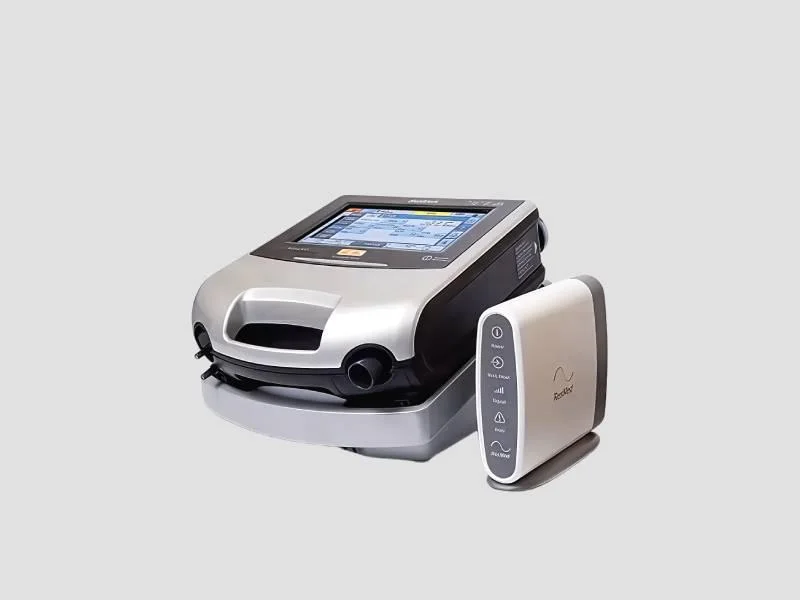
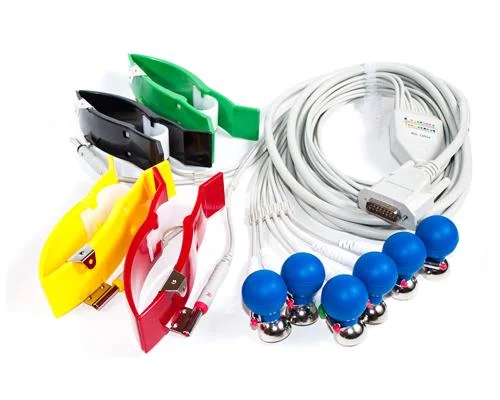
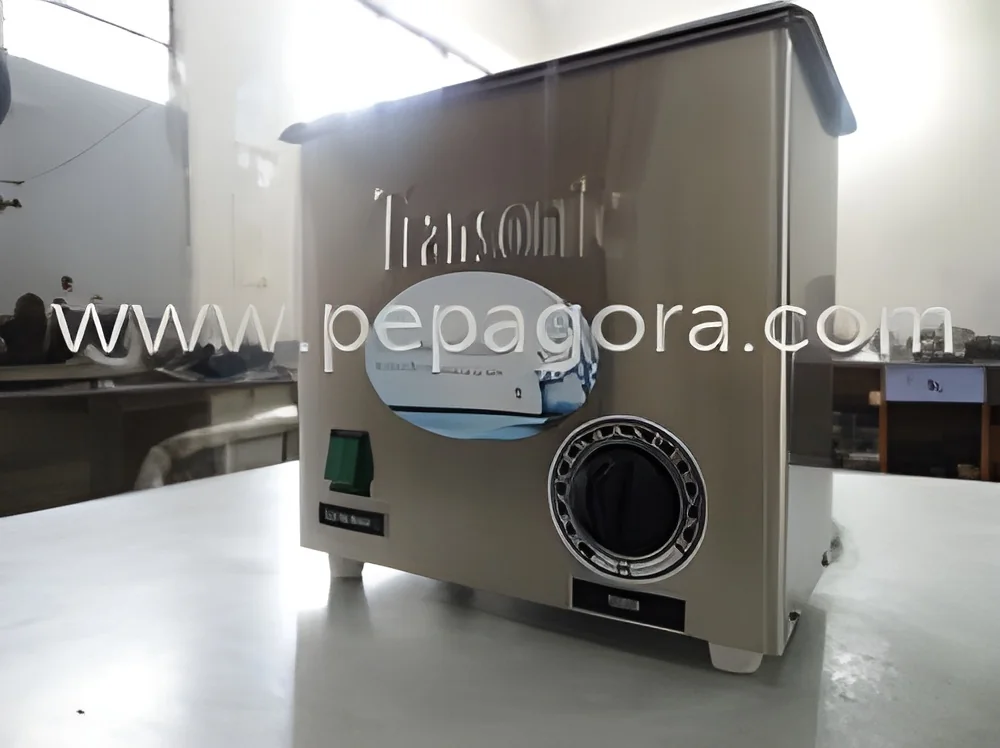
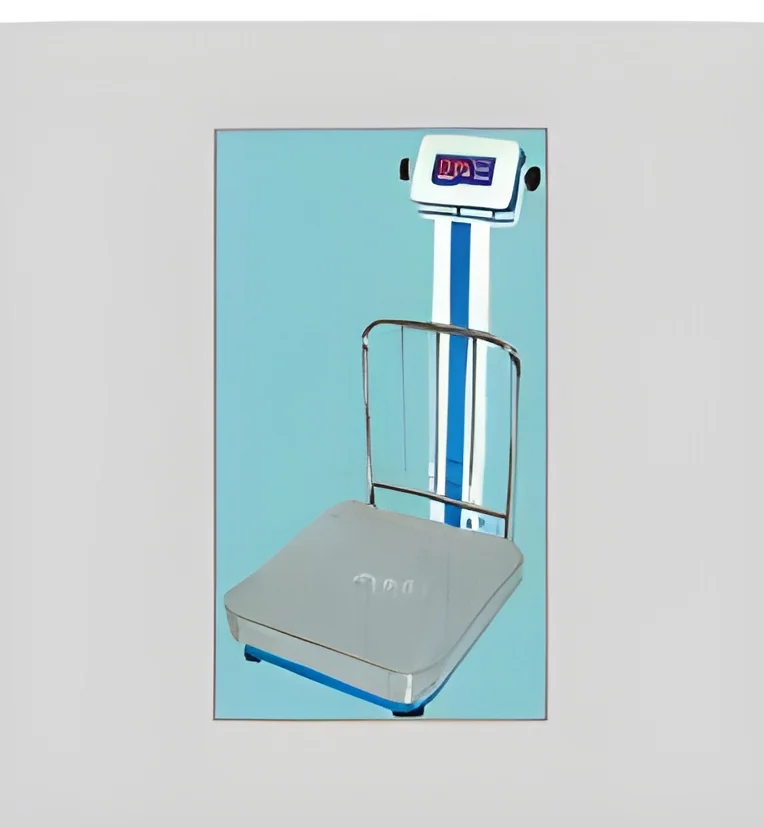
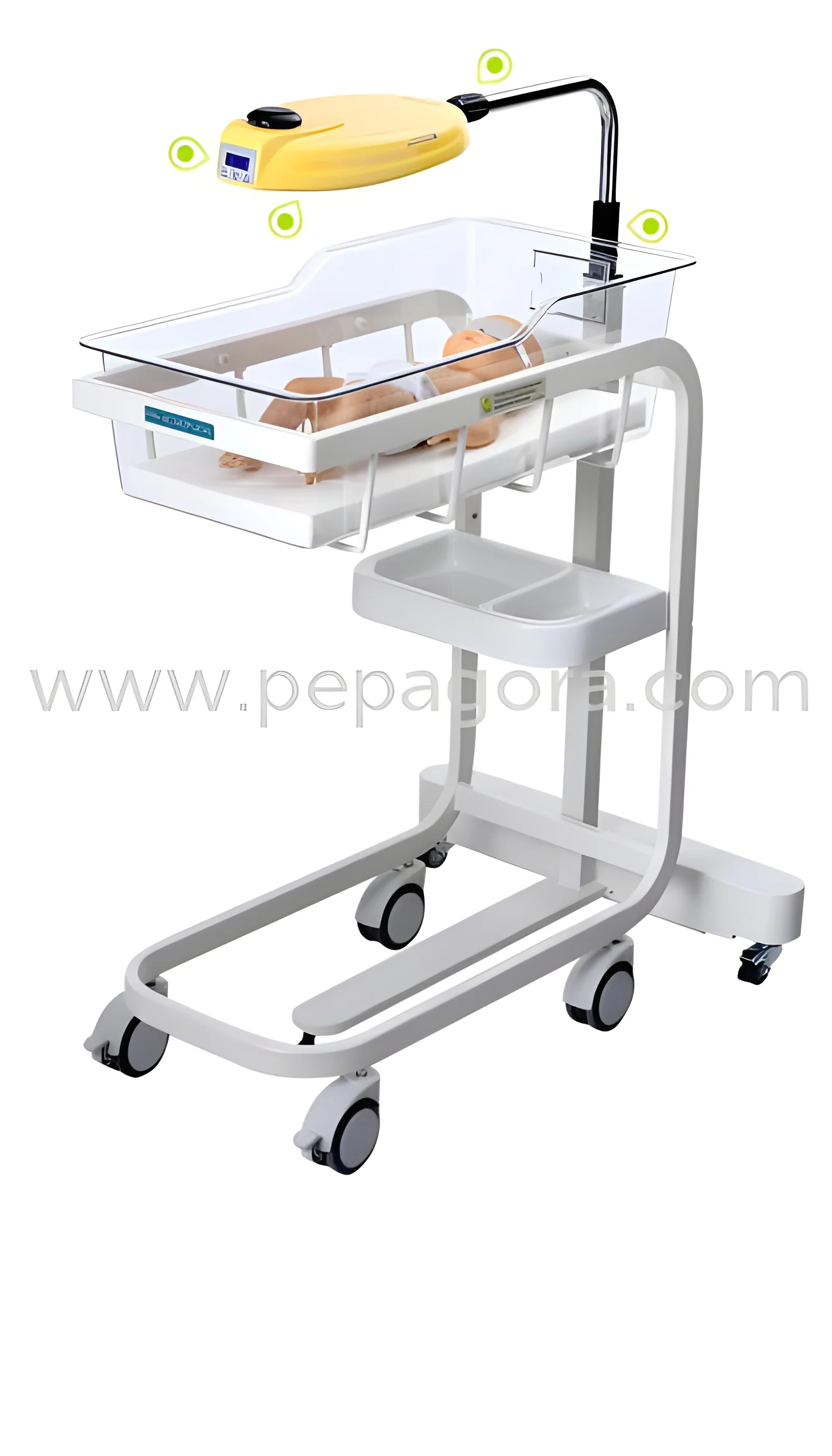
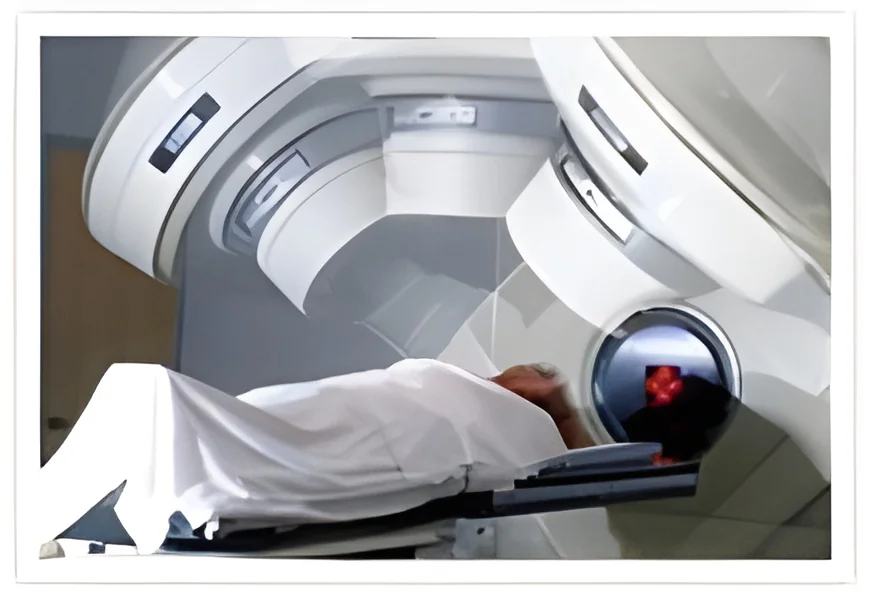
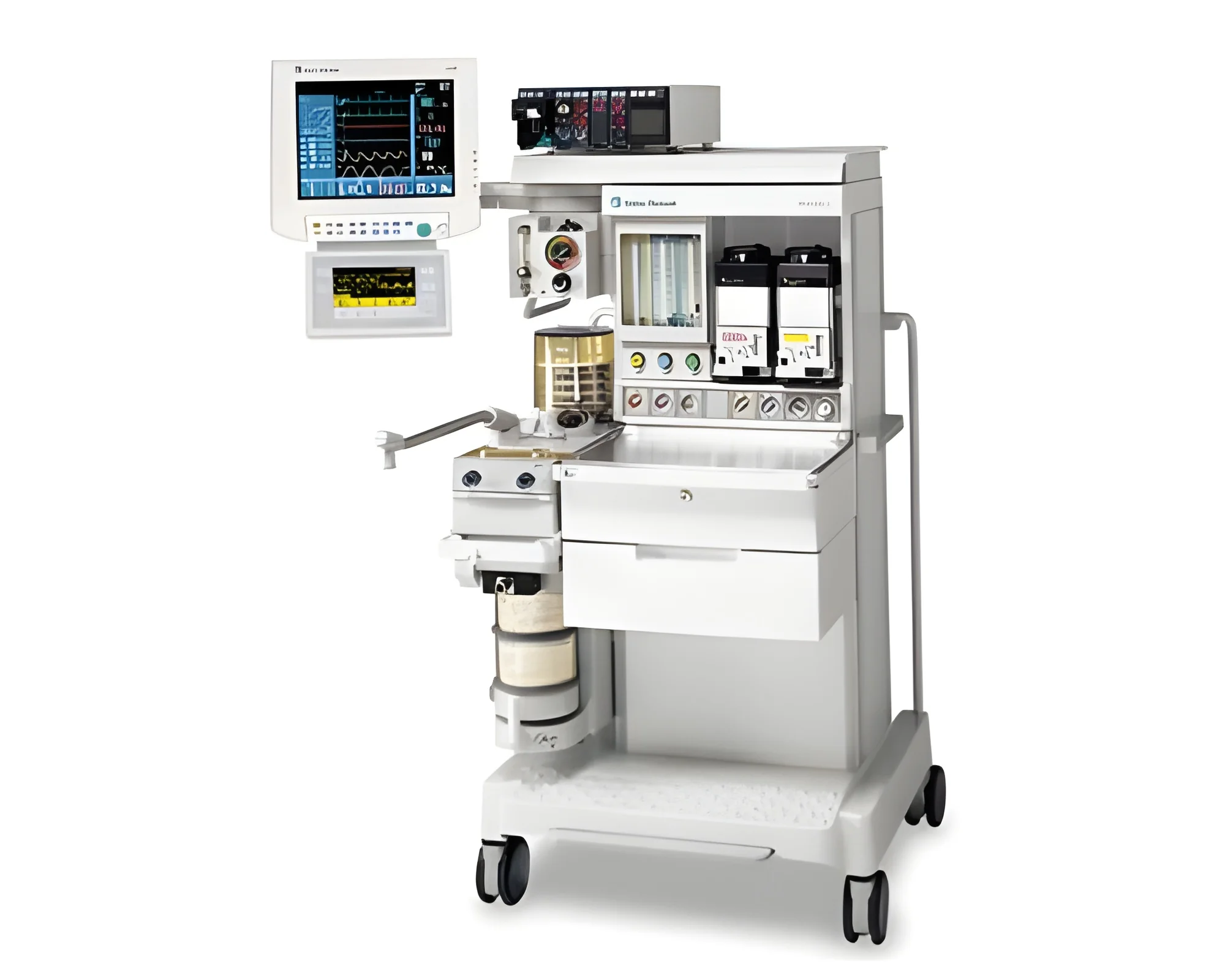
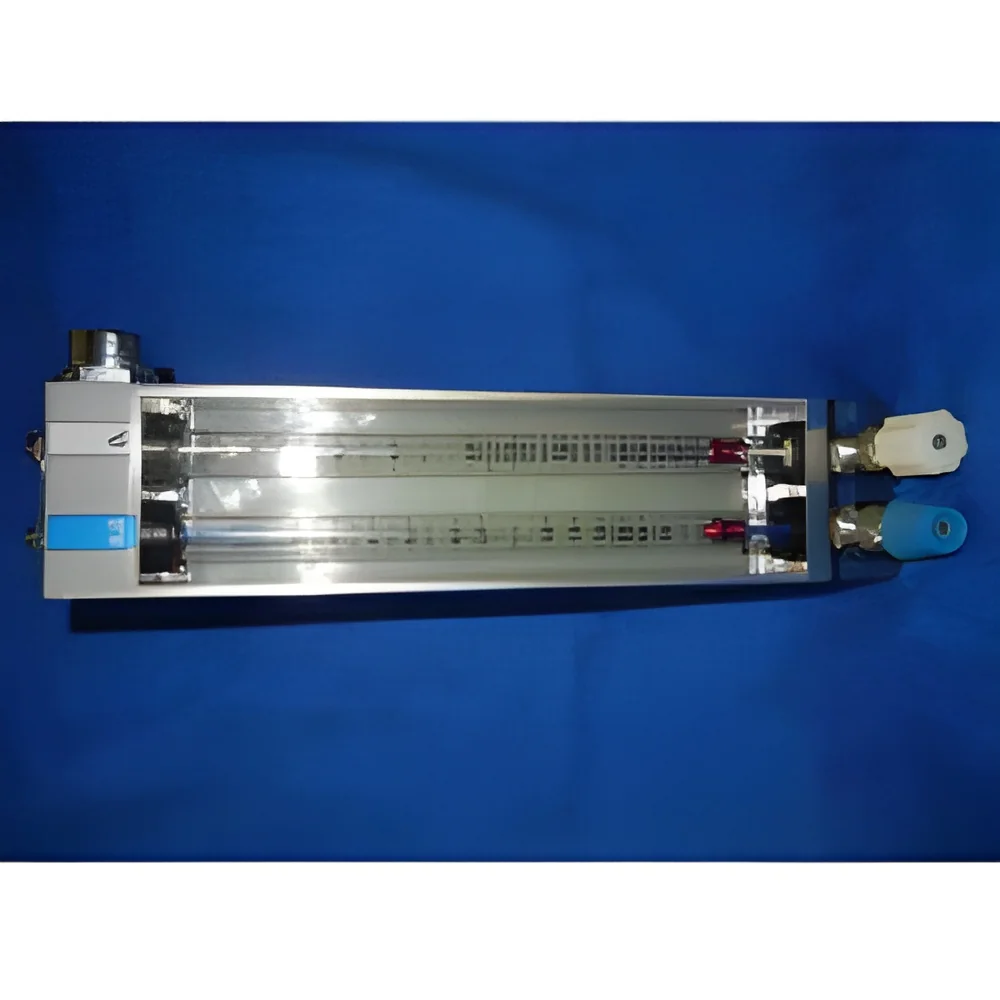
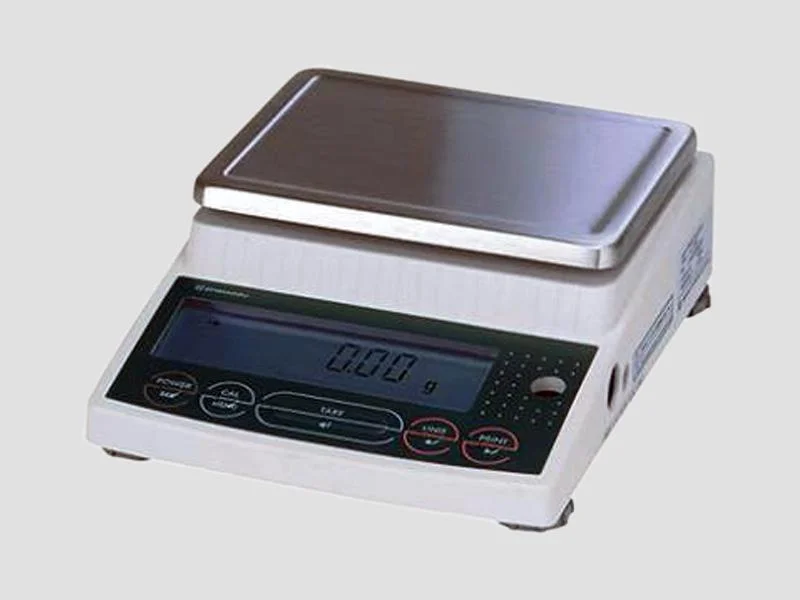
Medical devices and equipment encompass a broad range of instruments, apparatus, machines, and implants that are used in healthcare settings. These devices are designed for the diagnosis, prevention, monitoring, treatment, or alleviation of disease and injury. They can range from simple tools like thermometers and bandages to complex machinery such as MRI machines and surgical robots. The primary purpose of these devices is to improve patient outcomes, enhance quality of care, and support healthcare professionals in delivering effective treatments.
The primary uses of medical devices are found in hospitals, clinics, laboratories, and home healthcare. They play a crucial role in various medical procedures, diagnostics, and patient management. Businesses involved in healthcare, including manufacturers, distributors, and service providers, rely on these devices to meet the needs of healthcare professionals and patients alike. The industry is continuously evolving, driven by advancements in technology and increasing demand for high-quality healthcare services.
In the context of market relevance, the medical devices and equipment industry is a significant segment of the global healthcare market. It is characterized by rapid innovation and stringent regulatory requirements. As healthcare systems around the world face challenges such as aging populations and rising healthcare costs, the demand for efficient, reliable, and advanced medical devices is expected to grow substantially.
𝗞𝗲𝘆 𝗙𝗲𝗮𝘁𝘂𝗿𝗲𝘀 𝗮𝗻𝗱 𝗦𝗽𝗲𝗰𝗶𝗳𝗶𝗰𝗮𝘁𝗶𝗼𝗻𝘀
Medical devices and equipment are defined by a range of key features and specifications that ensure their effectiveness, safety, and reliability. When evaluating these products, it is essential to consider various technical parameters.
Key specifications include:
1. Device Type
- Classification based on intended use (diagnostic, therapeutic, monitoring)
- Examples include imaging equipment, surgical instruments, and patient monitoring systems
2. Regulatory Compliance
- Adherence to international standards (e.g., CE marking)
- Certification processes that ensure safety and efficacy
3. Material Composition
- Use of biocompatible materials for implants and devices
- Consideration for durability and sterilization compatibility
4. Dimensions and Weight
- Size specifications for portability and ease of use
- Weight considerations for handheld devices or equipment requiring mobility
5. Power Requirements
- Specifications for electrical settings (AC or battery-powered)
- Energy efficiency ratings to reduce operational costs
6. User Interface
- Design elements that enhance usability for healthcare professionals
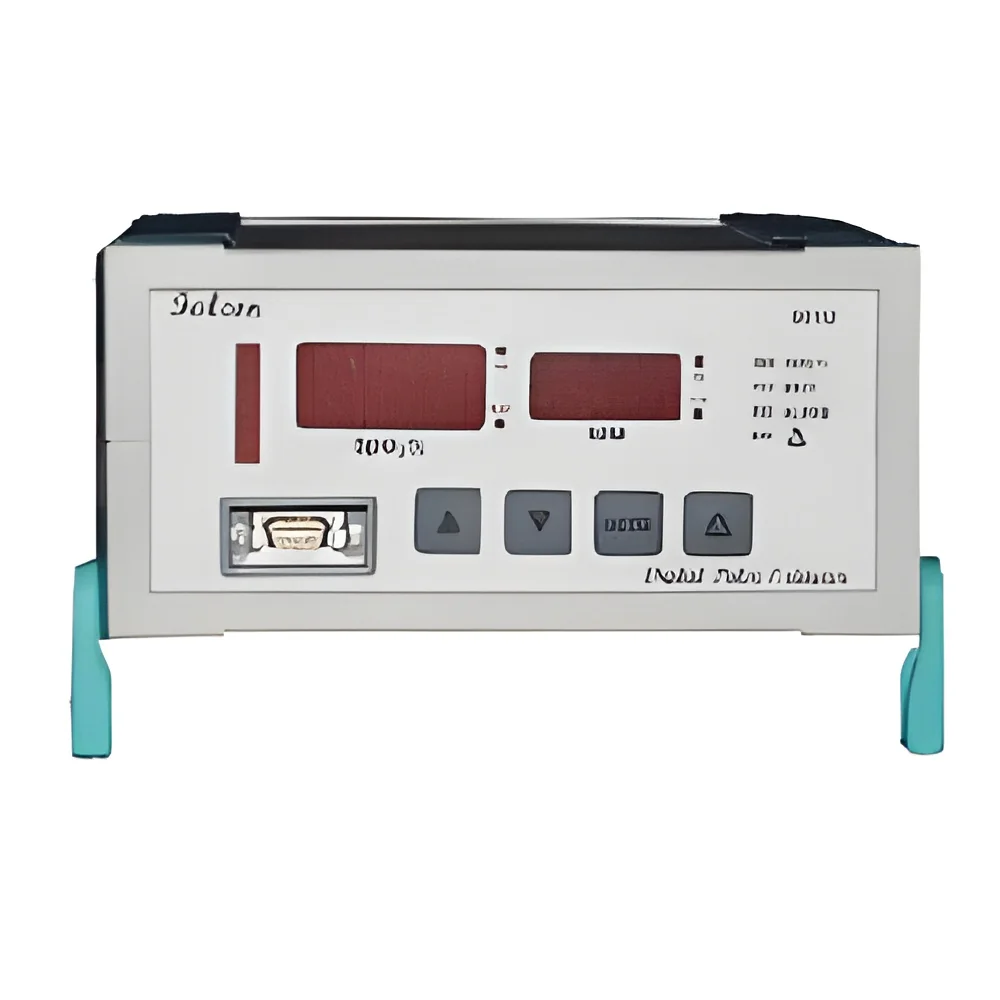
- Integration of digital displays and control systems for monitoring functions
7. Maintenance and Support
- Guidelines for regular maintenance to ensure device longevity
- Availability of technical support and service options
8. Warranty and Service Agreements
- Length of warranty coverage for devices
- Conditions for service agreements and repairs
In summary, understanding the key features and specifications of medical devices and equipment is essential for making informed purchasing decisions. These specifications ensure that the products meet the diverse needs of healthcare providers and contribute to improved patient outcomes.
𝗖𝗼𝗺𝗺𝗼𝗻 𝗔𝗽𝗽𝗹𝗶𝗰𝗮𝘁𝗶𝗼𝗻𝘀 𝗮𝗻𝗱 𝗨𝘀𝗲 𝗖𝗮𝘀𝗲𝘀
Medical devices and equipment serve a wide range of industries due to their versatility and critical roles in healthcare.
1. Hospitals: In this setting, devices are used for diagnostic imaging, surgical procedures, and patient monitoring. Equipment such as MRI machines and surgical robots enhance the quality of care.
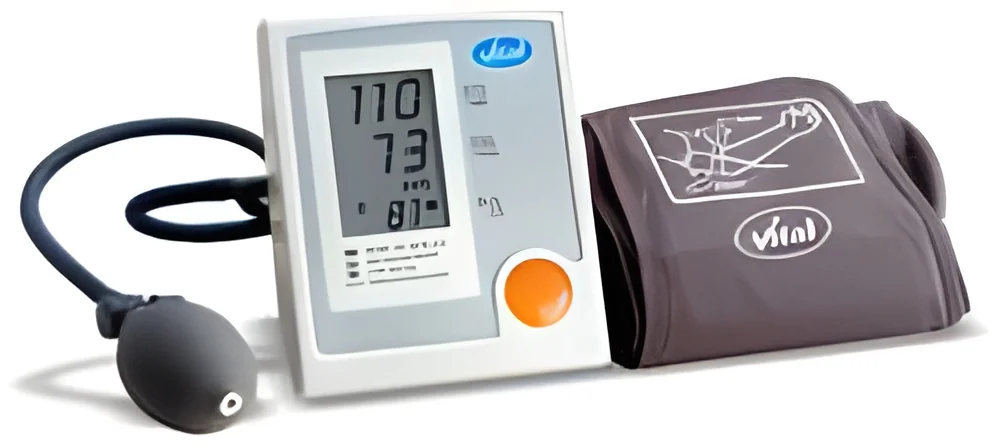
2. Clinics: Medical devices are employed for routine check-ups, vaccinations, and minor surgical procedures. Tools like stethoscopes and blood pressure monitors are essential for patient assessments.
3. Laboratories: Diagnostic devices in laboratories assist in testing samples for diseases and infections. Equipment includes analyzers and microscopes that contribute to accurate diagnostics.
4. Home Healthcare: Devices such as blood glucose meters and pulse oximeters enable patients to monitor their health at home. This trend supports chronic disease management and reduces hospital visits.
5. Rehabilitation Centers: Equipment like physiotherapy machines and mobility aids are crucial for patient recovery. These devices assist in physical rehabilitation and enhance mobility for patients.
6. Dental Clinics: Dental devices, including X-ray machines and surgical tools, are used for diagnostics and treatment in oral healthcare. They ensure accurate assessments and effective treatments.
7. Research Institutions: In research settings, advanced medical devices are used for clinical studies and trials. They facilitate innovation in treatment methodologies and device development.
𝗣𝗿𝗼𝗱𝘂𝗰𝘁 𝗩𝗮𝗿𝗶𝗮𝗻𝘁𝘀 𝗮𝗻𝗱 𝗦𝘂𝗯𝗰𝗮𝘁𝗲𝗴𝗼𝗿𝗶𝗲𝘀
The diversity in medical devices and equipment allows for various product variants tailored to specific needs.
Diagnostic Imaging Equipment
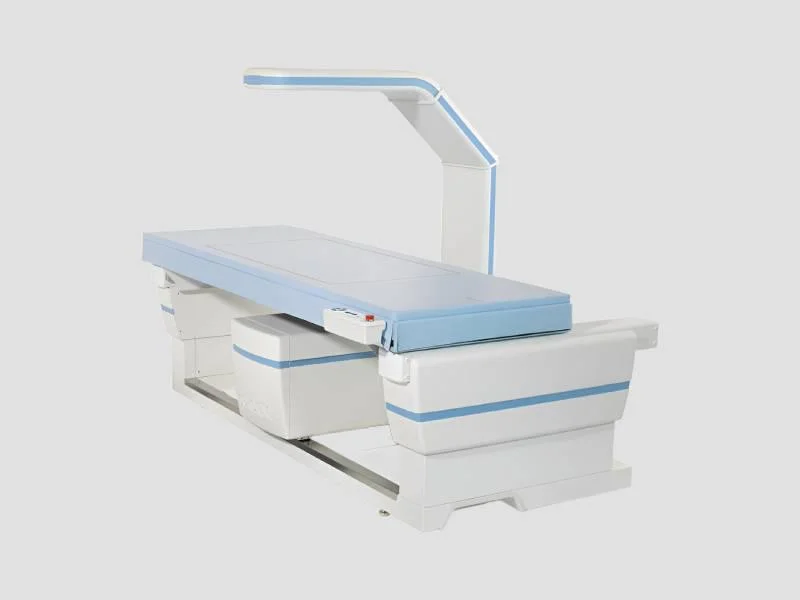
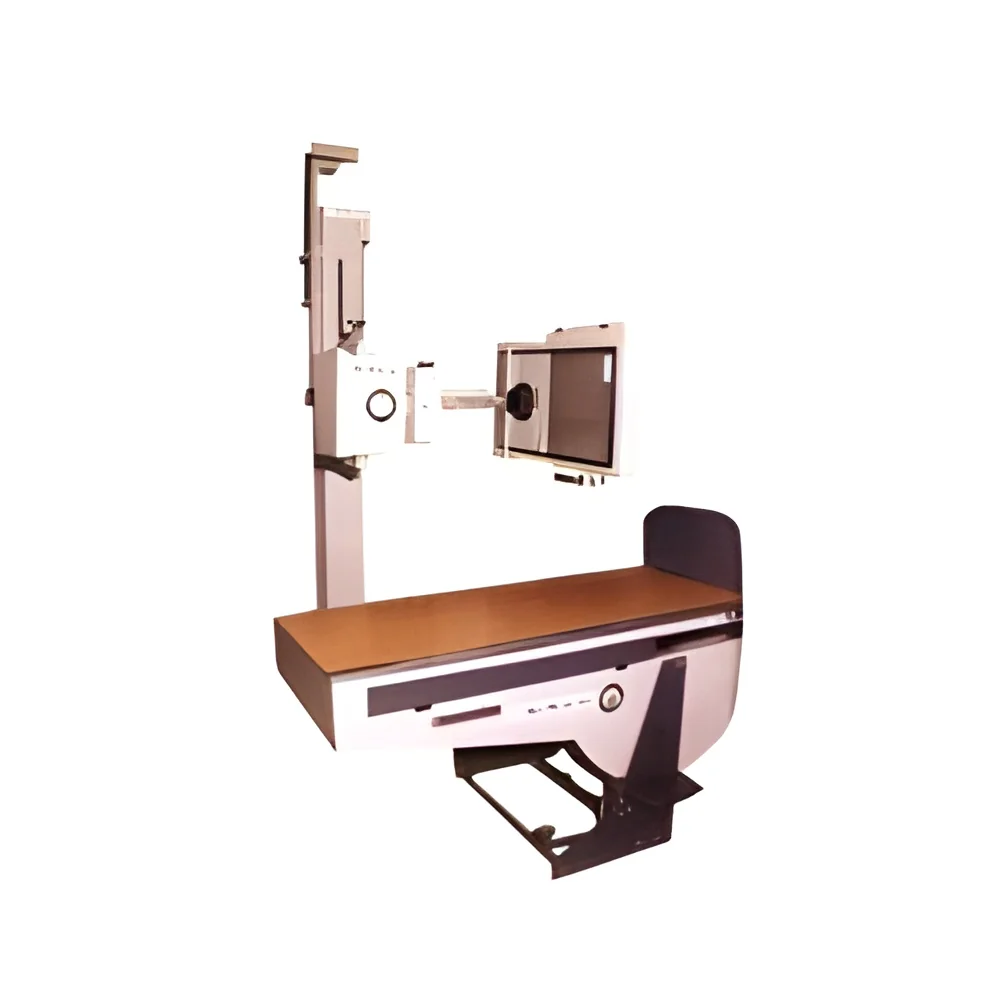
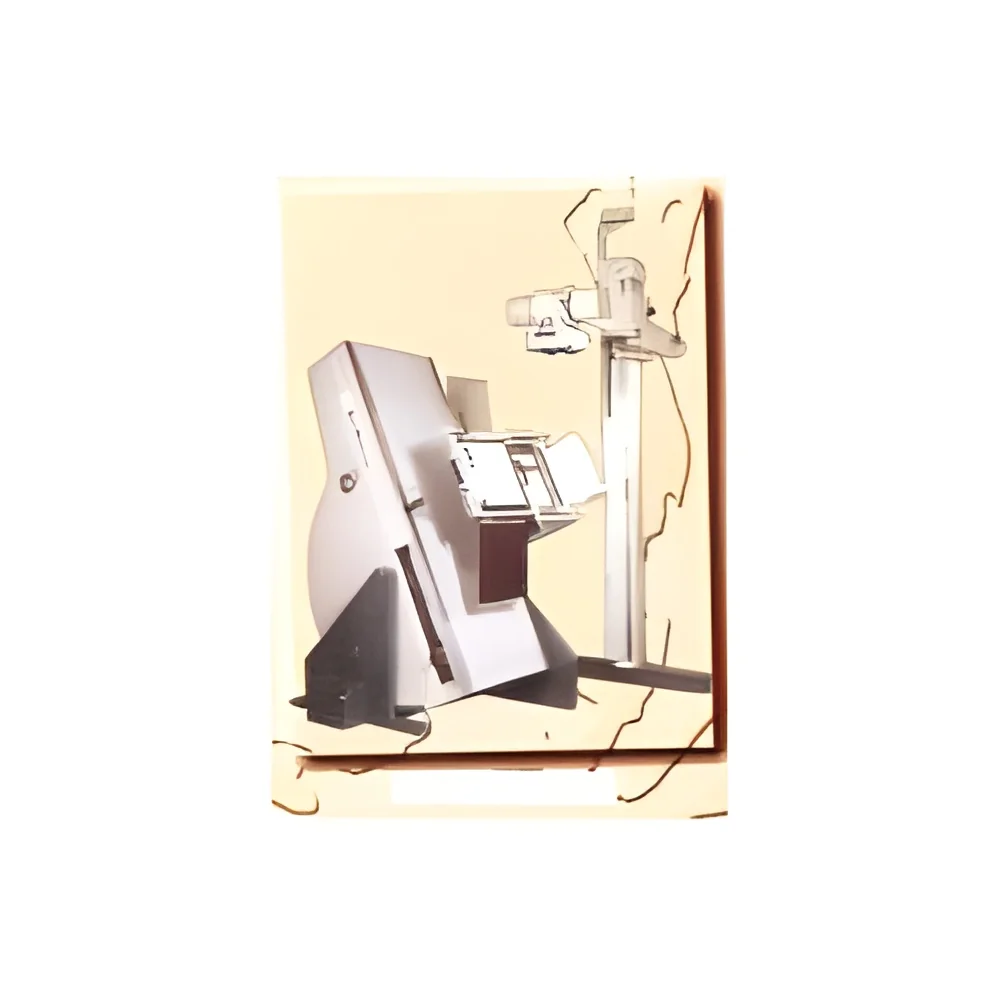
This variant includes devices like X-ray machines, CT scanners, and ultrasound devices. They are designed to provide healthcare professionals with clear images for accurate diagnoses.
Surgical Instruments
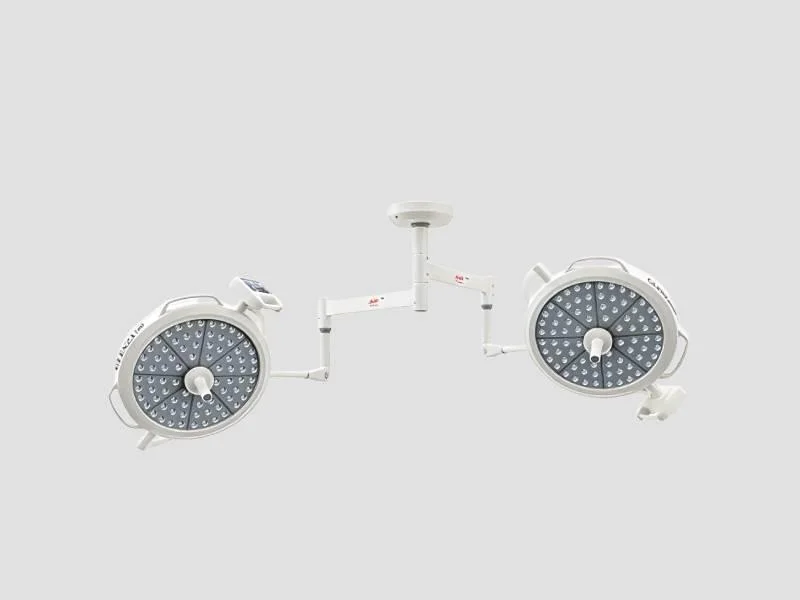
These tools are essential for performing surgeries. Instruments like scalpels, forceps, and sutures are designed for precision and durability, ensuring effective surgical procedures.
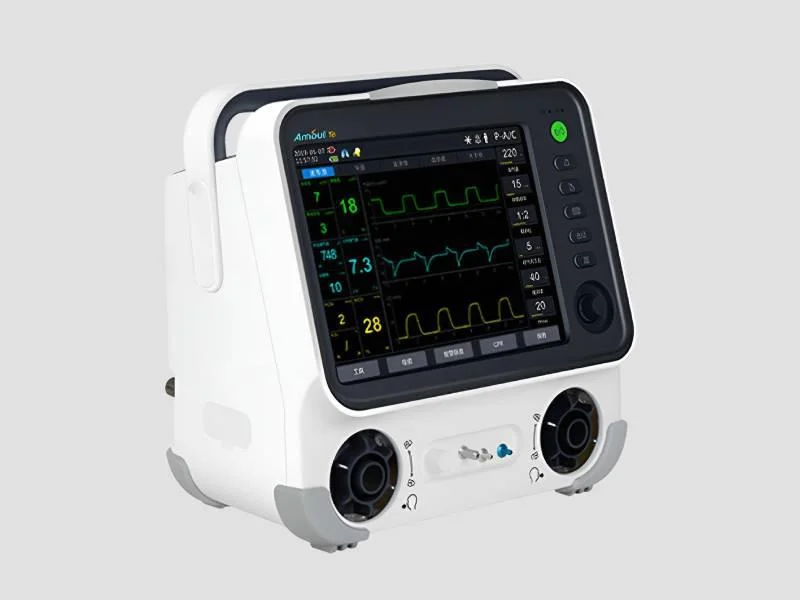
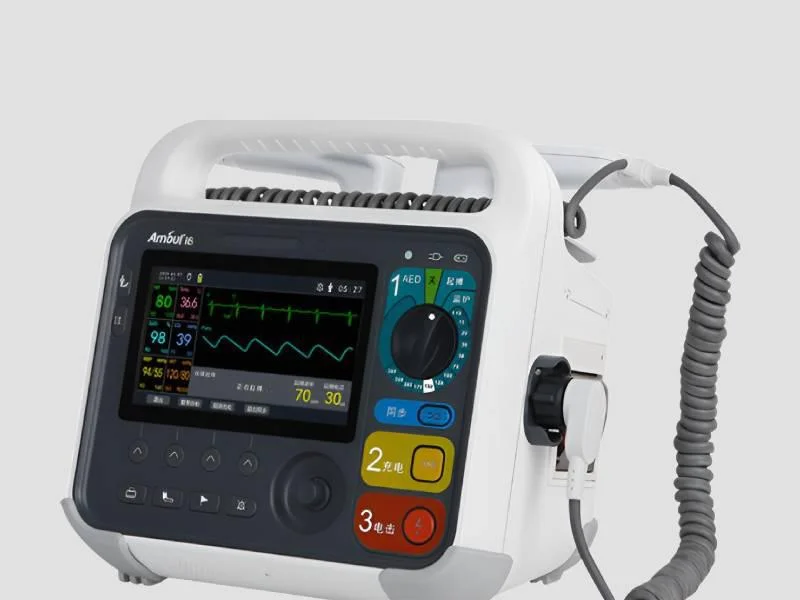
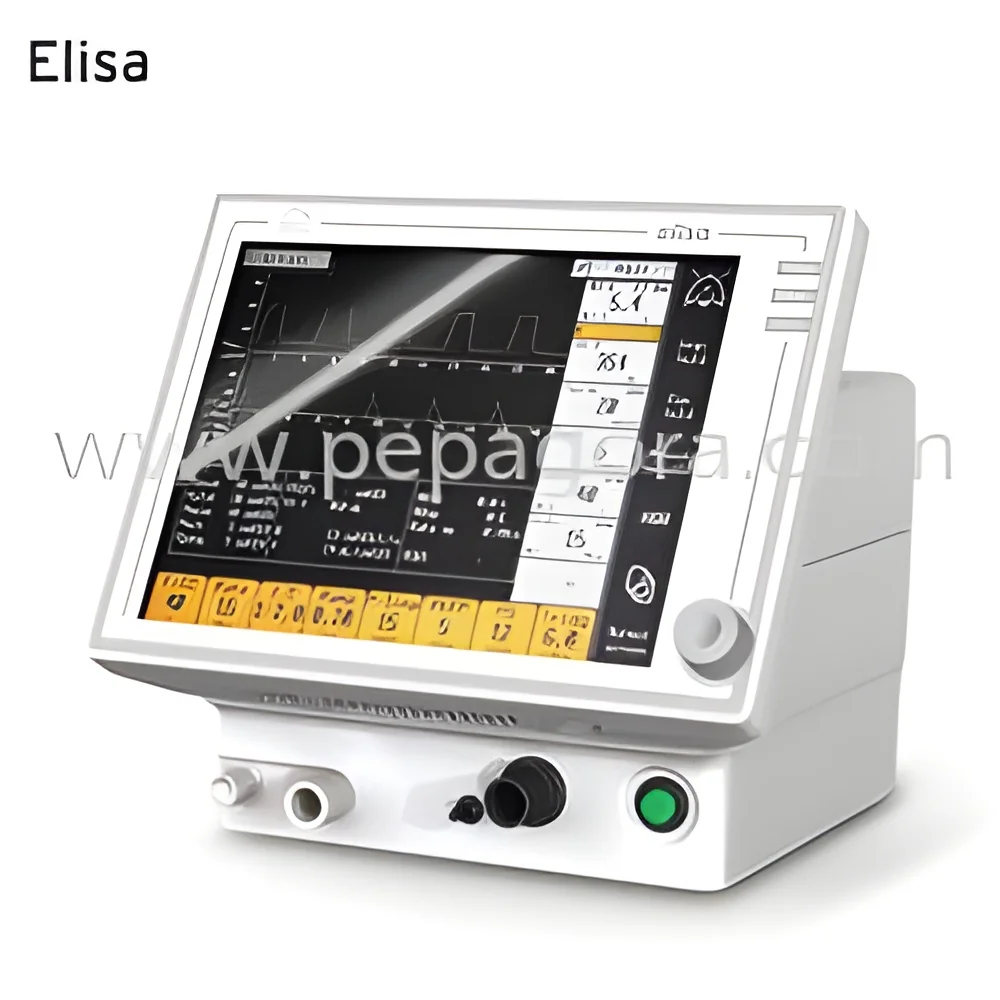
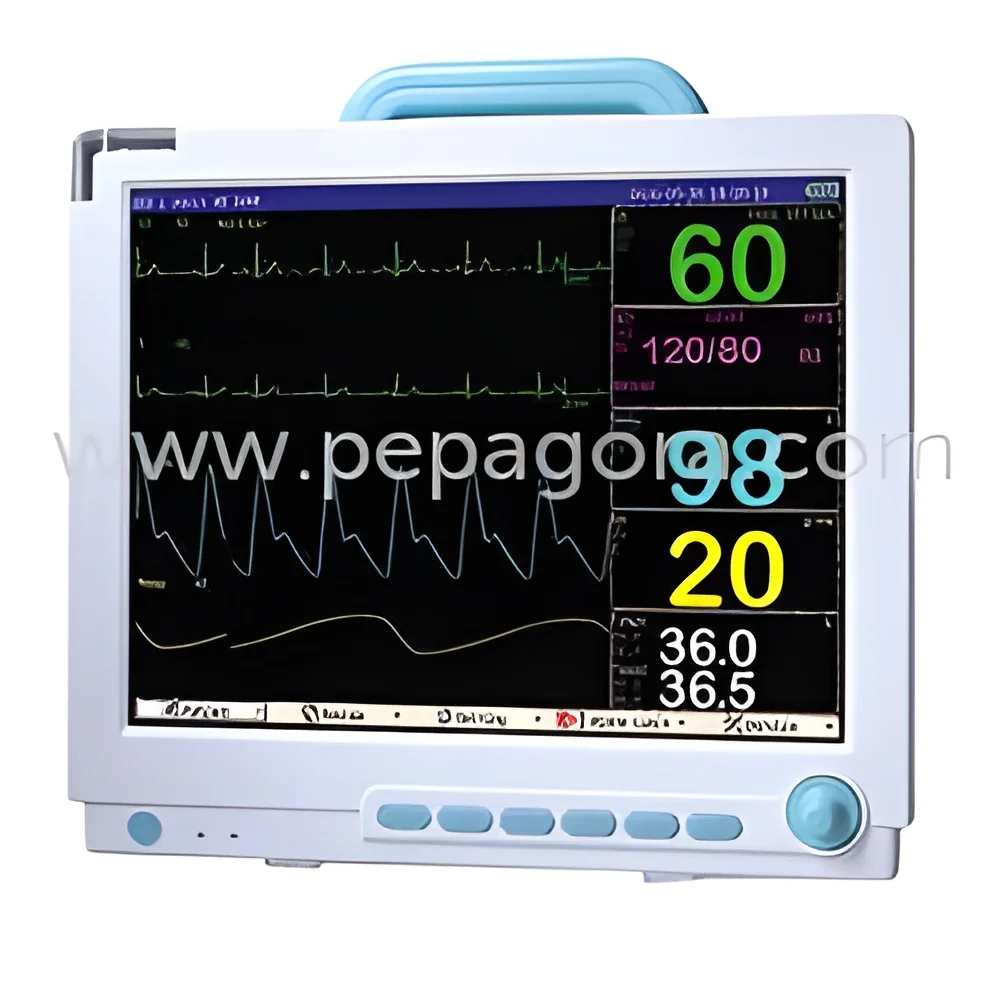
Patient Monitoring Systems
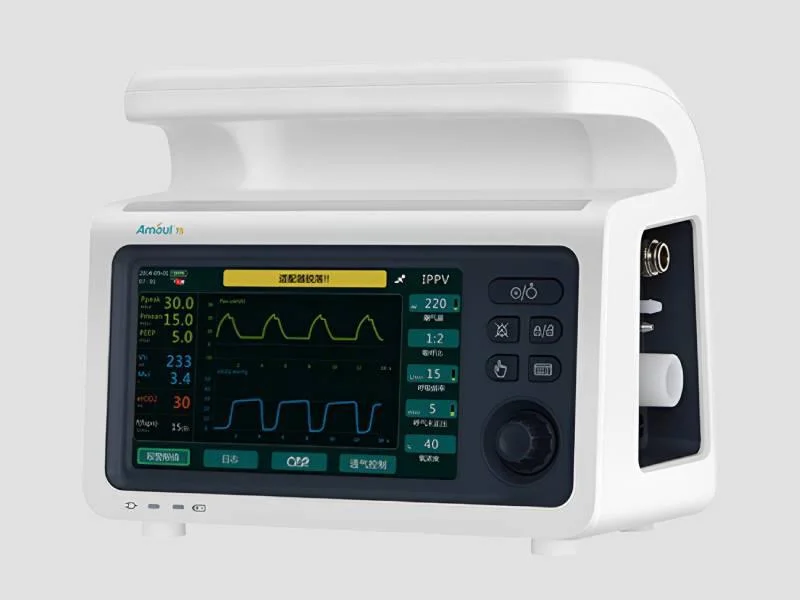
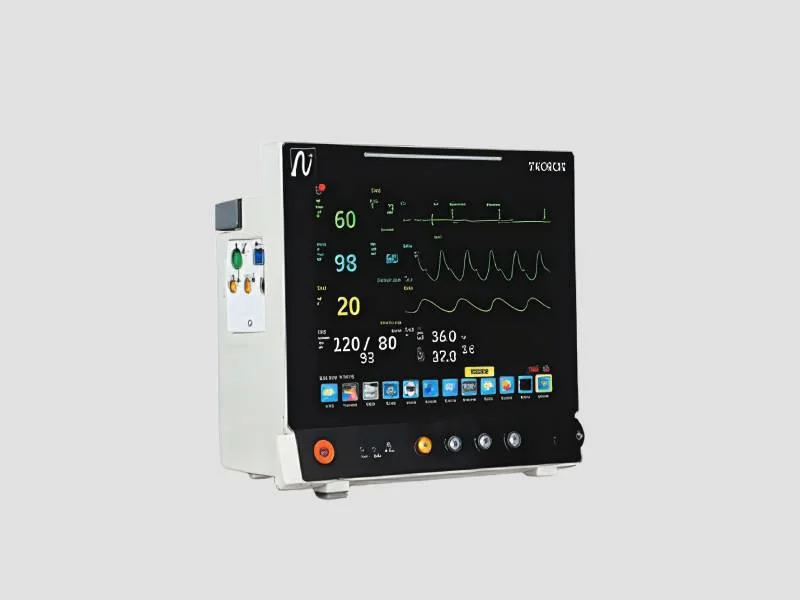
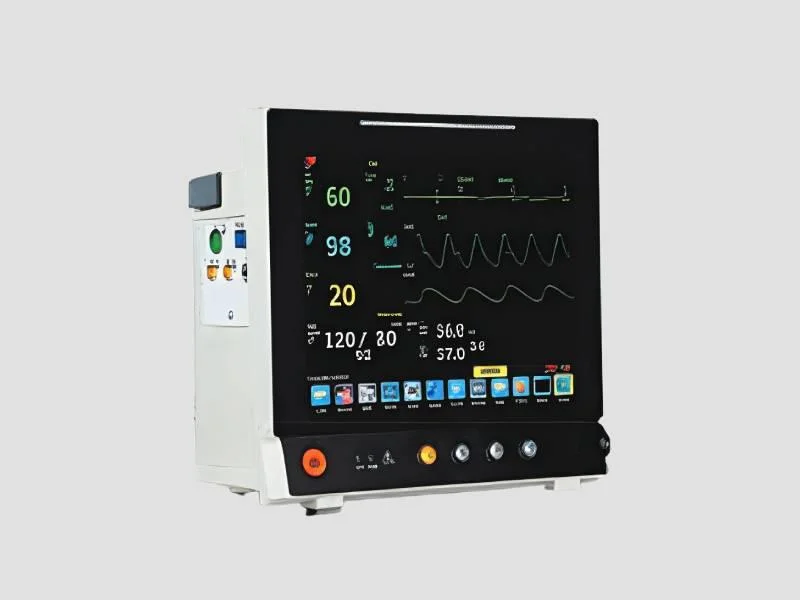
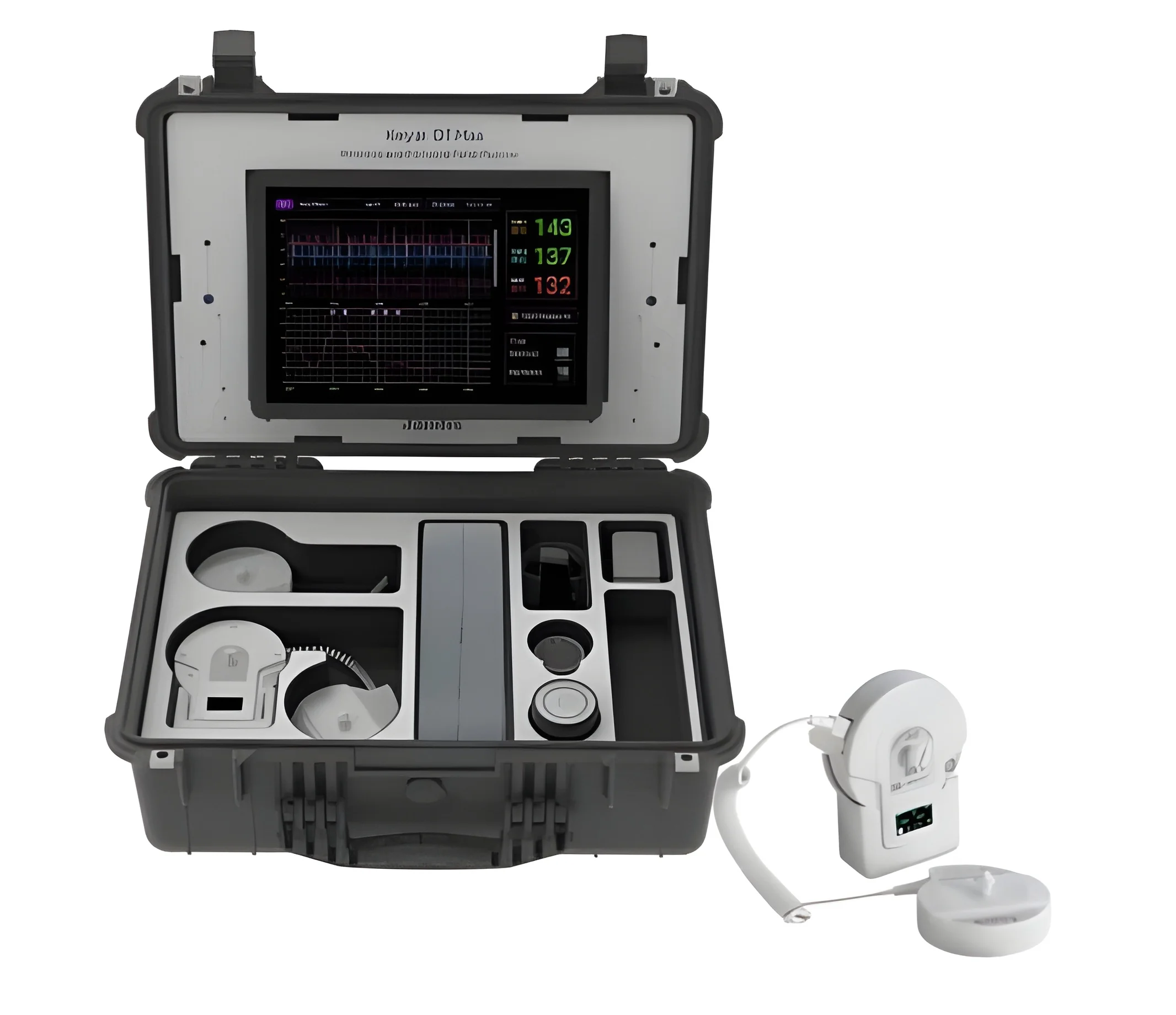
These systems consist of devices that continuously monitor vital signs such as heart rate and oxygen levels. They are crucial for critical care settings and can alert medical staff to any changes in a patient's condition.
Therapeutic Devices
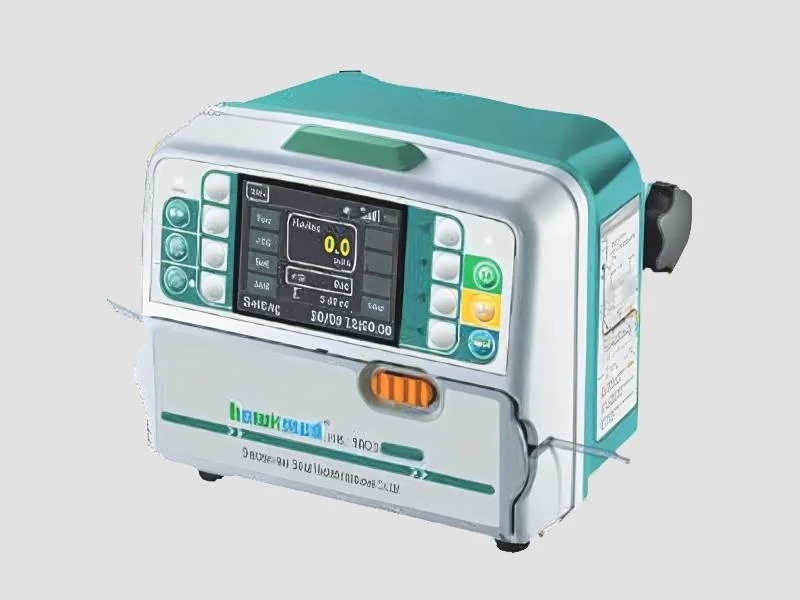
Devices such as infusion pumps and nebulizers fall into this category. They are used to administer medications and therapies, improving patient care in various settings.
𝗕𝗲𝗻𝗲𝗳𝗶𝘁𝘀 𝗮𝗻𝗱 𝗔𝗱𝘃𝗮𝗻𝘁𝗮𝗴𝗲𝘀
Medical devices and equipment offer numerous benefits that enhance both patient care and operational efficiency in healthcare settings.
Key benefits include:
1. Improved Patient Outcomes: High-quality medical devices lead to more accurate diagnostics and effective treatments, resulting in better health outcomes for patients.
2. Enhanced Efficiency: Advanced technology in medical devices streamlines workflows for healthcare professionals, reducing time spent on procedures and improving overall efficiency.
3. Increased Safety: Regulatory compliance and rigorous testing ensure that medical devices are safe for use, minimizing risks associated with medical procedures.
4. Greater Accessibility: The availability of various devices allows healthcare providers to offer a wider range of services, improving access to care for patients.
5. Cost-Effectiveness: Investing in reliable medical devices can lead to long-term savings by reducing the need for repairs and replacements, while also enhancing productivity.
6. Support for Remote Care: Many modern devices facilitate telemedicine and remote monitoring, enabling healthcare providers to manage patient care more effectively from a distance.
𝗕𝘂𝘆𝗶𝗻𝗴 𝗚𝘂𝗶𝗱𝗲 𝗳𝗼𝗿 𝗕𝟮𝗕 𝗕𝘂𝘆𝗲𝗿𝘀
When sourcing medical devices and equipment, it is essential for B2B buyers to consider several key factors to ensure they make informed purchasing decisions.
1. Quality Assessment: Evaluate devices based on quality certifications and manufacturer reputation. Look for compliance with international standards to ensure reliability and safety.
2. Supplier Verification: Conduct thorough vetting of suppliers to confirm their credibility. Check for customer reviews, industry experience, and compliance history.
3. Pricing and MOQ: Understand pricing structures and minimum order quantities. Compare costs across different suppliers to ensure competitive pricing while considering quality.
4. Delivery and Lead Times: Assess logistics capabilities and inquire about lead times for delivery. Timely access to devices is crucial for maintaining operational efficiency.
5. Compliance Requirements: Familiarize yourself with regulatory requirements specific to your region. Ensure that the devices meet local compliance standards to avoid legal issues.
𝗖𝗼𝗺𝗽𝗹𝗶𝗮𝗻𝗰𝗲 𝗮𝗻𝗱 𝗖𝗲𝗿𝘁𝗶𝗳𝗶𝗰𝗮𝘁𝗶𝗼𝗻𝘀
Compliance and certifications are critical in the medical devices and equipment industry, ensuring safety and efficacy in healthcare applications.
Relevant quality standards such as ISO 9001 establish a framework for quality management systems in manufacturing processes. Adherence to these standards ensures that medical devices are produced consistently and meet regulatory requirements.
The CE marking indicates compliance with European health, safety, and environmental protection standards. This certification is essential for devices marketed in the European Union, ensuring they meet rigorous safety and performance requirements.
Safety and testing requirements play a vital role in the development of medical devices. Rigorous testing protocols are conducted to validate device performance and safety before they reach the market.
Regional compliance considerations are also important for international suppliers. Different countries may have unique regulations governing the import and sale of medical devices, making it crucial for manufacturers and distributors to stay informed about local laws.
𝗪𝗵𝘆 𝗦𝗼𝘂𝗿𝗰𝗲 𝗠𝗲𝗱𝗶𝗰𝗮𝗹 𝗗𝗲𝘃𝗶𝗰𝗲𝘀 & 𝗘𝗾𝘂𝗶𝗽𝗺𝗲𝗻𝘁 𝗳𝗿𝗼𝗺 𝗣𝗲𝗽𝗮𝗴𝗼𝗿𝗮?
Pepagora provides a trusted platform for sourcing medical devices and equipment, offering several key advantages to B2B buyers.
Verified Supplier Network: Pepagora has established a robust network of verified suppliers, ensuring that buyers can access quality products from reputable manufacturers. This verification process builds trust and reliability in sourcing.
Streamlined RFQ Process: The platform features an efficient request for quotation (RFQ) process, allowing buyers to easily request quotes from multiple suppliers. This streamlines the procurement process and helps buyers find the best deals.
Trade Assurance and Support: Pepagora offers trade assurance and support to buyers, providing protection throughout the purchasing process. This includes assistance with negotiations, order fulfillment, and post-purchase support.
Regional Coverage: With a strong presence in India, the GCC, and Southeast Asia, Pepagora provides extensive regional coverage. This geographic reach allows buyers to connect with suppliers familiar with local market needs and compliance requirements.

 IN
IN