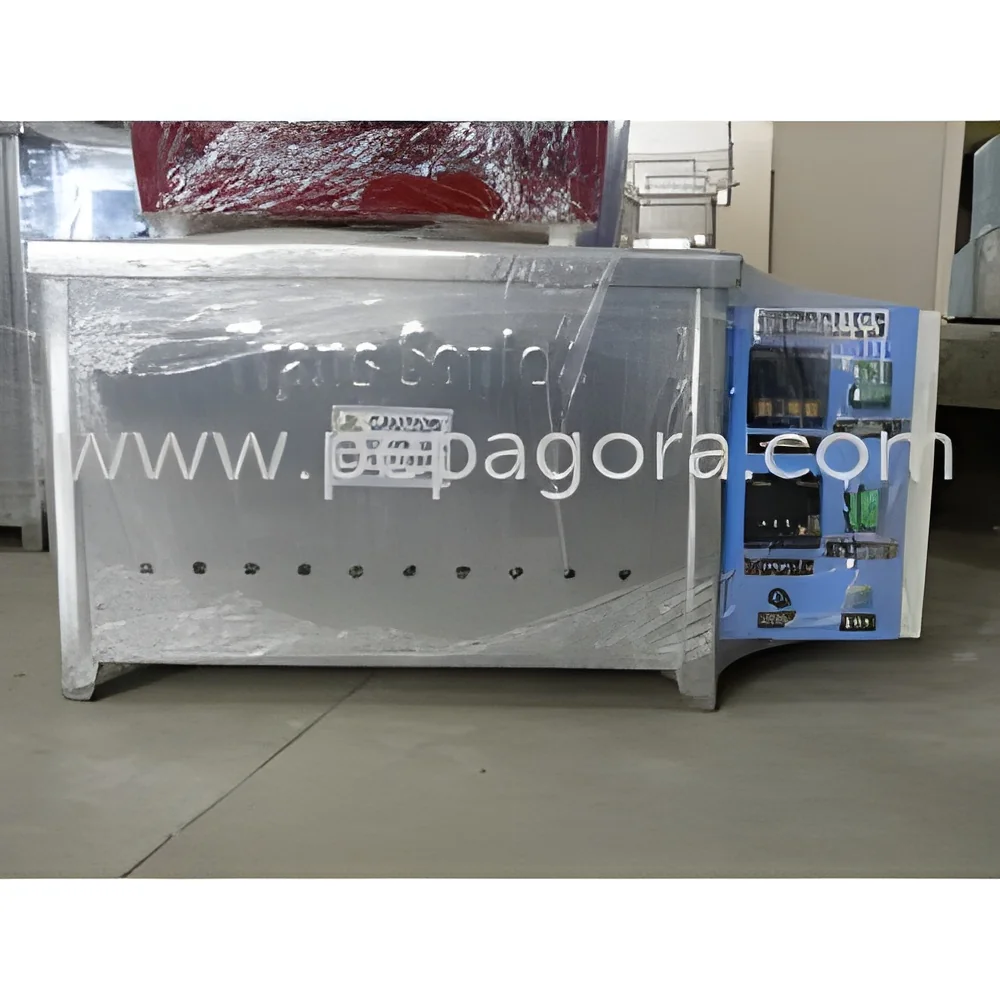
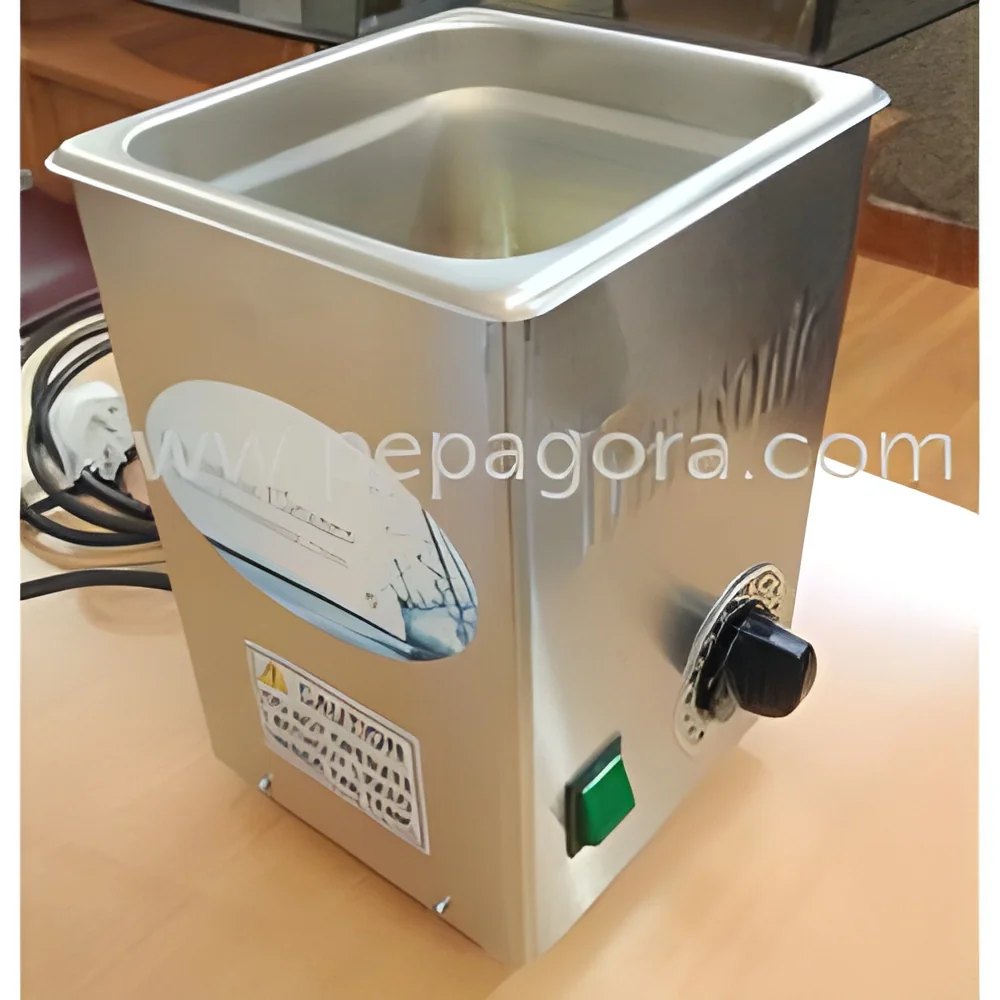
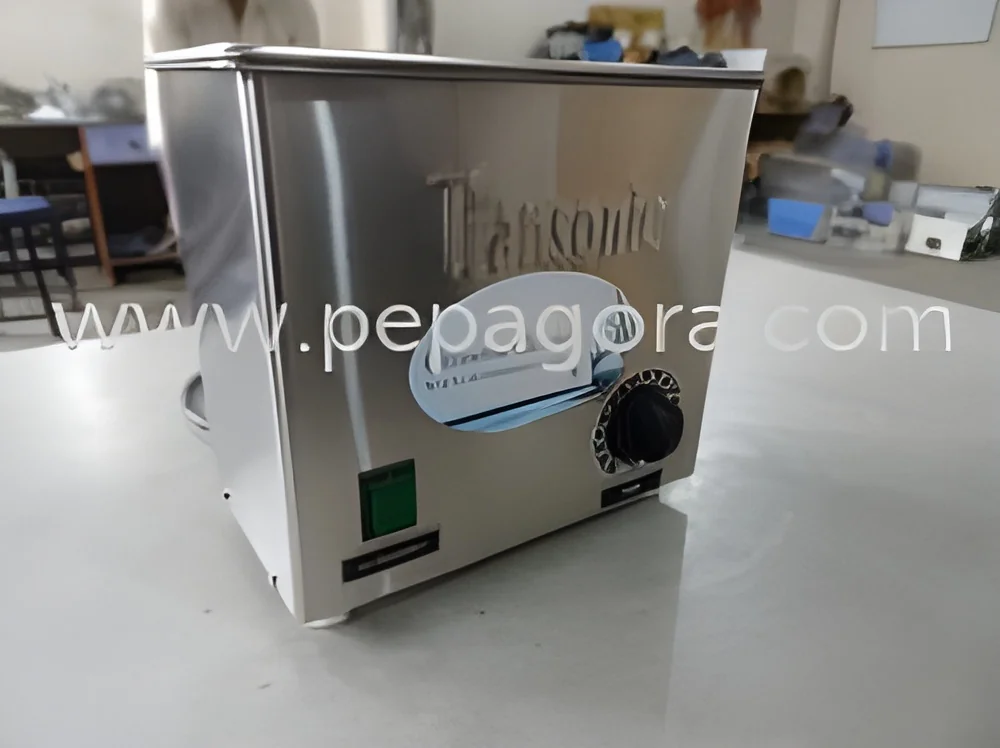
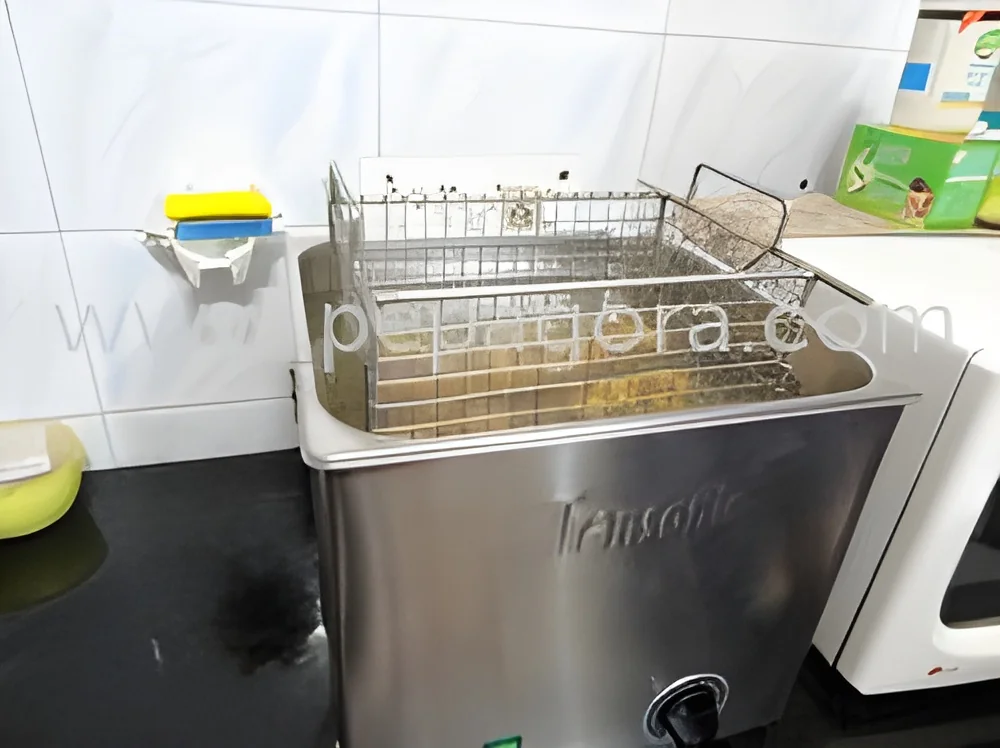
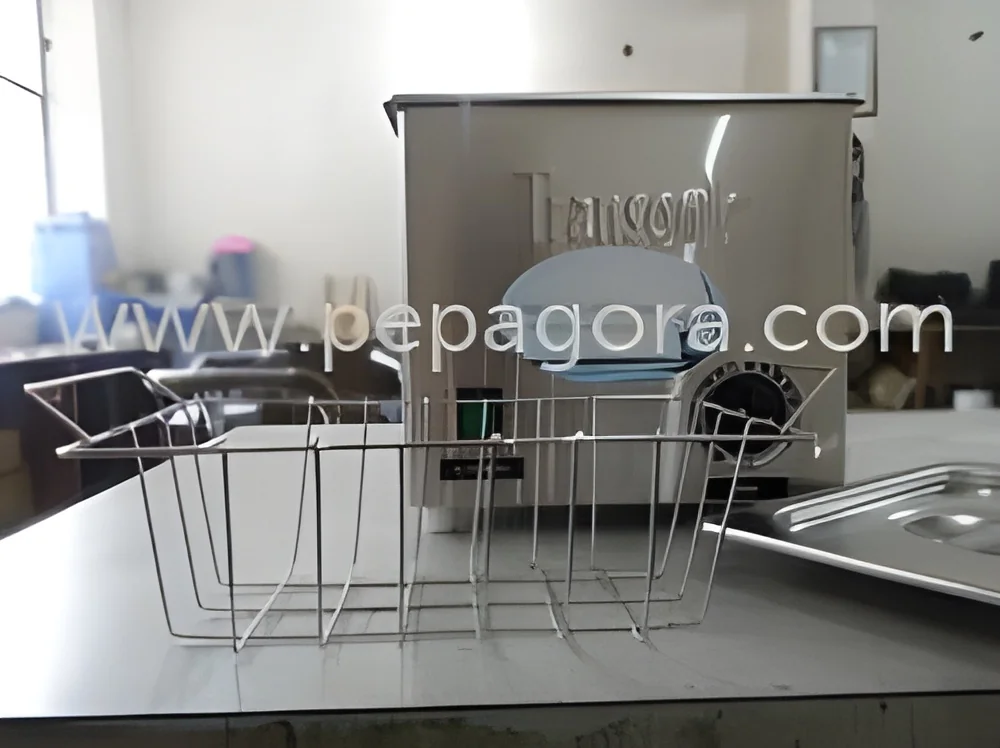
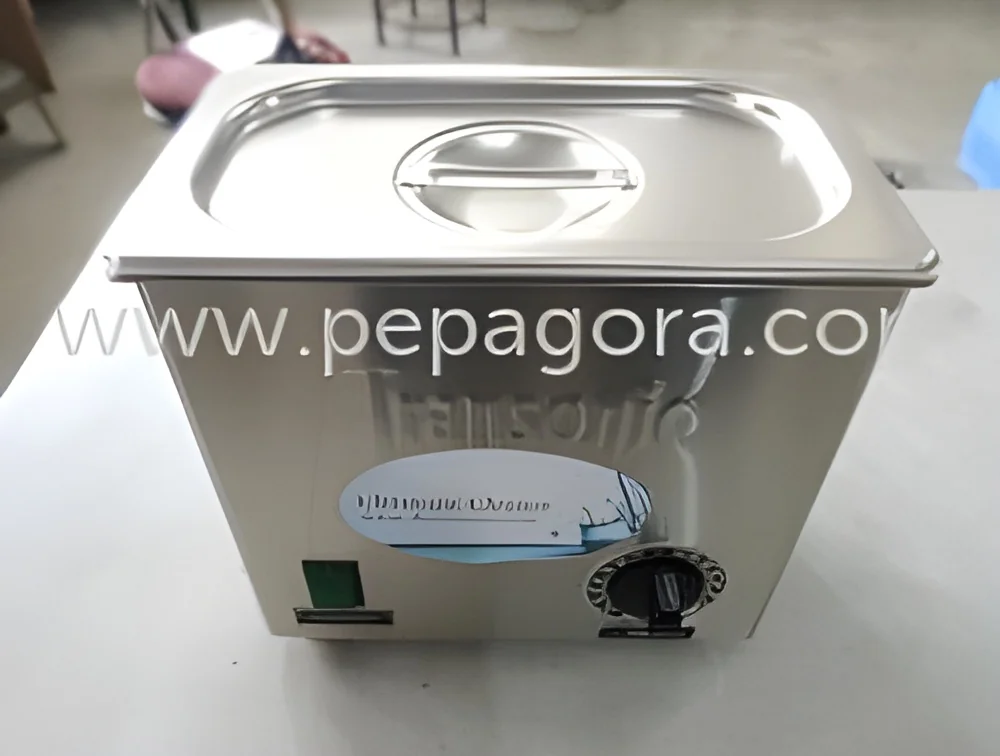
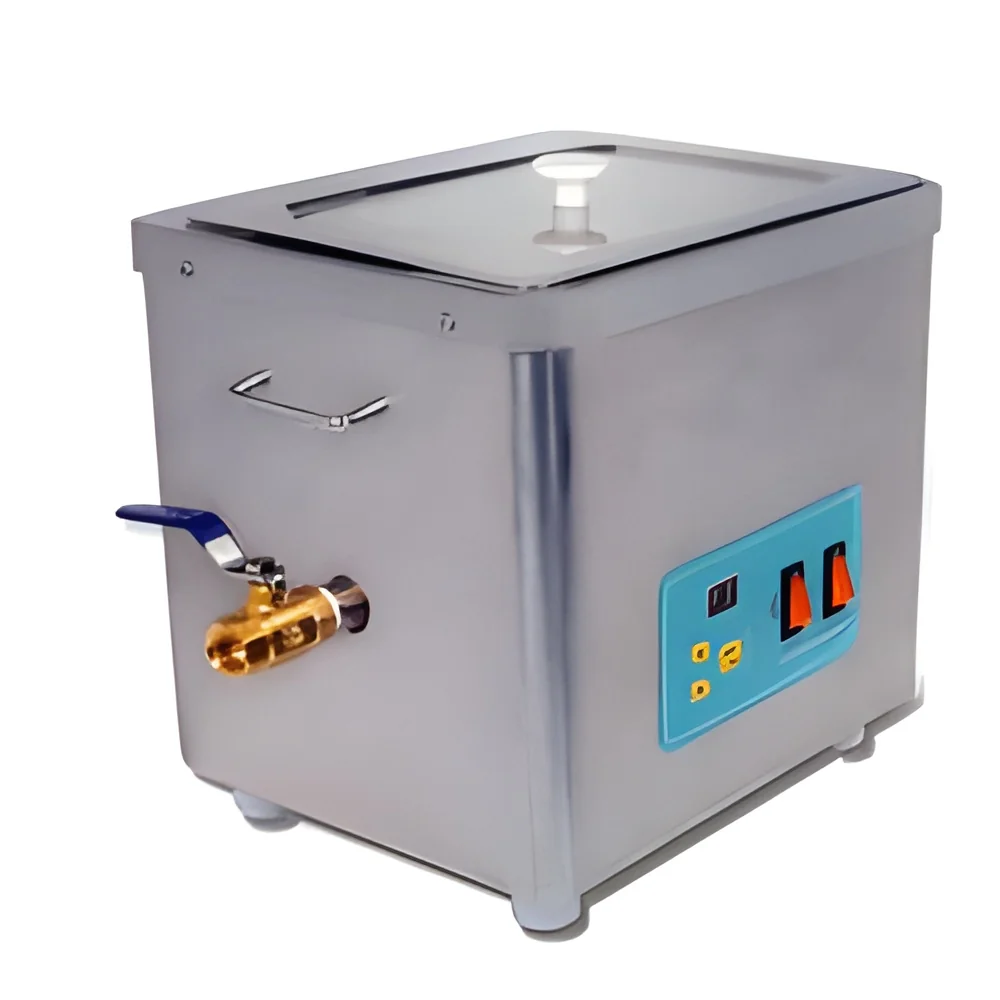
What are Ultrasonic Cleaners?
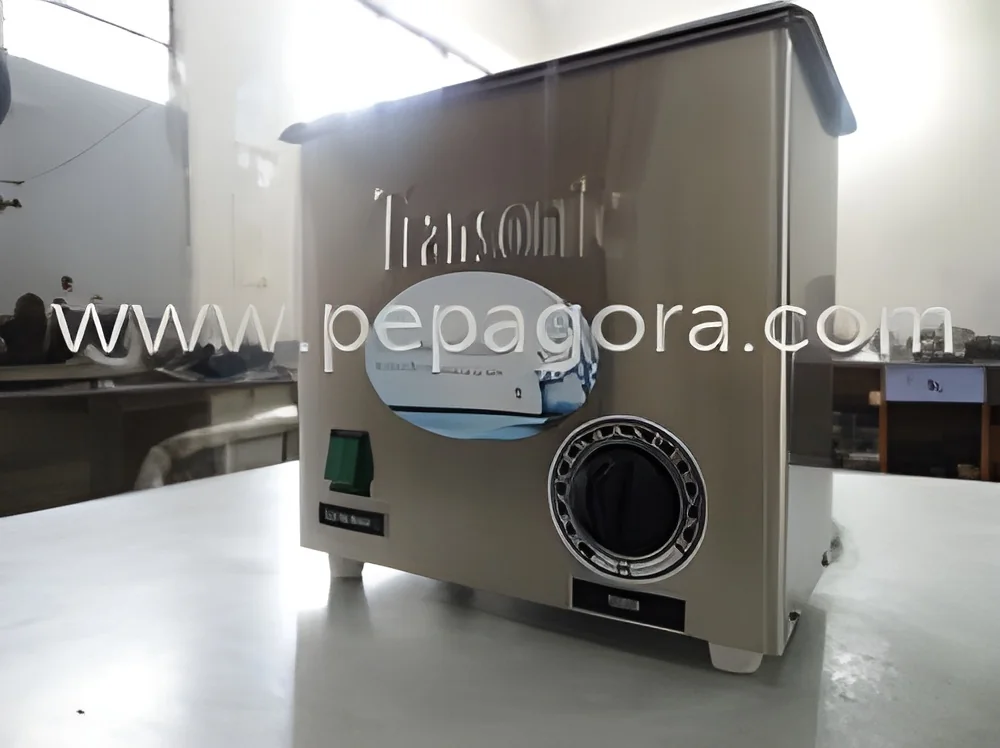
Ultrasonic cleaners are specialized devices that utilize high-frequency sound waves to create tiny bubbles in a liquid cleaning solution. These bubbles implode, generating a powerful scrubbing action that effectively removes dirt, grease, and contaminants from various surfaces. The cleaning process is thorough and reaches intricate details that traditional cleaning methods often miss. This technology is ideal for delicate items, providing a gentle yet effective cleaning solution.
These cleaners are widely used across many industries, including manufacturing, healthcare, jewelry, and electronics. In manufacturing, ultrasonic cleaners are employed to clean intricate machine parts and tools, while in the healthcare sector, they are utilized for sterilizing surgical instruments. Jewelry businesses leverage ultrasonic cleaners to restore the shine of precious items. Given their versatility, ultrasonic cleaners are increasingly being recognized for their efficiency and effectiveness in meeting diverse cleaning needs in various applications.
As the demand for efficient cleaning solutions grows, ultrasonic cleaners have gained prominence in the market. Industry professionals are continuously seeking advanced cleaning technologies that can enhance productivity and ensure quality control. The rise of automation and the need for stringent cleaning standards further contribute to the relevance of ultrasonic cleaners in today's industrial landscape.
Key Features and Specifications
Ultrasonic cleaners come equipped with various features that enhance their cleaning capabilities and operational efficiency. Understanding these specifications is crucial for selecting the right model for specific applications.
Key specifications include:
1. Cleaning Frequency
- Typical frequencies range from 20 kHz to 40 kHz.
- Lower frequencies provide stronger cleaning action, while higher frequencies allow for finer cleaning.
2. Tank Capacity
- Available capacities vary from small units with a few liters to large industrial models exceeding 100 liters.
- The choice of capacity depends on the size and number of items to be cleaned.
3. Heating Capability
- Many ultrasonic cleaners include built-in heating elements.
- Heating the cleaning solution can enhance the cleaning effect, with temperature settings often ranging from ambient to 80 degrees Celsius.
4. Timer Settings
- Most models feature adjustable timers to control cleaning cycles.
- Timers can range from a few minutes to several hours, depending on cleaning needs.
5. Material Construction
- Tanks are typically made of stainless steel for durability and resistance to corrosion.
- Some models may also feature additional coatings for enhanced performance.
6. Power Consumption
- Power ratings usually range from 30 watts to several kilowatts.
- Energy efficiency is an important consideration for operational costs.
7. Noise Levels
- Ultrasonic cleaners can produce varying noise levels based on frequency and design.
- Quiet operation is preferred in environments where noise reduction is essential.
8. Additional Features
- Some models may include features such as degassing functions or filtration systems.
- These enhancements can improve cleaning efficiency and prolong the life of the cleaning solution.
In summary, understanding the key features and specifications of ultrasonic cleaners is essential for making informed purchasing decisions. Selecting the right model can significantly impact cleaning efficiency and operational performance.
Common Applications and Use Cases
Ultrasonic cleaners are versatile and find applications across various industries. Their ability to deliver thorough cleaning makes them invaluable in many settings.
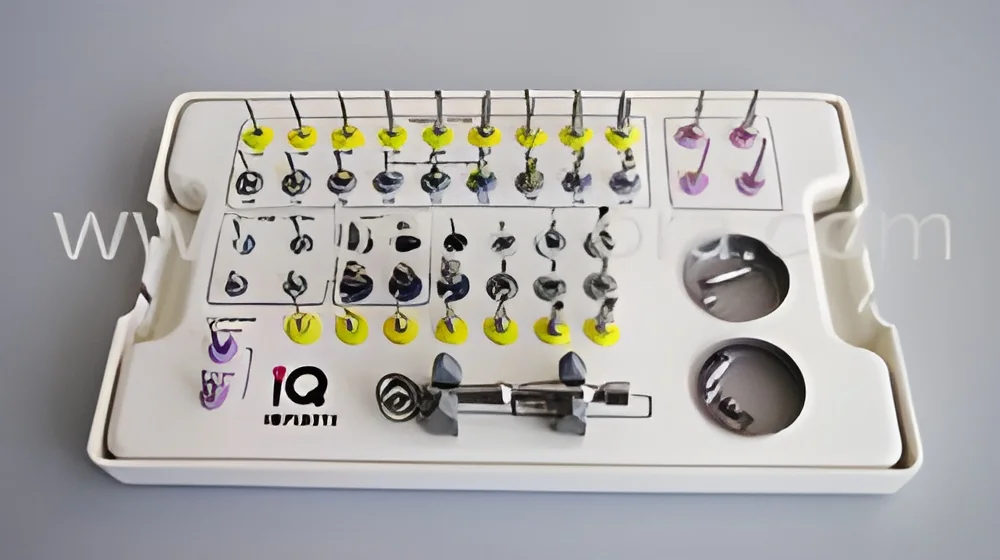
1. Healthcare: Ultrasonic cleaners are used to sterilize surgical instruments and dental tools. They effectively remove contaminants and ensure compliance with hygiene standards.
2. Jewelry: In the jewelry industry, ultrasonic cleaners restore the brilliance of rings, necklaces, and other items. They safely clean intricate designs without causing damage.
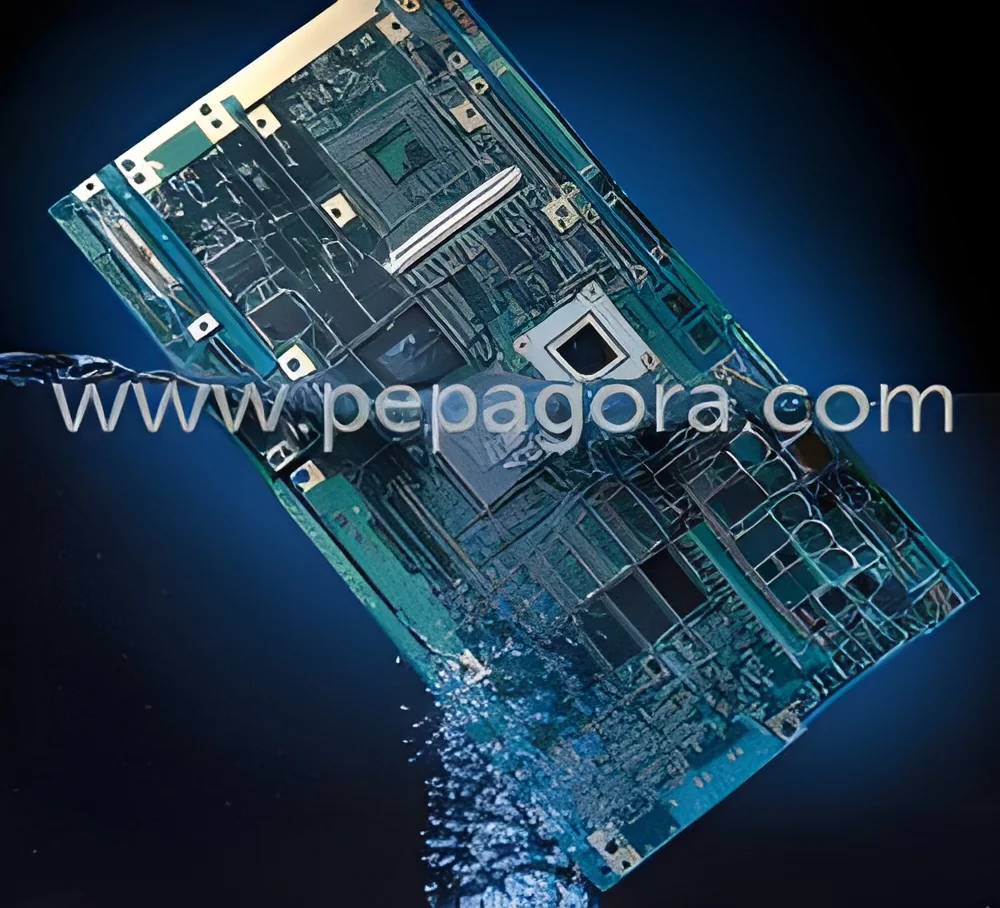
3. Electronics: Ultrasonic cleaners are ideal for cleaning circuit boards and electronic components. They remove dust and residues that could affect performance.
4. Automotive: In the automotive sector, ultrasonic cleaners are used to clean carburetors, fuel injectors, and other engine components. They help maintain optimal performance and longevity.
5. Aerospace: Ultrasonic cleaning is employed for aircraft parts and components. The process ensures that critical parts are free from contaminants that could compromise safety.
6. Manufacturing: Various manufacturing processes utilize ultrasonic cleaners for cleaning tools, molds, and parts. They enhance productivity by reducing downtime associated with manual cleaning.
7. Optics: In the optics industry, ultrasonic cleaners are used to clean lenses and optical instruments. They ensure clarity and precision in optical products.
Product Variants and Subcategories
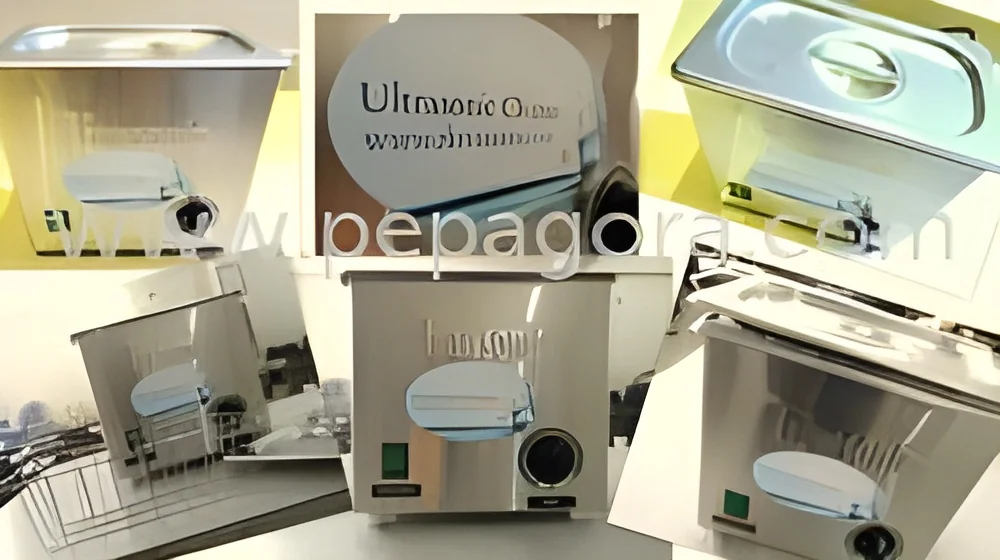
Ultrasonic cleaners are available in a range of variants, each designed to meet specific cleaning needs.
Bench-top Ultrasonic Cleaners
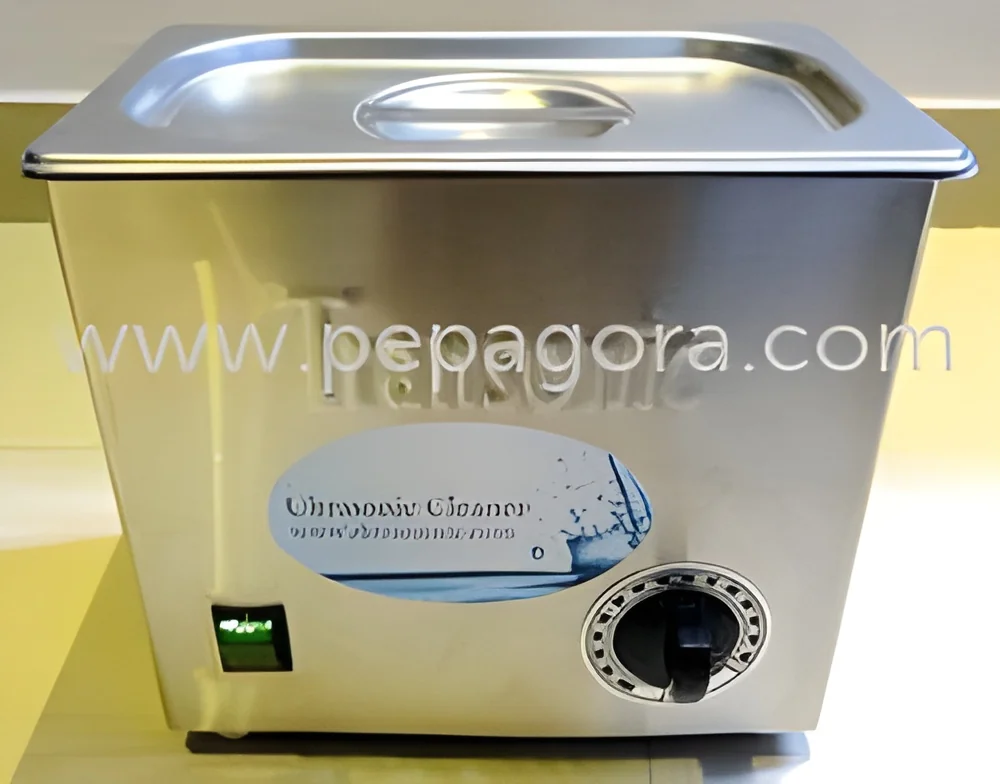
These compact units are suitable for small to medium-sized items. They are user-friendly, often featuring simple controls and are ideal for laboratory or workshop use.
Industrial Ultrasonic Cleaners
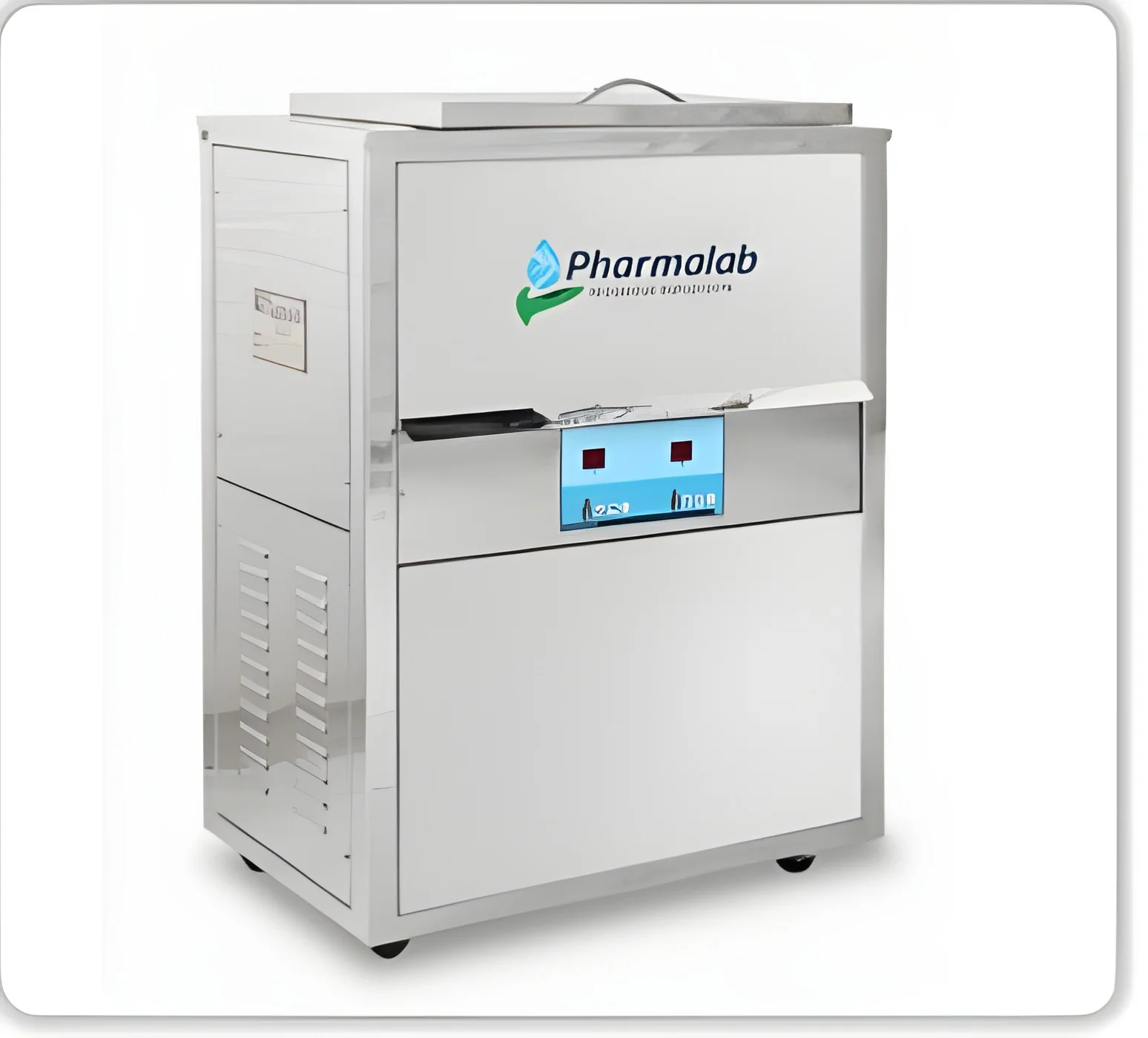
Designed for high-volume cleaning, these robust units can handle large parts and extended cleaning cycles. They are commonly used in manufacturing settings where efficiency is critical.
Portable Ultrasonic Cleaners
These lightweight models are designed for mobility and ease of use. They are suitable for cleaning items in various locations, making them a popular choice for field technicians.
Ultrasonic Cleaning Baths
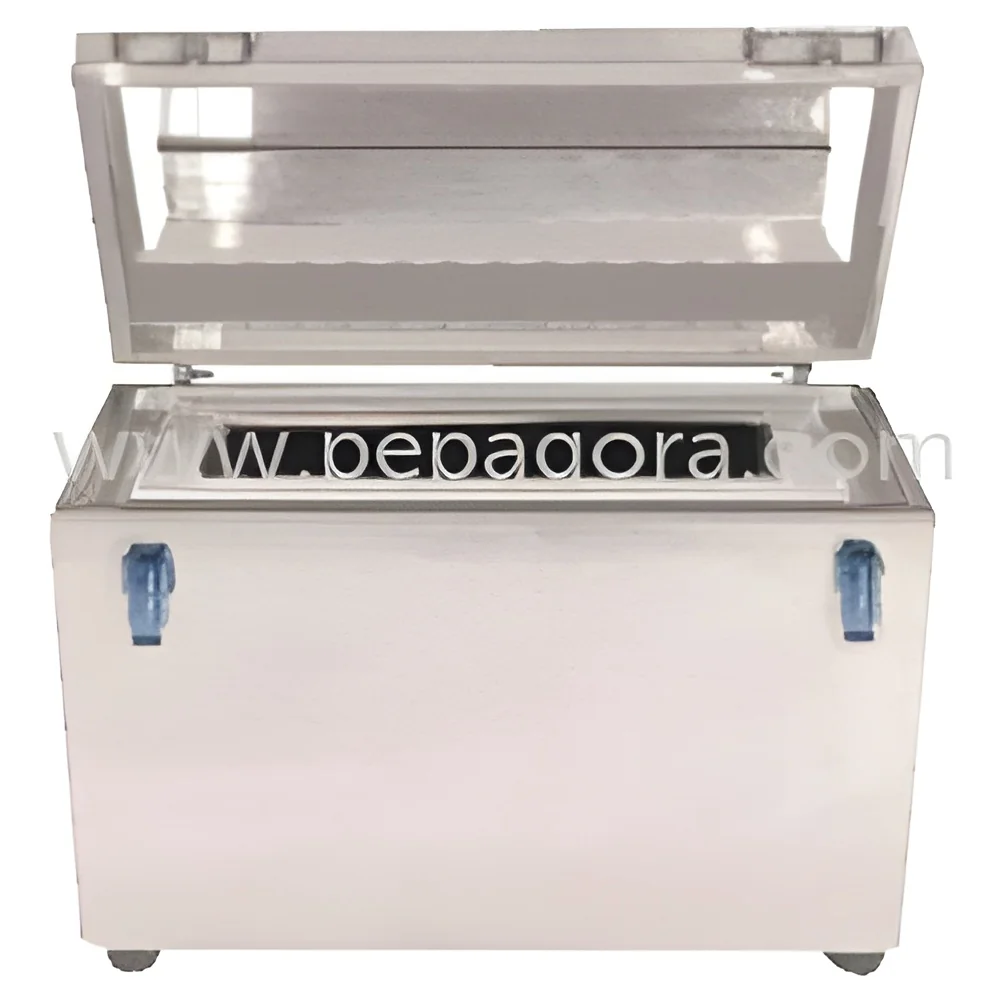
These larger systems are intended for extensive cleaning applications. They can accommodate multiple items simultaneously and are often used in industrial environments.
Benefits and Advantages
Ultrasonic cleaners offer numerous benefits that make them an attractive choice for businesses looking to enhance their cleaning processes.
1. Thorough Cleaning: The cavitation process ensures that even hard-to-reach areas are cleaned effectively, resulting in superior cleanliness.
2. Time Efficiency: Ultrasonic cleaning typically requires less time than traditional methods, allowing for faster turnaround and increased productivity.
3. Gentle on Items: The technology is safe for delicate items, reducing the risk of damage during the cleaning process.
4. Reduced Labor Costs: Automating the cleaning process minimizes the need for manual labor, leading to cost savings.
5. Environmentally Friendly: Ultrasonic cleaners generally require fewer harsh chemicals, making them a more eco-friendly cleaning option.
6. Versatile Applications: Their adaptability allows them to be used in various industries, from healthcare to manufacturing.
Buying Guide for B2B Buyers
When sourcing ultrasonic cleaners, there are several key factors to consider to ensure you select the right model for your needs.
1. Quality Assessment: Evaluate the build quality and materials used in the construction of the ultrasonic cleaner. Look for reputable brands that adhere to industry standards for reliability.
2. Supplier Verification: Vet suppliers carefully to ensure they have a history of providing quality products and reliable customer service. Check for reviews and testimonials from other businesses.
3. Pricing and MOQ: Compare pricing from different suppliers and understand the minimum order quantity (MOQ) requirements. This will help you manage your budget effectively.
4. Delivery and Lead Times: Inquire about delivery options and lead times to ensure that you can receive the ultrasonic cleaner when needed. Timely delivery is crucial for maintaining operational efficiency.
5. Compliance Requirements: Ensure that the ultrasonic cleaners meet relevant compliance and safety standards. This may include certifications such as CE and UL, which indicate adherence to quality and safety regulations.
Compliance and Certifications
Ultrasonic cleaners must comply with various quality and safety standards to ensure they operate effectively and safely. Relevant standards include ISO 9001, which focuses on quality management systems, and HACCP, which outlines food safety management protocols.
Industry certifications such as CE and UL are important for demonstrating product safety and compliance with regulations. These certifications indicate that the products have been tested and meet specific safety criteria.
Additionally, ultrasonic cleaners may be subject to safety and testing requirements that vary by region. Businesses should be aware of local regulations and ensure that their equipment complies with applicable laws.
In summary, understanding compliance and certifications is vital for B2B buyers. It ensures that the ultrasonic cleaners they source are safe, effective, and suitable for their intended applications.
Why Source Ultrasonic Cleaners from Pepagora?
Pepagora provides a trusted platform for sourcing ultrasonic cleaners, offering several key advantages that benefit B2B buyers.
Verified Supplier Network: Pepagora connects buyers with a network of verified suppliers, ensuring that customers have access to quality products from reputable manufacturers. This network reduces the risk associated with sourcing equipment.
Streamlined RFQ Process: The Request for Quotation (RFQ) process on Pepagora is designed to be user-friendly, allowing buyers to easily submit inquiries and receive competitive quotes from multiple suppliers. This efficiency saves time and effort in the sourcing process.
Trade Assurance and Support: Pepagora offers trade assurance to protect buyers, providing confidence in their purchasing decisions. Customer support is also available to assist with any inquiries or issues that may arise during the sourcing process.
Regional Coverage: With a strong presence in regions such as India, the Gulf Cooperation Council (GCC), and Southeast Asia, Pepagora ensures that buyers have access to ultrasonic cleaners tailored to their local market needs. This regional reach enhances the sourcing experience for businesses across diverse industries.

 IN
IN