What are CT Scanners?
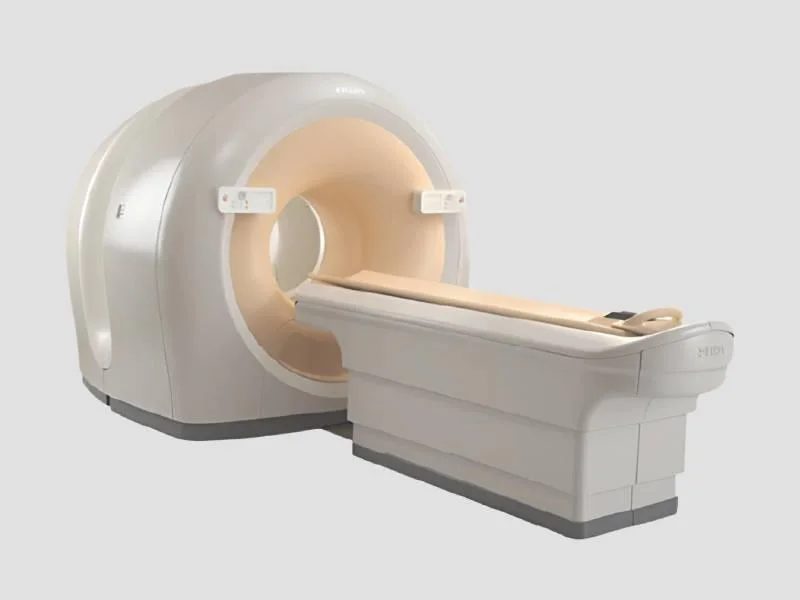
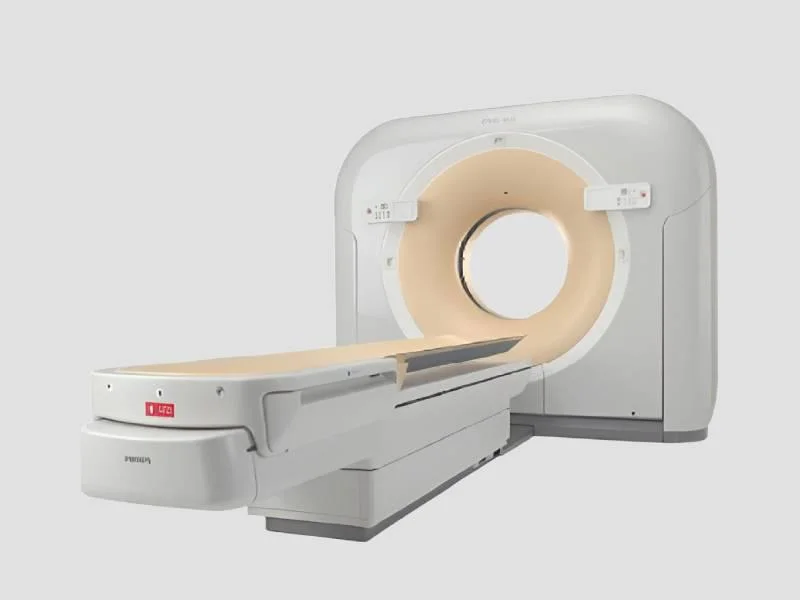
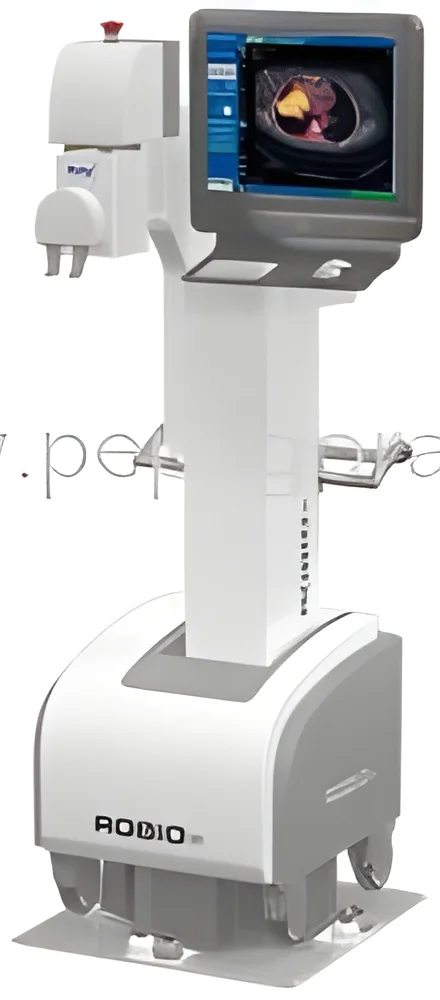
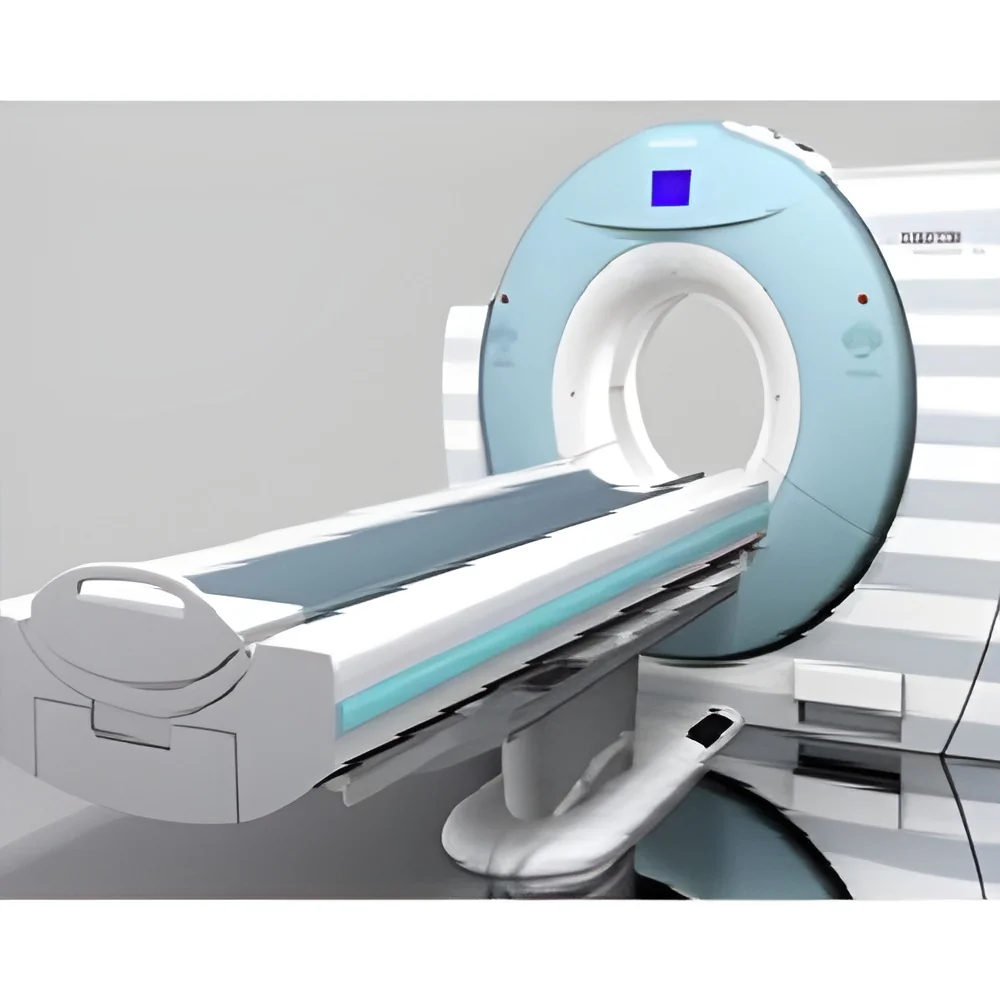
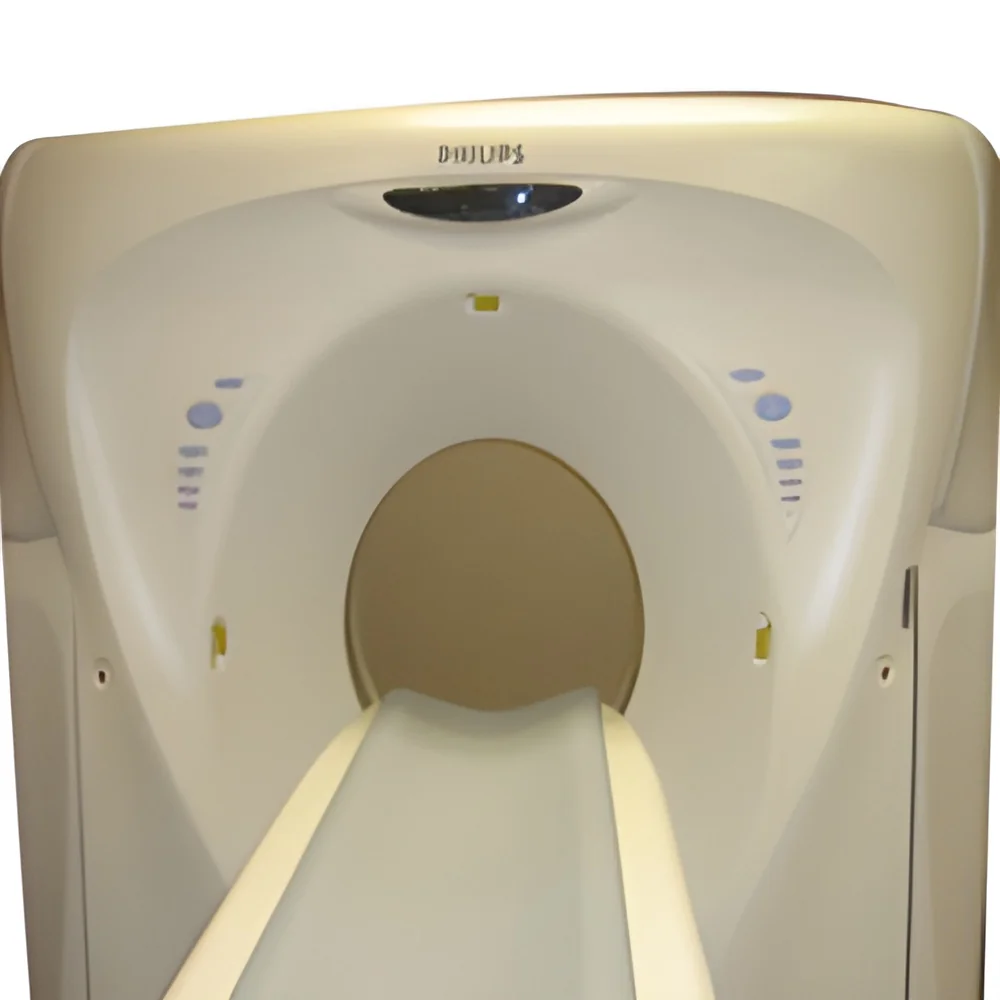
CT scanners, or computed tomography scanners, are advanced medical imaging devices that utilize X-ray technology to create detailed cross-sectional images of the body. These images provide a comprehensive view of internal structures, enabling healthcare professionals to diagnose and monitor various medical conditions. CT scanners work by rotating an X-ray source around the patient, capturing multiple images from different angles, which are then processed by computer algorithms to generate precise 3D representations.
CT scanners are primarily used in hospitals and medical facilities for diagnostic purposes. They assist in evaluating injuries, detecting tumors, and planning surgical interventions. Additionally, they are valuable in various fields such as oncology, orthopedics, and emergency medicine. The increasing prevalence of chronic diseases and the rising demand for non-invasive diagnostic tools are driving the growth of the CT scanner market globally. As technology advances, the relevance of CT scanners in medical imaging continues to expand, making them essential tools in modern healthcare.
Key Features and Specifications
CT scanners are equipped with numerous features that enhance their performance and usability. These features contribute to their effectiveness in delivering high-quality diagnostic images while ensuring patient safety.
Key specifications include:
1. Imaging Technology
- Utilizes advanced detector technology for improved resolution.
- Capable of generating high-quality images even in challenging scenarios.
2. Scan Speed
- Fast scanning capabilities that reduce patient exposure to radiation.
- Shorter scan times enhance patient throughput in busy medical facilities.
3. Slice Thickness
- Adjustable slice thickness options for customized imaging.
- Ranges typically from 0.5 mm to 10 mm depending on the model.
4. Radiation Dose Management
- Features advanced dose modulation techniques to minimize exposure.
- Ensures optimal image quality while safeguarding patient safety.
5. Software Integration
- Compatibility with advanced imaging software for enhanced analysis.
- Facilitates seamless integration with hospital information systems.
6. Ergonomics and Design
- Patient-friendly designs that enhance comfort during scans.
- Compact models available for limited space environments.
7. Multi-Detector Capability
- Multi-slice CT technology for rapid image acquisition.
- Increased efficiency in capturing detailed images of larger areas.
8. 3D Reconstruction
- Advanced algorithms for generating 3D images from 2D scans.
- Allows for comprehensive analysis and improved diagnostic capabilities.
In summary, CT scanners are sophisticated imaging systems that combine advanced technology with user-friendly features to deliver high-quality diagnostic results.
Common Applications and Use Cases
CT scanners serve various industries beyond traditional healthcare.
1. Healthcare: In hospitals, CT scanners are used for diagnosing a wide range of conditions, including cancers, vascular diseases, and traumatic injuries. They play a critical role in emergency departments for rapid assessment.
2. Veterinary Medicine: Veterinary hospitals utilize CT scanners for imaging pets and livestock, assisting in diagnosing conditions such as tumors and fractures.
3. Research Institutions: CT scanners are employed in research settings for anatomical studies and in fields like archaeology to analyze artifacts without damaging them.
4. Industrial Applications: In non-destructive testing, CT scanners are used to inspect the integrity of materials and components in manufacturing processes.
5. Security: CT scanners are widely used in airport security for baggage scanning, helping to detect concealed items effectively.
6. Education: Medical schools use CT scanners for training purposes, providing students with practical experience in imaging techniques.
7. Forensics: CT scanners are increasingly used in forensic science to examine remains and gather evidence without physical manipulation.
Product Variants and Subcategories
CT scanners are available in various configurations to meet the diverse needs of medical facilities.
High-Performance CT Scanners
These scanners offer superior imaging capabilities and faster scan speeds, making them ideal for hospitals that require high throughput and detailed diagnostic images.
Portable CT Scanners
Designed for mobility, portable CT scanners can be used in emergency situations or in smaller medical facilities where space is limited. They provide essential imaging capabilities without compromising quality.
Cone Beam CT Scanners
This variant is specifically designed for dental and maxillofacial imaging. Cone beam technology allows for high-resolution 3D images, which are crucial for treatment planning in dentistry.
Benefits and Advantages
CT scanners offer numerous benefits to healthcare providers and patients alike.
1. Enhanced Diagnostic Accuracy: High-resolution imaging enables more accurate diagnoses, leading to better treatment outcomes.
2. Speed and Efficiency: Rapid scan times improve patient throughput and reduce waiting times in medical facilities.
3. Non-Invasive Procedure: CT scans provide detailed images without the need for invasive procedures, minimizing patient discomfort.
4. Versatility: CT scanners can be used for a wide range of applications across various medical specialties.
5. Improved Patient Safety: Advanced dose management technologies reduce radiation exposure, ensuring patient safety during imaging.
6. Comprehensive Analysis: 3D reconstruction capabilities allow for in-depth analysis, aiding in complex diagnostic evaluations.
Buying Guide for B2B Buyers
When sourcing CT scanners, it is essential for B2B buyers to consider several critical factors.
1. Quality Assessment: Ensure that the CT scanners meet established quality standards and provide reliable performance. Look for certifications and user reviews as indicators of quality.
2. Supplier Verification: Vet suppliers thoroughly by checking their credentials, customer feedback, and industry reputation. Reliable suppliers will have a proven track record in delivering quality products.
3. Pricing and MOQ: Consider the total cost of ownership, including initial purchase price, maintenance, and operational costs. Be aware of the minimum order quantities, as they can vary significantly among suppliers.
4. Delivery and Lead Times: Confirm the expected delivery timelines to ensure that your medical facility can maintain operations without delays. Clear communication about lead times is crucial.
5. Compliance Requirements: Understand the regulatory requirements specific to your region, including safety standards and certifications that must be met before purchasing and using CT scanners.
Compliance and Certifications
CT scanners must adhere to various industry standards and certifications to ensure safety and quality. ISO 9001 is a widely recognized quality management standard that many manufacturers strive to meet. This certification indicates a commitment to continuous improvement and customer satisfaction.
Additionally, CE marking is essential for CT scanners sold in the European market, signifying compliance with health, safety, and environmental protection standards. Manufacturers must also follow safety and testing protocols to ensure that their devices operate within safe limits and protect patients and operators.
Regional compliance considerations may vary, so it is important for buyers to research the specific requirements in their area. Adhering to these standards not only ensures legal compliance but also promotes trust in the equipment used in medical settings.
Why Source CT Scanners from Pepagora?
Pepagora is a trusted platform for sourcing high-quality CT scanners, offering several key advantages to B2B buyers.
Verified Supplier Network: Pepagora connects buyers with a network of verified suppliers, ensuring that you can trust the quality of the products you are purchasing. This network includes reputable manufacturers with proven experience in the medical imaging industry.
Streamlined RFQ Process: The request for quotation process is simplified on Pepagora, allowing buyers to easily compare offers from different suppliers. This efficiency helps in making informed purchasing decisions quickly.
Trade Assurance and Support: Pepagora provides trade assurance to protect buyers throughout the transaction process. In addition, dedicated support teams are available to assist with any inquiries or issues that may arise.
Regional Coverage: With a presence in key markets such as India, the GCC, and Southeast Asia, Pepagora offers extensive regional coverage. This geographic reach ensures that buyers can find suitable CT scanner solutions tailored to their specific needs.

 IN
IN