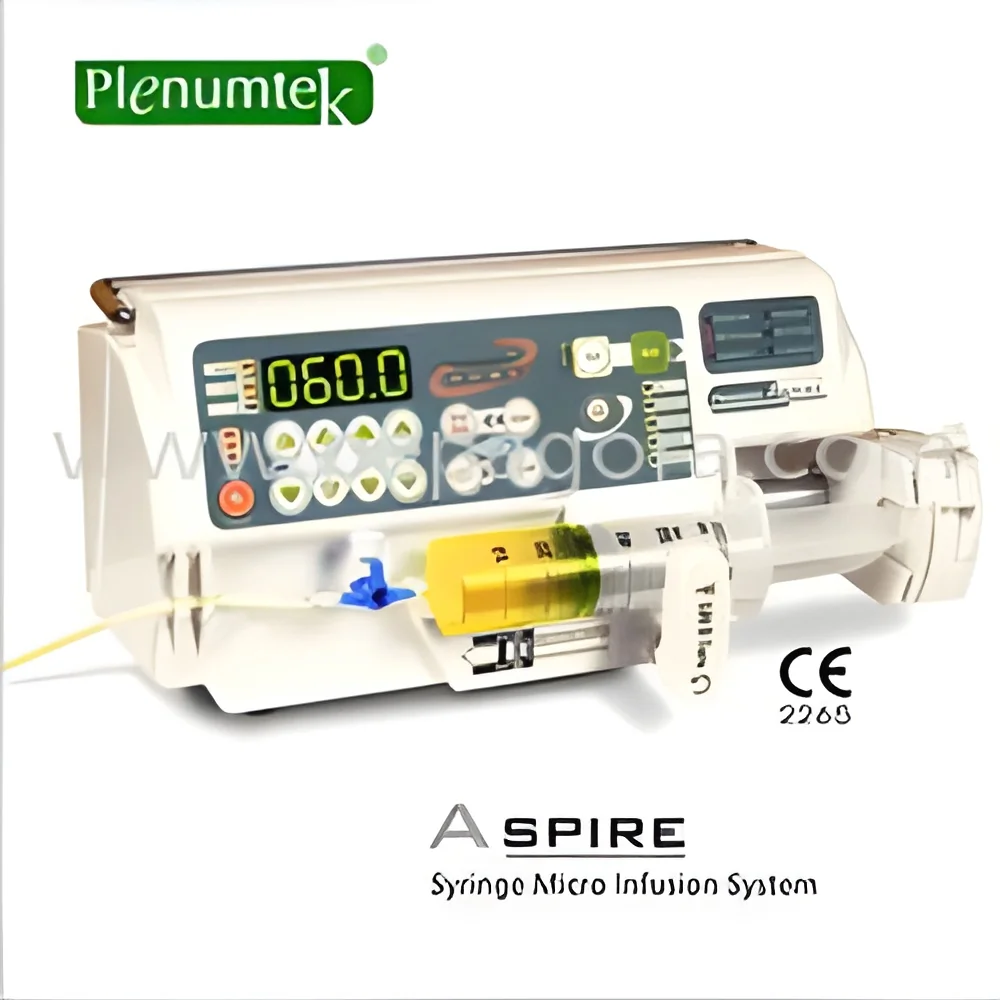
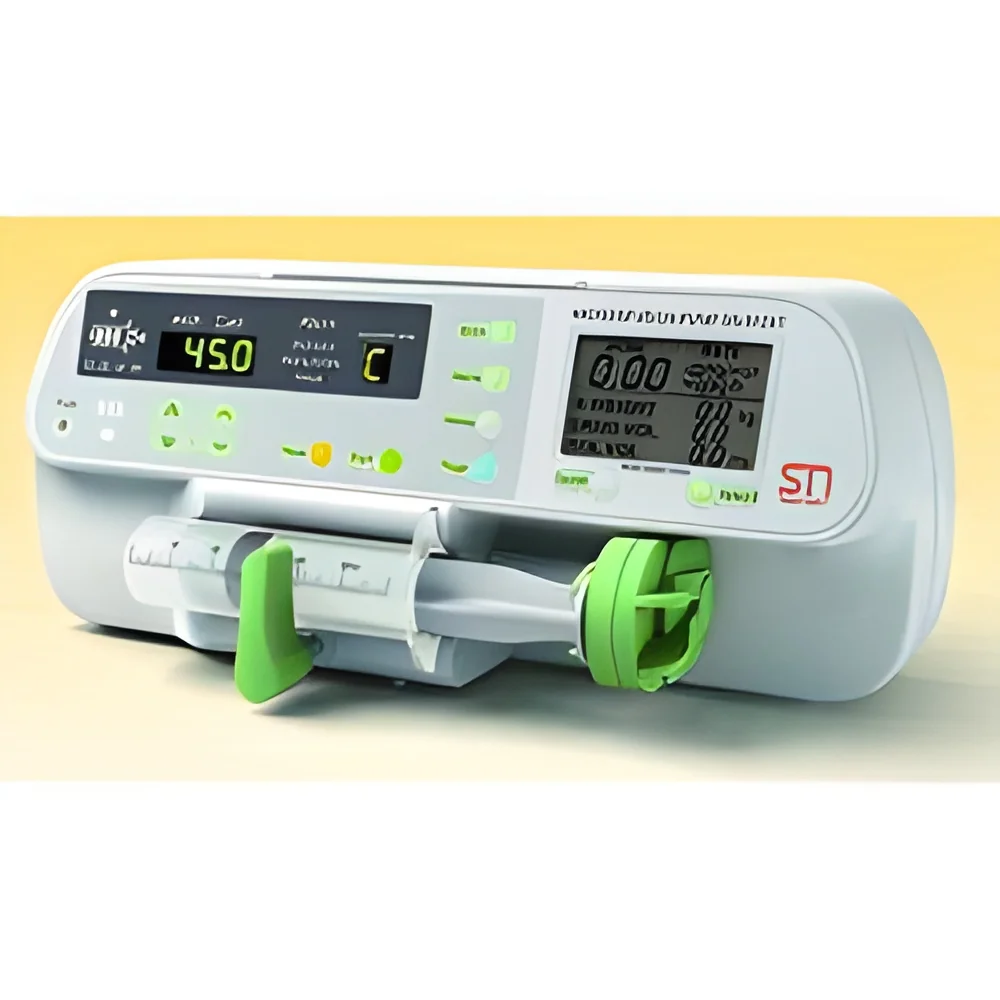
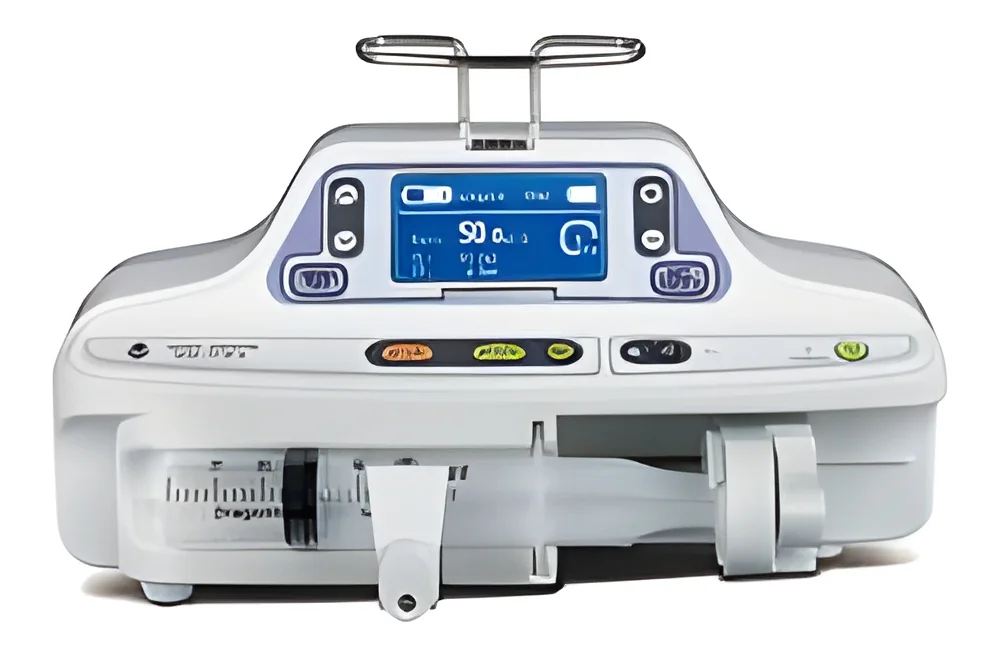
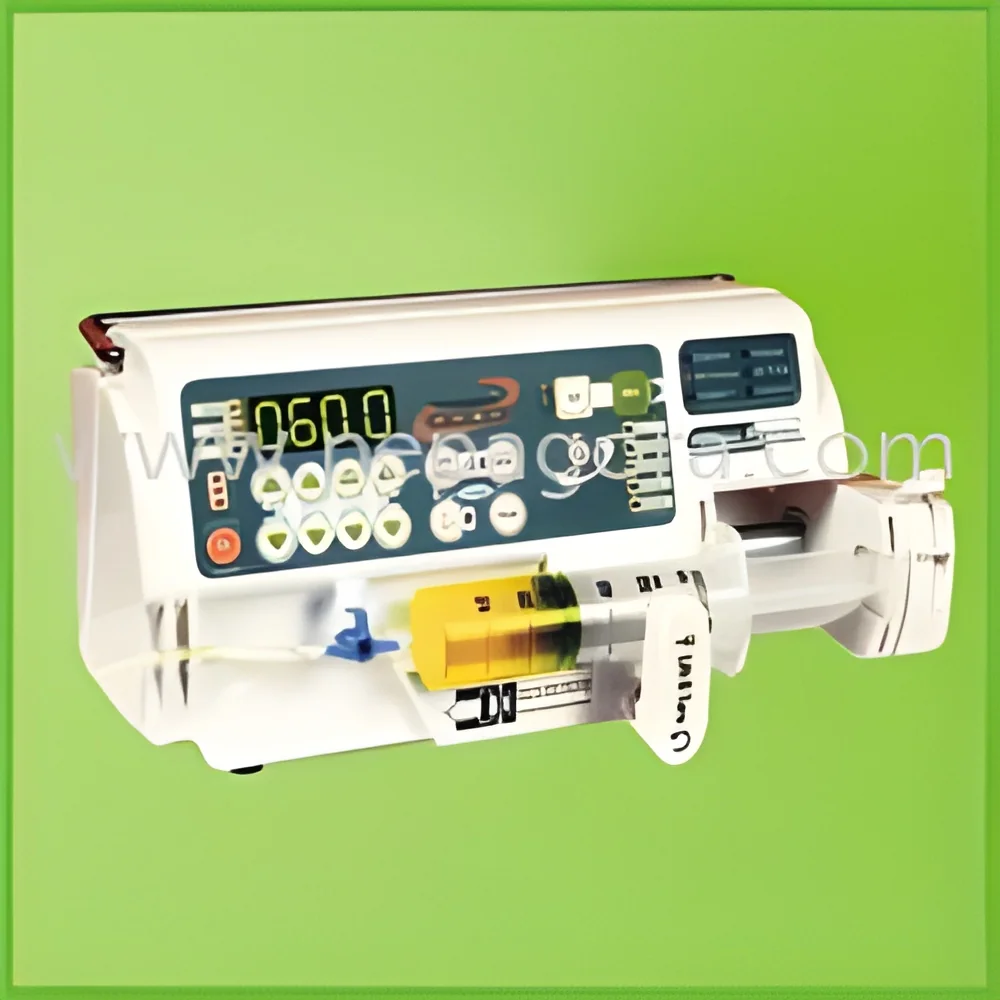
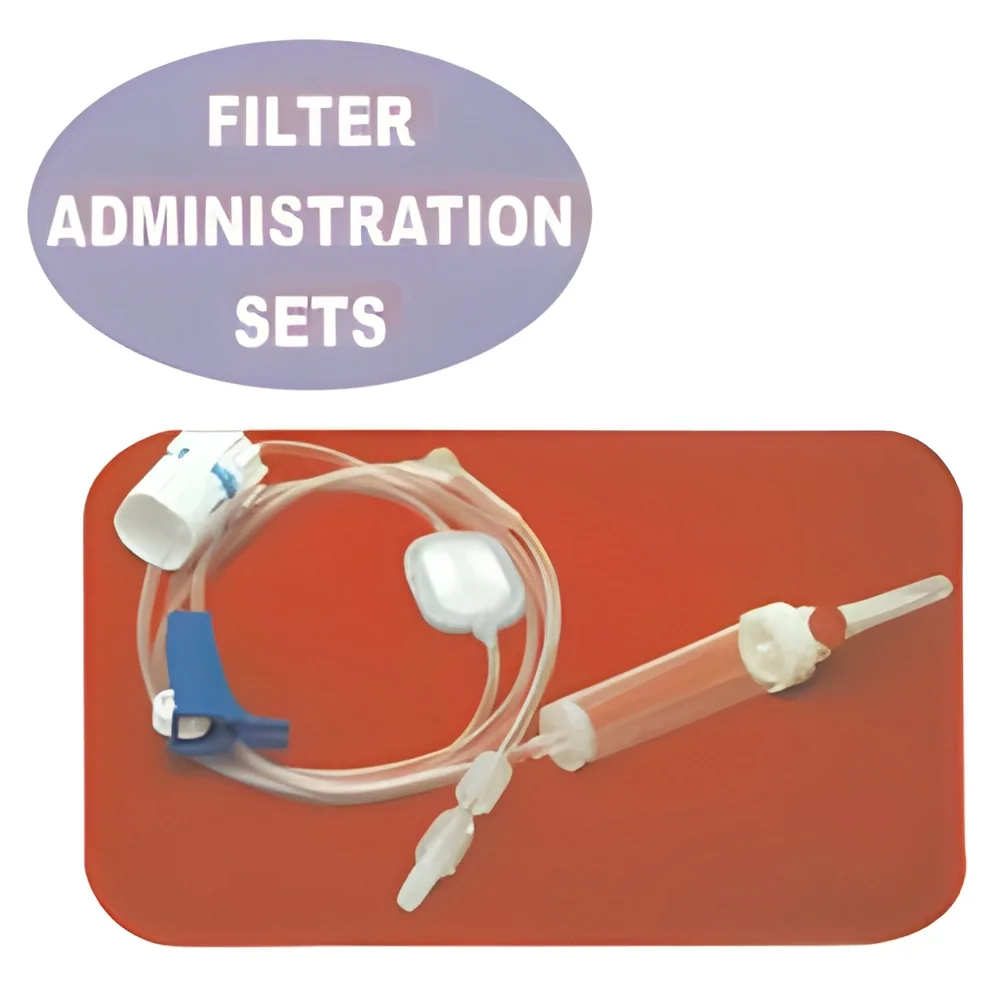
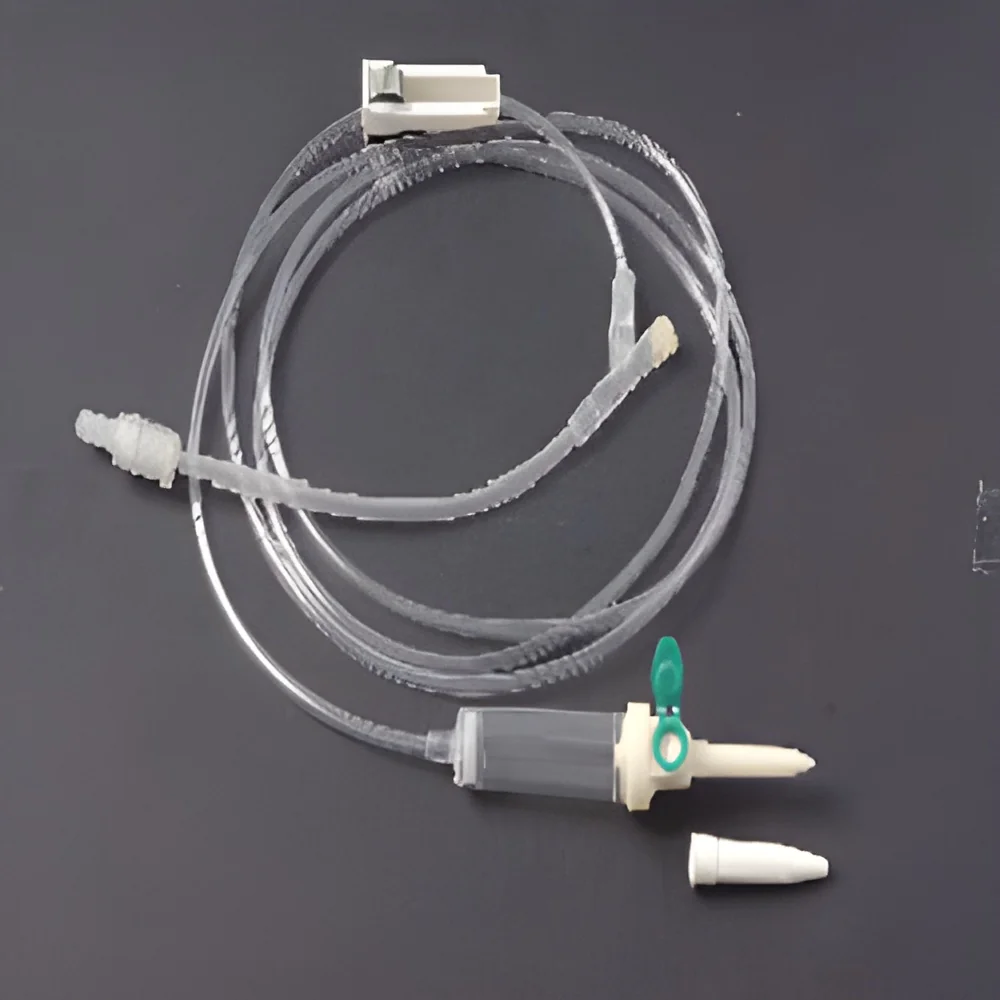
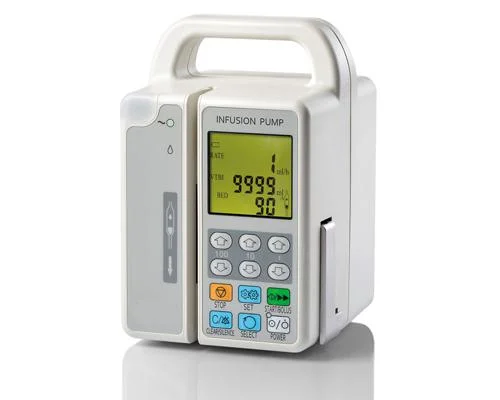
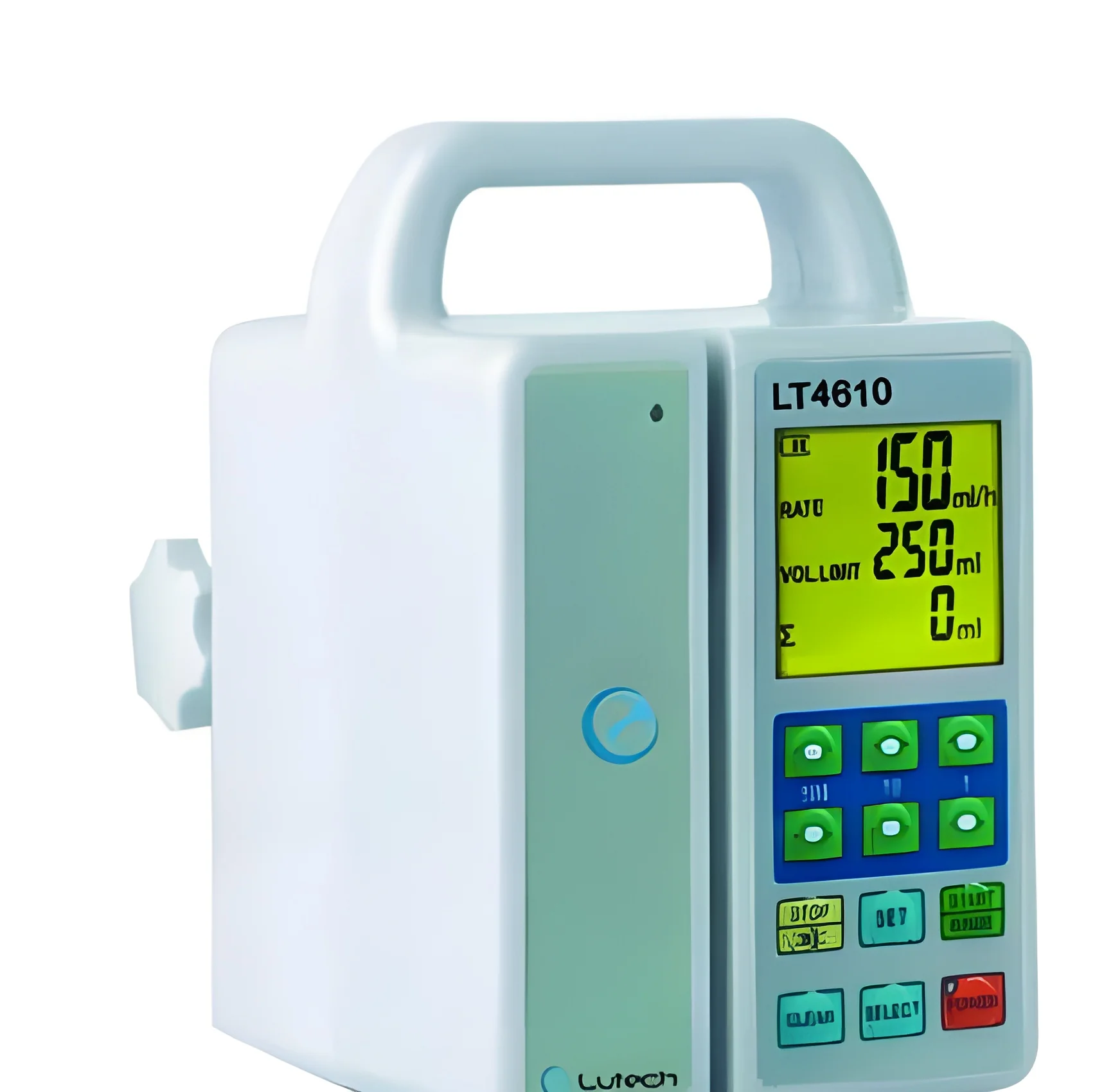
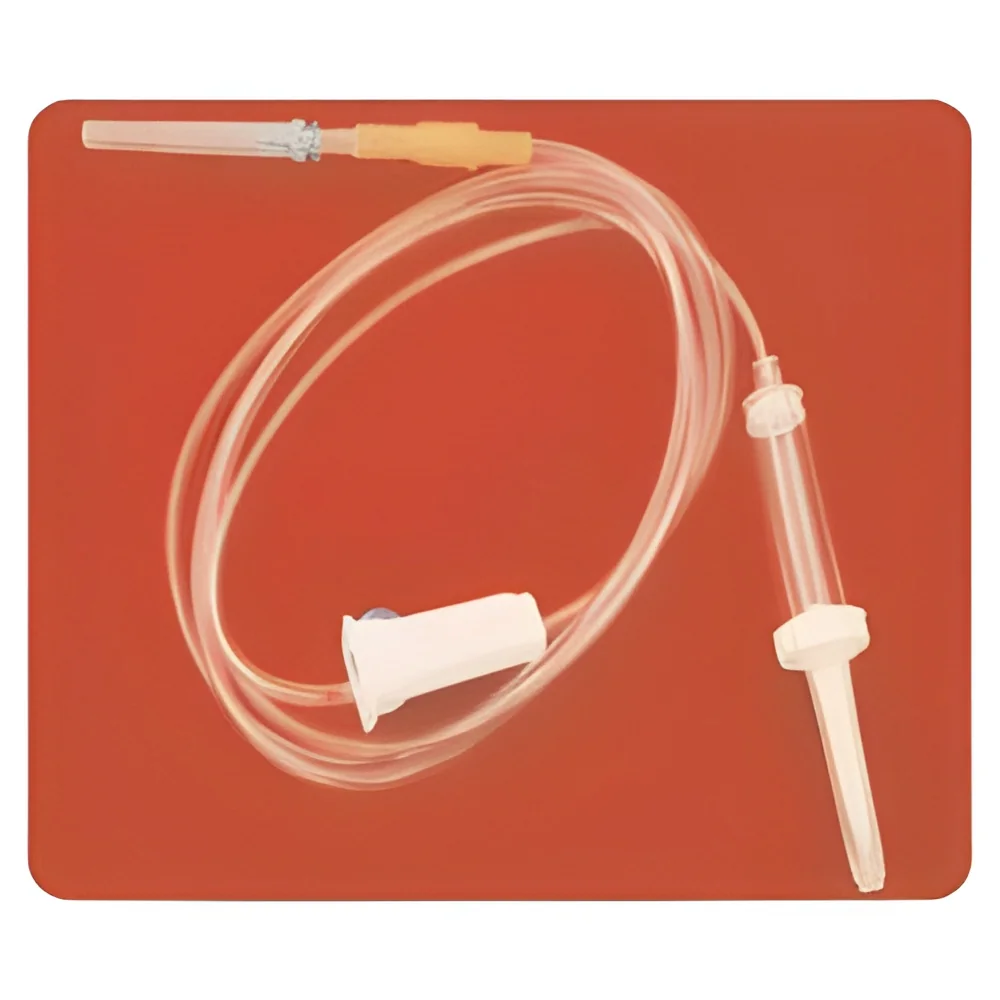
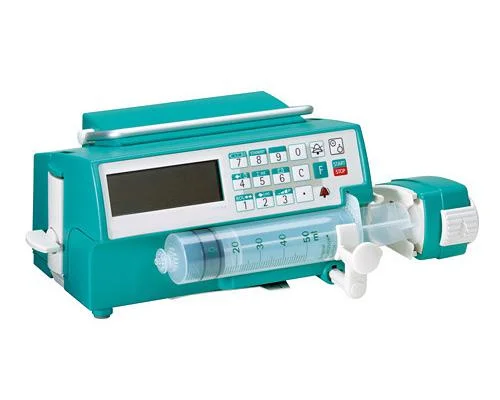
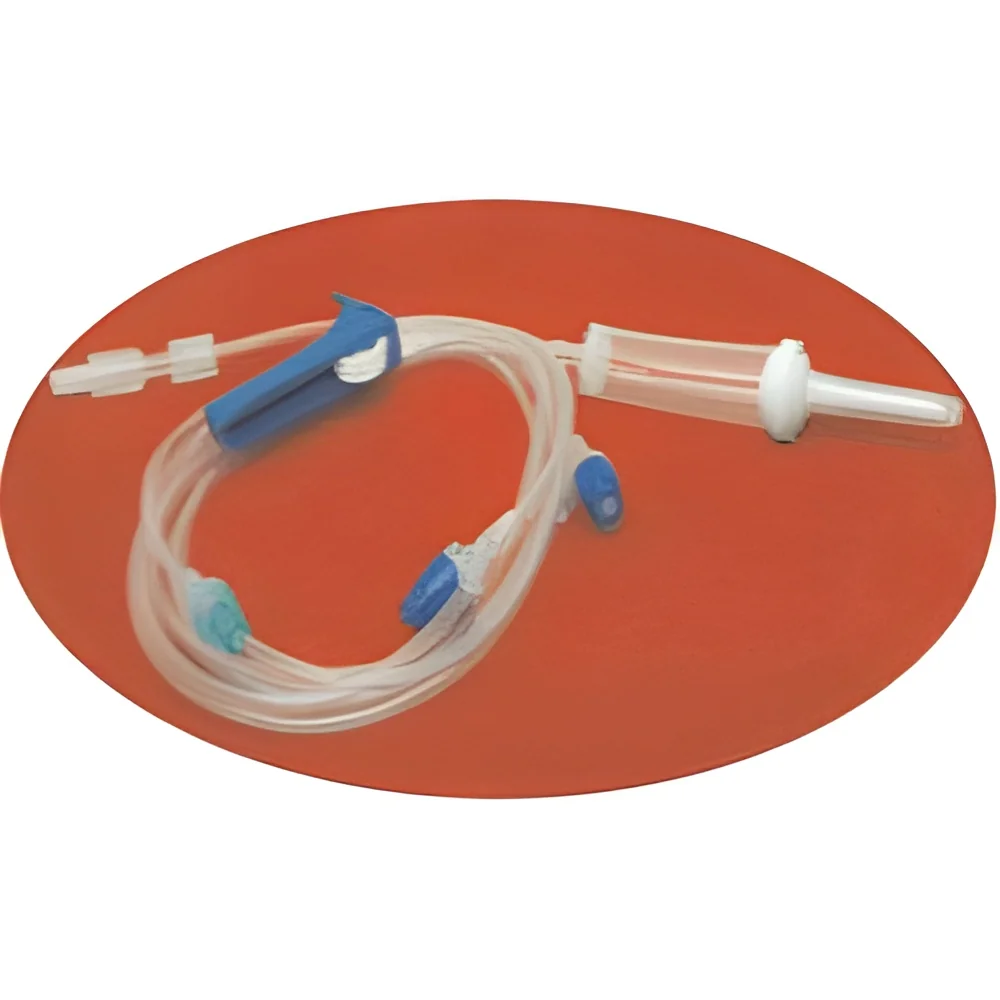
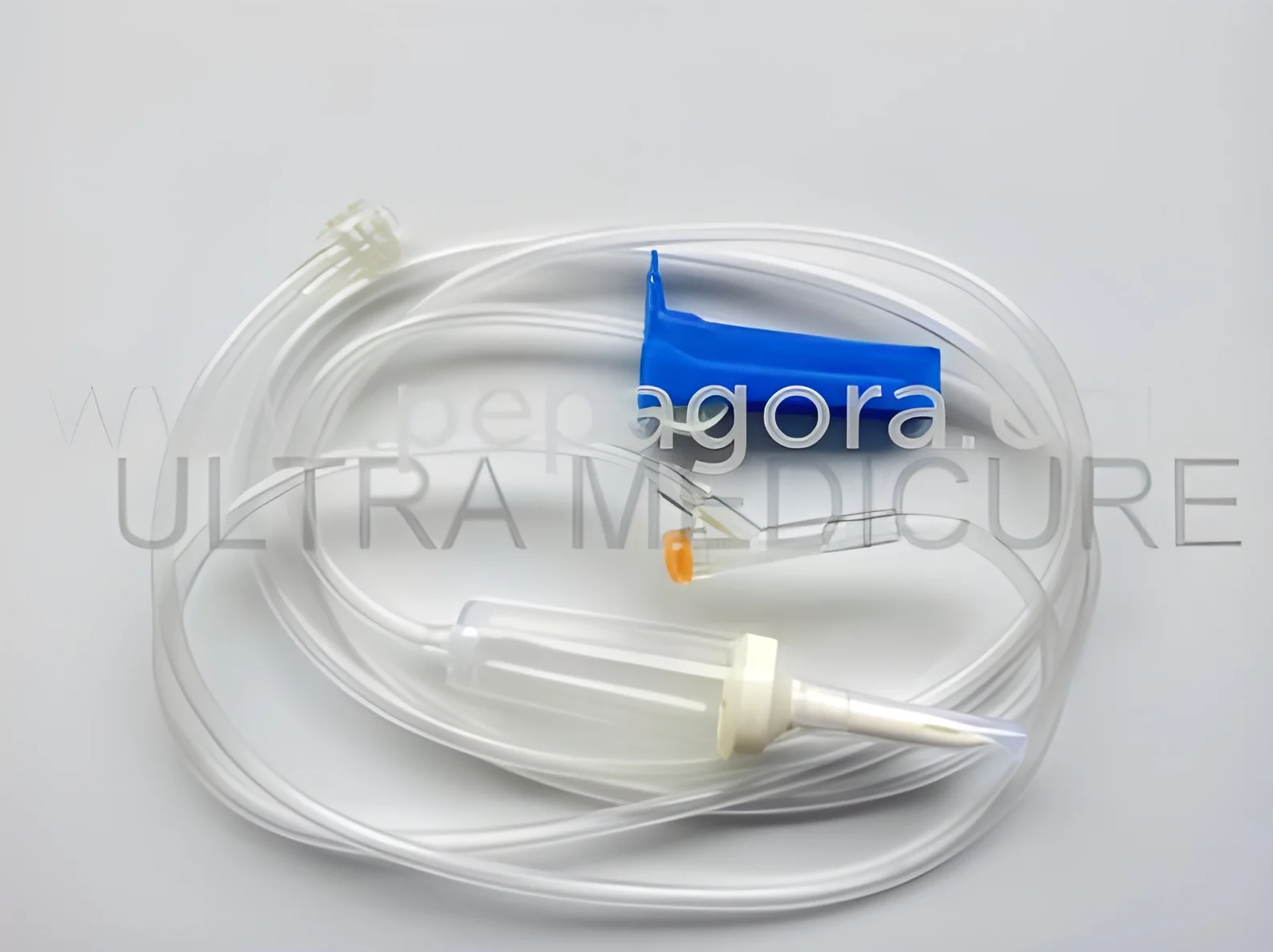
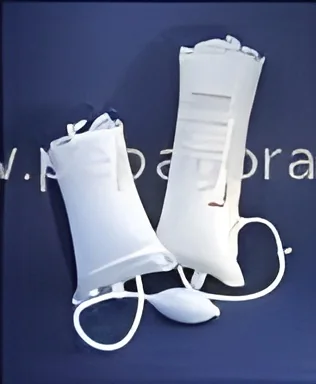
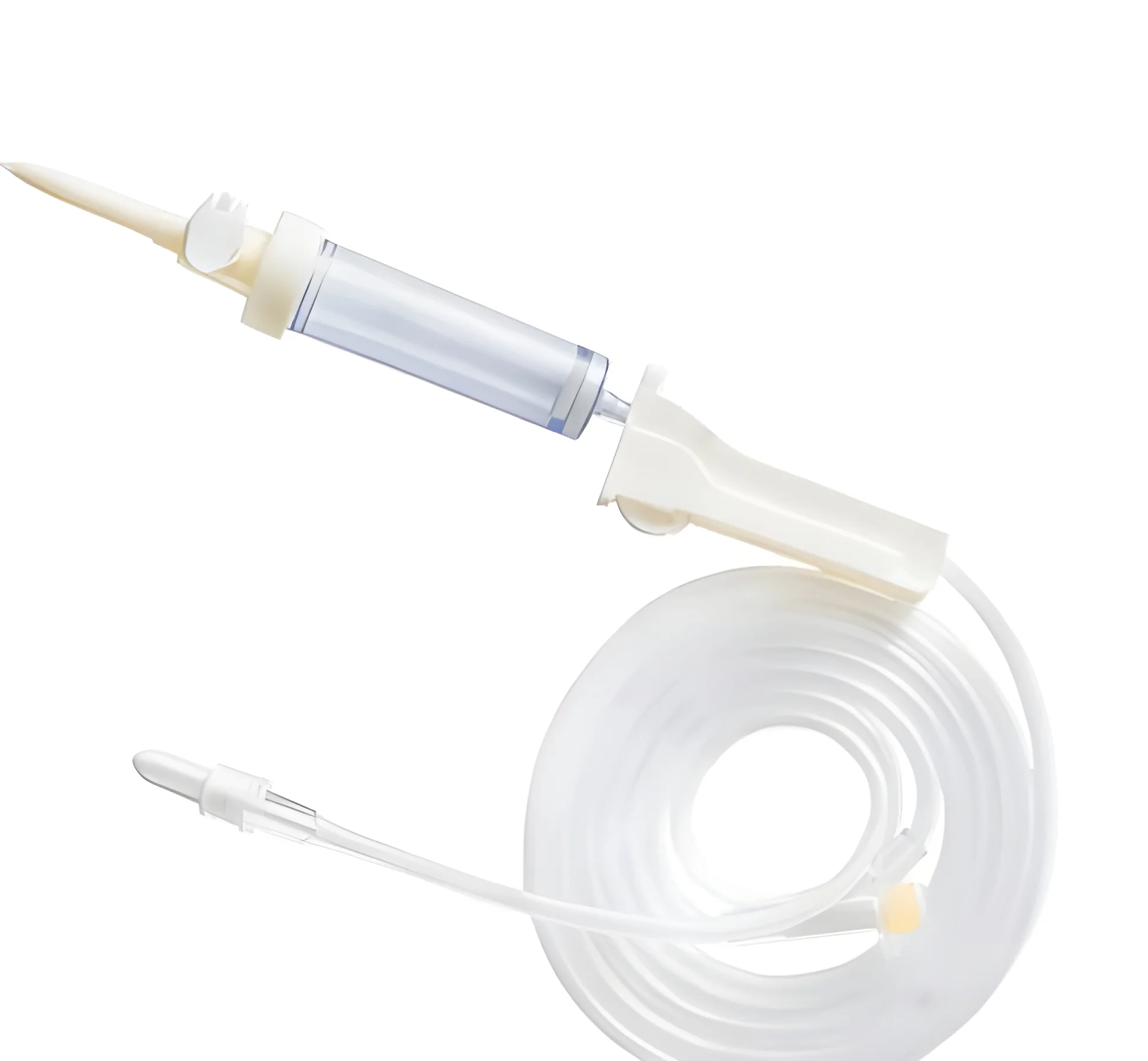
What are Infusion & Syringe Pumps?
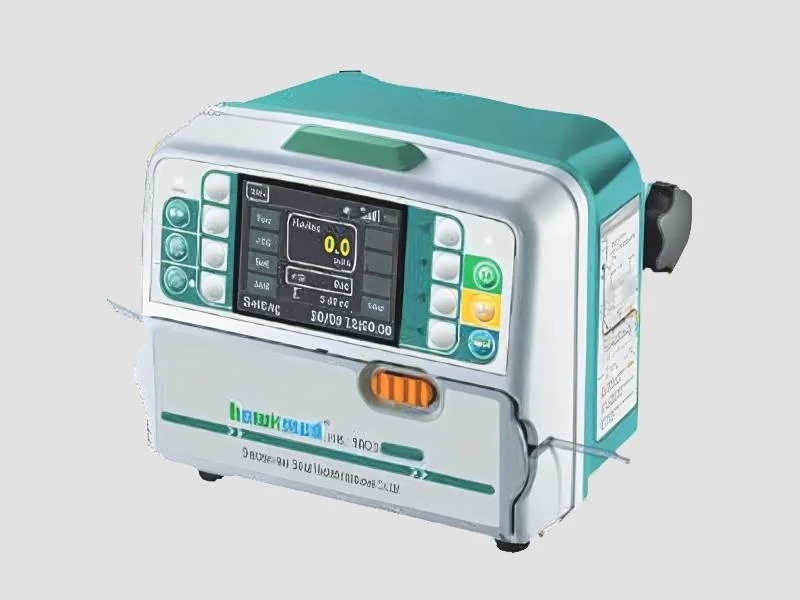
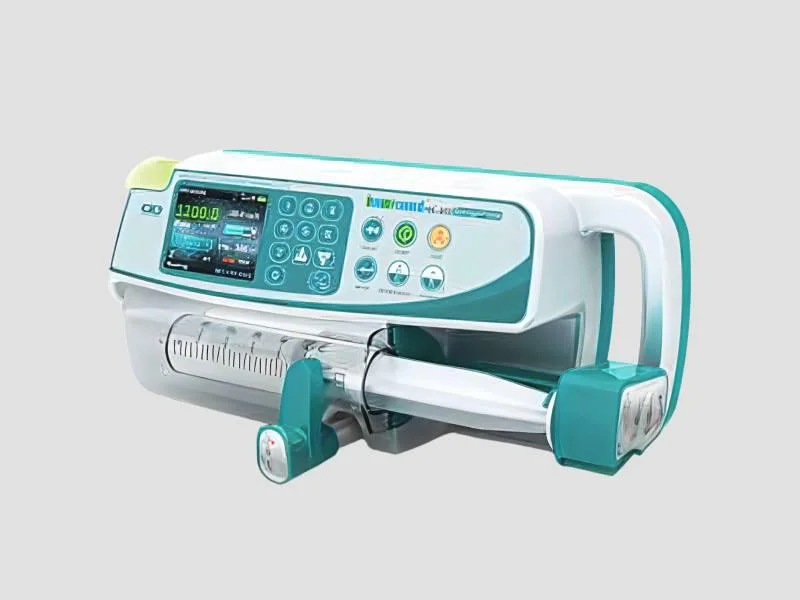
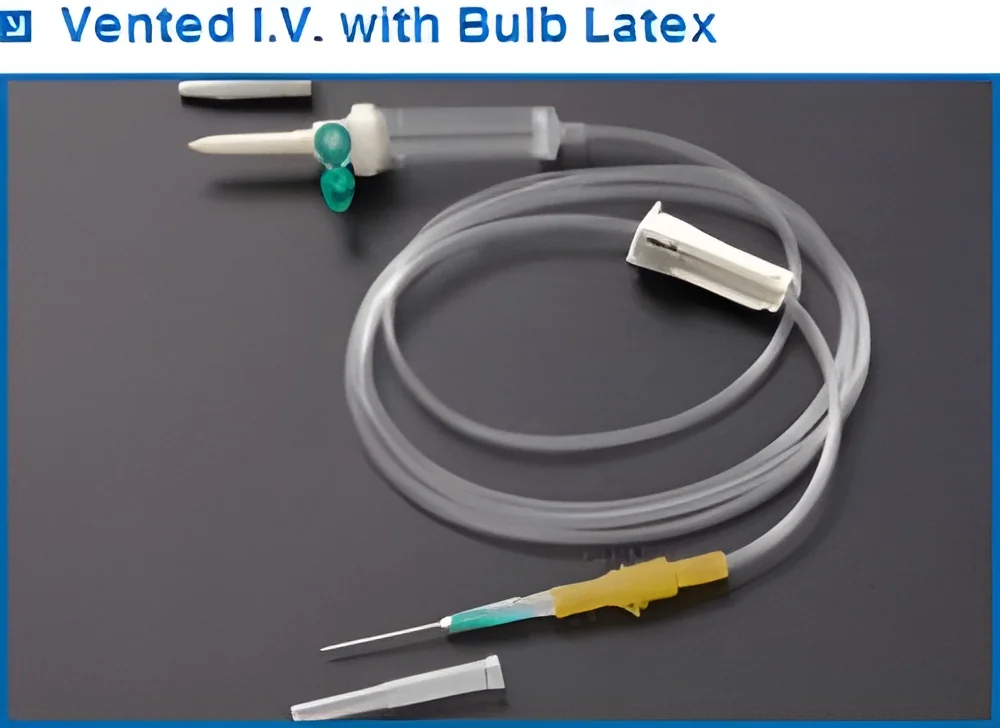
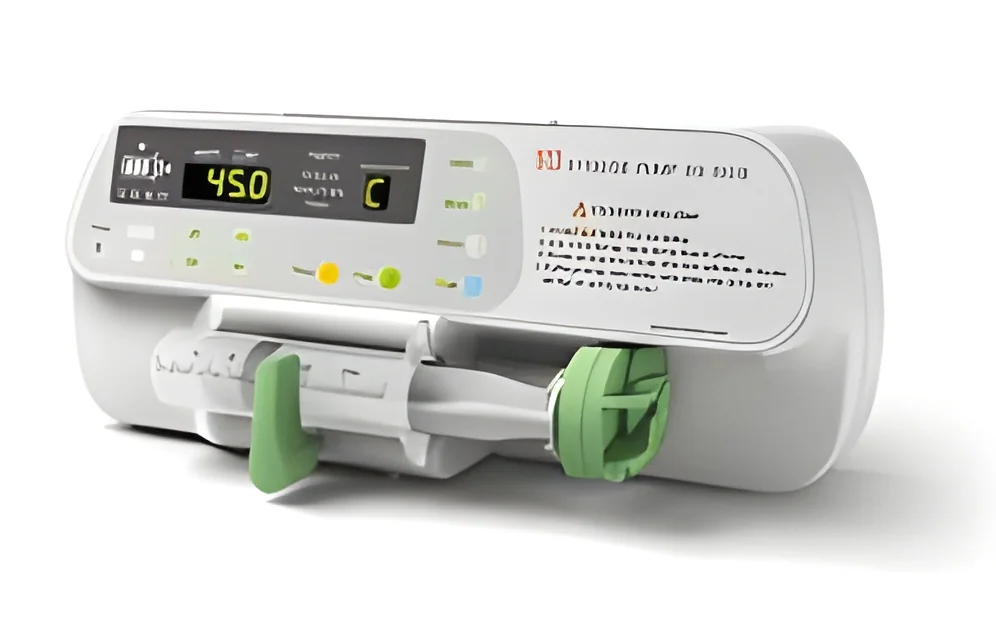
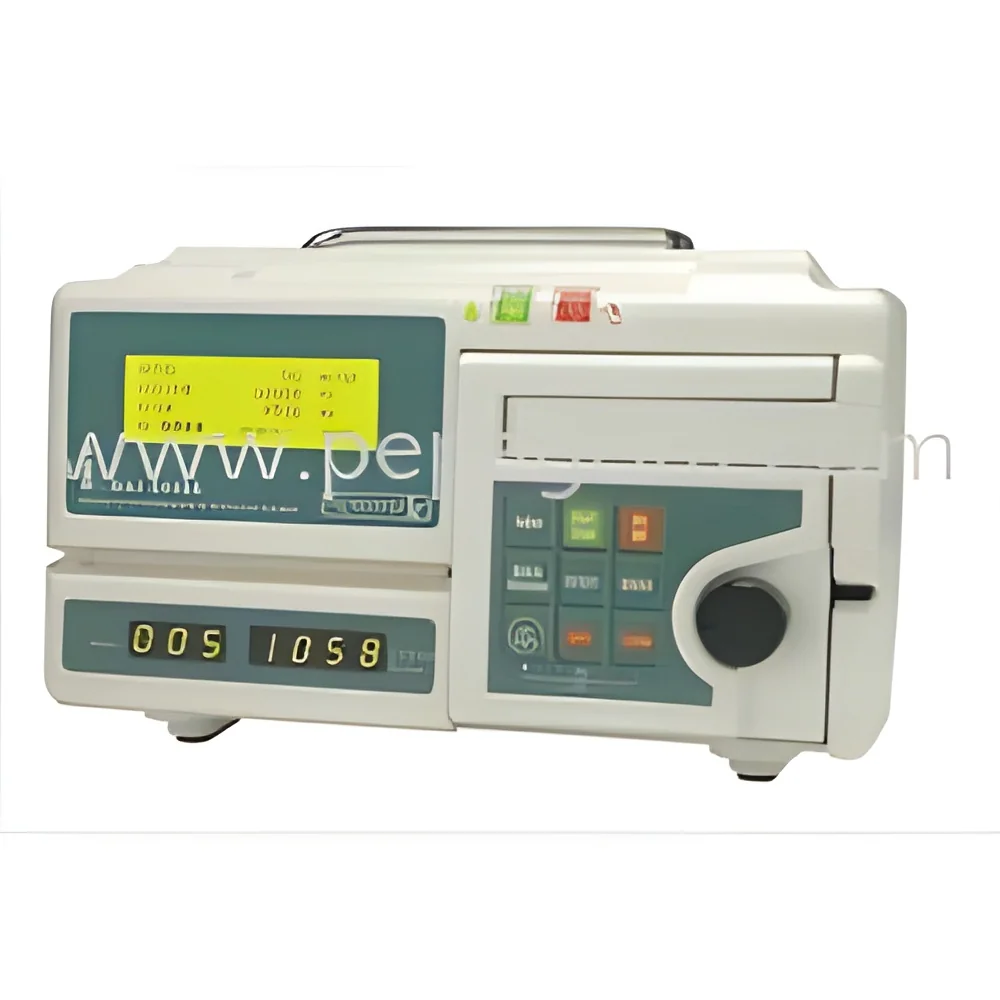
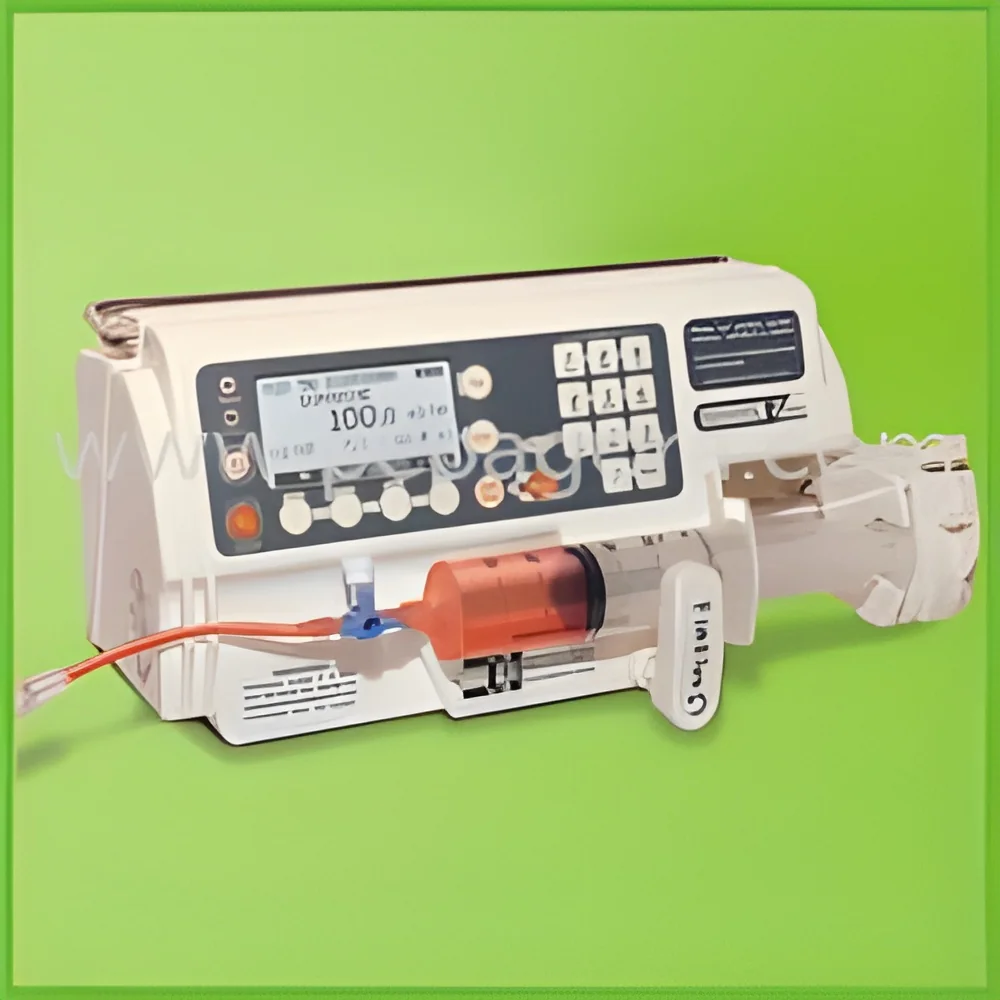
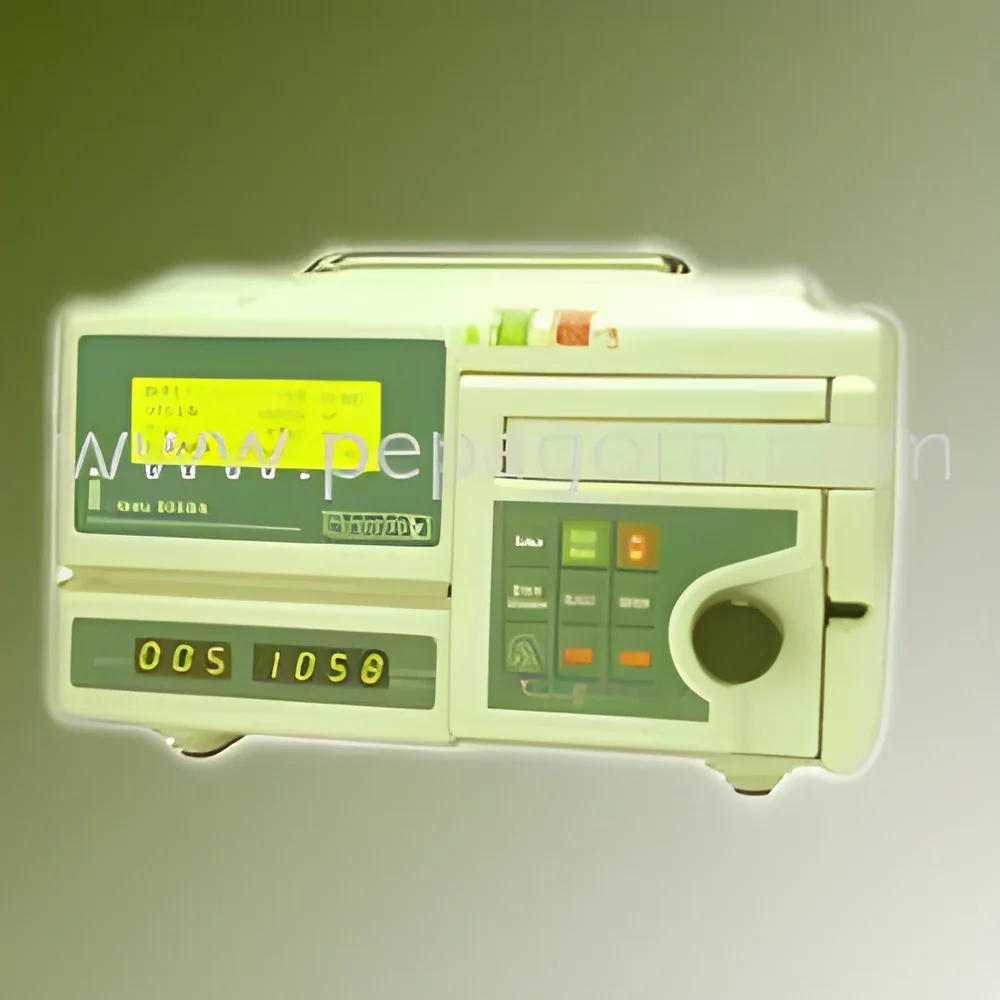
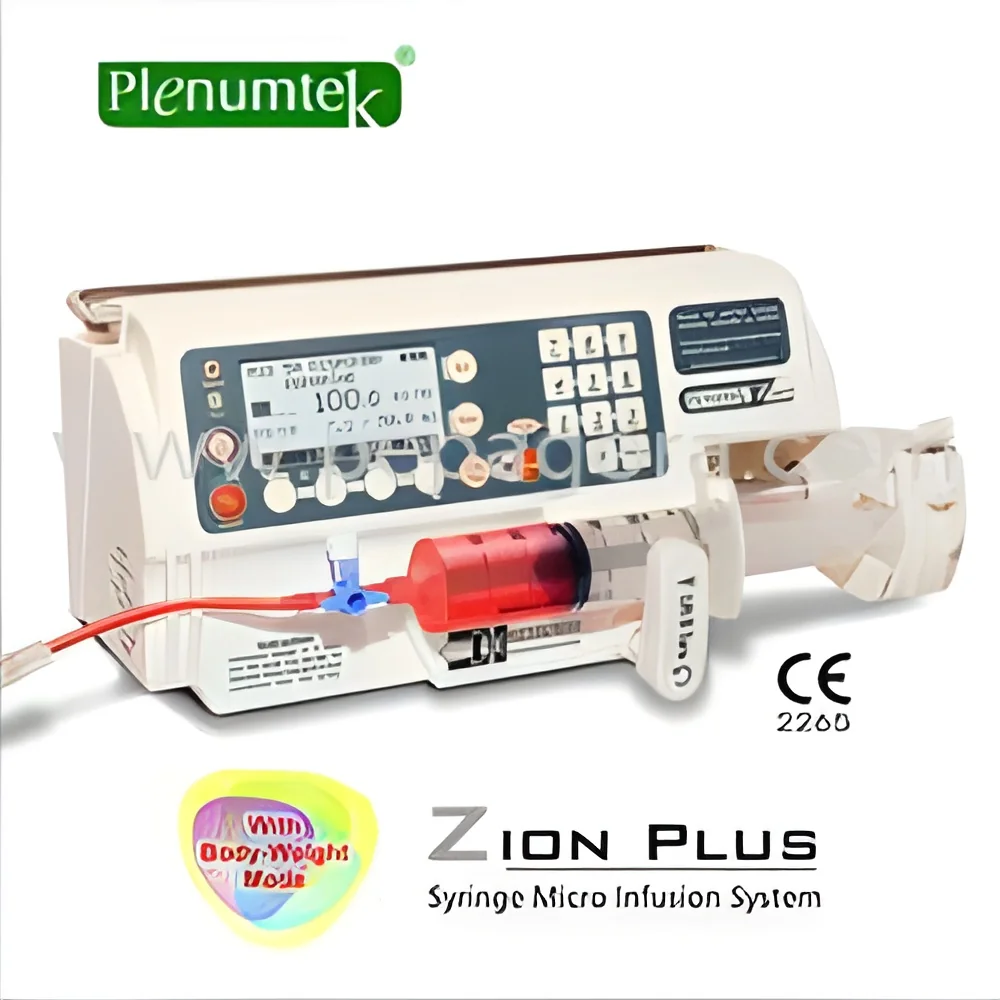
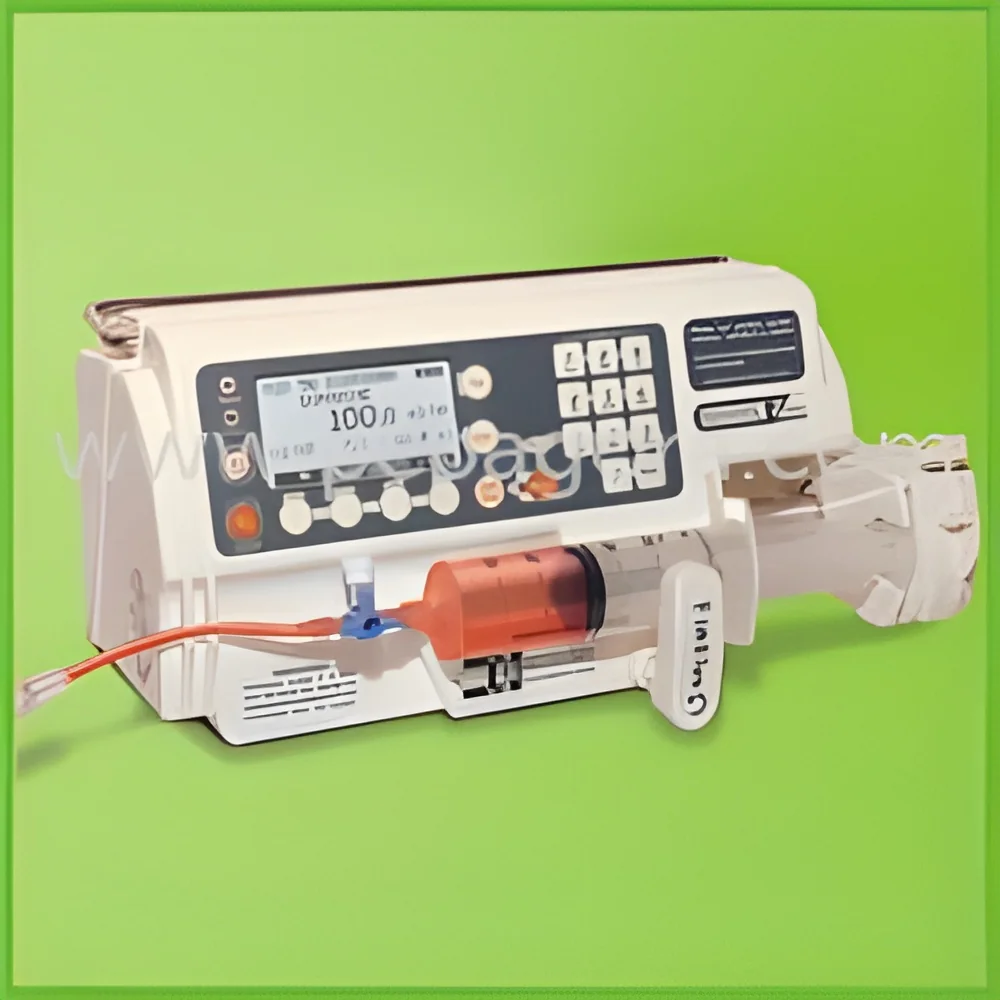
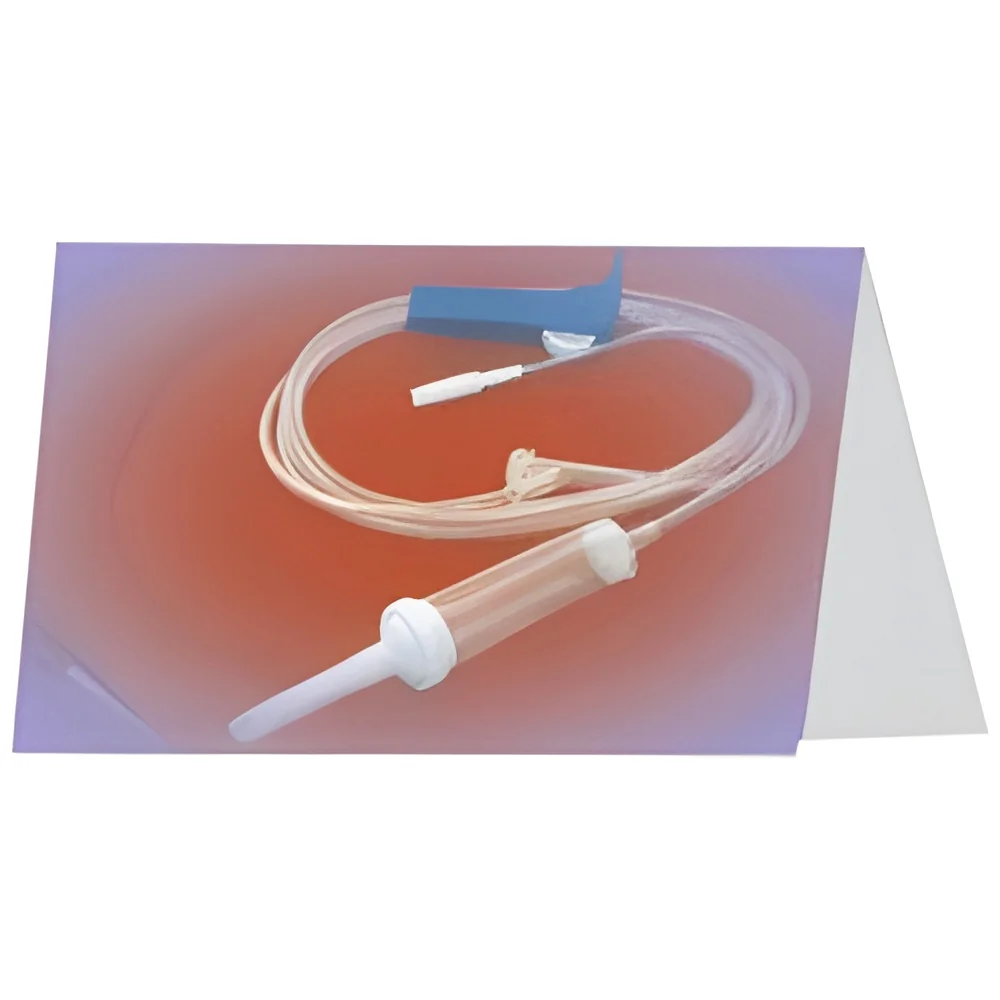
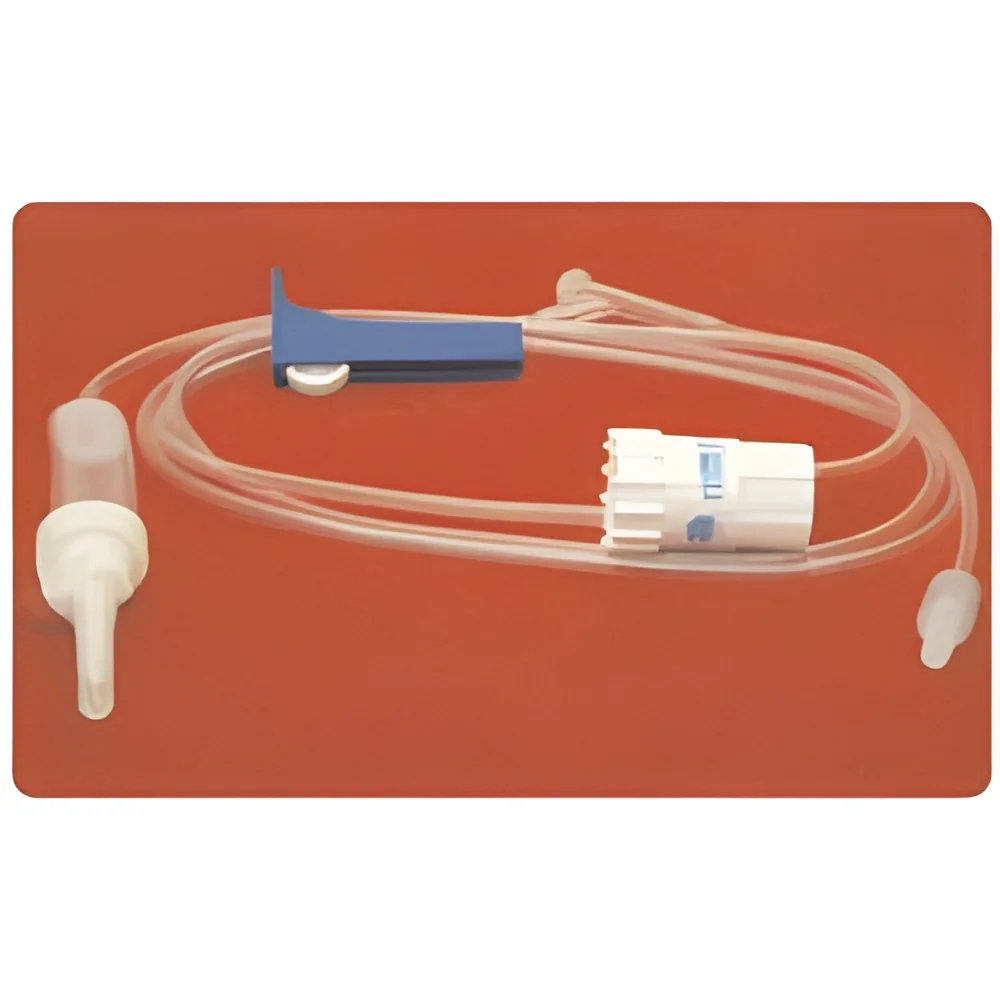
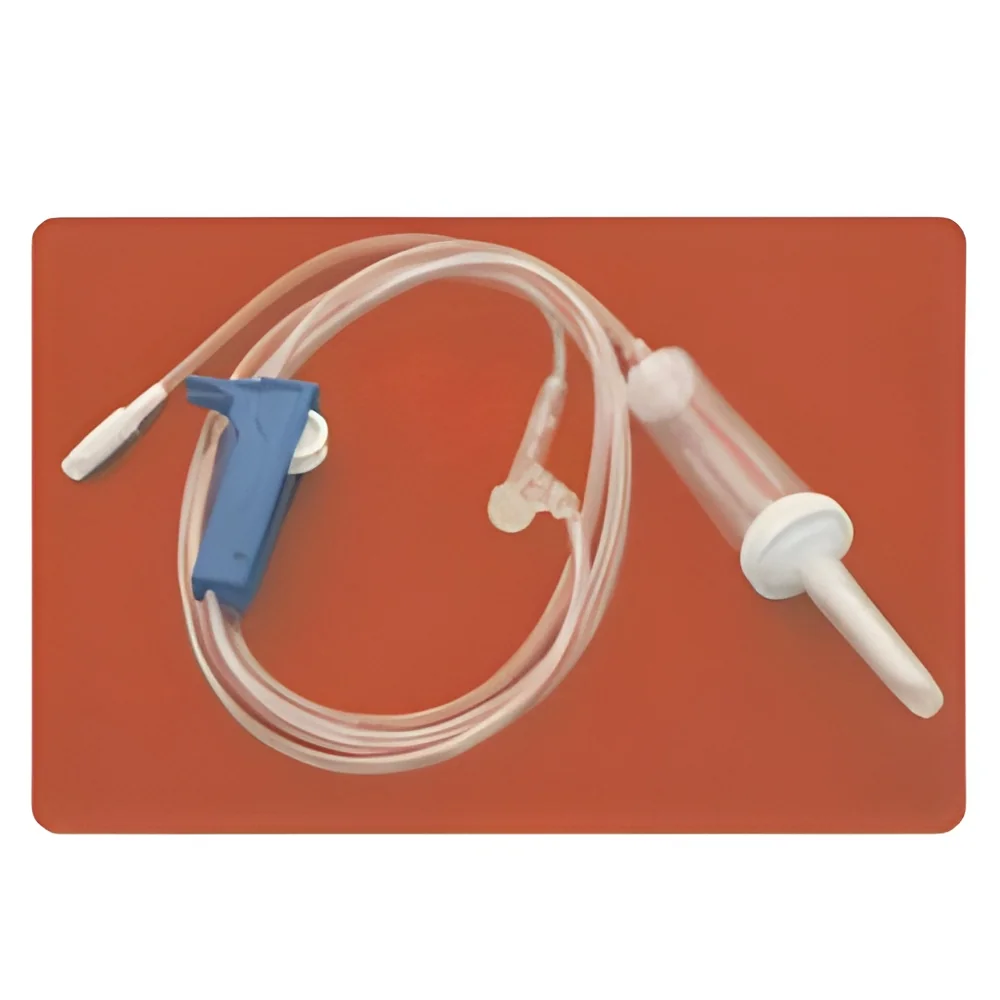
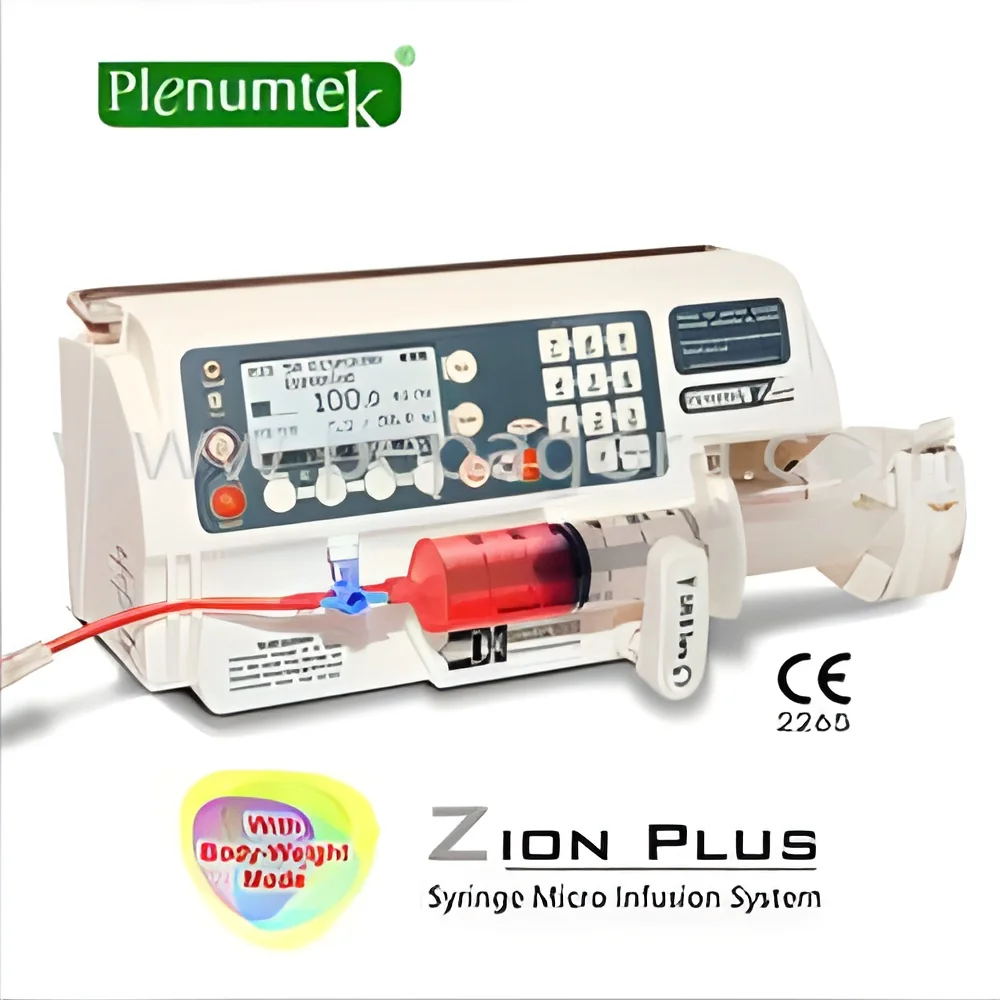
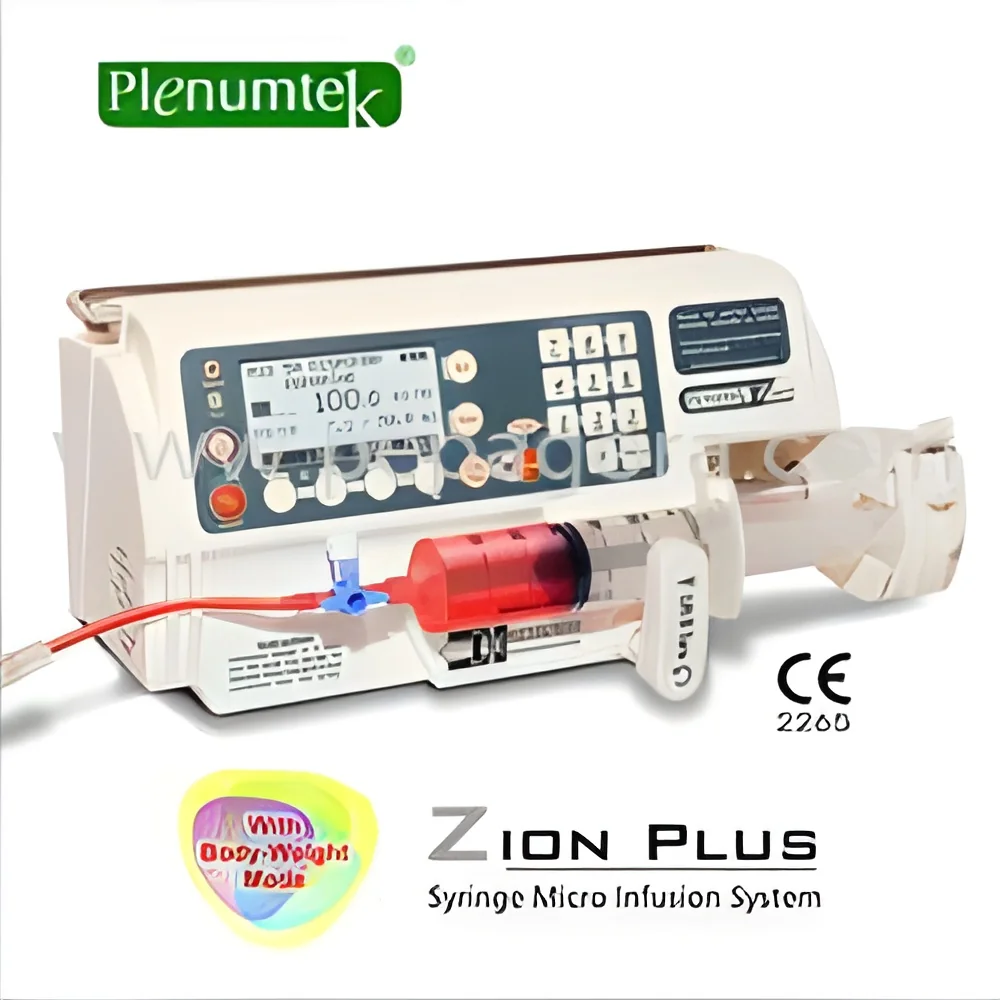
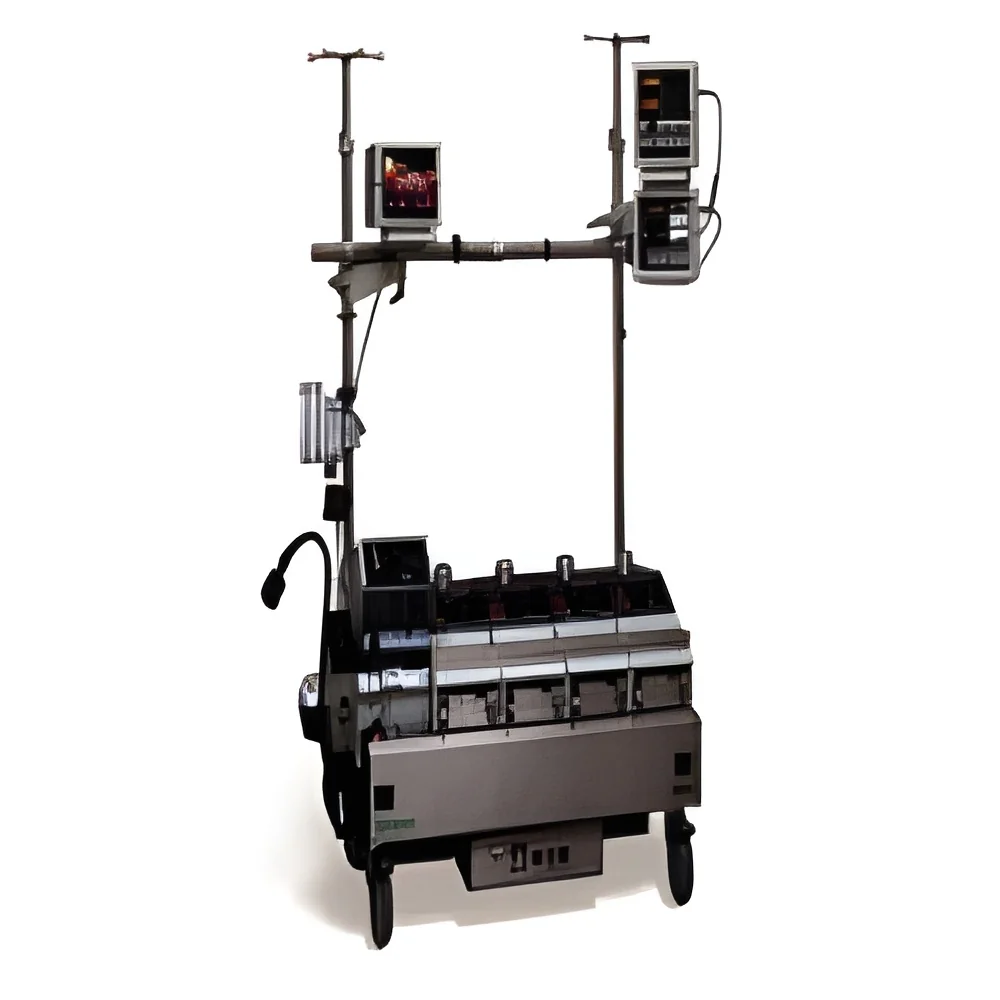
Infusion and syringe pumps are medical devices designed to deliver fluids, medications, and nutrients to patients in a controlled manner. These pumps carefully regulate the flow rate, volume, and timing of the infusion, ensuring that the patient receives the correct dosage. They are often used in hospitals, clinics, and home care settings, playing a critical role in patient management and treatment protocols.
The primary applications of infusion and syringe pumps include delivering chemotherapy, anesthesia, and other critical medications. They are also widely used for hydration and nutrition in patients who cannot consume food orally. The growing demand for these devices is driven by advancements in medical technology and an increasing emphasis on patient safety and comfort.
In the current healthcare landscape, infusion and syringe pumps are essential in various medical settings, from acute care to outpatient services. The market for these devices is expanding, fueled by innovations that enhance precision, safety, and usability. As healthcare providers seek to improve patient outcomes, the integration of these pumps into treatment regimens has become increasingly relevant.
Key Features and Specifications
Infusion and syringe pumps come equipped with several key features that enhance their functionality and safety. Understanding these specifications is essential for making informed purchasing decisions.
Key specifications include:
1. Flow Rate Control
- Allows precise adjustment of infusion rates
- Common ranges from 0.1 mL/h to 1500 mL/h
2. Volume Limit Settings
- Enables maximum volume delivery control
- Typically adjustable up to 9999 mL
3. Alarm Systems
- Alerts for occlusions, air in line, or low battery
- Essential for patient safety during infusions
4. User Interface
- Touchscreen or button-operated for ease of use
- Display provides real-time monitoring of infusion parameters
5. Portability
- Compact designs for easy transport
- Battery-operated options for use in various settings
6. Compatibility with Various Syringe Sizes
- Accommodates multiple syringe types and sizes
- Ensures versatility in medication delivery
7. Data Logging Features
- Records infusion history for compliance and review
- Supports integration with electronic health records
8. Safety Standards Compliance
- Adheres to industry safety standards, ensuring reliability
- Certification by recognized bodies like CE
In summary, these specifications highlight the importance of selecting infusion and syringe pumps that ensure accuracy, safety, and ease of use in medical environments.
Common Applications and Use Cases
Infusion and syringe pumps serve a wide range of industries, each with specific applications.
1. Healthcare: In hospitals and clinics, these pumps are essential for administering medications, fluids, and nutrition to patients in various departments such as oncology, surgery, and pediatrics.
2. Home Healthcare: Patients receiving long-term treatment at home benefit from these pumps, which allow for consistent medication delivery without frequent hospital visits.
3. Veterinary Medicine: Veterinary clinics utilize infusion pumps for administering fluids and medications to animals during surgeries or for treatment of chronic conditions.
4. Research Laboratories: In pharmaceutical and biomedical research, infusion pumps are used for precise delivery of substances in experimental studies.
5. Emergency Medical Services: Ambulances are equipped with infusion pumps to provide immediate care to patients during transport.
6. Dialysis Centers: These pumps help in administering necessary medications during dialysis treatment.
7. Palliative Care: Infusion pumps are used for pain management and symptom control in patients receiving end-of-life care.
Product Variants and Subcategories
Infusion and syringe pumps come in diverse variants to meet different clinical needs and environments.
Standard Infusion Pumps
These pumps are designed for general medication and fluid delivery in hospitals. They offer various flow rates and volume settings, making them versatile for multiple applications.
Syringe Pumps
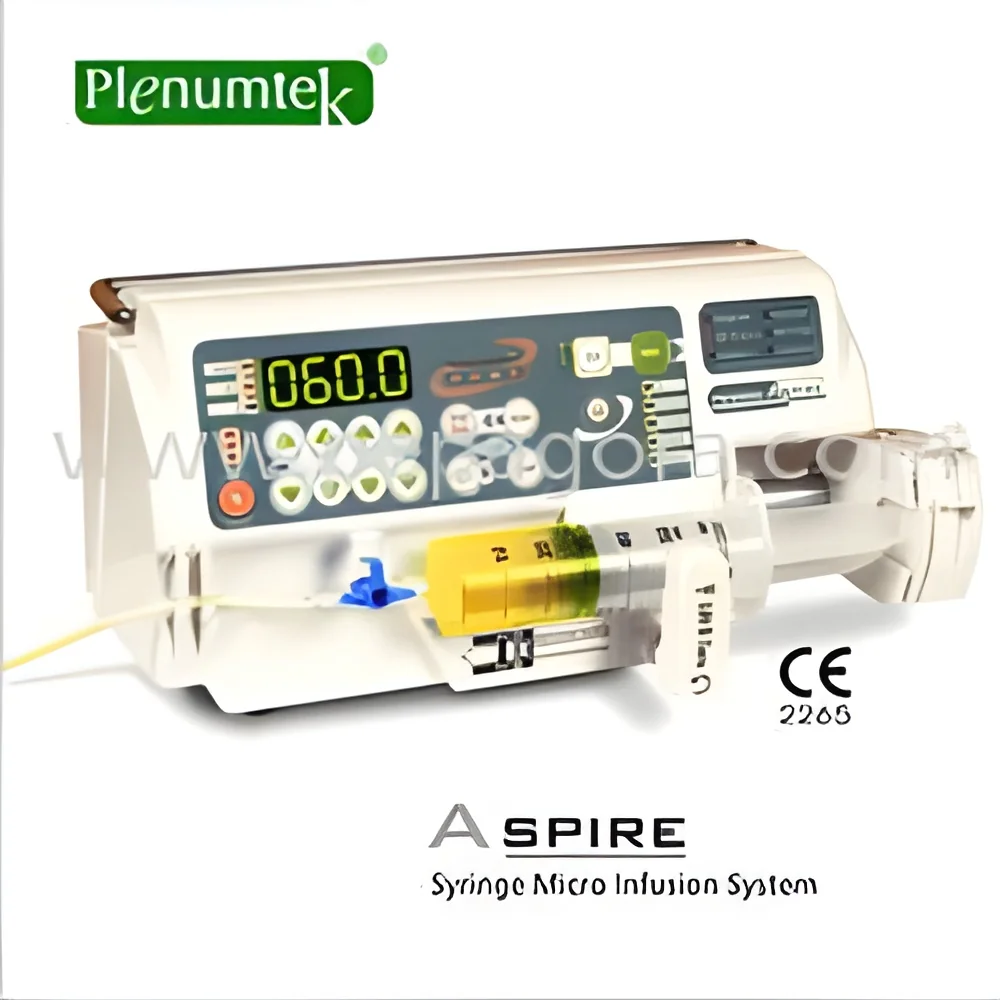
These pumps are specifically designed for precise delivery of small volumes of medication. They are ideal for applications requiring exact dosing, such as in neonatology and anesthesia.
Smart Infusion Pumps
Equipped with advanced technology, these pumps include features such as dose error reduction systems and wireless connectivity for data sharing. They enhance patient safety and provide better clinical oversight.
Benefits and Advantages
Infusion and syringe pumps provide numerous advantages that enhance patient care and operational efficiency.
1. Precision Dosing: These devices ensure accurate delivery of medications, minimizing the risk of dosing errors that can lead to adverse effects.
2. Enhanced Patient Safety: Alarm systems and monitoring features alert healthcare providers to potential issues during infusions, promoting timely interventions.
3. Improved Workflow Efficiency: Automated programming and data logging reduce manual input, allowing healthcare staff to focus more on patient care.
4. Versatility: With compatibility across various medication types and delivery methods, these pumps can cater to diverse patient needs.
5. Portability: Compact designs facilitate use in various settings, from operating rooms to patients' homes, ensuring consistent care.
6. Compliance with Standards: Adherence to safety regulations and certifications helps healthcare providers maintain high standards of care and patient safety.
Buying Guide for B2B Buyers
When sourcing infusion and syringe pumps for your organization, consider several key factors to ensure you select the right equipment.
1. Quality Assessment: Evaluate the quality of pumps based on manufacturer reputation and product reviews. Look for devices that meet industry standards and have a solid track record in clinical settings.
2. Supplier Verification: Vet potential suppliers by checking their certifications and customer feedback. A reliable supplier will provide the necessary documentation and support for their products.
3. Pricing and MOQ: Understand the pricing structure and minimum order quantities. Compare costs while considering value and quality to make informed decisions.
4. Delivery and Lead Times: Discuss logistics with suppliers to ensure timely delivery. Consider lead times that align with your operational needs to avoid disruptions.
5. Compliance Requirements: Be aware of regulatory needs specific to your region. Ensure that the pumps meet local health and safety standards.
Compliance and Certifications
Infusion and syringe pumps are subject to various quality standards and certifications to ensure patient safety and device reliability. Key standards include ISO 9001, which sets requirements for quality management systems, and HACCP, focusing on food safety practices in healthcare settings.
Additionally, many infusion and syringe pumps carry the CE mark, indicating compliance with European health, safety, and environmental protection standards. This certification assures buyers of the product's safety and efficacy.
Manufacturers must also adhere to safety and testing requirements, including thorough testing for performance and reliability. Regional compliance considerations may vary, necessitating awareness of local regulations governing medical devices.
Why Source Infusion & Syringe Pumps from Pepagora?
Pepagora offers a trusted platform for sourcing infusion and syringe pumps, providing access to a reliable network of verified suppliers. This ensures that buyers can find high-quality products tailored to their specific needs.
The streamlined RFQ process allows buyers to easily request quotations from multiple suppliers, facilitating comparison and selection based on price, features, and delivery options.
Trade assurance and support are integral to the Pepagora experience, offering buyers protection throughout the procurement process. This builds confidence in purchasing decisions.
With a broad geographic reach covering India, the GCC, and Southeast Asia, Pepagora connects buyers with suppliers across regions, ensuring access to diverse product offerings and competitive pricing.

 IN
IN