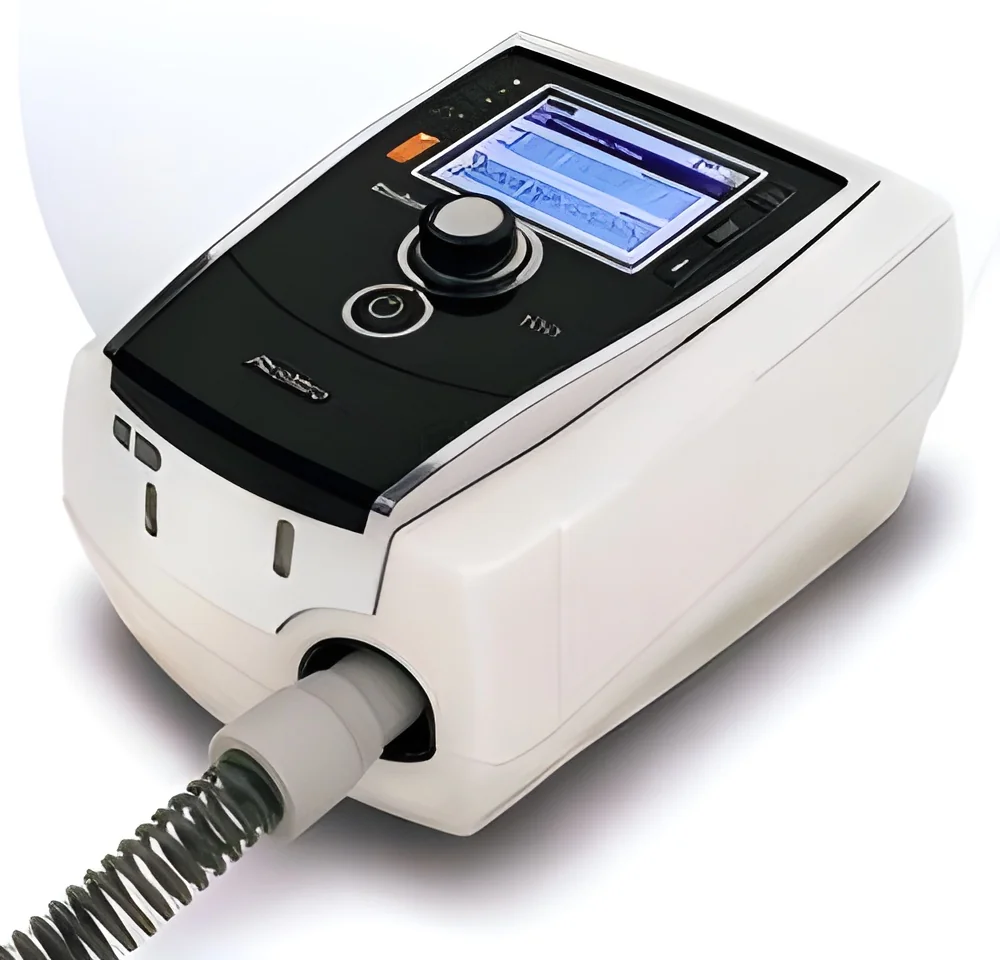
What are CPAP & BiPAP Machines?
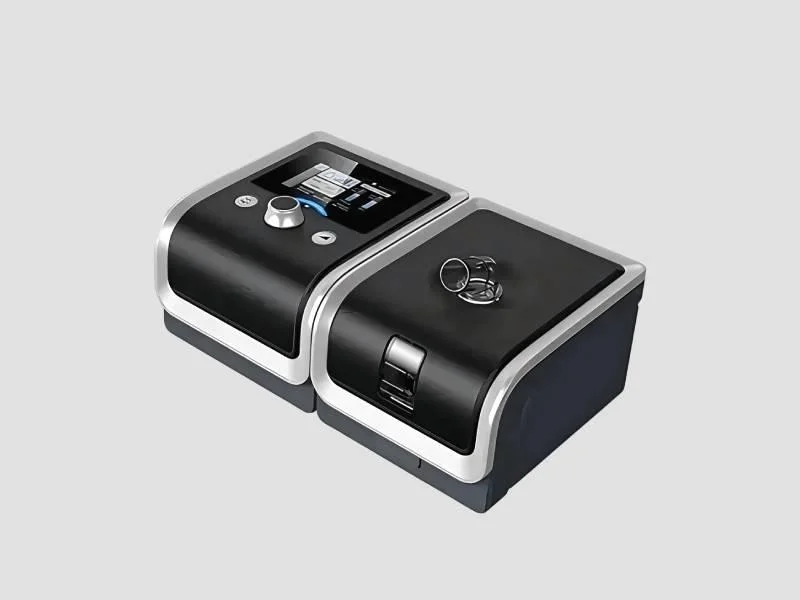
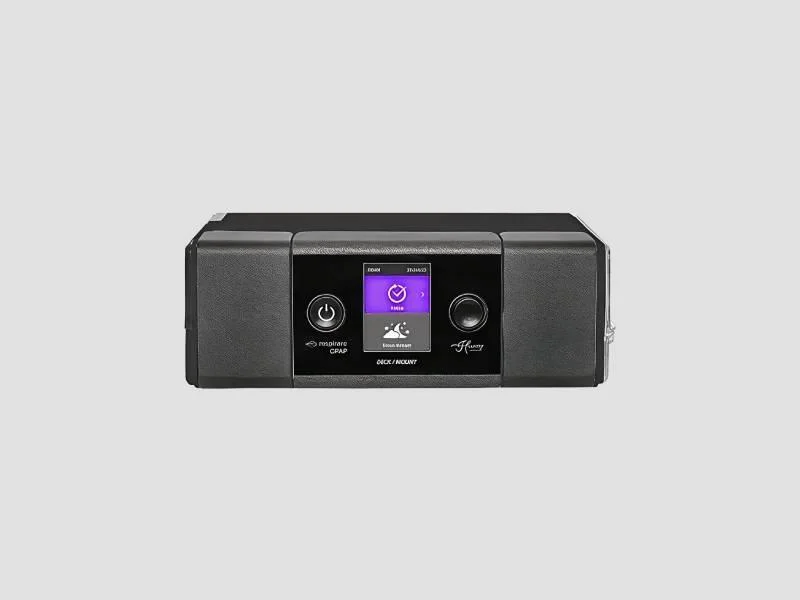
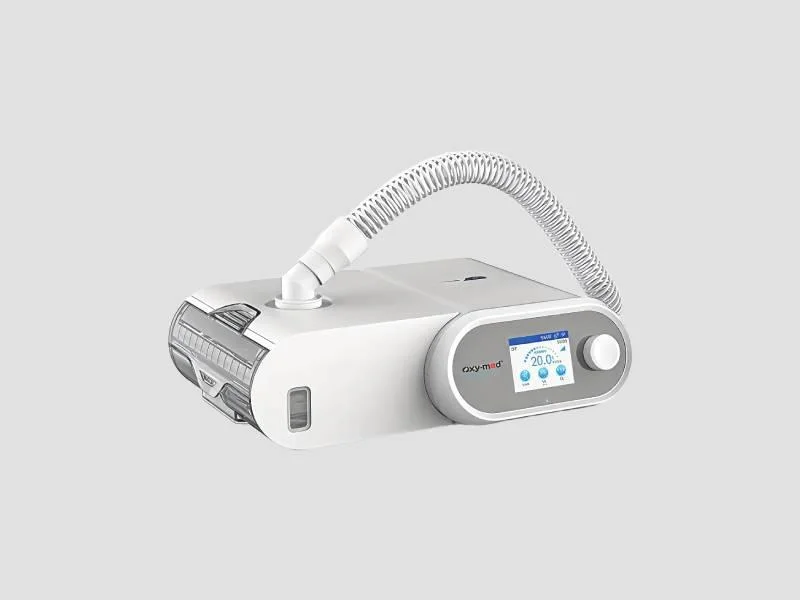
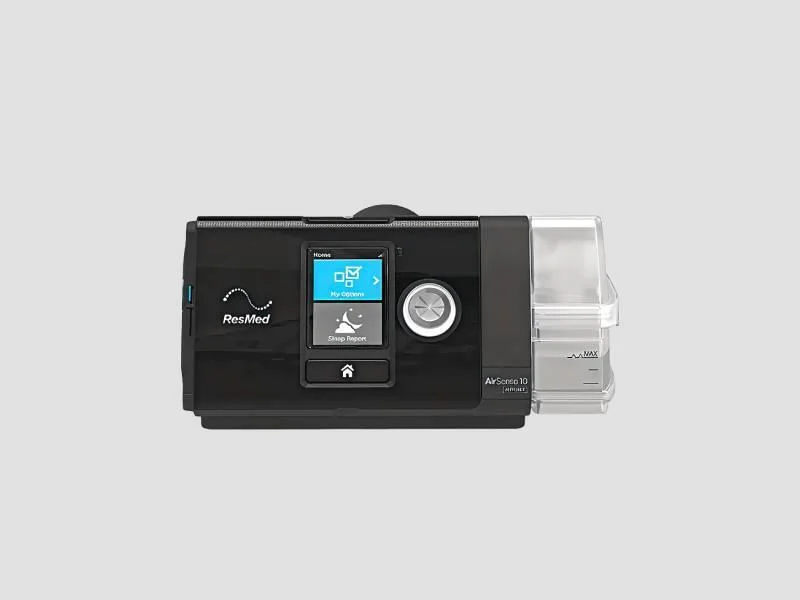
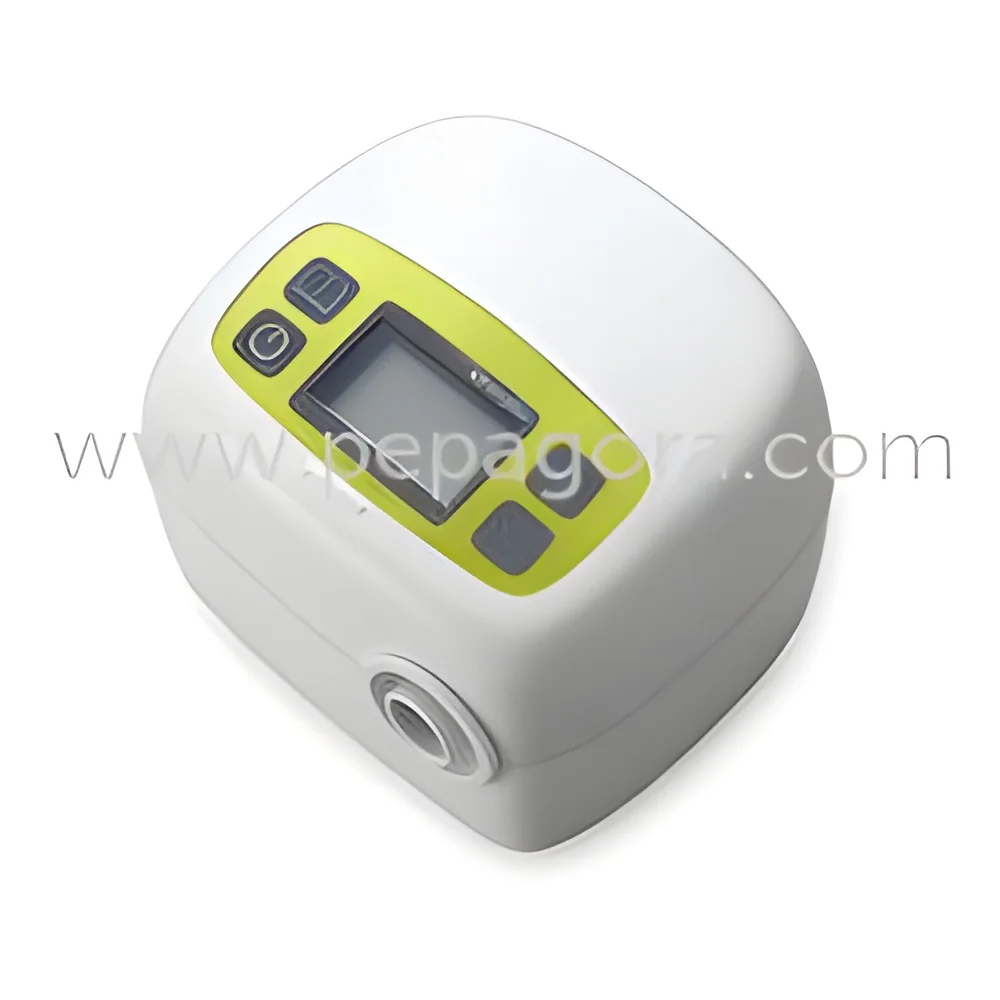
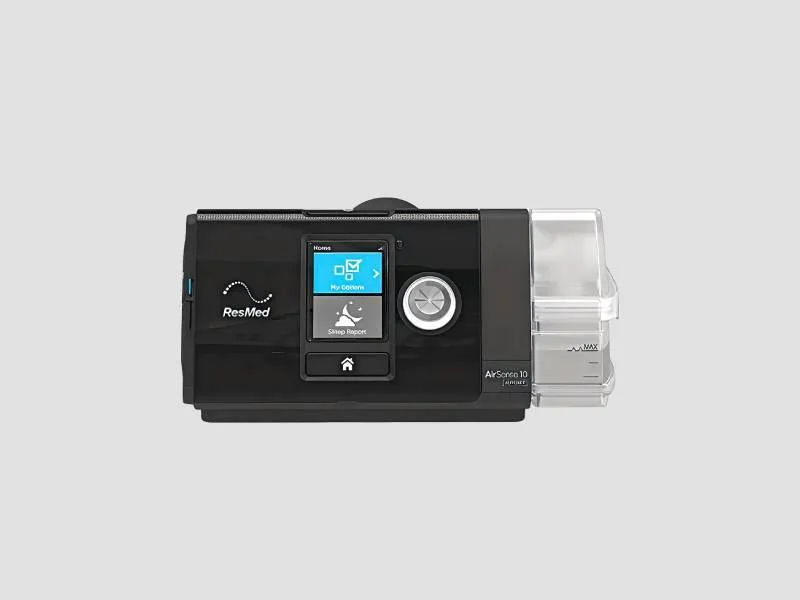
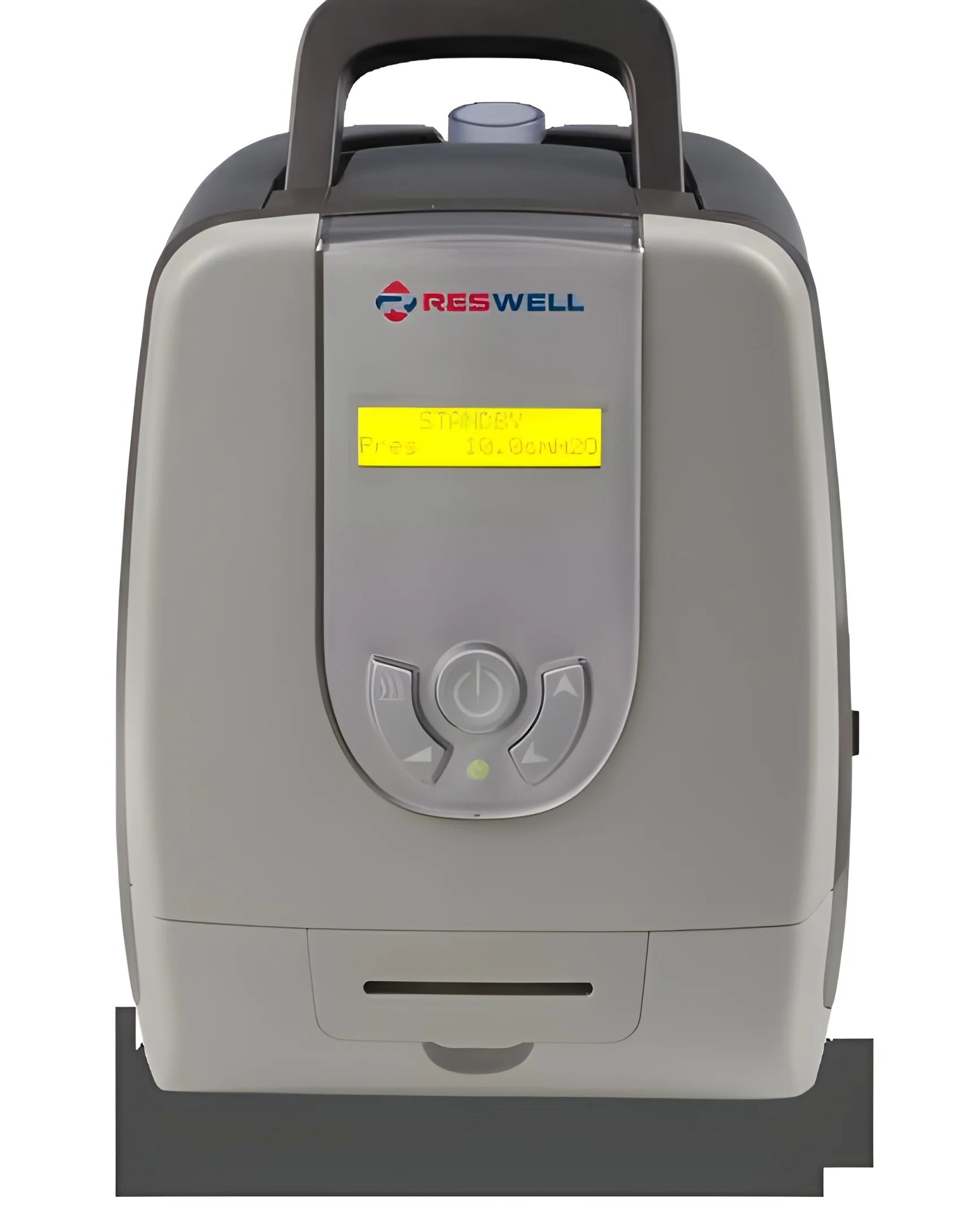
CPAP (Continuous Positive Airway Pressure) and BiPAP (Bilevel Positive Airway Pressure) machines are medical devices designed to assist individuals with sleep-related breathing disorders. CPAP machines deliver a constant stream of air to keep the airways open, while BiPAP machines provide two levels of pressure: a higher pressure during inhalation and a lower pressure during exhalation. This differentiation allows for more comfortable breathing, particularly for patients who may struggle with the constant pressure of a CPAP machine.
These machines are primarily used to treat conditions such as obstructive sleep apnea (OSA) and central sleep apnea. Their application spans various industries, including healthcare facilities, home health care, and sleep clinics. Businesses in these sectors rely on CPAP and BiPAP machines to enhance patient care and improve sleep quality. As awareness of sleep disorders grows, the demand for these machines continues to rise, making them a significant component of the medical equipment market.
Key Features and Specifications
CPAP and BiPAP machines come with several essential features aimed at ensuring effective treatment for patients with sleep apnea. Key specifications can vary between models and manufacturers, but they generally include the following categories:
1. Pressure Settings
- CPAP machines typically have a single pressure setting, while BiPAP machines offer two settings.
- Pressure ranges usually fall between 4 to 20 cm H2O, allowing customization based on patient needs.
2. Humidity Control
- Many devices include built-in humidifiers to add moisture to the air, reducing dryness and discomfort.
- Humidity levels can often be adjusted according to user preference.
3. Ramp Feature
- The ramp feature allows the machine to gradually increase pressure to the preset level, making it easier for patients to fall asleep.
- This feature is beneficial for users who find it challenging to adapt to immediate high pressure.
4. Monitoring Capabilities
- Some advanced models offer monitoring features to track patient adherence and sleep patterns.
- This data can be invaluable for healthcare providers in managing treatment.
5. Noise Levels
- Noise levels are a critical consideration; many current models operate quietly, ensuring minimal disturbance during sleep.
- Typical noise levels range between 25 to 30 decibels.
6. Portability
- Many CPAP and BiPAP machines are designed to be lightweight and compact for easy travel.
- Battery options may also be available for use in remote locations.
7. Mask Compatibility
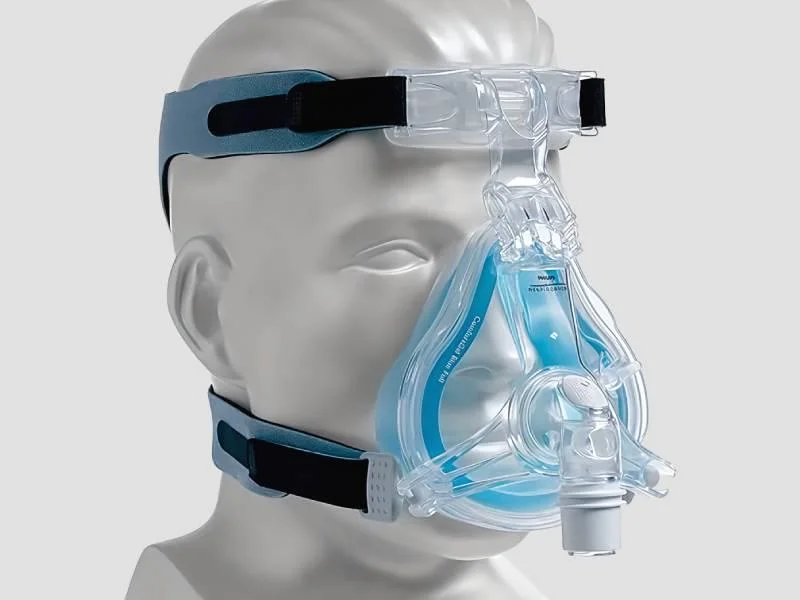
- These machines are compatible with various mask styles, ensuring a comfortable fit for different user preferences.
- Common mask types include nasal, full-face, and nasal pillow masks.
8. User-Friendly Interface
- Most machines feature intuitive controls and displays for easy operation.
- Some models may include smartphone connectivity for remote adjustments and settings.
In summary, CPAP and BiPAP machines offer a range of features tailored to enhance patient comfort and treatment effectiveness. Understanding these specifications is crucial for selecting the right device for specific needs.
Common Applications and Use Cases
CPAP and BiPAP machines serve various industries, demonstrating their versatility and importance in healthcare.
1. Healthcare Facilities: Hospitals and clinics use these machines for patients diagnosed with sleep apnea, providing critical support during their recovery and sleep studies.
2. Home Health Care: Home care providers often supply CPAP and BiPAP machines to patients for use at home, ensuring continuous treatment outside of clinical settings.
3. Sleep Clinics: Specialized sleep clinics utilize these devices during diagnostic testing and ongoing therapy, helping patients achieve better sleep quality.
4. Emergency Medicine: In some cases, these machines are used in emergency medical situations to assist patients struggling with respiratory issues.
5. Geriatric Care: Facilities catering to elderly patients commonly employ these machines, addressing the high prevalence of sleep apnea in older adults.
6. Travel and Tourism: Some travel agencies and hotels offer CPAP rental services to accommodate travelers who require these machines for sleep.
7. Veterinary Medicine: Certain veterinarians use modified versions of CPAP machines for pets with respiratory conditions, showcasing the machines' adaptability.
Product Variants and Subcategories
CPAP and BiPAP machines are diverse, catering to various patient needs and preferences.
Standard CPAP Machines
These machines provide a consistent air pressure throughout the night. They are typically more straightforward in design, making them suitable for patients with mild to moderate sleep apnea.
Auto-Adjusting CPAP Machines
These advanced devices automatically adjust the air pressure during the night based on the user's breathing patterns. This feature enhances comfort and can improve treatment outcomes for patients with variable apnea severity.
BiPAP Machines
BiPAP machines are designed for patients who require different pressures for inhalation and exhalation. They are particularly effective for those with central sleep apnea or other complex respiratory conditions.
Benefits and Advantages
CPAP and BiPAP machines offer numerous benefits for both patients and healthcare providers.
Key benefits include:
1. Improved Sleep Quality: Patients using these machines often experience significantly better sleep, leading to improved overall health.
2. Enhanced Breathing: These devices effectively keep airways open, reducing the risk of airway obstruction during sleep.
3. Increased Energy Levels: With better sleep quality, users often report feeling more rested and energetic during the day.
4. Easy to Use: Most machines have user-friendly interfaces and settings, making them accessible for patients to operate.
5. Reduced Health Risks: Effective treatment of sleep apnea can lower the risk of associated health issues, such as cardiovascular problems.
6. Customization Options: With various masks and settings available, patients can tailor their experience to suit personal comfort and needs.
Buying Guide for B2B Buyers
When sourcing CPAP and BiPAP machines, various factors should be considered to ensure the best purchase decision.
1. Quality Assessment: It is crucial to evaluate the quality of machines based on performance standards and user reviews. Look for devices that comply with recognized safety and performance guidelines.
2. Supplier Verification: Vetting suppliers is essential. Ensure they have a track record of reliability and positive client feedback. Check for necessary certifications and compliance with industry standards.
3. Pricing and MOQ: Understand the pricing structure and minimum order quantities (MOQ) from suppliers. Consider bulk purchasing for cost savings while ensuring product quality.
4. Delivery and Lead Times: Assess logistics capabilities. Inquire about delivery times to ensure timely availability of machines for your operations.
5. Compliance Requirements: Familiarize yourself with any regulatory and compliance requirements specific to your region or industry. This may include certifications like CE or adherence to specific quality standards.
Compliance and Certifications
Compliance and certifications are vital for CPAP and BiPAP machines to ensure safety and effectiveness.
Relevant quality standards include ISO 9001, which focuses on quality management systems. This certification ensures that manufacturers consistently provide products that meet customer and regulatory requirements.
Additionally, industry certifications such as CE mark indicate that the machines meet European health, safety, and environmental protection standards.
Safety and testing requirements are also critical. Manufacturers must conduct thorough testing to ensure devices operate effectively without posing risks to users.
Regional compliance considerations may vary. Businesses should stay informed about local regulations that govern medical devices in their respective markets.
Why Source CPAP & BiPAP Machines from Pepagora?
Pepagora provides a trusted platform for sourcing CPAP and BiPAP machines, offering numerous advantages to buyers.
Verified Supplier Network: Pepagora collaborates with a network of verified suppliers, ensuring that buyers can access high-quality machines from reputable manufacturers. This network helps mitigate risks associated with sourcing medical devices.
Streamlined RFQ Process: The platform features a user-friendly Request for Quotation (RFQ) system, allowing buyers to compare prices and specifications from multiple suppliers quickly. This efficiency aids in making informed purchasing decisions.
Trade Assurance and Support: Pepagora offers buyer protection through trade assurance policies. This support ensures that transactions are secure and that buyers receive the products as promised.
Regional Coverage: With a strong presence in India, GCC, and Southeast Asia, Pepagora provides extensive geographical reach. This coverage allows businesses to source CPAP and BiPAP machines tailored to their regional market needs, ensuring compliance with local requirements.

 IN
IN