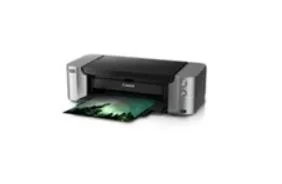
What are Wide Format Digital Printers?
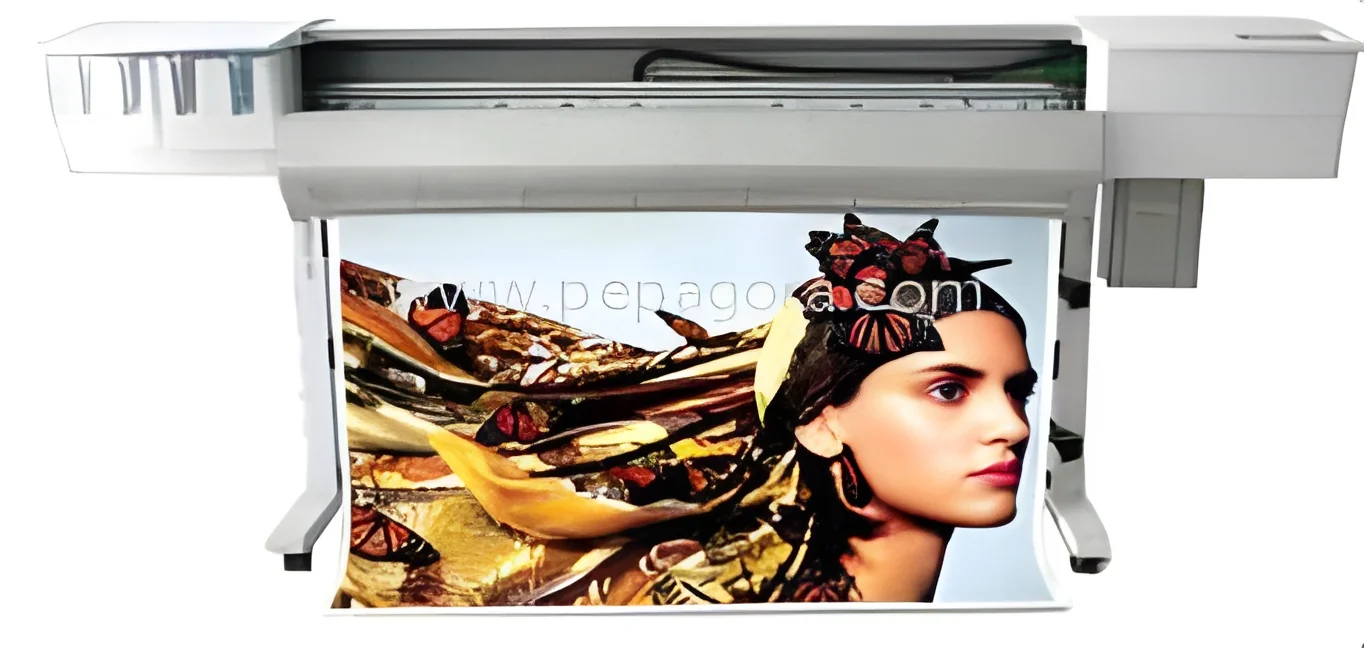
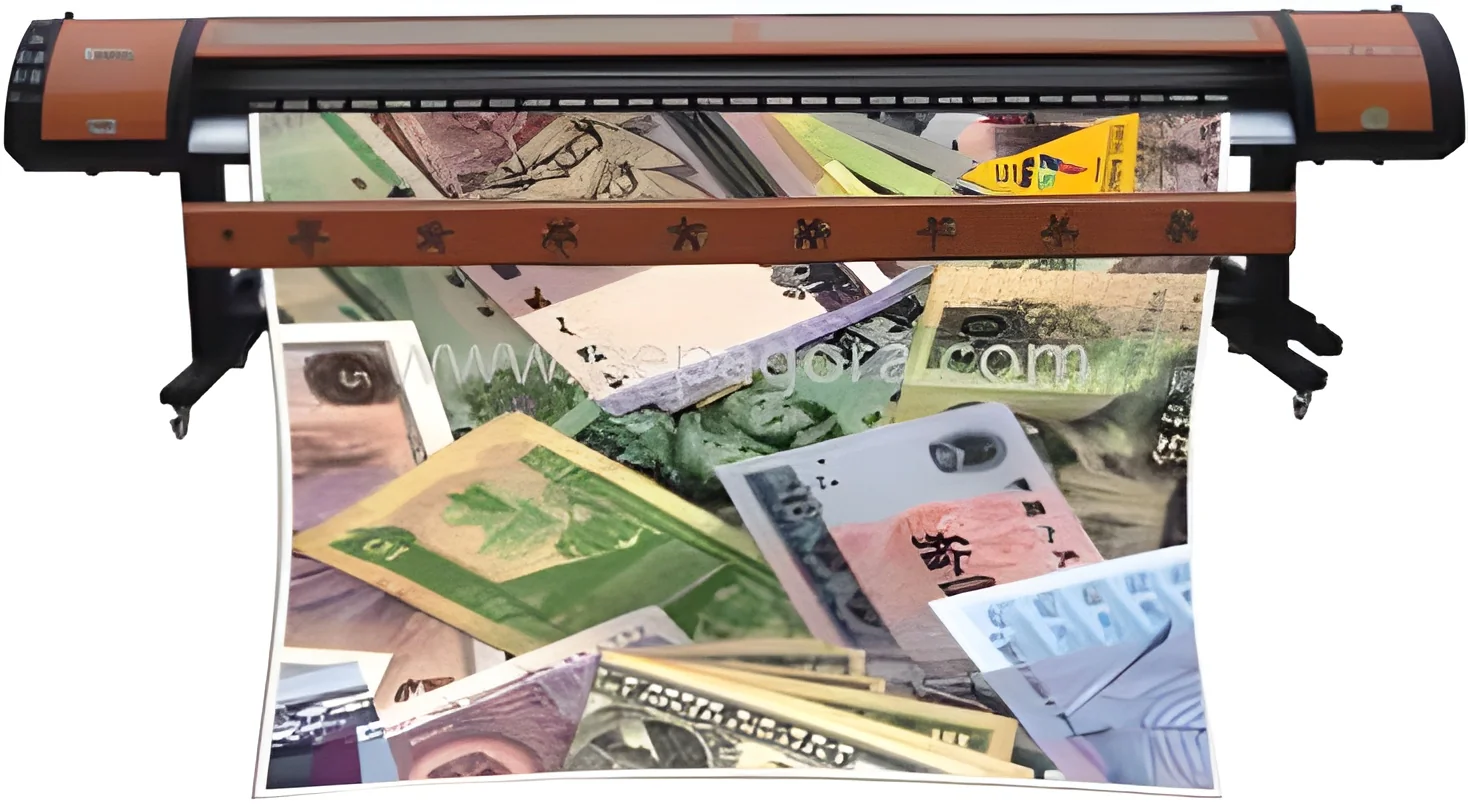
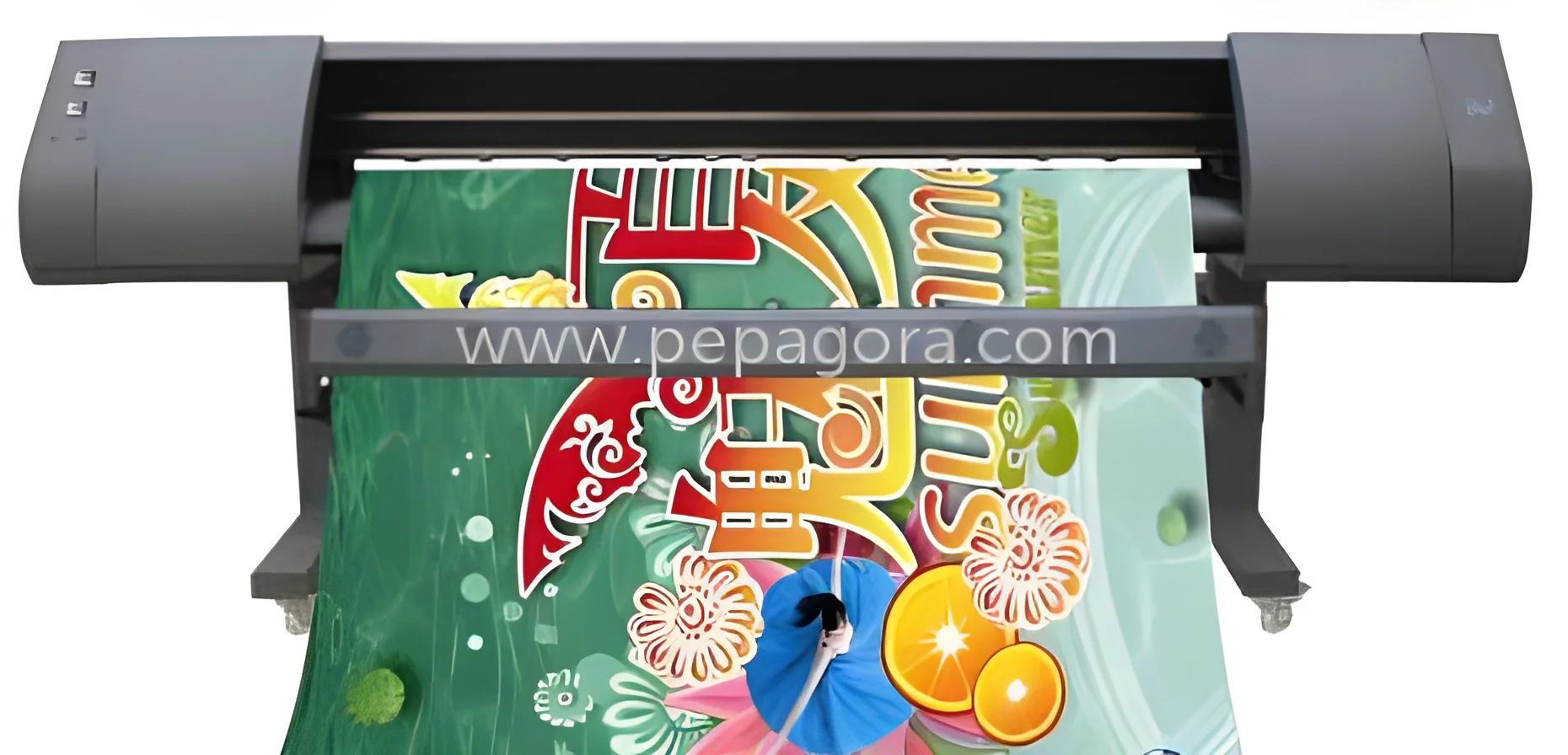
Wide Format Digital Printers are specialized printing devices designed to produce large-scale images and graphics. They can handle media widths typically ranging from 24 inches to over 100 inches. These printers utilize various technologies, including inkjet and UV printing, to create high-quality prints on a range of materials. The versatility of wide format printers makes them ideal for producing vibrant posters, banners, signage, and other graphic displays.
The primary uses of Wide Format Digital Printers extend across multiple industries, including advertising, textiles, and packaging. Businesses utilize these printers for applications such as creating promotional materials, custom wallpapers, and vehicle wraps. The ability to print on various substrates, including vinyl, canvas, and paper, enhances their utility in both indoor and outdoor settings. In a market that increasingly values customization and high-quality output, wide format printers are essential tools for companies looking to make a significant visual impact.
As industries evolve, the demand for wide format printing continues to rise. The market context reflects a growing trend towards digital printing solutions that offer faster turnaround times and reduced costs compared to traditional printing methods. This relevance underscores the importance of Wide Format Digital Printers in supporting modern business needs.
Key Features and Specifications
Wide Format Digital Printers come equipped with numerous features that enhance their performance and usability. When selecting a printer, understanding key specifications is crucial for making an informed decision.
Key specifications include:
1. Print Resolution
- This specification indicates the quality of the prints, measured in dots per inch (DPI).
- Common ranges include 720 DPI to 2400 DPI.
2. Print Speed
- This refers to the rate at which the printer can produce a finished print.
- Typical speeds range from 10 to 50 square meters per hour.
3. Media Compatibility
- Wide format printers can handle various materials including paper, vinyl, fabric, and canvas.
- Compatibility with different thicknesses and finishes enhances versatility.
4. Ink Type
- The type of ink used can affect print quality and durability.
- Options include dye-based, pigment-based, and eco-solvent inks.
5. Connectivity
- Connectivity options can include USB, Ethernet, and wireless capabilities.
- This allows for easy integration into existing workflows.
6. Color Options
- Printers may offer CMYK color models or additional colors for enhanced vibrancy.
- The inclusion of spot colors can improve color matching for specific applications.
7. Software Compatibility
- Compatibility with design software is important for seamless operation.
- Many printers support major graphic design applications.
8. Maintenance Features
- Features such as automatic print head cleaning can reduce downtime.
- User-friendly interfaces can simplify maintenance tasks.
In summary, understanding these specifications helps businesses choose the right Wide Format Digital Printer that meets their specific printing needs.
Common Applications and Use Cases
Wide Format Digital Printers find applications in various sectors, each with unique requirements and needs.
1. Advertising: Businesses use wide format printers to produce eye-catching banners, posters, and signage that enhance brand visibility and marketing efforts.
2. Retail: Retail environments benefit from customized point-of-sale displays and promotional materials that can be printed on-demand and in large formats.
3. Event Management: Event organizers utilize wide format printing for backdrops, directional signage, and promotional materials to create engaging attendee experiences.
4. Interior Design: Designers employ these printers to create custom wallpapers and art prints, allowing for personalized interior spaces.
5. Vehicle Graphics: Companies specializing in vehicle wraps use wide format printers to create high-quality graphics that turn vehicles into mobile advertisements.
6. Textile Industry: Wide format printers are increasingly used for printing fabric patterns and designs, catering to fashion and interior decor markets.
7. Packaging: Custom packaging solutions can be printed to meet specific branding needs, enhancing product presentation.
Product Variants and Subcategories
Wide Format Digital Printers come in various configurations to meet diverse printing requirements. While specific subcategories are not available, several notable variants highlight the diversity within this product line.
Eco-Solvent Printers
These printers use eco-solvent inks that are less harmful to the environment. They are ideal for outdoor signage and graphics, providing durability and vibrant colors.
UV Printers
UV printers cure inks using ultraviolet light, allowing for printing on a wide range of materials, including rigid substrates. They offer fast drying times and high-quality results.
Dye Sublimation Printers
This variant is designed for fabric printing, particularly in the textile industry. It produces vibrant colors and is commonly used for apparel and soft signage.
Benefits and Advantages
Wide Format Digital Printers provide several benefits that make them a valuable investment for businesses.
Key benefits include:
1. High-Quality Output: These printers deliver exceptional print quality with vibrant colors and sharp details, enhancing the visual impact of graphics.
2. Versatility: Wide format printers can accommodate various media types, allowing businesses to explore different applications and markets.
3. Customization: The ability to produce tailored prints on-demand enables companies to meet specific client needs and preferences.
4. Cost-Efficiency: Digital printing reduces waste and allows for shorter runs, making it a cost-effective solution for many businesses.
5. Faster Turnaround: Speedy production times help businesses meet tight deadlines and respond quickly to market demands.
6. User-Friendly Operation: Many models feature intuitive interfaces and software compatibility, simplifying the printing process for users.
Buying Guide for B2B Buyers
When sourcing Wide Format Digital Printers, buyers should consider several important factors to ensure a suitable purchase.
1. Quality Assessment: Evaluate the print quality by reviewing samples and specifications. Look for printers that offer high resolution and consistent color accuracy.
2. Supplier Verification: Research suppliers to confirm their reputation and reliability. Check for customer reviews and industry certifications to ensure a trustworthy partnership.
3. Pricing and MOQ: Understand the pricing structure and minimum order quantities (MOQ) associated with your purchase. Consider total cost of ownership, including maintenance and consumables.
4. Delivery and Lead Times: Discuss delivery options and lead times with suppliers to ensure timely receipt of equipment, especially for urgent projects.
5. Compliance Requirements: Be aware of any regulatory compliance requirements, such as safety standards and environmental regulations, that may affect your purchase.
Compliance and Certifications
Compliance with industry standards is essential for ensuring product quality and safety. Wide Format Digital Printers may adhere to various quality certifications, such as ISO 9001, which signifies a commitment to quality management systems.
In addition, CE certification indicates compliance with European health, safety, and environmental protection standards. This certification assures buyers of the printer's adherence to established guidelines.
Safety and testing requirements ensure that the printers function effectively and safely in diverse working environments. Regional compliance considerations may vary, so it is crucial to verify that the printer meets local regulations.
Why Source Wide Format Digital Printers from Pepagora?
Pepagora provides a trusted platform for sourcing Wide Format Digital Printers, offering several key advantages to B2B buyers.
Verified Supplier Network: Pepagora features a network of verified suppliers, ensuring that businesses connect with reputable manufacturers. This reduces the risk of subpar products and enhances confidence in procurement.
Streamlined RFQ Process: The platform simplifies the request for quotation (RFQ) process, allowing buyers to easily compare options and make informed decisions. This efficiency saves time and resources.
Trade Assurance and Support: Pepagora offers trade assurance, providing protection for buyers against potential disputes. The support team is available to resolve issues and enhance the purchasing experience.
Regional Coverage: With a strong presence in India, the GCC, and Southeast Asia, Pepagora facilitates access to a broad market, helping businesses find the right printing solutions tailored to their needs.

 IN
IN

 India
India