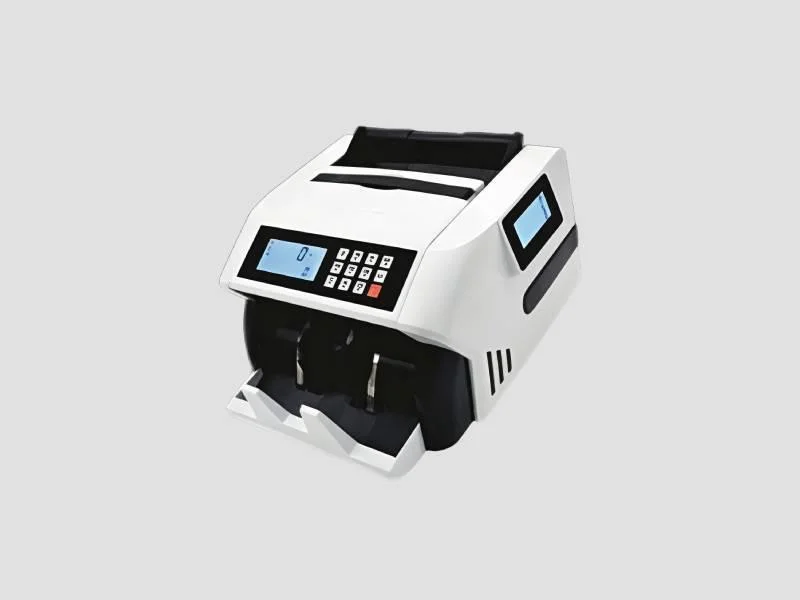
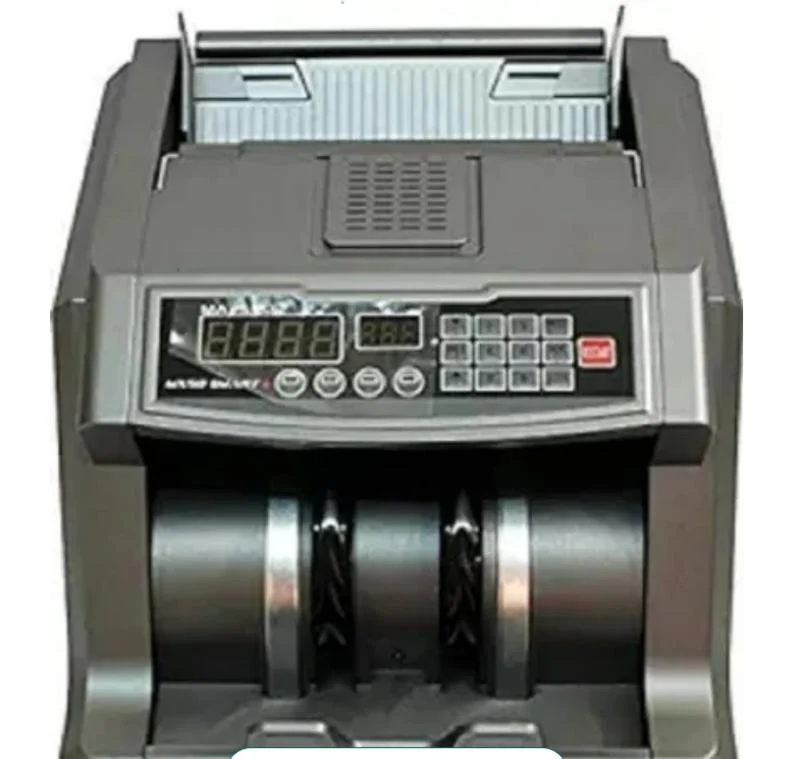
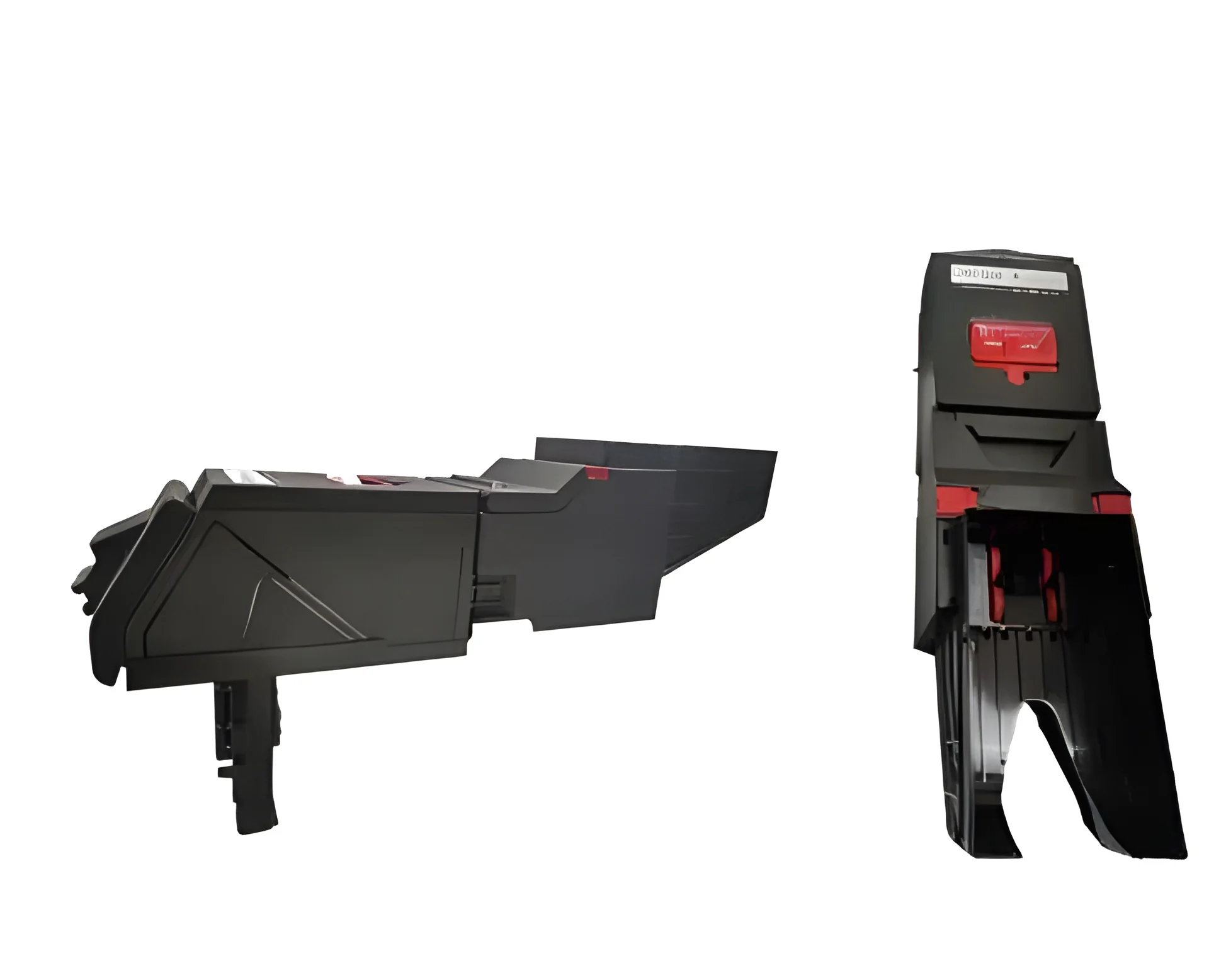
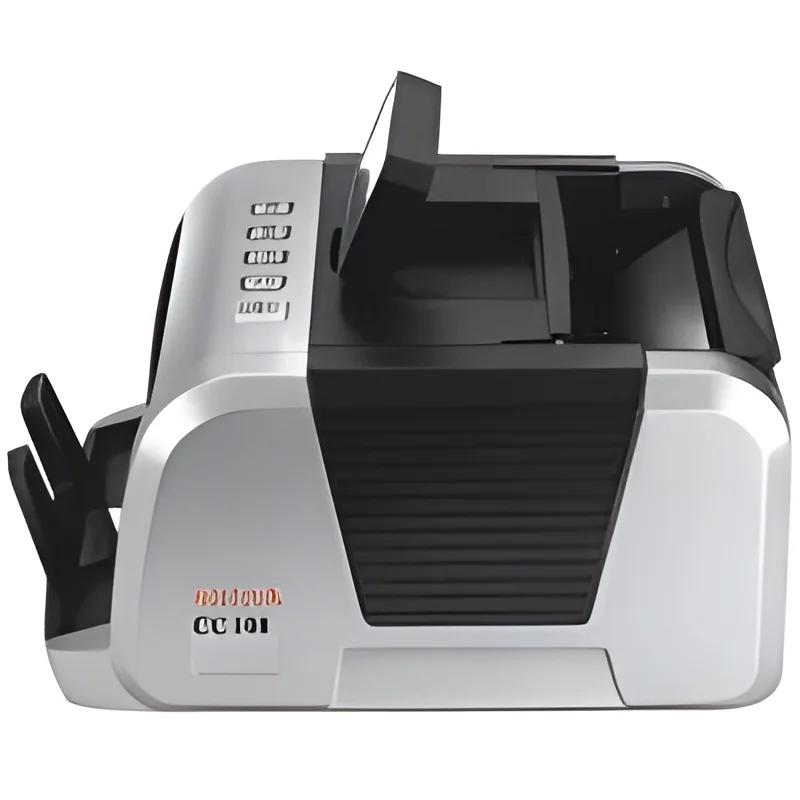
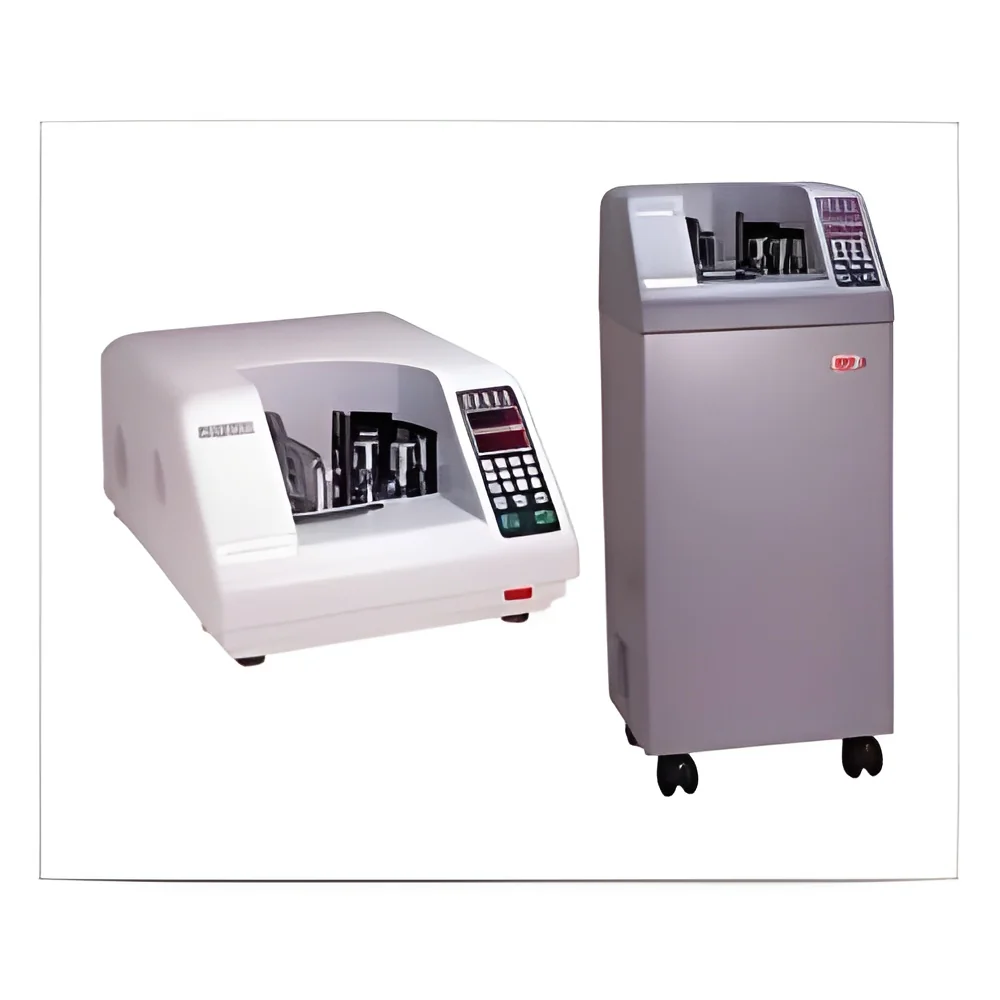
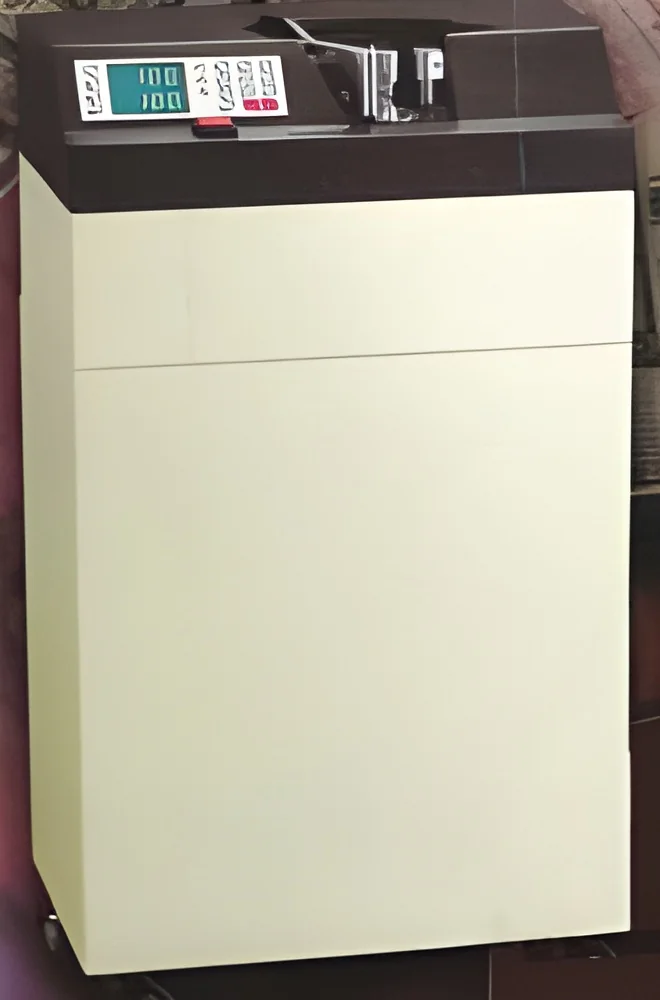
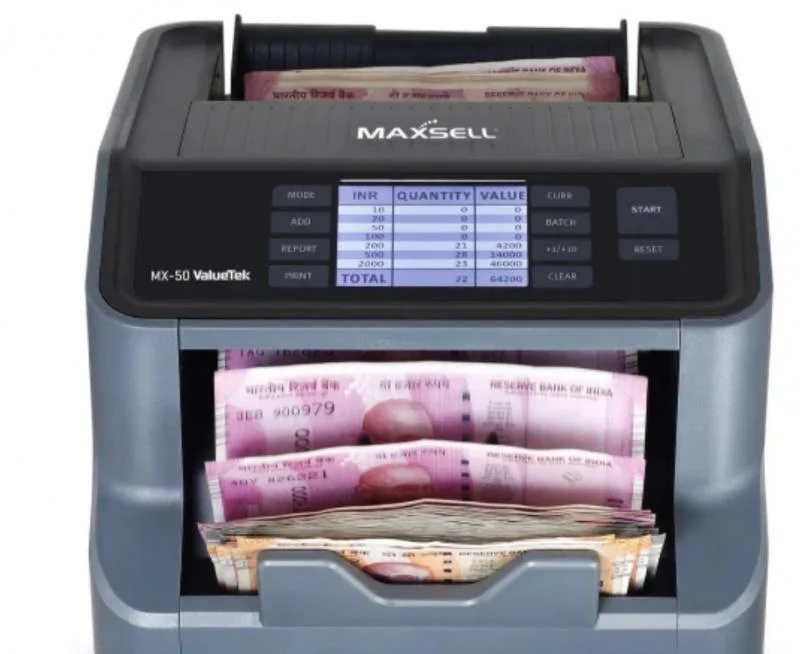
What are Security Printing Presses?
Security printing presses are specialized printing machines designed to produce documents and items that require a high level of protection against counterfeiting and unauthorized reproduction. These presses utilize advanced printing technologies and materials to create secure documents such as banknotes, passports, identification cards, and other sensitive materials. The technology involved often includes features like holograms, microprinting, and complex color patterns to deter fraud.
The primary applications of security printing presses span various industries, including finance, government, and transportation. Banks use these presses to produce currency and secure checks, while government agencies rely on them for issuing identification documents and certificates. In the transportation sector, security printing is essential for creating boarding passes and vehicle registration documents. The growing need for enhanced security measures in these areas underscores the importance of security printing presses in today’s market.
As the demand for secure and reliable printed materials continues to rise, the security printing press industry has become increasingly relevant. The global market for these presses is expanding, driven by technological advancements and heightened security concerns. Companies are investing in state-of-the-art printing solutions to meet the evolving needs of their clients, making security printing presses a critical component in the fight against counterfeiting.
Key Features and Specifications
Security printing presses come equipped with a variety of features that enhance their functionality and security capabilities. These features are essential for producing high-quality and secure printed materials that meet industry standards.
Key specifications include:
1. Printing Technology
- Digital, offset, or gravure printing methods
- Capabilities for high-resolution images and fine details
2. Security Features
- Incorporation of holograms, microtext, and color-shifting inks
- Customizable security elements to meet specific client needs
3. Speed and Efficiency
- Production speed measured in prints per hour
- Extended operational uptime with minimal maintenance
4. Material Compatibility
- Ability to print on various substrates including paper and polymer
- Options for specialized inks that enhance durability
5. Control Systems
- Advanced monitoring systems for quality assurance
- Automated functions for streamlined operation
6. Size and Format
- Capability to handle different print sizes and formats
- Flexibility for various types of documents and products
7. Environmental Considerations
- Energy-efficient operation and sustainable practices
- Compliance with environmental regulations in printing processes
8. User Interface
- Intuitive control panels and software for ease of use
- Options for remote operation and diagnostics
In summary, security printing presses are equipped with advanced features that make them suitable for producing high-security documents. Their specifications not only enhance security but also ensure efficiency and adaptability in various industrial applications.
Common Applications and Use Cases
Security printing presses serve numerous industries, each with distinct requirements for secure printing.
1. Financial Sector: Banks and financial institutions utilize security printing presses to produce banknotes, checks, and secure documents. High-quality printing technology ensures that these items are resistant to counterfeiting.
2. Government: Government agencies depend on security printing for passports, identification cards, and official certificates. The need for verification and authenticity drives the use of advanced security features.
3. Transportation: Airlines and transport companies use security printing presses for boarding passes and tickets. The ability to customize security features helps prevent fraud and unauthorized use.
4. Pharmaceuticals: The pharmaceutical industry employs security printing for labels and packaging to prevent counterfeit drugs. Traceability and security are crucial for consumer safety.
5. Lottery and Gaming: Security printing presses are used to produce lottery tickets and gaming cards, where the integrity of the product is paramount to maintain trust and prevent fraud.
6. Retail: Retailers utilize security printing for gift cards and loyalty cards. These items often incorporate advanced security features to protect against duplication.
7. Academic Institutions: Universities and colleges use security printing presses for diplomas and certificates, ensuring that these important documents are secure and tamper-proof.
Product Variants and Subcategories
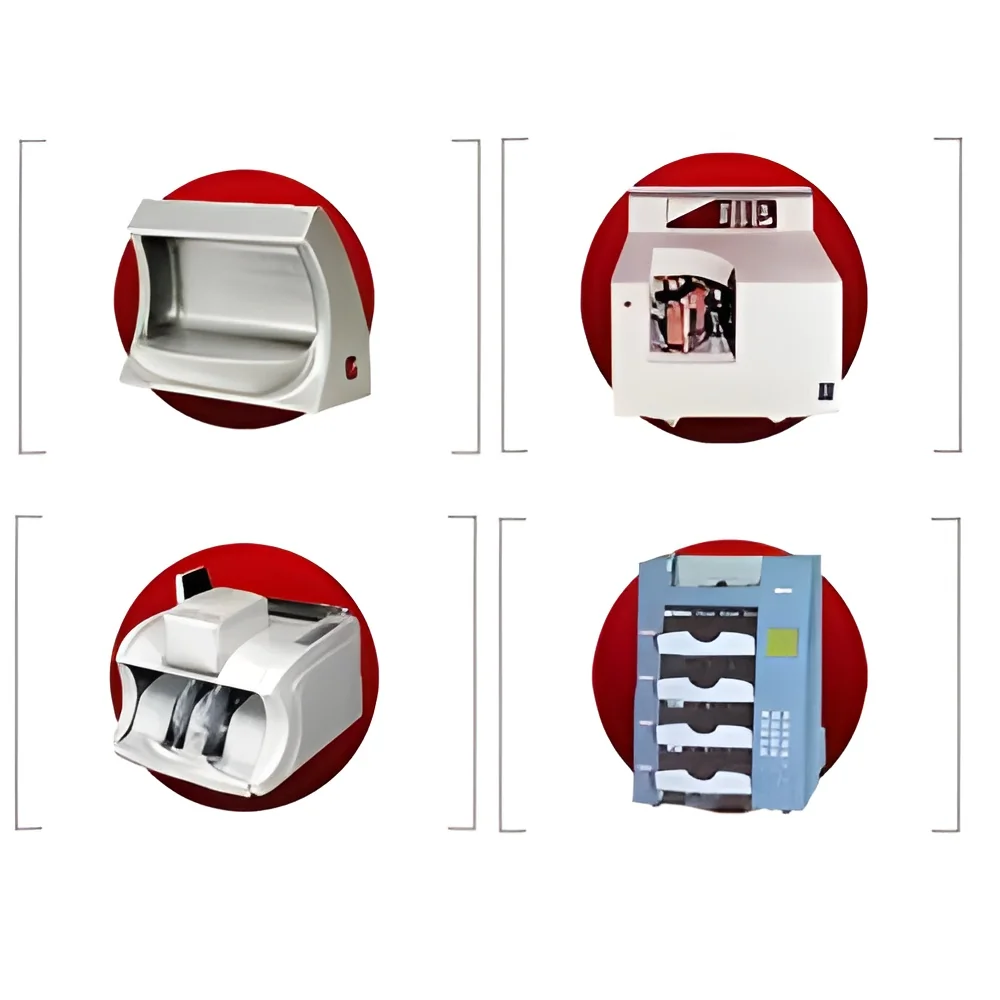
Security printing presses come in various models to cater to different operational needs. Each variant is tailored for specific applications, offering unique features.
Digital Security Printing Press
This variant utilizes digital technology for on-demand printing. It is ideal for producing small batches of high-security documents with customizable features. The flexibility of digital printing allows for quick changes in design.
Offset Security Printing Press
Offset presses are known for their high-quality image reproduction and speed. This type is commonly used for large print runs of banknotes and other secure documents, where consistency and quality are essential.
Gravure Security Printing Press
Gravure printing is favored for its ability to produce intricate designs and high volumes. It is often used in applications like secure packaging and labels, where both security and aesthetic appeal are important.
Flexographic Security Printing Press
Flexographic presses offer versatility in printing on various substrates, making them suitable for packaging applications. They are used to create secure labels and tags for products in various industries.
Benefits and Advantages
Investing in security printing presses provides numerous benefits to businesses looking to enhance their security measures.
Key benefits include:
1. Enhanced Security: Security printing presses incorporate advanced technologies that significantly reduce the risk of counterfeiting and fraud.
2. Customization Options: These presses offer customizable features, allowing businesses to tailor their products to specific security requirements.
3. High-Quality Output: The technology used in security printing ensures high-resolution images and fine details, which are crucial for secure documents.
4. Increased Efficiency: Modern security printing presses are designed for high-speed production, enhancing operational efficiency and reducing turnaround times.
5. Compliance with Standards: Security printing presses can be configured to meet various regulatory and industry compliance requirements, ensuring that products adhere to safety and quality standards.
6. Competitive Advantage: By using advanced security printing solutions, businesses can differentiate themselves in the market and build trust with their customers.
Buying Guide for B2B Buyers
When sourcing security printing presses, businesses should consider several critical factors to ensure they select the right equipment for their needs.
1. Quality Assessment: It is essential to evaluate the quality of the printing press. Look for manufacturers that adhere to recognized quality standards, ensuring reliability and performance.
2. Supplier Verification: Vet potential suppliers by checking their reputation in the industry. It is crucial to partner with verified suppliers who have a track record of delivering high-quality products.
3. Pricing and MOQ: Understand the pricing structure and minimum order quantities (MOQ) associated with the presses. This information will help in budgeting and planning for future purchases.
4. Delivery and Lead Times: Consider the logistics involved in acquiring the printing press. Evaluate lead times for delivery and installation to ensure timely operations.
5. Compliance Requirements: Ensure that the printing press complies with relevant regulations and industry standards. This may include safety certifications and environmental compliance.
Compliance and Certifications
Security printing presses must adhere to various quality standards and certifications to ensure safety and reliability. ISO 9001 is a widely recognized standard that outlines quality management systems, ensuring that manufacturers maintain consistent quality in their processes.
In addition, industry-specific certifications such as CE mark indicate compliance with European safety standards. These certifications are crucial for businesses looking to operate within regulated markets.
Safety and testing requirements are paramount in the security printing industry. Equipment must undergo rigorous testing to ensure it meets operational and safety standards, protecting both the manufacturer and the end user.
Furthermore, businesses should consider regional compliance requirements, as these can vary significantly. Understanding local regulations is vital for ensuring that security printed materials meet necessary legal standards.
Why Source Security Printing Presses from Pepagora?
Pepagora provides a trusted platform for sourcing security printing presses, offering numerous advantages to B2B buyers.
Verified Supplier Network: Pepagora maintains a comprehensive network of verified suppliers, ensuring that buyers access high-quality security printing presses from reputable manufacturers.
Streamlined RFQ Process: The platform features a user-friendly Request for Quotation (RFQ) system that simplifies the procurement process. Buyers can easily submit their requirements and receive competitive quotes from multiple suppliers.
Trade Assurance and Support: Pepagora offers trade assurance that protects buyers throughout the purchasing process. This support builds confidence and ensures a smooth transaction experience.
Regional Coverage: Pepagora's reach extends across India, the GCC region, and Southeast Asia, connecting buyers with local suppliers and facilitating efficient logistics for timely delivery.
By choosing Pepagora, businesses can confidently source security printing presses that meet their needs while benefiting from a transparent and supportive marketplace.

 IN
IN