What are Printing Machinery Parts?
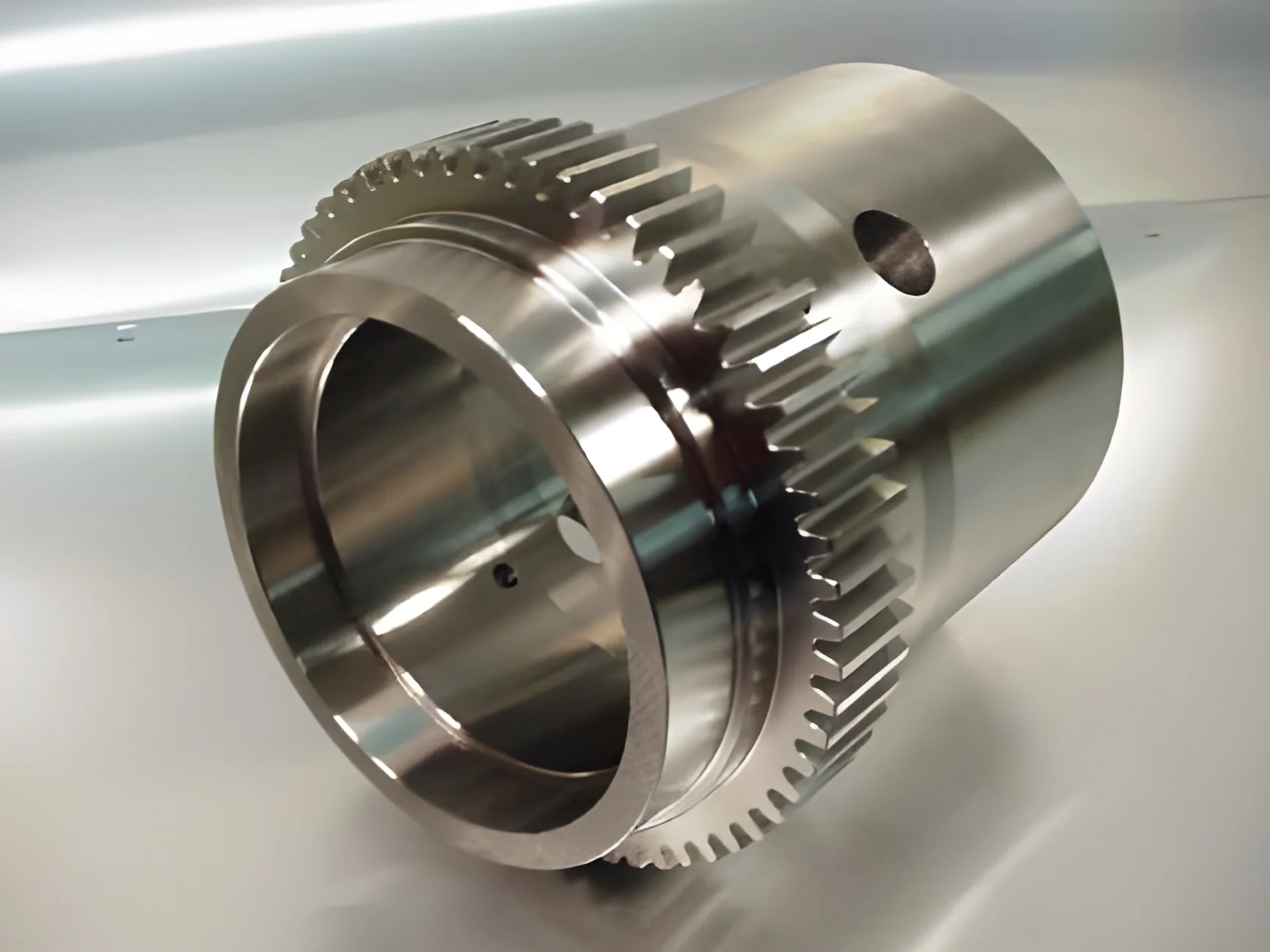
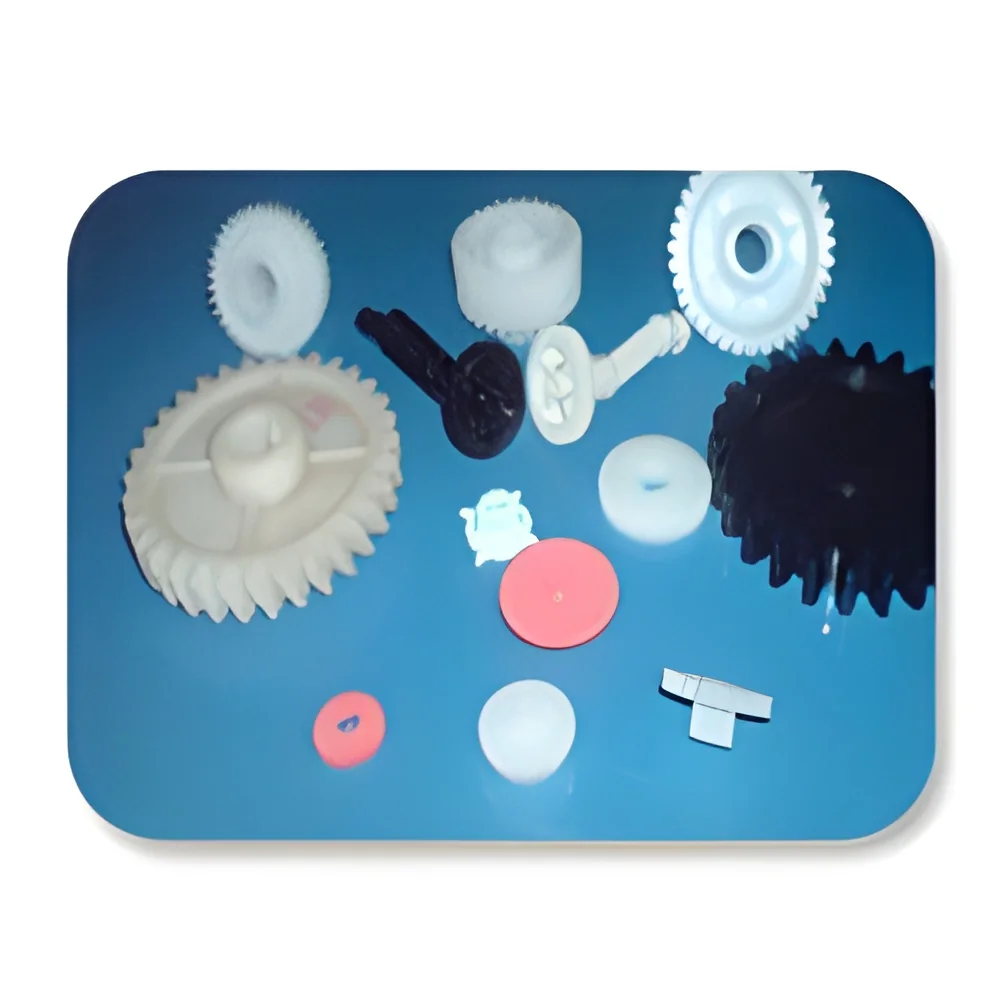
Printing machinery parts refer to the components that make up various printing equipment used in the production of printed materials. These parts are essential for the efficient operation of printers, ensuring that they function correctly and produce high-quality outputs. Common components include rollers, ink pumps, blades, and various electronic parts that control the printing process. Each of these parts plays a critical role in the overall functioning of printing machinery.
The primary use of printing machinery parts is in the printing industry, which includes commercial printing, packaging, and publishing. Businesses rely on these parts to maintain their printing operations, reduce downtime, and enhance productivity. With the rise of digital printing and advanced technologies, the demand for reliable and efficient printing machinery parts has surged. This sector is crucial for businesses looking to produce a wide range of printed materials, from labels to books, and is vital in supporting various industries, including advertising, retail, and manufacturing.
As industries evolve, the relevance of high-quality printing machinery parts continues to grow. The market context indicates a trend toward automation and smart printing solutions, requiring advanced components that can meet these new demands. With increasing competition in the printing sector, companies must invest in reliable machinery and parts to stay ahead and ensure quality output.
Key Features and Specifications
Printing machinery parts come with a variety of features and specifications that cater to different operational needs. Understanding these features is essential for making informed purchasing decisions.
Key specifications include:
1. Material Composition
- Parts are often made from durable materials such as steel, aluminum, or high-grade plastics.
- Provides resistance to wear and tear, ensuring longevity.
2. Compatibility
- Designed to fit specific types or brands of printing machinery.
- Important for seamless integration and optimal performance.
3. Precision Engineering
- Manufactured to tight tolerances for accurate printing results.
- Reduces the likelihood of misalignment or printing errors.
4. Temperature Resistance
- Parts may be designed to withstand specific temperature ranges.
- Essential for maintaining performance under varying operational conditions.
5. Humidity Control
- Some components are engineered to function optimally in specific humidity levels.
- Ensures consistent printing quality in diverse environments.
6. Monitoring Features
- Advanced parts may include sensors for real-time performance monitoring.
- Aids in predictive maintenance and reduces downtime.
7. Certifications
- Many parts come with industry certifications, such as CE, indicating compliance with safety standards.
- Ensures reliability and quality assurance.
8. Customization Options
- Some suppliers offer customization to meet unique business needs.
- Allows businesses to tailor parts for specific applications.
In summary, understanding the features and specifications of printing machinery parts is vital for businesses looking to enhance their printing operations and minimize disruptions.
Common Applications and Use Cases
Printing machinery parts serve a wide range of industries, each with specific applications that require reliable components.
1. Commercial Printing: In commercial printing, these parts are essential for producing high-quality brochures, flyers, and business cards. Reliability and precision are key to meeting client demands.
2. Packaging: In the packaging industry, printing machinery parts are used to print labels and packaging designs. The speed and accuracy of these parts contribute to efficient production lines.
3. Publishing: For the publishing industry, these parts are critical in producing newspapers, magazines, and books. Consistent performance ensures timely delivery of printed materials.
4. Textile Printing: In textile printing, parts are used to print designs onto fabrics. The durability of these components impacts the quality of the final product.
5. Label Printing: Businesses in label printing utilize these parts to create stickers and product labels. Quick changeover of parts can enhance production efficiency.
6. Digital Printing: In digital printing, advanced machinery parts are necessary to support high-resolution outputs. Precision components play a vital role in ensuring quality.
7. 3D Printing: As 3D printing technology advances, specialized parts are needed to maintain these machines. Innovation in this area is crucial for evolving manufacturing processes.
Product Variants and Subcategories
Printing machinery parts come in various forms, each designed to meet specific operational requirements.
Rollers: These are critical components in most printing machines, responsible for transferring ink to the substrate. They come in different sizes and materials to suit various printing applications.
Ink Pumps: Essential for delivering ink to the printing press, ink pumps must be reliable and efficient. Different models cater to various ink types and viscosities.
Cutting Blades: These are used in finishing processes to cut printed materials accurately. The quality of blades impacts the overall presentation of the final product.
Electronics and Control Systems: These parts manage the operational functions of printing machinery. Advanced control systems can enhance automation and efficiency.
Benefits and Advantages
Investing in high-quality printing machinery parts offers numerous benefits that can positively impact business operations.
1. Enhanced Efficiency: Reliable parts reduce the likelihood of machine breakdowns, leading to smoother operations and increased productivity.
2. Improved Print Quality: High-quality components ensure accurate ink distribution and alignment, resulting in superior print outputs.
3. Cost Savings: Investing in durable parts can lead to lower maintenance costs over time, reducing the need for frequent replacements.
4. Customization Flexibility: Many suppliers offer custom parts, allowing businesses to tailor components to their specific needs, improving functionality.
5. Compliance Assurance: Sourcing parts that meet industry certifications ensures adherence to safety and quality standards, protecting the business.
6. Increased Lifespan: Quality parts contribute to the overall longevity of printing machinery, enhancing return on investment.
Buying Guide for B2B Buyers
When sourcing printing machinery parts, businesses need to consider several important factors to ensure they make informed decisions.
1. Quality Assessment: It is crucial to evaluate the quality of parts by checking material specifications and certification details. High-quality components often lead to better performance.
2. Supplier Verification: Vetting suppliers is essential for ensuring reliability. Look for suppliers with a proven track record and positive customer feedback.
3. Pricing and MOQ: Understanding the pricing structure and minimum order quantities (MOQ) is important for budgeting. Compare quotes from multiple suppliers to find the best deal.
4. Delivery and Lead Times: Assess the logistics capabilities of suppliers. Timely delivery is critical to avoid production delays, so inquire about lead times during the sourcing process.
5. Compliance Requirements: Ensure that the parts sourced comply with relevant regulations and standards. This can vary by region and industry, so thorough research is necessary.
Compliance and Certifications
Compliance with industry standards and regulations is crucial for printing machinery parts. Key quality standards include ISO 9001, which emphasizes quality management systems and ensures consistent production processes.
Certifications such as CE signify that products meet safety and environmental protection requirements, providing assurance to buyers regarding their reliability.
Additionally, safety and testing requirements are paramount. Parts must undergo rigorous testing to ensure they can withstand operational stresses. Understanding regional compliance considerations is also essential, as regulations may differ significantly across markets.
Why Source Printing Machinery Parts from Pepagora?
Pepagora offers a trusted platform for sourcing printing machinery parts, providing several key advantages to B2B buyers.
Verified Supplier Network: Pepagora connects businesses with a network of verified suppliers. This ensures that buyers can source high-quality parts with confidence, knowing they are dealing with reputable manufacturers.
Streamlined RFQ Process: The platform features a streamlined request for quotation (RFQ) process, making it easy for buyers to obtain multiple quotes quickly. This simplifies the comparison of options and facilitates informed decision-making.
Trade Assurance and Support: Buyers benefit from trade assurance measures that protect their purchases. Pepagora provides support throughout the buying process, ensuring that any issues are promptly addressed.
Regional Coverage: With a strong presence in India, the GCC, and Southeast Asia, Pepagora offers extensive regional coverage. This allows businesses to source printing machinery parts from suppliers in their vicinity, reducing shipping times and costs.
In conclusion, Pepagora serves as an essential resource for businesses looking to enhance their printing operations through reliable sourcing of machinery parts.

 IN
IN