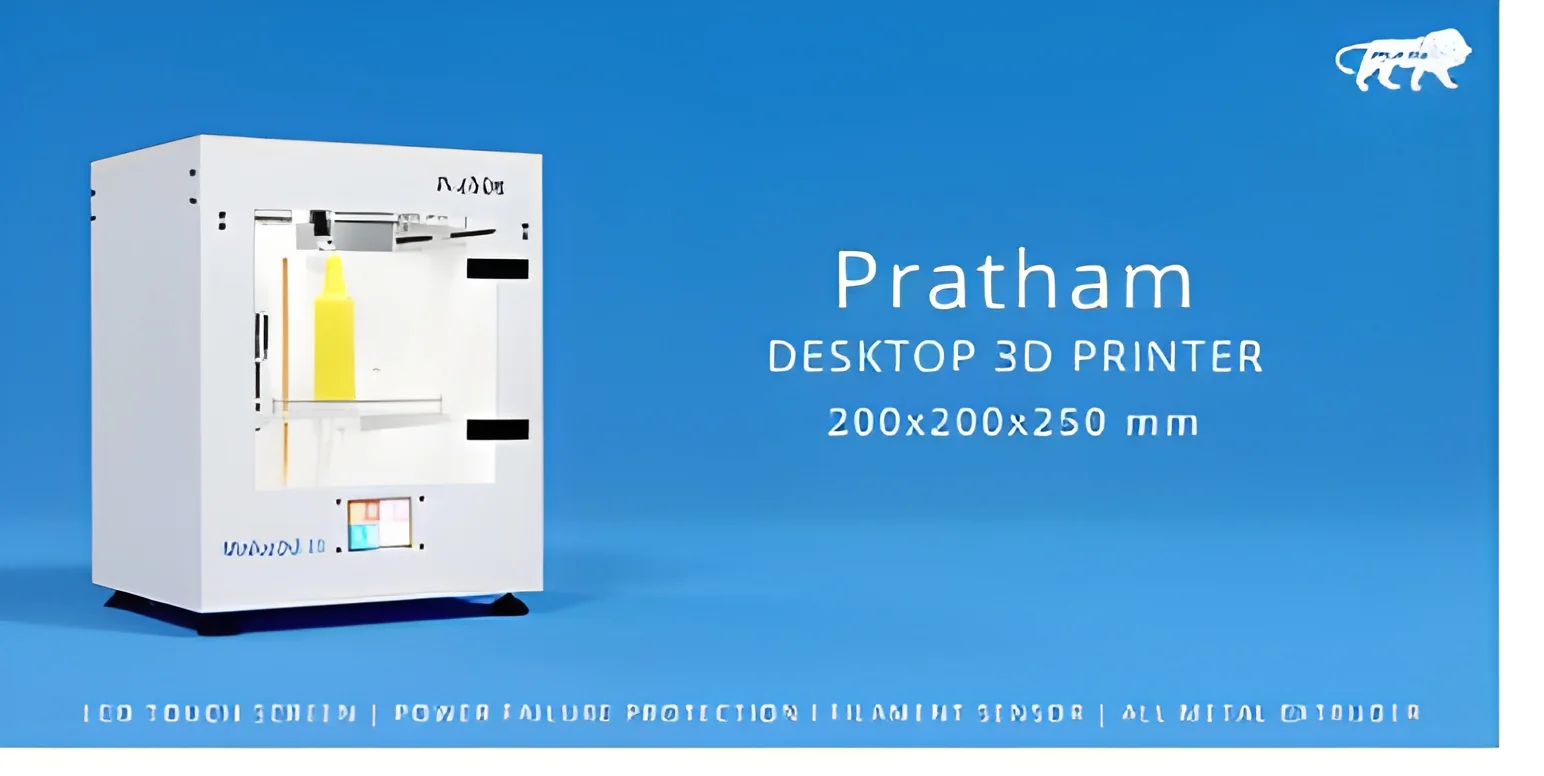
What are 3D Printing for Packaging Prototypes?
3D printing for packaging prototypes refers to the use of additive manufacturing technology to create physical models of packaging designs. This process allows businesses to produce intricate and detailed prototypes quickly and cost-effectively. By utilizing 3D printing, companies can visualize their packaging concepts, test functionality, and make necessary adjustments before committing to large-scale production.
The primary applications of 3D printing for packaging prototypes include product development, market testing, and promotional materials. Businesses can create packaging for various products, from consumer goods to industrial components, enabling them to assess the design and functionality in real-world scenarios. This technology is especially relevant in industries where rapid prototyping can significantly reduce time to market and enhance product refinement.
As market competition intensifies, the demand for innovative packaging solutions grows. Companies are increasingly leveraging 3D printing to gain a competitive edge by streamlining the design process and reducing costs associated with traditional prototyping methods. This evolution in packaging technology is shaping the future of product presentation and customer engagement.
Key Features and Specifications
3D printing for packaging prototypes boasts several key features that enhance its effectiveness and versatility. These specifications are crucial for businesses seeking to implement this technology in their operations.
Key specifications include:
1. Material Variety
- Supports various materials including plastics, resins, and composites
- Enables selection based on durability, flexibility, and aesthetic requirements
2. Print Resolution
- High-resolution printing for detailed designs
- Typically ranges from 50 to 200 microns, ensuring precision in prototype development
3. Build Volume
- Varies by printer model, accommodating different packaging sizes
- Commonly ranges from small desktop units to large industrial machines
4. Speed of Production
- Fast turnaround times compared to traditional methods
- Production times can vary from hours to days depending on complexity
5. Customization Capabilities
- Offers flexibility in design modifications
- Allows for easy adjustments and iterations in the prototyping phase
6. Cost Efficiency
- Reduces material waste through additive manufacturing
- Lowers costs associated with tooling and setup for traditional methods
7. Ease of Use
- User-friendly software for design and printing
- Often compatible with common design formats to streamline the workflow
8. Sustainability
- Utilizes eco-friendly materials and processes
- Supports the creation of sustainable packaging solutions
In summary, the blend of material versatility, print resolution, and production speed makes 3D printing for packaging prototypes an essential tool for businesses aiming to innovate and enhance their packaging strategies.
Common Applications and Use Cases
3D printing for packaging prototypes is applicable across multiple industries, providing tailored solutions to various needs.
1. Consumer Goods: Businesses in this sector use 3D printing to create prototypes for packaging that enhances brand identity and user experience. This includes custom shapes and interactive designs to attract consumer attention.
2. Food and Beverage: Companies utilize 3D printing to design packaging that maintains product integrity and complies with food safety standards. Prototypes can be tested for functionality and presentation.
3. Pharmaceuticals: The pharmaceutical industry relies on 3D printing to develop packaging that ensures safety and compliance with regulatory requirements. Prototyping helps in designing tamper-proof and child-resistant packaging.
4. Electronics: For electronic products, 3D printing allows manufacturers to create packaging that protects sensitive components while also facilitating branding and user engagement.
5. Cosmetics: The cosmetic industry benefits from 3D printing in developing unique and visually appealing packaging prototypes that resonate with target markets.
6. Automotive: Companies in the automotive sector use 3D printing for packaging components and accessories, ensuring that prototypes meet specific design and safety standards.
7. Retail: Retailers leverage 3D printing to create point-of-sale displays and packaging that enhance product visibility and drive sales.
Product Variants and Subcategories
3D printing for packaging prototypes offers a range of variants to meet diverse needs. Each variant is designed to cater to specific functionalities and applications.
Standard Variant
This variant focuses on creating general packaging prototypes for a wide array of products. It supports various materials and design features, making it suitable for most industries.
High-Precision Variant
Targeted at industries requiring meticulous detail, this variant provides high-resolution printing capabilities for intricate designs. Ideal for luxury products and specialized applications.
Eco-Friendly Variant
This variant utilizes sustainable materials to create packaging prototypes. It appeals to businesses focused on reducing environmental impact while still achieving effective packaging solutions.
Customizable Variant
Designed for businesses that require tailored packaging solutions, this variant allows for extensive customization options. It is perfect for brands looking to create unique packaging designs.
Benefits and Advantages
Utilizing 3D printing for packaging prototypes offers numerous advantages that can significantly impact business operations.
Key benefits include:
1. Speed to Market: Rapid prototyping enables companies to bring products to market faster, enhancing competitiveness.
2. Cost Savings: Reduces the costs associated with traditional prototyping methods, including material waste and tooling expenses.
3. Flexibility in Design: Allows for easy modifications and iterations, accommodating last-minute changes without significant delays.
4. Improved Collaboration: Facilitates better communication among teams through tangible prototypes that can be evaluated and tested.
5. Enhanced Innovation: Encourages creative design solutions by allowing designers to experiment with complex shapes and structures.
6. Sustainability Focus: Supports the creation of environmentally friendly packaging options, aligning with corporate social responsibility goals.
Buying Guide for B2B Buyers
When sourcing 3D printing for packaging prototypes, several factors should be considered to ensure an optimal purchasing decision.
1. Quality Assessment: Evaluate the quality of the prototypes produced by potential suppliers. Look for detailed examples of previous work and customer testimonials.
2. Supplier Verification: Vet suppliers by checking their credentials, industry experience, and customer feedback. A reliable supplier is crucial for ensuring consistent quality and service.
3. Pricing and MOQ: Understand the pricing structure and minimum order quantities (MOQ) that suppliers offer. This helps in budgeting and planning for production runs.
4. Delivery and Lead Times: Inquire about delivery schedules and lead times for production. Timely delivery is essential for maintaining project timelines.
5. Compliance Requirements: Ensure that the supplier meets relevant industry standards and regulatory compliance needs, which can vary by sector.
Compliance and Certifications
Compliance with industry standards and certifications is vital for 3D printing for packaging prototypes. Key quality standards include ISO 9001, which ensures quality management systems are in place, and HACCP, focusing on food safety management.
Industry certifications like CE indicate that products meet European safety and health requirements. In addition, safety testing requirements must be adhered to, ensuring that packaging prototypes are safe for their intended use.
Regional compliance considerations may vary based on the geographical market. Understanding local regulations is crucial for businesses operating in multiple regions.
Why Source 3D Printing for Packaging Prototypes from Pepagora?
Pepagora is a trusted platform for sourcing 3D printing for packaging prototypes, offering several key advantages to B2B buyers.
Verified Supplier Network: Pepagora connects businesses with a network of verified suppliers. Each supplier undergoes a thorough vetting process, ensuring quality and reliability in sourcing.
Streamlined RFQ Process: The Request for Quotation (RFQ) system simplifies the sourcing process. Buyers can easily submit their requirements and receive competitive quotes from multiple suppliers.
Trade Assurance and Support: Pepagora provides trade assurance and support, protecting buyers throughout the procurement process. This includes assistance with disputes and ensuring timely delivery.
Regional Coverage: With a focus on markets in India, the GCC, and Southeast Asia, Pepagora offers extensive regional coverage, making it easier for businesses to find suitable suppliers in their target markets.

 IN
IN