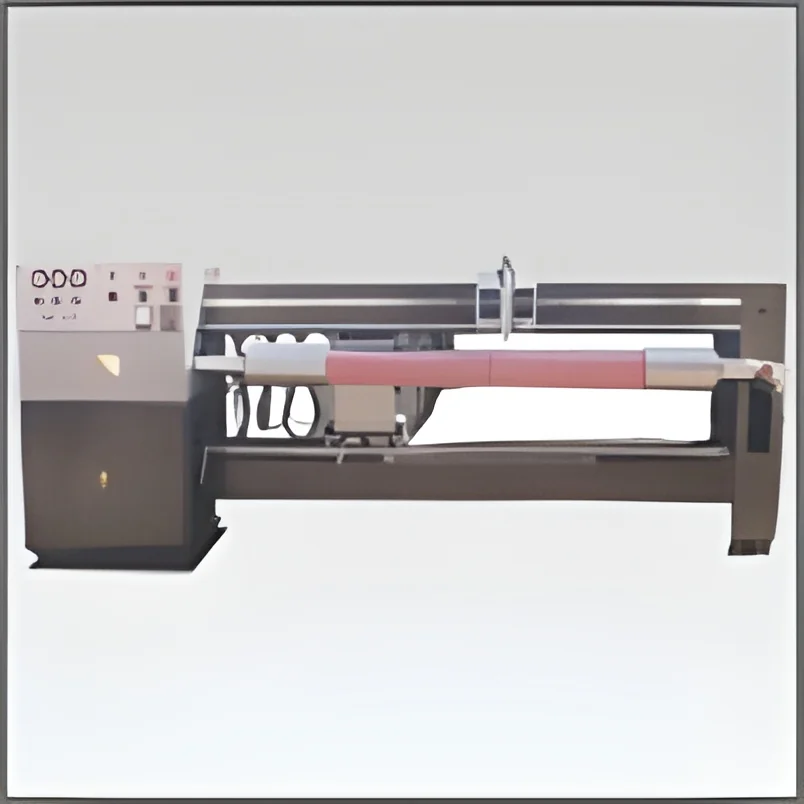
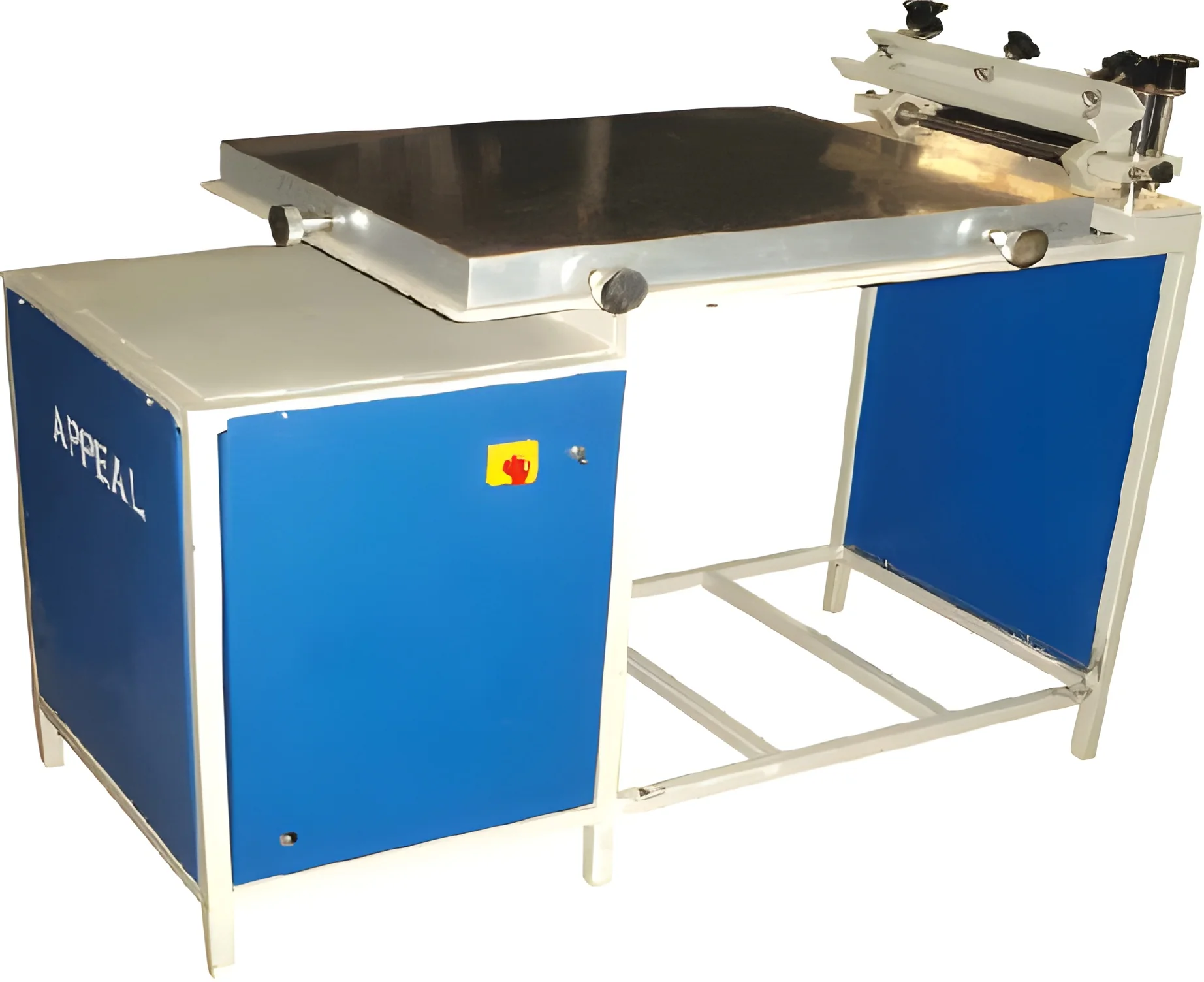
What are Rotary Screen Printing Equipment?
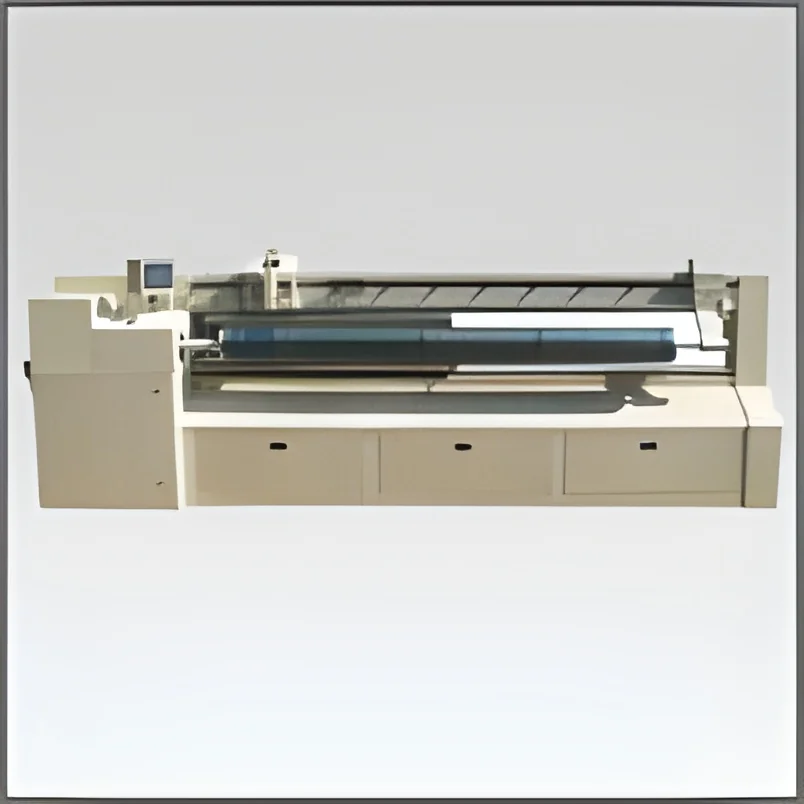
Rotary screen printing equipment is a specialized technology used for the application of inks on fabric or other substrates. It utilizes cylindrical screens to transfer color in a continuous process, allowing for high-speed production and intricate designs. This method is known for its efficiency and precision, making it suitable for large-scale printing operations in various industries.
This equipment is primarily used in the textile industry for printing patterns and designs on clothing, upholstery, and other fabric products. Additionally, it finds applications in the packaging sector for printing on flexible materials. The ability to print complex designs with vibrant colors has made rotary screen printing a preferred choice for manufacturers looking to enhance their products' appeal and marketability.
In terms of market context, rotary screen printing equipment plays a crucial role in the global textile and packaging industries. As demand for customized and high-quality prints increases, manufacturers are investing in advanced rotary screen printing technologies. This trend is driving innovation and competition among suppliers, making it essential for businesses to stay updated on the latest equipment options and technological advancements.
Key Features and Specifications
Rotary screen printing equipment is equipped with several features that enhance its performance and versatility. Understanding these specifications is vital for businesses looking to invest in this technology.
Key specifications include:
1. Print Width
- Typically ranges from 30 inches to 85 inches
- Determines the maximum width of the fabric that can be printed
2. Speed
- Can reach speeds of up to 100 meters per minute
- Affects production efficiency and turnaround time
3. Screen Cylinder Diameter
- Commonly between 15 inches and 30 inches
- Influences the printing area and design capabilities
4. Ink Type Compatibility
- Supports water-based, solvent-based, and UV inks
- Provides flexibility in material usage
5. Registration Precision
- Achieves precision of +/- 0.5 mm
- Essential for multi-color printing and design accuracy
6. Control System
- Features digital controls for easy operation
- Enhances user experience and reduces training time
7. Energy Consumption
- Designed for low energy usage
- Supports sustainability initiatives in production processes
8. Maintenance Requirements
- Typically low due to automated cleaning systems
- Helps minimize downtime and operational costs
These specifications highlight the importance of rotary screen printing equipment in achieving quality and efficiency in production.
Common Applications and Use Cases
Rotary screen printing equipment serves various industries, offering solutions tailored to specific needs.
1. Textile Industry: This equipment is widely used for printing on garments, home textiles, and fashion accessories. It allows for vibrant and intricate designs on a range of fabric types.
2. Packaging Industry: Manufacturers utilize rotary screen printing for producing colorful and detailed prints on flexible packaging materials, enhancing product visibility and appeal.
3. Wallpaper Production: The equipment is ideal for printing large patterns and designs on wallpaper, providing a seamless and aesthetically pleasing finish.
4. Automotive Textiles: Rotary screen printing is employed for creating customized interiors and upholstery, combining durability with high-quality graphics.
5. Home Furnishings: It is used to print designs on curtains, cushions, and other home decor items, allowing for personalized and trendy options.
6. Promotional Products: Businesses leverage rotary screen printing for custom promotional items, ensuring brand visibility through colorful and attractive designs.
7. Technical Fabrics: The equipment can also print on specialized fabrics used in industrial applications, such as protective gear and workwear.
Product Variants and Subcategories
Rotary screen printing equipment comes in various forms to cater to different printing needs and production scales.
High-Speed Rotary Screen Printers: These models are designed for large-scale operations, offering high-speed printing capabilities while maintaining quality. They are ideal for businesses with high-volume production demands.
Compact Rotary Screen Printers: Suitable for smaller operations, these printers provide flexibility and space-saving solutions without compromising on print quality. They are perfect for startups or businesses focusing on niche markets.
Automated Rotary Screen Printers: These advanced models incorporate automation features to streamline the printing process. They reduce labor costs and improve efficiency, making them a smart investment for modern manufacturing facilities.
Benefits and Advantages
Investing in rotary screen printing equipment offers numerous advantages for businesses.
1. High Efficiency: The continuous printing process significantly speeds up production times, allowing for quicker turnaround on orders.
2. Superior Print Quality: Rotary screen printing delivers vibrant colors and intricate designs, ensuring high-quality finishes that meet customer expectations.
3. Versatility: This equipment can print on a wide range of materials and substrates, providing adaptability for various industry needs.
4. Cost-Effective: Despite the initial investment, rotary screen printing reduces ink wastage and optimizes material usage, leading to long-term savings.
5. Reduced Labor Costs: Automation features minimize manual intervention, cutting labor costs and improving overall productivity.
6. Environmentally Friendly: Many rotary screen printers support water-based inks, aligning with sustainability goals and reducing environmental impact.
Buying Guide for B2B Buyers
When sourcing rotary screen printing equipment, businesses should consider several key factors to ensure a successful investment.
1. Quality Assessment: Evaluate equipment quality by reviewing manufacturer reputations, customer testimonials, and performance guarantees. High-quality machinery is crucial for achieving desired printing results.
2. Supplier Verification: Vet suppliers through background checks and certifications. Reliable suppliers will provide support and maintenance services, ensuring the longevity of the equipment.
3. Pricing and MOQ: Understand pricing structures and minimum order quantities to align with budget constraints. Compare multiple suppliers to get competitive pricing without compromising quality.
4. Delivery and Lead Times: Inquire about delivery schedules and lead times. Timely delivery is essential to meet production deadlines and maintain workflow efficiency.
5. Compliance Requirements: Ensure the equipment meets industry standards and regulations. Compliance with safety and quality certifications is necessary to avoid operational disruptions.
Compliance and Certifications
Compliance with quality standards and certifications is crucial for rotary screen printing equipment. Relevant quality standards include ISO 9001, which ensures effective quality management systems are in place. This standard helps manufacturers maintain consistent quality in their products.
Additionally, HACCP (Hazard Analysis and Critical Control Points) guidelines may apply, especially in industries where printed materials come in contact with food or pharmaceuticals. This compliance ensures safety and reduces risks associated with contamination.
CE certification is also significant as it indicates that the equipment meets European safety, health, and environmental protection standards. This certification is essential for businesses looking to enter or compete in European markets.
Safety requirements must also be adhered to, including proper training for operators and maintenance protocols to minimize hazards during operation. Regional compliance considerations may vary depending on location, making it essential for businesses to stay informed about local regulations.
Why Source Rotary Screen Printing Equipment from Pepagora?
Pepagora offers a trusted platform for sourcing rotary screen printing equipment, providing several key advantages for businesses looking to invest in this technology.
Verified Supplier Network: Pepagora connects buyers with a network of verified suppliers, ensuring that businesses have access to high-quality equipment and reliable service. This verification process minimizes risks associated with purchasing from unknown sources.
Streamlined RFQ Process: The Request for Quotation (RFQ) system simplifies the purchasing process, allowing buyers to easily compare options and receive competitive quotes from multiple suppliers. This efficiency helps businesses make informed purchasing decisions quickly.
Trade Assurance and Support: Pepagora provides trade assurance, protecting buyers from potential risks during transactions. Additionally, their customer support team is available to assist with any inquiries or issues, ensuring a smooth buying experience.
Regional Coverage: Pepagora's reach extends across India, the GCC, and Southeast Asia, making it easier for businesses in these regions to access top rotary screen printing equipment and meet their production needs. This extensive coverage helps connect buyers with local suppliers, reducing logistics costs and lead times.

 IN
IN