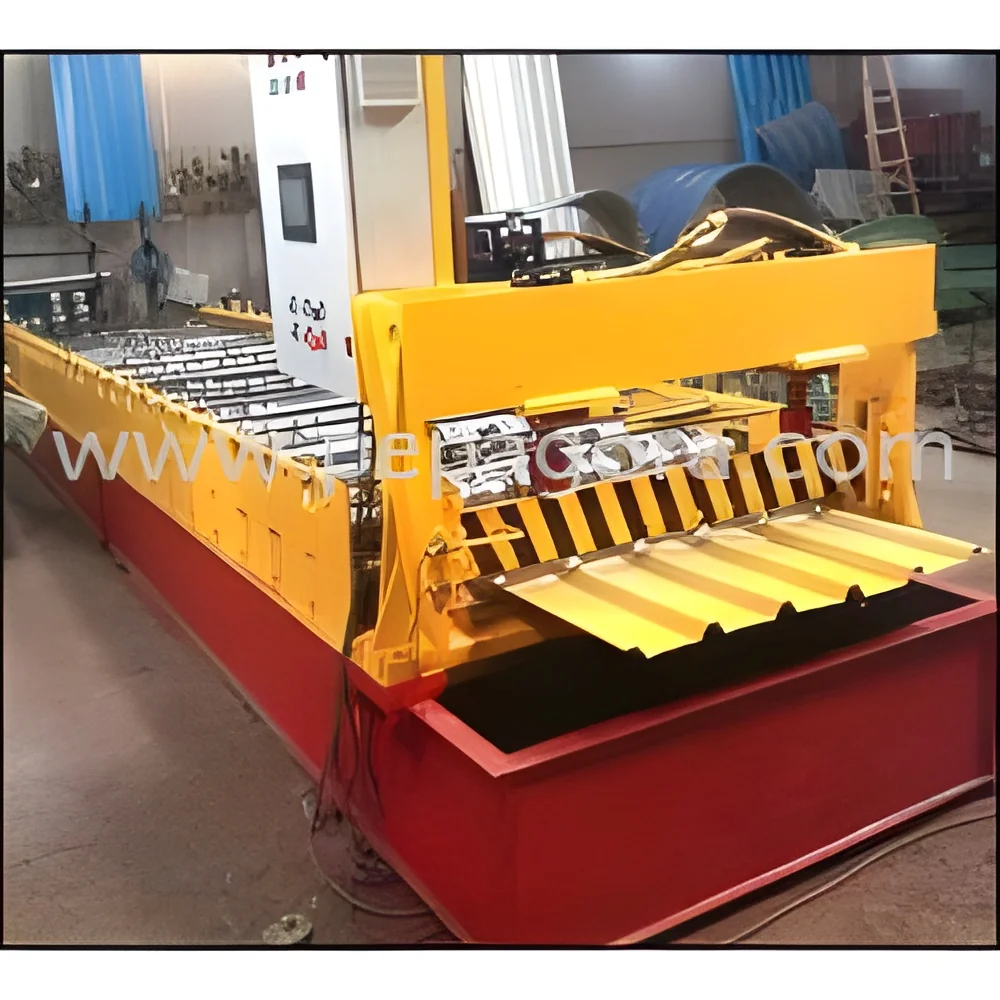
What are Automatic Pad Printing Lines?
Automatic pad printing lines are advanced machinery designed for the pad printing process, which transfers images and text onto various substrates. This technology utilizes silicone pads to pick up ink from a plate and transfer it onto the desired surface with precision. The automation aspect of these lines enhances efficiency and consistency while reducing labor costs, making them essential for high-volume production environments.
These printing lines are primarily used in industries where branding and labeling are critical. Common applications include the printing of logos on promotional products, decorative prints on consumer goods, and functional markings on industrial components. Businesses that require high-quality prints in large quantities find these lines particularly beneficial, as they streamline production processes, maintain high standards of print quality, and minimize waste.
In today's fast-paced market, the relevance of automatic pad printing lines is significant. Many manufacturers are shifting towards automation to meet growing demands for quick turnaround times and consistent quality. As companies seek to optimize their production capabilities, the demand for these printing solutions continues to rise across various sectors, including consumer goods, automotive, electronics, and more.
Key Features and Specifications
Automatic pad printing lines come equipped with various features that enhance their functionality and usability. These features are crucial in adapting to different printing needs and ensuring high-quality results.
Key specifications include:
1. Printing Speed
- The rate at which the machine can print, typically measured in pieces per hour.
- Ranges from 600 to 1200 pieces per hour, depending on the model.
2. Print Area
- The maximum size of the area that can be printed on a substrate.
- Common sizes range from 100mm x 100mm to 300mm x 300mm.
3. Ink Type Compatibility
- The types of inks that can be used with the machine, such as solvent-based or UV-cured inks.
- Supports a variety of formulations for different applications.
4. Pad Size
- The dimensions of the silicone pad used for printing.
- Typically available in sizes ranging from 15mm to 100mm in diameter.
5. Control System
- The type of control interface for operating the machine, which may include PLC or touch screen.
- Offers user-friendly options for easy operation and monitoring.
6. Electrical Requirements
- The power specifications necessary for the operation of the machine.
- Usually requires a three-phase power supply with voltage ratings between 220V and 480V.
7. Dimensions and Weight
- The overall size and weight of the machine, impacting space requirements.
- Varies by model but often measures approximately 1.5m x 2.0m with a weight of up to 800kg.
8. Safety Features
- Built-in safety mechanisms to protect operators and equipment.
- Includes emergency stop buttons, safety guards, and compliance with CE standards.
These specifications ensure that manufacturers can select the most suitable automatic pad printing line for their specific production needs.
Common Applications and Use Cases
Automatic pad printing lines serve a wide range of industries due to their versatility and efficiency.
1. Consumer Goods: These lines are commonly used for branding on various products such as toys, kitchenware, and electronics, ensuring logos and designs are applied accurately and consistently.
2. Automotive Industry: They are utilized for printing important information, such as labels and safety markings on parts and components, contributing to regulatory compliance and quality assurance.
3. Medical Devices: In this sector, pad printing is essential for marking instruments and devices with critical information, ensuring clarity and legibility for safety and usability.
4. Promotional Products: Companies leverage these printing lines to customize items like pens, mugs, and keychains with logos, enhancing brand visibility and customer engagement.
5. Electronics: Automatic pad printing lines are vital for printing on circuit boards and components, where precision and reliability are paramount.
6. Industrial Equipment: These lines are utilized for adding identification and operational markings on machinery, which is crucial for safety and maintenance purposes.
7. Packaging: In the packaging industry, pad printing is used to apply graphics and text on various materials, improving product presentation and information delivery.
Product Variants and Subcategories
Automatic pad printing lines come in various configurations to meet diverse printing needs. Each variant is designed to cater to specific applications and market demands.
Standard Model
This variant is equipped with essential features for general-purpose printing. It is ideal for businesses seeking a reliable solution for high-volume production with moderate complexity in designs.
High-Speed Model
Designed for maximum efficiency, this variant offers enhanced printing speeds and larger print areas. It is suitable for industries with high output demands, such as consumer goods and automotive.
Compact Model
This variant is designed for businesses with limited floor space. It offers essential features in a smaller footprint while maintaining print quality and speed, making it ideal for small to medium-sized operations.
Benefits and Advantages
Investing in automatic pad printing lines comes with numerous benefits that enhance production efficiency and product quality.
1. Increased Efficiency: Automation reduces manual labor and increases production speed, allowing businesses to meet higher output demands.
2. Consistent Quality: These machines ensure uniformity in print quality, minimizing variations and defects, which is crucial for maintaining brand integrity.
3. Cost-Effectiveness: By optimizing the printing process, businesses can reduce material waste and labor costs, leading to greater profitability.
4. Versatility: Automatic pad printing lines can print on a wide range of substrates, making them suitable for various applications across different industries.
5. Ease of Use: Modern control systems provide user-friendly interfaces, simplifying operation and reducing training time for staff.
6. Customization: Businesses can easily adapt the printing lines for different designs and specifications, catering to unique customer requests.
Buying Guide for B2B Buyers
When considering the purchase of automatic pad printing lines, several factors should be taken into account to ensure an informed decision.
1. Quality Assessment: Evaluate the build quality and components of the machine. Look for certifications that ensure compliance with industry standards for durability and performance.
2. Supplier Verification: Conduct thorough research on suppliers to confirm their reputation and reliability. Check for customer reviews and past performance records to ensure they can deliver quality products.
3. Pricing and MOQ: Understand the pricing structure and minimum order quantities (MOQ) from suppliers. Compare different options to find the best value for your investment.
4. Delivery and Lead Times: Consider the logistics involved in acquiring the equipment. Inquire about estimated delivery times and any potential delays in the supply chain.
5. Compliance Requirements: Ensure that the machines meet necessary regulatory standards and certifications, such as safety and environmental compliance, to avoid future liabilities.
Compliance and Certifications
Automatic pad printing lines must adhere to various compliance and certification standards to ensure quality and safety in operation.
ISO 9001 is a quality management standard that focuses on ensuring consistent quality in manufacturing processes. Compliance with this standard indicates that a manufacturer follows best practices in quality assurance.
CE certification is crucial for equipment sold in the European market. It signifies that the product meets safety and health requirements set by the European Union, ensuring that it is safe for use.
Safety and testing requirements must also be met to protect operators and the environment. Manufacturers should conduct thorough testing and follow guidelines to ensure safe operation under different conditions.
Additionally, regional compliance considerations may apply based on local regulations. Companies should be aware of specific requirements in their operating regions to ensure full compliance.
Why Source Automatic Pad Printing Lines from Pepagora?
Pepagora offers a reliable platform for sourcing automatic pad printing lines, providing several key advantages to B2B buyers.
Verified Supplier Network: Pepagora connects buyers with a network of verified suppliers, ensuring that businesses can find quality products from reputable manufacturers. This network helps reduce the risk of fraud and enhances trust in transactions.
Streamlined RFQ Process: The request for quotation (RFQ) process is simplified, allowing buyers to easily compare offers from multiple suppliers. This efficiency helps businesses make quicker decisions while ensuring they receive competitive pricing.
Trade Assurance and Support: Pepagora provides trade assurance services, protecting buyers throughout the purchasing process. This support ensures that transactions are secure and that buyers receive the products as promised.
Regional Coverage: With a strong presence in regions such as India, the Gulf Cooperation Council (GCC), and Southeast Asia, Pepagora offers extensive geographic reach. This allows buyers in various markets to access high-quality automatic pad printing lines tailored to their specific needs.

 IN
IN