
 IN
Heat Press Machines
9 products available
What are Heat Press Machines?
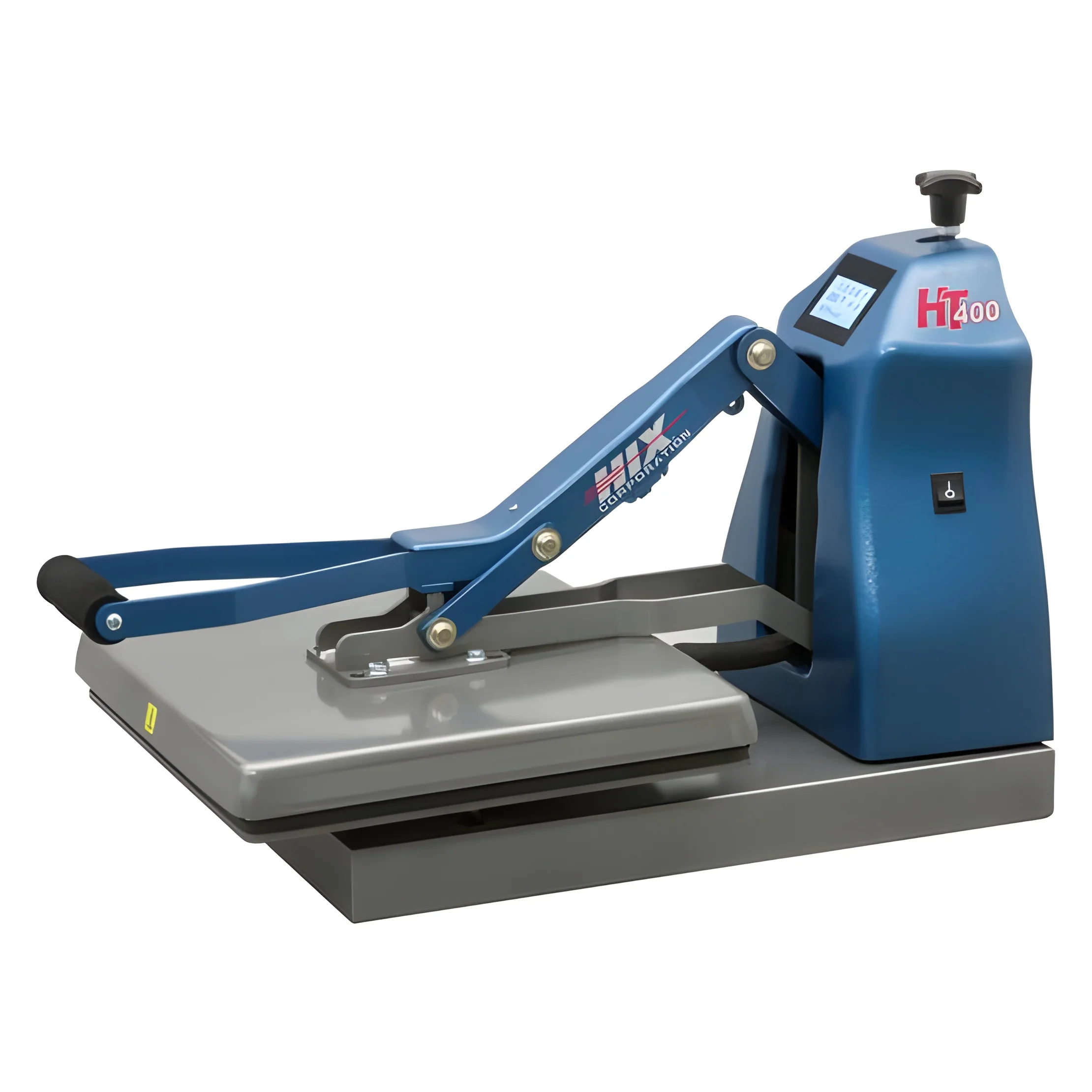
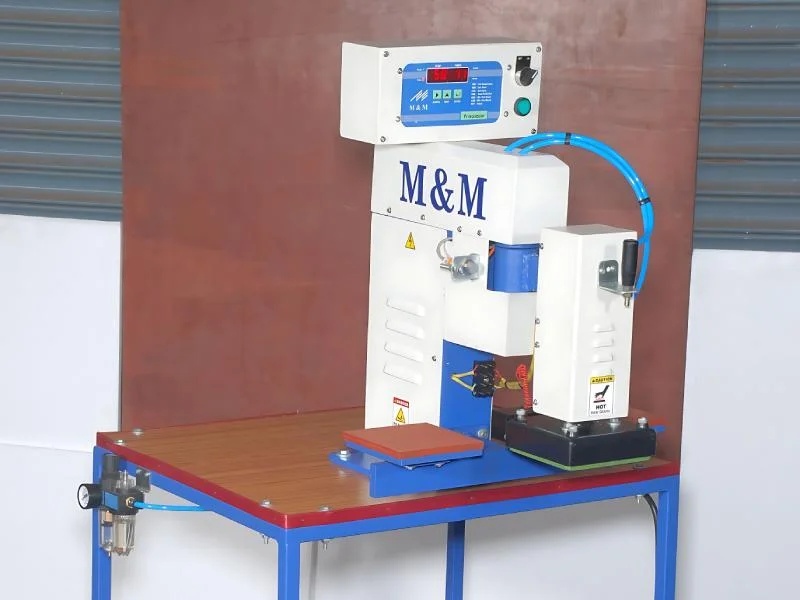
Heat press machines are industrial tools used to transfer designs onto substrates such as textiles, ceramics, and metals using heat and pressure. The technology works by applying high temperatures and significant pressure to transfer ink from a special paper onto the item being printed. This method ensures that the designs adhere securely, resulting in durable and vibrant finishes.
These machines are primarily used in various sectors, including apparel, promotional products, and signage. Businesses utilize heat press machines to create custom prints, logos, and graphics for garments, making them essential in industries like fashion and merchandising. The versatility of heat press machines allows companies to cater to unique customer demands, thus enhancing their product offerings.
In the current market context, heat press machines are gaining popularity due to the increasing demand for personalized products. As businesses strive to differentiate themselves, the ability to provide customized items is becoming a critical competitive advantage. This trend underscores the relevance of heat press technology across numerous industries.
Key Features and Specifications
Heat press machines are designed with several key features that enhance their functionality and convenience. Understanding these specifications is crucial for businesses considering investment.
Key specifications include:
1. Temperature Control
- Allows precise temperature settings for different materials
- Typically ranges from 0 to 500 degrees Fahrenheit
2. Pressure Adjustment
- Provides the ability to adjust pressure to accommodate various substrates
- Essential for achieving optimal transfer quality
3. Heating Element
- Made from durable materials ensuring even heat distribution
- Often features a non-stick surface for easy maintenance
4. Timer Settings
- Programmable timers to prevent overexposure to heat
- Ensures consistent transfer results
5. Size and Workspace
- Available in various sizes to suit different production needs
- Some models come with a larger workspace for bigger items
6. Portability
- Lightweight designs for ease of movement
- Some models are compact for small business use
7. Safety Features
- Equipped with auto shut-off functions to prevent overheating
- Includes protective covers to ensure user safety
8. Compatibility
- Works with various transfer materials like vinyl, sublimation paper, and more
- Flexibility to accommodate diverse printing needs
Overall, these features make heat press machines versatile tools for businesses, allowing them to achieve high-quality results efficiently.
Common Applications and Use Cases
Heat press machines are utilized across various industries, demonstrating their versatility and effectiveness.
1. Apparel Industry: Heat press machines are widely used to transfer designs onto t-shirts, caps, and uniforms. This application allows businesses to create custom clothing designs for brands and events.
2. Promotional Products: Companies use heat press machines to create personalized items such as mugs, tote bags, and keychains. This enhances promotional campaigns by providing unique giveaways.
3. Signage: In the signage industry, heat press machines are employed to produce durable signs and banners. The ability to handle various materials ensures that signage is both attractive and long-lasting.
4. Home Decor: Businesses can use heat press machines to create customized home decor items like cushions and wall art. This offers consumers unique, personalized options for their living spaces.
5. Sports Merchandise: Teams and organizations utilize heat press machines to print logos and player names on jerseys and sports equipment. This personalization fosters team spirit and enhances merchandise sales.
6. Crafting and DIY: Crafters and small businesses use heat press machines to create unique crafts, such as personalized gifts and custom home goods. This niche market has expanded significantly with the rise of DIY culture.
7. Educational Institutions: Schools use heat press machines to create custom apparel for events, clubs, and sports teams. This fosters school pride and community engagement.
Product Variants and Subcategories
Heat press machines come in various types and models to cater to different business needs. Each variant offers unique features tailored for specific applications.
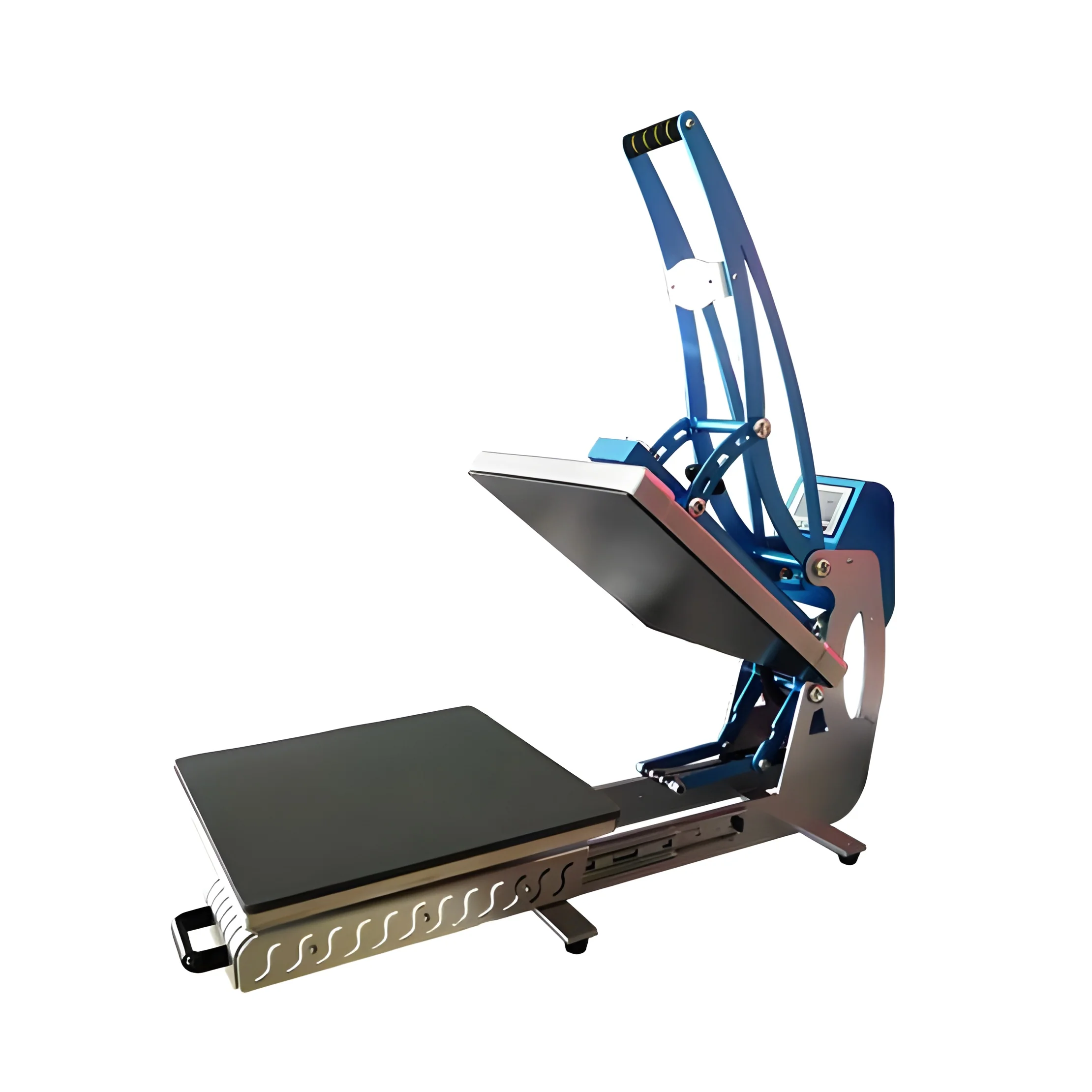
Clamshell Heat Press
Clamshell heat presses feature a top platen that swings open. This design provides easy access to the transfer area, making it suitable for smaller items like t-shirts and bags. Their compact size makes them ideal for limited workspace environments.
Swing-Away Heat Press
Swing-away heat presses have a top platen that swings to the side, providing full access to the lower platen. This design allows for better safety and ease of use, especially when working with thicker materials. They are versatile and suitable for a range of substrates.
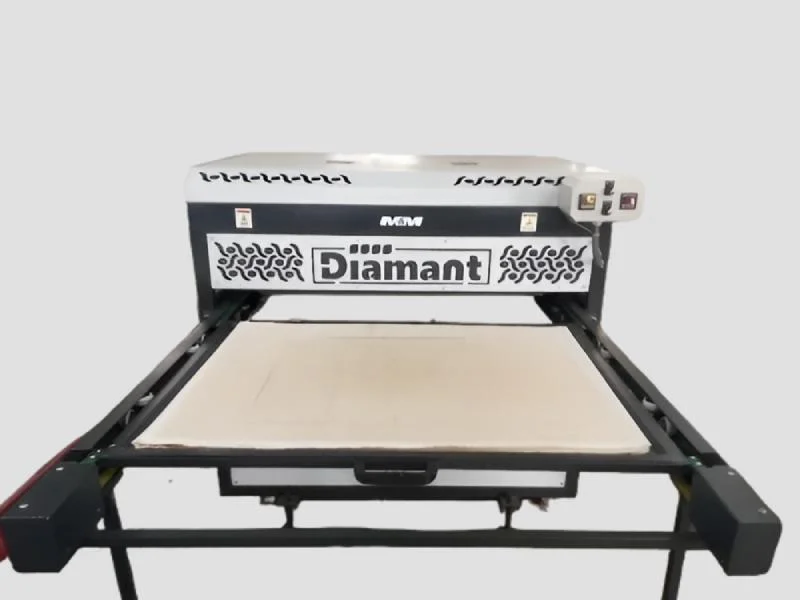
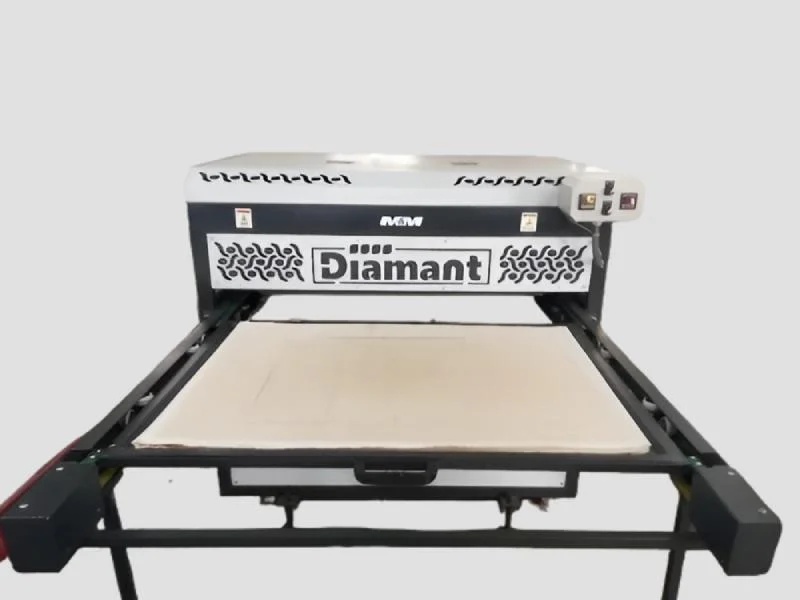
Draw Heat Press
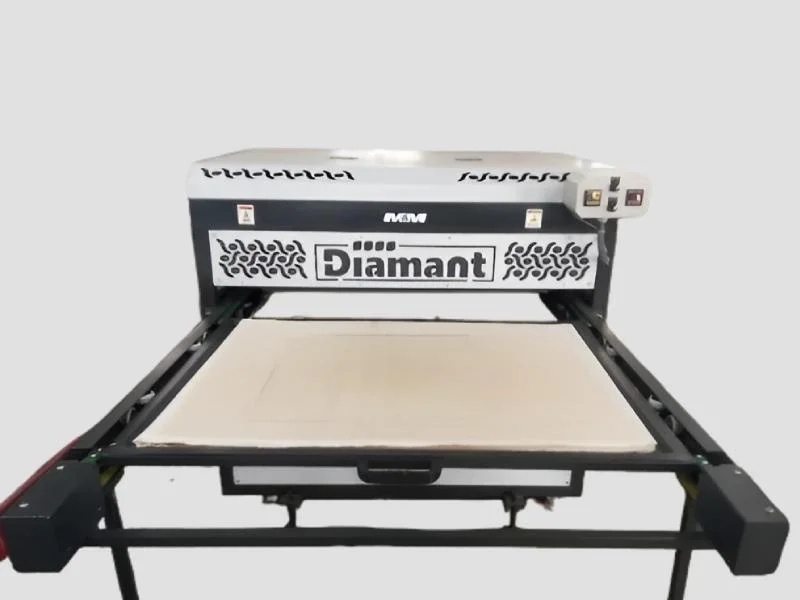
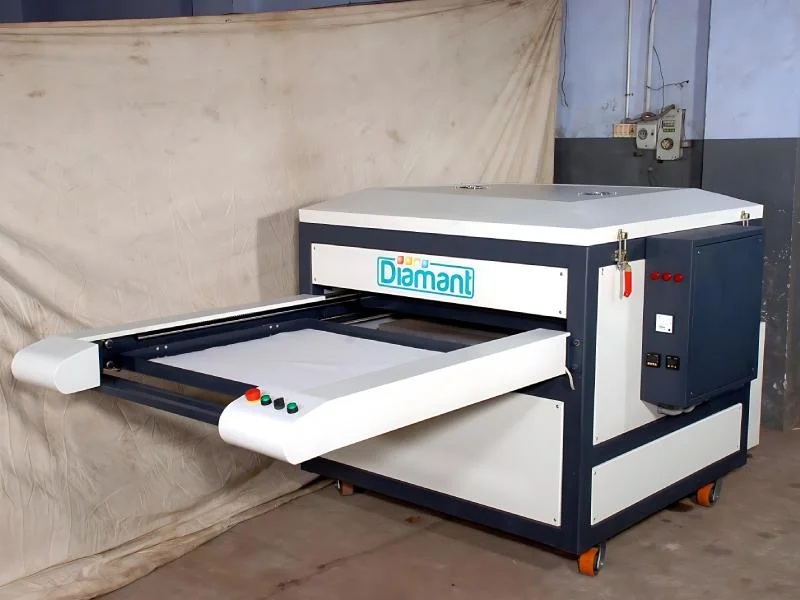
Draw heat presses have a sliding drawer for the lower platen, ensuring easy placement of items without the risk of burns. This model is best for larger items and allows for efficient workflow in high-volume settings.
Benefits and Advantages
Investing in heat press machines offers numerous advantages for businesses seeking to enhance their production capabilities.
Key benefits include:
1. Versatility: Heat press machines can work with a variety of materials, making them suitable for a wide range of applications.
2. Customization: Businesses can offer personalized products, allowing them to cater to customer preferences and differentiate their offerings.
3. Cost-Effectiveness: With the ability to produce high-quality prints quickly, heat press machines can reduce labor costs and increase overall productivity.
4. Ease of Use: Many models feature user-friendly controls, allowing operators to achieve professional results with minimal training.
5. Durability: Heat press machines are built to withstand extensive use, ensuring long-term reliability and performance.
6. High-Quality Results: The combination of heat and pressure ensures vibrant, lasting designs that can withstand washing and wear.
Buying Guide for B2B Buyers
When sourcing heat press machines, B2B buyers should consider several key factors to ensure a successful investment.
1. Quality Assessment: Evaluate the quality of machines by reviewing customer testimonials and conducting product demonstrations when possible. Look for reliable brands known for durability and performance.
2. Supplier Verification: Vet suppliers by checking their credentials, certifications, and market reputation. A verified supplier network can significantly reduce risks associated with procurement.
3. Pricing and MOQ: Understand the pricing structure, including any minimum order quantities. Compare costs across different suppliers to ensure competitive pricing while considering the total cost of ownership.
4. Delivery and Lead Times: Inquire about delivery schedules and lead times. Ensuring timely delivery is crucial for maintaining production schedules and meeting customer demands.
5. Compliance Requirements: Verify that the heat press machines meet relevant compliance standards and certifications. This includes safety regulations and industry-specific requirements to avoid legal issues.
Compliance and Certifications
Compliance and certifications are critical aspects of heat press machines that assure quality and safety.
Many heat press machines adhere to quality standards such as ISO 9001, which outlines requirements for a quality management system. Compliance with these standards ensures that products consistently meet customer and regulatory requirements.
Additionally, industry certifications like CE mark indicate that the machines conform to European safety standards. This certification is essential for businesses looking to operate within or export to European markets.
Safety and testing requirements are vital, with machines needing to pass specific tests to ensure they are safe for operator use. Regional compliance considerations may vary, so it is essential for buyers to understand local regulations that apply to heat press machines.
Why Source Heat Press Machines from Pepagora?
Pepagora offers a trusted platform for sourcing heat press machines, providing numerous advantages for B2B buyers.
Verified Supplier Network: Pepagora ensures that all suppliers within its network are thoroughly vetted, providing buyers with confidence in their sourcing decisions. This verification process reduces the risk of dealing with unreliable vendors.
Streamlined RFQ Process: The platform features a streamlined request for quotation (RFQ) process, allowing buyers to easily compare offers from multiple suppliers. This simplifies decision-making and enhances procurement efficiency.
Trade Assurance and Support: Pepagora provides trade assurance, offering protection to buyers against potential disputes. This support system adds an extra layer of security to transactions.
Regional Coverage: With a strong presence in India, the GCC, and Southeast Asia, Pepagora facilitates access to a diverse range of heat press machines. This geographic reach ensures that buyers can find tailored solutions that meet their specific needs.

Frequently Asked Questions
What are Heat Press Machines?
Heat Press Machines are specialized equipment used to transfer designs onto various materials, primarily fabrics, using heat and pressure. They are commonly utilized in the textile and apparel industry for printing graphics, logos, and patterns on t-shirts, hats, and other items.
What are the different types of Heat Press Machines?
There are several types of Heat Press Machines, including clamshell, swing-away, and multi-function presses. Clamshell models open like a clamshell, while swing-away machines allow the upper platen to swing away for easier access. Multi-function presses offer versatility to work with various materials and applications.
How do I choose the right Heat Press Machines?
Choosing the right Heat Press Machine depends on factors such as the type of materials you'll be working with, production volume, and specific application needs. Consider the size of the heat platen, temperature range, and pressure settings, as well as additional features like digital displays for ease of use.
What are the standard specifications for Heat Press Machines?
Standard specifications for Heat Press Machines typically include temperature ranges from 0 to 500 degrees Fahrenheit, pressure settings adjustable from light to heavy, and platens available in various sizes. Additionally, many machines feature digital timers and temperature controls for precise operation.
What is the price range for Heat Press Machines?
The price range for Heat Press Machines varies widely depending on the type and features, typically ranging from INR 10,000 to INR 1,00,000 or more. Basic models are generally more affordable, while advanced machines with additional functionalities and larger platens tend to be at the higher end of the spectrum.
What quality standards apply to Heat Press Machines?
Quality standards for Heat Press Machines often include compliance with ISO certifications and safety regulations like CE marking. Manufacturers may also adhere to specific industry standards to ensure reliability, durability, and performance in commercial applications.
Where can I find Heat Press Machines suppliers in India?
You can find Heat Press Machines suppliers in India through various online B2B marketplaces, trade shows, and industry directories. Platforms like Pepagora.com feature a range of manufacturers and suppliers, allowing you to compare products and prices conveniently.
Can Heat Press Machines be customized?
Yes, many Heat Press Machines can be customized based on specific needs, such as platen size, additional features, or branding. It is advisable to discuss customization options directly with manufacturers or suppliers to ensure your requirements are met.
What is the typical minimum order quantity for Heat Press Machines?
The typical minimum order quantity (MOQ) for Heat Press Machines can vary by supplier, but it generally ranges from 1 to 10 units for standard models. Larger orders may allow for better pricing or customization options.
What is the typical lead time for Heat Press Machines?
The typical lead time for Heat Press Machines varies based on supplier and order size, usually ranging from 2 to 6 weeks. Factors such as customization and shipping logistics can also impact delivery times.
Why Businesses Trust Pepagora
Thousands of companies trust Pepagora to source smarter and sell faster
Expand Your Sales Globally

Source Smarter,Grow Faster
