What are Sticker Label Printing Machines?
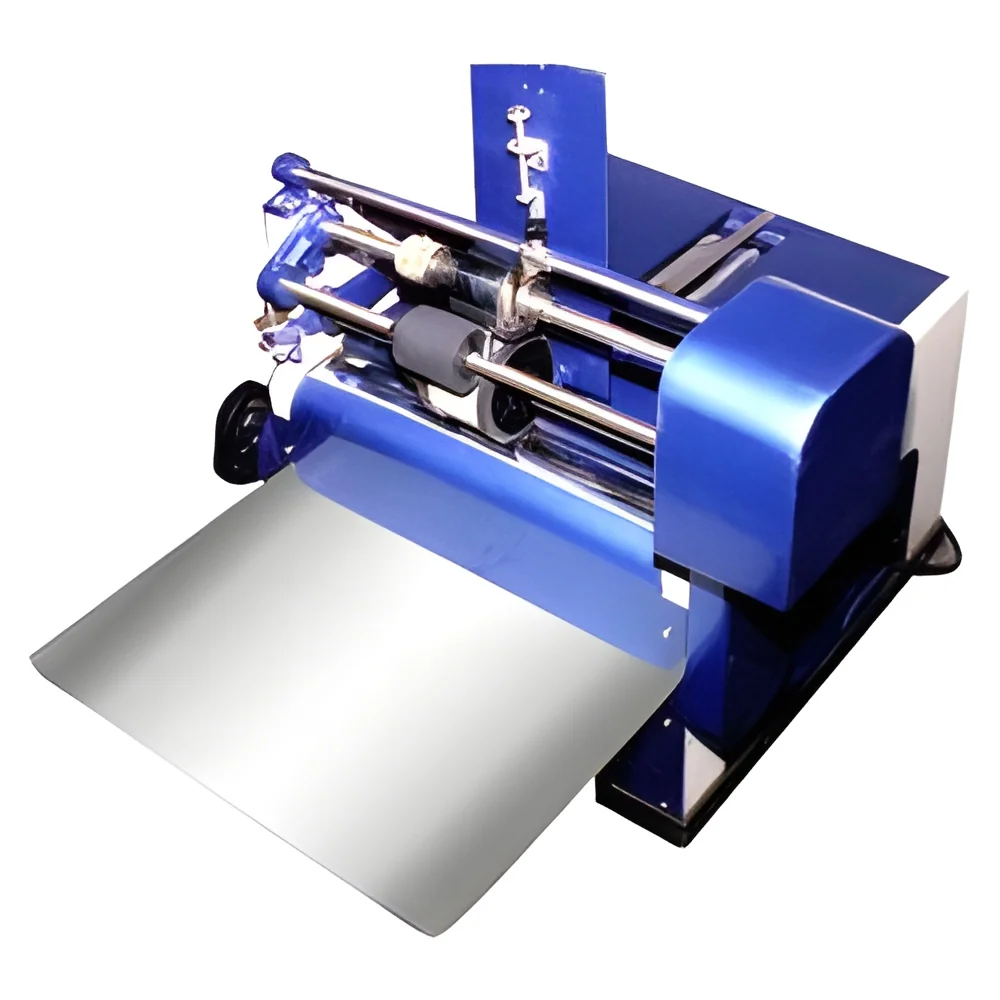
Sticker label printing machines are specialized devices designed to produce high-quality adhesive labels for a variety of applications. These machines can create labels of different sizes, colors, and finishes, allowing businesses to customize their products for branding and identification purposes. They utilize advanced printing technologies to ensure precision and durability, making them essential tools in the manufacturing and packaging sectors.
The primary uses of sticker label printing machines include creating labels for product packaging, shipping, inventory management, and promotional materials. Businesses across various industries, such as food and beverage, pharmaceuticals, and retail, rely on these machines to enhance their branding and ensure compliance with labeling regulations. The ability to print on-demand also helps businesses reduce waste and improve efficiency in their labeling processes.
In the current market, the demand for sticker label printing machines is increasing due to the growing emphasis on branding and regulatory compliance. As businesses seek to differentiate their products in a competitive landscape, the versatility and efficiency of these machines make them an attractive investment. Industries are continually evolving, and sticker label printing machines play a crucial role in supporting these changes by providing reliable and customizable labeling solutions.
Key Features and Specifications
Sticker label printing machines come equipped with a range of features that enhance their functionality and efficiency. These machines vary in specifications based on their intended use, printing technology, and production capacity. Understanding these specifications helps buyers select the right machine for their needs.
Key specifications include:
1. Printing Technology
- Common technologies include thermal transfer, direct thermal, and inkjet.
- Each technology varies in print quality, speed, and cost-efficiency.
2. Print Speed
- Machines can print labels at speeds ranging from 2 to 12 inches per second.
- Higher speeds are ideal for large production runs.
3. Maximum Print Width
- The print width typically ranges from 2 to 8 inches.
- Wider prints allow for larger labels and graphics.
4. Resolution
- Print resolution usually spans from 200 to 1200 dpi.
- Higher resolution provides sharper and clearer labels.
5. Media Handling
- Machines can handle various label materials, including paper, polyester, and vinyl.
- Some models offer the ability to print on rolls or sheets.
6. Connectivity Options
- Common options include USB, Ethernet, and wireless connections.
- Connectivity enhances integration with existing systems.
7. User Interface
- Many machines feature user-friendly touchscreens for easy operation.
- Advanced interfaces may include software compatibility for design.
8. Durability and Maintenance
- Machines are built to withstand continuous use in industrial settings.
- Maintenance requirements vary, with some models offering self-cleaning features.
In summary, understanding the key features and specifications of sticker label printing machines allows businesses to make informed decisions based on their specific requirements and production needs.
Common Applications and Use Cases
Sticker label printing machines are versatile tools used across various industries to meet diverse labeling needs.
1. Food and Beverage: These machines produce labels for packaging, ensuring compliance with nutritional and ingredient information. They also help in branding and marketing products.
2. Pharmaceuticals: Accurate labeling is critical in this industry. Sticker label printing machines help create labels that include dosage information, warnings, and expiration dates.
3. Retail: Retail businesses use these machines for price tags, promotional labels, and product identification, enhancing the shopping experience and improving inventory management.
4. Logistics: Shipping labels are essential for tracking and delivering goods. Sticker label printing machines enable businesses to print labels quickly and efficiently.
5. Electronics: Product labeling in the electronics industry often requires detailed specifications and compliance information, which these machines can provide.
6. Cosmetics: Cosmetic companies use sticker label printing machines to create attractive packaging that complies with regulatory standards while promoting their brand.
7. Industrial Applications: Labels for machinery and equipment are vital for safety and maintenance. These machines help produce durable labels that withstand harsh environments.
Product Variants and Subcategories
Sticker label printing machines come in various types, each designed to cater to specific needs and applications. This diversity allows businesses to choose the right machine based on their unique requirements.
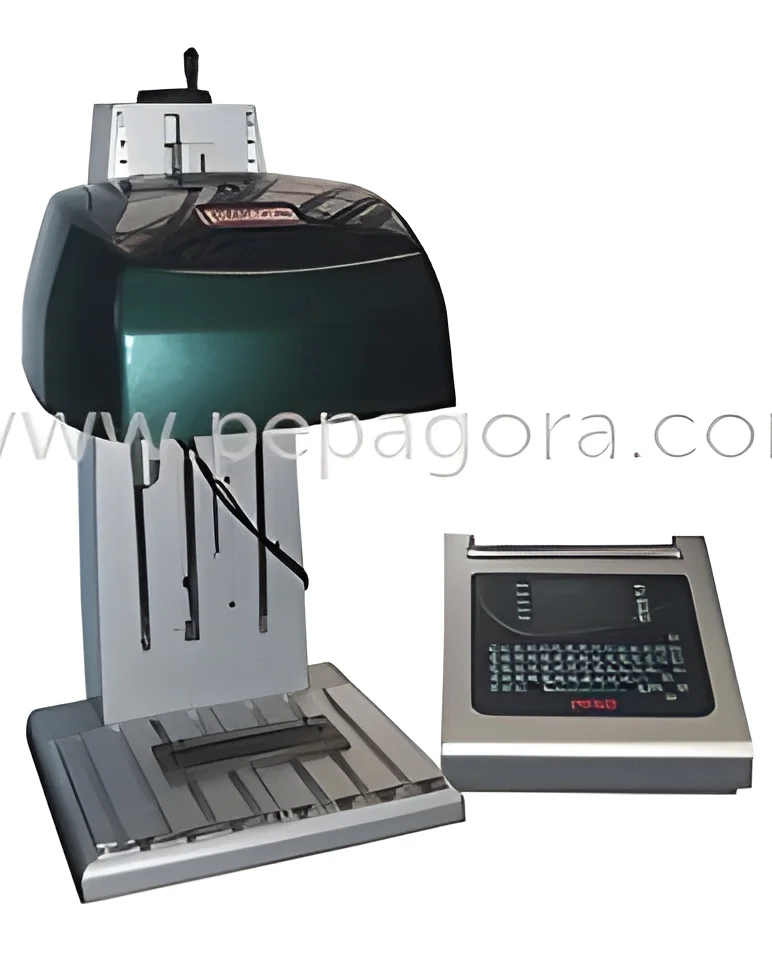
Desktop Sticker Label Printers: These compact machines are ideal for small businesses and low-volume production. They are user-friendly and typically offer a range of features suitable for basic labeling tasks.
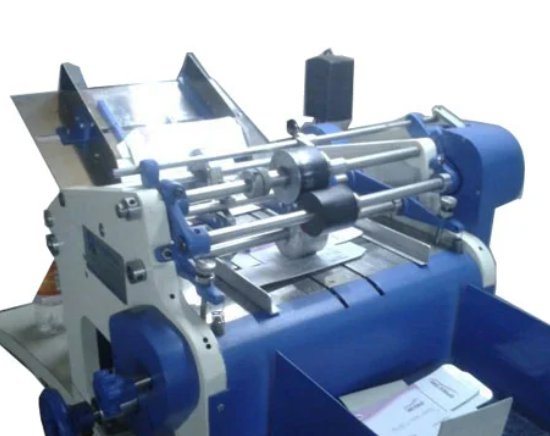
Industrial Sticker Label Printers: Designed for high-volume production, these machines provide faster print speeds and higher durability. They are commonly used in manufacturing and logistics settings.
Portable Sticker Label Printers: These lightweight devices are ideal for on-the-go labeling. They are often battery-operated and perfect for field applications where labels need to be printed away from a fixed location.
High-Resolution Label Printers: These printers focus on producing labels with exceptional detail and clarity. They are ideal for applications where graphics and fine text are essential, such as in branding.
Benefits and Advantages
Sticker label printing machines offer numerous benefits that enhance operational efficiency and product presentation.
1. Customization: Businesses can create labels tailored to their specific branding and compliance needs, leading to a unique market presence.
2. Cost Efficiency: Printing labels in-house reduces outsourcing costs, allowing companies to save money in the long term.
3. Flexibility: These machines can produce a wide range of label sizes and types, accommodating various applications and materials.
4. Speed: High-speed printing capabilities enable quick production runs, ensuring timely delivery and reduced lead times.
5. Quality: Advanced printing technologies ensure that labels are produced with high quality, enhancing brand image and customer satisfaction.
6. On-Demand Printing: Businesses can print labels as needed, minimizing waste and inventory costs associated with pre-printed labels.
Buying Guide for B2B Buyers
When sourcing sticker label printing machines, B2B buyers should consider several key factors to ensure they choose the right equipment for their needs.
1. Quality Assessment: Evaluate the quality of print output and machine reliability. Look for customer reviews and product demos to gauge performance.
2. Supplier Verification: Vet suppliers by checking their reputation and experience in the industry. Confirm certifications and customer support options.
3. Pricing and MOQ: Understand the pricing structure and minimum order quantities. Consider the total cost of ownership, including maintenance and consumables.
4. Delivery and Lead Times: Inquire about delivery timelines and logistics. Ensure that the supplier can meet your production schedules.
5. Compliance Requirements: Check for compliance with industry standards and regulations. Ensure that machines meet safety and environmental guidelines relevant to your industry.
Compliance and Certifications
Sticker label printing machines must adhere to various quality standards and industry regulations to ensure safety and reliability. Key compliance measures include:
ISO 9001: This standard focuses on quality management systems, ensuring that manufacturers maintain consistent quality in their products.
CE Certification: Obtaining CE certification indicates that the machines meet European safety, health, and environmental protection standards.
Safety and Testing Requirements: Machines should undergo rigorous testing to verify their performance and safety. This includes electrical safety and operational reliability.
Regional Compliance Considerations: Buyers should be aware of local regulations regarding labeling and printing, as these can vary significantly by region. Ensuring compliance with these regulations is crucial for market acceptance.
Why Source Sticker Label Printing Machines from Pepagora?
Pepagora provides a trusted platform for sourcing sticker label printing machines, offering several advantages to B2B buyers.
Verified Supplier Network: Pepagora ensures that all suppliers are rigorously vetted, providing buyers with confidence in the quality and reliability of their purchases.
Streamlined RFQ Process: The platform simplifies the request for quotation process, making it easy for buyers to obtain competitive pricing and compare options from multiple suppliers.
Trade Assurance and Support: Buyers receive protection through trade assurance programs, which safeguard their investments and enhance trust in transactions.
Regional Coverage: Pepagora has a wide-reaching network across India, the GCC, and Southeast Asia, ensuring that buyers can find suitable suppliers that meet their logistical and regional needs.
In summary, sourcing sticker label printing machines through Pepagora not only provides access to quality products but also ensures a secure and efficient purchasing experience.

 IN
IN