What are Photo Printing Machines?
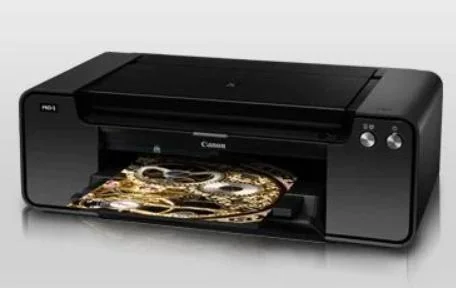
Photo printing machines are specialized devices designed to produce high-quality photographic prints from digital images. These machines utilize advanced printing technologies to deliver vibrant colors, sharp details, and professional-grade results. They can process images from various sources, including digital cameras, smartphones, and computers, making them versatile tools for businesses in the photography and printing industries.
The primary applications of photo printing machines include producing prints for photography studios, event organizers, and retail outlets. They cater to a variety of needs, from single photo prints to bulk printing for marketing materials and promotional events. These machines are essential for businesses that require quick turnaround times and exceptional print quality to meet customer demands and stay competitive in the market.
In the current market context, photo printing machines are increasingly relevant due to the rising demand for personalized and high-quality prints. With advancements in technology, these machines are becoming more efficient and cost-effective, enabling businesses to tap into new revenue streams, such as customized photo products and on-demand printing services.
Key Features and Specifications
Photo printing machines come with a range of features and specifications that enhance their performance and usability. Understanding these specifications is crucial for businesses looking to invest in the right equipment.
Key specifications include:
1. Print Resolution
- The level of detail in the printed image, typically measured in dots per inch (DPI).
- Common ranges are from 300 DPI to 1200 DPI, depending on the machine.
2. Print Speed
- The speed at which the machine can produce prints, measured in pages per minute (PPM).
- Average speeds range from 5 PPM to 20 PPM for standard photo printing machines.
3. Media Compatibility
- The types of media the machine can print on, such as glossy paper, matte paper, or canvas.
- Some machines can handle various paper sizes, including standard and custom dimensions.
4. Connectivity Options
- The methods through which the machine can connect to devices, including USB, Wi-Fi, and Ethernet.
- Enhanced connectivity allows for easy integration into existing workflows.
5. Color Management
- The ability of the machine to accurately reproduce colors based on specified color profiles.
- Machines may support various color spaces like sRGB and Adobe RGB.
6. Maintenance Features
- Functions that help maintain the machine's performance, such as automatic cleaning cycles and ink level monitoring.
- Regular maintenance features extend the lifespan of the machine and improve print quality.
7. User Interface
- The design and functionality of the control panel or touchscreen interface.
- Intuitive interfaces can streamline operation and reduce training time.
8. Software Compatibility
- The types of software that the machine can work with for image editing and printing.
- Compatibility with popular software programs can enhance productivity and user experience.
In summary, selecting a photo printing machine requires understanding these key specifications, as they significantly impact performance, quality, and efficiency for business operations.
Common Applications and Use Cases
Photo printing machines are utilized across various industries, highlighting their versatility and importance.
1. Photography Studios: These machines are essential for professional photographers who need to produce high-quality prints for clients. They offer customization options for prints, such as different sizes and finishes.
2. Event Planning: Event organizers use photo printing machines to create instant prints for guests at weddings, parties, and corporate events. This adds a personal touch and enhances the overall experience.
3. Retail Outlets: Many retail stores offer photo printing services, allowing customers to print photos directly from their smartphones or digital cameras. This service caters to the growing demand for personalized products.
4. Marketing Agencies: Agencies often use photo printing machines to produce promotional materials, brochures, and banners. High-quality prints help convey brand messages effectively.
5. Schools and Educational Institutions: Photo printing machines are used for producing student ID cards, event photos, and yearbooks. They enable quick and efficient printing for various educational needs.
6. Art and Design: Artists and graphic designers utilize these machines to create prints of their work. The ability to produce high-quality reproductions is vital for showcasing their portfolios.
7. Photo Booth Services: Mobile photo booth companies rely on efficient photo printing machines to provide instant prints for guests at events. This service enhances the fun and engagement at gatherings.
Product Variants and Subcategories
Photo printing machines come in various models and configurations, catering to different business needs. This diversity allows companies to select the most suitable machine for their specific applications.
Compact Photo Printers: These machines are designed for small businesses or individuals who require portability. They are often lightweight and can produce high-quality prints quickly, making them ideal for on-the-go printing.
Professional Photo Printers: Aimed at photography studios and graphic design firms, these machines offer advanced features such as higher print resolutions and greater media compatibility. They are built to handle larger volumes and deliver exceptional quality.
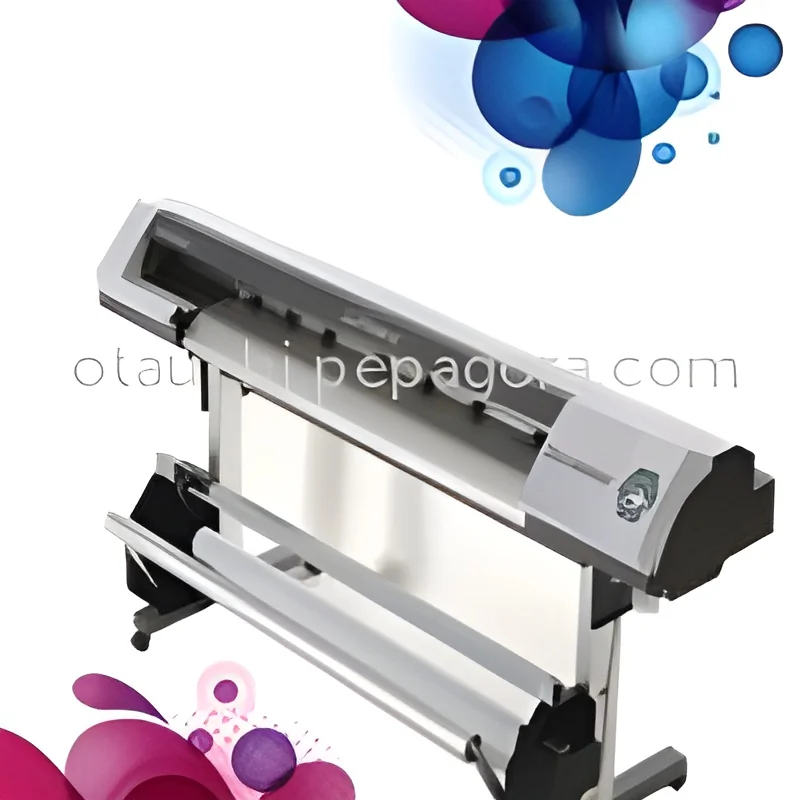
Large Format Printers: These printers are used for producing oversized prints, such as banners and posters. They are suitable for marketing agencies and events that require impactful visuals.
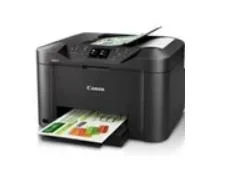
All-in-One Printers: Combining printing, scanning, and copying functionalities, these machines serve businesses that require multifunctional capabilities. They are ideal for offices looking for convenience without sacrificing quality.
Benefits and Advantages
Investing in photo printing machines comes with several advantages that can enhance business operations.
1. High-Quality Output: These machines are designed to deliver exceptional print quality, which is crucial for maintaining client satisfaction and brand reputation.
2. Customization Options: Businesses can offer personalized products to customers, such as custom photo prints and gifts, creating additional revenue streams.
3. Faster Turnaround Times: Photo printing machines often have high print speeds, allowing businesses to meet tight deadlines and improve overall efficiency.
4. User-Friendly Operation: Many models feature intuitive interfaces that simplify the printing process, reducing the learning curve for staff.
5. Cost Efficiency: With advancements in technology, photo printing machines are becoming more affordable to operate, lowering the cost per print and improving profitability for businesses.
6. Versatile Applications: These machines can cater to a wide range of industries, increasing their utility and marketability.
Buying Guide for B2B Buyers
When sourcing photo printing machines, it is essential for B2B buyers to consider several critical factors to ensure they make informed decisions.
1. Quality Assessment: Evaluate the print quality by reviewing sample prints and technical specifications. Consider factors such as resolution and color accuracy to ensure they meet business needs.
2. Supplier Verification: Research potential suppliers to ensure they have a reliable track record. Look for reviews, testimonials, and any certifications that indicate quality and service standards.
3. Pricing and MOQ: Understand the pricing structure and minimum order quantities (MOQ) to avoid unexpected costs. Compare quotes from different suppliers to ensure a competitive price.
4. Delivery and Lead Times: Assess the supplier's ability to meet your delivery requirements. Consider lead times for both the machines and any consumables needed for operation.
5. Compliance Requirements: Ensure the machines meet relevant industry standards and regulations, such as safety certifications. Compliance with local regulations can prevent legal issues and ensure product safety.
Compliance and Certifications
Photo printing machines must adhere to various compliance standards to ensure quality and safety. Relevant quality standards such as ISO 9001 outline requirements for a quality management system, ensuring that manufacturers consistently produce reliable products.
Industry certifications, including CE marking, indicate that the product complies with safety standards in the European market. This certification reassures buyers about the machine's safety and performance.
Additionally, safety and testing requirements ensure that the machines operate without risks to users and the environment. Manufacturers should also consider regional compliance standards, as regulations can vary by country. Adhering to these standards not only enhances product credibility but also broadens market access.
Why Source Photo Printing Machines from Pepagora?
Pepagora provides a trusted platform for sourcing photo printing machines, offering several key advantages for businesses.
Verified Supplier Network: Pepagora ensures that all suppliers in its network undergo rigorous verification processes. This commitment to quality helps buyers find reliable partners and reduces the risk of poor service or substandard products.
Streamlined RFQ Process: The platform features an efficient request-for-quotation (RFQ) system, allowing businesses to receive competitive quotes from multiple suppliers quickly. This streamlining saves time and simplifies the procurement process.
Trade Assurance and Support: Pepagora offers trade assurance services, providing buyers with protection during transactions. This support instills confidence in sourcing decisions, knowing that there is recourse in case of issues.
Regional Coverage: With a broad geographic reach that includes India, the GCC, and Southeast Asia, Pepagora connects buyers with suppliers across these regions. This extensive network enables businesses to access a diverse range of products and services tailored to their local markets.

 IN
IN