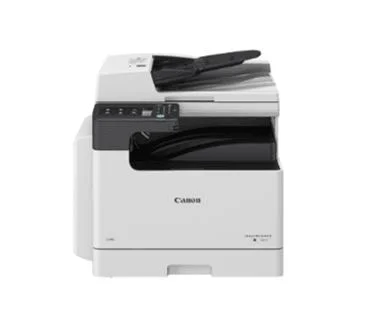
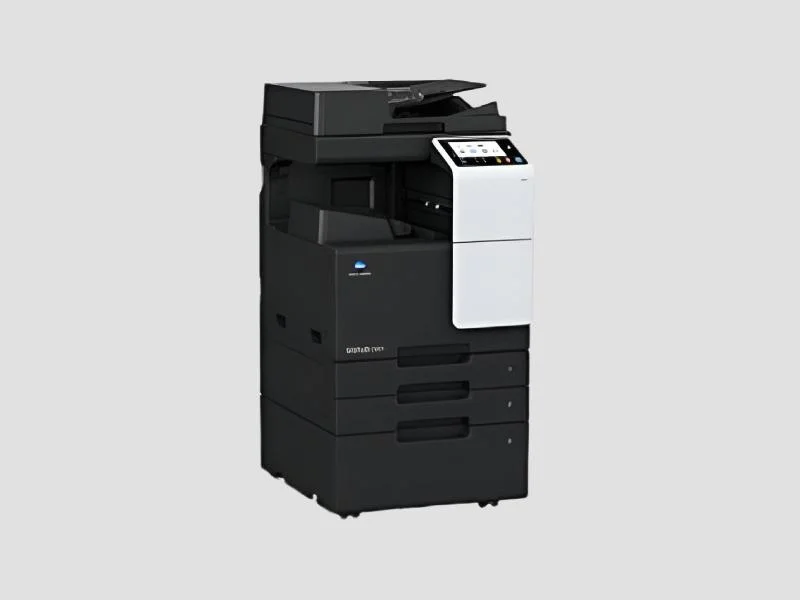
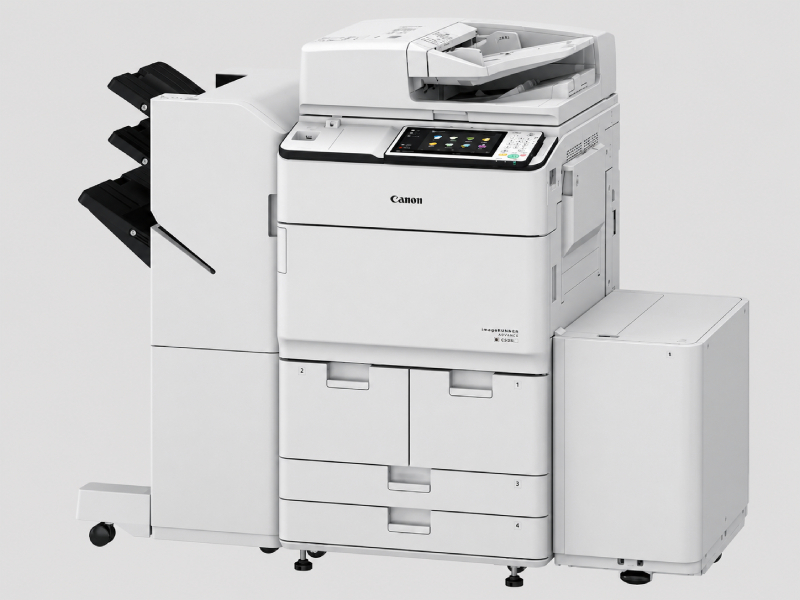
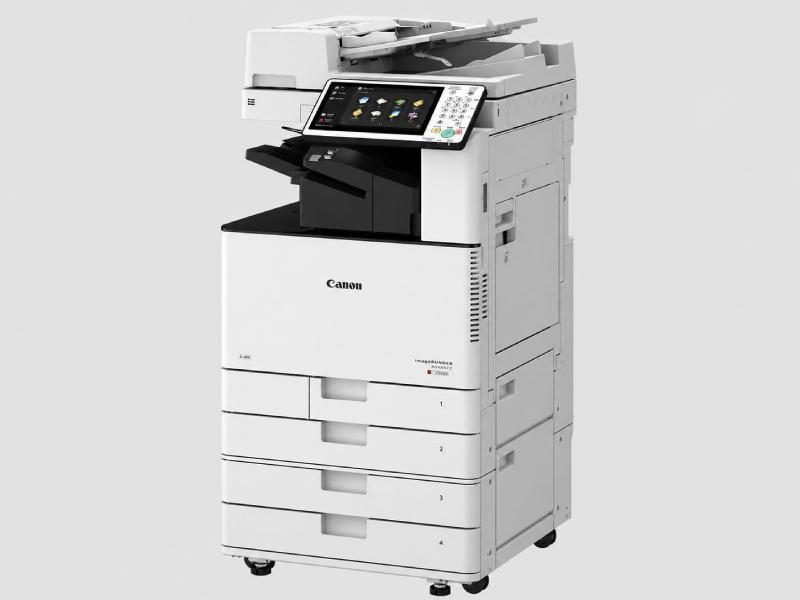
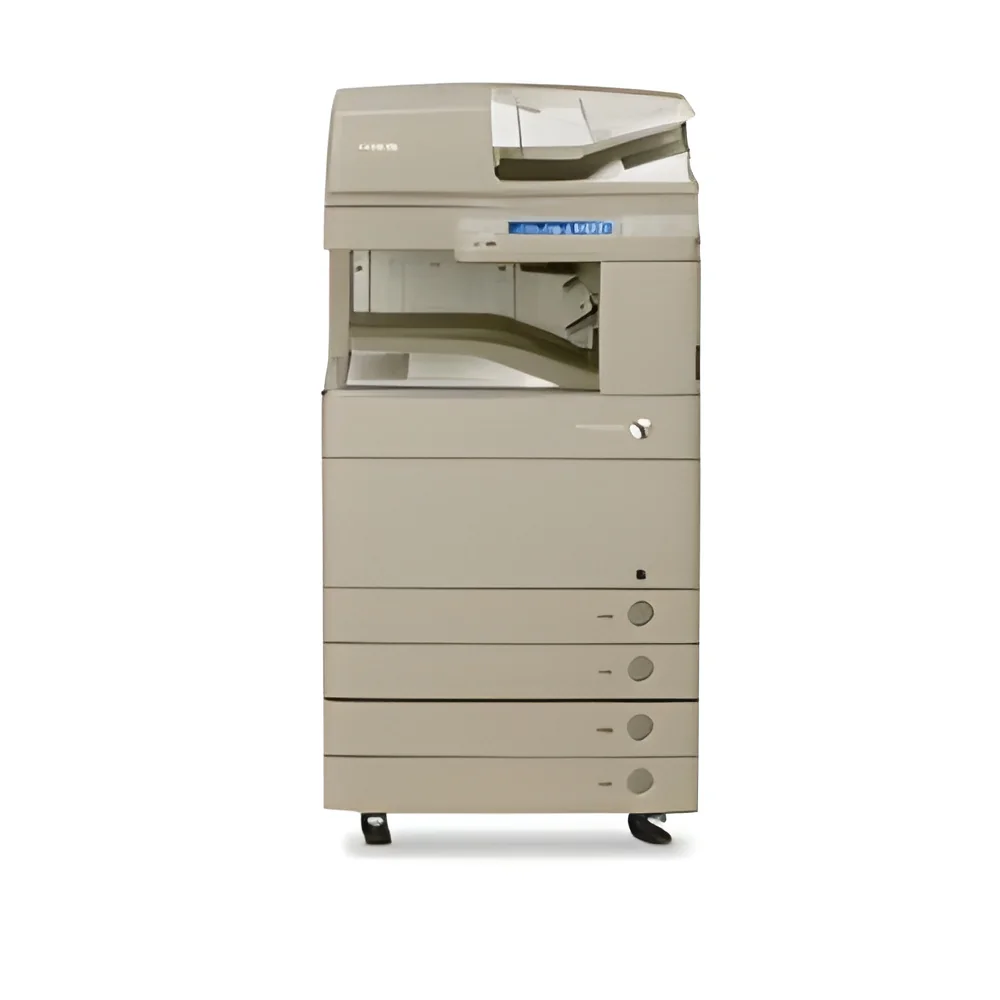
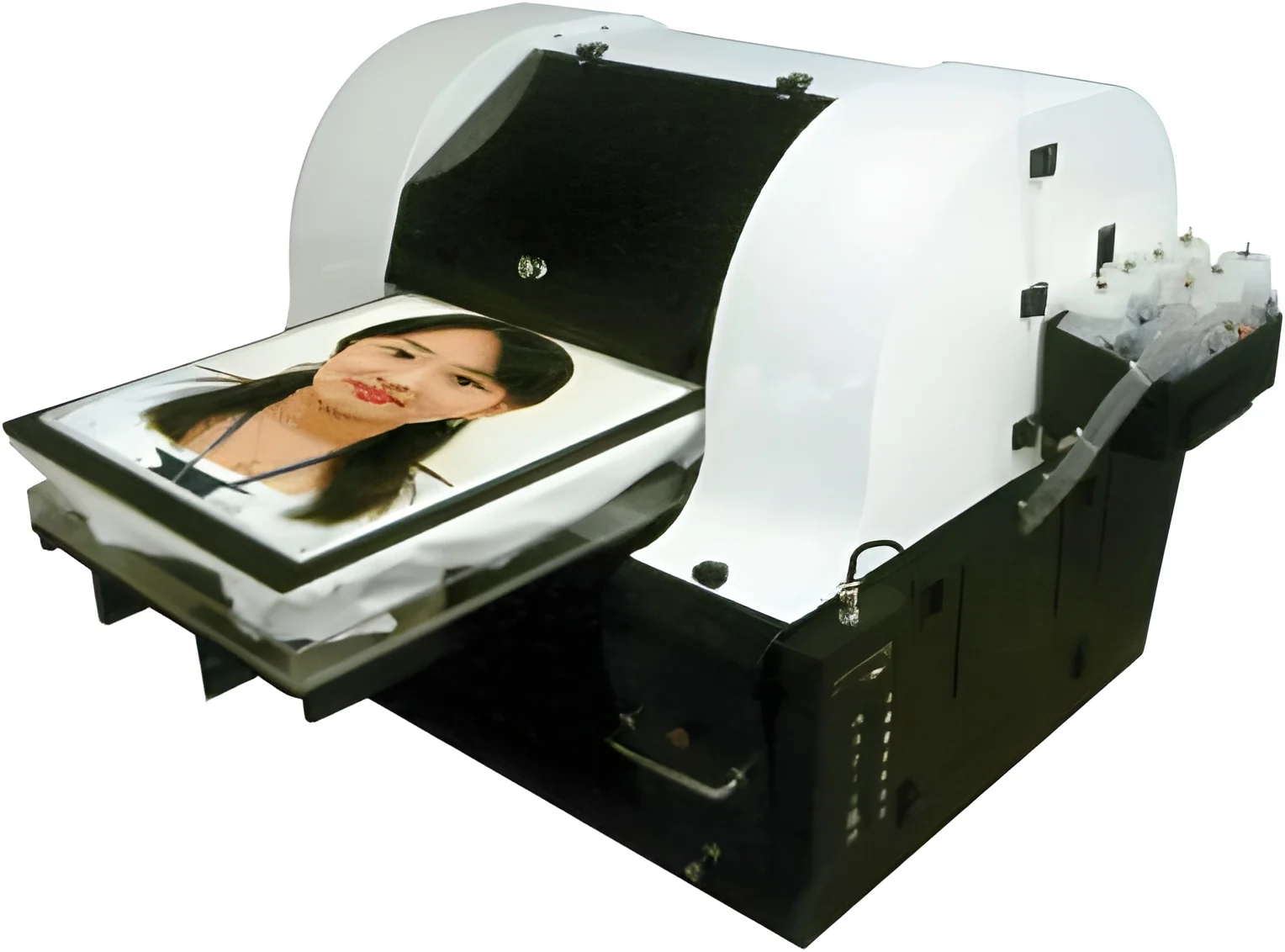
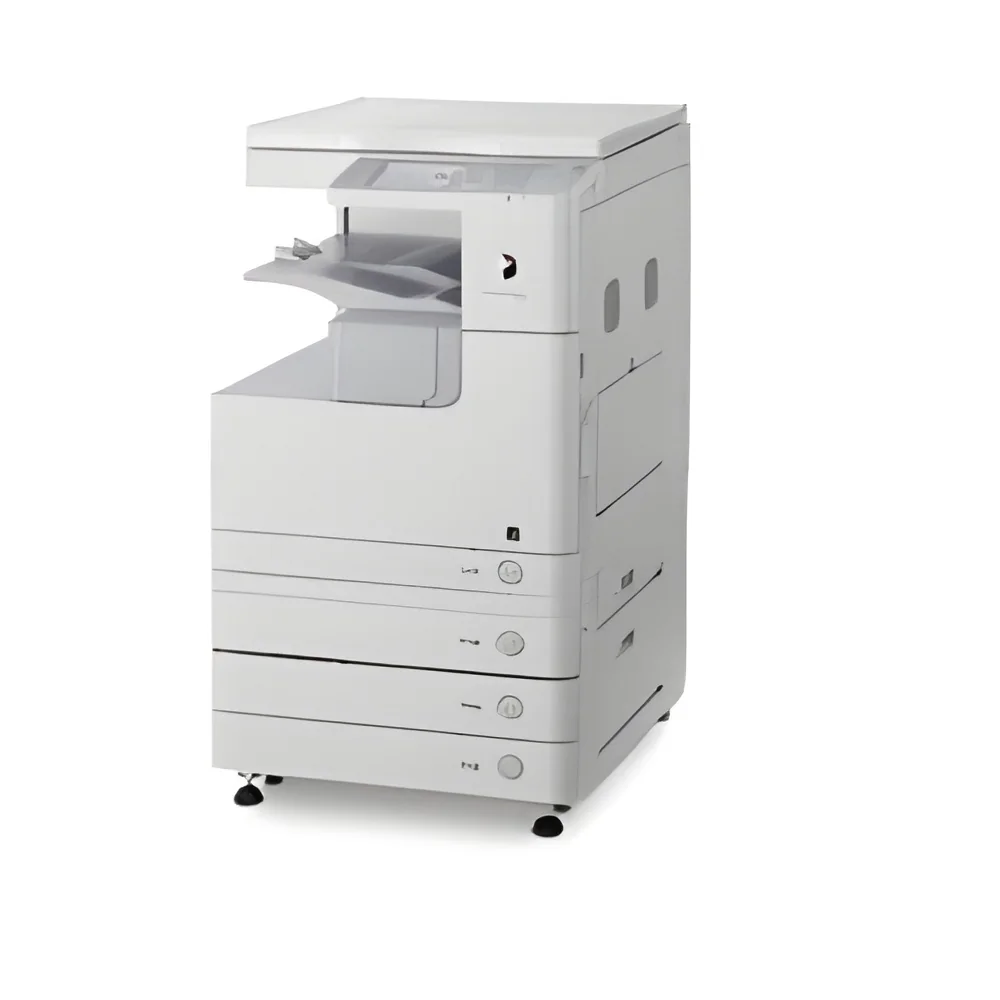
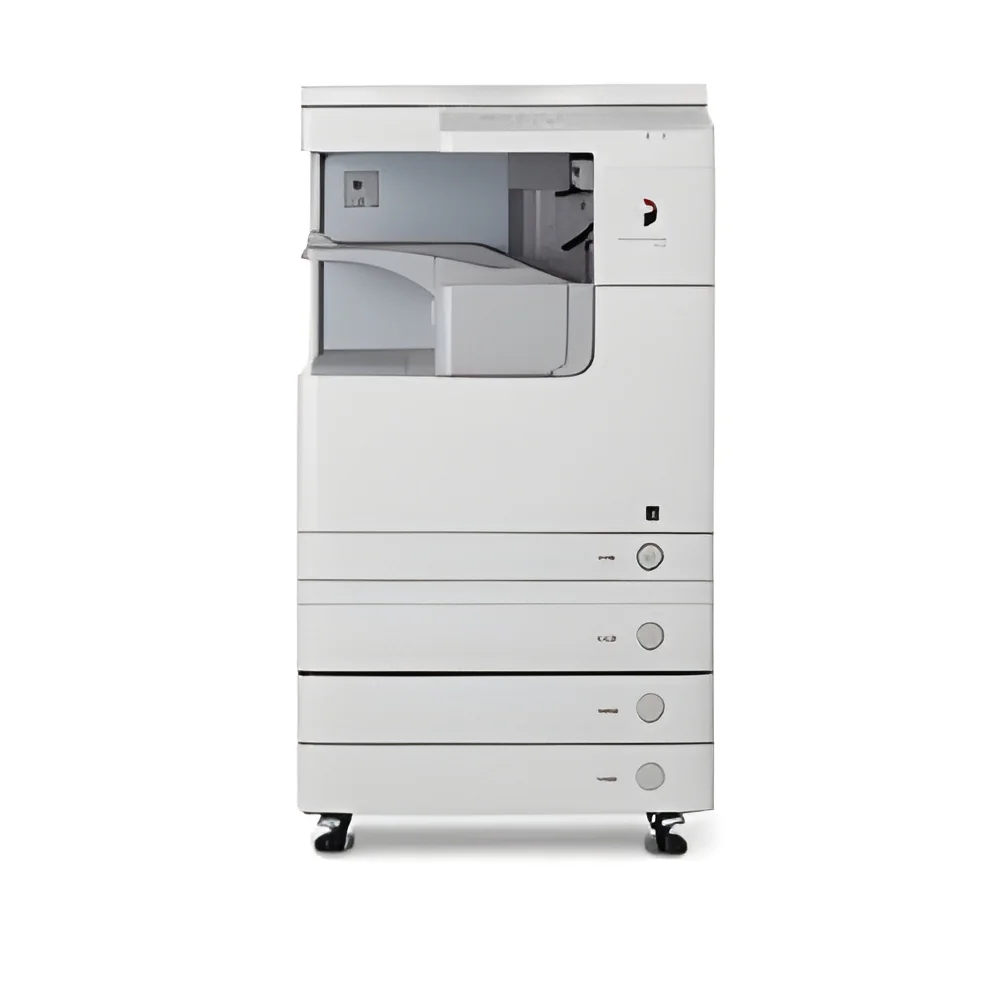
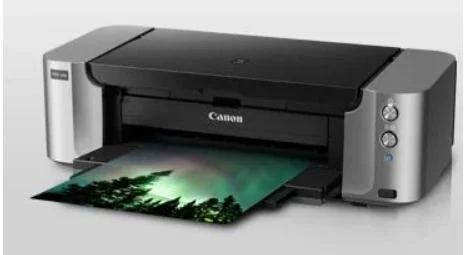
What are Digital Printers?
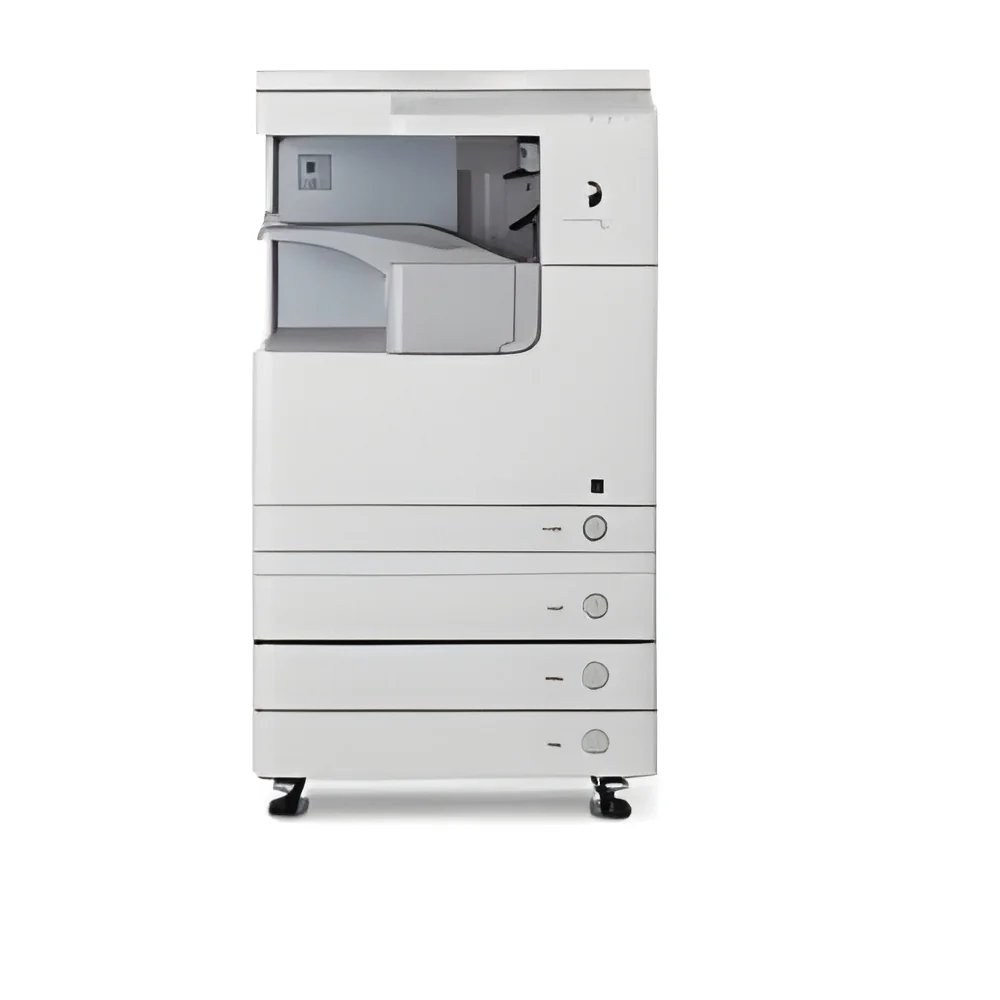
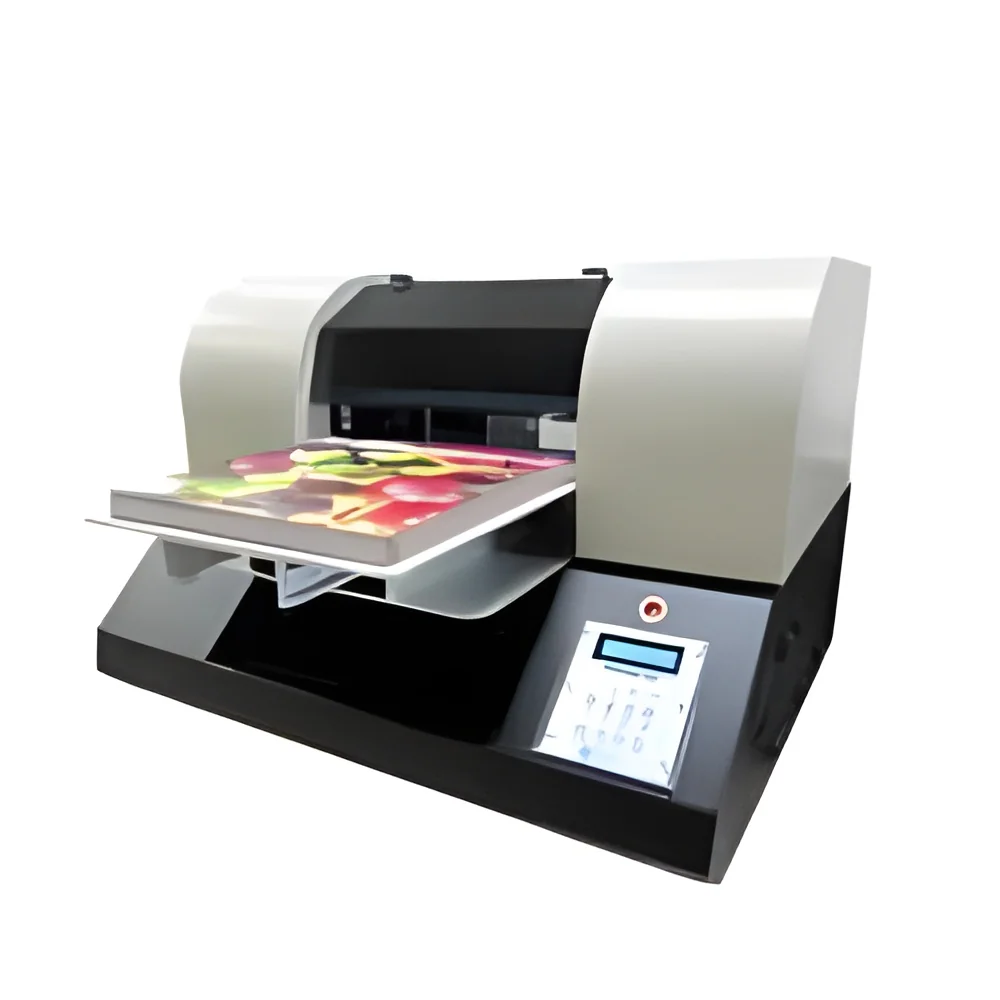
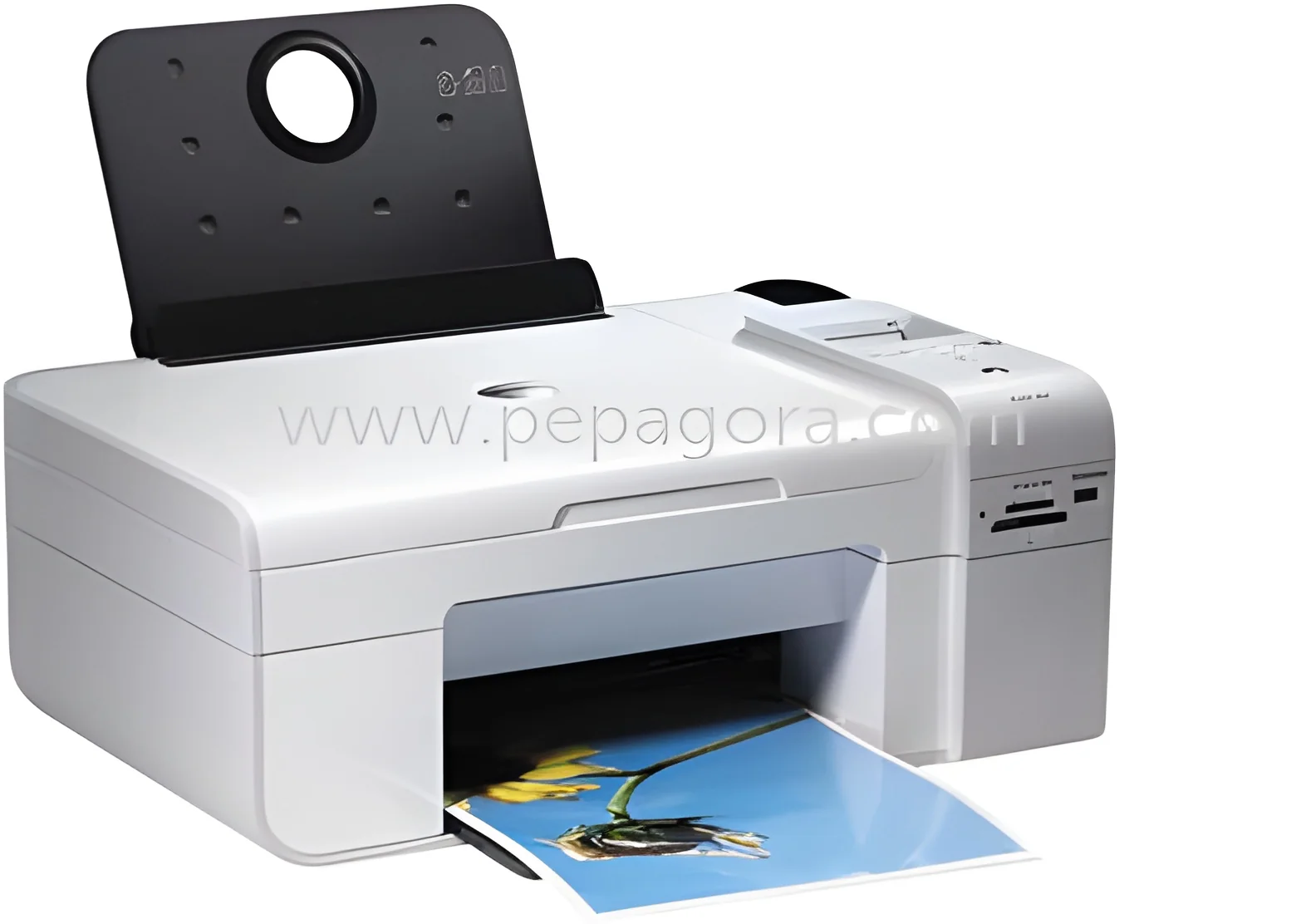
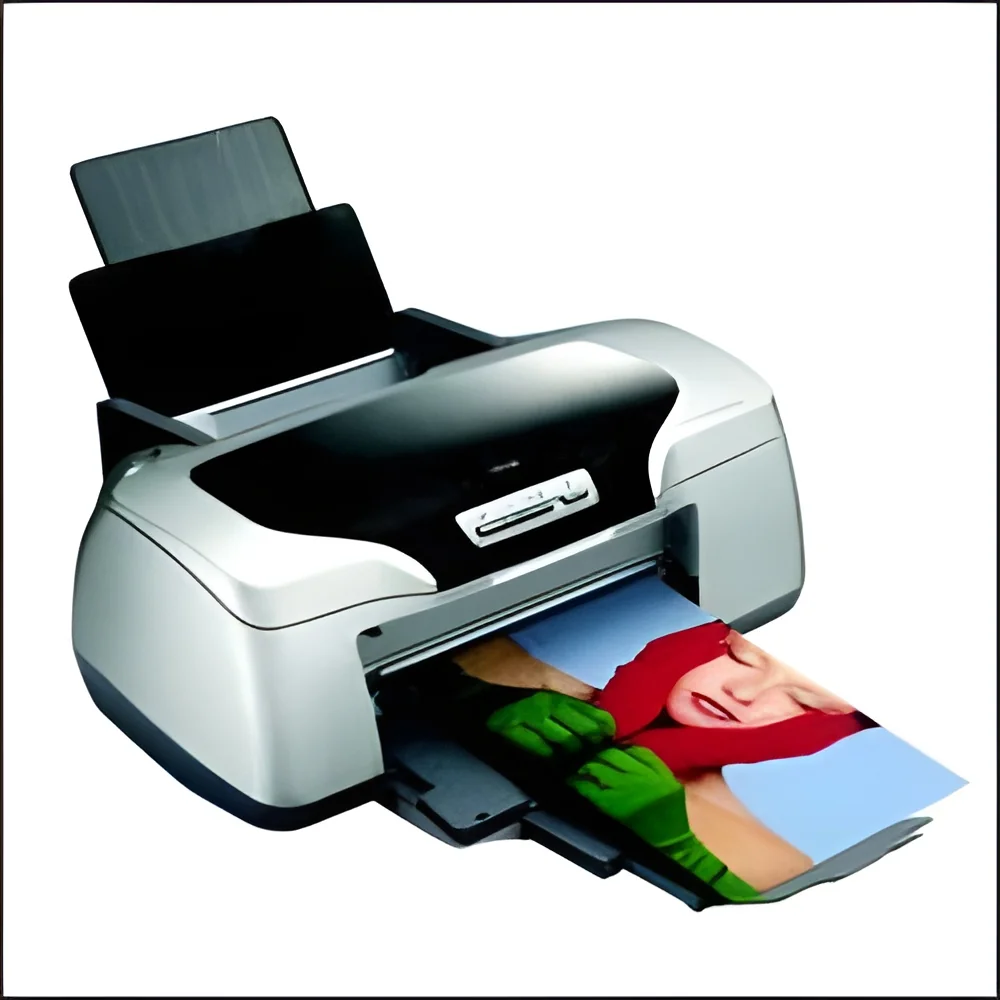
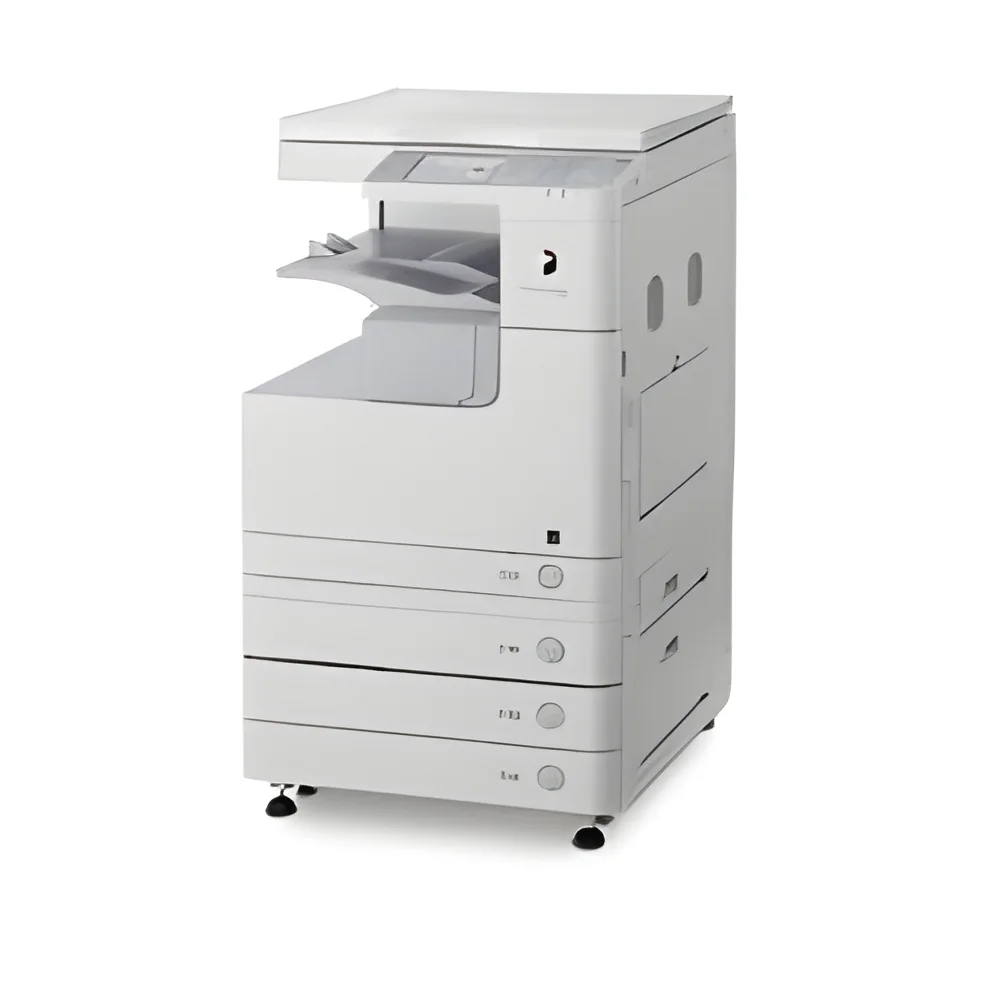
Digital printers are advanced printing devices that utilize digital files as a source for print production. Unlike traditional printing methods, which rely on physical plates, digital printers streamline the process by transferring images directly from a computer to the print medium. This technology allows for high-quality printing with a range of colors and finishes, catering to diverse business needs.
Digital printers serve a variety of purposes across multiple industries. They are commonly used for producing marketing materials, packaging, and labels. Businesses in sectors such as textiles, signage, and publishing benefit from the flexibility and efficiency that digital printing provides. The ability to print on demand and customize designs makes digital printers a valuable asset for companies aiming to enhance their branding and communication strategies.
In the current market landscape, digital printing is gaining traction due to its cost-effectiveness and rapid turnaround times. The demand for short-run printing and personalized products has increased, driving innovation in digital printer technology. As businesses look for ways to stand out in a competitive environment, digital printers play a crucial role in enabling creativity and responsiveness.
Key Features and Specifications
Digital printers are equipped with various features that enhance their functionality and efficiency. Understanding these specifications is essential for businesses looking to invest in this technology.
Key specifications include:
1. Print Resolution
- Measured in dots per inch (DPI).
- Common ranges vary from 600 DPI to 4800 DPI.
2. Print Speed
- Typically expressed in pages per minute (PPM).
- Ranges from 10 PPM for entry-level models to over 100 PPM for high-end solutions.
3. Media Compatibility
- Supports various media types, including paper, vinyl, and fabric.
- Feasible media sizes often range from A4 to larger formats.
4. Ink Type
- Options include dye-based, pigment-based, and UV-curable inks.
- Each type offers different properties for durability and color vibrancy.
5. Connectivity Options
- Includes USB, Ethernet, and wireless connectivity.
- Allows for easy integration into existing networks.
6. User Interface
- Features typically include touchscreen displays and smartphone connectivity.
- Enhances user experience and operational efficiency.
7. Maintenance Requirements
- Varies based on model and usage.
- Regular cleaning and periodic servicing are necessary for optimal performance.
In summary, understanding these key specifications can guide businesses in selecting the right digital printer that meets their operational needs.
Common Applications and Use Cases
Digital printers find applications across a wide range of industries, demonstrating their versatility and efficiency.
1. Retail: Digital printers are used for producing promotional materials, signage, and labels, enhancing the customer experience in stores.
2. Packaging: Companies utilize digital printing for creating customized packaging solutions, allowing for short-run production and unique designs.
3. Textiles: The fashion industry applies digital printing for custom fabric designs and apparel, enabling quick iterations and personalization.
4. Advertising: Agencies leverage digital printers to produce vibrant displays and marketing collateral that capture audience attention.
5. Publishing: Digital printing allows for on-demand book printing, catering to self-published authors and small publishers with limited inventory needs.
6. Events: Digital printers are employed to create banners, brochures, and other materials for conferences and trade shows, promoting brand visibility.
7. Manufacturing: Businesses use digital printing for labeling parts and products, ensuring compliance and ease of identification.
Product Variants and Subcategories
Digital printers come in various models tailored to meet different business needs. Each variant offers unique features that cater to specific applications.
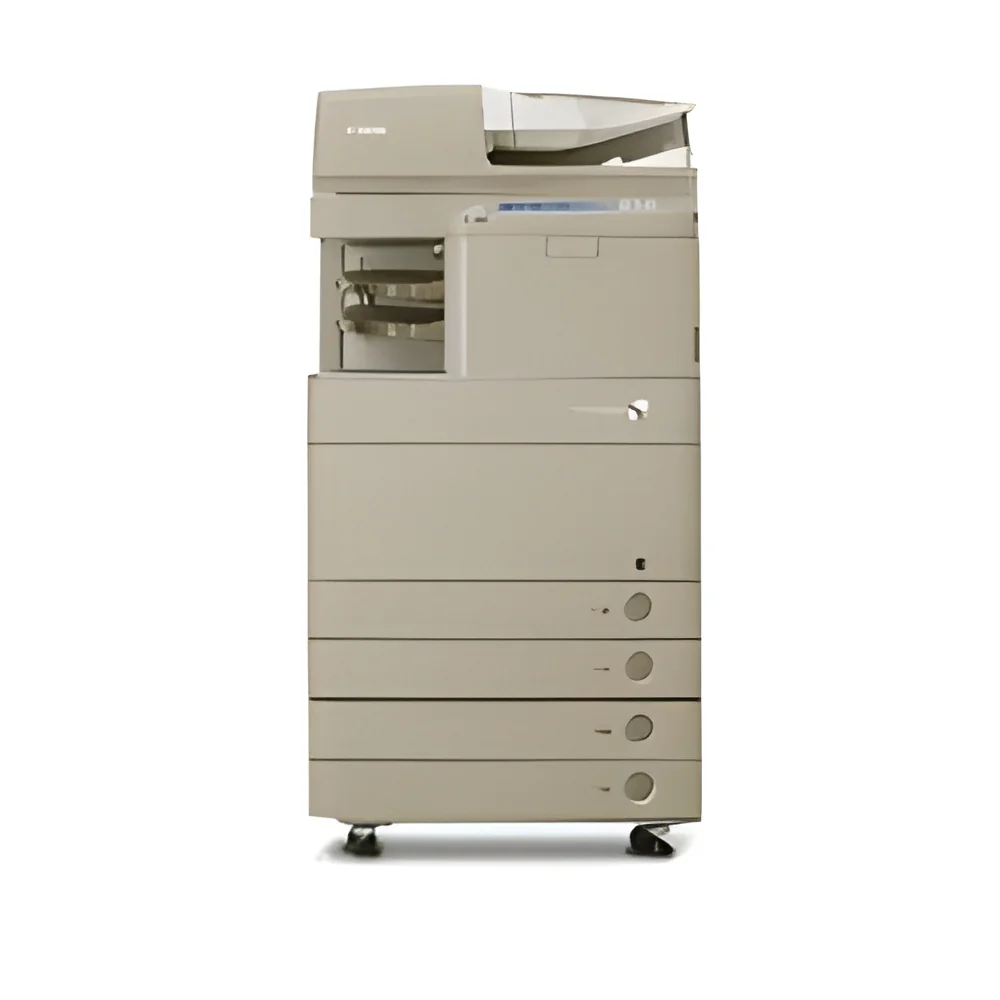
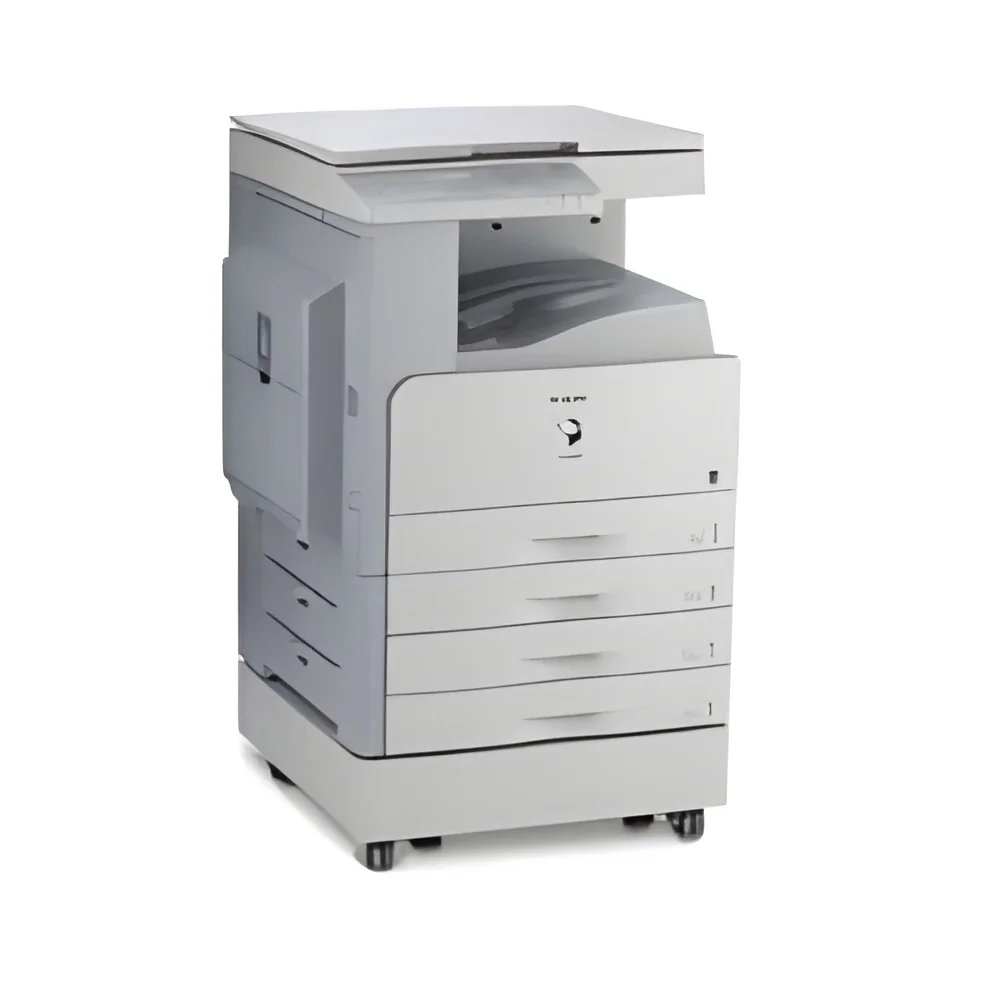
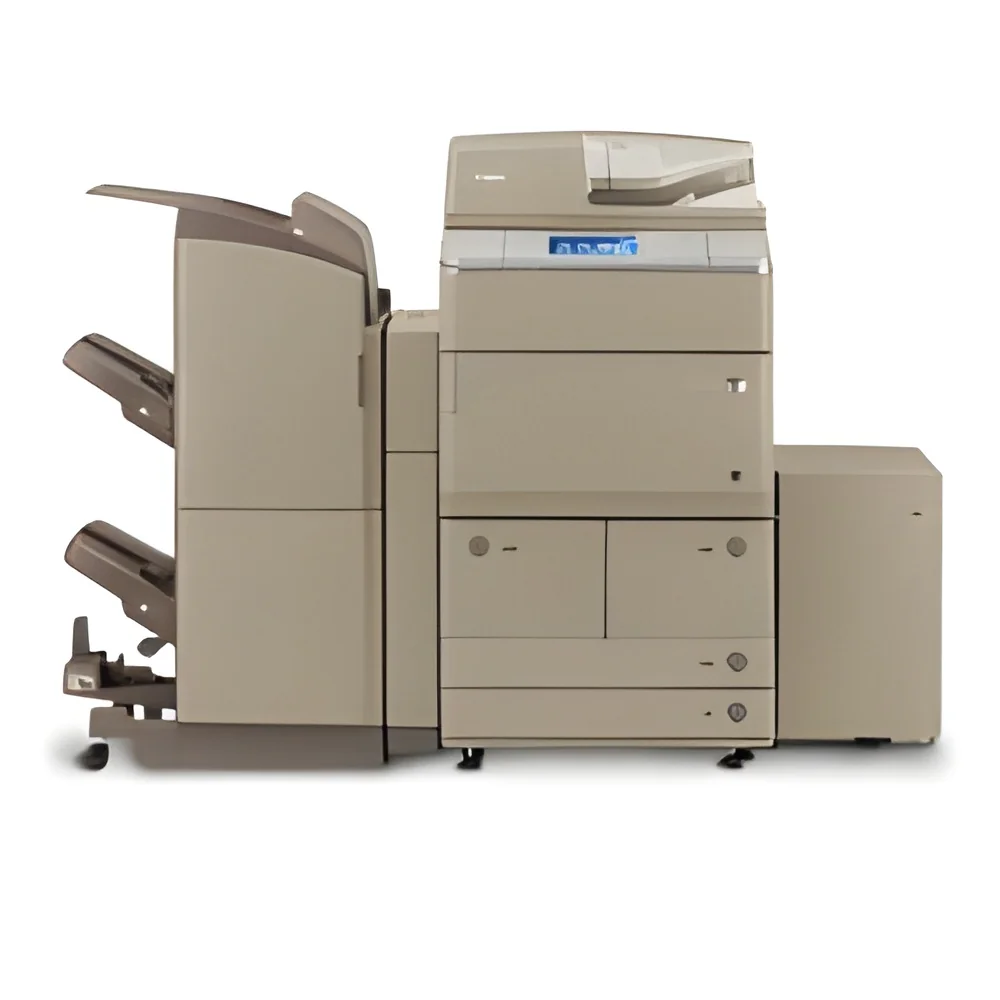
Commercial Digital Printers
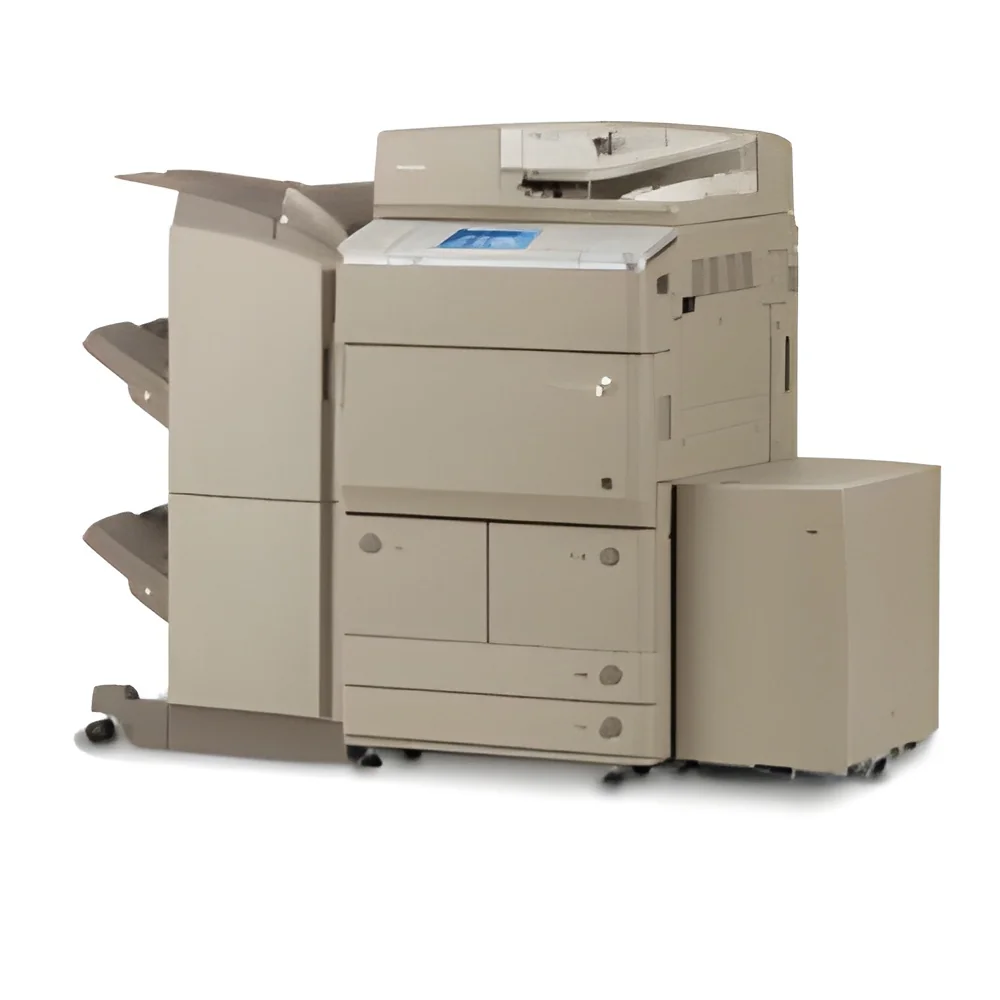
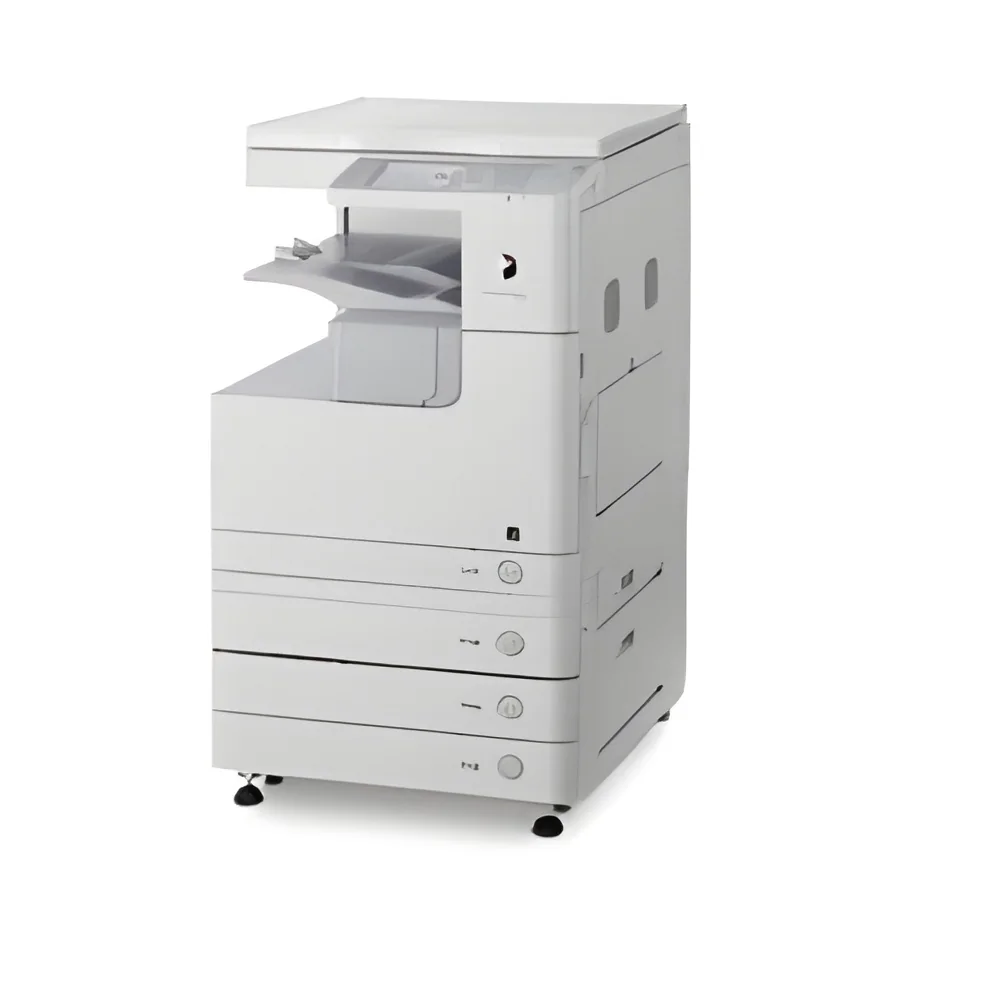
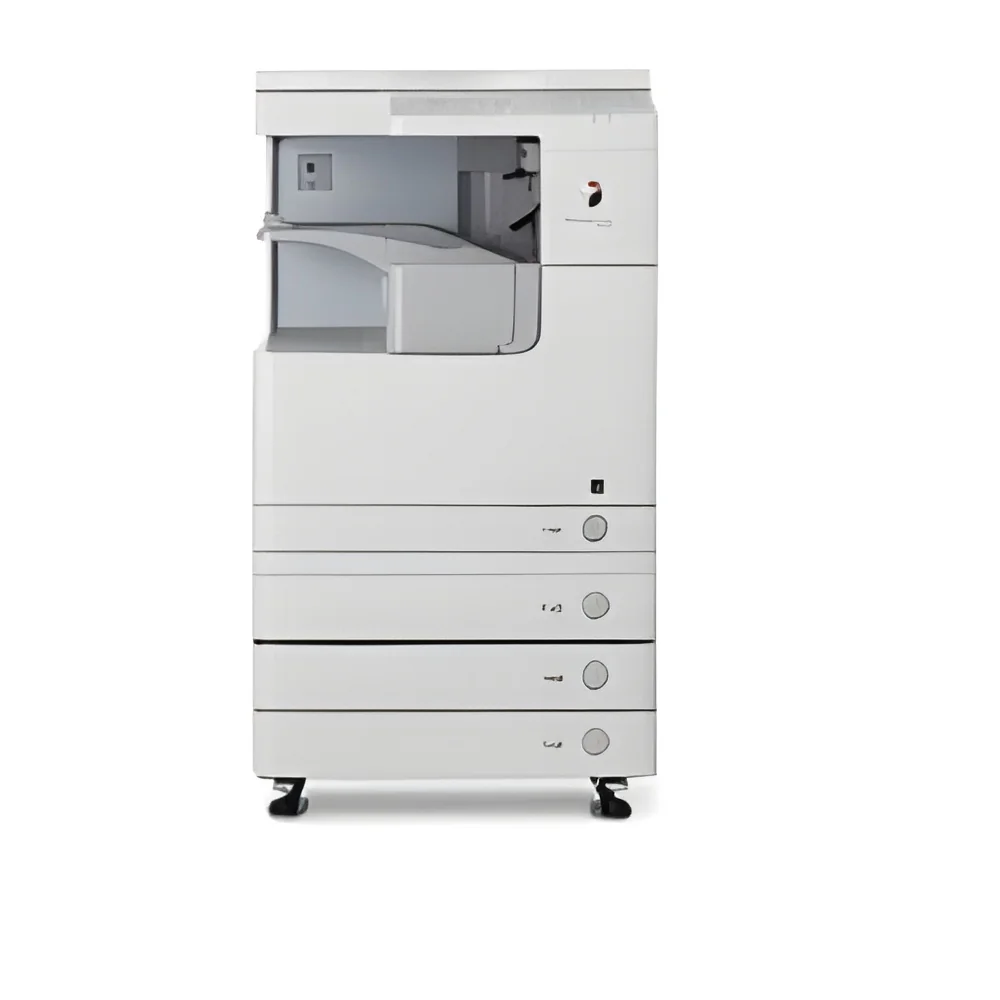
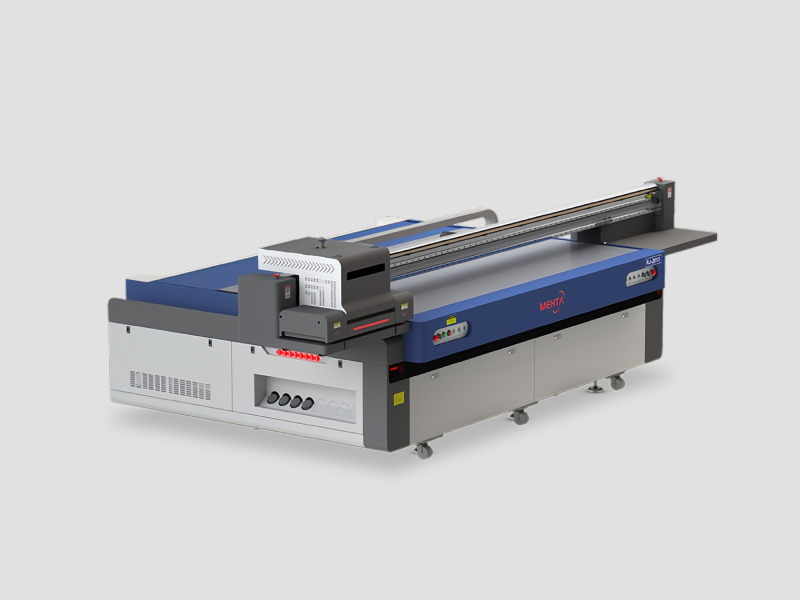
These printers are designed for high-volume production, capable of handling large print jobs efficiently. They often include advanced features such as higher print speeds and enhanced media compatibility, making them ideal for print service providers.
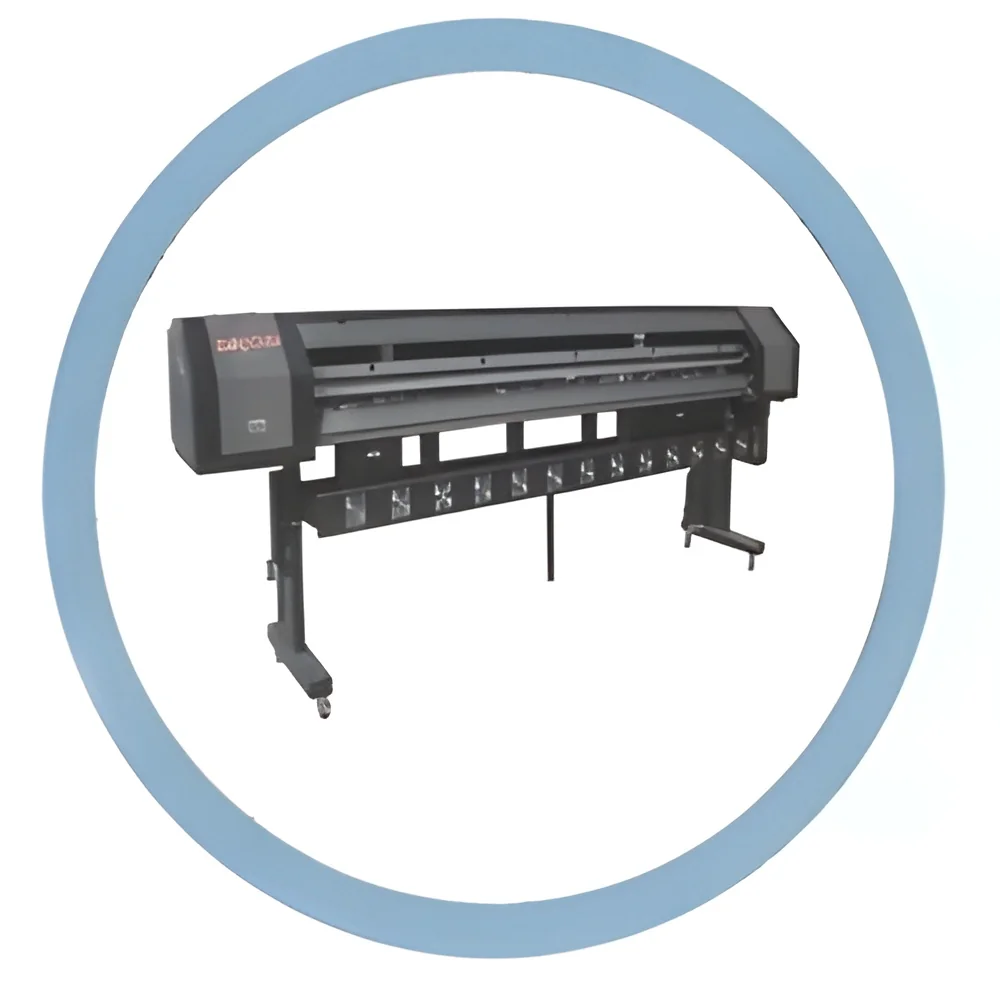
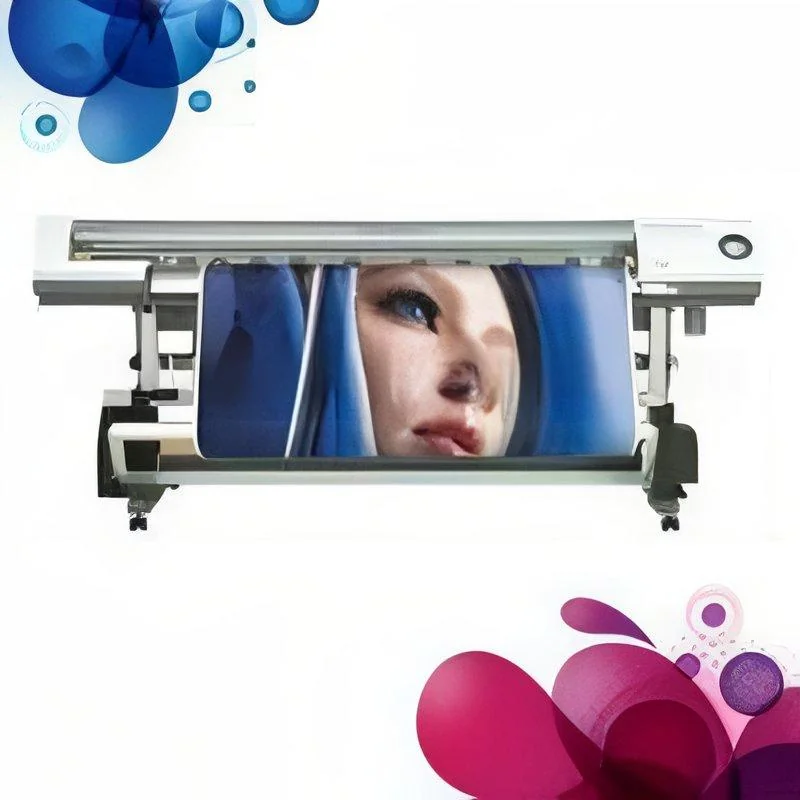
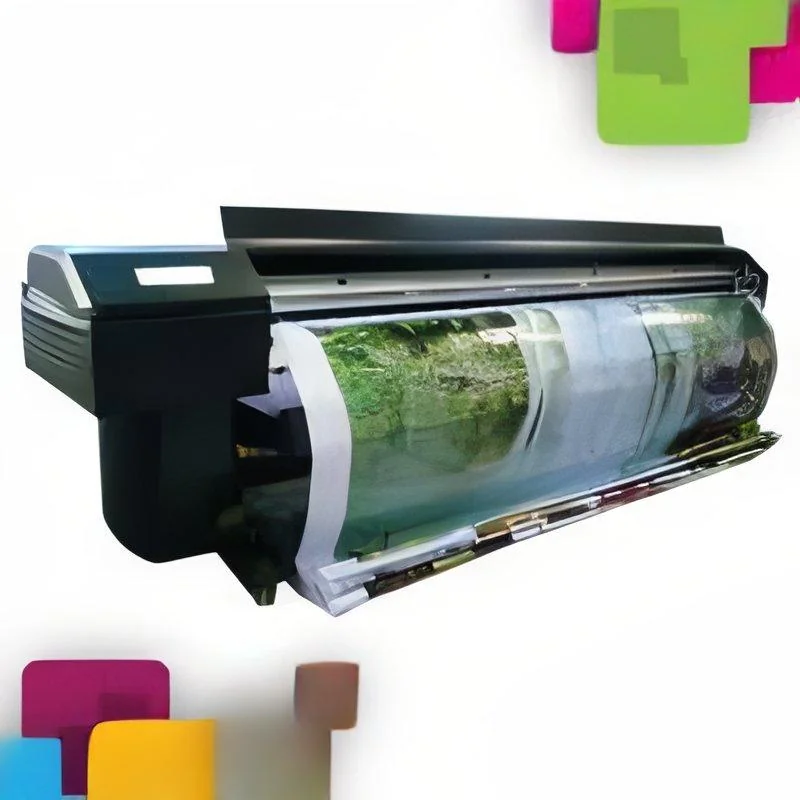
Wide Format Digital Printers
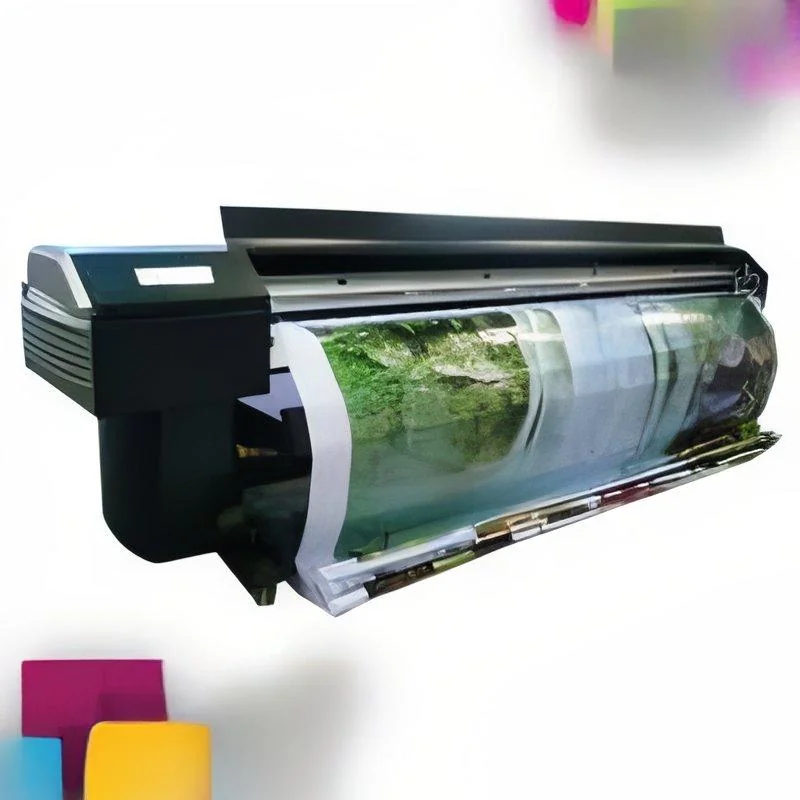
These printers are capable of producing large-scale prints, suitable for signage, banners, and graphics. Their ability to handle various media types makes them a popular choice for advertising and event management.
Label Printers
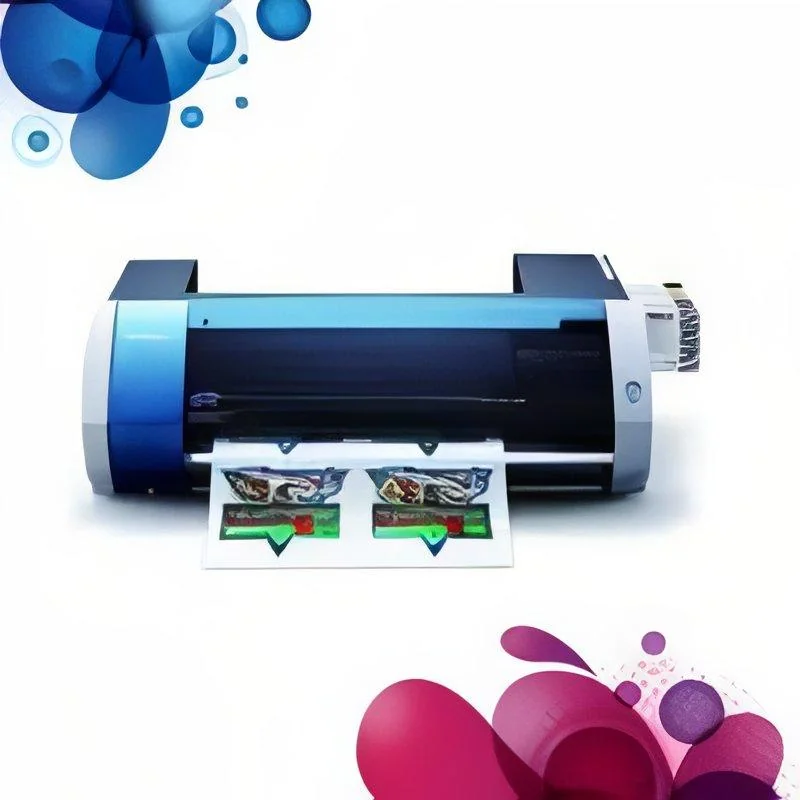
Specialized for printing labels, these printers offer precision and speed. They are widely used in retail, logistics, and manufacturing for product identification and inventory management.
Benefits and Advantages
Investing in digital printers provides several advantages for businesses seeking to enhance their printing capabilities.
Key benefits include:
1. Cost Efficiency: Digital printing reduces setup costs, making it more economical for short runs and customized projects.
2. Speed: Digital printers offer quick turnaround times, allowing businesses to respond rapidly to market demands.
3. Flexibility: The ability to print on various materials and customize designs gives businesses a competitive edge.
4. Quality: High-resolution printing ensures sharp, vibrant images that enhance brand representation.
5. Reduced Waste: Digital printing minimizes material waste through precise color application and on-demand production.
6. Easy Integration: Digital printers can be easily integrated into existing workflows, improving operational efficiency.
Buying Guide for B2B Buyers
When sourcing digital printers, businesses should consider several key factors to ensure they make informed purchasing decisions.
1. Quality Assessment: Evaluate print quality by reviewing samples and specifications. Look for printers that offer high resolution and consistent output.
2. Supplier Verification: Research potential suppliers to ensure they have a good reputation and provide reliable customer service. Check for reviews and testimonials.
3. Pricing and MOQ: Compare pricing structures and minimum order quantities (MOQ) among different suppliers to find the best deal that fits your budget and needs.
4. Delivery and Lead Times: Inquire about delivery timelines and logistics to ensure timely project completion. Understand the supplier's capabilities for meeting deadlines.
5. Compliance Requirements: Ensure that the printers meet industry standards and certifications. This is essential for maintaining quality and safety in production.
Compliance and Certifications
Digital printers must adhere to various quality standards and regulatory requirements to ensure safe and reliable operation. Relevant quality standards like ISO 9001 provide frameworks for consistent quality management. Additionally, certifications such as CE indicate compliance with European safety directives.
Manufacturers often conduct rigorous testing to meet these standards, ensuring that the printers perform reliably and efficiently. Compliance with regional regulations is also crucial, as different markets may have specific requirements regarding safety and environmental impact.
By adhering to these standards and certifications, businesses can ensure that they are sourcing products that meet industry expectations and provide long-term value.
Why Source Digital Printers from Pepagora?
Pepagora offers a trusted platform for sourcing digital printers, providing several key advantages to B2B buyers.
Verified Supplier Network: Pepagora connects buyers with a network of verified suppliers, ensuring that businesses can find reliable partners for their printing needs. This verification process helps mitigate risks associated with sourcing.
Streamlined RFQ Process: The request for quotation (RFQ) system allows buyers to receive competitive quotes from multiple suppliers efficiently. This simplifies the decision-making process and helps businesses find the best pricing options.
Trade Assurance and Support: Pepagora offers buyer protection services, ensuring that transactions are secure and that buyers receive the support they need throughout the purchasing process. This builds trust and confidence in sourcing decisions.
Regional Coverage: With a strong presence in markets such as India, GCC, and Southeast Asia, Pepagora provides comprehensive coverage for businesses looking to source digital printers in these regions. This geographic reach allows for better access to a variety of suppliers and products.
By choosing Pepagora, businesses can leverage these advantages to make informed purchasing decisions and enhance their printing capabilities effectively.

 IN
IN