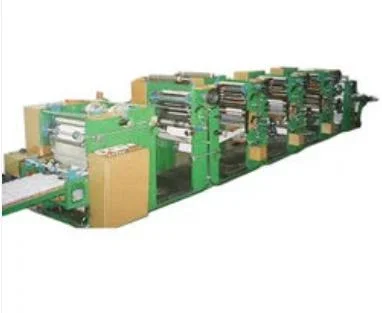
What are Offset Printers?
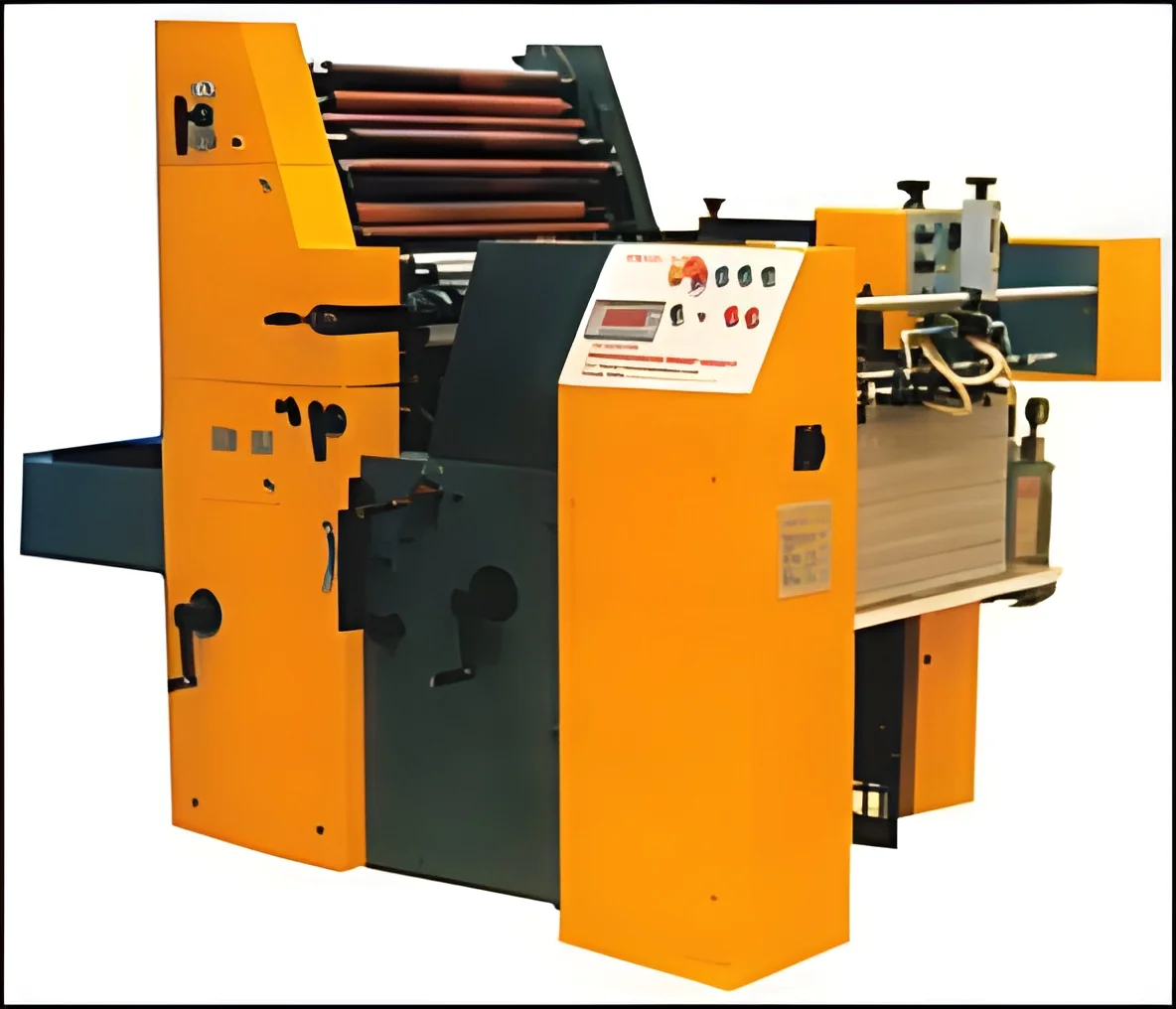
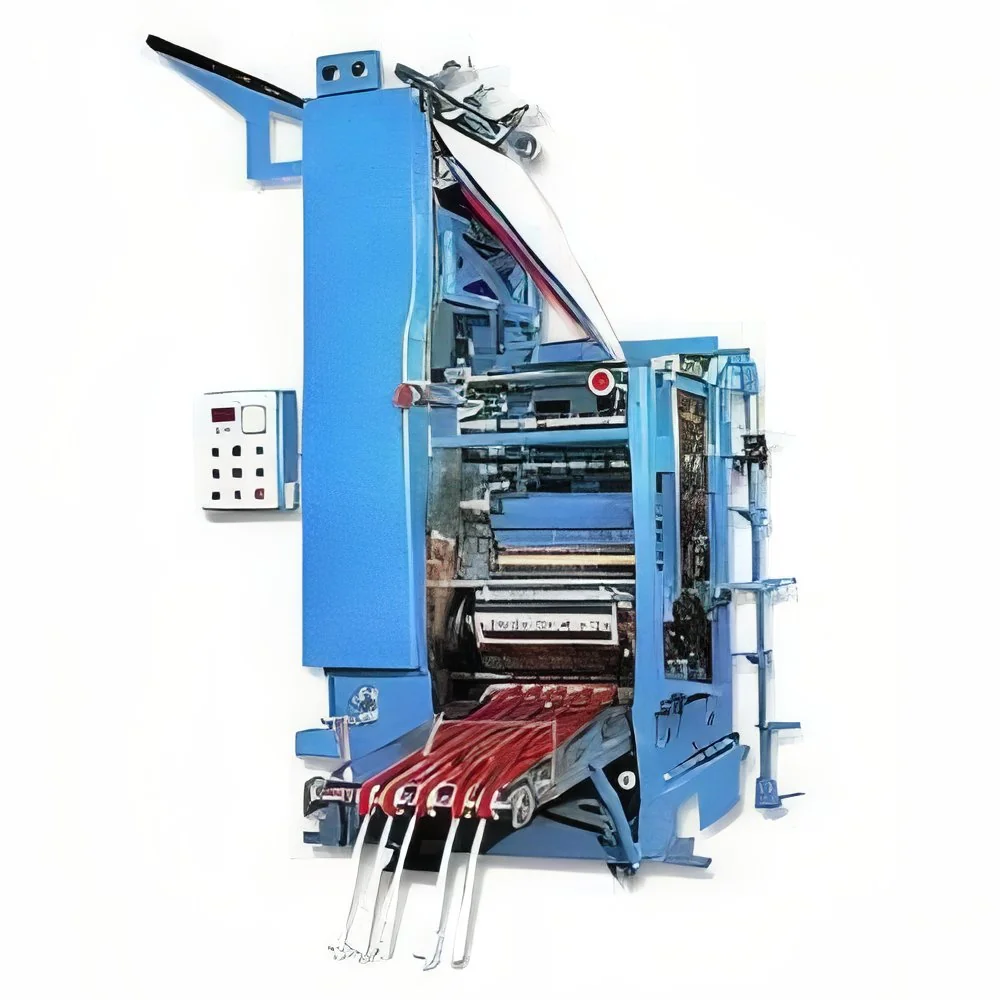
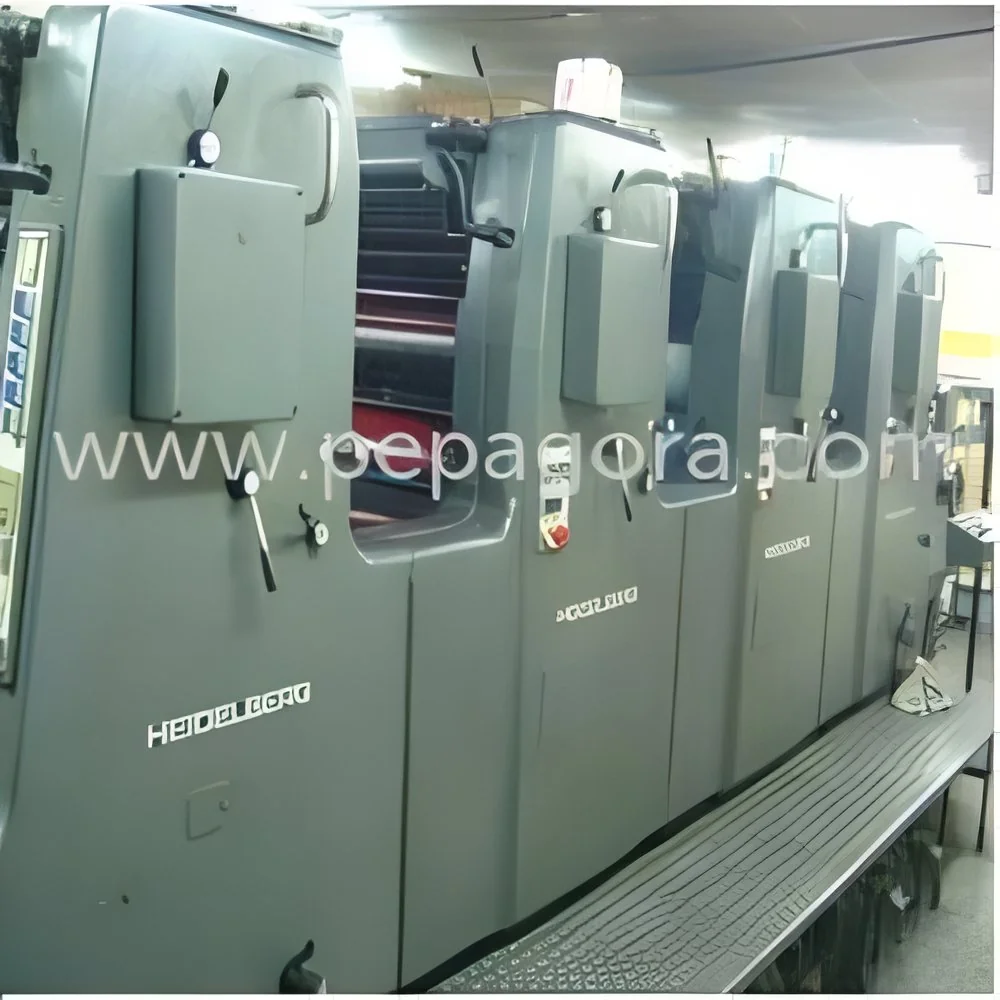
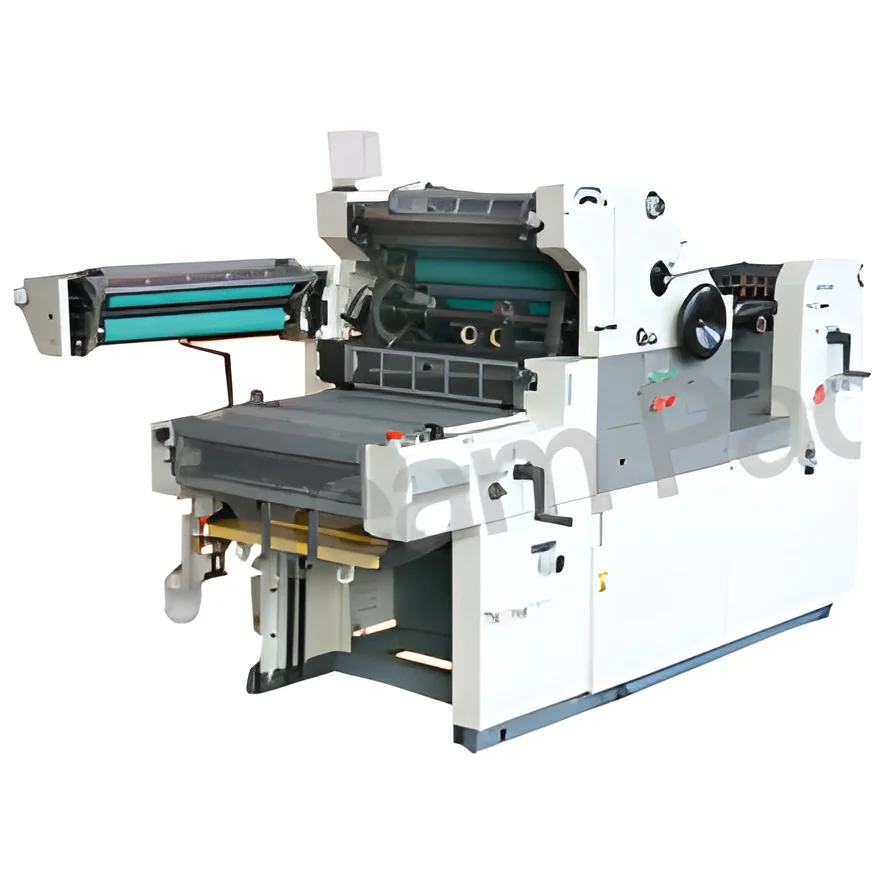
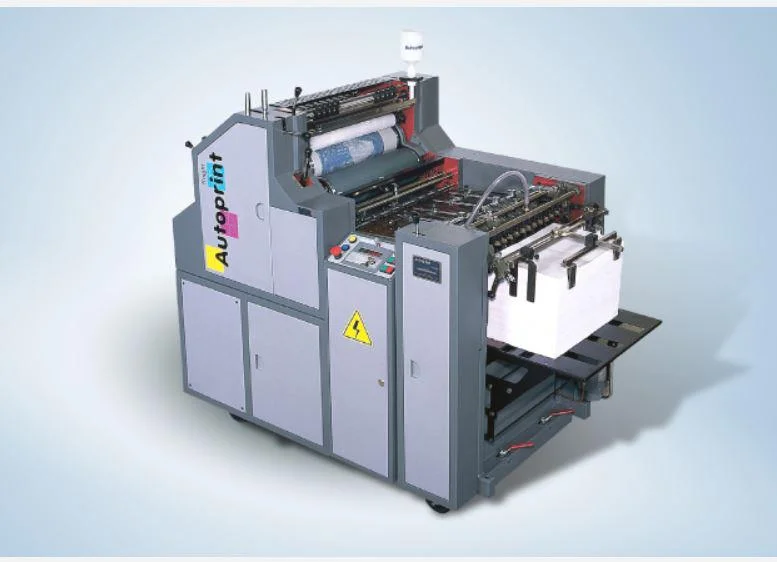
Offset printers are a type of printing technology that transfers ink from a plate to a rubber blanket, and then onto the printing surface. This process enables high-quality image reproduction and sharp text clarity, making offset printing a preferred method for producing large volumes of printed materials. The method is known for its ability to maintain consistent color quality and detail throughout the printing run.
Offset printers are widely used in various business applications, including the production of newspapers, magazines, brochures, and packaging materials. They are especially valued for their efficiency in producing large quantities of prints at a lower cost per unit compared to other printing methods. As a result, offset printing plays a crucial role in the commercial printing industry, catering to businesses that require high-quality prints for branding and communication purposes.
The relevance of offset printers in today's market continues to grow, as businesses seek reliable and cost-effective printing solutions. With advancements in technology, offset printers are being equipped with more sophisticated features, allowing for increased automation and enhanced printing capabilities. The demand for high-quality printed materials across various sectors ensures that offset printing remains a vital component of the industrial printing landscape.
Key Features and Specifications
Offset printers come with various features and specifications that cater to the needs of different businesses. Understanding these specifications can help buyers make informed decisions based on their specific printing requirements.
Key specifications include:
1. Printing Speed
- Measured in pages per minute (PPM), indicating how quickly the printer can produce prints.
- Typical ranges vary from 5,000 to 20,000 sheets per hour, depending on the model.
2. Print Resolution
- Refers to the clarity and detail of printed images, measured in dots per inch (DPI).
- Common resolutions range from 150 to 300 DPI for standard prints.
3. Plate Size
- The maximum size of the printing plate that the machine can accommodate.
- Sizes can range from A4 to larger formats like B2 or B1, depending on the printer type.
4. Ink Types
- Offset printers can use various ink types, such as oil-based, water-based, or UV inks.
- The choice of ink can affect drying times and print quality.
5. Paper Compatibility
- Indicates the range of paper types and weights that the printer can handle.
- Compatible paper weights typically range from 50 gsm to 400 gsm.
6. Automation Features
- Many modern offset printers are equipped with automated functions for setup and adjustments.
- These features can include automated color registration and ink density control.
7. Connectivity Options
- Includes capabilities such as USB, Ethernet, or wireless connections for easy integration into workflow systems.
8. Energy Efficiency
- Many offset printers are designed to consume less energy, reducing operational costs and environmental impact.
In summary, understanding the key features and specifications of offset printers is essential for selecting the right machine for your printing needs. These specifications can greatly influence print quality, production efficiency, and overall cost-effectiveness.
Common Applications and Use Cases
Offset printers are versatile machines that serve a variety of industries and applications. Their ability to produce high-quality prints at scale makes them ideal for different sectors.
1. Commercial Printing: Offset printers are extensively used in commercial printing for creating brochures, catalogs, and flyers. Their high-speed production and color accuracy meet the demands of marketing materials.
2. Publishing: The publishing industry relies on offset printing for producing books, magazines, and newspapers. The ability to print large volumes at a lower cost makes it a preferred choice.
3. Packaging: Offset printing is widely used in packaging for food, consumer goods, and pharmaceuticals. The technology allows for detailed graphics and branding on packaging materials.
4. Stationery: Businesses use offset printers for producing stationery items such as business cards, letterheads, and envelopes. The quality of print enhances professional representation.
5. Labels and Tags: Offset printers are used for producing labels and tags for products. The high resolution ensures that barcodes and logos are printed clearly.
6. Promotional Materials: Companies often use offset printing for promotional items such as posters and banners. The ability to print vibrant colors helps in effective advertising.
7. Direct Mail: Businesses employ offset printing for direct mail campaigns, ensuring that marketing messages are delivered in a visually appealing format.
Product Variants and Subcategories
Offset printers come in a range of variants to accommodate diverse printing needs. Each variant offers unique features suited for specific applications.
Digital Offset Printer: This variant combines digital technology with traditional offset printing. It allows for variable data printing and is ideal for short runs, making it versatile for businesses looking for flexibility.
Sheet-fed Offset Printer: This type of printer processes individual sheets of paper, allowing for high-quality printing on various media. It is commonly used for printing marketing materials and packaging.
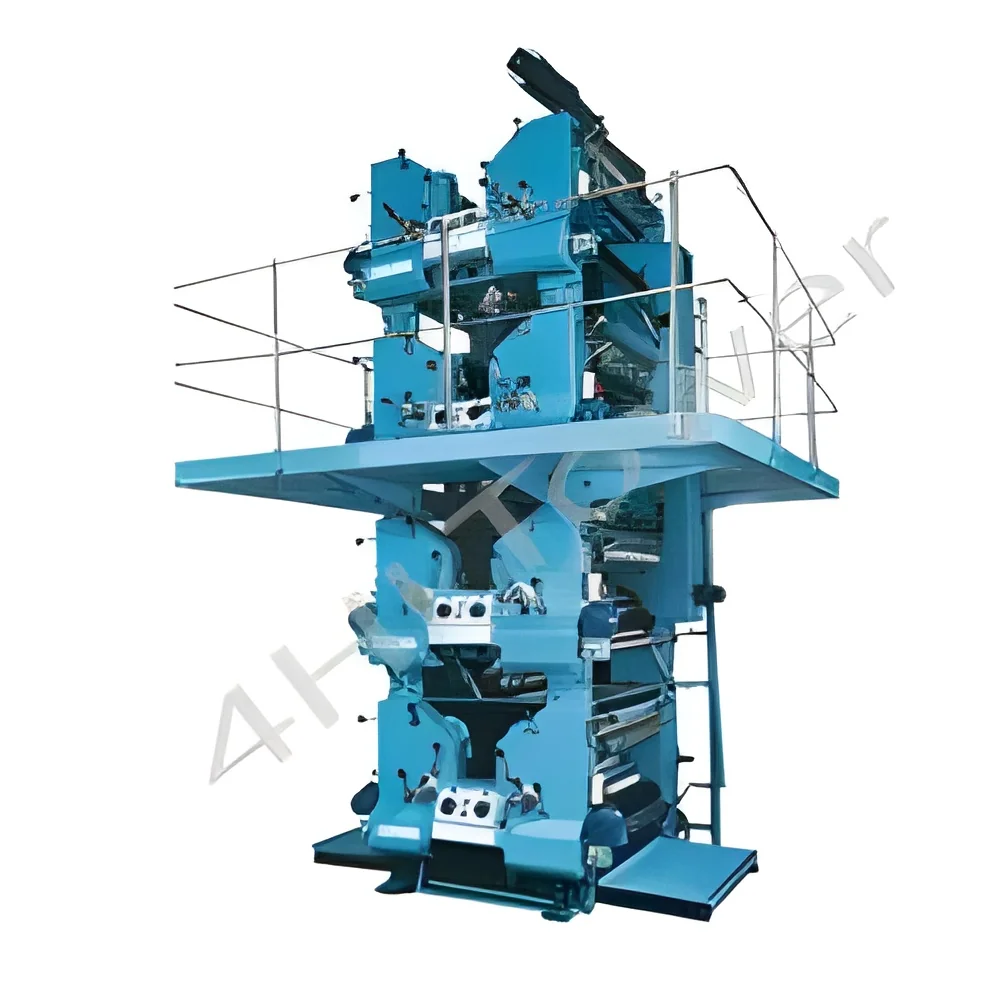
Web Offset Printer: Designed for high-speed printing, web offset printers use continuous rolls of paper. They are ideal for large-volume printing such as newspapers and magazines.
Benefits and Advantages
Offset printers come with numerous benefits that enhance the printing experience for businesses.
1. High Quality: Offset printing consistently delivers superior quality prints with sharp images and vibrant colors, making it suitable for professional applications.
2. Cost-Effectiveness: The cost per unit decreases significantly with larger print runs, making offset printing an economical choice for bulk printing.
3. Versatility: Offset printers can handle a wide range of paper sizes and types, allowing businesses to customize their printed materials.
4. Speed: Offset printers are known for their fast production speeds, enabling businesses to meet tight deadlines without compromising quality.
5. Consistency: Once a job is set up, offset printing ensures consistent results throughout the printing run, maintaining color fidelity and detail.
6. Customization: Offset printers can be configured to accommodate specific business needs, including the use of specialty inks and coatings.
Buying Guide for B2B Buyers
When sourcing offset printers, it is essential to consider several factors to ensure the right investment for your business needs.
1. Quality Assessment: Evaluate the print quality by reviewing samples from potential suppliers. Look for consistency in color and clarity to meet your standards.
2. Supplier Verification: Research suppliers to ensure they have a solid reputation and industry experience. Check for customer reviews and case studies.
3. Pricing and MOQ: Understand the pricing structure and minimum order quantities (MOQ) required by suppliers. Evaluate whether the costs align with your budget and production needs.
4. Delivery and Lead Times: Discuss logistics with suppliers to determine delivery schedules and lead times. Ensure they can meet your deadlines for production.
5. Compliance Requirements: Verify that the offset printers meet relevant industry standards and certifications. Ensure that suppliers comply with regulations applicable to your business sector.
Compliance and Certifications
Offset printers must adhere to several quality standards and certifications to ensure safety and reliability in production.
ISO 9001: This standard ensures that manufacturers follow a quality management system, which helps maintain consistent quality across products and services.
CE Certification: This certification indicates that the offset printers meet European safety and environmental protection standards, ensuring safe operation.
Safety and Testing Requirements: Offset printers must undergo rigorous testing to ensure they meet safety standards. This includes evaluations of electrical safety and mechanical integrity.
Regional Compliance Considerations: Depending on the geographic location, compliance with local regulations regarding emissions and energy consumption may be required. It is important to check regional laws to ensure adherence.
Why Source Offset Printers from Pepagora?
Pepagora offers a trusted platform for sourcing offset printers, providing significant advantages for B2B buyers.
Verified Supplier Network: Pepagora has established a network of verified suppliers, ensuring that buyers can access high-quality offset printers from reputable manufacturers. This verification process helps mitigate risks associated with purchasing.
Streamlined RFQ Process: The platform facilitates a straightforward Request for Quotation (RFQ) process, allowing buyers to receive competitive quotes from multiple suppliers quickly. This efficiency helps businesses make informed purchasing decisions.
Trade Assurance and Support: Pepagora provides trade assurance, offering buyer protection and support throughout the purchasing process. This assurance helps build trust between buyers and suppliers.
Regional Coverage: With a focus on markets such as India, the GCC, and Southeast Asia, Pepagora ensures that buyers can find offset printers that cater to their specific regional requirements. This geographic reach enhances accessibility and convenience for businesses looking to source offset printers.

 IN
IN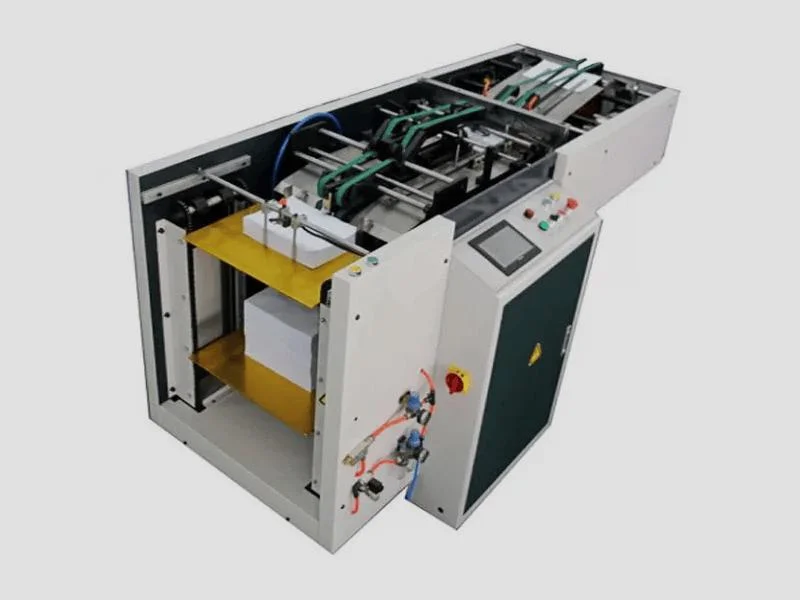




%20(1).webp)