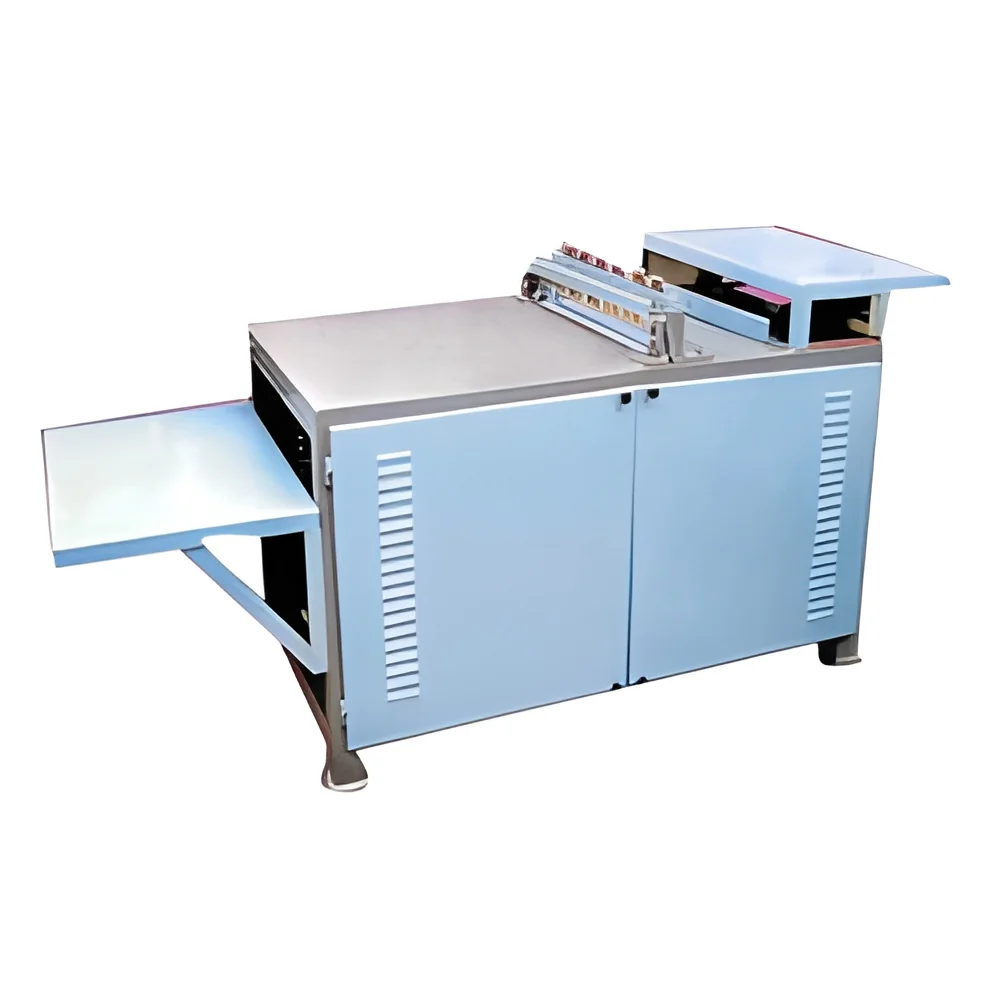
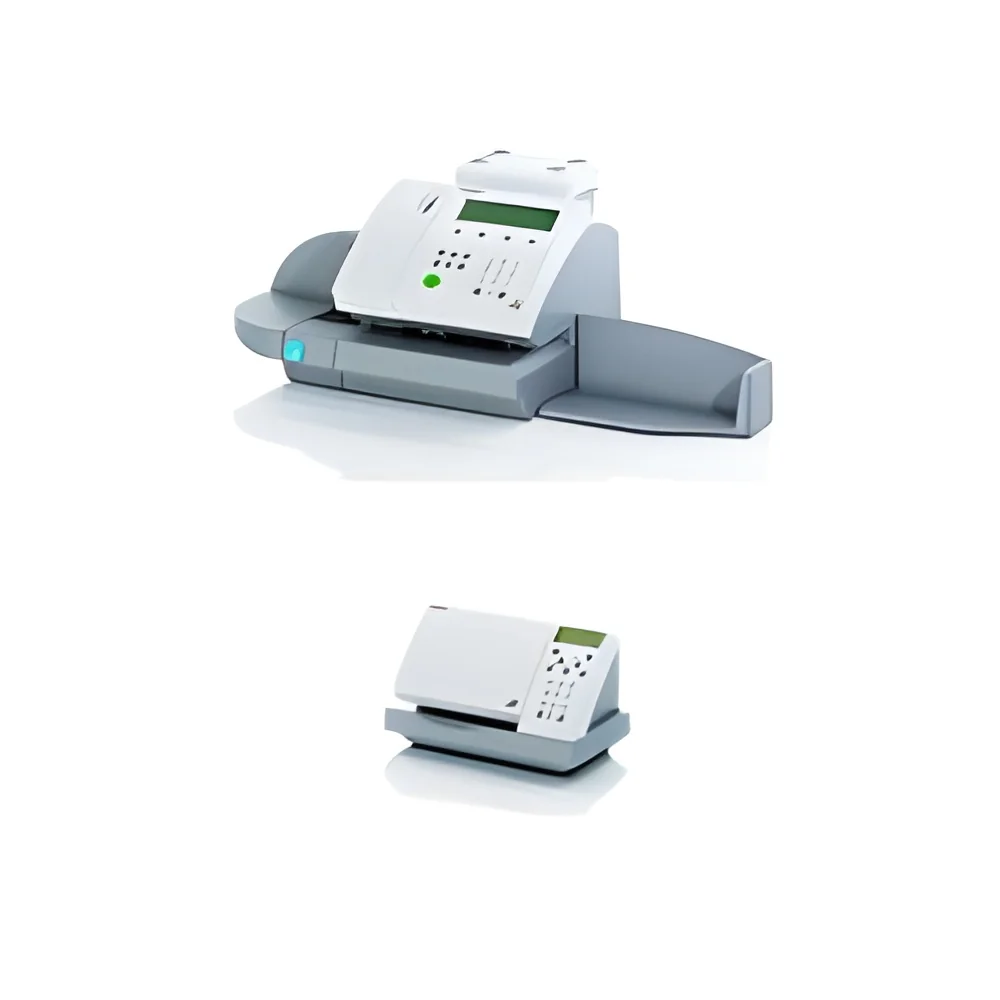
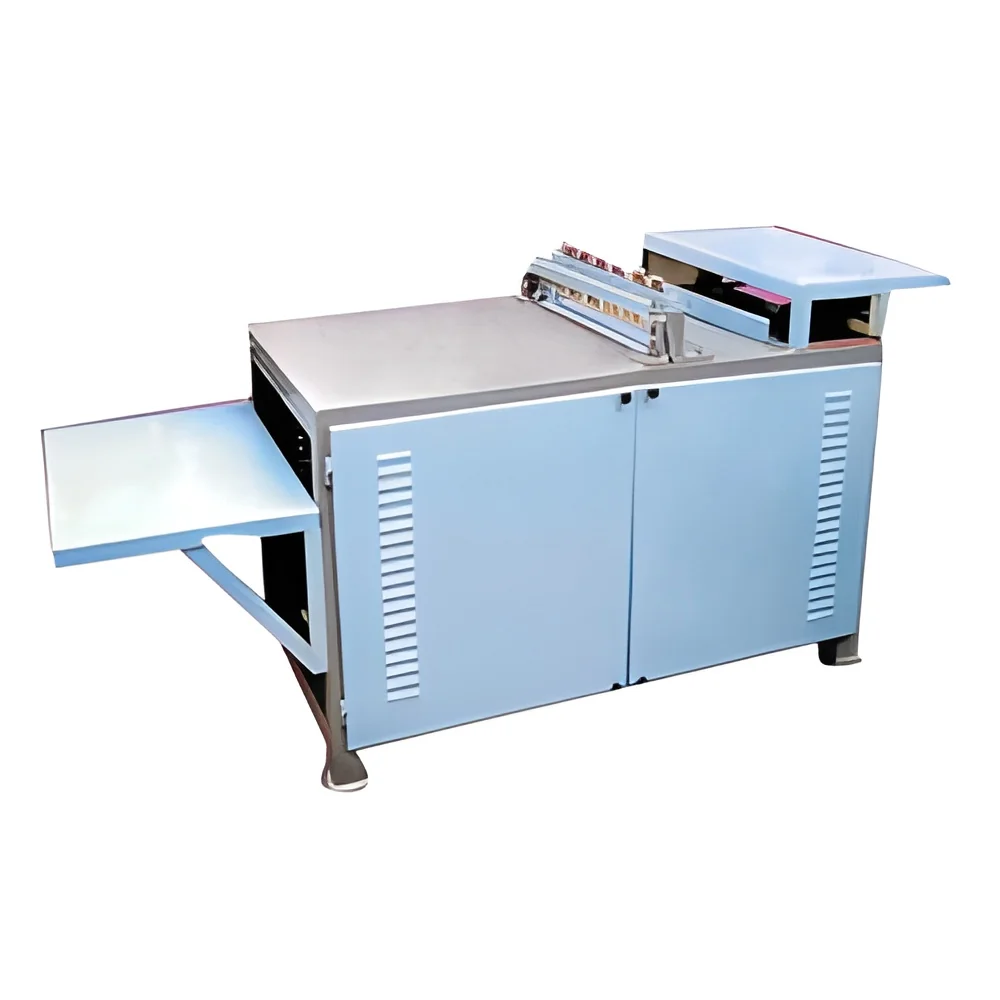
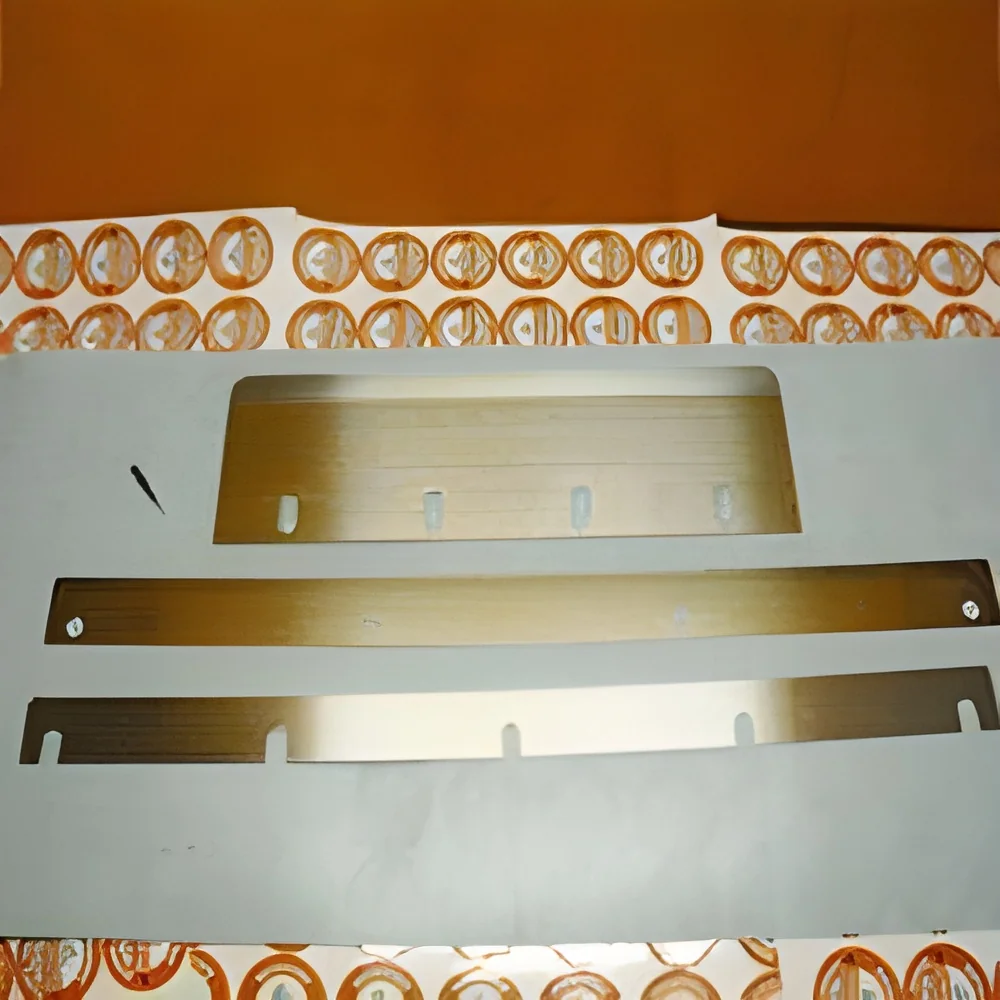
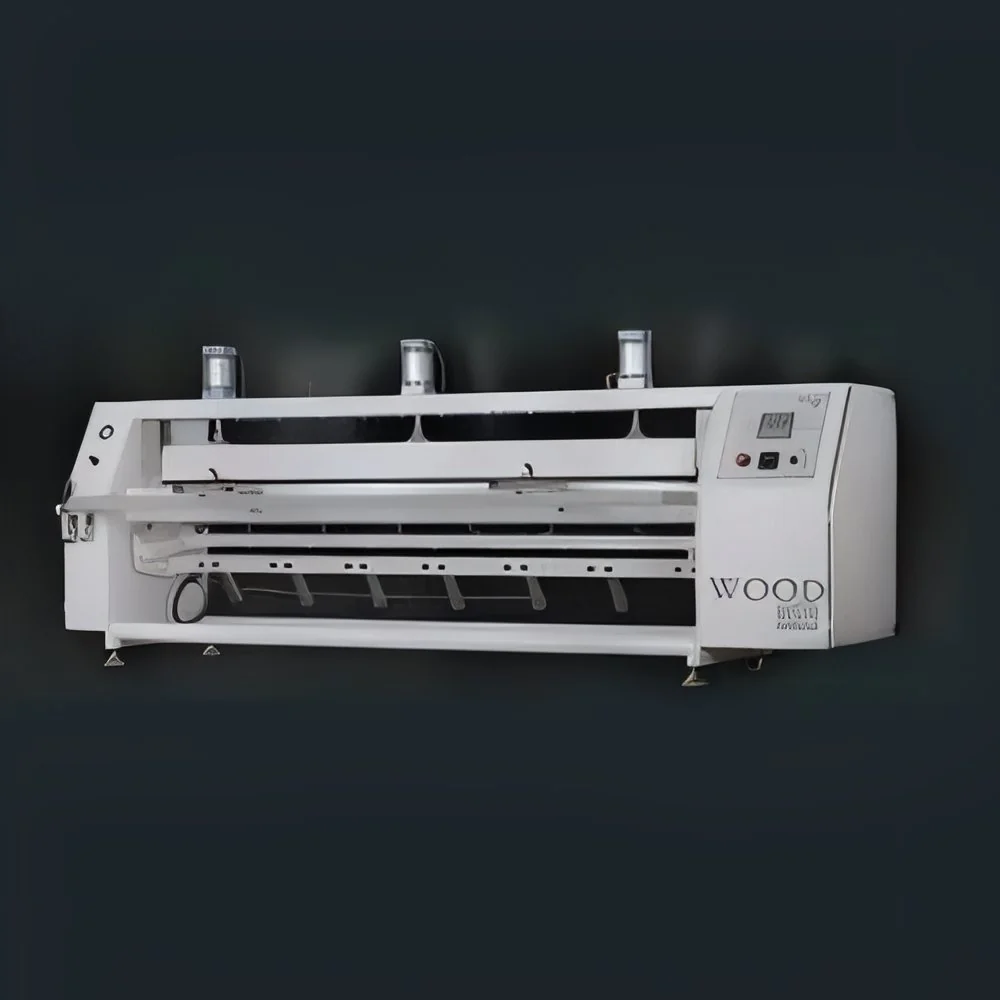
What are Post Press Equipment?
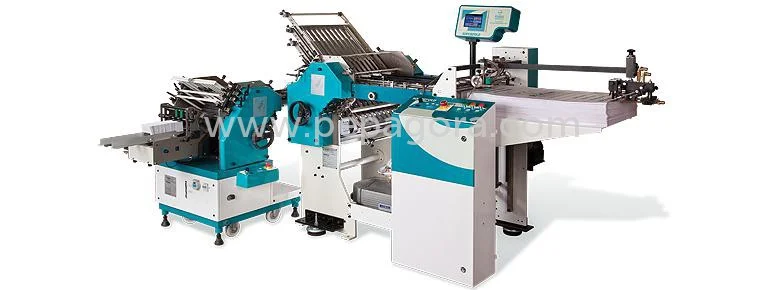
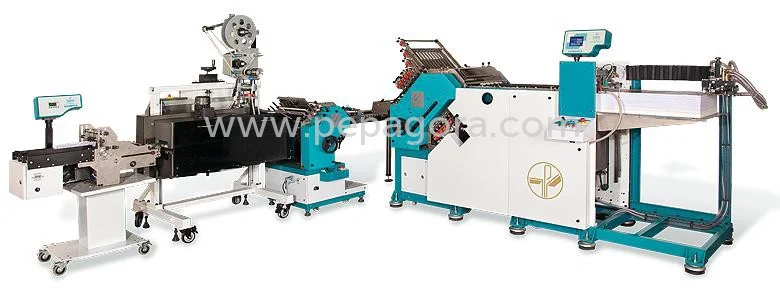
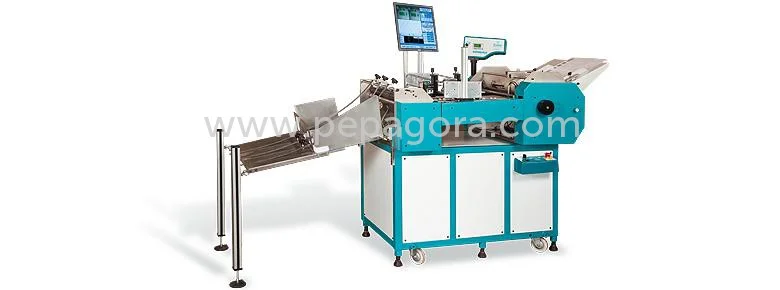
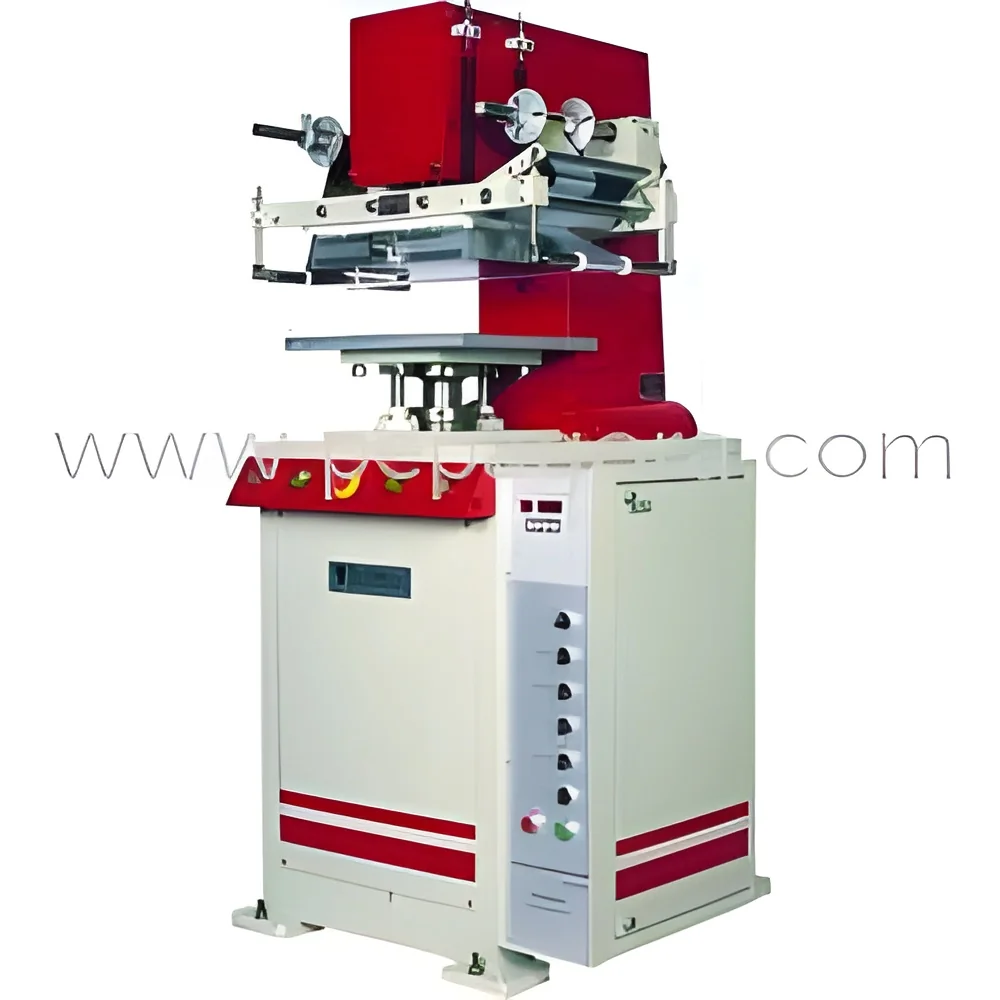
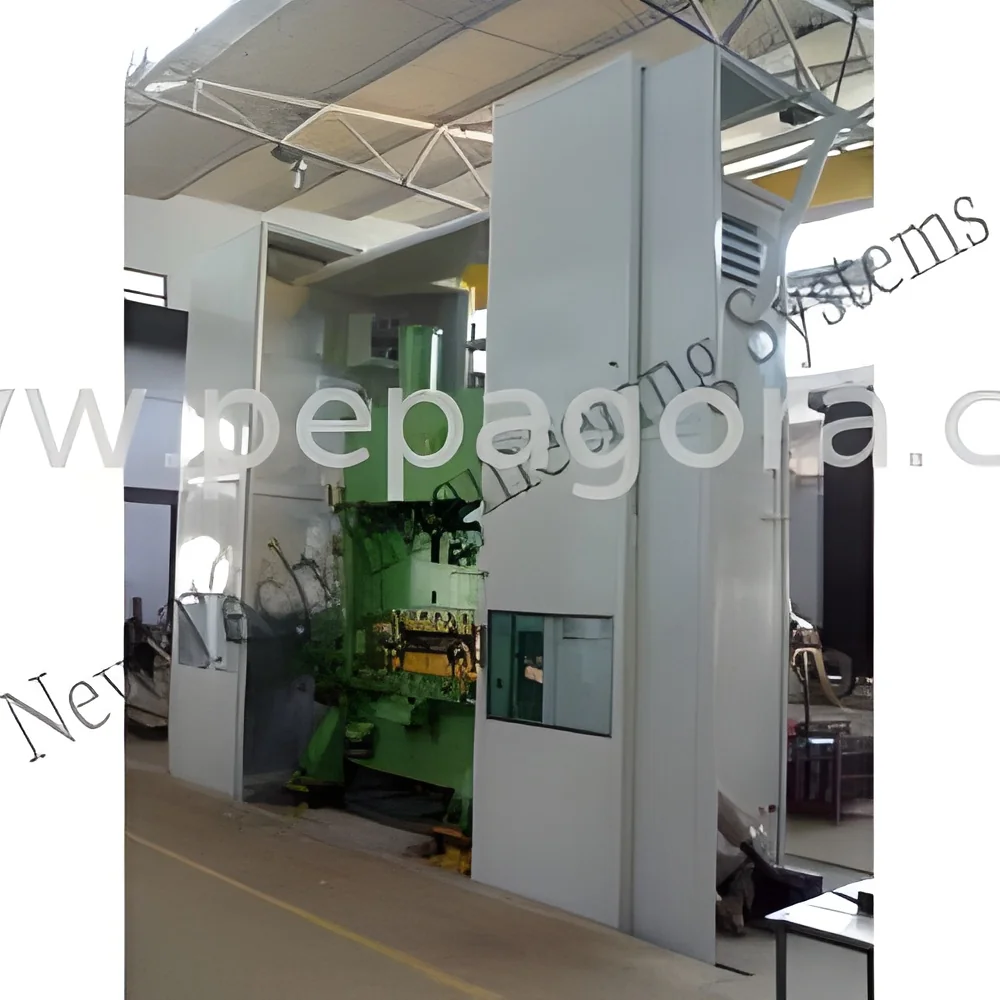
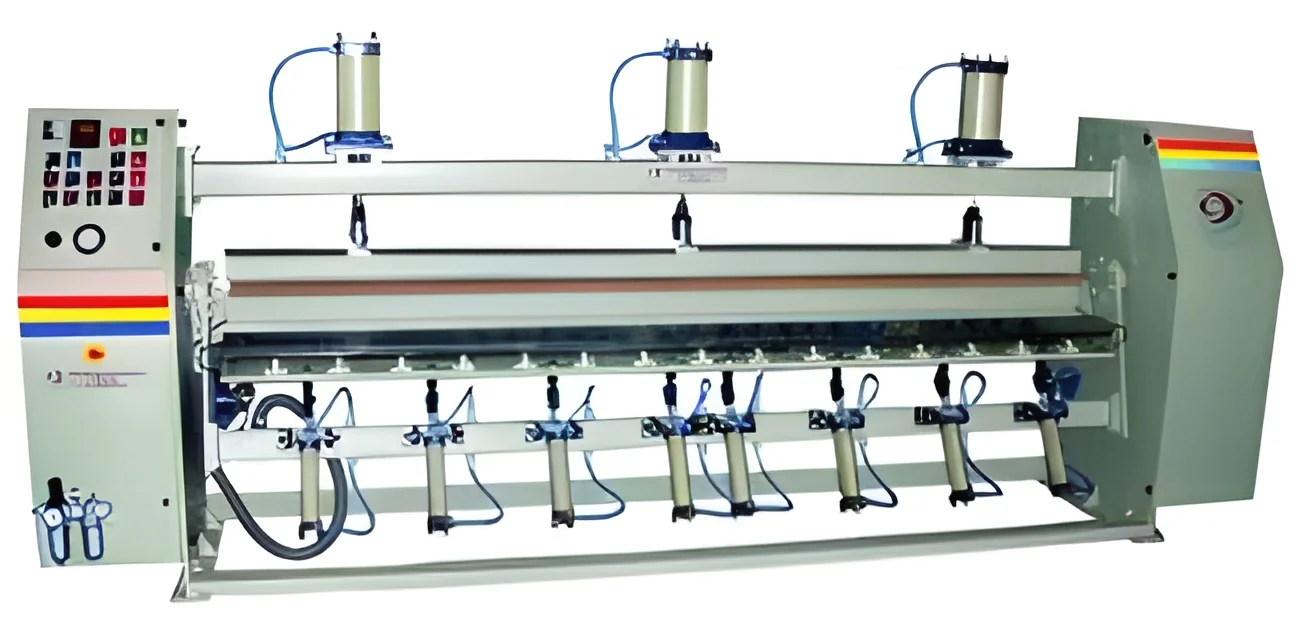
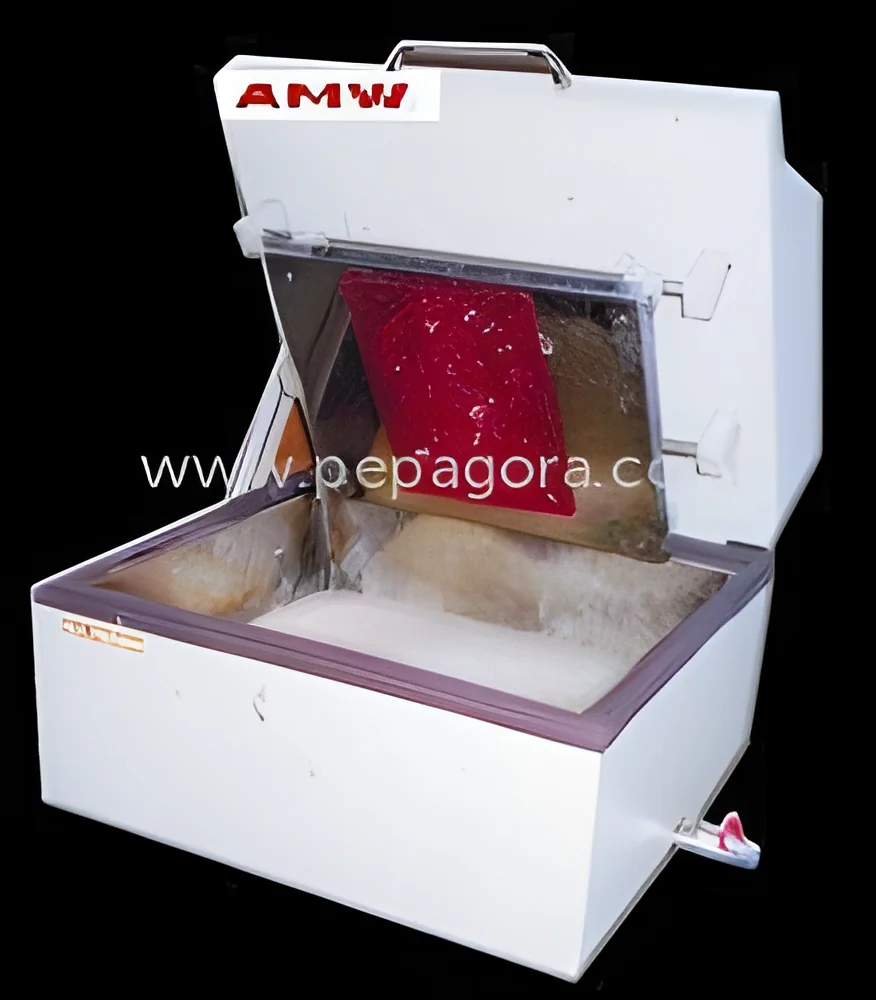
Post Press Equipment refers to a range of machinery used in the final stages of the printing process. This equipment is essential for enhancing, finishing, and preparing printed materials for distribution. It includes various functions such as cutting, folding, binding, laminating, and packaging, all aimed at ensuring that the printed products meet the desired quality standards and are ready for delivery.
The primary uses of Post Press Equipment can be found across multiple sectors, including commercial printing, packaging, and publishing. Businesses utilize these machines to streamline their production processes and improve the efficiency of their operations. By incorporating post press solutions, companies can achieve a higher level of precision and creativity in their printed products, ultimately leading to improved customer satisfaction and competitive advantage in the market.
In terms of industry relevance, Post Press Equipment plays a critical role in the broader printing and packaging landscape. As businesses seek to enhance their offerings and adapt to changing market demands, the need for advanced post press solutions continues to grow. This equipment supports innovation in product design and contributes to the overall effectiveness of print production, making it an integral part of the industrial workflow.
Key Features and Specifications
Post Press Equipment is characterized by several key features that enhance its functionality and performance. Understanding these specifications helps businesses select the right equipment for their needs.
Key specifications include:
1. Cutting Precision
- Ensures accurate cuts for various materials
- Typically ranges from +/-0.5 mm
2. Speed of Operation
- Defines the efficiency of the machine
- Can range from 500 to 3000 sheets per hour
3. Binding Capacity
- Refers to the maximum number of pages that can be bound
- Often ranges from 50 to 500 pages
4. Laminating Thickness
- Indicates the thickness of materials that can be laminated
- Usually ranges from 30 to 500 microns
5. Size Compatibility
- Refers to the types of paper sizes the equipment can handle
- Commonly supports sizes from A4 to A0
6. Automation Features
- Includes capabilities like automatic feeding and stacking
- Enhances operational efficiency and reduces manual intervention
7. Energy Consumption
- Indicates the power requirements of the machine
- Generally measured in kilowatts, varying by model
8. Safety Features
- Includes emergency stop buttons and protective covers
- Enhances operator safety during use
These specifications highlight the critical attributes of Post Press Equipment, which contribute to its effectiveness in the printing industry.
Common Applications and Use Cases
Post Press Equipment serves various industries, each with specific applications that enhance productivity and product quality.
1. Commercial Printing: In this sector, post press equipment is used for cutting, folding, and binding brochures, flyers, and business cards to ensure high-quality presentation.
2. Packaging: Companies in the packaging industry utilize post press solutions for creating boxes, labels, and packaging inserts that require precision cutting and sealing.
3. Publishing: Book publishers depend on post press equipment for binding and finishing printed materials, ensuring durability and aesthetic appeal in the final product.
4. Label Production: This industry uses post press equipment to create custom labels, requiring specific cutting and laminating processes to achieve the desired finish.
5. Advertising: Agencies rely on post press solutions to produce marketing materials, including banners and posters, that require high-quality finishes to attract customer attention.
6. Textile Printing: Post press equipment is essential in textile printing for finishing printed fabrics and ensuring they meet industry standards.
7. Digital Printing: The rise of digital printing has led to increased demand for post press equipment that can handle short runs and quick turnaround times.
Product Variants and Subcategories
Post Press Equipment encompasses a diverse range of machinery to meet specific production needs.
High-Speed Cutters
These machines are designed for rapid and precise cutting of large volumes of paper or materials. They are essential for businesses that prioritize speed without compromising accuracy.
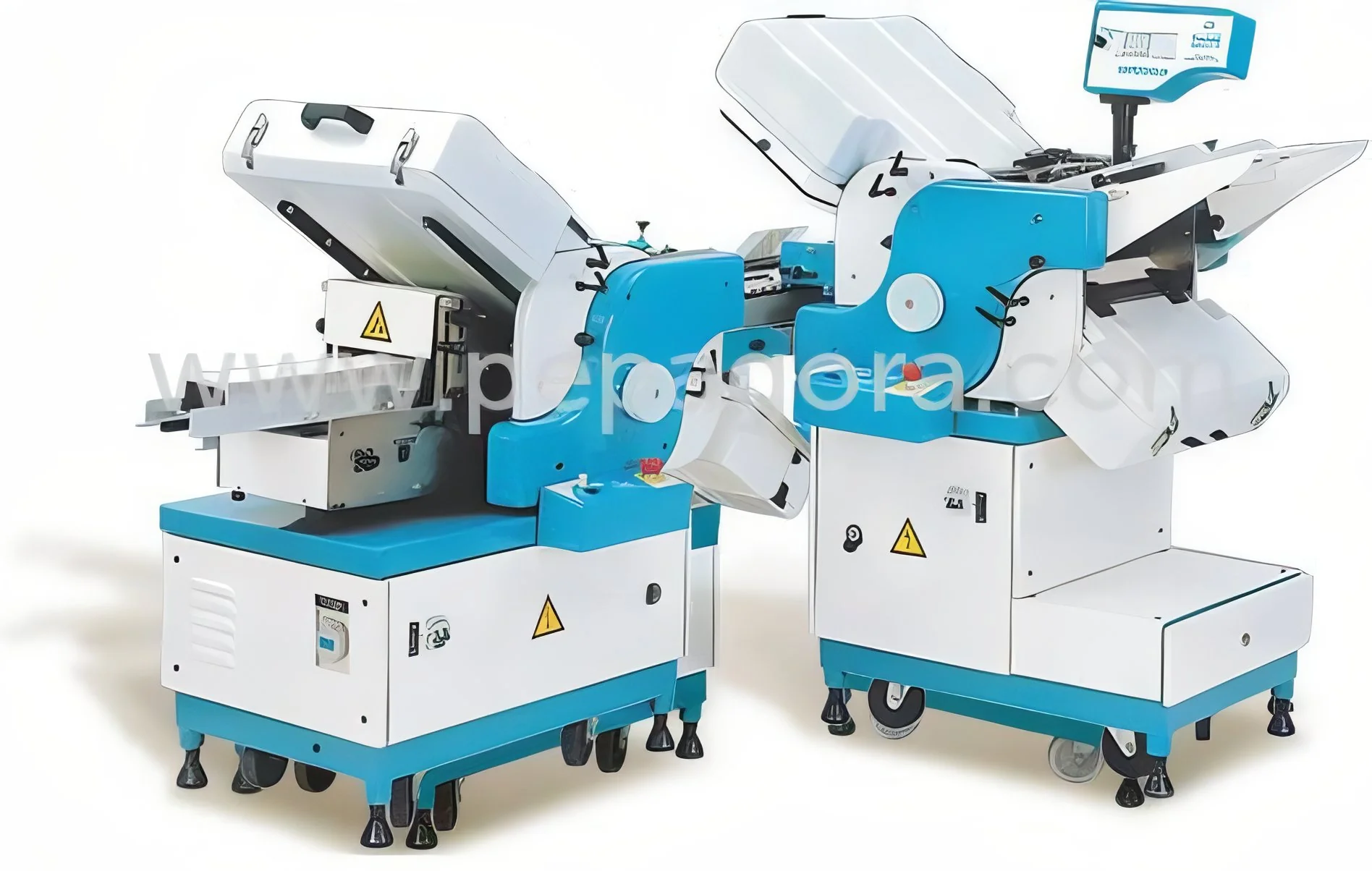
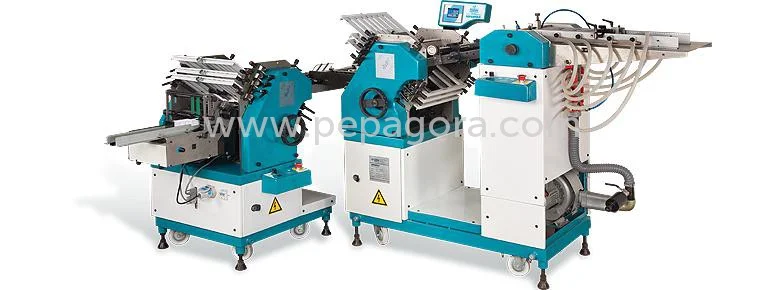
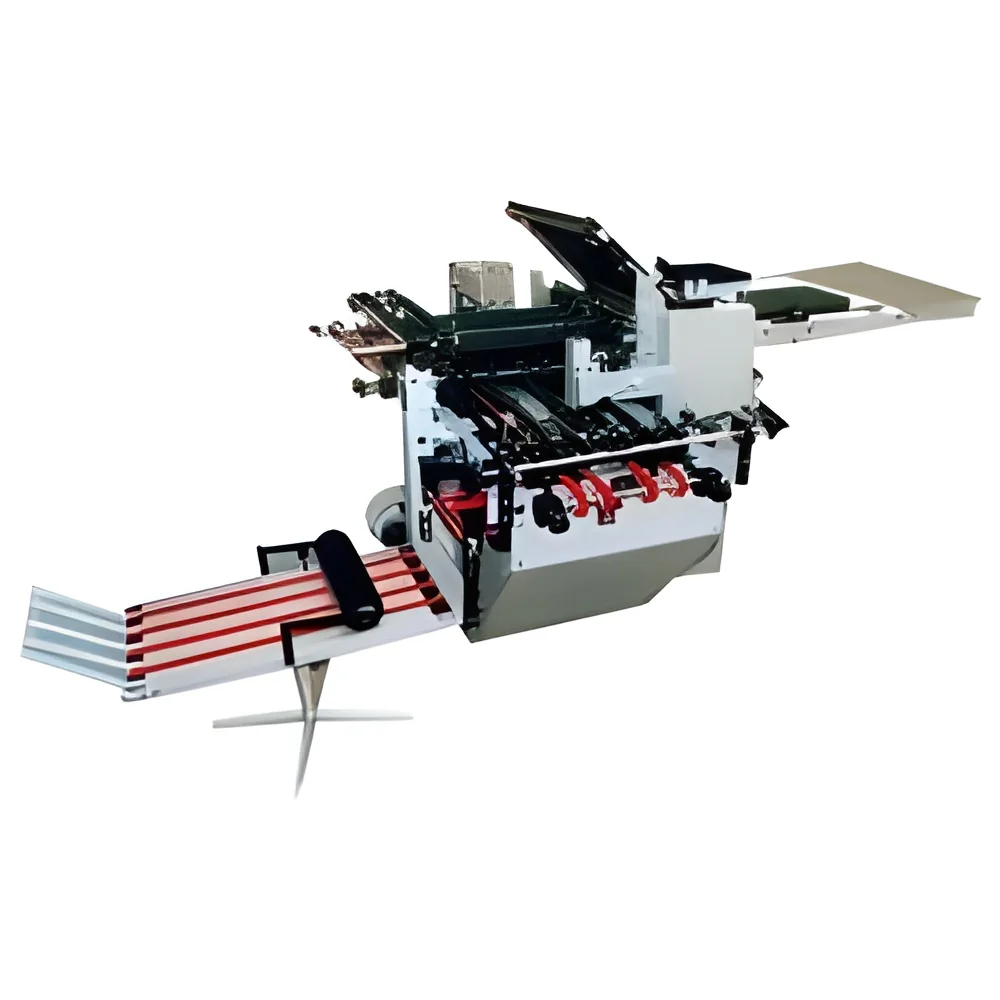
Automatic Folding Machines
These machines automate the folding process, allowing for consistent and efficient folding of printed materials. Suitable for various paper types, they enhance productivity in high-volume operations.
Binding Machines
These are specialized machines for different binding methods, such as perfect binding, saddle stitching, or spiral binding. Each type caters to specific product requirements, providing flexibility in finishing options.
Laminating Machines
These machines apply a protective layer to printed materials, enhancing durability and appearance. They come in various models to accommodate different thicknesses and finishes.
Benefits and Advantages
Post Press Equipment offers numerous benefits that enhance operational efficiency and product quality.
1. Increased Efficiency: Automation features reduce manual labor and speed up production processes, leading to faster turnaround times.
2. Improved Quality: Advanced technology ensures precision in cutting, binding, and finishing, resulting in high-quality printed materials.
3. Flexibility: Diverse machines cater to various applications, allowing businesses to adapt to changing market demands and customer preferences.
4. Cost-Effectiveness: Investing in post press solutions can reduce outsourcing costs by enabling in-house production of finishing tasks.
5. Enhanced Creativity: Post press equipment allows for innovative designs and customizations, helping businesses stand out in a competitive market.
6. Sustainability: Many modern post press machines are designed with energy efficiency in mind, reducing overall operational costs and environmental impact.
Buying Guide for B2B Buyers
When sourcing Post Press Equipment, it is vital for buyers to consider several key factors to ensure they make informed decisions.
1. Quality Assessment: Evaluate the craftsmanship and materials used in the equipment. Prioritize machines from reputable manufacturers that adhere to industry standards.
2. Supplier Verification: Conduct thorough background checks on potential suppliers. Review their history, customer feedback, and certifications to ensure reliability.
3. Pricing and MOQ: Understand the pricing structure and minimum order quantities (MOQ) required by suppliers. This information is crucial for budgeting and financial planning.
4. Delivery and Lead Times: Inquire about the expected delivery timelines and any potential delays. This helps in planning production schedules effectively.
5. Compliance Requirements: Ensure that the equipment meets all regulatory standards and certifications, such as CE, to avoid legal issues and ensure product safety.
Compliance and Certifications
Compliance and certifications are critical to ensuring the quality and safety of Post Press Equipment. Adhering to relevant quality standards, such as ISO 9001, guarantees that manufacturers meet international benchmarks for quality management systems.
In addition to quality standards, equipment must comply with industry certifications like CE, which indicates conformity with health, safety, and environmental protection standards in Europe. These certifications assure buyers that the equipment has undergone rigorous testing and meets specific operational criteria.
Safety and testing requirements are also vital considerations. Equipment should include safety features to protect operators during use and be regularly tested to maintain compliance with safety regulations. Additionally, regional compliance considerations must be taken into account, as different regions may have specific requirements that affect equipment design and operation.
Why Source Post Press Equipment from Pepagora?
Pepagora provides a trusted platform for sourcing Post Press Equipment, offering several key advantages that enhance the purchasing experience.
Verified Supplier Network: Pepagora ensures that all suppliers in its network are thoroughly vetted. This verification process guarantees that buyers are dealing with reputable and reliable manufacturers, reducing the risk of subpar products.
Streamlined RFQ Process: The Request for Quotation (RFQ) process on Pepagora is designed to be efficient and user-friendly. Buyers can easily submit their requirements and receive competitive quotes from multiple suppliers, simplifying the decision-making process.
Trade Assurance and Support: Pepagora offers buyer protection through trade assurance, ensuring that transactions are secure and that customers receive the products as promised. Additionally, the platform provides customer support to assist with any inquiries or issues.
Regional Coverage: With a strong presence in key markets such as India, the GCC, and Southeast Asia, Pepagora facilitates access to a wide range of Post Press Equipment suppliers. This geographic reach allows buyers to find equipment that meets their specific needs while benefiting from local market insights.

 IN
IN