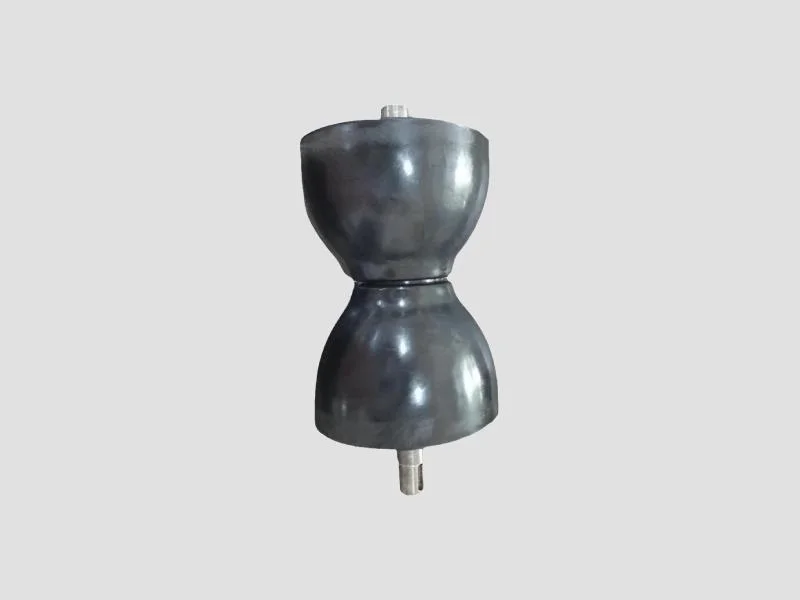
What are Sheetfed Offset Presses?
Sheetfed offset presses are industrial printing machines that transfer ink from a plate to a substrate, typically paper, via a series of rollers. These presses are known for their ability to produce high-quality prints with precise color registration and sharp images. The term "sheetfed" indicates that the paper is fed into the machine in individual sheets rather than being fed from a roll. This setup allows for a variety of paper sizes and types to be used, making sheetfed offset presses versatile for different printing needs.
These presses are primarily used in commercial printing applications, including brochures, magazines, and packaging materials. They are favored by businesses that require short to medium print runs and need quick turnaround times. Sheetfed offset presses can accommodate a range of paper stocks and are capable of executing complex printing tasks, such as full-color printing and specialty finishes.
In the current market context, sheetfed offset presses remain highly relevant, especially in sectors that prioritize print quality and efficiency. As digital printing technology evolves, sheetfed offset presses are still preferred for their superior print quality and cost-effectiveness for larger jobs, making them a staple in the printing industry.
Key Features and Specifications
Sheetfed offset presses come equipped with a variety of features that enhance their functionality and performance. These machines are designed to deliver consistent quality while maintaining high production speeds. Understanding the technical specifications is crucial for selecting the right press for your business needs.
Key specifications include:
1. Print Speed
- Measured in sheets per hour (SPH), indicating the number of sheets the press can print within an hour.
- Typical ranges from 5,000 to 18,000 SPH.
2. Maximum Sheet Size
- Refers to the largest paper size the press can handle.
- Common dimensions include formats up to 40 inches in width.
3. Ink Delivery System
- Describes the mechanism used to transfer ink from the rollers to the printing plate.
- Options include conventional, UV, or hybrid ink systems.
4. Plate Changing Time
- The duration required to change printing plates between jobs.
- Advanced models can have automated systems that reduce this time.
5. Color Management System
- Features that allow for precise color calibration and consistency across print runs.
- Includes spectrophotometers and software integration.
6. Automation Features
- Refers to the level of automated processes in operation, including presetting and job management.
- Enhances efficiency and reduces the potential for human error.
7. Dimensions and Weight
- Overall physical dimensions and weight, which can impact installation and operation space.
- Can range significantly based on machine capabilities.
8. Energy Consumption
- Indicates the power requirements for operation.
- Energy-efficient models are available, which can lower operational costs.
These specifications help businesses choose the right sheetfed offset press that matches their production needs and operational budget.
Common Applications and Use Cases
Sheetfed offset presses are utilized across various industries for diverse printing needs. Their flexibility makes them suitable for numerous applications.
1. Commercial Printing: Sheetfed offset presses are commonly used for producing high-quality brochures, flyers, and catalogs. Businesses in the advertising and marketing sectors rely on these presses to create visually appealing printed materials.
2. Packaging: The packaging industry utilizes sheetfed presses for printing labels, cartons, and flexible packaging. The ability to print on a variety of substrates makes these presses ideal for packaging solutions.
3. Publishing: Sheetfed offset presses are often employed in the publishing industry for books and magazines. Their capacity for high-quality color reproduction is essential for producing visually engaging publications.
4. Stationery: Many businesses use these presses to print business cards, letterheads, and envelopes. The precision and detail achievable with sheetfed offset presses enhance the professional appearance of stationery products.
5. Specialty Printing: Industries that require unique printing solutions, such as security printing or custom designs, benefit from the versatility of sheetfed offset presses. These machines can easily adapt to specialized printing tasks.
6. Direct Mail: Companies involved in direct mail campaigns use sheetfed offset presses to produce targeted mail pieces. The ability to print in bulk quickly is a key advantage for this application.
Product Variants and Subcategories
Sheetfed offset presses come in various configurations to meet different operational needs. Each variant offers unique features and capabilities.
Standard Model
This is the most common type of sheetfed offset press, designed for high-volume printing. It features robust construction and is suitable for general commercial printing applications. These models often include advanced automation features to improve efficiency.
High-Performance Model
These presses are engineered for maximum output and speed. They are ideal for large print runs and are equipped with state-of-the-art technology for fast plate changes and superior color accuracy. High-performance models are common in high-demand commercial settings.
Compact Model
Designed for smaller printing operations, compact models offer the essential features of larger presses in a more space-efficient design. These machines are perfect for small to medium-sized print jobs and businesses with limited floor space.
Benefits and Advantages
Investing in sheetfed offset presses offers numerous advantages for businesses seeking efficient and high-quality printing solutions.
Key benefits include:
1. High-Quality Output: Sheetfed offset presses produce sharp images and vibrant colors, making them ideal for professional-grade printing.
2. Versatility: These presses can handle a wide range of paper types and sizes, accommodating diverse printing needs across industries.
3. Cost Efficiency: For medium to large print runs, sheetfed offset printing can be more cost-effective compared to digital printing, thanks to lower per-unit costs.
4. Quick Turnaround: The ability to print large volumes quickly allows businesses to meet tight deadlines and respond to market demands effectively.
5. Consistency: Sheetfed offset presses provide consistent print quality across multiple runs, ensuring brand integrity and customer satisfaction.
6. Automation Features: Many modern sheetfed offset presses come equipped with automation capabilities that streamline the printing process and reduce manual labor.
Buying Guide for B2B Buyers
When considering the purchase of sheetfed offset presses, businesses should evaluate several key factors to ensure the best investment.
1. Quality Assessment: Buyers should examine the build quality and materials used in the construction of the press. High-quality components contribute to durability and performance over time.
2. Supplier Verification: It is crucial to vet suppliers for their reputation and reliability. Look for manufacturers with a track record of delivering quality products and excellent customer service.
3. Pricing and MOQ: Understand the pricing structure and minimum order quantities (MOQ) associated with the presses. This helps in budgeting and ensures the investment aligns with business needs.
4. Delivery and Lead Times: Inquire about the expected delivery timeframes and lead times for orders. Timely delivery is essential for maintaining production schedules.
5. Compliance Requirements: Ensure that the presses meet relevant industry compliance and safety standards. This includes checking for certifications such as CE to confirm adherence to quality regulations.
Compliance and Certifications
When sourcing sheetfed offset presses, it is essential to consider compliance with relevant quality standards and industry certifications.
ISO 9001 is a key quality management standard that ensures manufacturers maintain effective processes to consistently produce high-quality products. Compliance with this standard is often seen as a mark of reliability in the printing industry.
Additionally, many sheetfed offset presses carry the CE certification, indicating that they meet European safety and environmental protection standards. This certification provides assurance that the machinery is safe to operate and environmentally compliant.
Safety and testing requirements are also crucial aspects to consider. Manufacturers should provide documentation detailing safety measures and operational guidelines to ensure user safety.
Regional compliance considerations may vary, so it is important for buyers to understand the specific regulations applicable in their market. Staying informed about these compliance factors helps businesses avoid legal issues and guarantees that their printing operations adhere to industry standards.
Why Source Sheetfed Offset Presses from Pepagora?
Pepagora serves as a trusted platform for sourcing sheetfed offset presses, providing numerous advantages for B2B buyers.
Verified Supplier Network: Pepagora's rigorous vetting process ensures that all suppliers are reliable and meet high standards for quality and service. This provides buyers with peace of mind when making purchasing decisions.
Streamlined RFQ Process: The platform features an efficient request for quotation (RFQ) system that simplifies the procurement process. Buyers can easily submit their requirements and receive competitive quotes from multiple suppliers.
Trade Assurance and Support: Pepagora offers trade assurance to protect buyers throughout the transaction process. This includes support for resolving disputes and ensuring that products meet the agreed specifications.
Regional Coverage: With a focus on India, the GCC, and Southeast Asia, Pepagora provides extensive regional coverage. This geographic reach allows buyers to connect with local suppliers, enhancing logistics and reducing shipping times.
By choosing Pepagora, businesses can confidently navigate the market for sheetfed offset presses, ensuring they find the right equipment to meet their printing needs.

 IN
IN