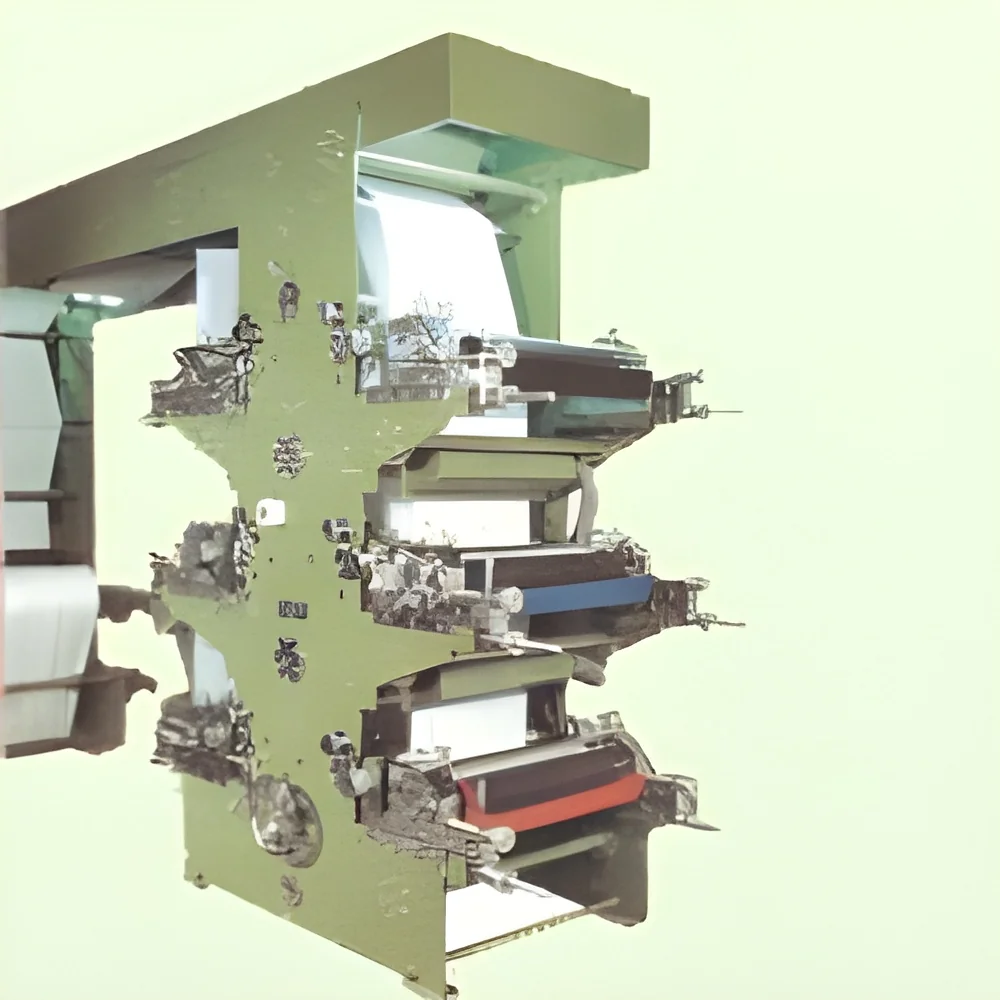
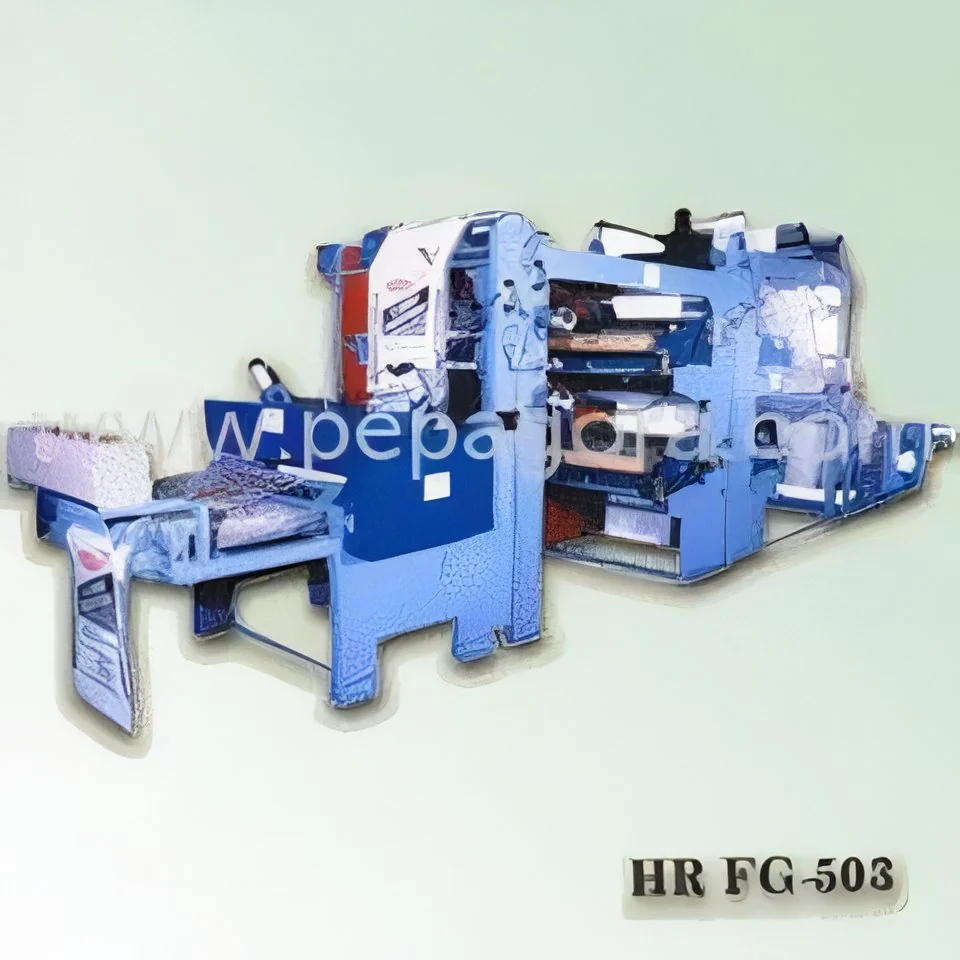
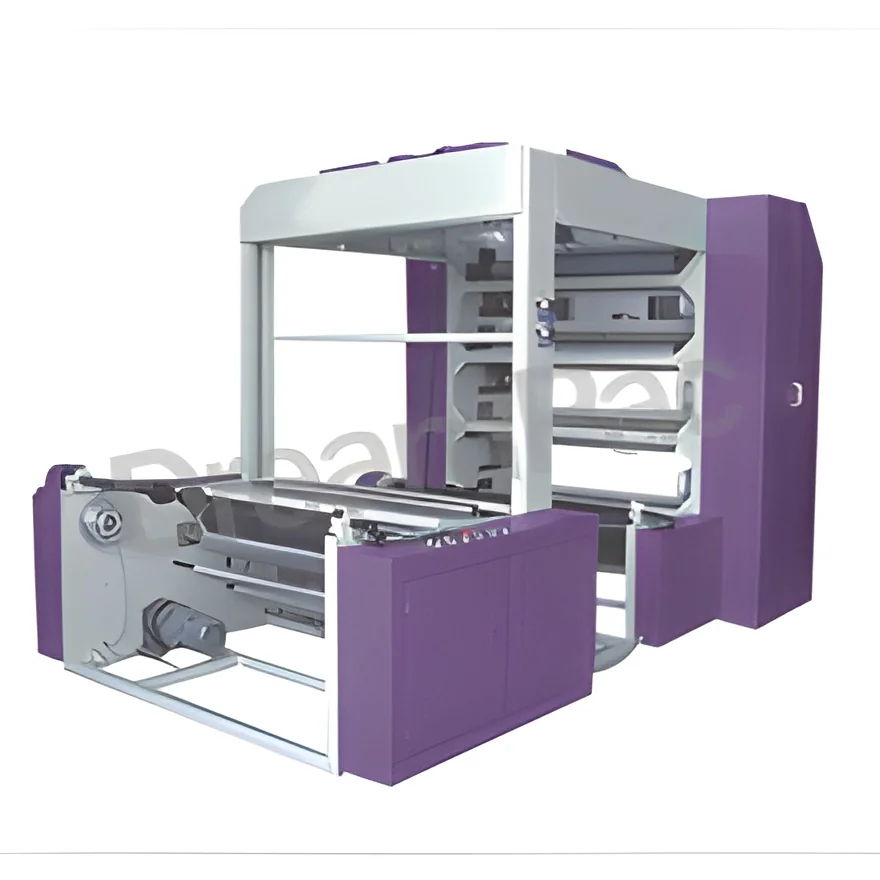
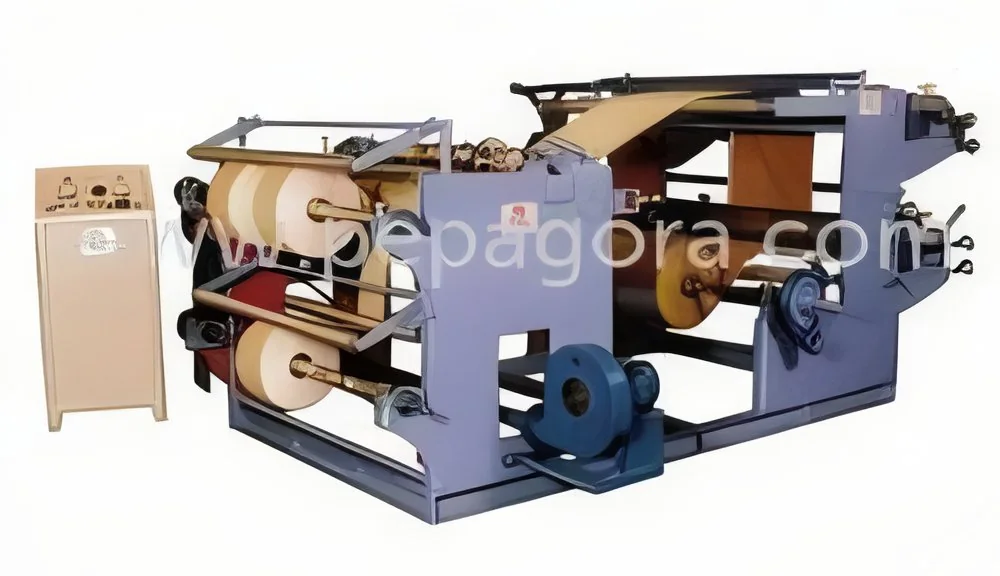
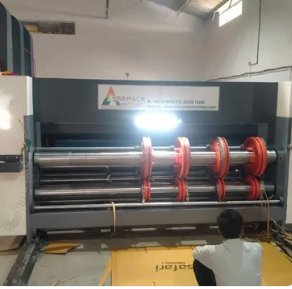
What are Flexographic Printers?
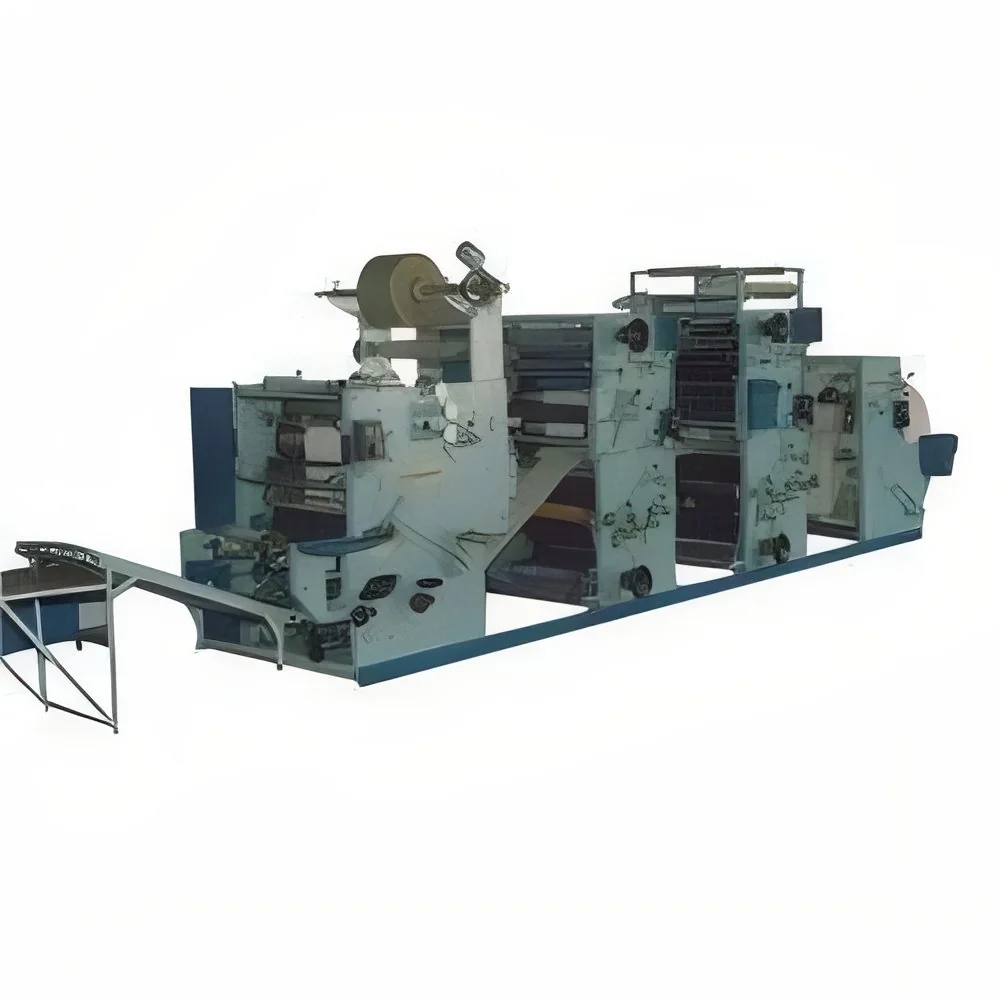
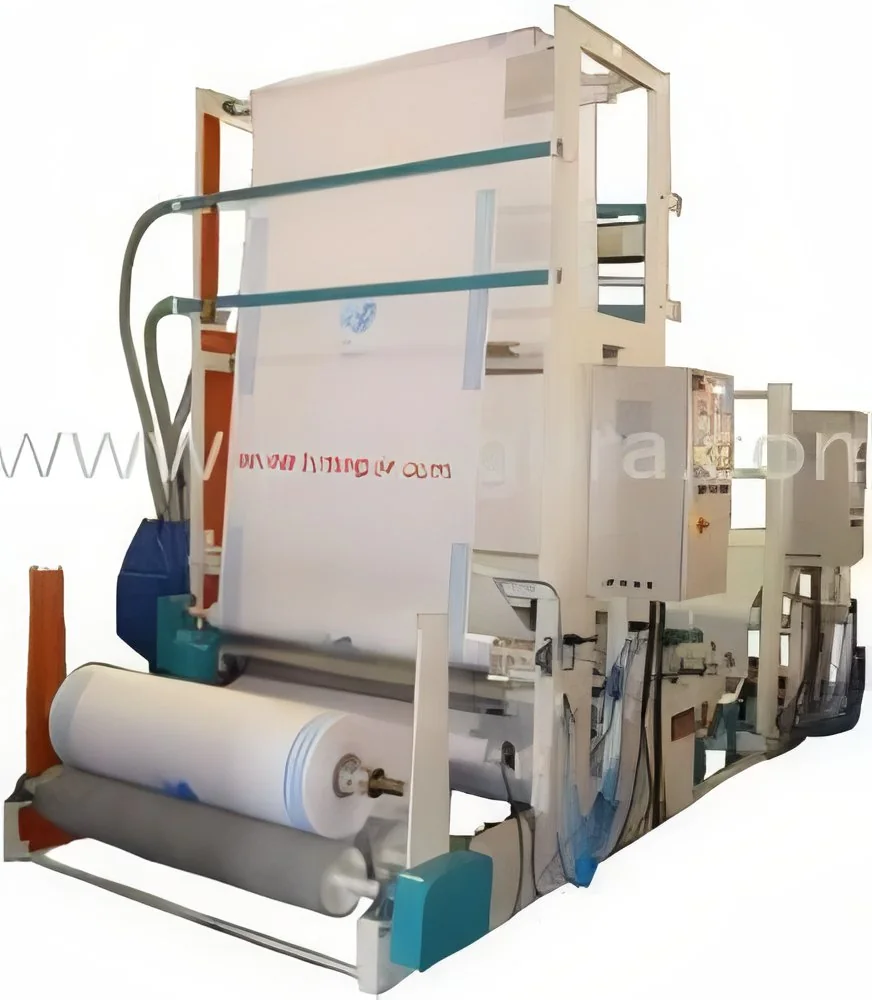
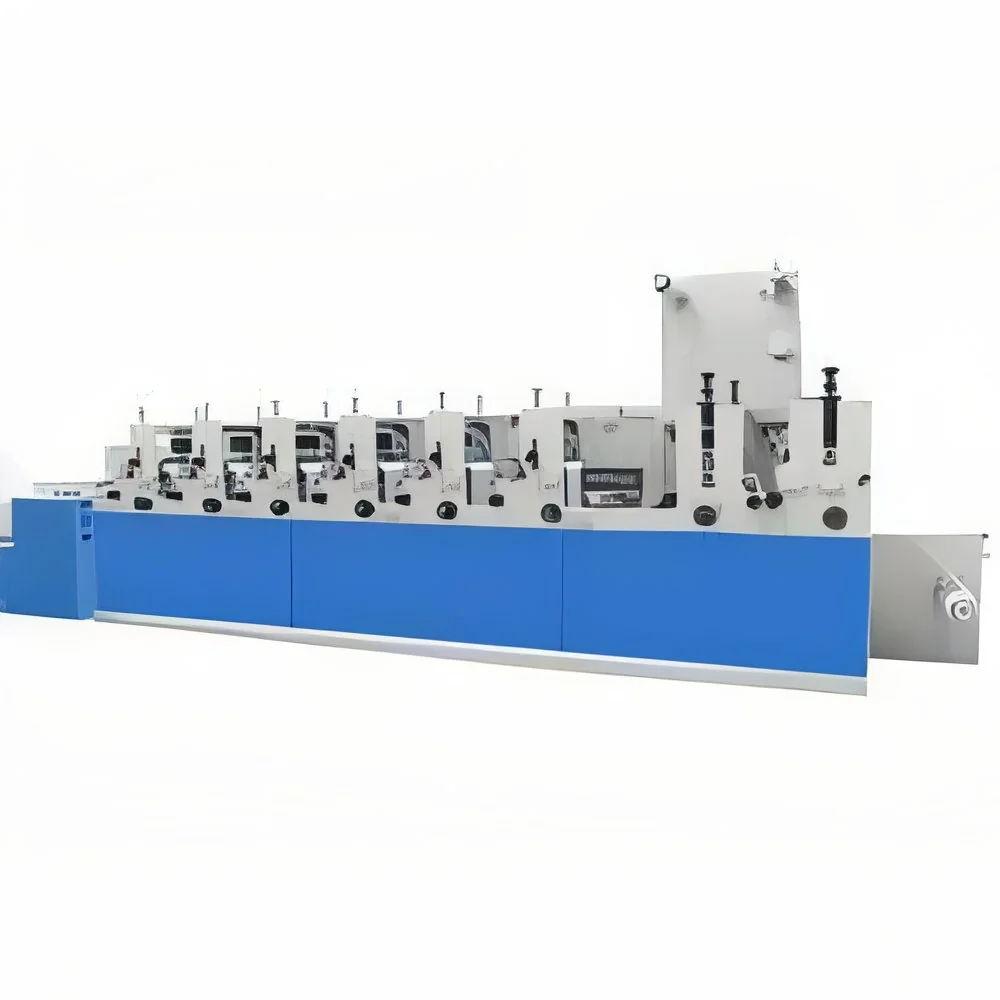
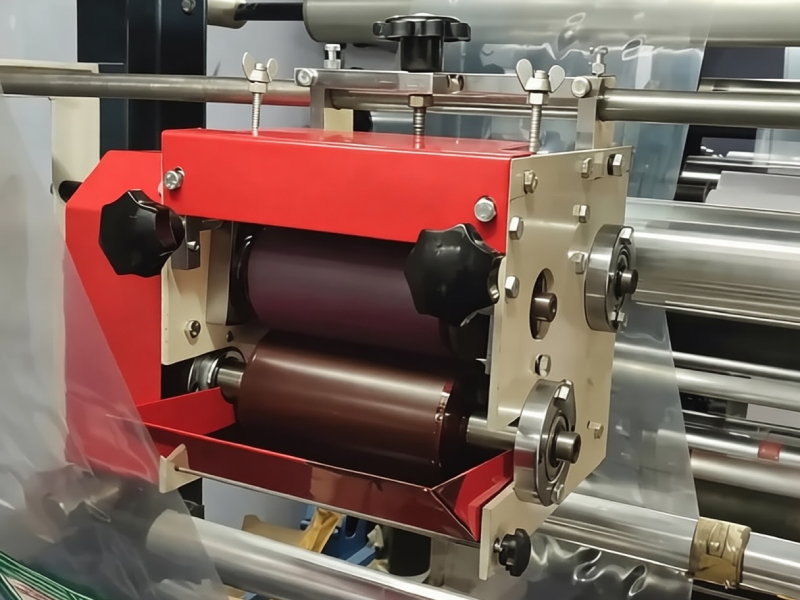
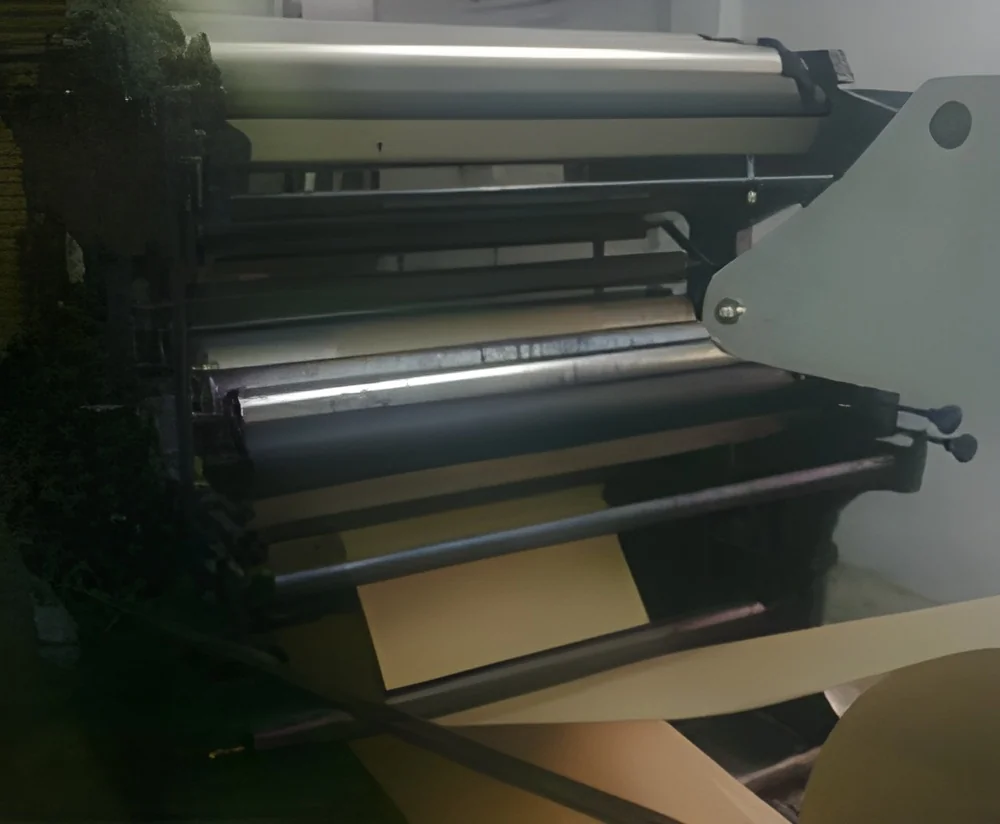
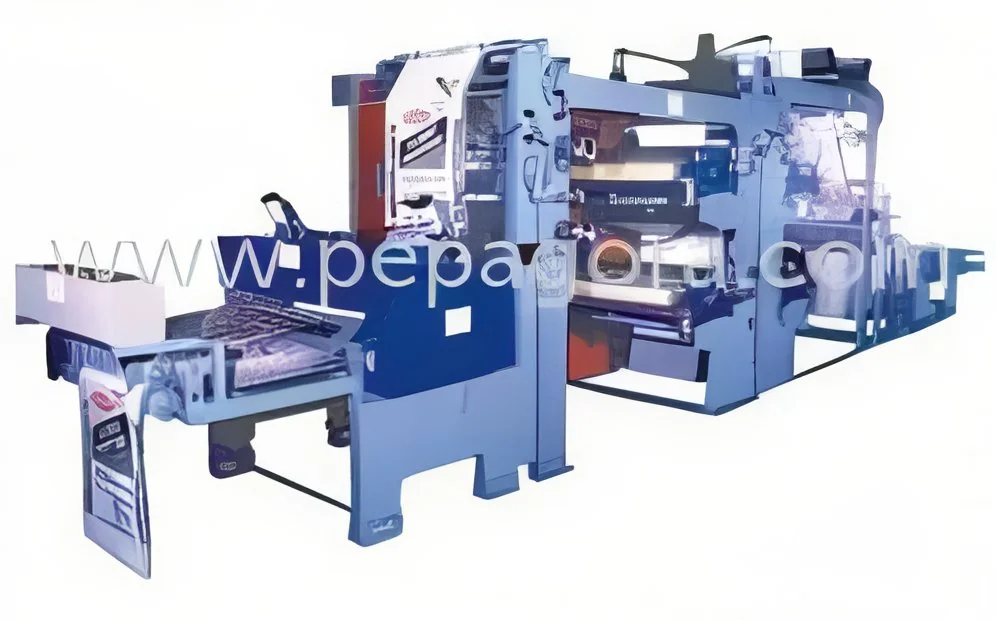
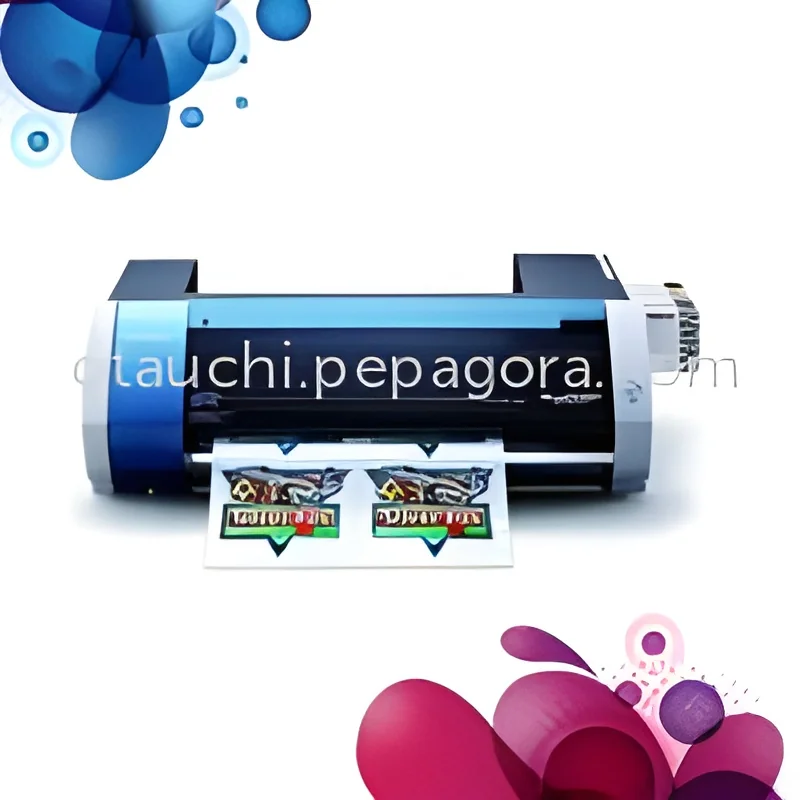
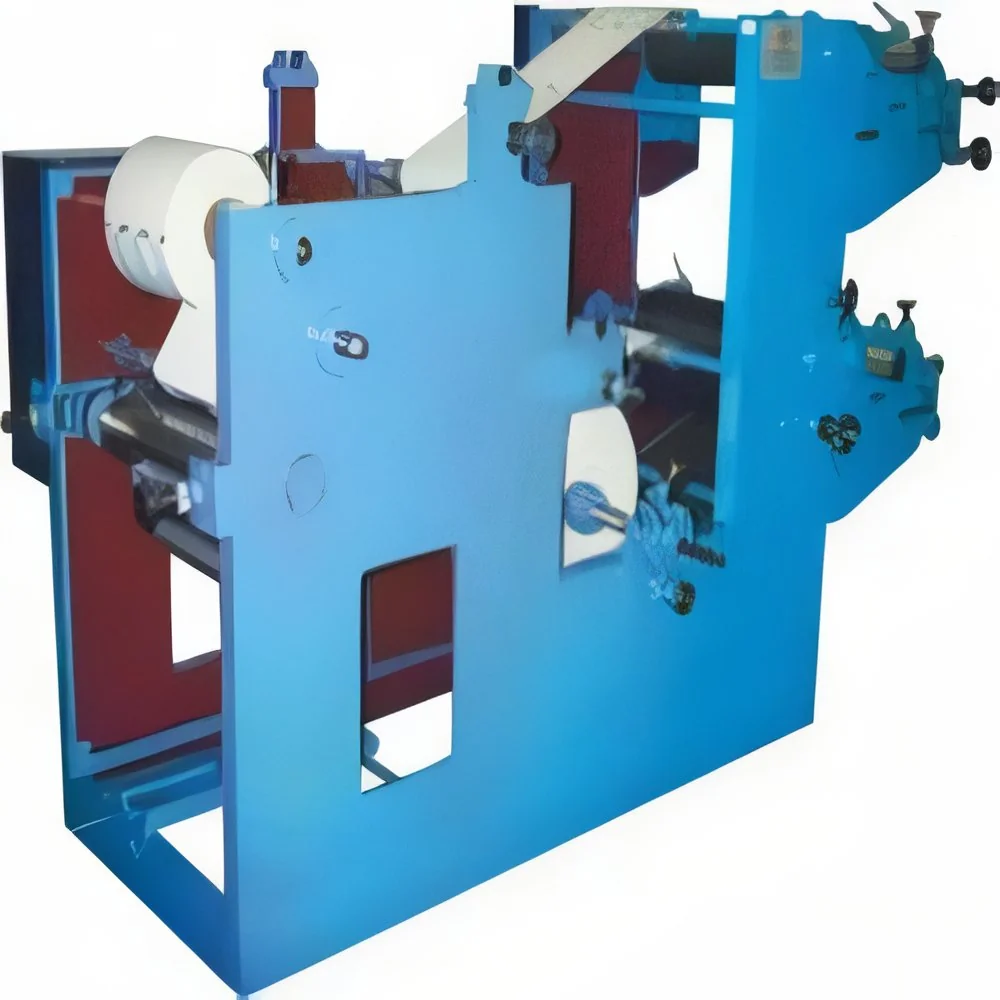
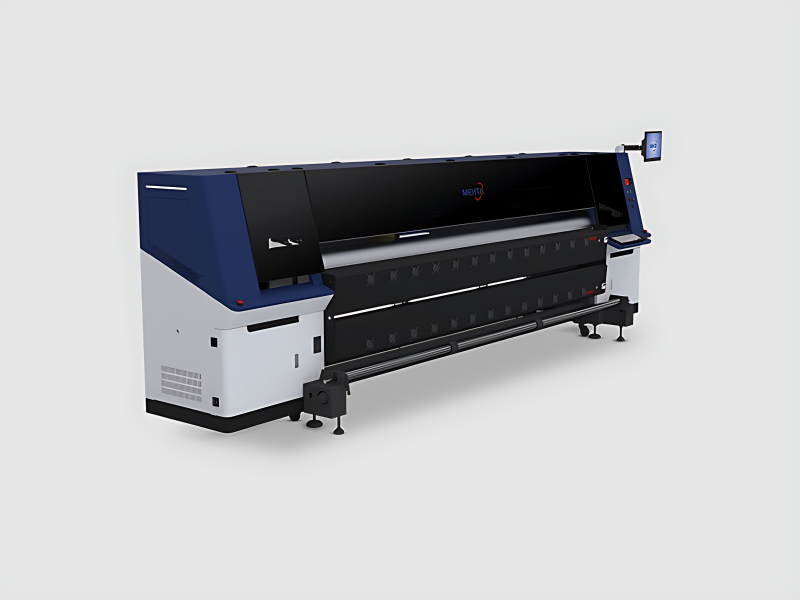
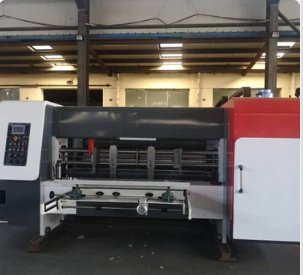
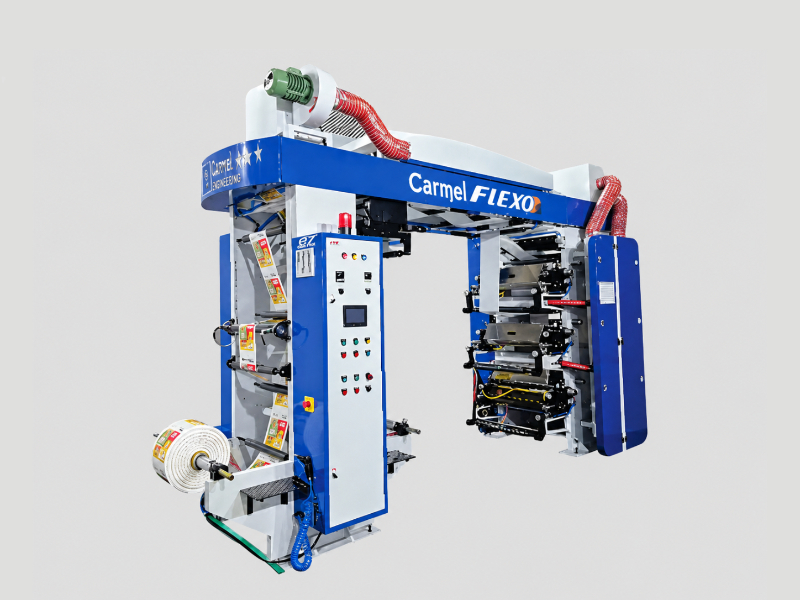
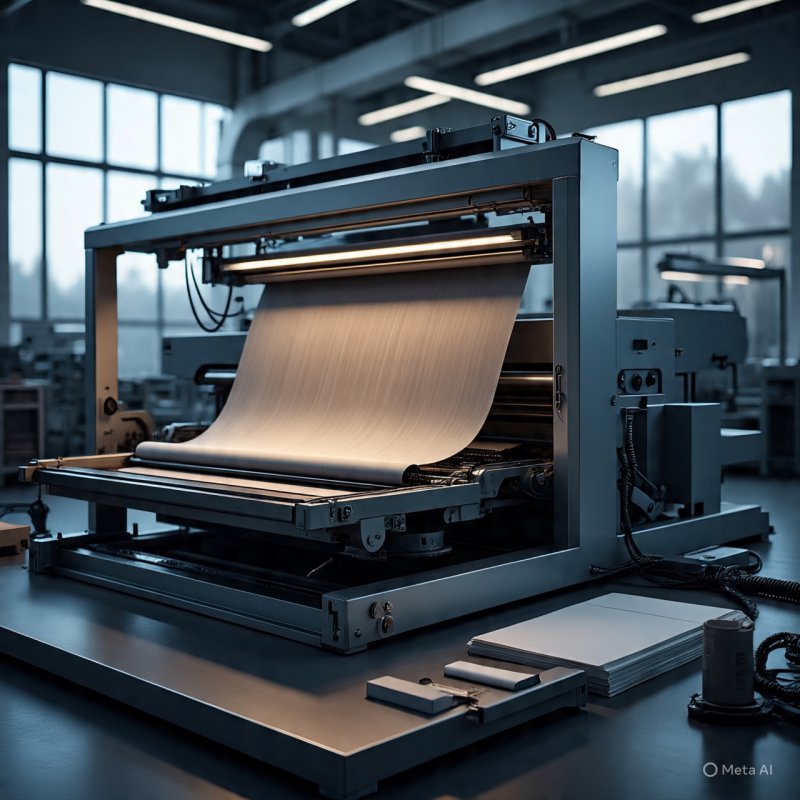
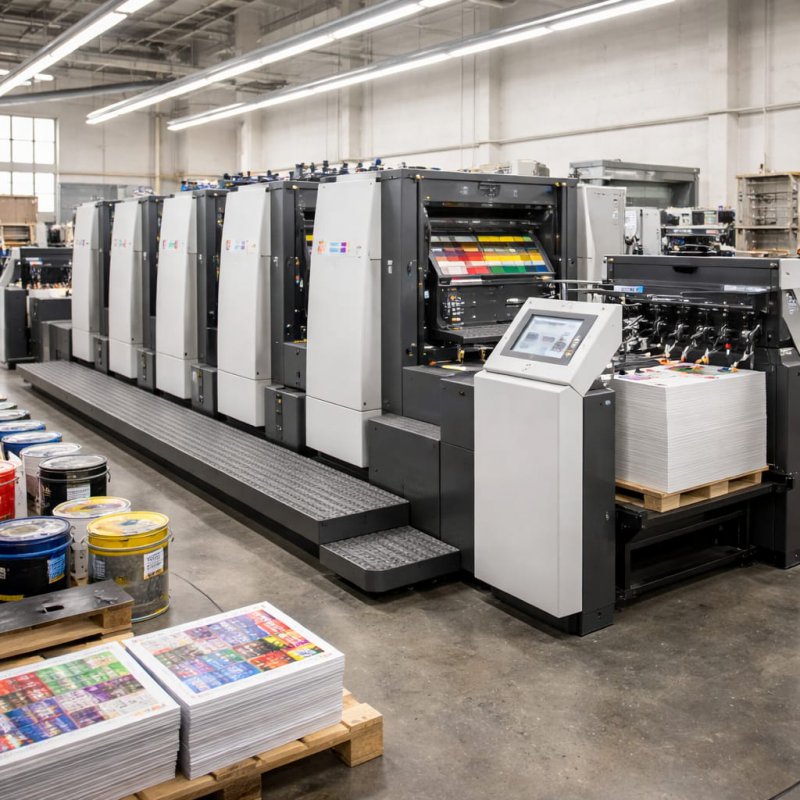
Flexographic printers are high-speed printing machines that use flexible relief plates to transfer ink onto various substrates. This printing technology is widely recognized for its versatility and efficiency in producing high-quality prints. Flexographic printing utilizes fast-drying inks, making it suitable for continuous printing on a range of materials, including paper, plastic films, and metallic surfaces.
The primary uses of flexographic printers span across several industries, such as packaging, labels, and newspapers. They are particularly popular in the production of flexible packaging, corrugated containers, and labels due to their ability to print on uneven surfaces and various materials. As businesses increasingly demand short-run and customized printing solutions, flexographic printers have gained market relevance by meeting these needs effectively.
In the current market context, the flexographic printing industry is witnessing growth driven by the rising demand for sustainable packaging solutions and the increasing use of digital technologies. Companies are looking for ways to enhance productivity and minimize waste, further solidifying the importance of flexographic printers in the modern printing landscape.
Key Features and Specifications
Flexographic printers come with numerous features that enhance their performance and versatility in printing applications. They can vary significantly in size, speed, and capabilities, which should be considered when selecting a printer for specific business needs.
Key specifications include:
1. Print Speed
- Typical ranges from 100 to 600 meters per minute.
- Determines the production capacity and efficiency.
2. Maximum Print Width
- Can range from 250mm to 2000mm.
- Allows flexibility in printing large formats.
3. Plate Thickness
- Commonly ranges from 0.76mm to 2.84mm.
- Affects the print quality and substrate compatibility.
4. Ink Types
- Supports water-based, solvent-based, and UV inks.
- Provides options for different applications and substrates.
5. Registration Accuracy
- Precision can be as low as ±0.1mm.
- Critical for multi-color printing to ensure alignment.
6. Substrate Compatibility
- Can handle a variety of materials, including paper, film, and foil.
- Adaptability for diverse applications.
7. Automation Features
- Includes features such as automatic tension control and plate changing.
- Enhances operational efficiency and reduces downtime.
8. Ease of Operation
- User-friendly interfaces and touch screens are common.
- Simplifies training and operation for staff.
Overall, understanding these specifications can help businesses choose the right flexographic printer that meets their specific printing requirements.
Common Applications and Use Cases
Flexographic printers serve various industries by providing efficient and high-quality printing solutions.
1. Packaging: In the packaging industry, flexographic printers are used to create flexible packaging, such as bags and pouches, allowing for vibrant designs and branding.
2. Labels: Flexographic printing is commonly employed for label production on products like bottles and boxes, enabling detailed graphics and barcodes.
3. Newspapers: Many newspaper publishers utilize flexographic printers for their ability to print on large rolls of newsprint quickly and efficiently.
4. Corrugated Containers: Flexographic printers are used to print on corrugated cardboard for shipping boxes, providing branding and product information.
5. Tags and Tickets: The versatility of flexographic printers allows for the production of tags and tickets with intricate designs and high durability.
6. Food Packaging: The food industry relies on flexographic printing for packaging that requires compliance with health and safety standards while still achieving appealing designs.
7. Textile Printing: Flexographic printers can also be adapted for textile printing, allowing for vibrant patterns and reliable quality.
Product Variants and Subcategories
Flexographic printers come in various types, catering to different needs within the printing industry.
Central Impression Press: This variant features a central cylinder around which the printing plates are mounted. It ensures consistent quality and is ideal for high-volume runs.
Stack Press: Stack presses arrange the printing units in a vertical stack. They are known for their compact design and are suitable for short to medium runs.
Inline Flexographic Printer: This type integrates various processes in a single machine, allowing for efficient production from printing to finishing in a streamlined operation.
Benefits and Advantages
Flexographic printers offer numerous benefits that make them an attractive option for businesses.
1. High Speed: Flexographic printing is one of the fastest printing methods available, allowing for high-volume production.
2. Versatility: These printers can handle a wide range of substrates, making them suitable for different applications.
3. Cost-Effective: The ability to use fast-drying inks reduces downtime, leading to lower operational costs in the long run.
4. Eco-Friendly: Many flexographic printers support water-based inks, contributing to more sustainable printing practices.
5. Consistent Quality: The technology ensures high-quality prints with sharp details and vibrant colors, maintaining consistency across large runs.
6. Customization: Flexographic printing can easily accommodate custom designs, catering to specific branding needs of clients.
Buying Guide for B2B Buyers
When sourcing flexographic printers, it is essential to consider several factors to ensure the right investment.
1. Quality Assessment: Evaluate the quality of prints and the machine's reliability. Look for samples and reviews from other users to gauge performance.
2. Supplier Verification: Vet suppliers by checking their reputation, experience, and customer feedback. Ensure they have a history of providing quality equipment.
3. Pricing and MOQ: Understand the cost structure, including the minimum order quantity. Compare prices among different suppliers to ensure competitive rates.
4. Delivery and Lead Times: Inquire about delivery schedules and lead times to ensure that the printer can be operational when needed.
5. Compliance Requirements: Ensure that the printer meets necessary regulatory standards for your industry, such as safety and environmental compliance.
Compliance and Certifications
Flexographic printers must adhere to various compliance and certification standards relevant to quality and safety.
ISO 9001: This standard ensures that manufacturers maintain consistent quality management systems, leading to reliable products.
CE Certification: Flexographic printers must often meet CE marking standards, indicating compliance with European safety, health, and environmental protection requirements.
Safety and Testing Requirements: Printers should undergo rigorous testing to ensure they meet industry safety standards, minimizing risks during operation.
Regional Compliance Considerations: Depending on the region, printers may need to comply with specific local regulations related to manufacturing and environmental impact.
Why Source Flexographic Printers from Pepagora?
Pepagora provides a trusted platform for sourcing flexographic printers, offering several key advantages that benefit B2B buyers.
Verified Supplier Network: Pepagora connects buyers with a network of verified suppliers, ensuring that businesses can source high-quality printers from reputable manufacturers.
Streamlined RFQ Process: The platform simplifies the request for quotation (RFQ) process, allowing buyers to obtain competitive quotes quickly and efficiently.
Trade Assurance and Support: Pepagora offers trade assurance services, providing buyers with protection and support throughout the purchasing process.
Regional Coverage: With a strong presence in India, the GCC, and Southeast Asia, Pepagora facilitates access to a broad market, helping businesses find flexographic printers that meet their needs.

 IN
IN