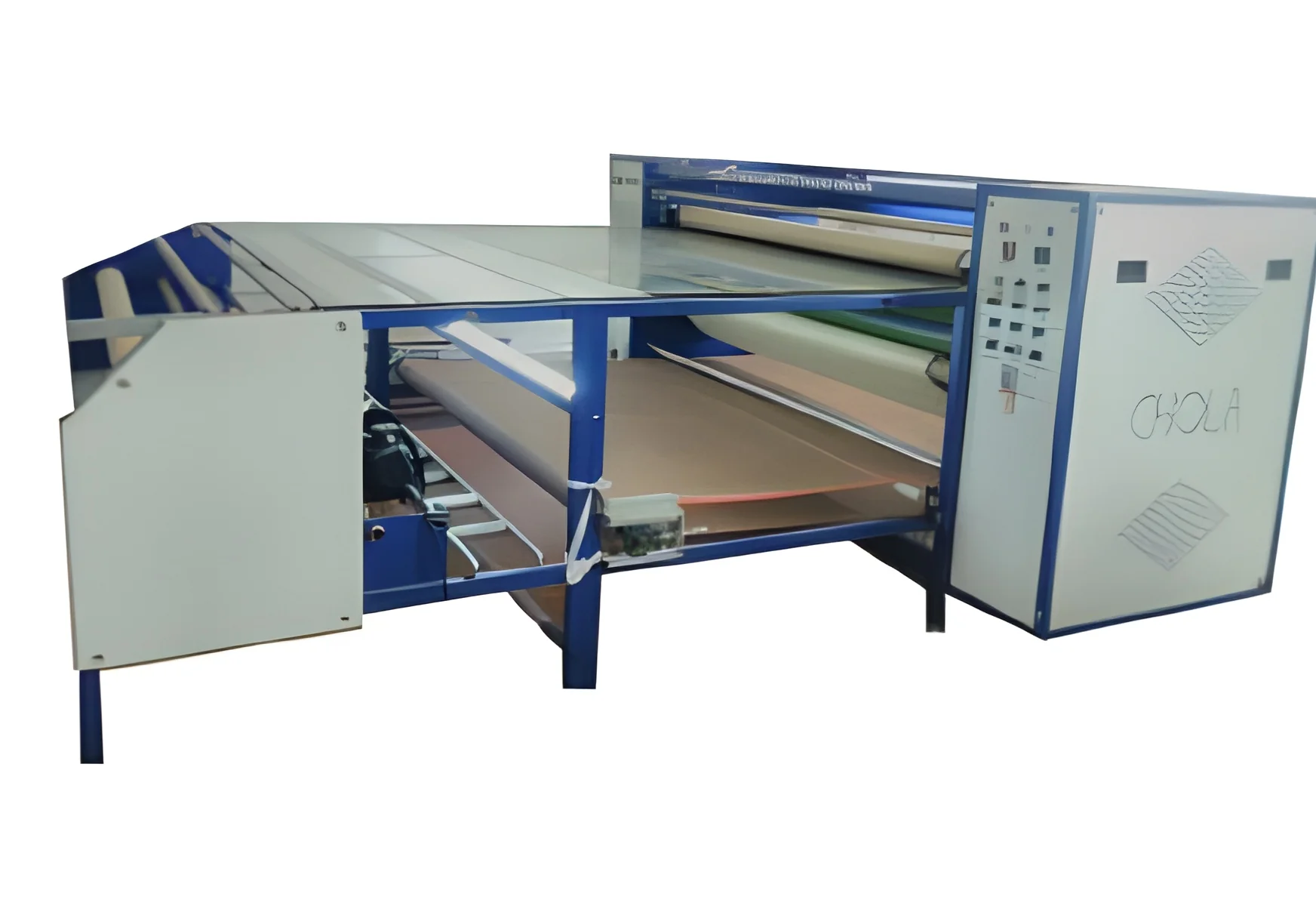
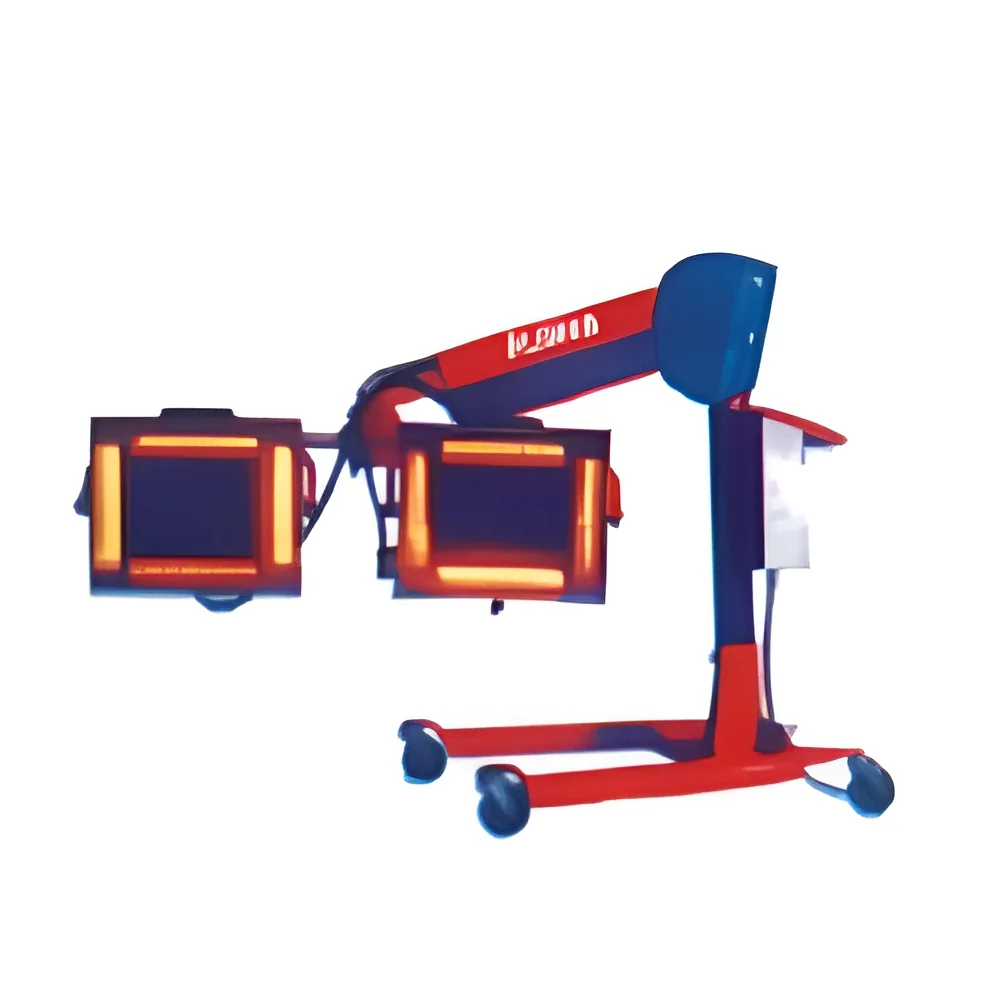
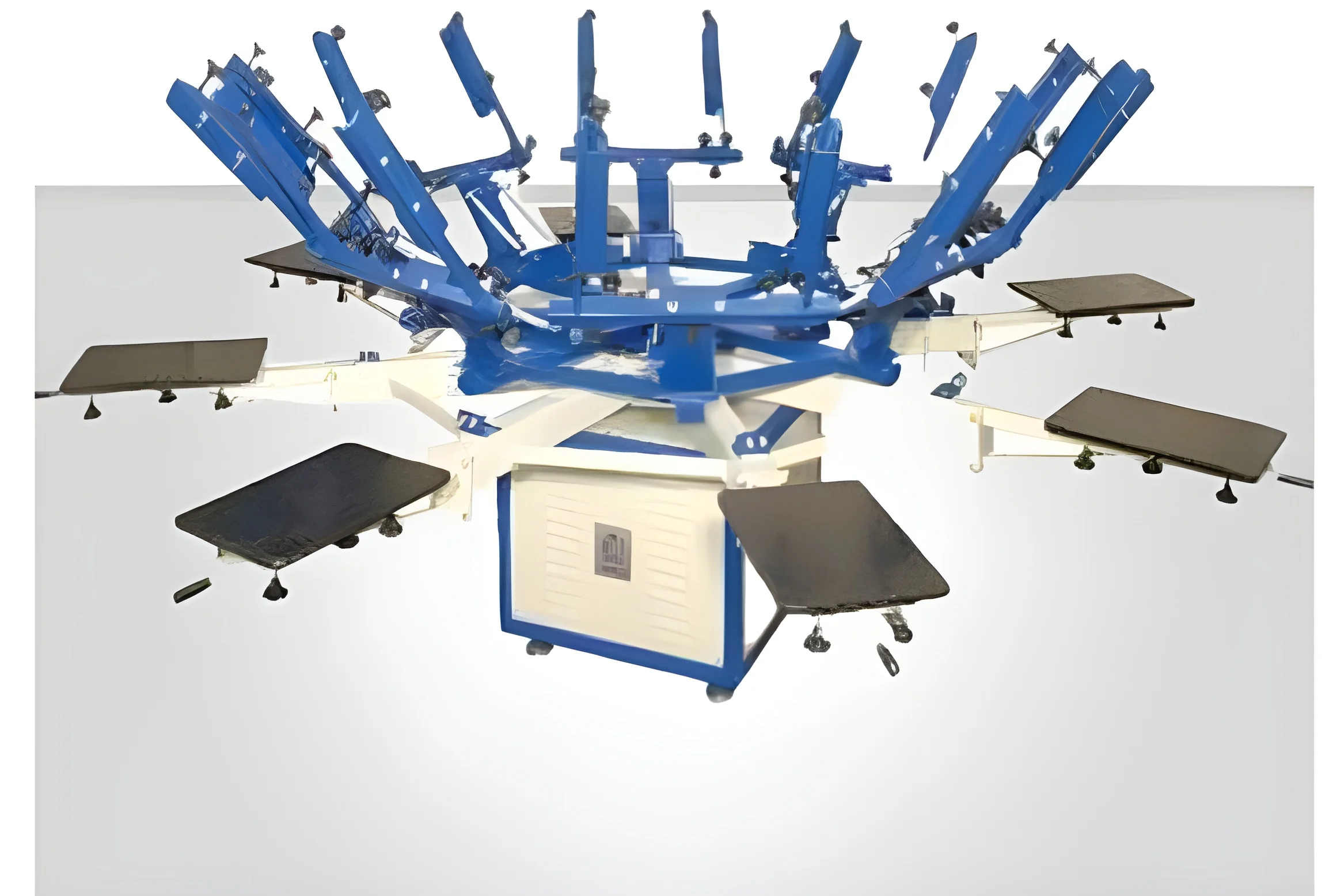
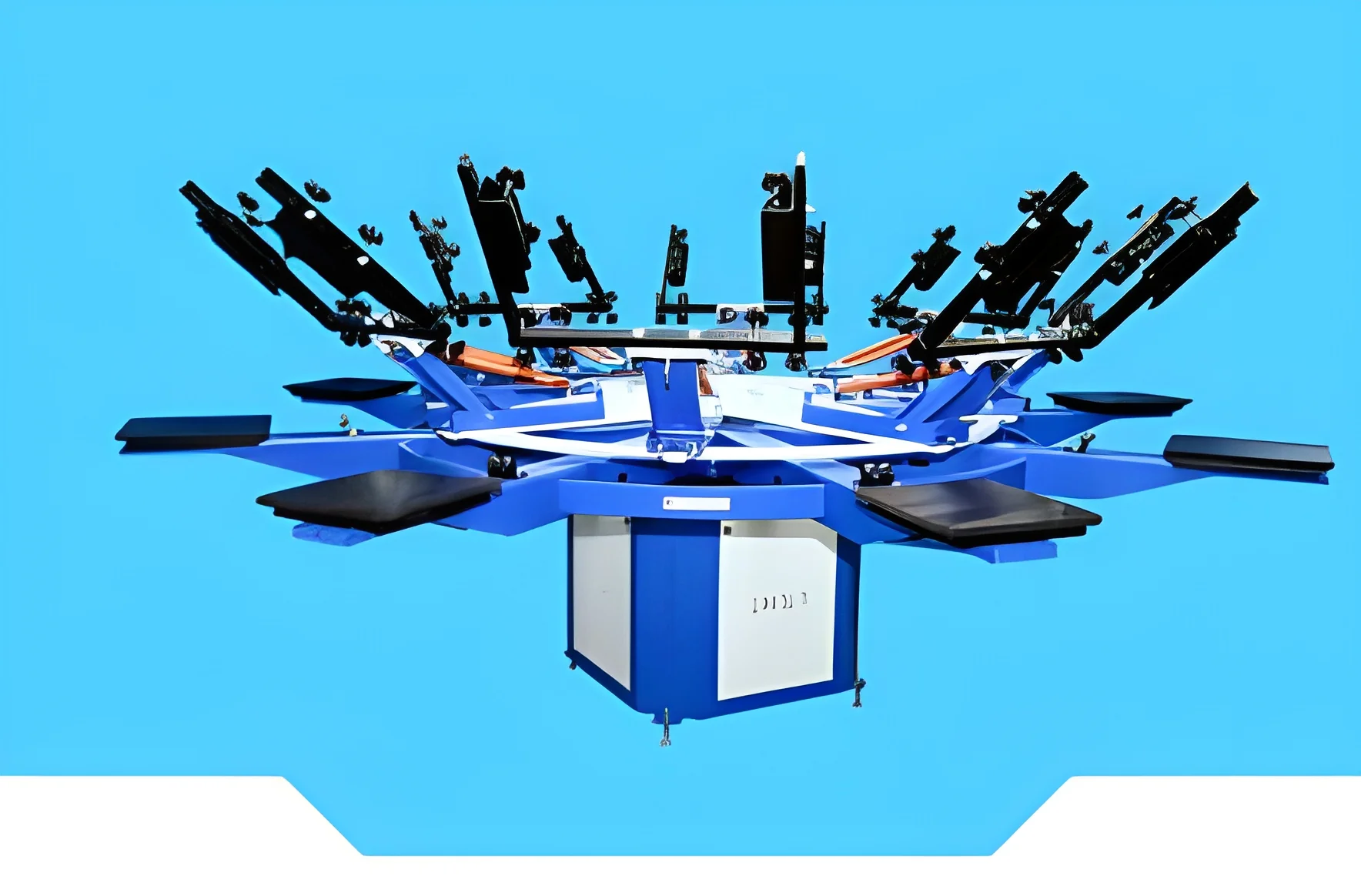
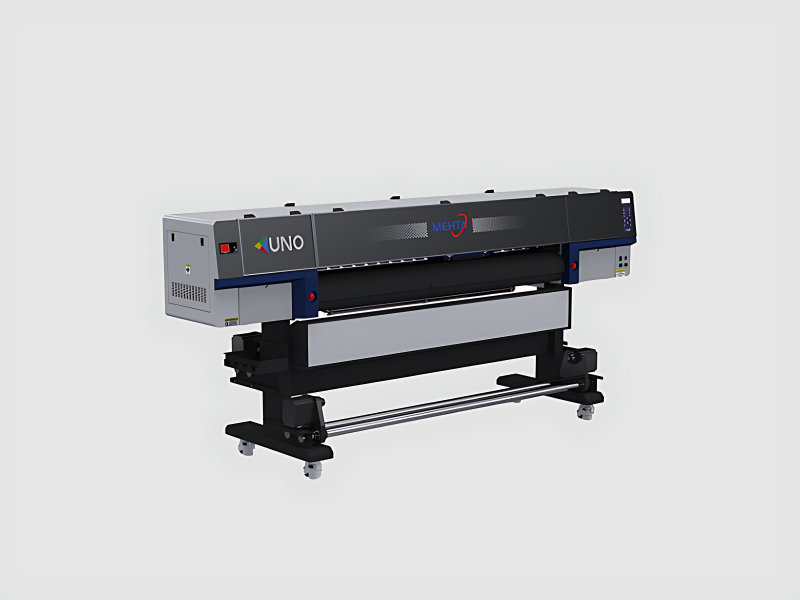
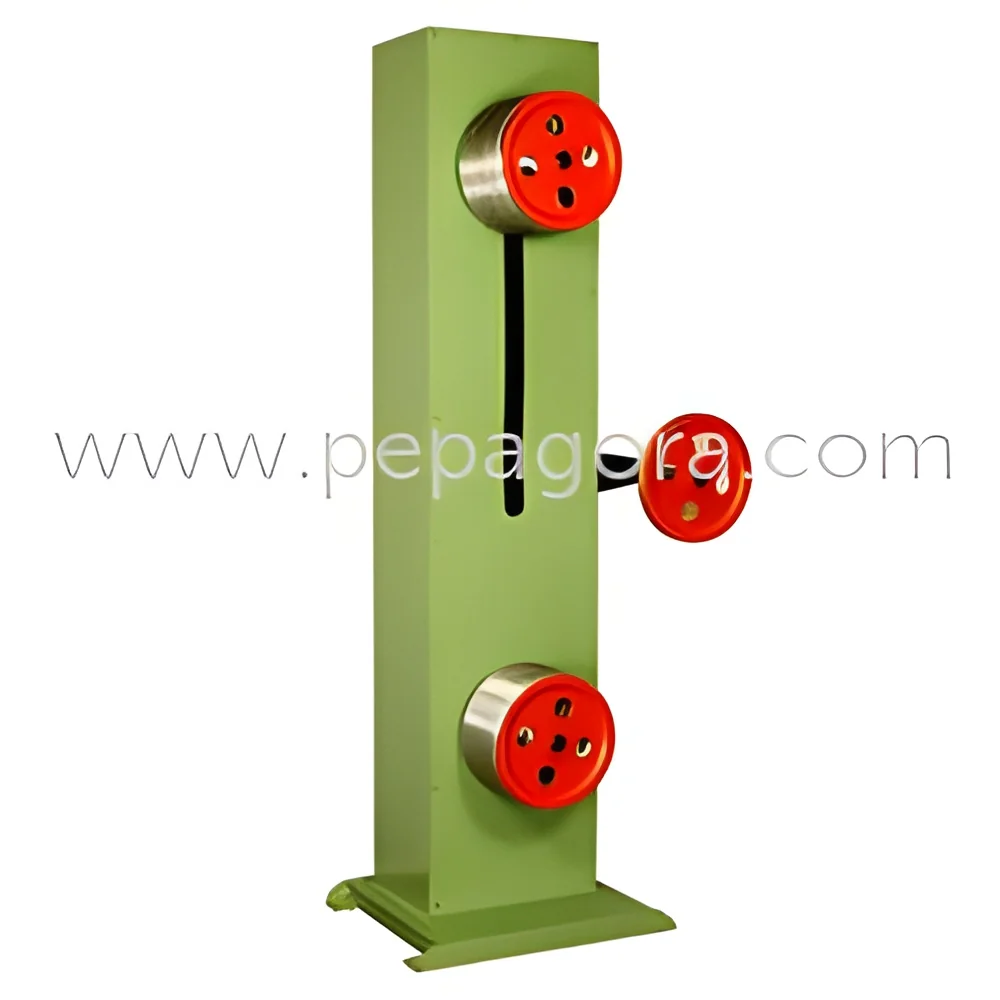
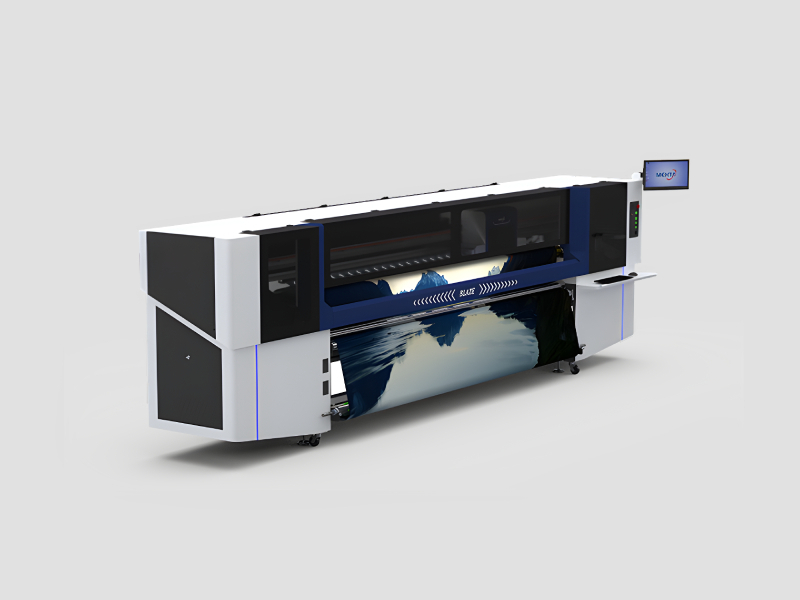
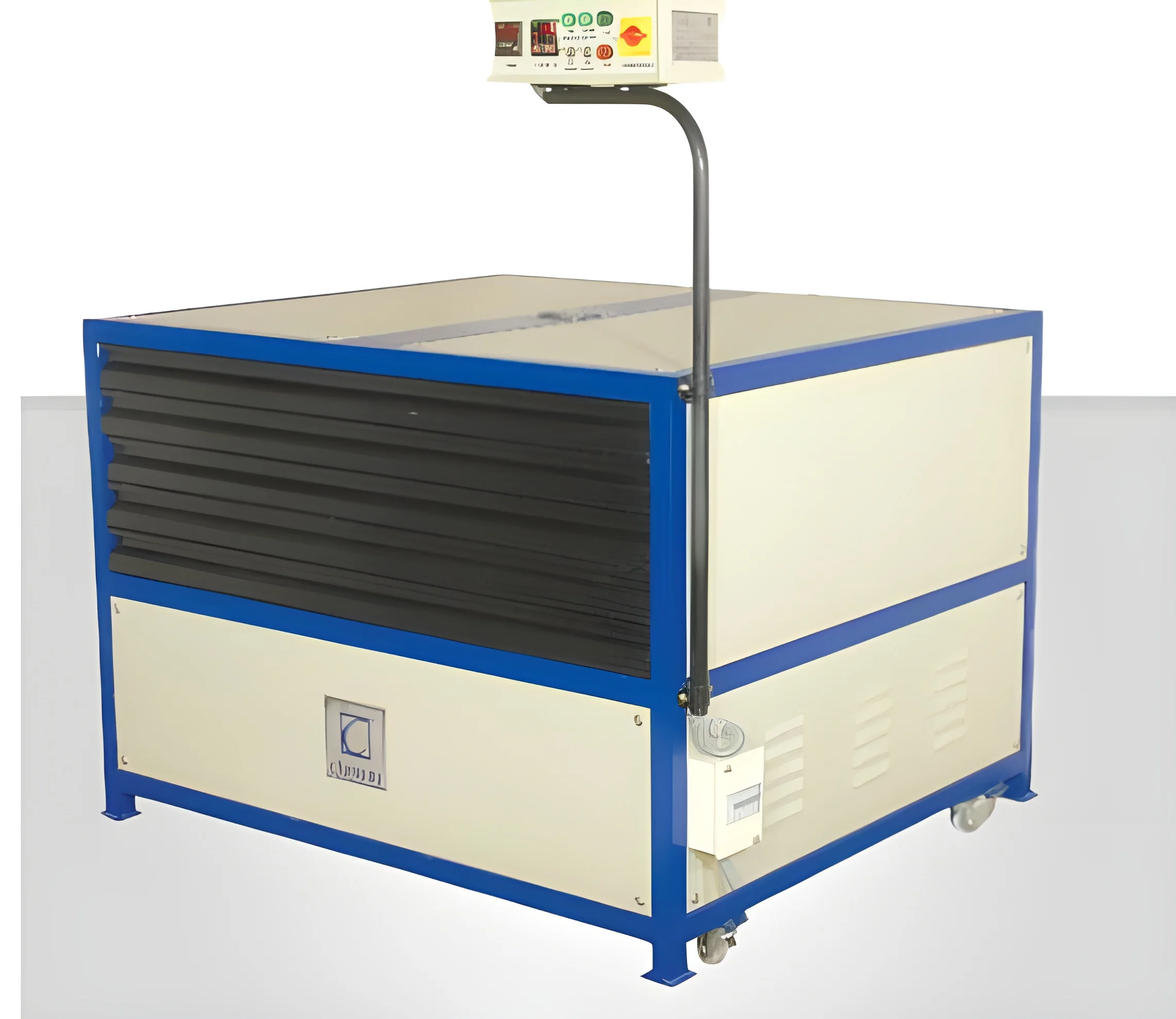
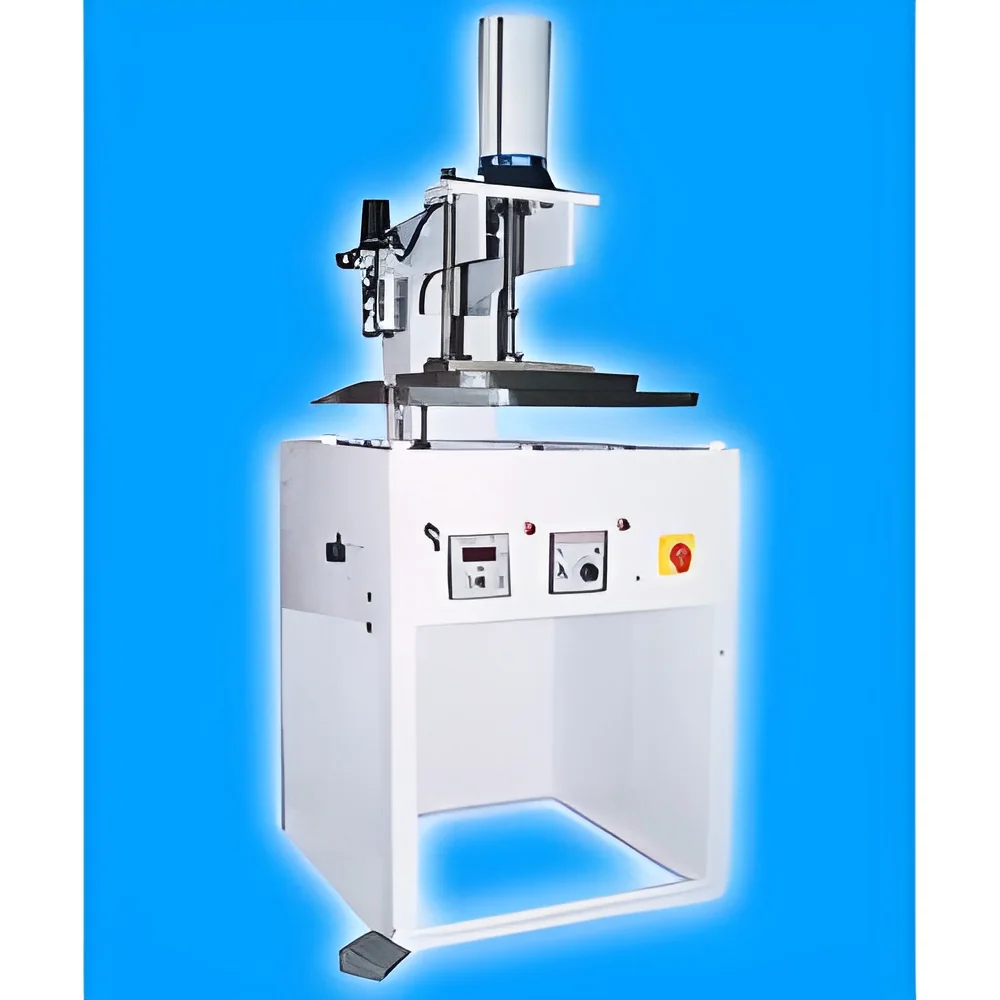
What are Textile Printing Machines?
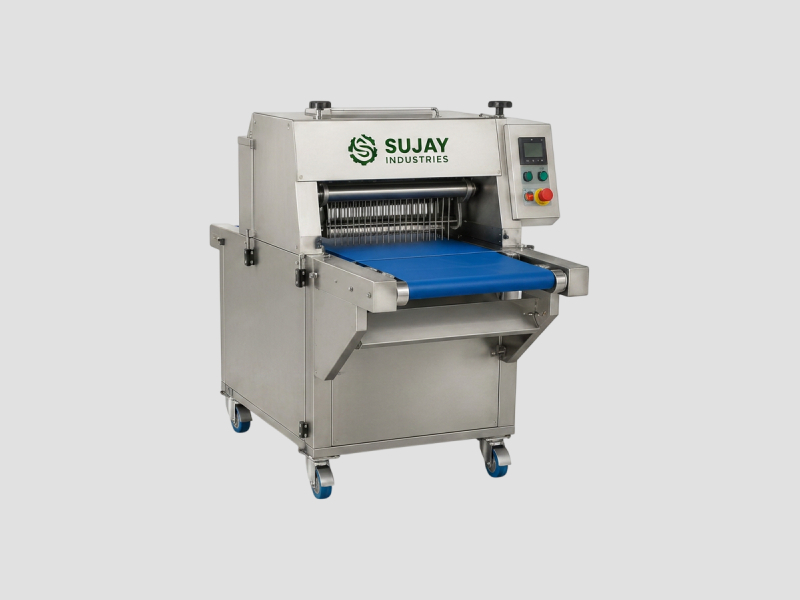
Textile printing machines are specialized equipment designed for applying designs and patterns onto fabrics and textiles. These machines utilize various printing technologies, such as digital printing, screen printing, and heat transfer printing. Each method caters to different fabric types and design requirements, ensuring versatility in textile production. The ability to produce vibrant colors and intricate designs makes these machines crucial in the modern textile industry.
Textile printing machines are primarily used in the fashion industry, home textiles, and promotional products. They enable manufacturers to create customized designs that meet specific customer demands. Moreover, these machines play a significant role in mass production, allowing businesses to scale their operations efficiently. As the demand for personalized and high-quality textile products continues to grow, the relevance of textile printing machines in the market remains strong, driving innovation and development in the sector.
Key Features and Specifications
Textile printing machines come equipped with advanced features that enhance their performance and efficiency in producing high-quality prints. These machines are characterized by their precision, speed, and adaptability to various textile materials. Understanding the key specifications of these machines is essential for businesses looking to invest in textile printing technology.
Key specifications include:
1. Printing Technology
- Options include digital, screen, and heat transfer printing.
- Each technology offers different benefits in terms of print quality and speed.
2. Print Resolution
- Typically ranges from 300 to 1200 DPI (dots per inch).
- Higher resolutions yield more detailed and vibrant prints.
3. Fabric Compatibility
- Machines can print on various fabrics such as cotton, polyester, and blends.
- Compatibility affects the choice of ink and printing method.
4. Speed of Printing
- Varies by machine type, often measured in square meters per hour.
- Faster machines increase productivity for high-volume orders.
5. Ink Types
- Common ink types include reactive, pigment, and sublimation inks.
- Each ink type is suited for specific applications and fabric types.
6. Color Management
- Advanced color management systems ensure accurate color reproduction.
- Features may include color profiling and adjustment capabilities.
7. Automation Features
- Many machines include automated processes for loading and unloading materials.
- Automation enhances operational efficiency and reduces labor costs.
8. Software Compatibility
- Machines often come with proprietary or compatible software for design.
- Software features include design editing and workflow management.
In summary, selecting a textile printing machine requires careful consideration of these specifications to ensure it meets production needs and quality standards.
Common Applications and Use Cases
Textile printing machines serve a wide range of industries, facilitating the production of customized textiles for various applications.
1. Fashion Industry: Textile printing machines are widely used in the fashion sector to create unique patterns and designs on clothing. Designers can experiment with different prints to meet the latest trends and consumer demands.
2. Home Textiles: These machines play a crucial role in producing printed fabrics for home furnishings, including curtains, upholstery, and bed linens. Custom designs enhance aesthetic appeal in living spaces.
3. Promotional Products: Companies utilize textile printing machines to create branded merchandise such as T-shirts, bags, and banners. Custom printing helps businesses promote their brand effectively.
4. Sportswear: In the sportswear industry, these machines are used to print team logos and designs on athletic gear, ensuring durability and performance in various conditions.
5. Decor Fabrics: Interior designers rely on printed textiles to create unique decor elements. Custom prints can be applied to cushions, throws, and wall hangings.
6. Industrial Textiles: Textile printing machines are also employed in the production of industrial fabrics, such as those used in protective wear and specialty applications, where specific designs and colors are critical.
7. Quilting and Crafting: Hobbyists and small businesses use textile printing machines to create personalized quilts and crafts, allowing for unique designs and patterns.
Product Variants and Subcategories
Textile printing machines offer a variety of options to cater to different production needs and budgets. Each variant has unique features that make it suitable for specific applications.
Digital Textile Printers: These machines utilize digital technology to print high-resolution designs directly onto fabrics. They are ideal for small to medium production runs and enable quick changes in design, making them perfect for custom orders.
Screen Printing Machines: Known for their durability and efficiency, screen printing machines are commonly used for large volume production. They are best suited for designs with fewer colors, offering cost-effective solutions for bulk printing.
Heat Transfer Printers: These machines use heat to transfer designs onto textiles, making them suitable for various materials. They are often used for promotional items and custom apparel due to their versatility and ease of use.
Benefits and Advantages
Investing in textile printing machines provides several advantages for businesses in the textile industry.
1. High-Quality Prints: These machines produce vibrant and detailed prints, enhancing the overall quality of textile products.
2. Customization Capabilities: Businesses can easily create unique designs that cater to specific customer preferences, allowing for greater market differentiation.
3. Increased Efficiency: Advanced features and automation reduce production times, enabling companies to fulfill orders faster and enhance productivity.
4. Cost-Effectiveness: Digital printing technologies lower ink and material waste, providing a more economical solution for small runs and custom orders.
5. Versatile Applications: Textile printing machines can be used across various industries, from fashion to home textiles, expanding market opportunities.
6. Sustainable Practices: Many modern machines are designed to utilize eco-friendly inks and processes, supporting businesses in their sustainability goals.
Buying Guide for B2B Buyers
When sourcing textile printing machines, several factors should be considered to ensure a successful purchase.
1. Quality Assessment: Evaluate the build quality and reliability of the machines. Look for manufacturers that adhere to industry standards and offer warranties.
2. Supplier Verification: Research potential suppliers to ensure they are reputable and have a history of delivering quality products. Check for customer reviews and industry certifications.
3. Pricing and MOQ: Understand the pricing structure and minimum order quantities. Compare quotes from multiple suppliers to find the best value.
4. Delivery and Lead Times: Inquire about delivery schedules and lead times to ensure that production timelines align with your business needs.
5. Compliance Requirements: Ensure that the machines meet relevant compliance and safety standards, especially if operating in regulated industries.
Compliance and Certifications
Textile printing machines are subject to various quality standards and certifications to ensure safety and reliability.
One significant standard is ISO 9001, which focuses on quality management systems and ensures that manufacturers maintain consistent quality in their processes. This certification is crucial for businesses looking to ensure high-quality outputs.
Another essential certification for textile printing machines is CE marking, indicating that the equipment complies with European health, safety, and environmental protection standards. This certification is especially important for businesses operating within the European market.
Safety and testing requirements are critical to prevent accidents and ensure proper machine operation. Manufacturers must adhere to regional compliance considerations, which may vary by country or region, impacting the design and operation of the machines.
Why Source Textile Printing Machines from Pepagora?
Pepagora provides a trusted platform for sourcing textile printing machines, offering several key advantages to B2B buyers.
Verified Supplier Network: Pepagora has built a network of verified suppliers, ensuring that buyers can connect with manufacturers who meet industry standards. This verification process enhances trust and reduces the risk of dealing with unreliable vendors.
Streamlined RFQ Process: The platform offers a simplified request for quotation (RFQ) process, allowing buyers to quickly obtain multiple quotes. This efficiency helps businesses make informed purchasing decisions.
Trade Assurance and Support: Pepagora provides trade assurance measures that protect buyers from potential risks during transactions. Additionally, dedicated support teams are available to assist with any inquiries or issues.
Regional Coverage: With a strong presence in India, the GCC, and Southeast Asia, Pepagora caters to a diverse range of markets. This geographic reach enables businesses to access a wide array of textile printing machines tailored to their specific needs.

 IN
IN