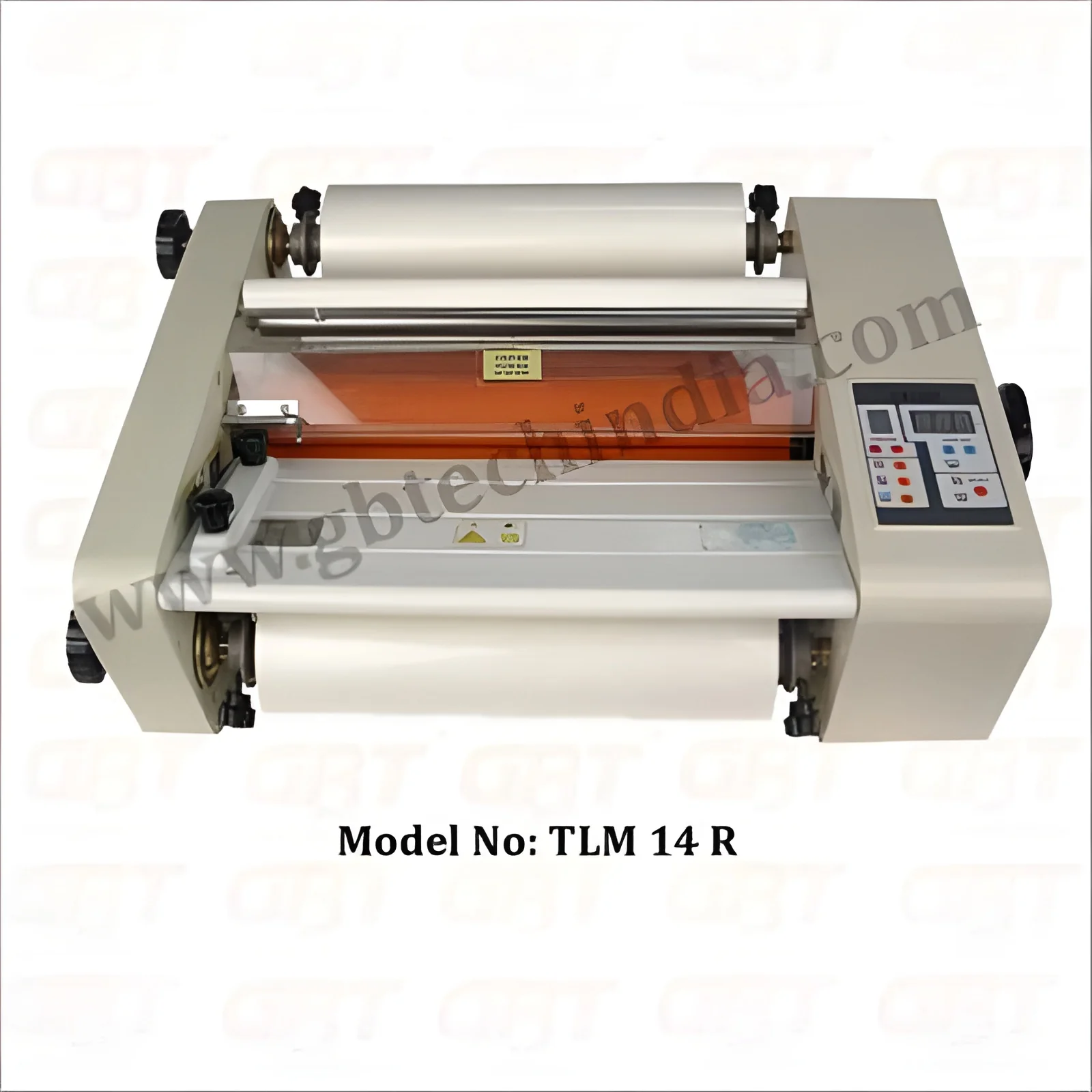
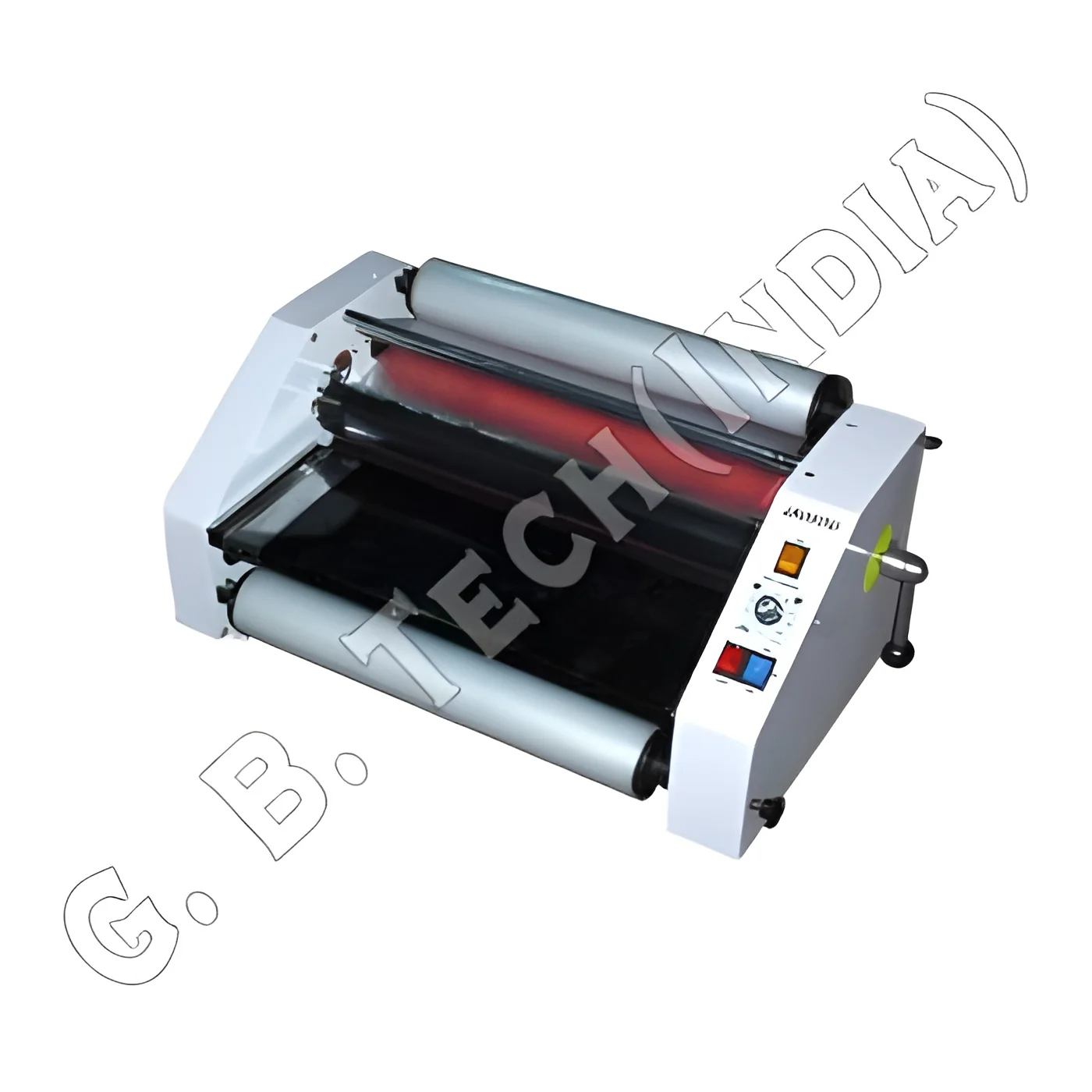
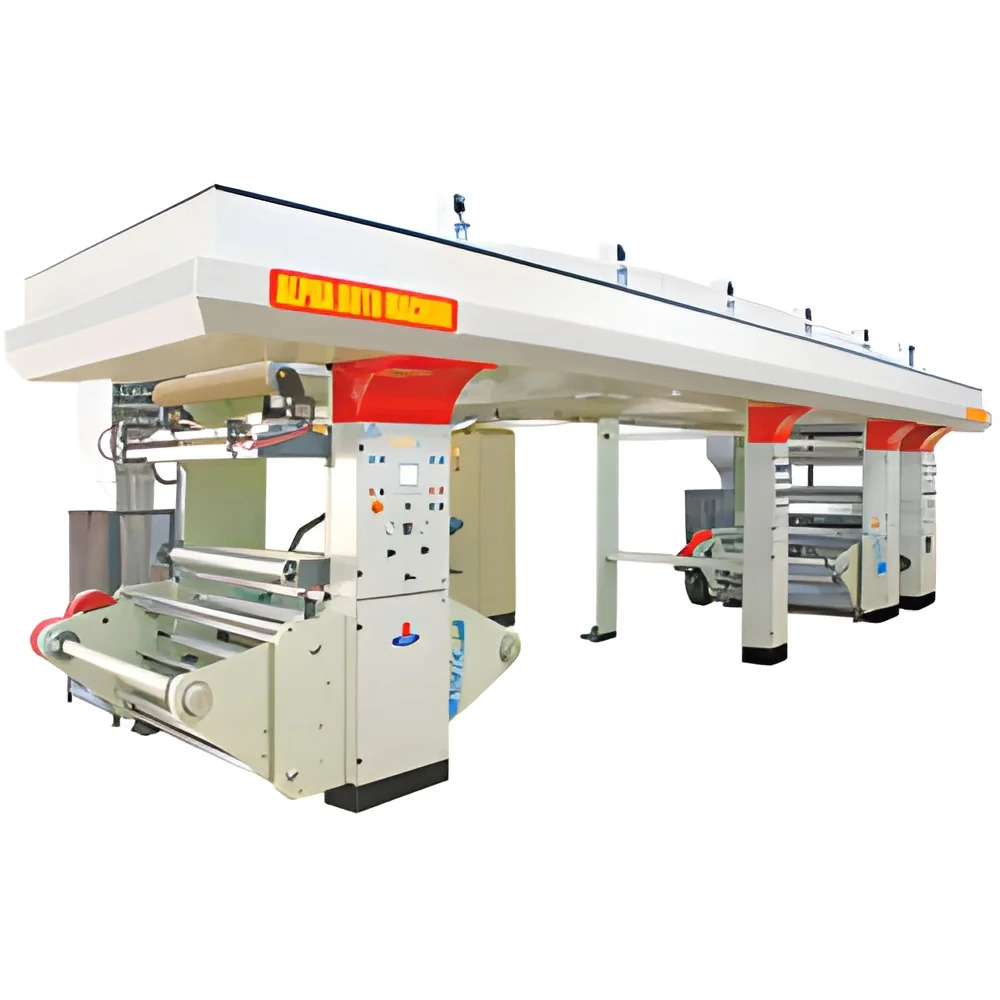
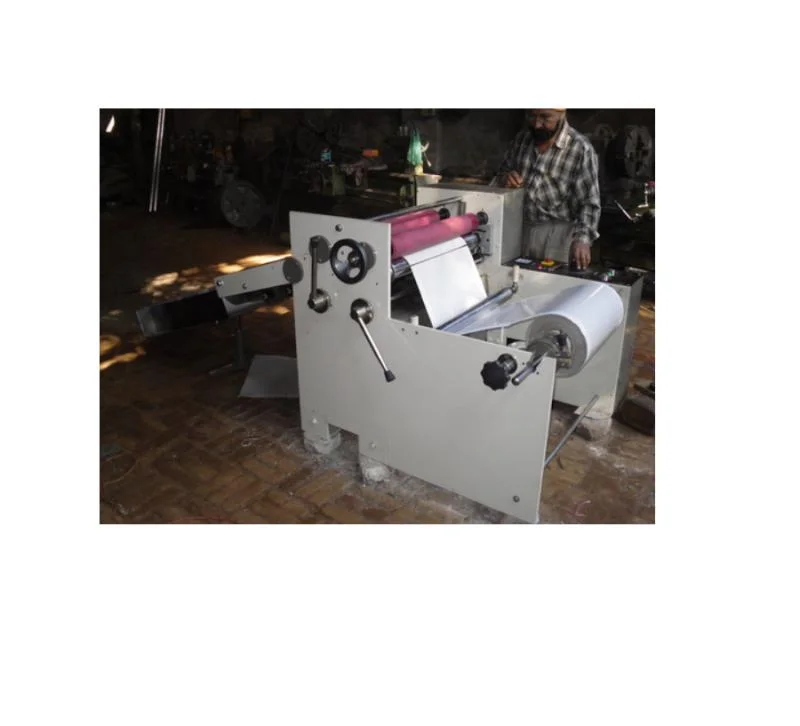
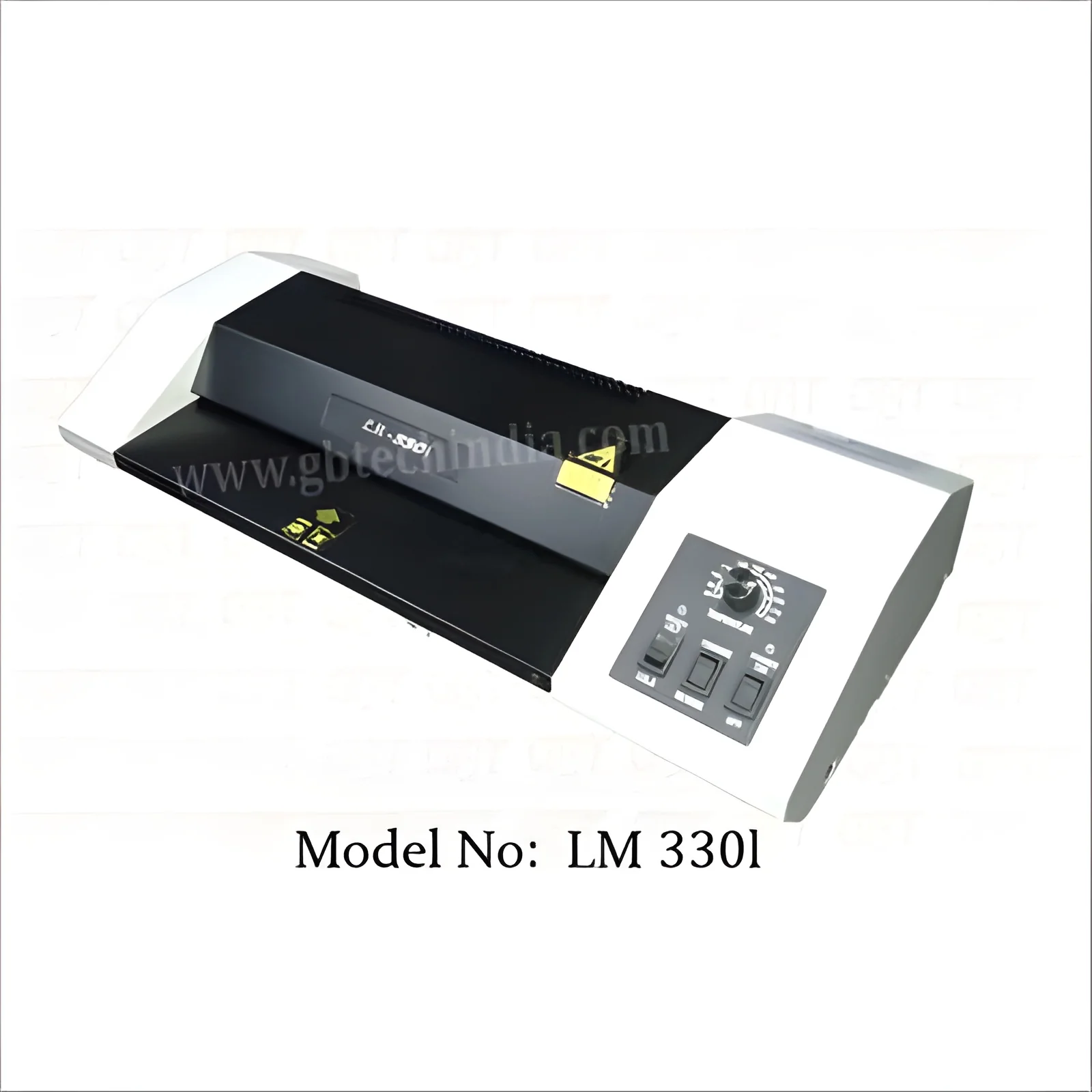
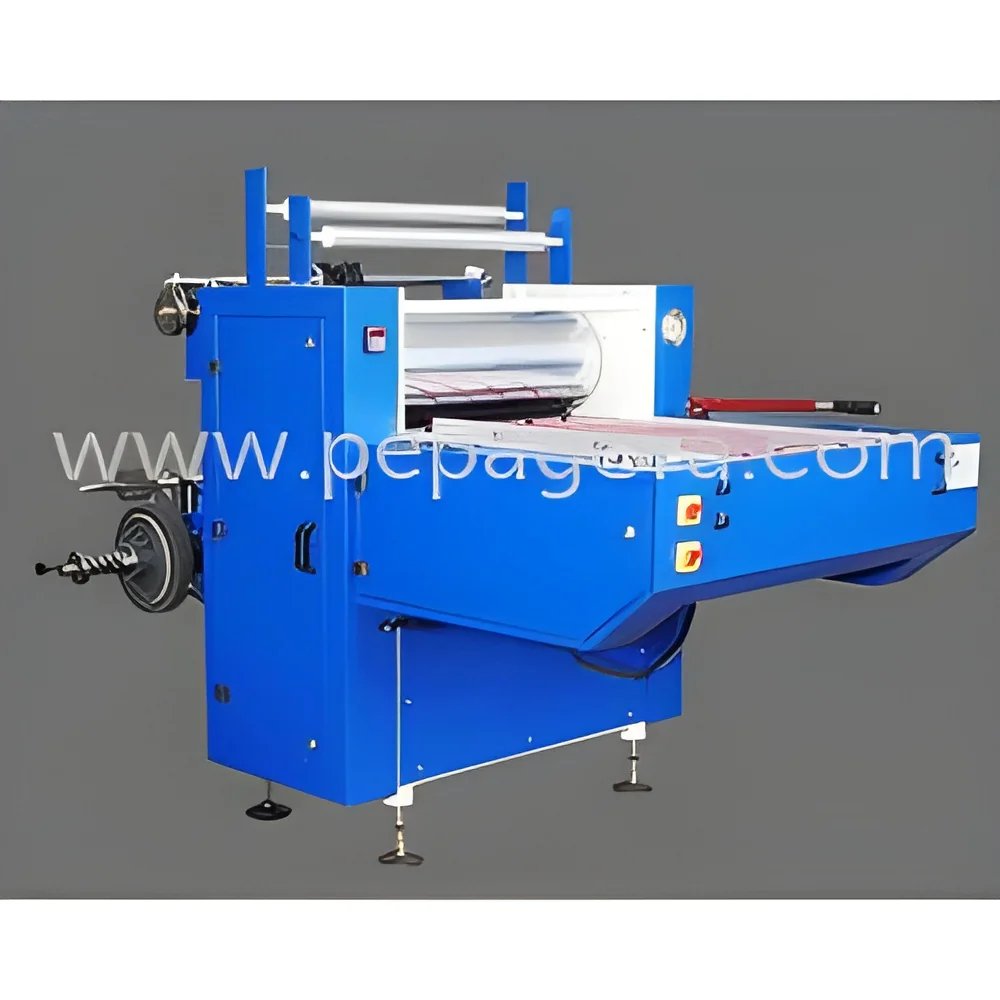
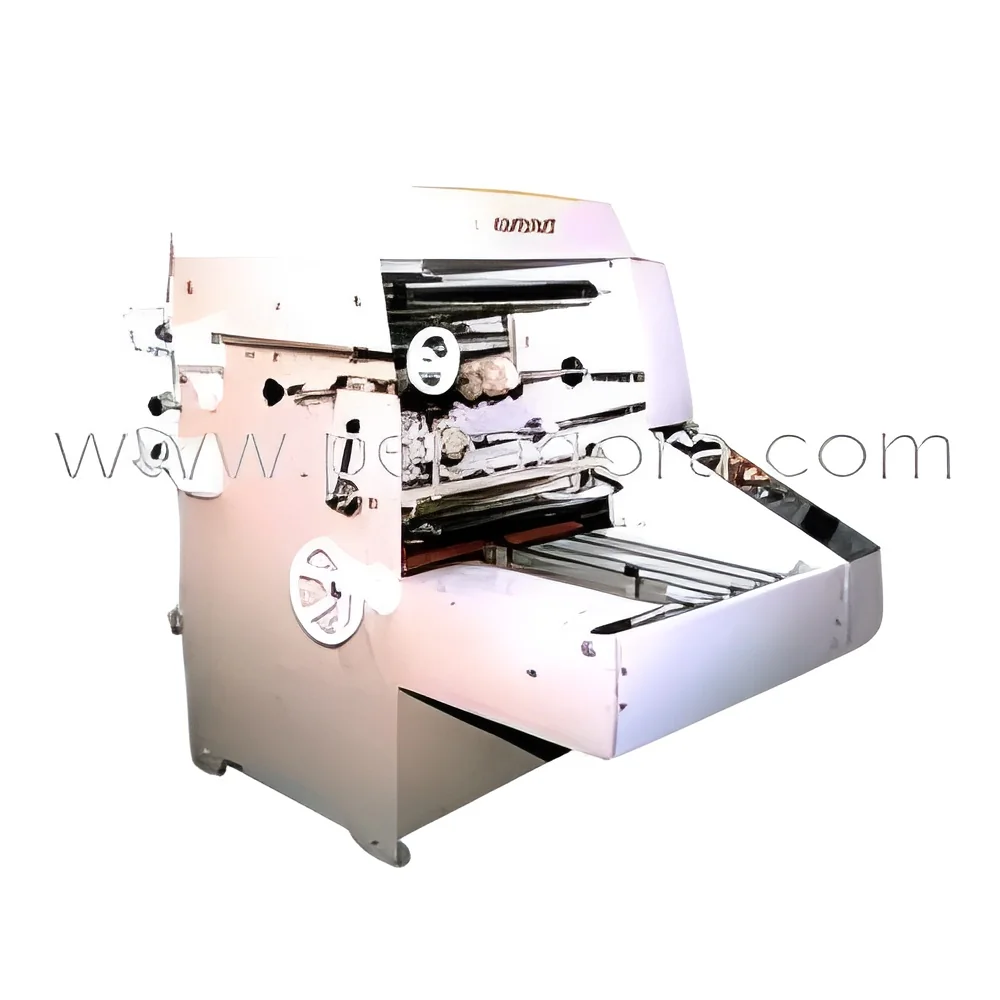
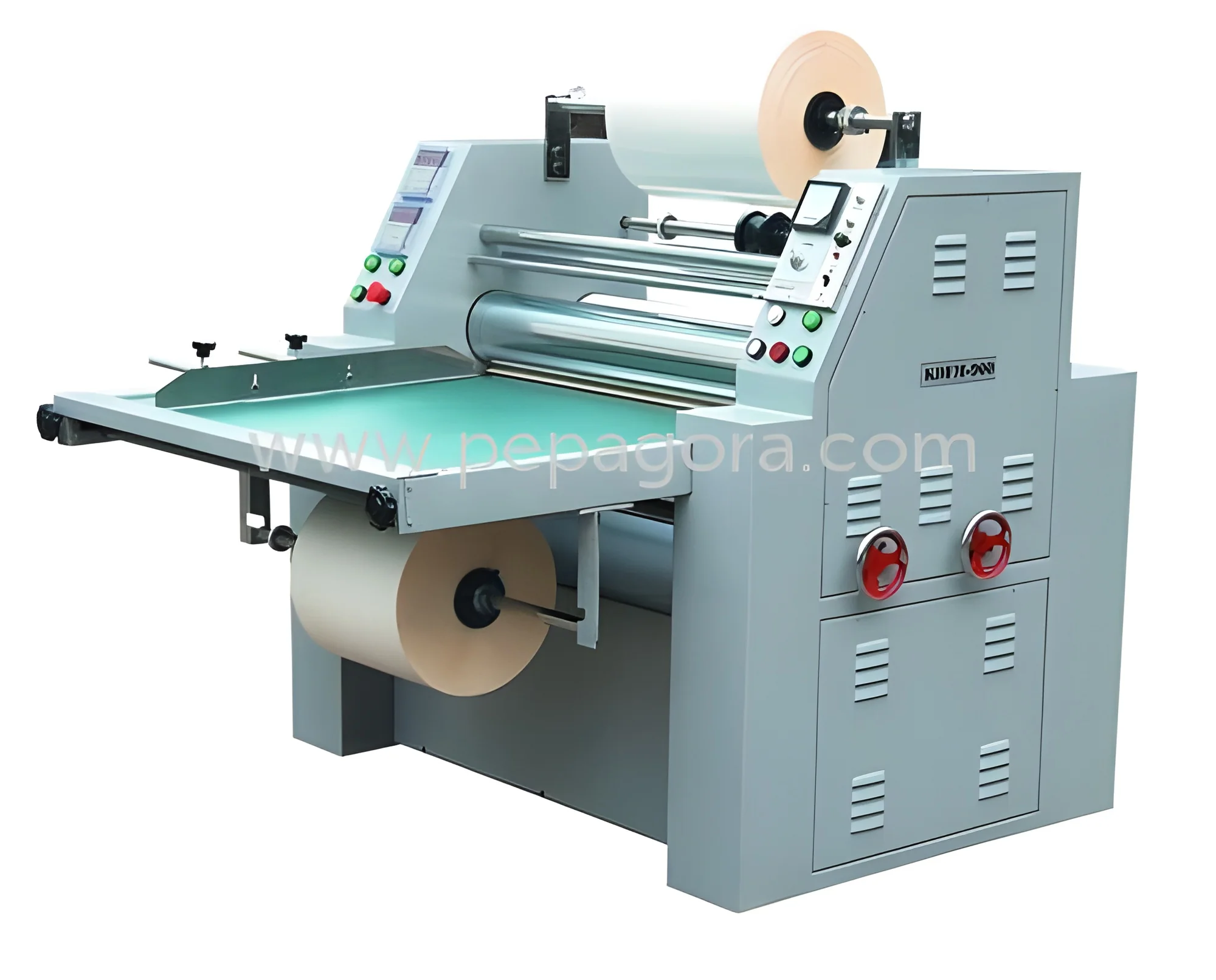
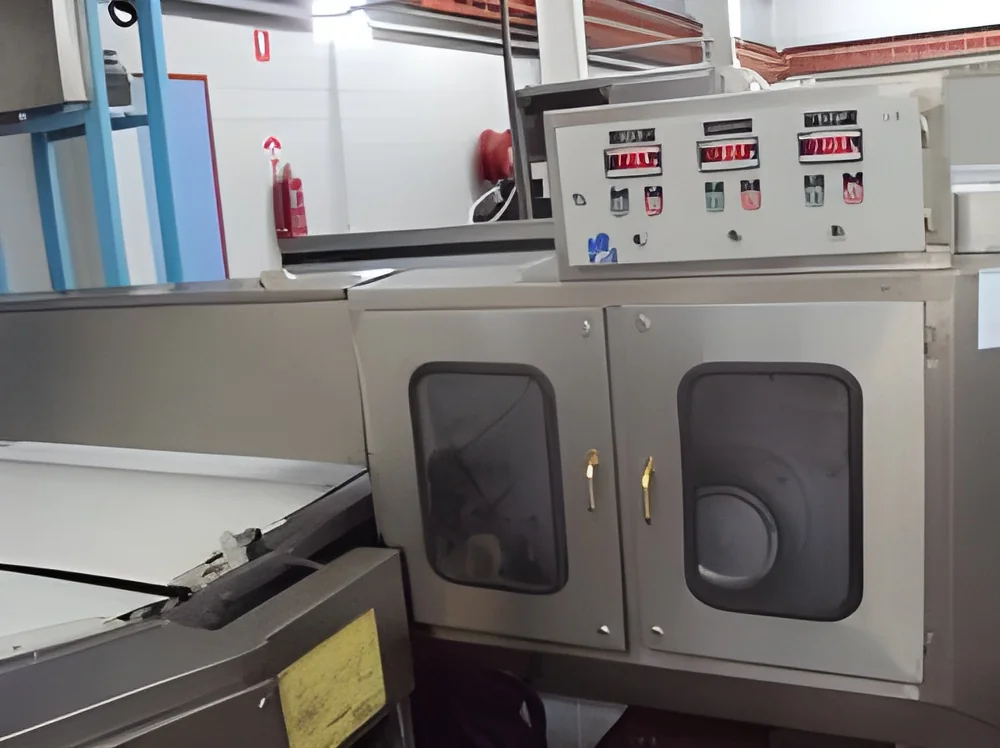
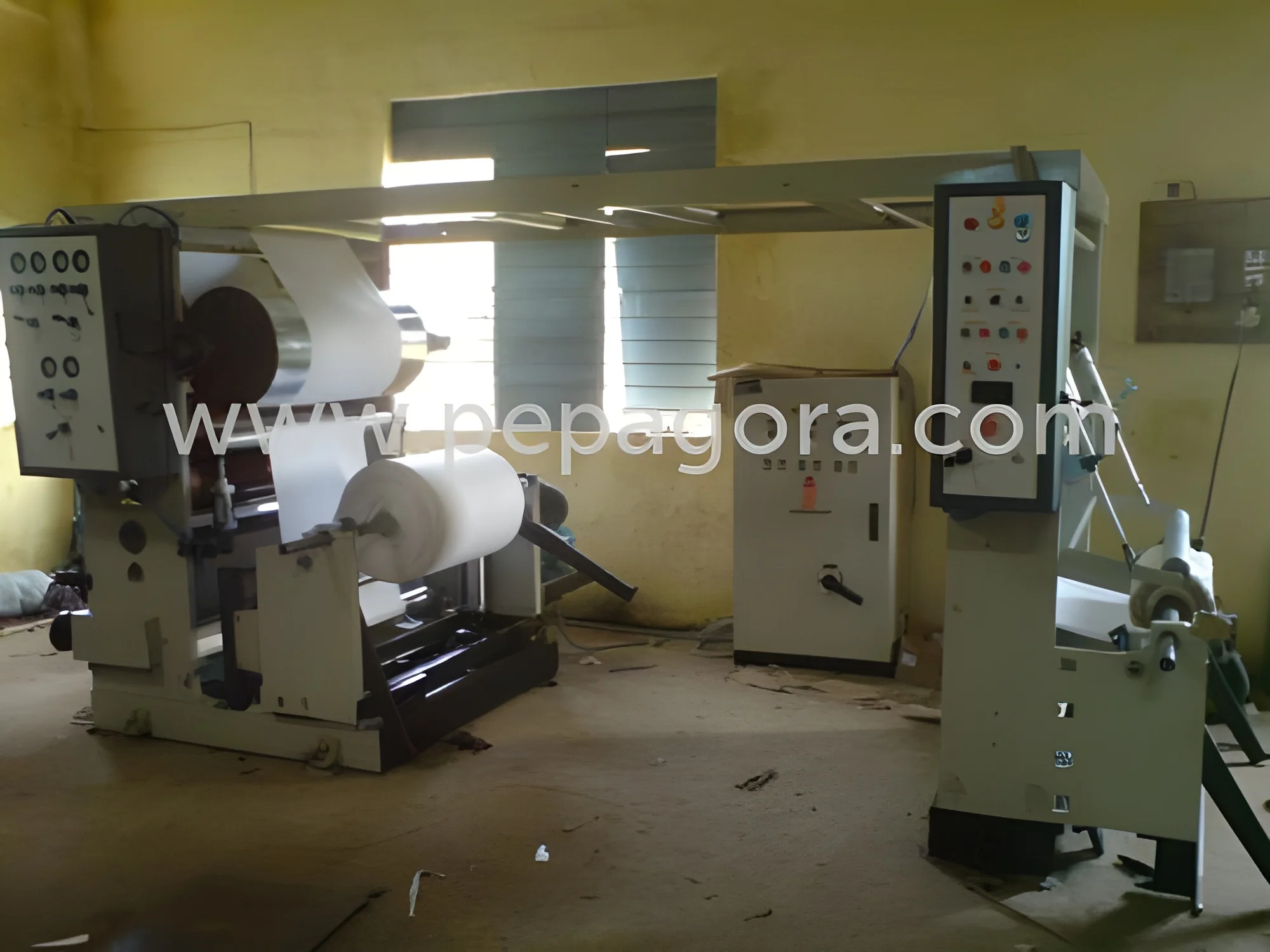
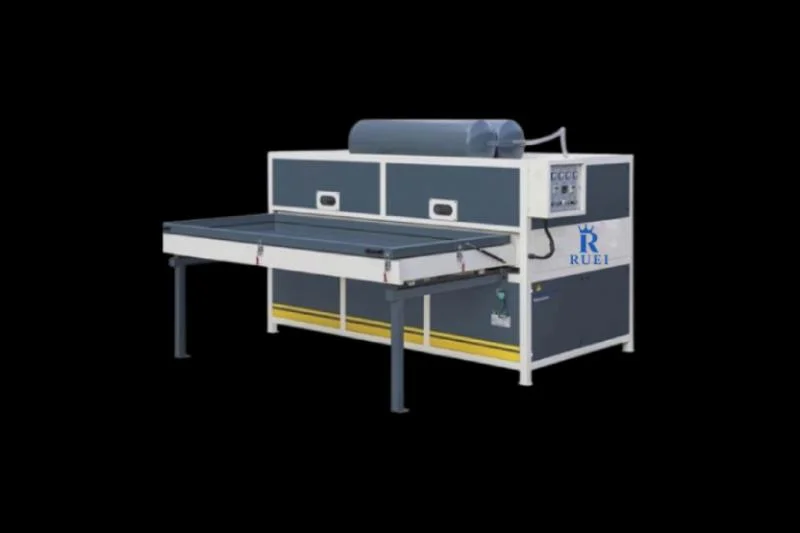
What are Laminating Machines?
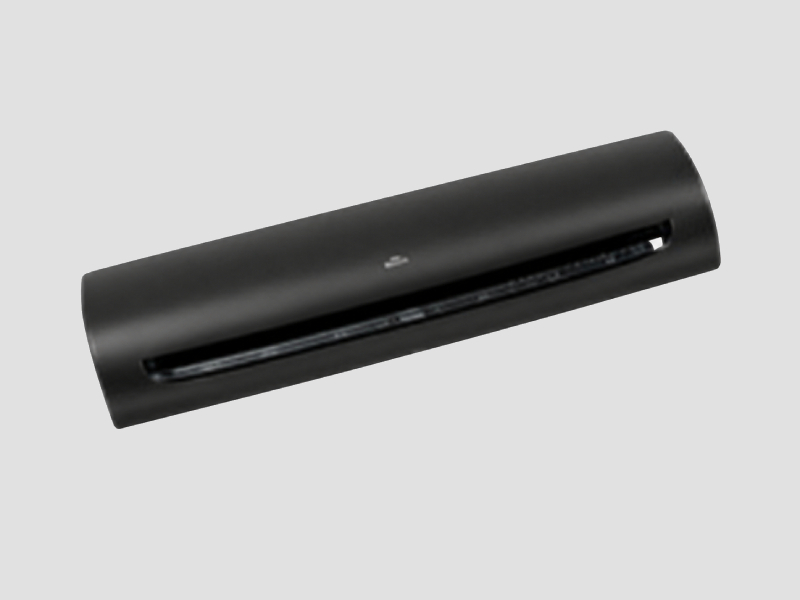
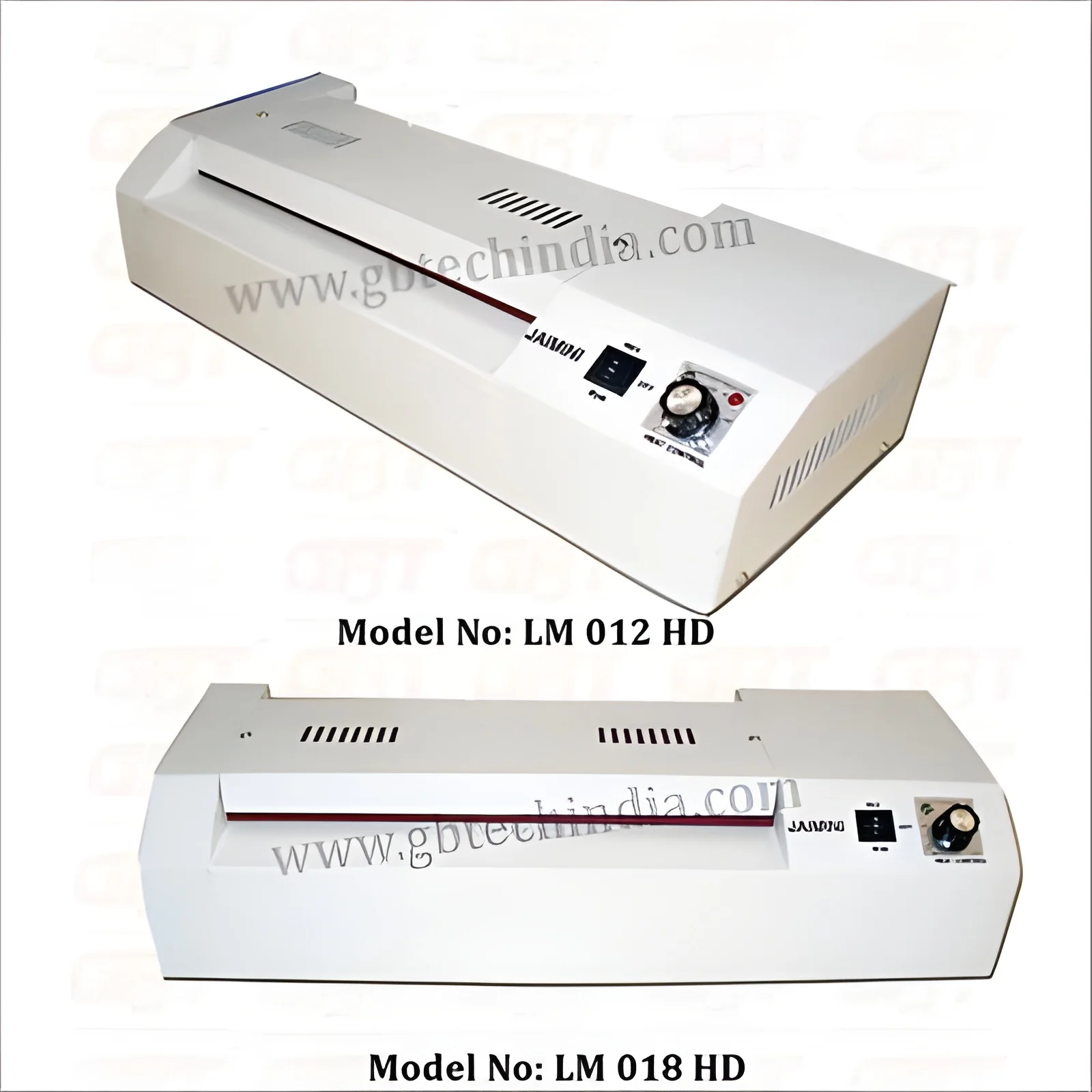
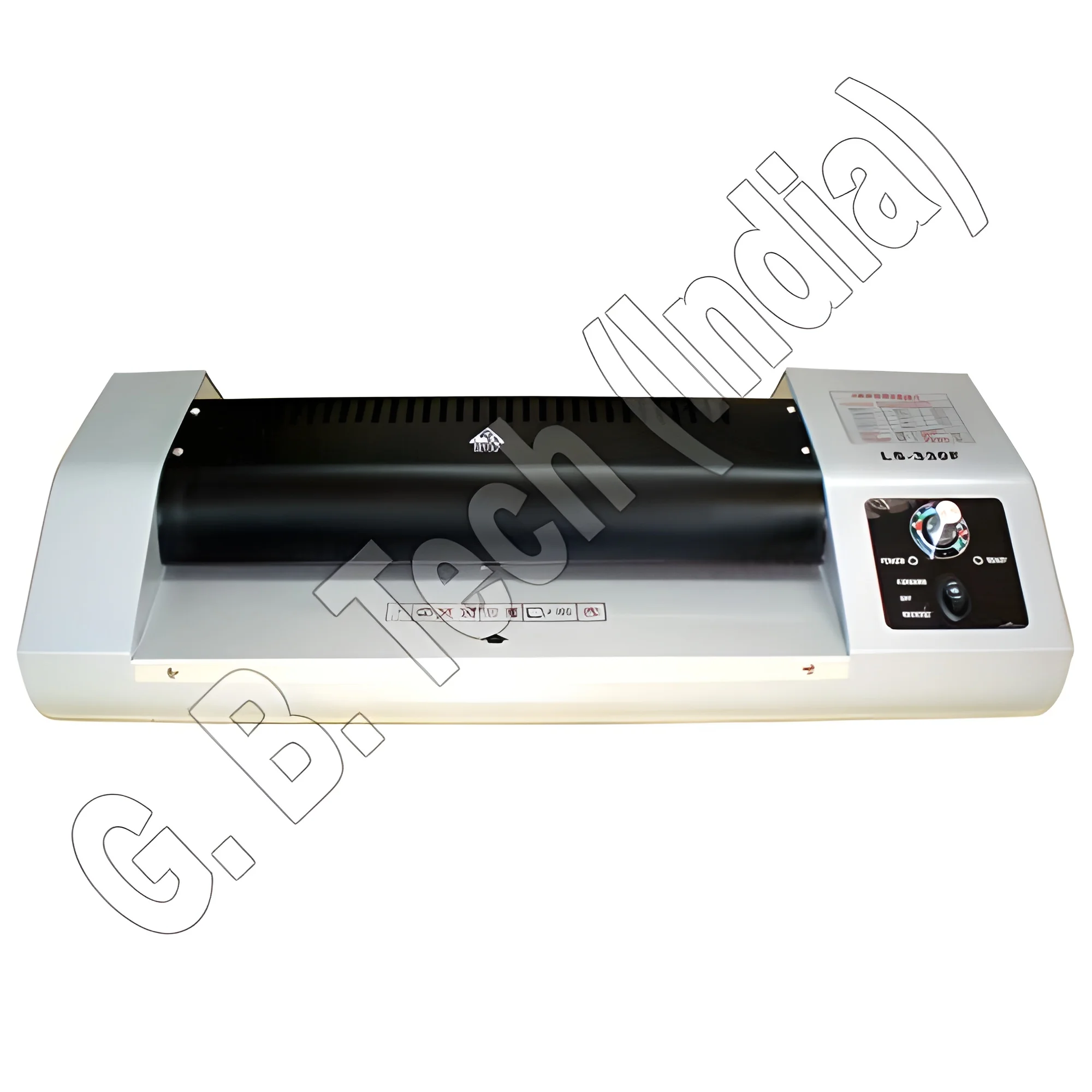
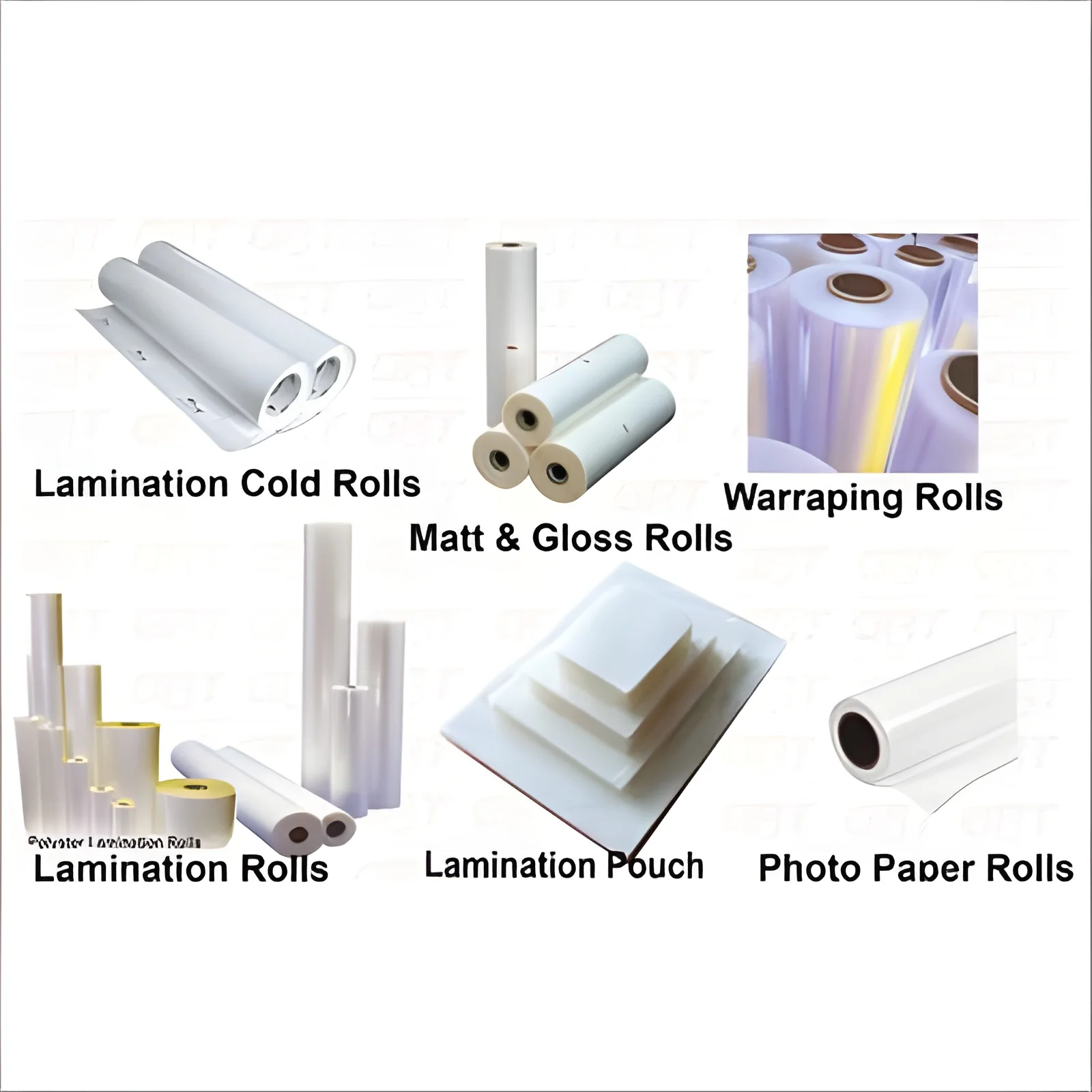
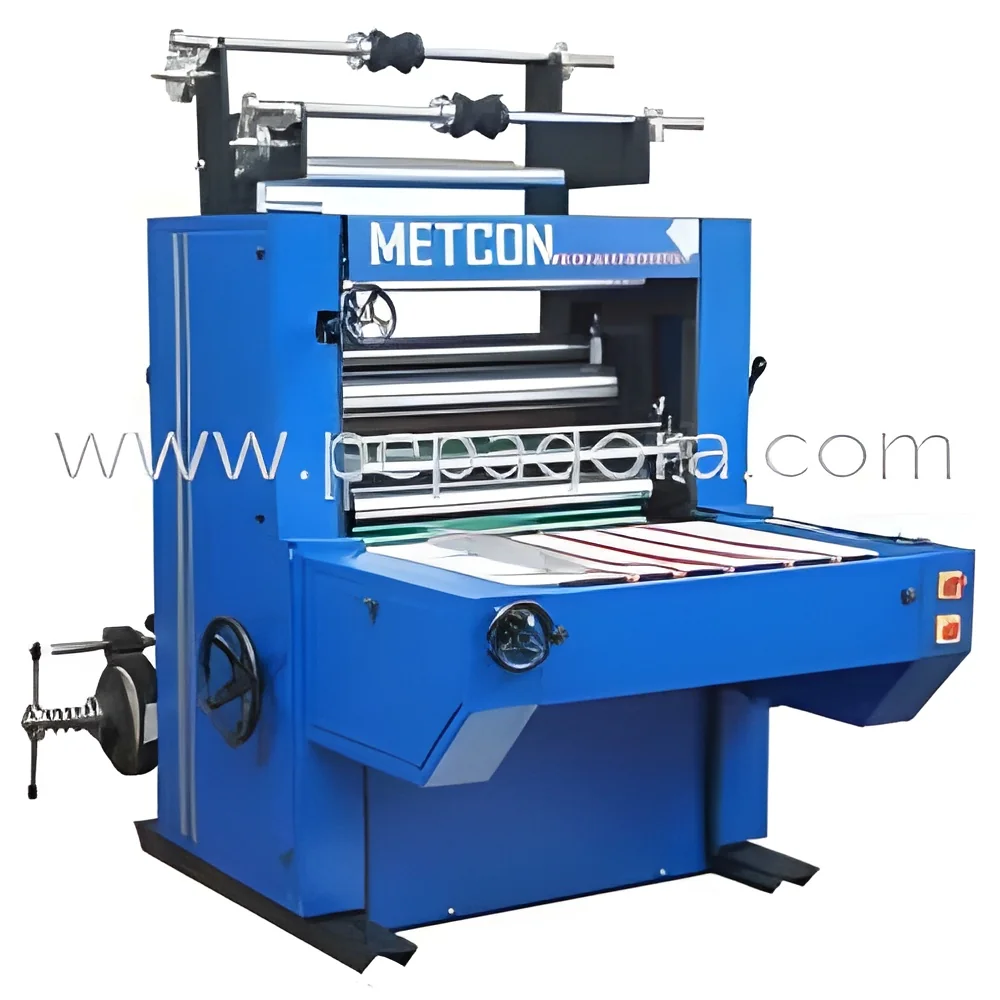
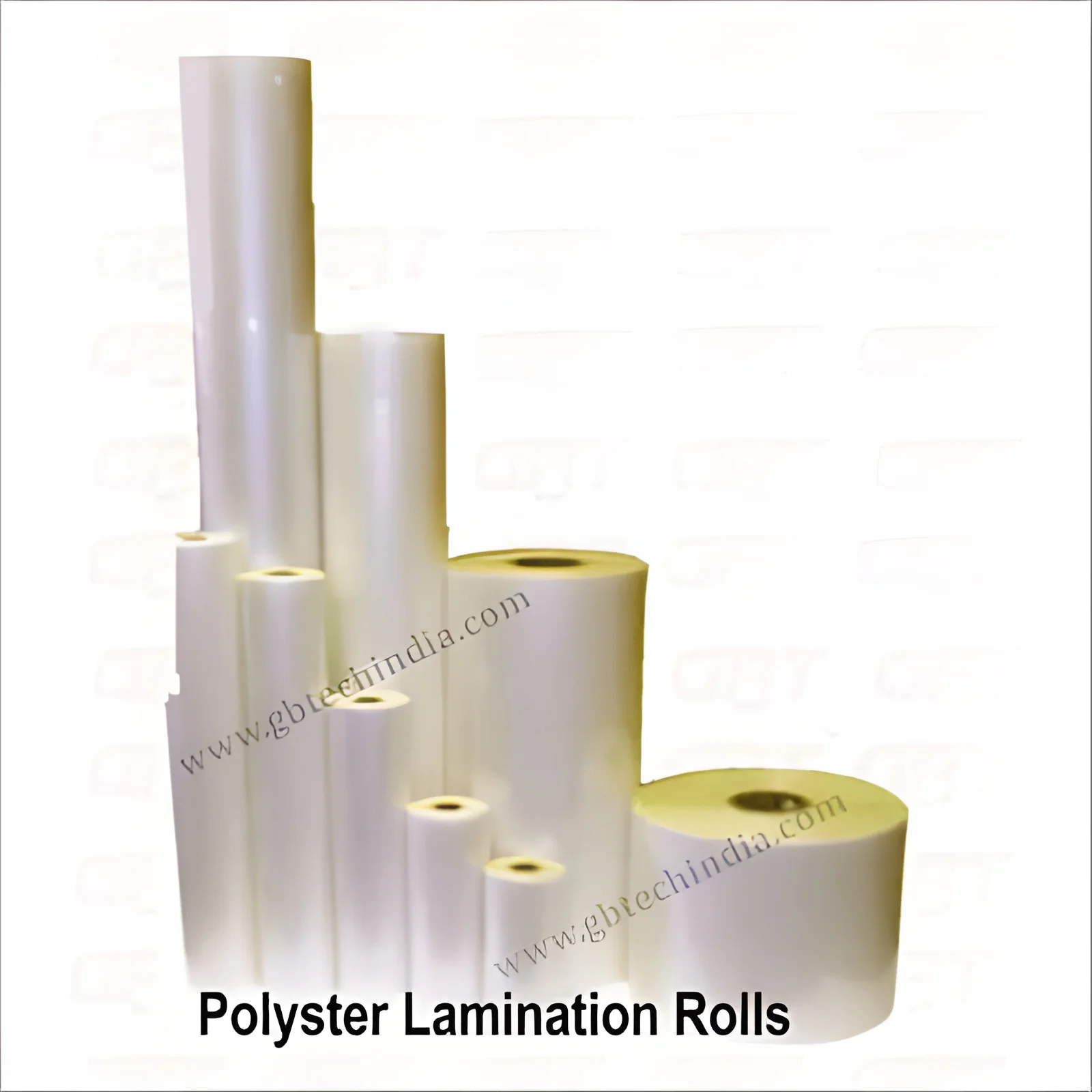
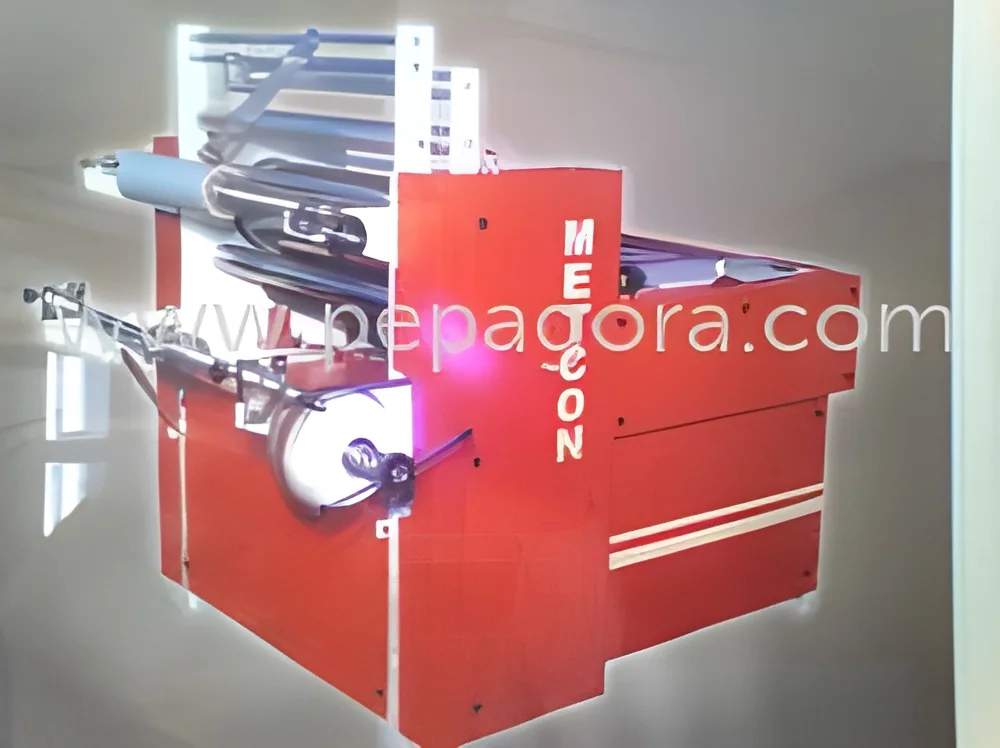
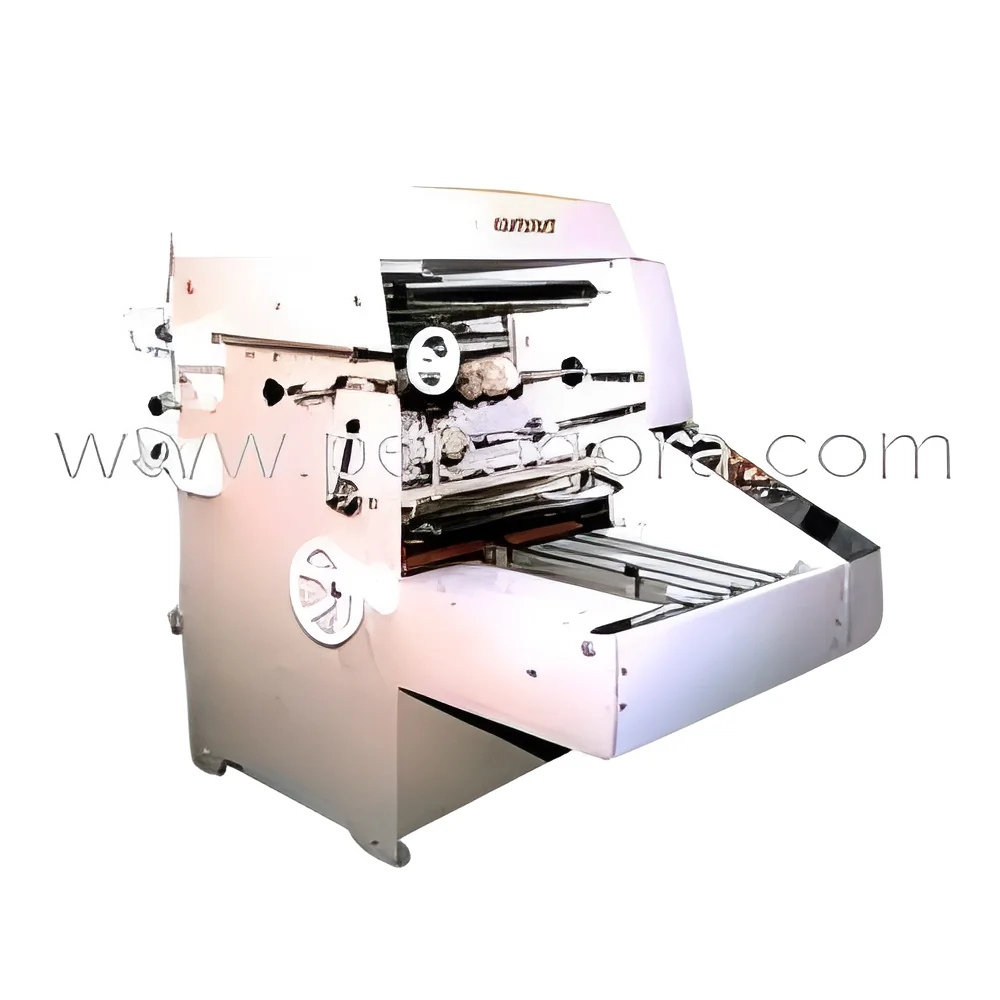
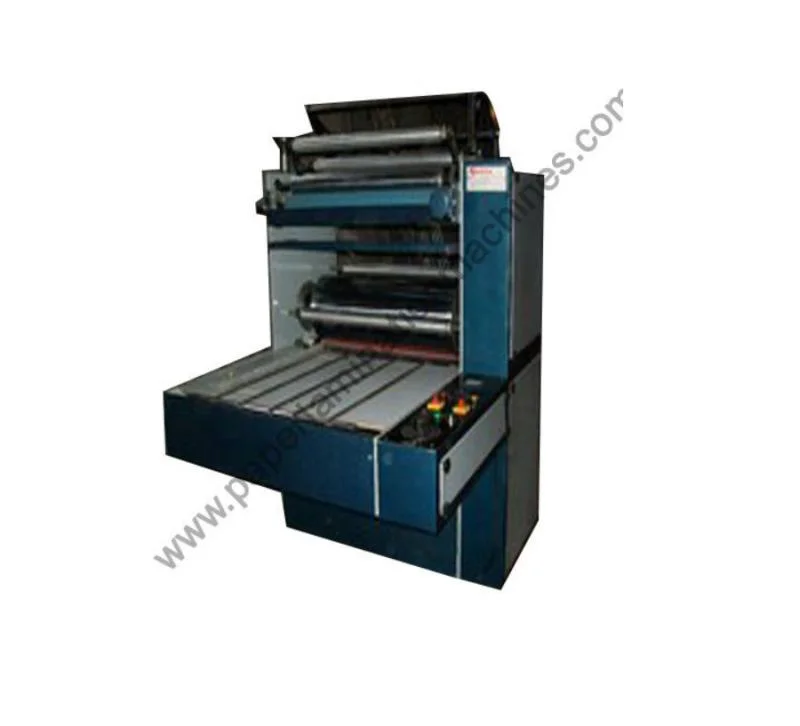
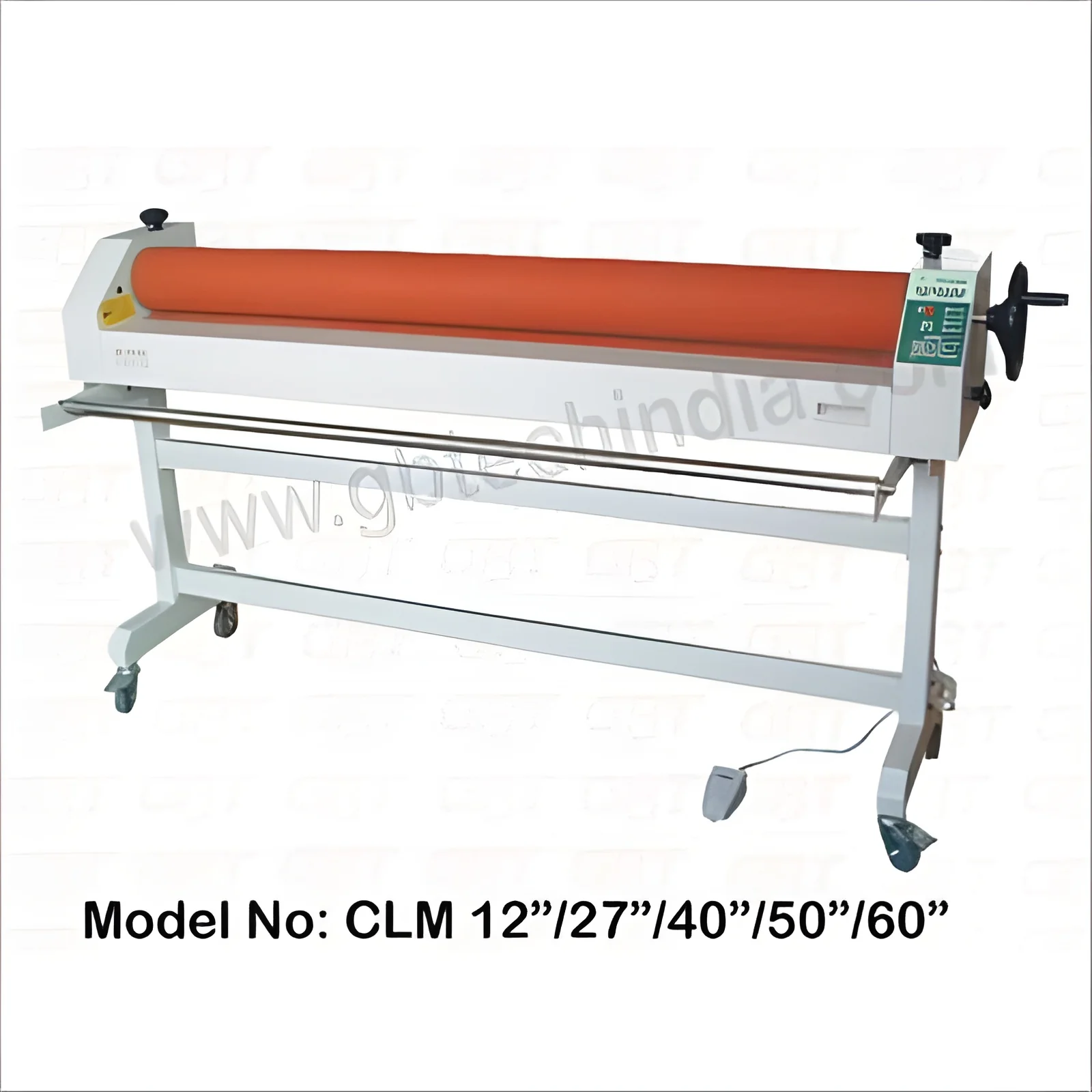
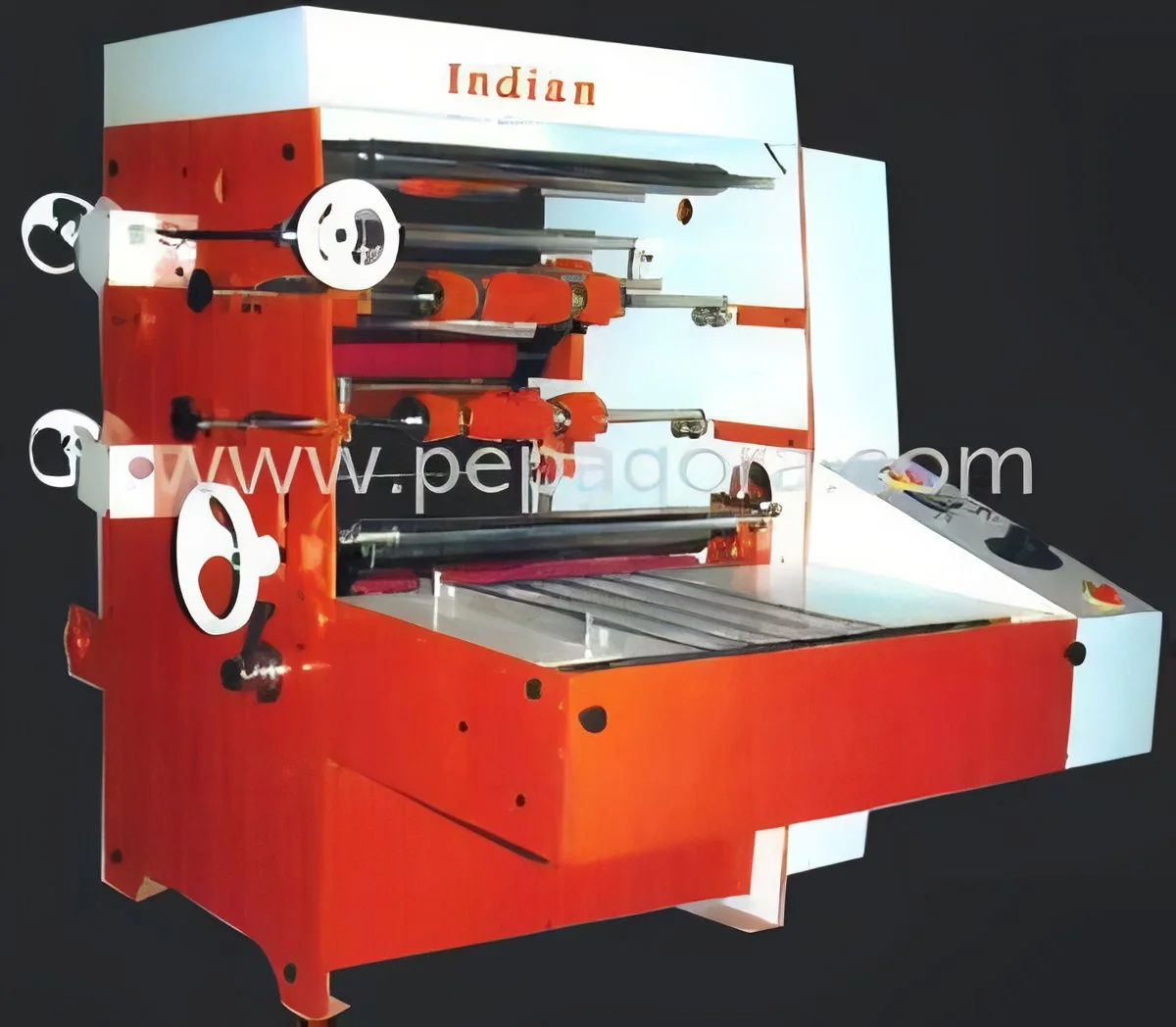
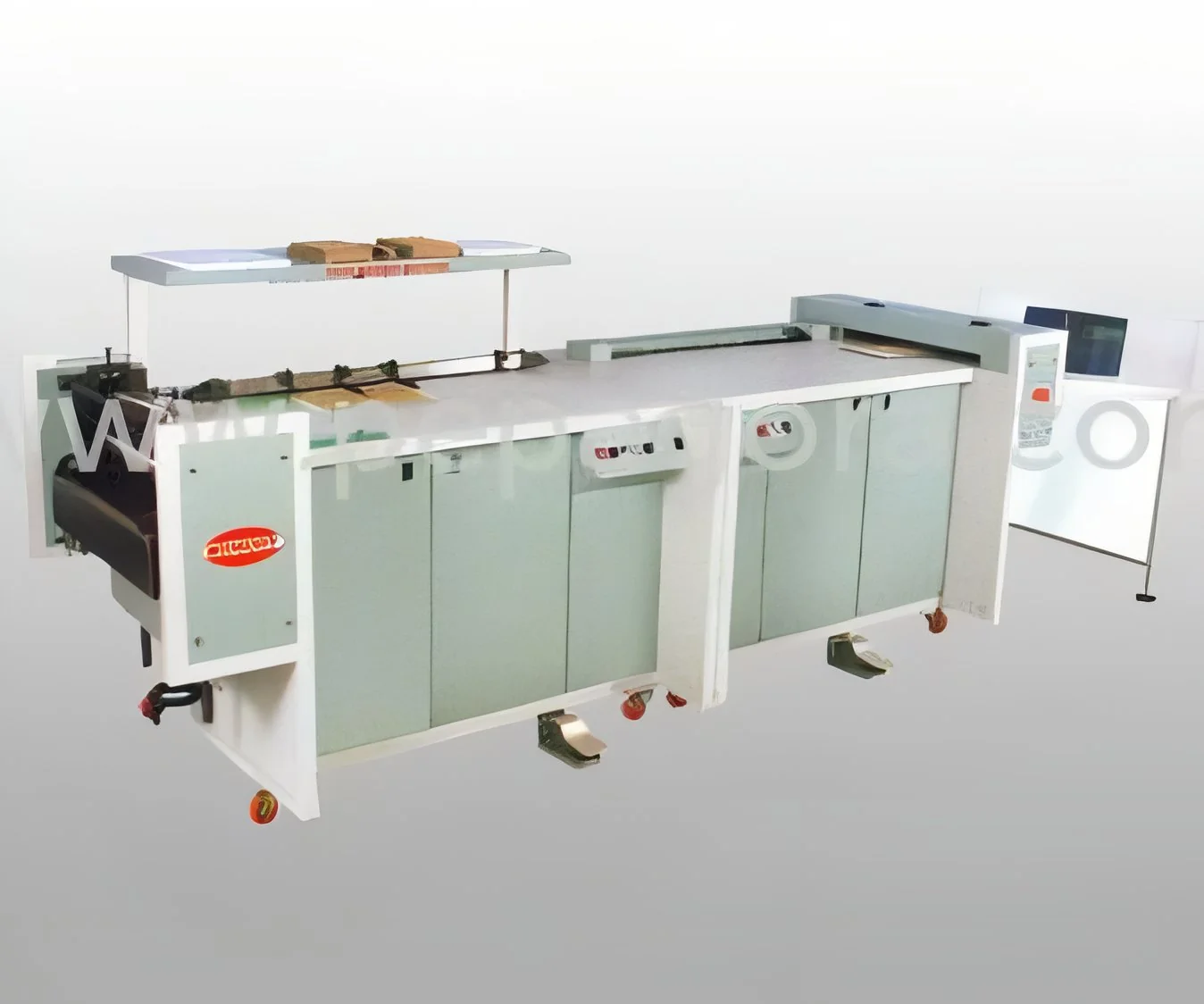
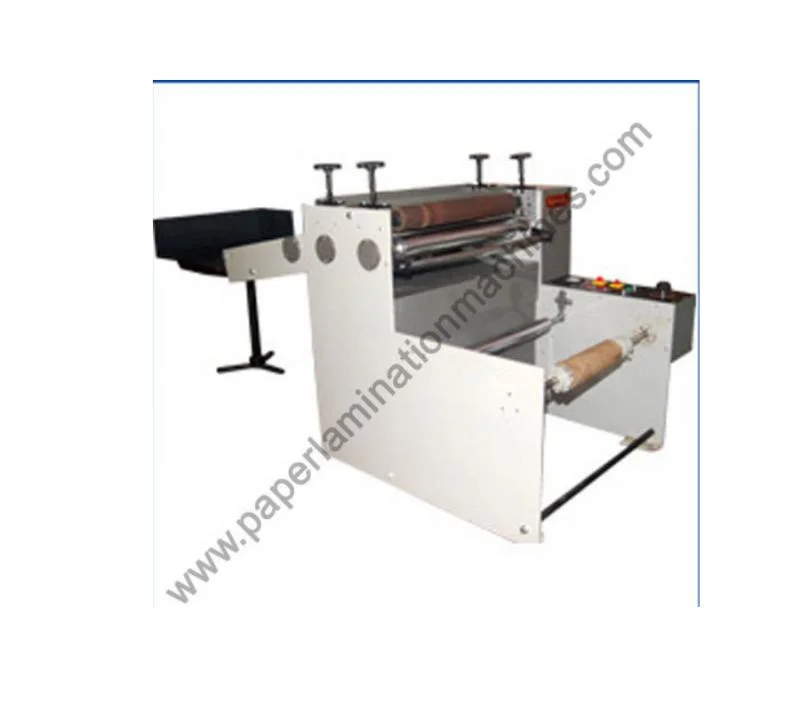
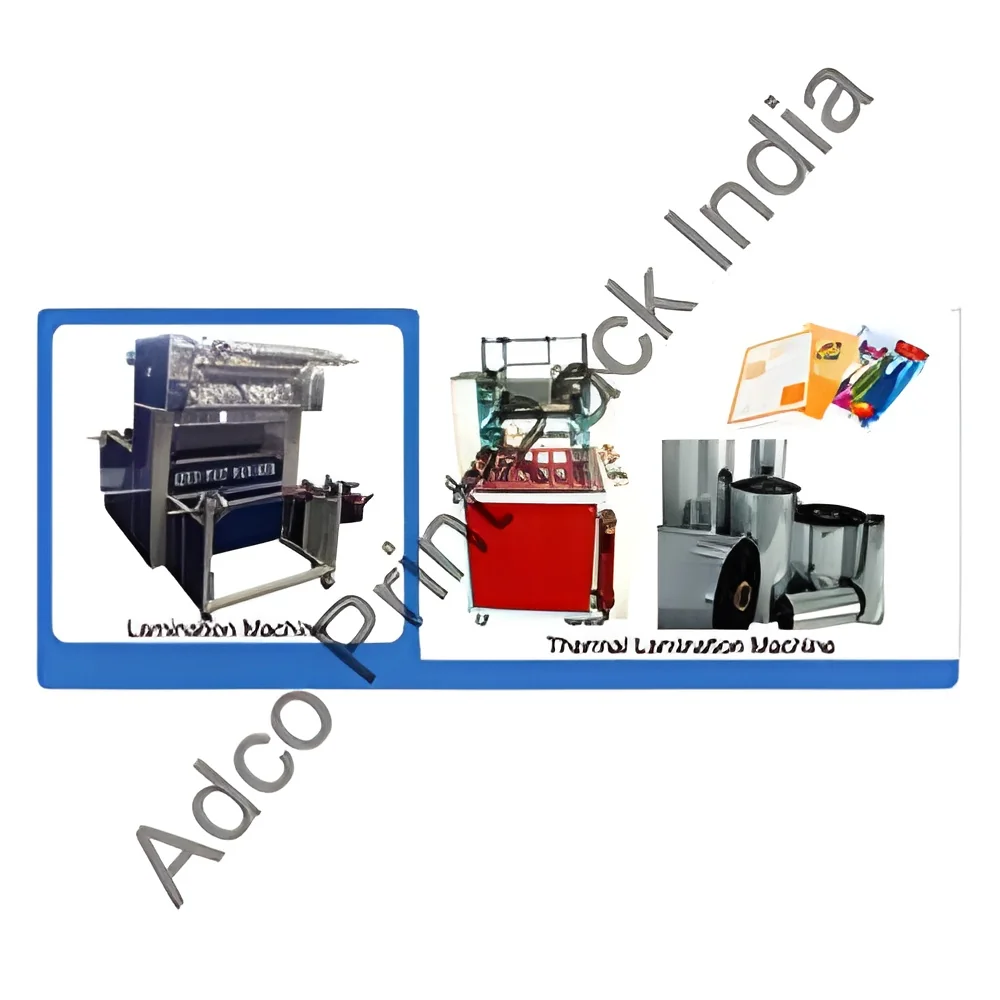
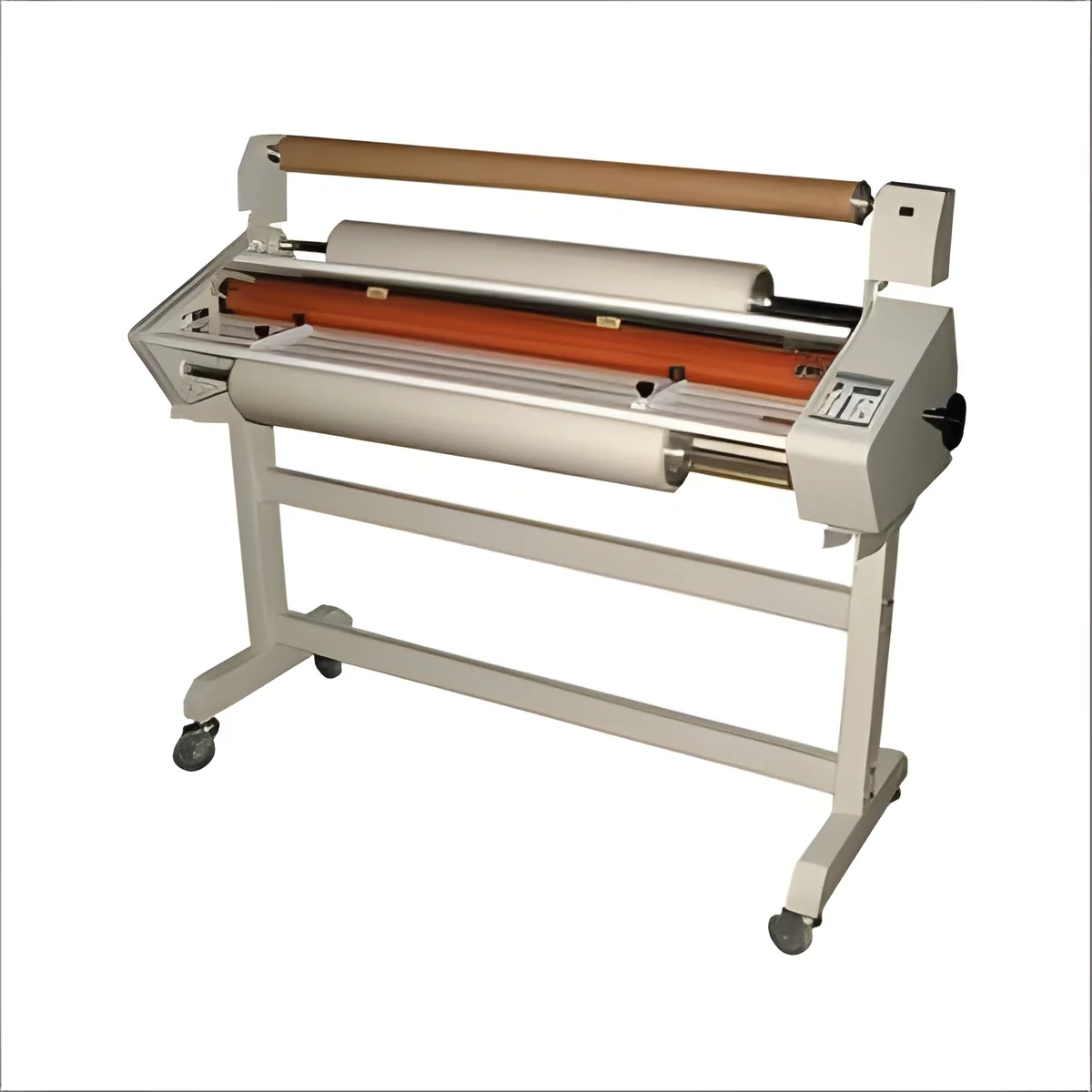
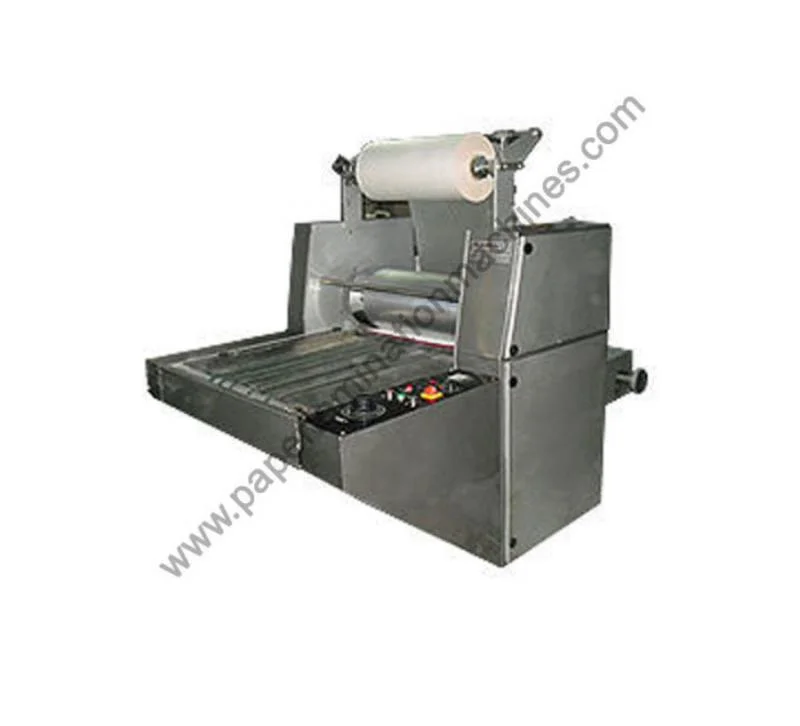
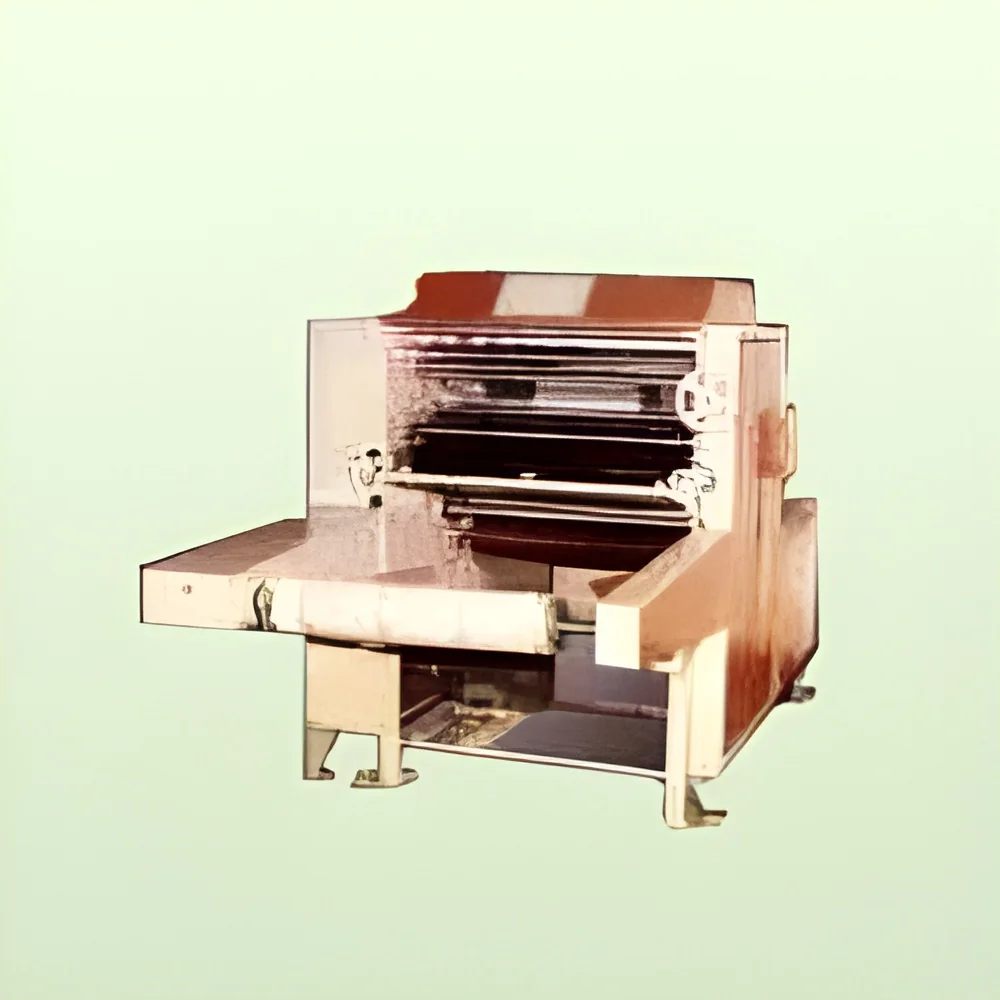
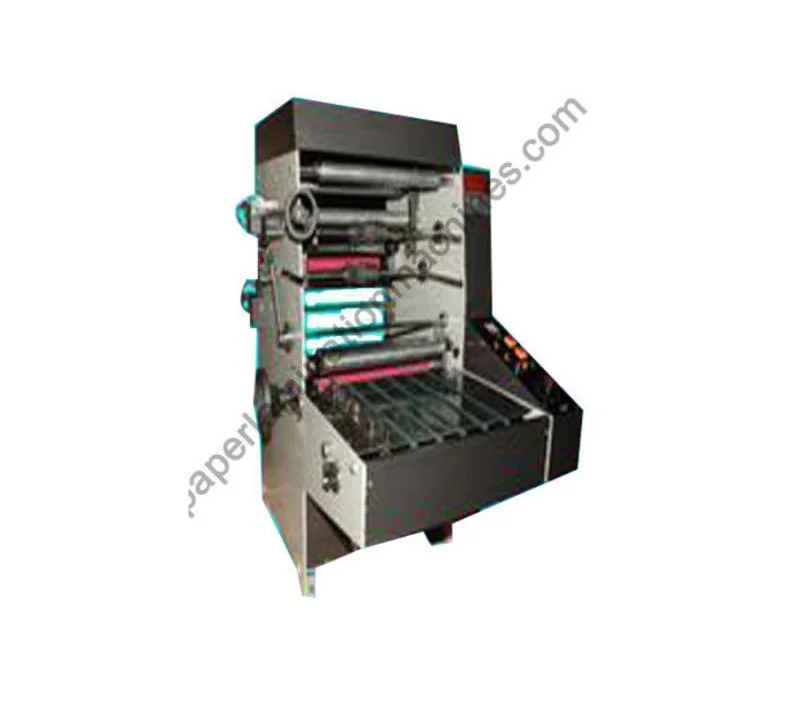
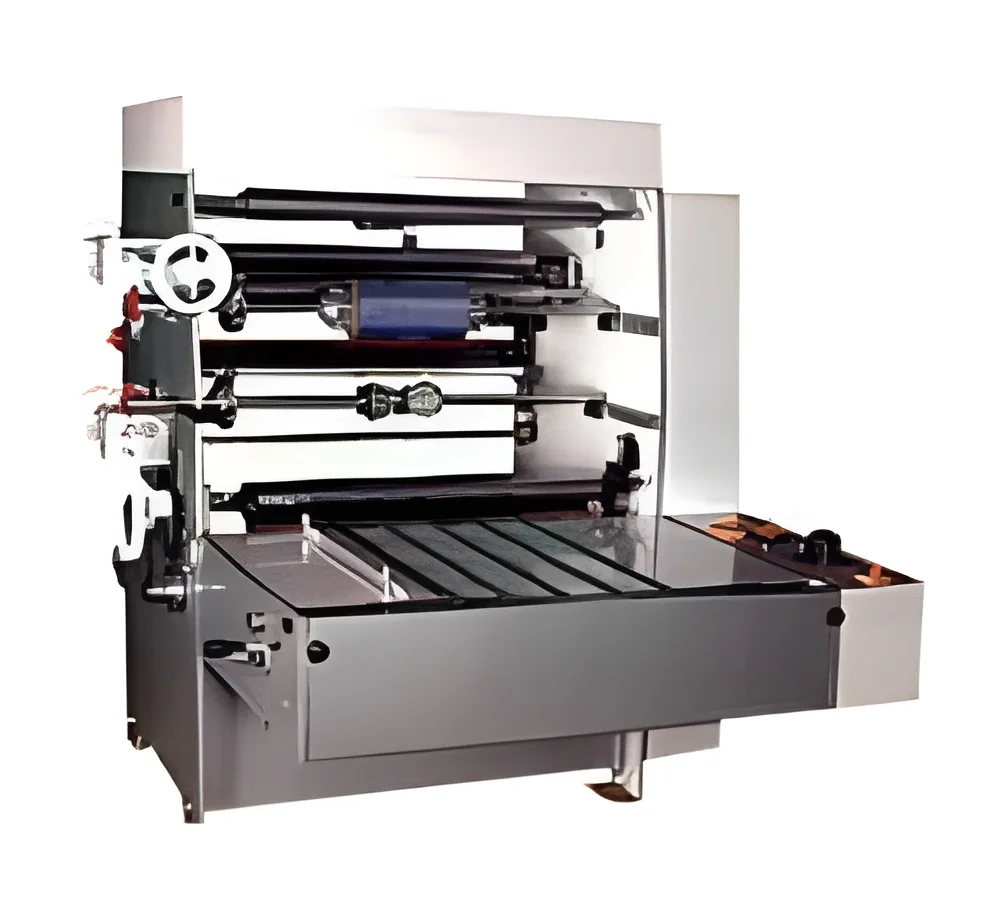
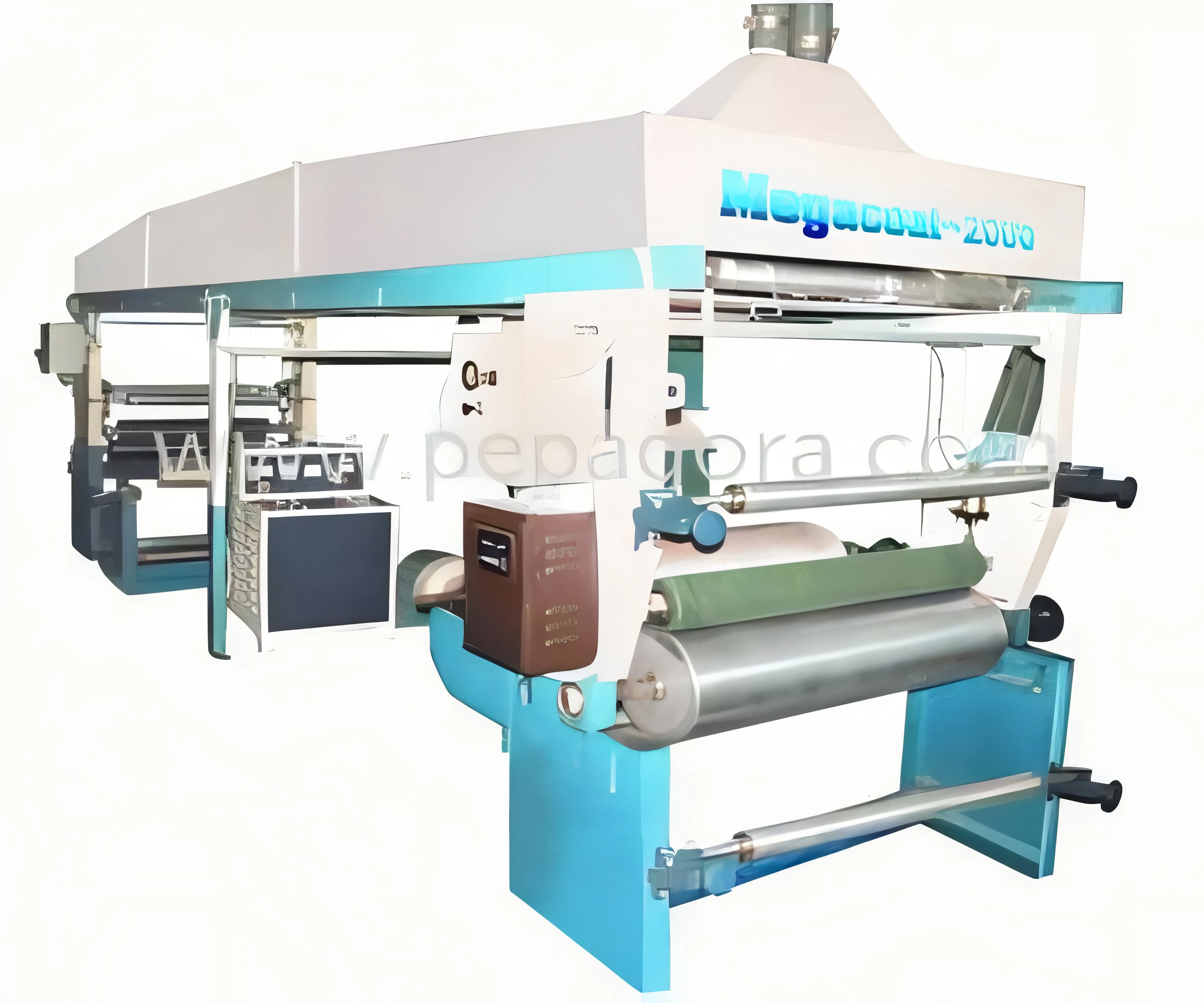
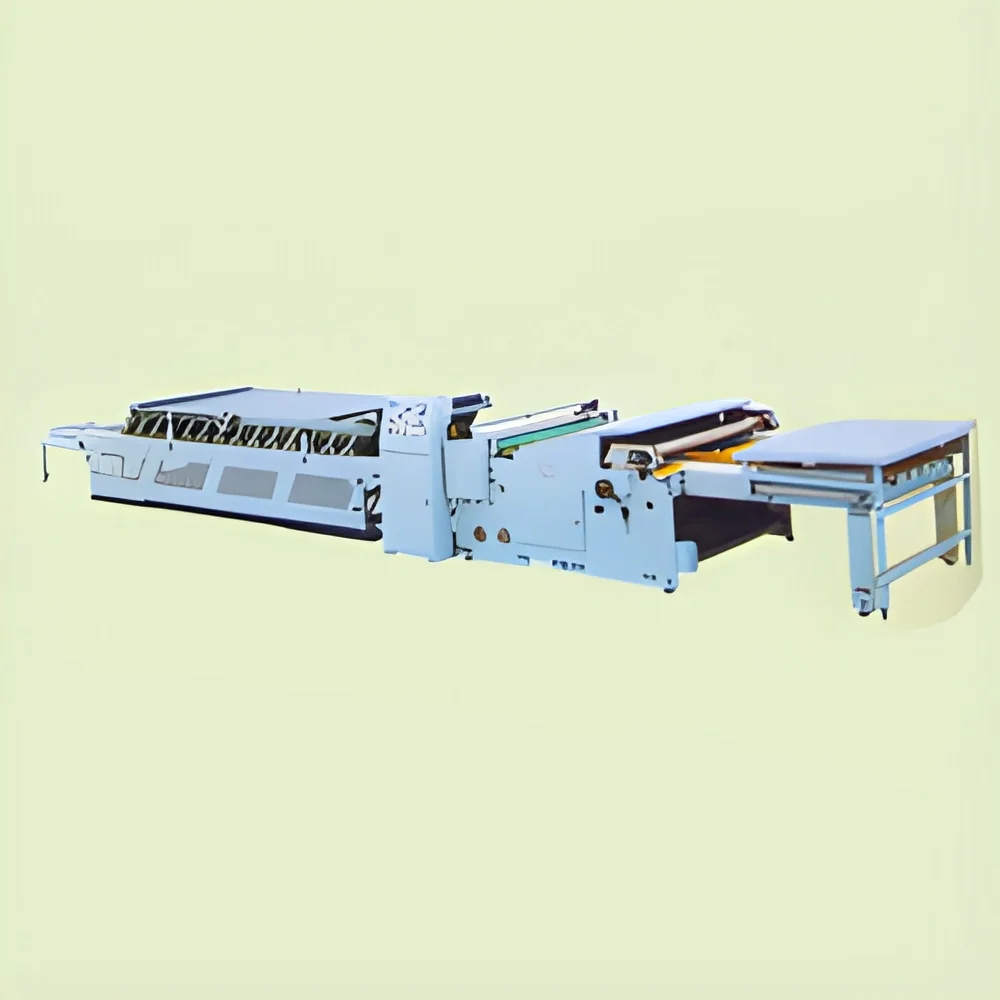
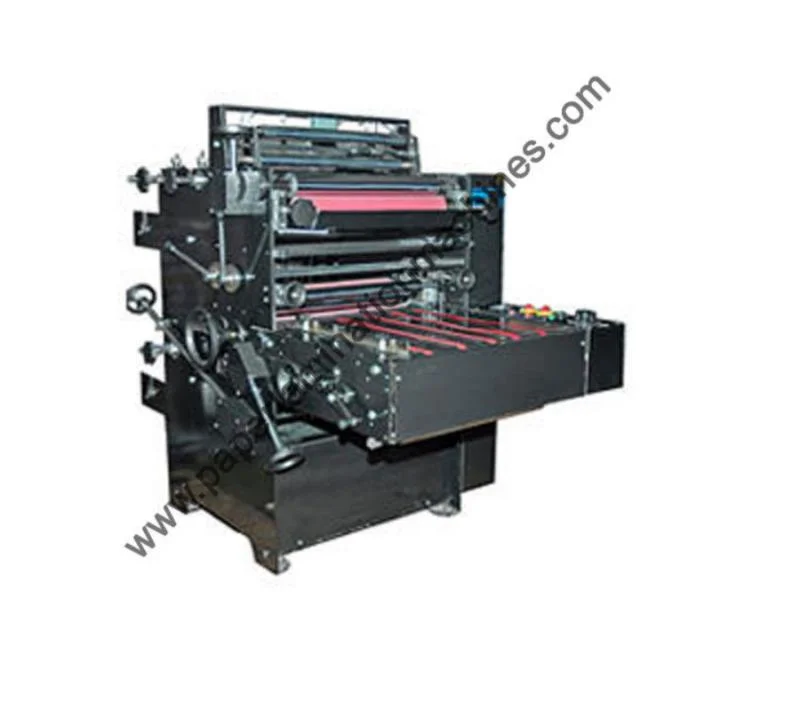
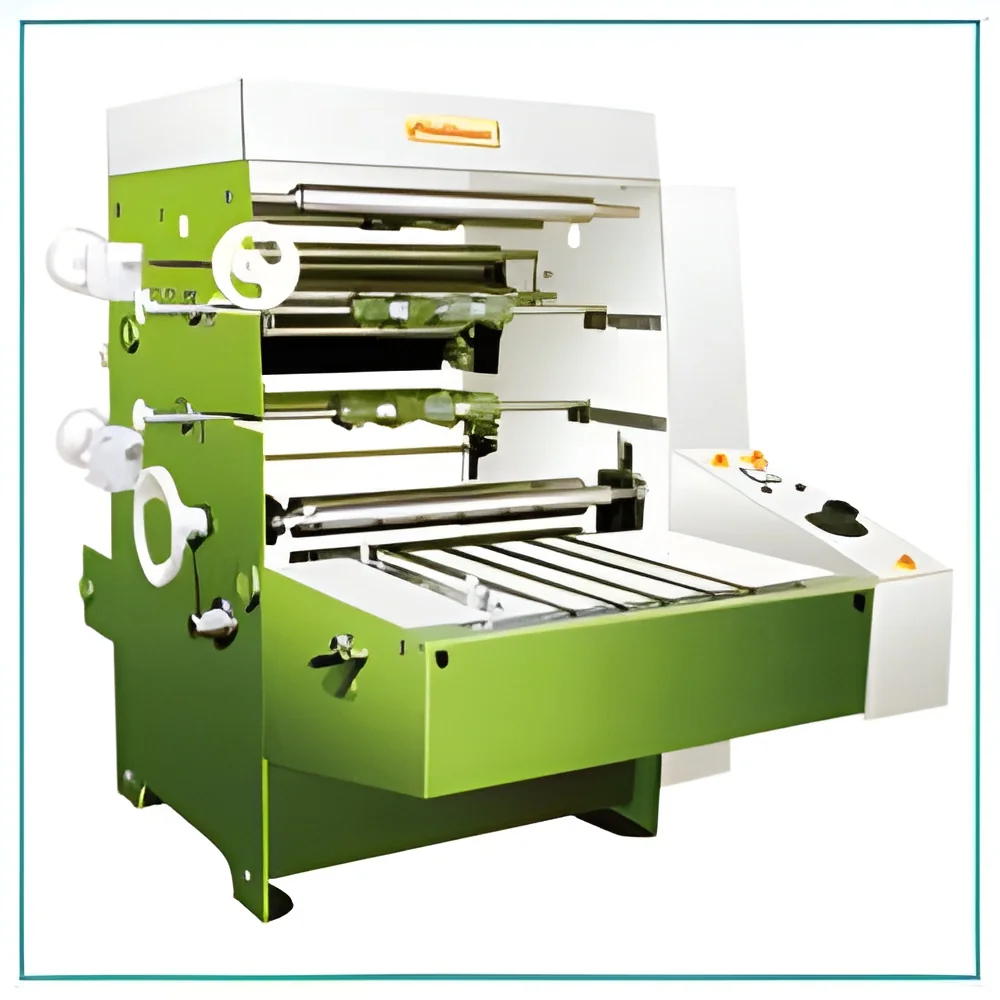
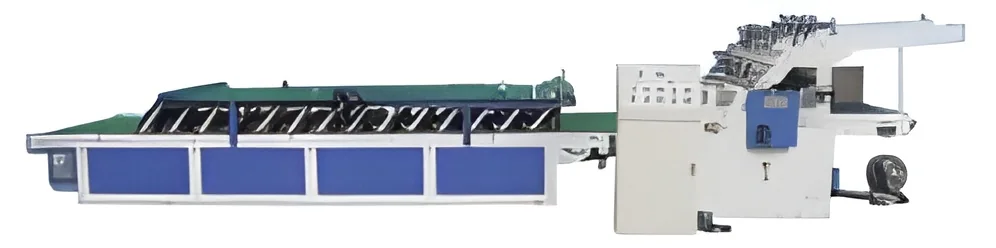
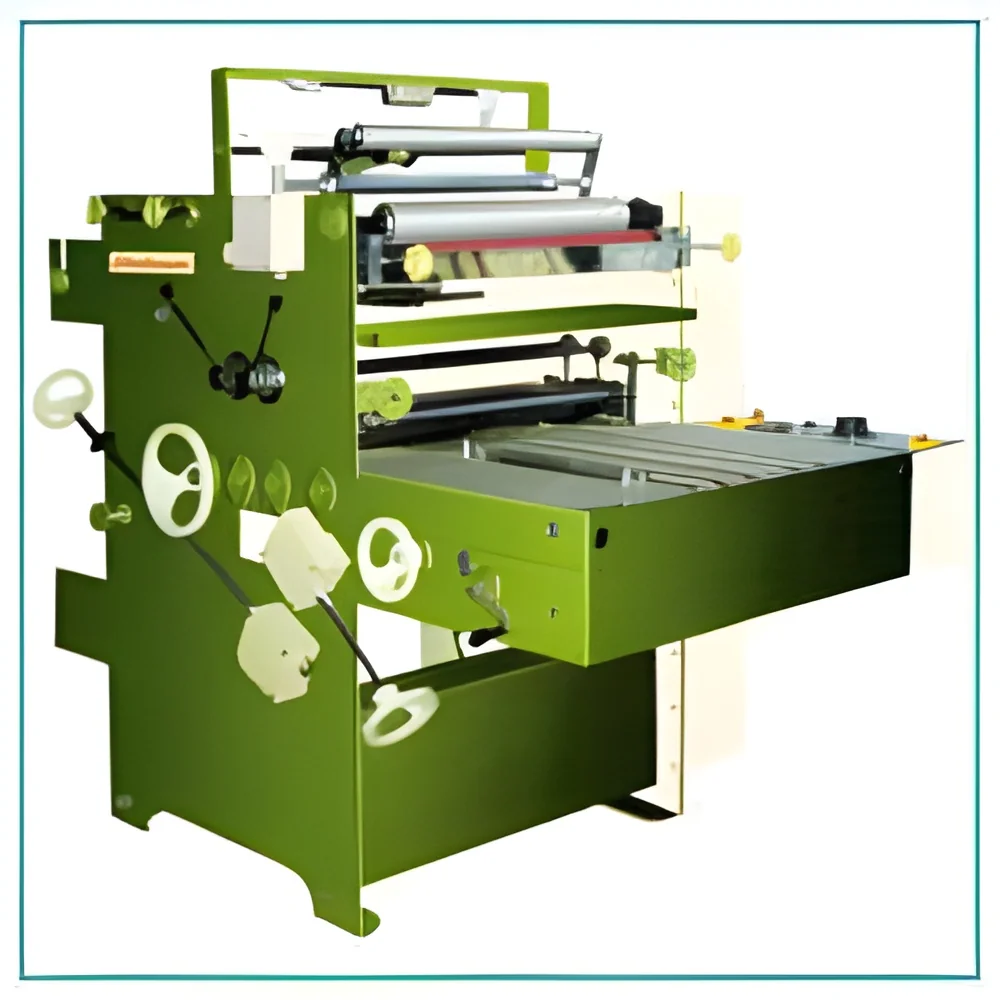
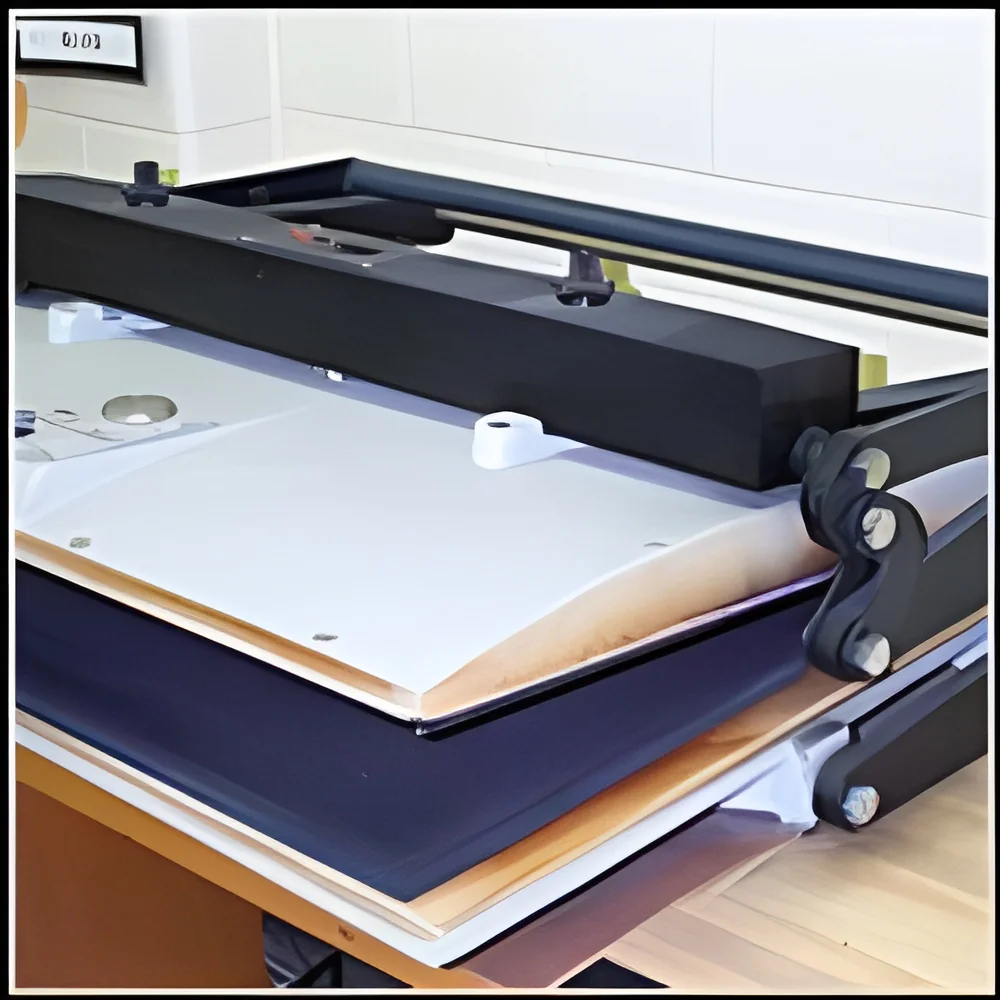
Laminating machines are specialized devices designed to apply a protective layer of plastic film to various materials. This process enhances durability, improves appearance, and provides resistance to moisture, dirt, and wear. Laminating machines can be used for a wide range of applications, including documents, photographs, cards, and packaging materials. The lamination process typically involves heating the adhesive and pressing the plastic film onto the substrate, ensuring a smooth and secure bond.
These machines are prevalent in many industries, including printing, packaging, and education. Businesses often utilize laminating machines to protect important documents, create professional presentations, or produce long-lasting signage. The ability to laminate quickly and efficiently makes these machines valuable assets for companies seeking to enhance their product offerings or improve their operational efficiency. As industries increasingly prioritize quality and presentation, the demand for laminating machines continues to grow in the market.
Key Features and Specifications
Laminating machines come with various features that cater to different needs and applications. Understanding these specifications is crucial for selecting the right machine for your business requirements.
Key specifications include:
1. Laminating Speed
- Speed is measured in inches per minute (IPM) or millimeters per minute (MPM).
- Typical ranges are between 10 to 60 IPM, depending on the machine type.
2. Maximum Laminating Width
- This specification indicates the widest material that can be processed.
- Ranges typically vary from 9 inches to 52 inches.
3. Temperature Control
- Features adjustable temperature settings for different types of laminating films.
- Ideal temperature ranges are often between 160°F to 250°F.
4. Film Thickness Compatibility
- Compatibility with various film thicknesses, usually measured in mils.
- Common thickness ranges are from 1.5 mil to 10 mil.
5. Power Consumption
- Power requirements are typically listed in watts.
- Average consumption ranges from 300 watts to 1,500 watts.
6. Warm-up Time
- Time required for the machine to reach optimal operating temperature.
- Common warm-up times are between 3 to 15 minutes.
7. Roller Configuration
- Types of rollers can affect the laminating quality and speed.
- Options include single, dual, or multi-roller configurations.
8. Safety Features
- Safety mechanisms, such as auto shut-off and thermal protection.
- Essential for preventing overheating and ensuring operator safety.
In summary, selecting the right laminating machine involves understanding these features and specifications to match the machine's capabilities with your specific application needs.
Common Applications and Use Cases
Laminating machines are utilized across various sectors, each benefiting from the protective and enhancing qualities of lamination.
1. Printing Industry: In printing, laminating machines are essential for finishing products like brochures, business cards, and menus. The lamination process protects these items from damage and enhances their visual appeal.
2. Educational Institutions: Schools and universities use laminating machines to preserve educational materials, such as posters, charts, and certificates. This ensures longevity and durability in high-traffic environments.
3. Retail and Packaging: Retailers often laminate packaging materials to provide a polished look and protect items from moisture and dirt. This is particularly relevant for product labels and promotional materials.
4. Office Use: Businesses rely on laminating machines to secure important documents, create ID cards, and produce durable signage. This helps maintain a professional appearance and extends the lifespan of frequently handled documents.
5. Arts and Crafts: Artists and crafters use laminating machines to protect artwork and create custom projects. The versatility of lamination allows for creative applications in various art forms.
6. Food Industry: In food packaging, laminating machines help create moisture-resistant materials, ensuring that food products remain fresh and safe during storage.
7. Healthcare: Laminating machines are crucial in healthcare for creating durable patient records, informational brochures, and signage. This ensures that materials withstand frequent handling and maintain clarity.
Product Variants and Subcategories
Laminating machines come in diverse models tailored to different operational needs. While specific subcategories are not available, various machine types cater to distinct applications.
Desktop Laminating Machines
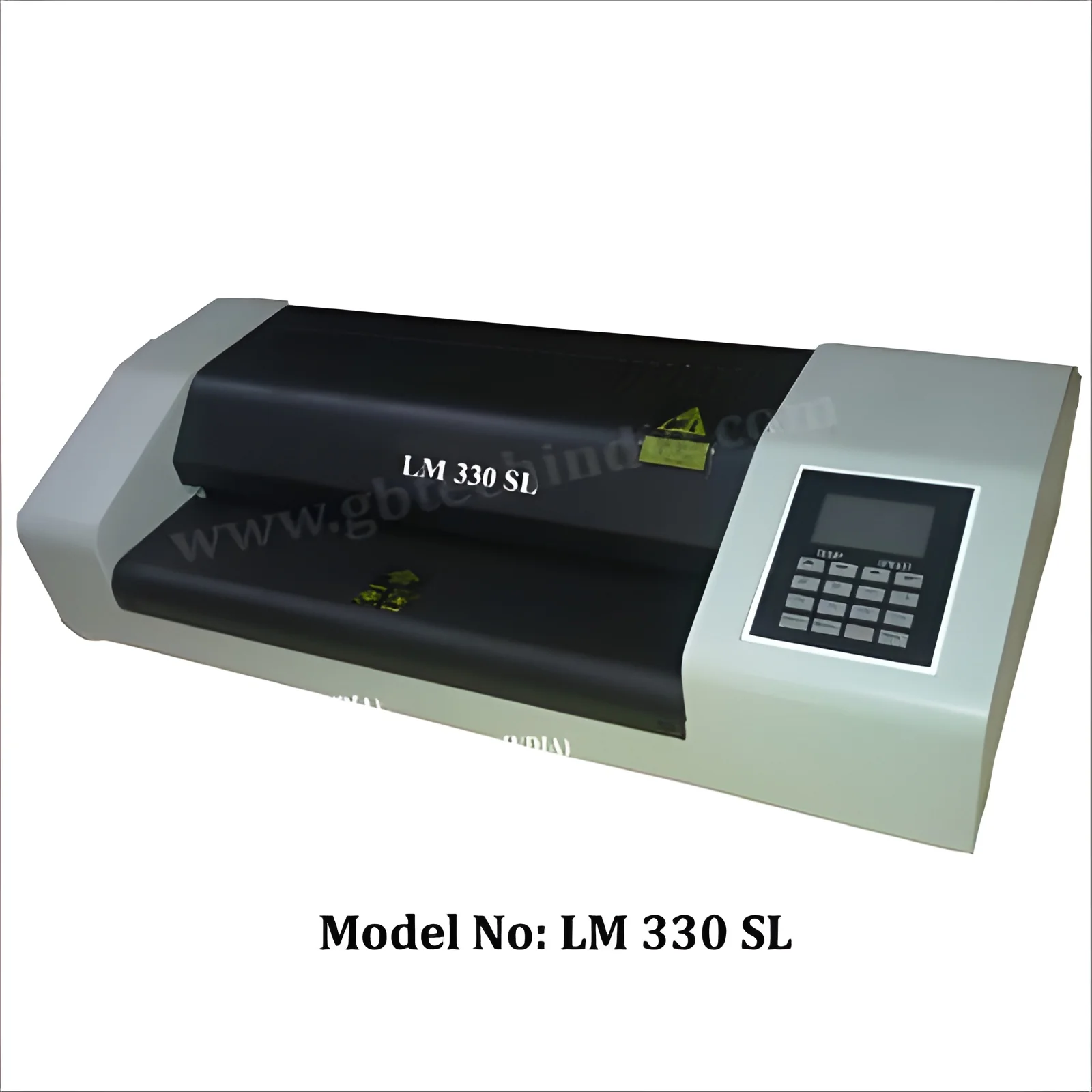
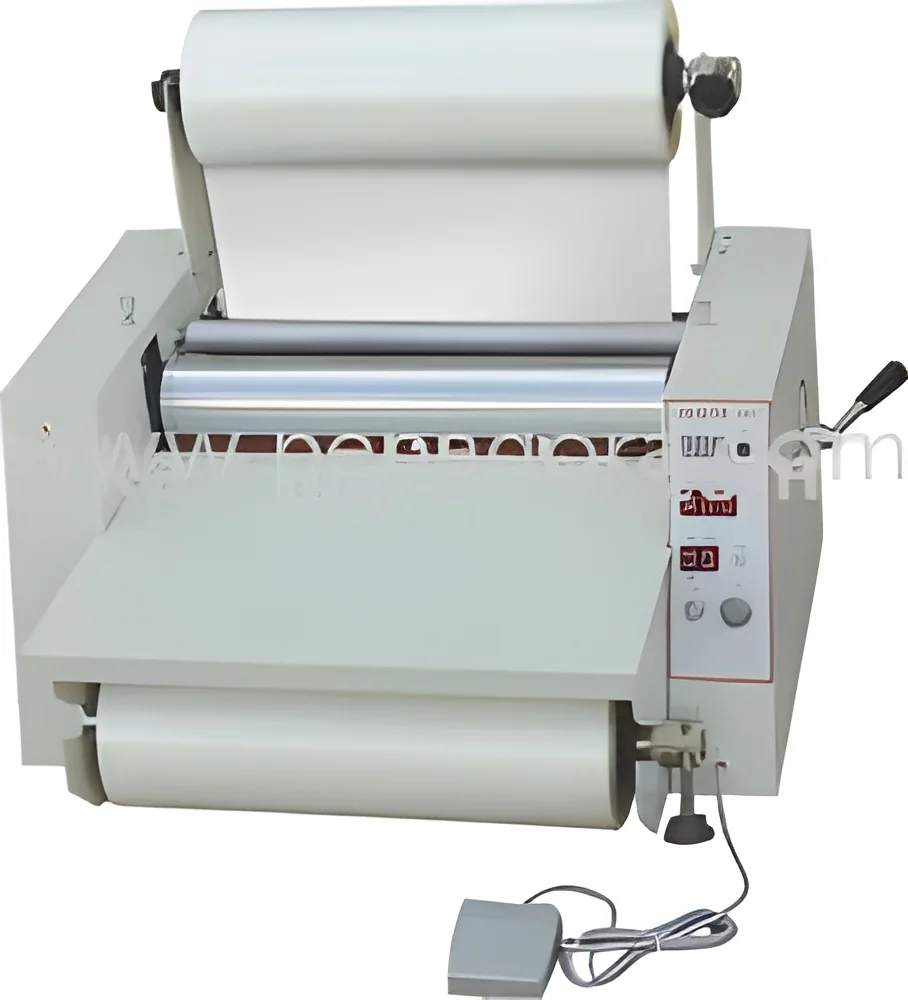
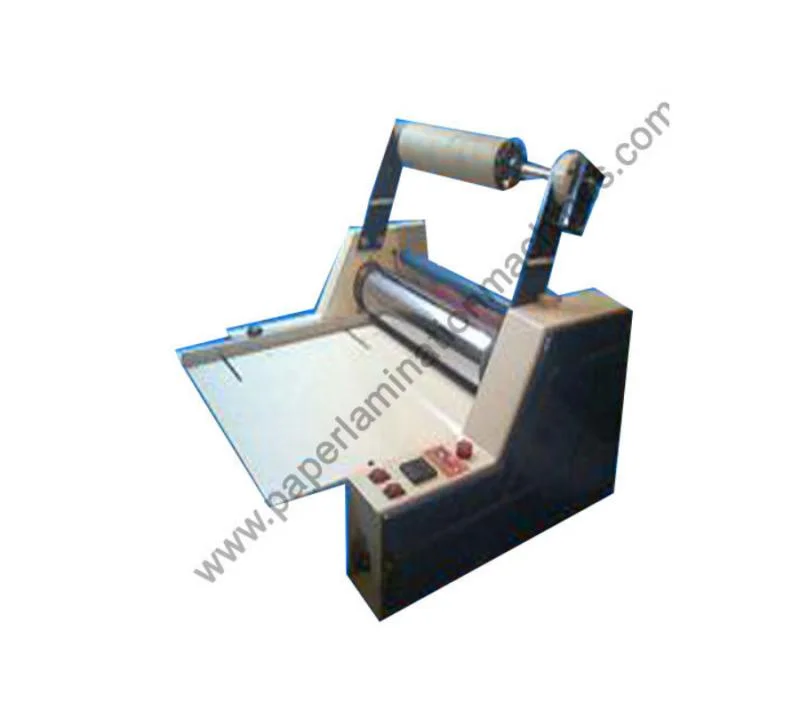
These compact machines are ideal for small offices and home use. They are easy to operate and perfect for laminating documents and photos, offering convenience and efficiency in a limited space.
Industrial Laminating Machines
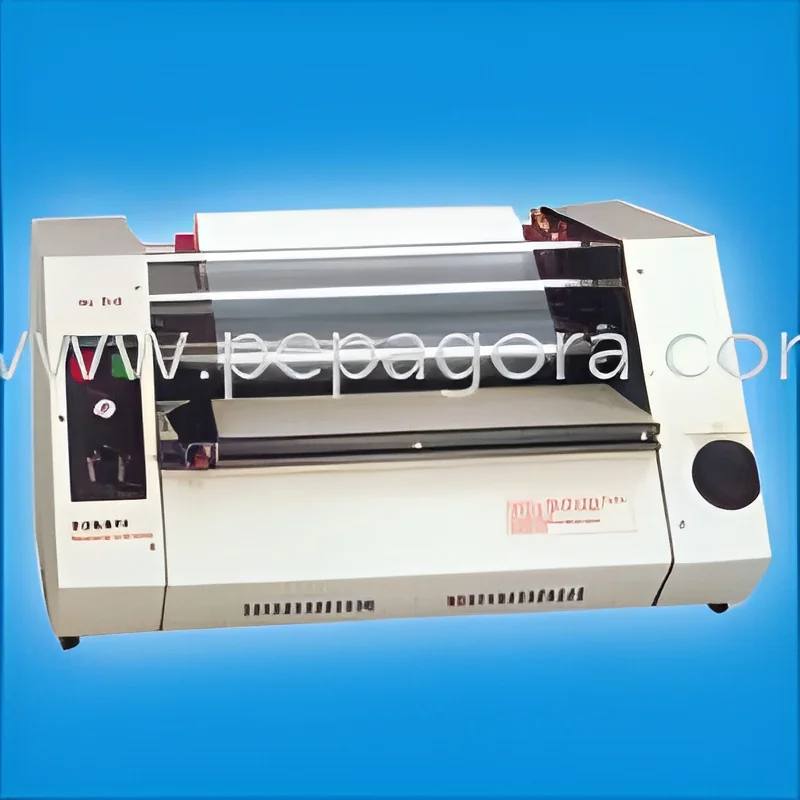
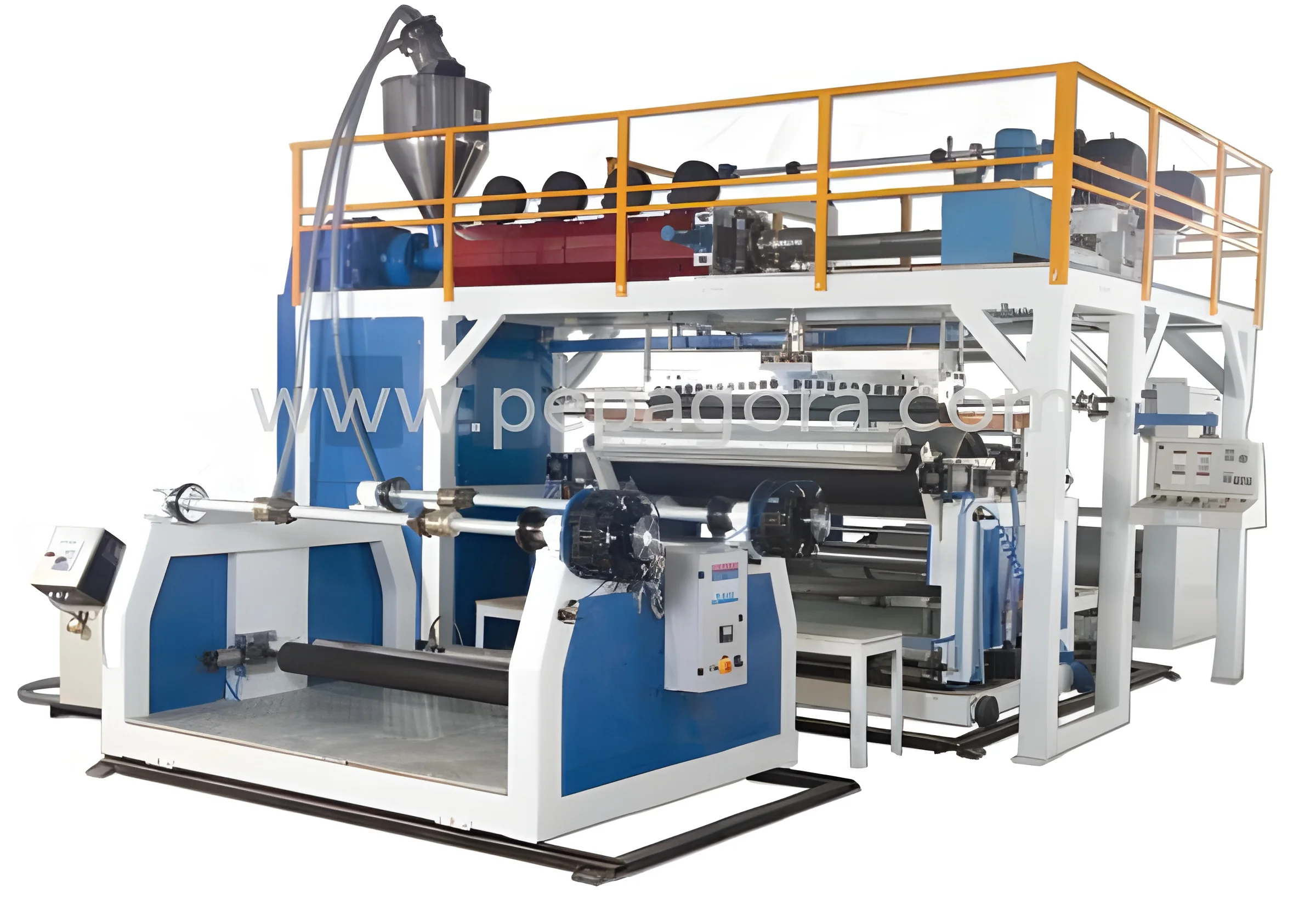
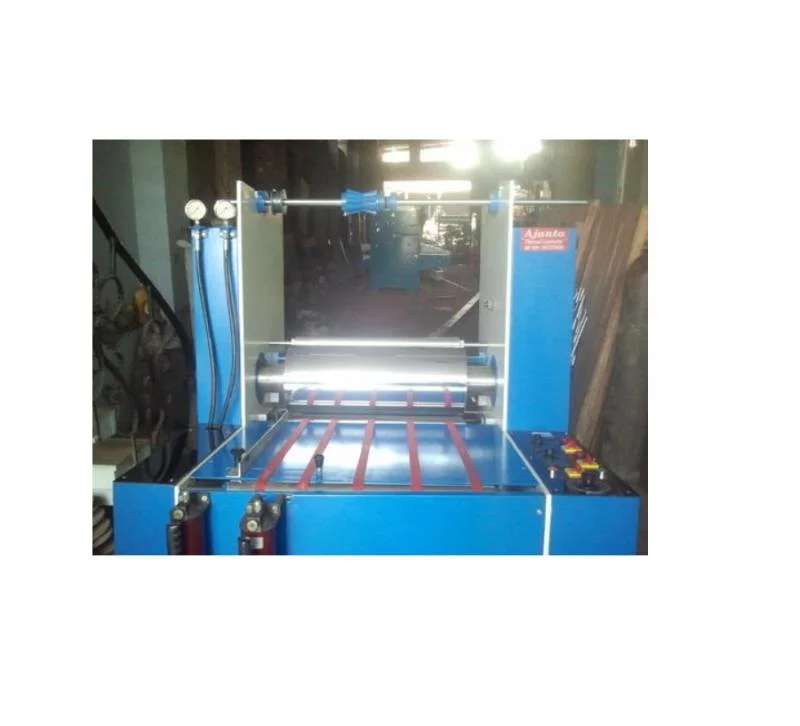
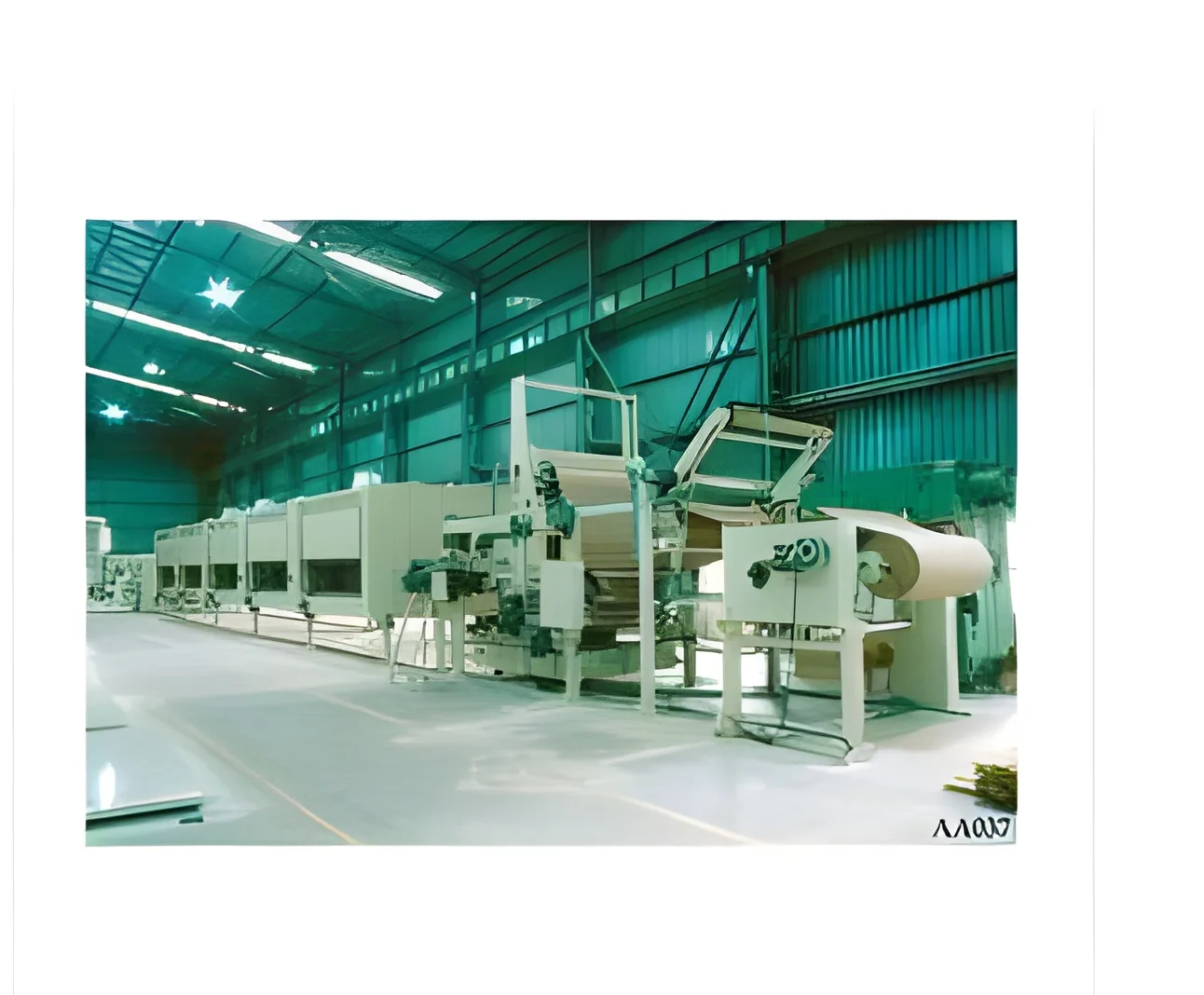
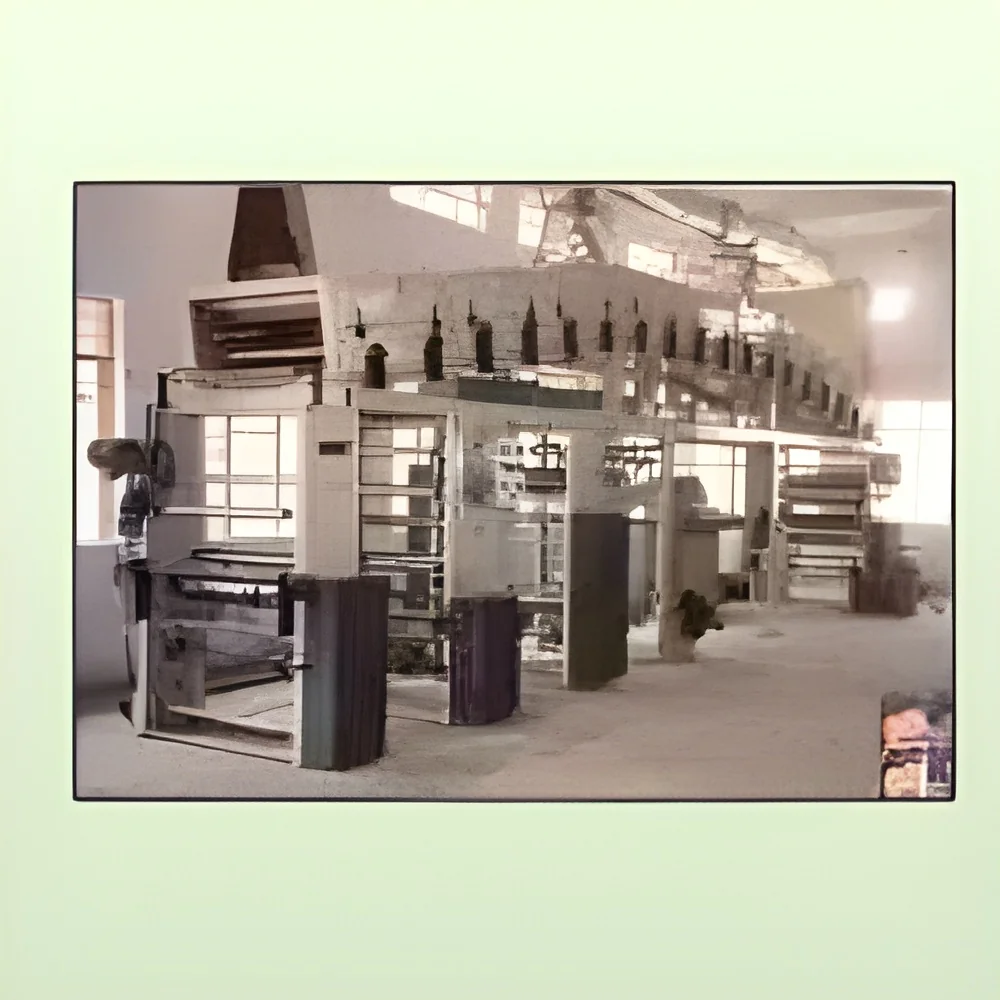
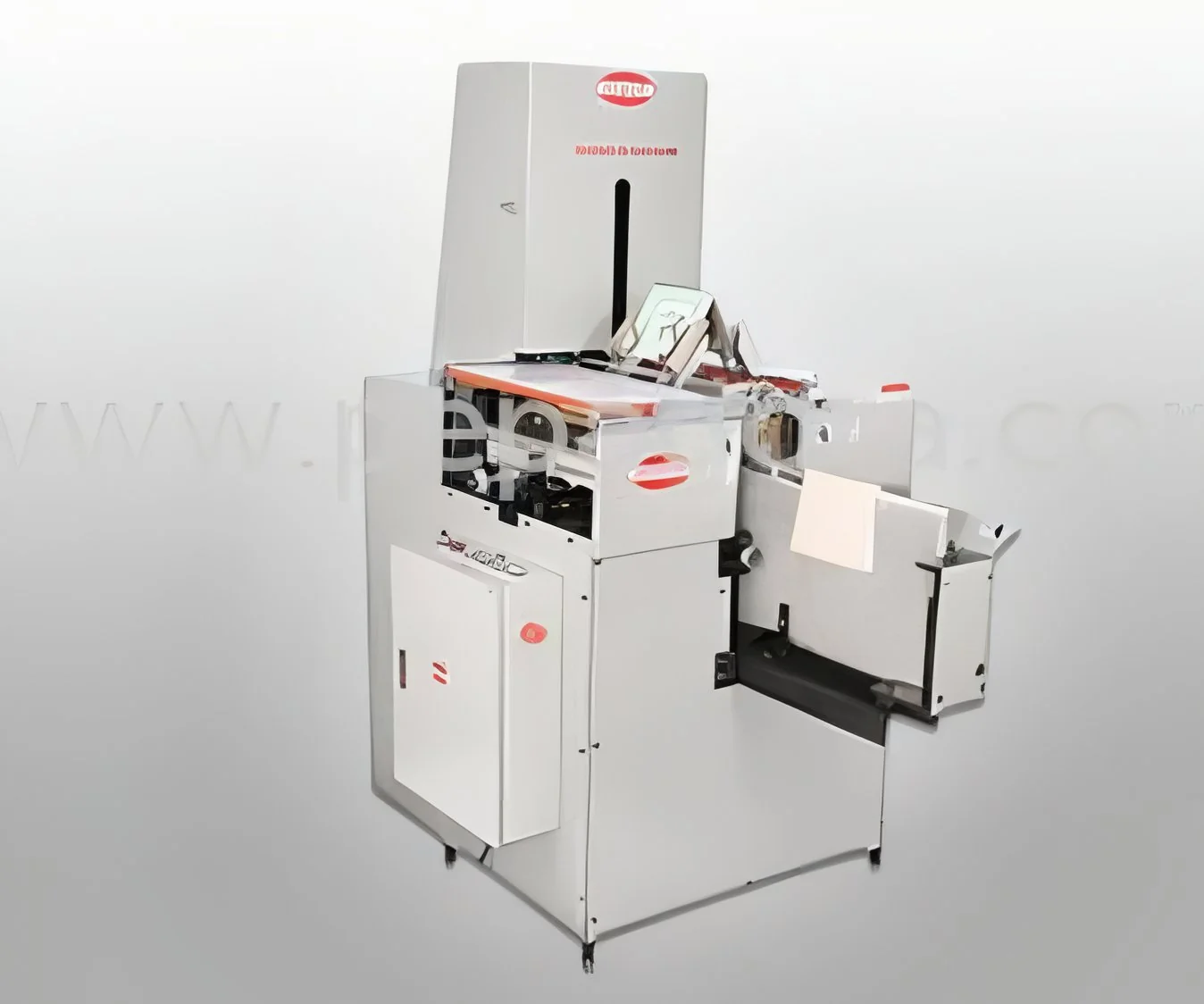
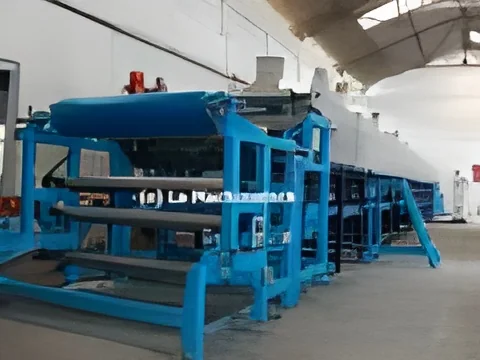
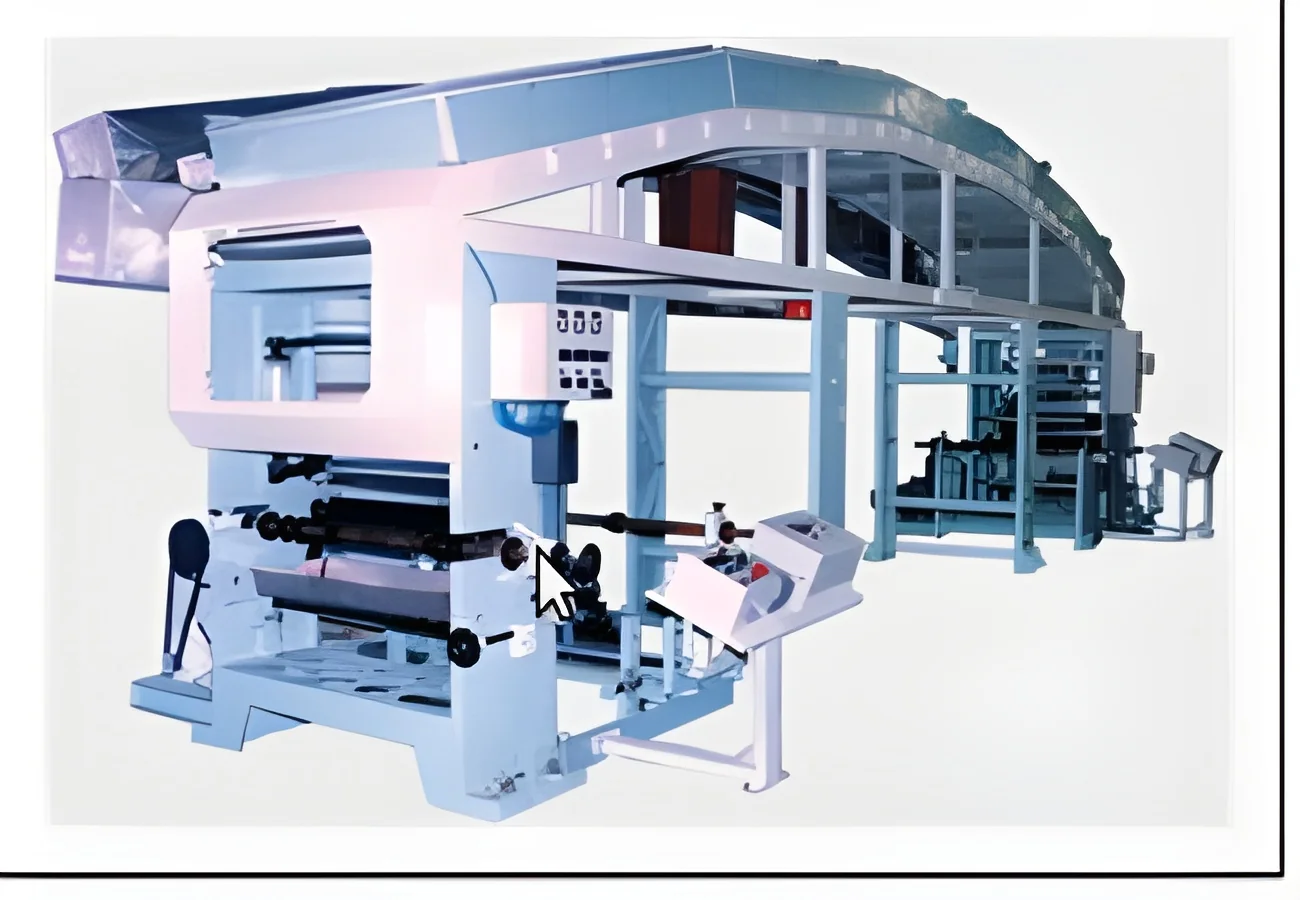
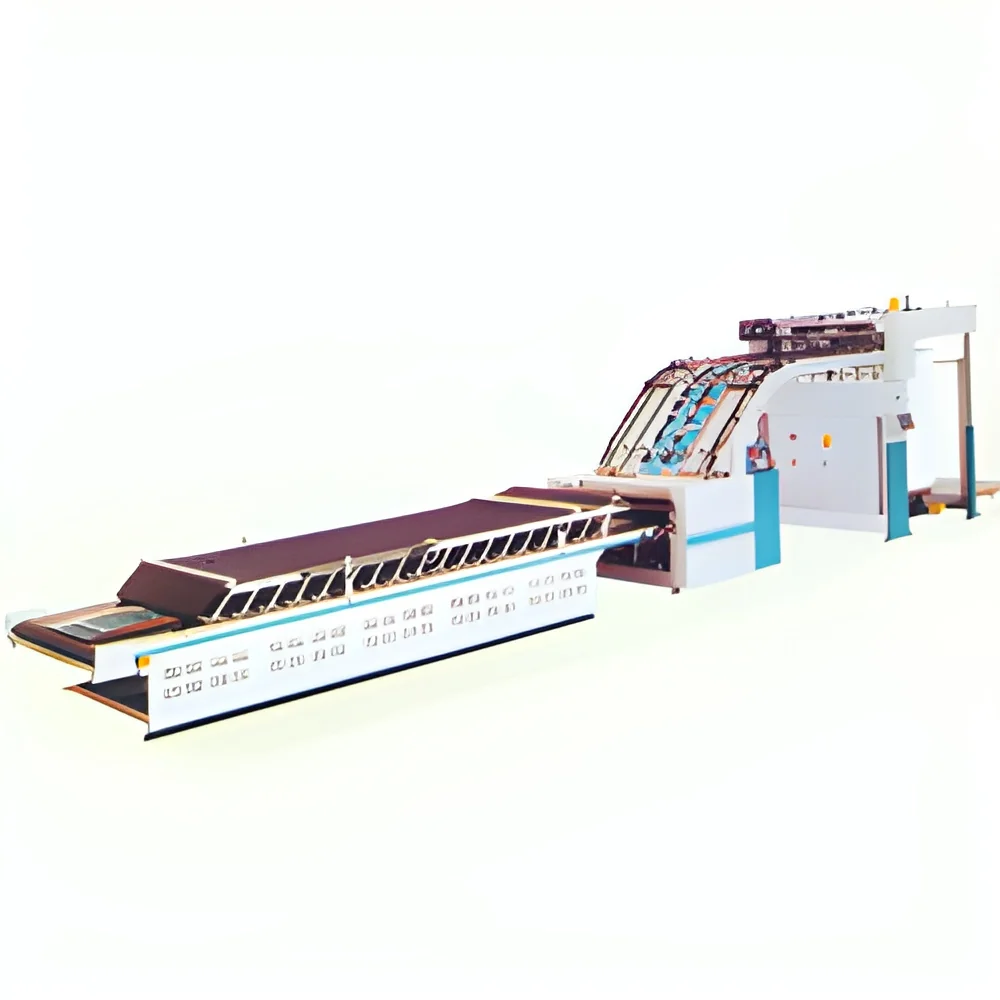
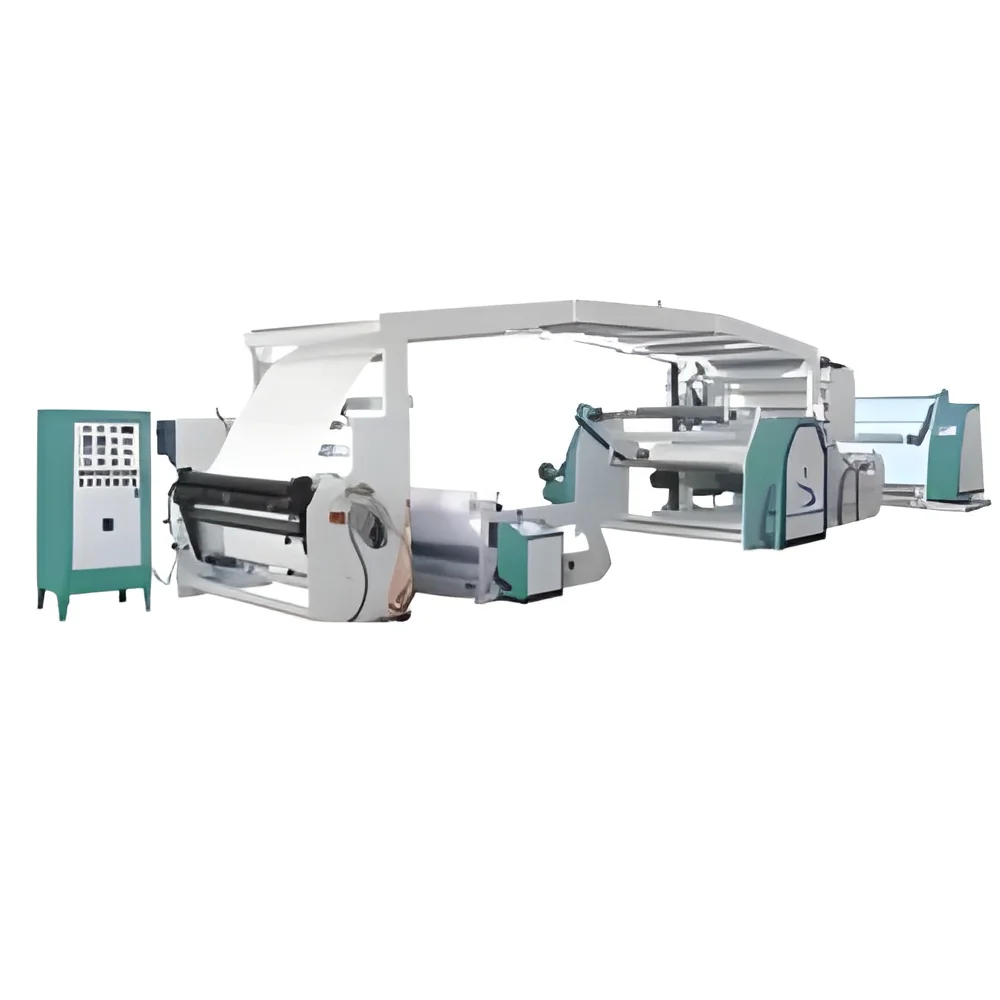
Designed for high-volume production, these machines can handle large-scale laminating tasks. They feature advanced technology for speed and efficiency, making them suitable for printing and packaging industries.
Cold Laminating Machines
These machines use pressure instead of heat to apply lamination, making them ideal for heat-sensitive materials. They are commonly used for posters, photographs, and delicate documents.
Benefits and Advantages
Laminating machines provide numerous benefits that enhance both product quality and operational efficiency.
1. Enhanced Durability: Laminated materials are more resistant to wear and tear, ensuring they last longer and maintain their quality over time.
2. Improved Aesthetics: The lamination process gives a professional finish to documents, making them more visually appealing and polished.
3. Moisture and Dirt Resistance: Laminated items are protected from moisture and dirt, which is particularly important in environments where materials may be exposed to spills or handling.
4. Versatility: Laminating machines can be used for a wide range of materials and applications, making them valuable assets across different industries.
5. Cost-Effective: By extending the lifespan of documents and products, laminating machines reduce the need for frequent replacements, ultimately saving money.
6. Easy to Use: Most laminating machines are designed for user-friendly operation, allowing staff to laminate materials quickly and efficiently.
Buying Guide for B2B Buyers
When sourcing laminating machines, it is essential to consider several key factors to ensure you make the right choice for your business.
1. Quality Assessment: Evaluate the build quality and reliability of laminating machines. Look for machines with positive reviews and proven performance in your industry.
2. Supplier Verification: Vet potential suppliers to ensure they have a good reputation and can provide quality machines. Check for customer testimonials and industry certifications.
3. Pricing and MOQ: Understand the pricing structure and minimum order quantities. Compare prices across different suppliers while keeping in mind the quality of the machines.
4. Delivery and Lead Times: Clarify delivery schedules and lead times with suppliers to ensure that you can meet your operational timelines without delays.
5. Compliance Requirements: Ensure that the machines meet relevant industry compliance and safety standards. This may include certifications like CE and adherence to local regulations.
Compliance and Certifications
Laminating machines must adhere to various quality standards and certifications to ensure safety and reliability.
ISO 9001 is a well-known quality management standard that ensures consistency in manufacturing processes and product quality. Compliance with ISO 9001 signifies that the laminating machines are produced under strict quality control measures.
CE certification indicates that the product meets European safety, health, and environmental protection standards. This certification is crucial for machines that will be used in the European market, ensuring they are safe for operation.
Safety and testing requirements are essential for laminating machines to prevent accidents and malfunctions. Regular testing and adherence to safety protocols help maintain operational integrity and user safety.
Regional compliance considerations may vary based on local regulations, so it is vital for buyers to ensure that their selected machines comply with applicable laws in their region.
Why Source Laminating Machines from Pepagora?
Pepagora provides a trusted platform for sourcing laminating machines, offering several key advantages that benefit B2B buyers.
Verified Supplier Network: Pepagora connects buyers with verified suppliers, ensuring that all vendors meet high standards of quality and reliability. This helps buyers make informed choices and reduces the risk associated with sourcing.
Streamlined RFQ Process: The platform simplifies the request for quotation process, allowing buyers to efficiently gather quotes from multiple suppliers. This ensures that buyers can easily compare options and make the best purchasing decision.
Trade Assurance and Support: Pepagora offers trade assurance to protect buyers throughout their purchasing journey. This includes support for any issues that may arise during the transaction, ensuring a seamless experience.
Regional Coverage: With a strong presence in markets such as India, the GCC, and Southeast Asia, Pepagora provides extensive geographic reach. This allows buyers to access a wide range of suppliers and products tailored to their specific regional needs.

 IN
IN