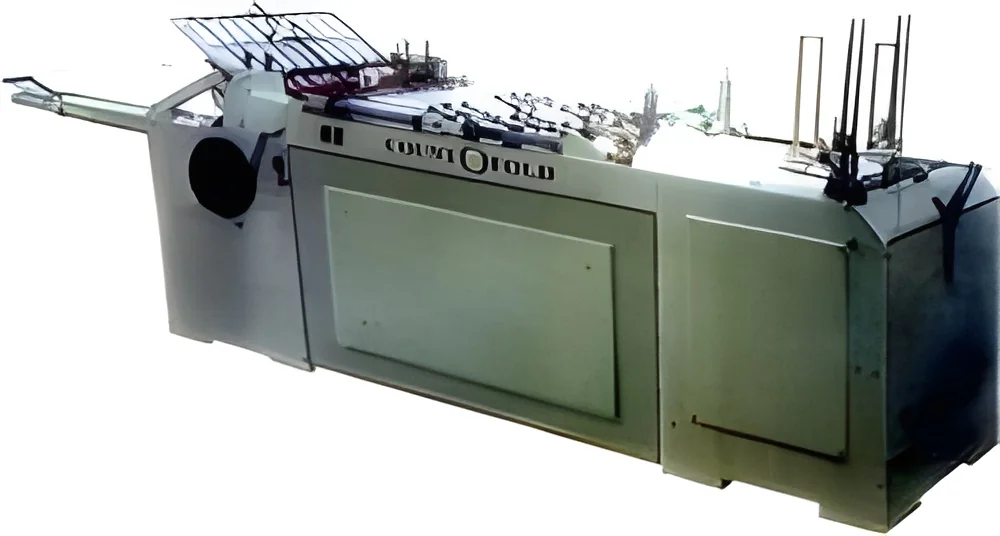
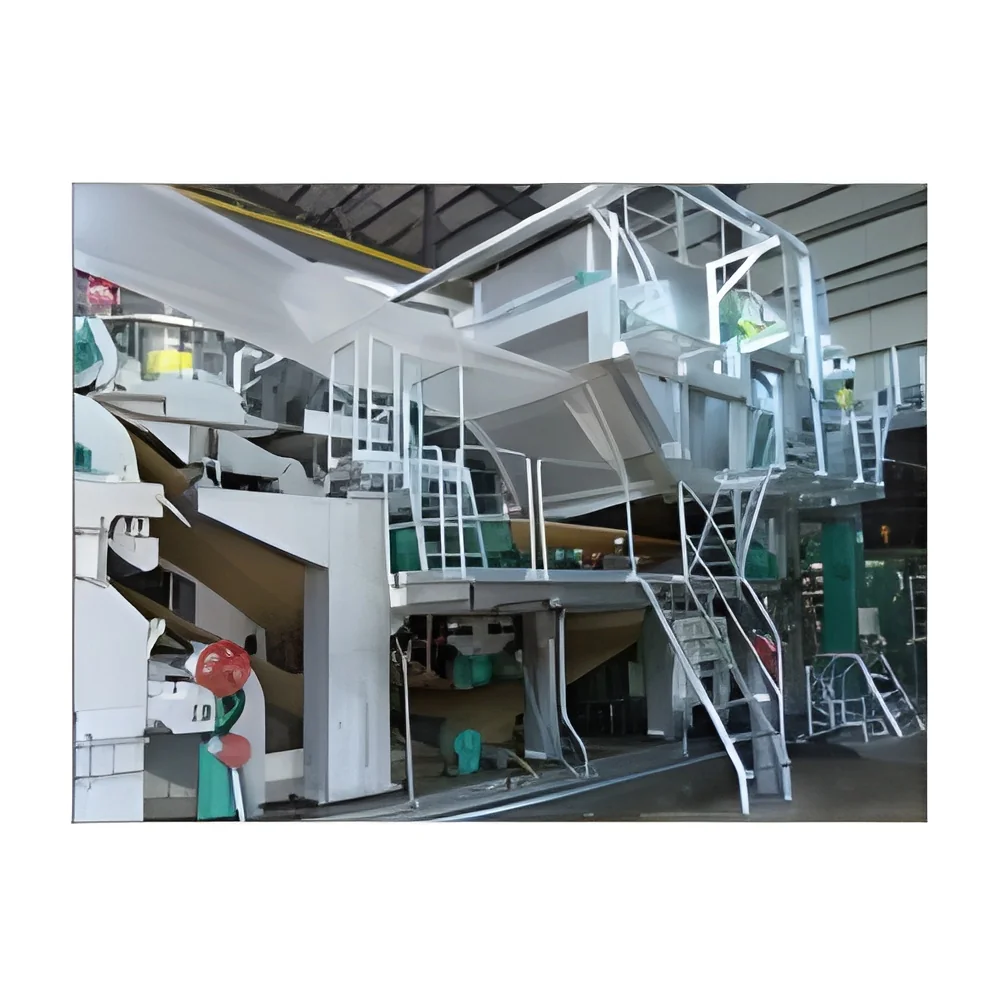
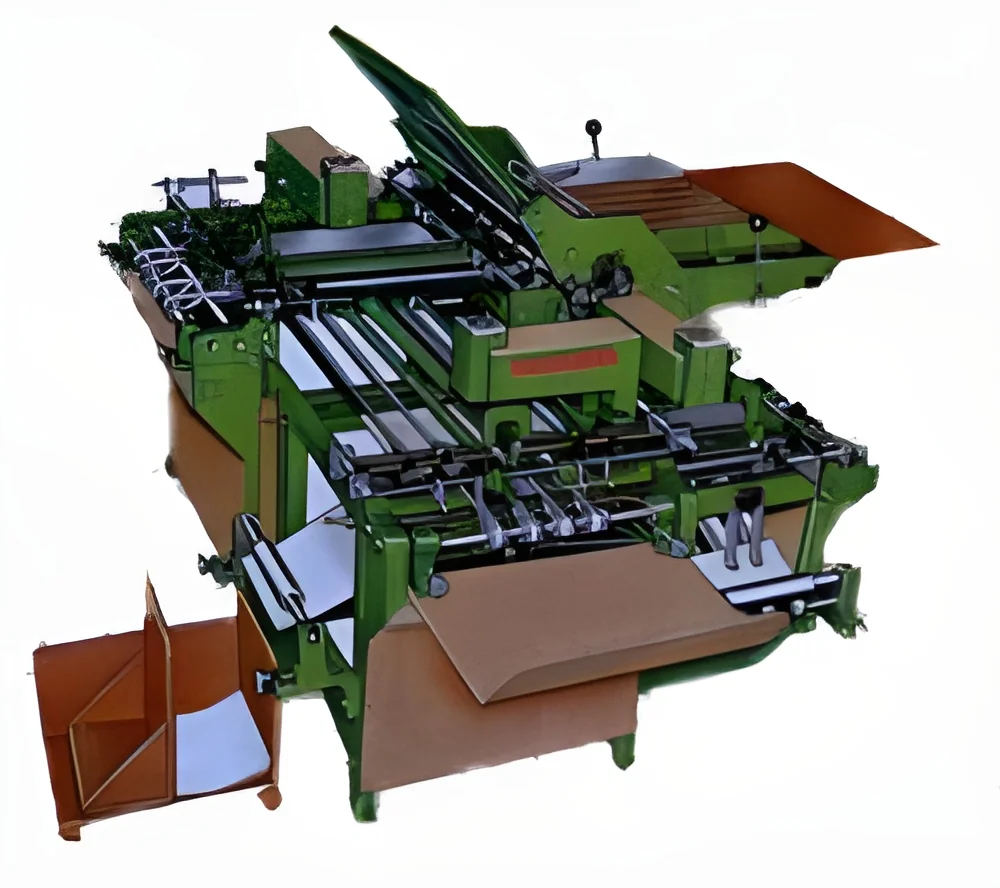
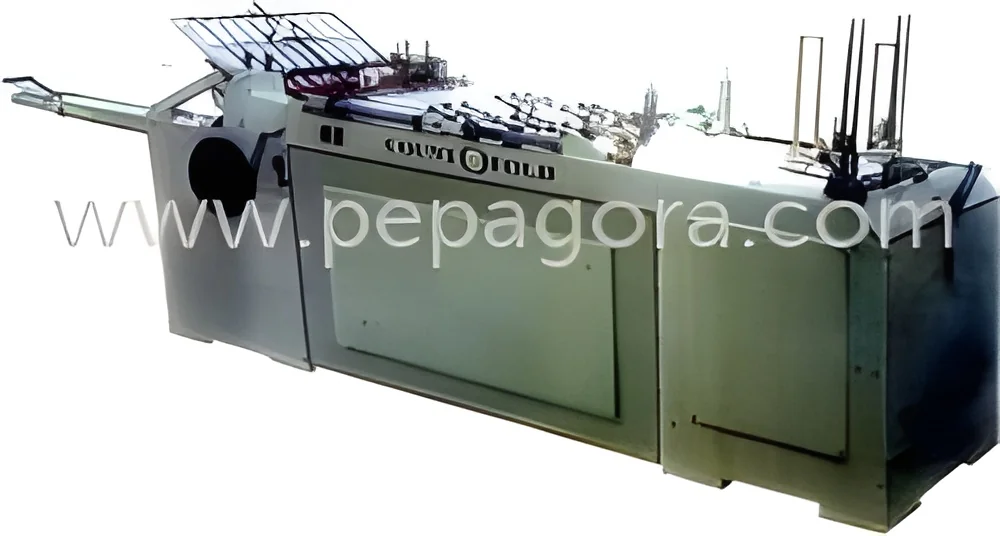
What are Folding & Creasing Machines?
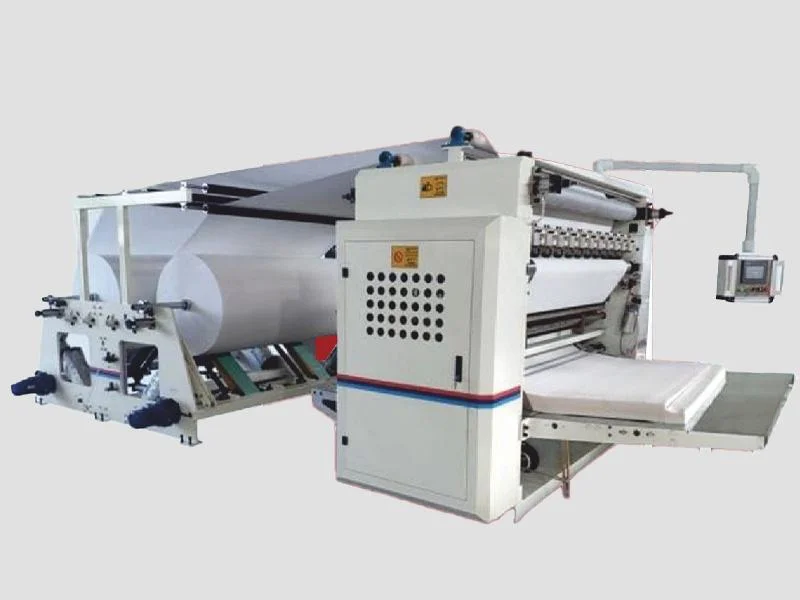
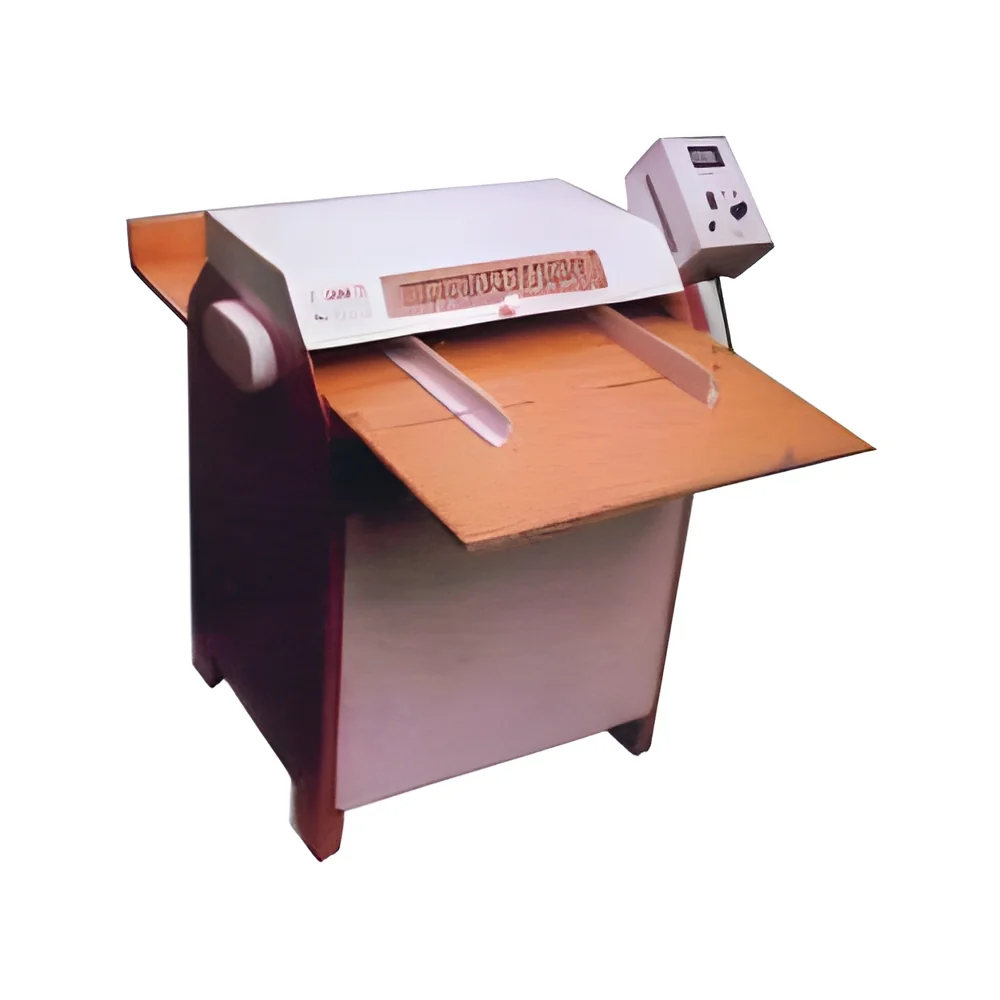
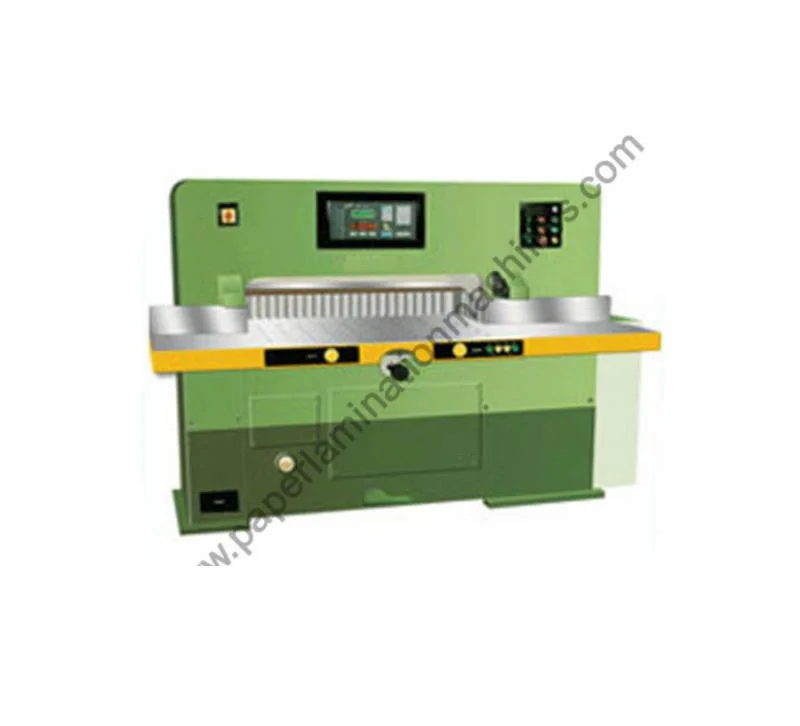
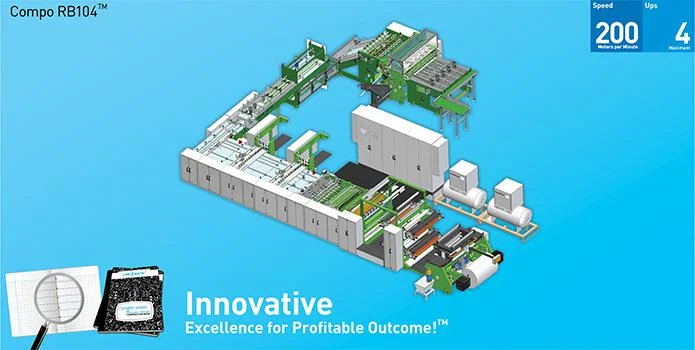
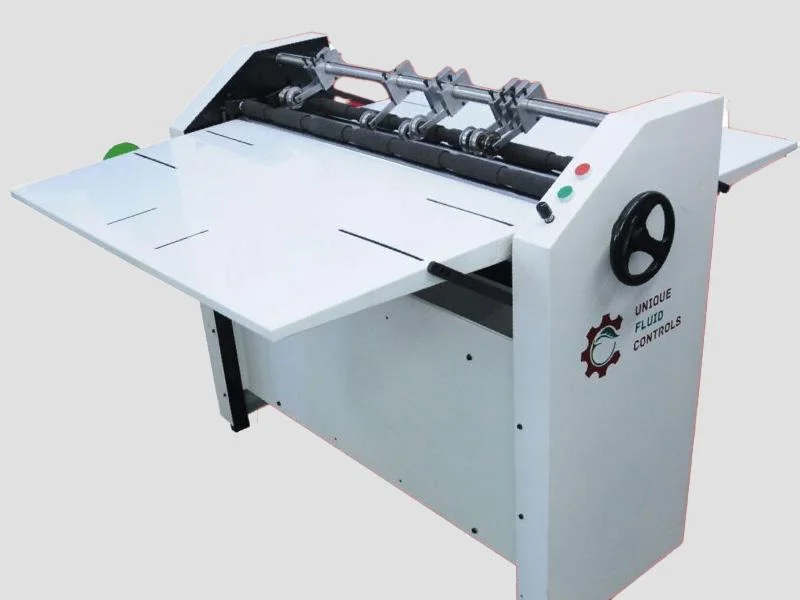
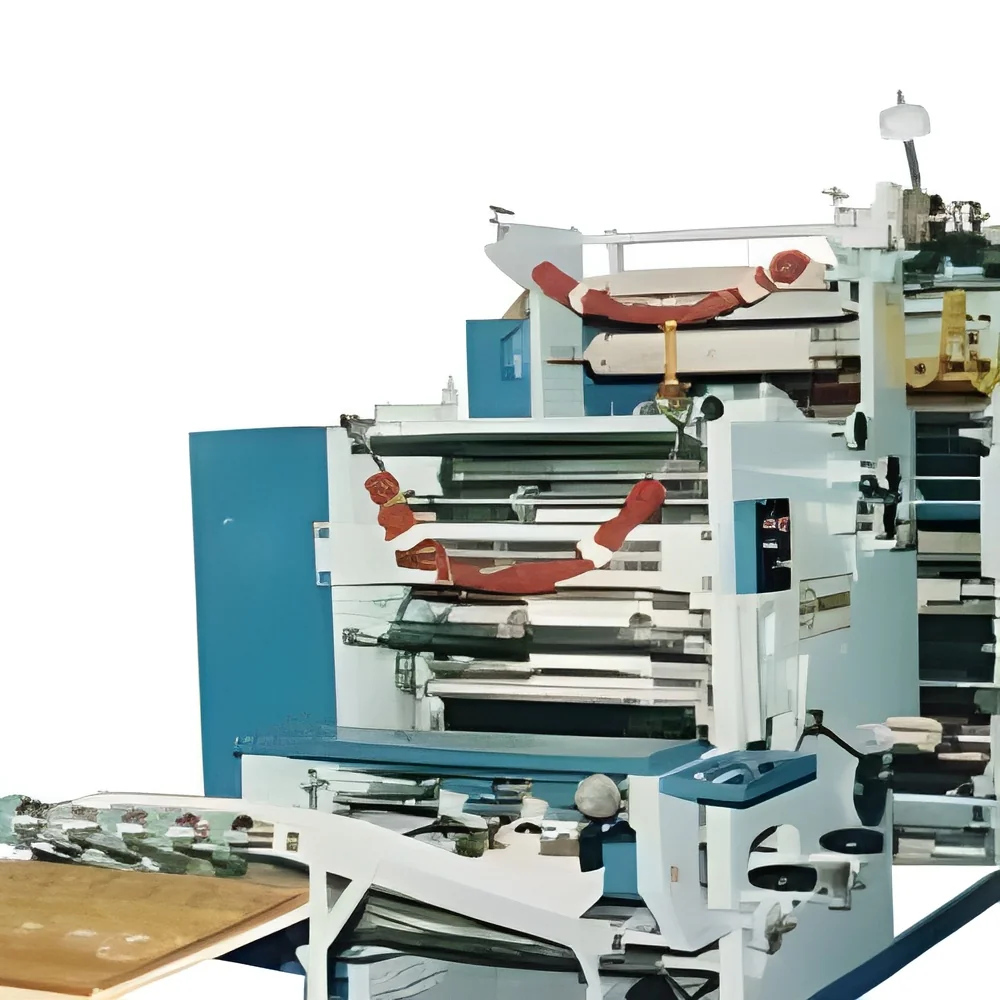
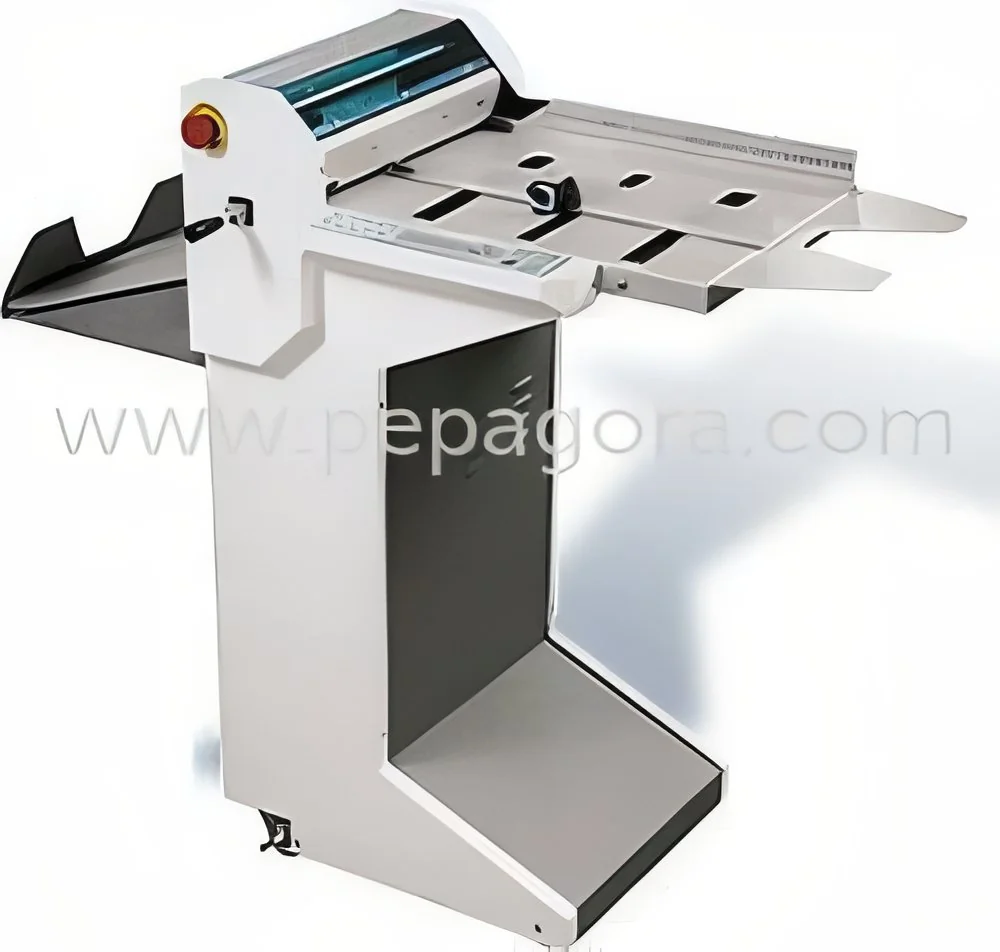
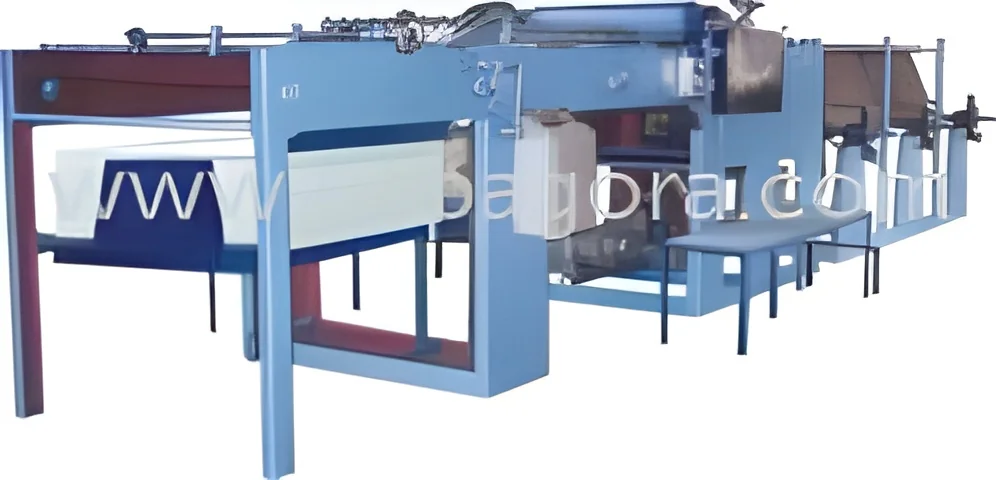
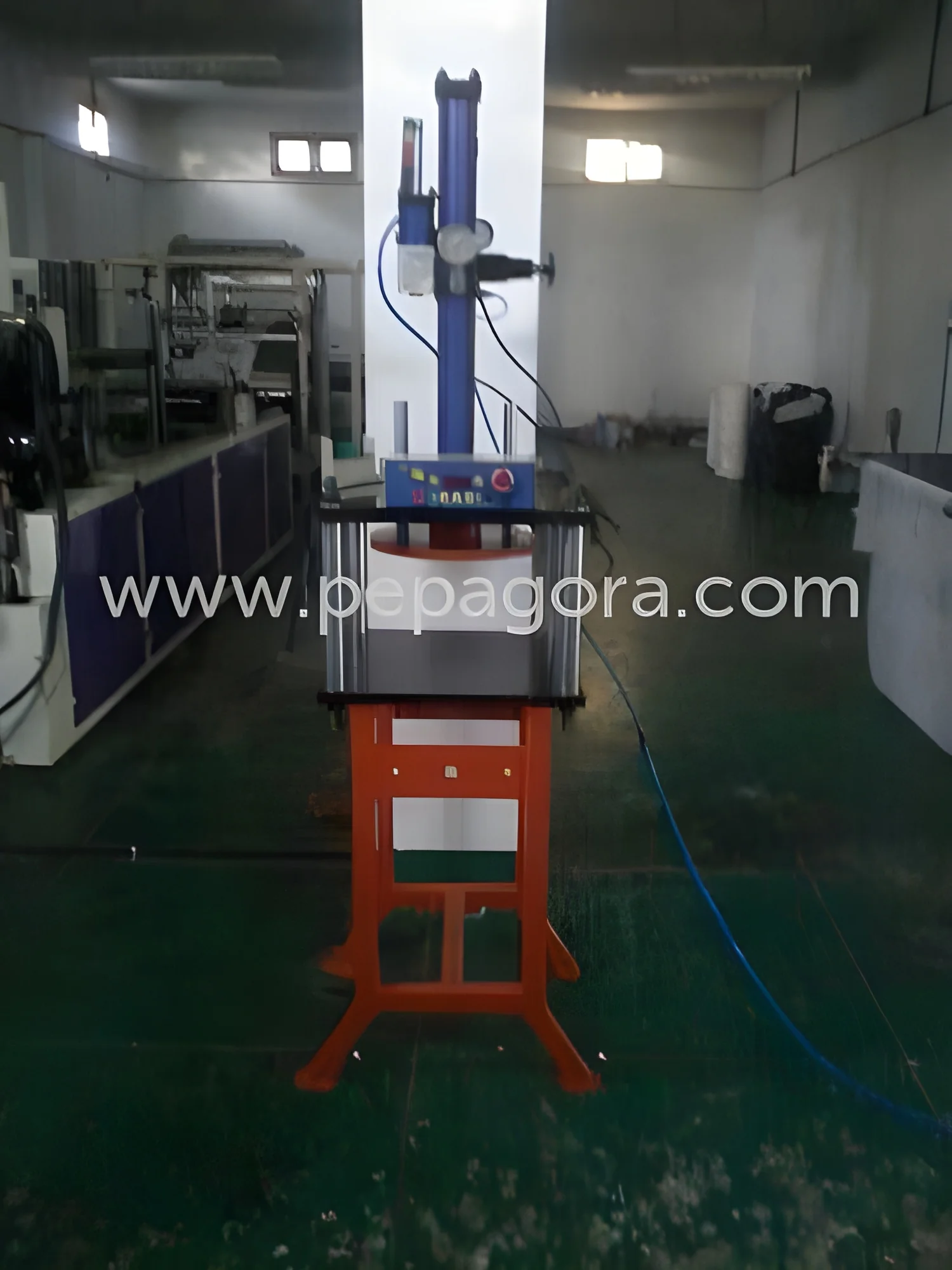
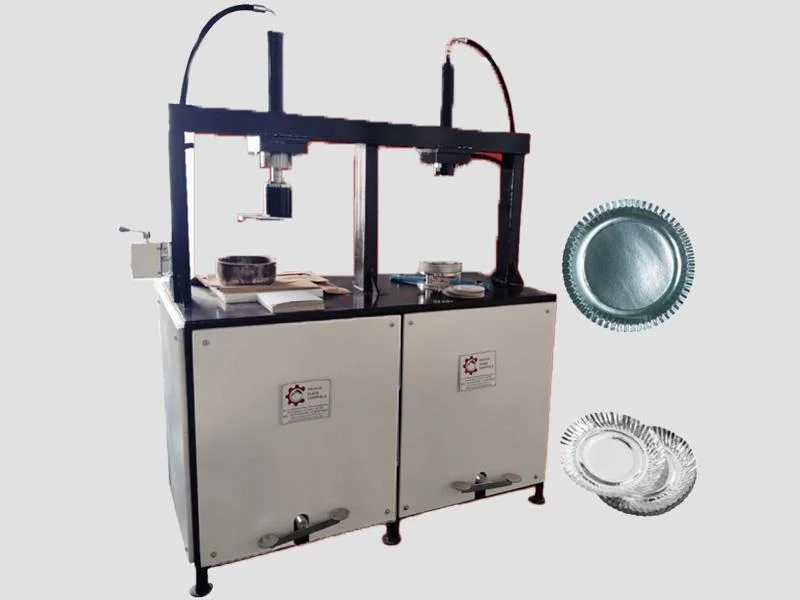
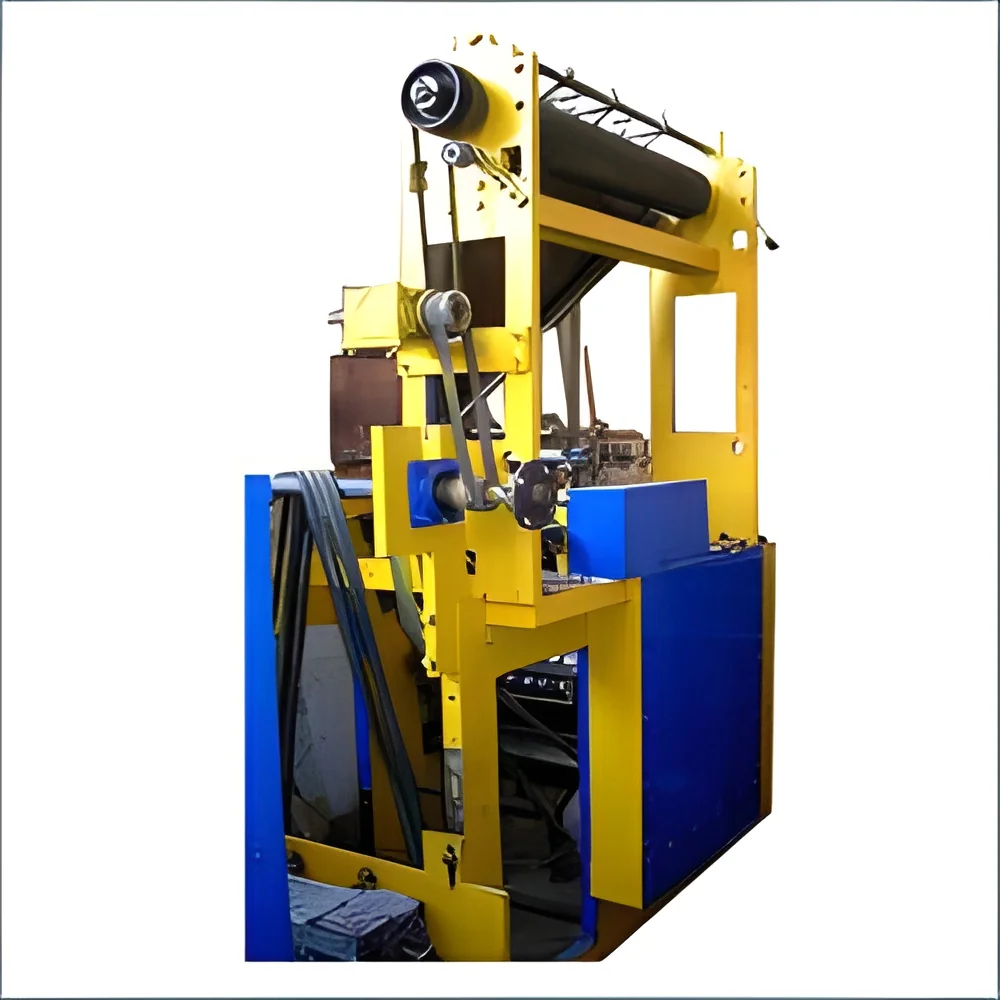
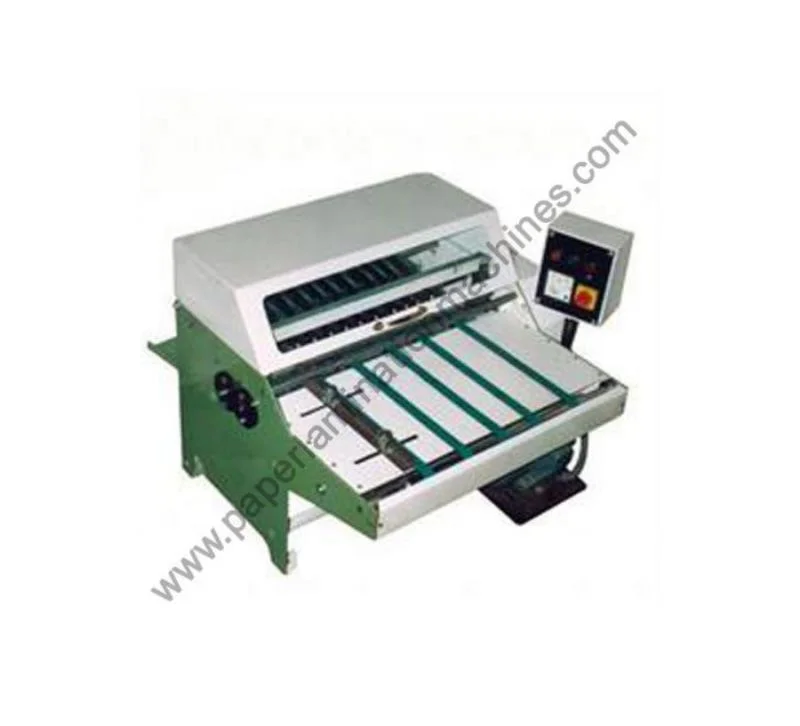
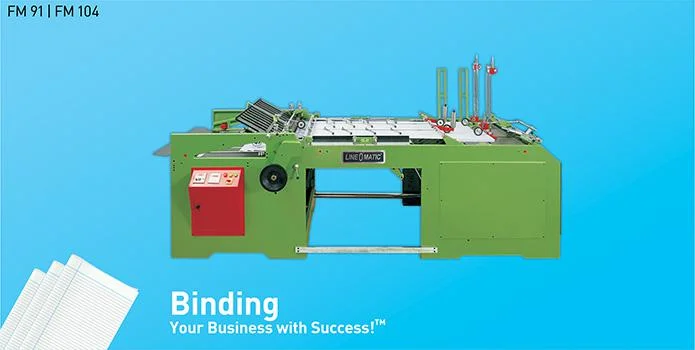
Folding and creasing machines are specialized equipment designed for the precise folding and creasing of paper and board materials. These machines streamline the process of creating folds and creases in various substrates, which is essential for producing high-quality printed materials such as brochures, boxes, and packaging components. They are engineered to handle different paper weights and sizes, ensuring accuracy and efficiency in production.
These machines are primarily used in the printing and packaging industries, where they facilitate the quick and accurate preparation of materials for further processing. Businesses utilize folding and creasing machines to enhance their workflow, reduce manual labor, and increase output. As a result, they are a vital component in the production lines of printing firms, packaging companies, and even in the manufacture of stationery products. The market for these machines appears robust, driven by the ongoing demand for packaging and printed materials across various sectors.
Key Features and Specifications
Folding and creasing machines are equipped with a variety of features to enhance productivity and ensure precision in folding and creasing operations. These machines come with advanced technology that allows for various configurations and settings to accommodate different production needs.
Key specifications include:
1. Folding Speed
- The speed at which the machine can fold materials, typically measured in sheets per minute.
- Ranges can vary widely, often between 5,000 to 20,000 sheets per hour.
2. Creasing Depth
- The depth of the crease that can be achieved, which is crucial for different stock thicknesses.
- Usually adjustable to accommodate various material types.
3. Paper Size Compatibility
- The range of paper sizes the machine can handle, including standard and custom sizes.
- Commonly supports sizes from A4 to B2 and larger formats.
4. Power Consumption
- The electrical requirements for operation, indicating efficiency and operational costs.
- Usually ranges from 1.5 kW to 5 kW depending on the model.
5. Control System
- Type of control system used, which can be manual, semi-automatic, or fully automatic.
- Advanced models may feature touch screen interfaces for easy operation.
6. Construction Material
- The materials used in the machine’s construction, affecting durability and longevity.
- Typically made of heavy-duty steel and high-quality components.
7. Maintenance Requirements
- Frequency and ease of maintenance required for optimal operation.
- Some machines have self-lubricating features or require periodic manual checks.
8. Noise Levels
- The operational noise level, which can be a consideration in work environments.
- Generally designed to operate below 85 dB for user comfort.
In summary, folding and creasing machines are versatile tools that enhance production efficiency and quality in various industries, making them essential for modern printing and packaging operations.
Common Applications and Use Cases
Folding and creasing machines find applications across a spectrum of industries, catering to various specific needs.
1. Printing Industry: These machines are crucial for preparing printed sheets for final products like brochures, flyers, and booklets. They ensure clean folds and accurate creases that enhance the visual appeal of printed materials.
2. Packaging Industry: In packaging, folding and creasing machines are used to create boxes and cartons. They help in forming packages that are ready for assembly, ensuring that packaging is effective and visually appealing.
3. Stationery Manufacturing: Manufacturers of greeting cards, envelopes, and other stationery products utilize these machines to achieve precise folds and creases, ensuring professional-quality finishes.
4. Textile Industry: In some cases, these machines are adapted for use in textiles to crease and fold materials before they are cut or sewn, improving efficiency in garment manufacturing.
5. Craft and DIY Industries: Hobbyists and small businesses producing custom paper goods often rely on folding and creasing machines to create intricate designs and products.
Product Variants and Subcategories
Folding and creasing machines come in various configurations to meet specific production needs.
Semi-Automatic Folding and Creasing Machines: These machines offer a blend of manual and automated processes, ideal for small to medium-sized operations. They provide flexibility and are easy to operate, making them suitable for diverse tasks.
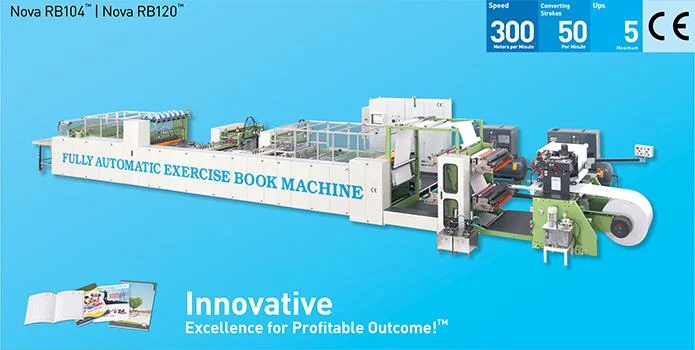
Fully Automatic Folding and Creasing Machines: Designed for high-volume production, these machines provide advanced automation capabilities. They can handle large batches with minimal operator intervention, making them perfect for large printing and packaging companies.
Manual Folding and Creasing Machines: These are more basic models suited for small businesses or workshops. They require manual input for operation and are typically more cost-effective, providing essential functions without advanced features.
Benefits and Advantages
Investing in folding and creasing machines brings several advantages to businesses.
1. Increased Efficiency: These machines automate the folding and creasing process, significantly reducing production time and labor costs.
2. Improved Accuracy: Precision engineering ensures consistent folds and creases, which enhances the quality of the final products.
3. Versatility: Folding and creasing machines can handle various materials and sizes, making them suitable for different applications across industries.
4. Reduced Waste: Accurate operation leads to less material waste, optimizing resource use and lowering production costs.
5. Enhanced Production Capacity: With the ability to process large volumes quickly, businesses can increase their output and respond better to market demands.
6. Simplified Workflow: By integrating folding and creasing into the production line, businesses can streamline operations and improve overall workflow efficiency.
Buying Guide for B2B Buyers
When sourcing folding and creasing machines, several factors should be taken into consideration to ensure the right choice for your business needs.
1. Quality Assessment: Evaluate the machine's build quality and reliability. Look for models that are constructed from durable materials and have positive user reviews.
2. Supplier Verification: Ensure that you are dealing with reputable suppliers. Check for industry certifications and customer feedback to validate their credibility.
3. Pricing and MOQ: Understand the pricing structure and minimum order quantities required by suppliers. This helps in budgeting and planning your procurement strategy.
4. Delivery and Lead Times: Consider the logistics involved in acquiring the machines. Check the expected lead times for delivery and any associated shipping costs.
5. Compliance Requirements: Be aware of any regulatory needs that apply to the machines, including safety standards and industry-specific certifications.
Compliance and Certifications
Folding and creasing machines must adhere to various quality standards and certifications to ensure safety and reliability. Commonly recognized standards include ISO 9001, which focuses on quality management systems, and CE marking, which indicates conformity with European health, safety, and environmental protection standards.
Manufacturers should also consider industry-specific certifications like HACCP or GDP, particularly if the machines are used in food packaging or pharmaceutical applications.
Safety testing requirements are paramount, ensuring that machines are designed with user safety in mind. Additionally, businesses must be cognizant of regional compliance considerations, as regulations may vary by location. This ensures that the equipment meets local laws and industry standards, thereby minimizing risks associated with non-compliance.
Why Source Folding & Creasing Machines from Pepagora?
Pepagora provides a trusted platform for sourcing folding and creasing machines with several key advantages.
Verified Supplier Network: Pepagora connects buyers with a network of verified suppliers, ensuring that each vendor meets stringent quality and reliability standards. This helps businesses find reputable sources for their machinery needs.
Streamlined RFQ Process: The platform offers a streamlined request for quotation (RFQ) process that simplifies the procurement journey. Buyers can easily submit their requirements and receive competitive quotes from multiple suppliers.
Trade Assurance and Support: Pepagora offers trade assurance, providing buyers with protection throughout the purchasing process. This includes support for resolving disputes and ensuring that transactions are secure and trustworthy.
Regional Coverage: With a broad geographic reach across India, the GCC, and Southeast Asia, Pepagora allows businesses to connect with local suppliers, reducing shipping times and costs while tapping into regional markets effectively.
By choosing Pepagora, businesses can enhance their sourcing experience for folding and creasing machines, ensuring they find the right equipment at competitive prices.

 IN
IN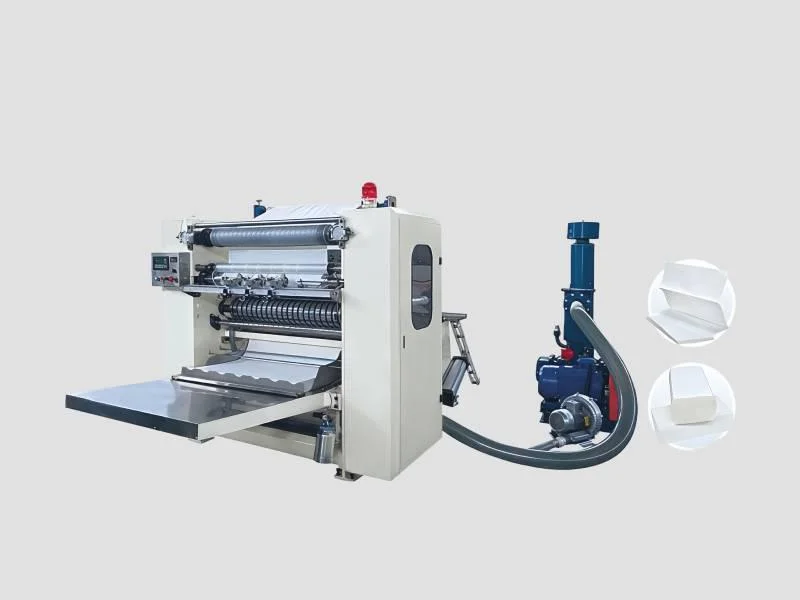

.webp)