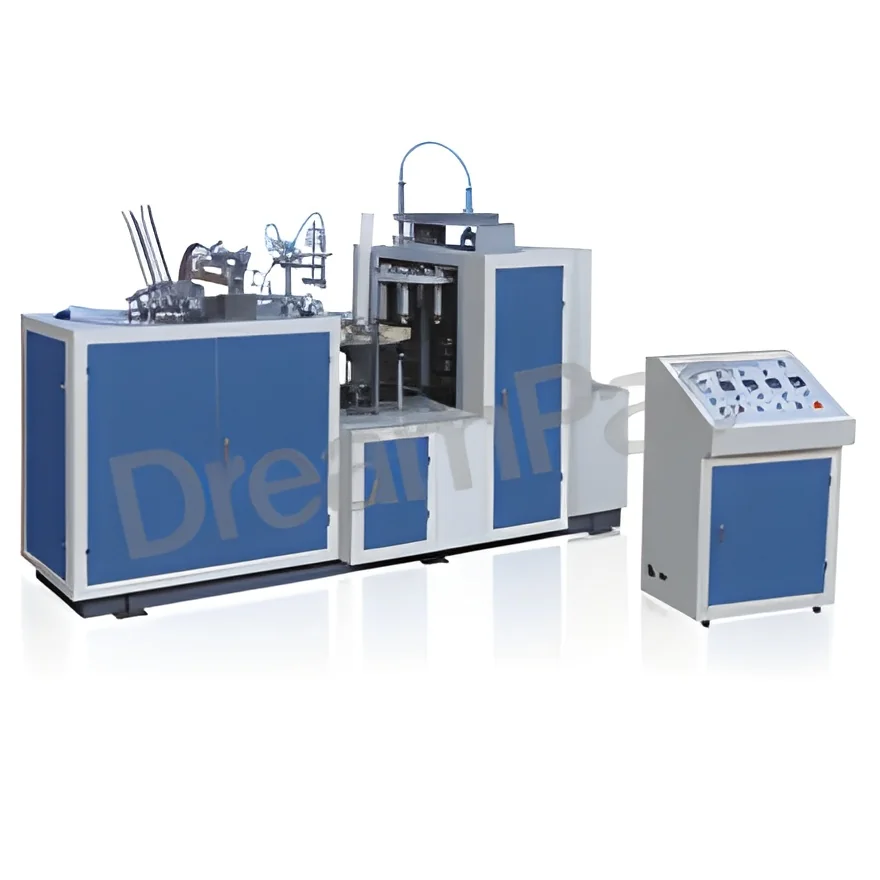
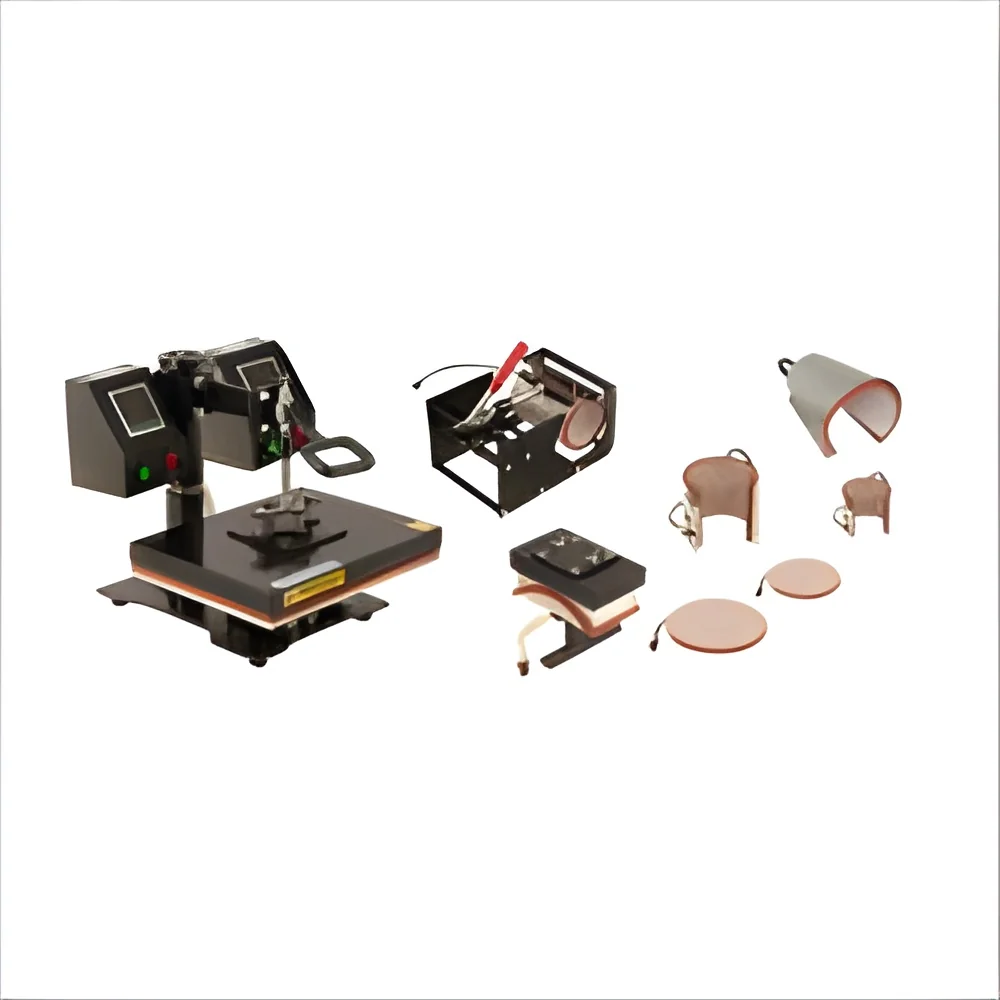
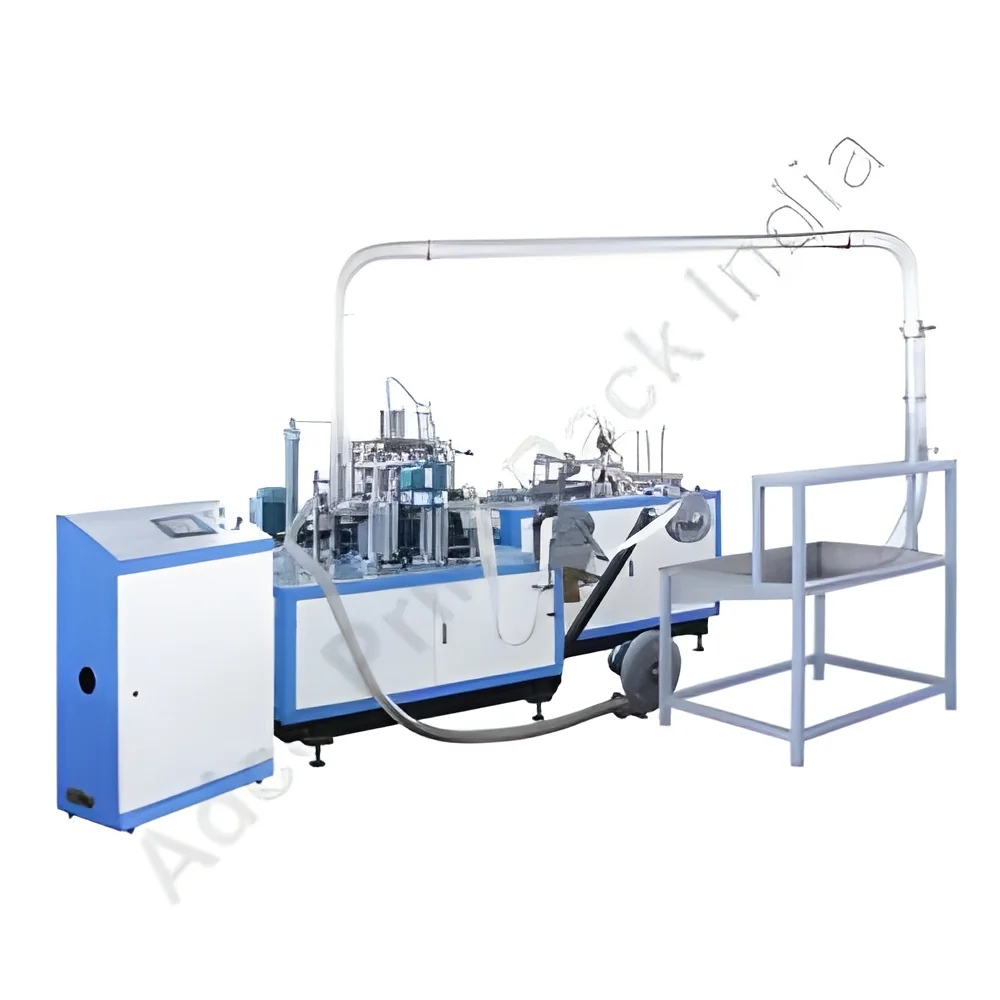
What are Pad Printers?
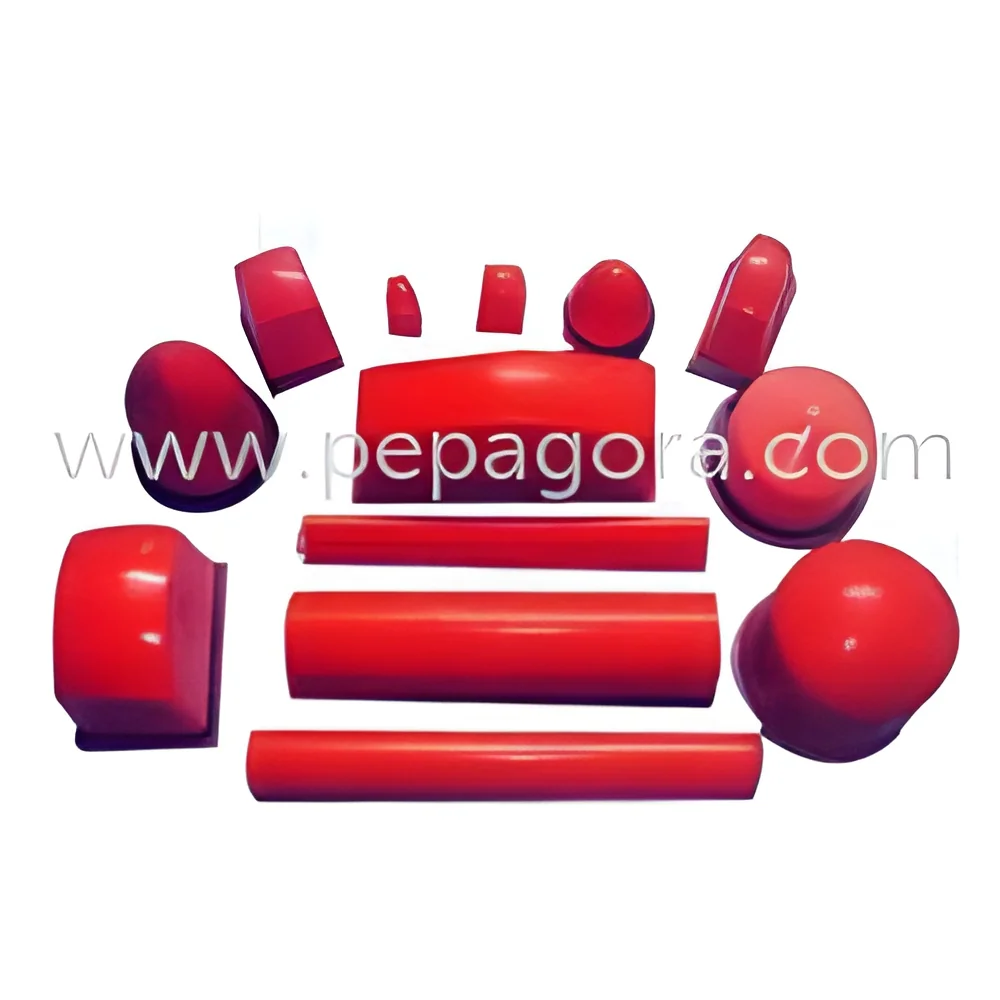
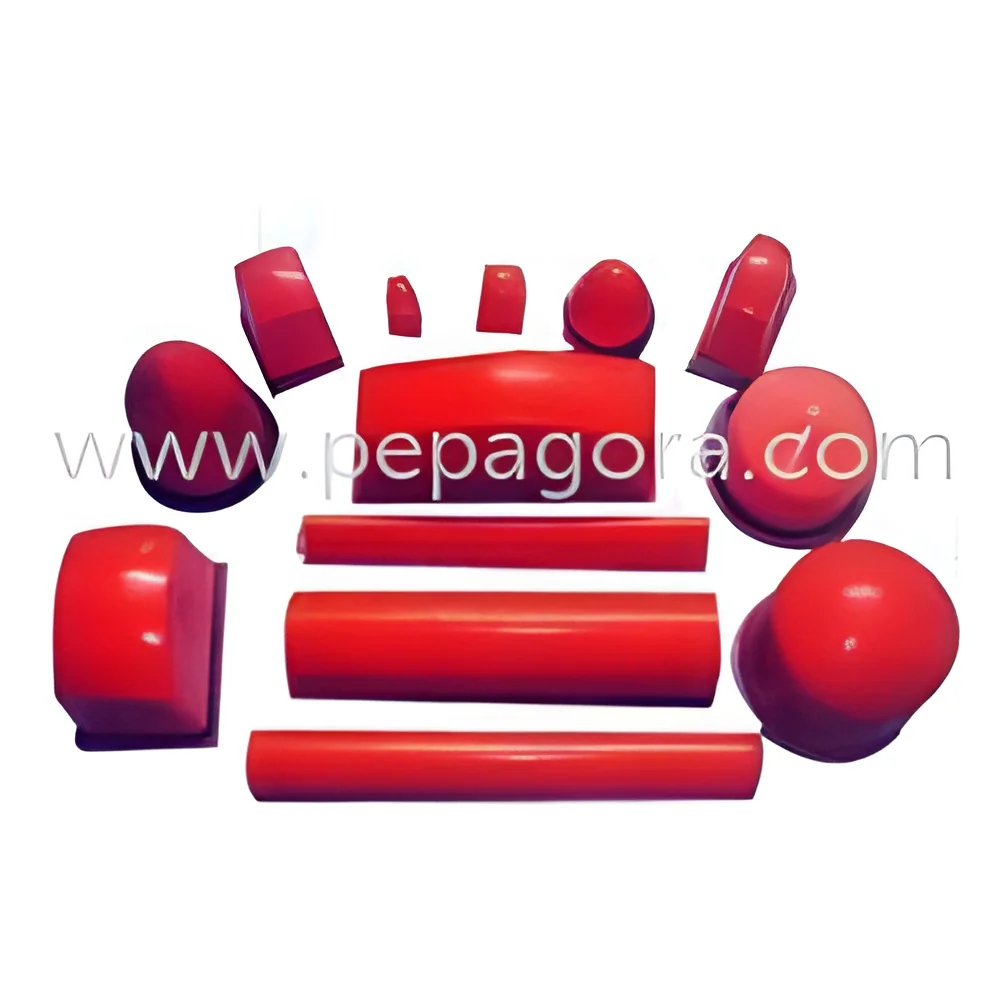
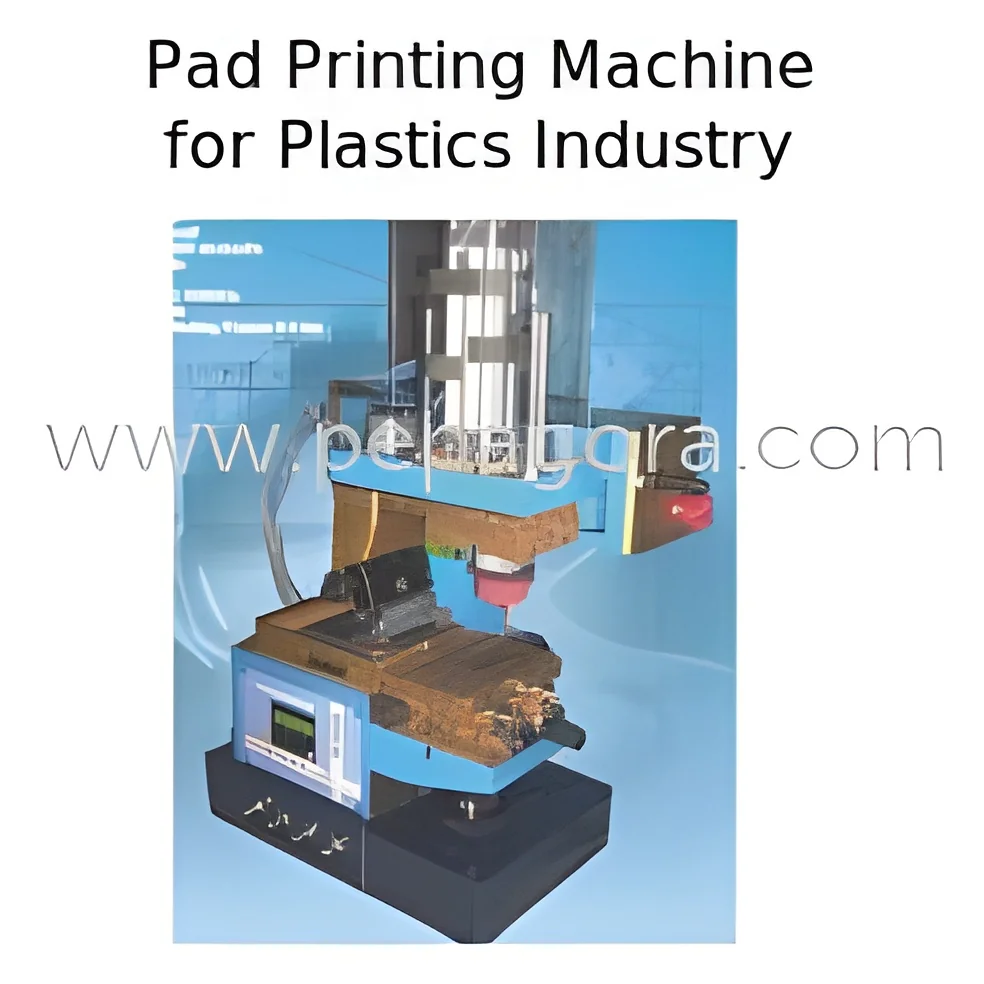
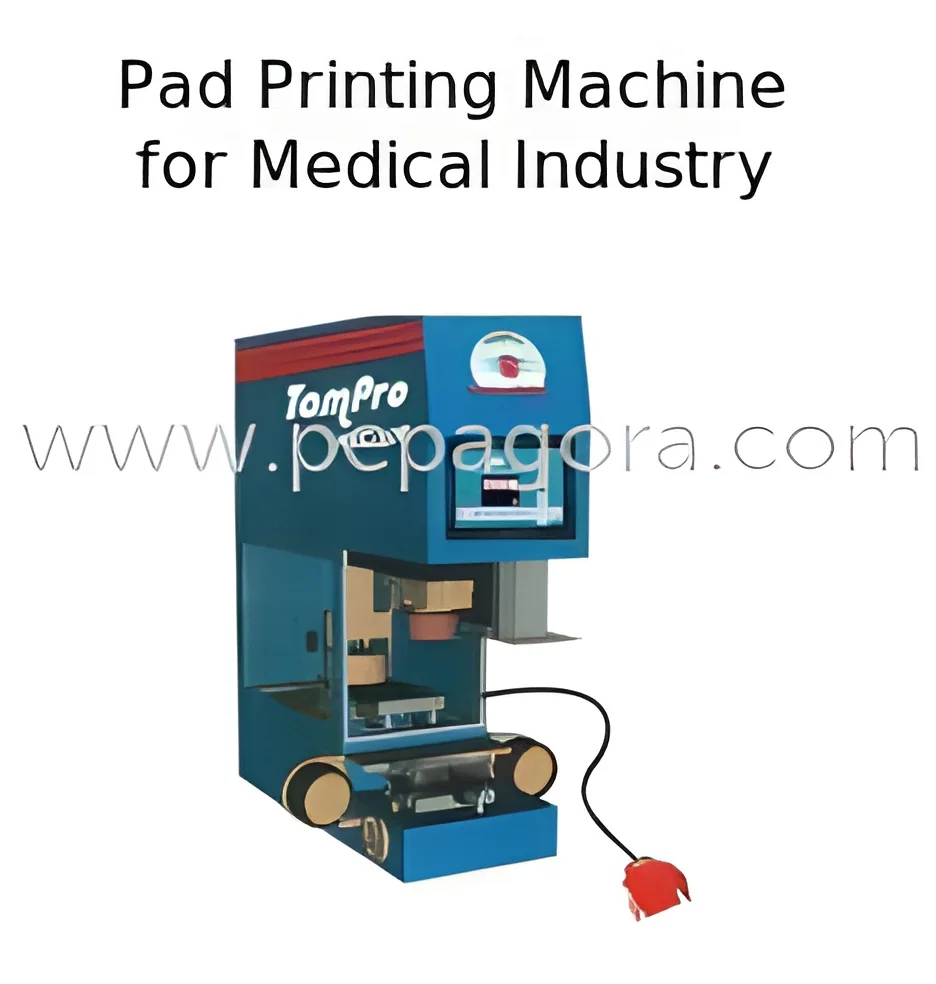
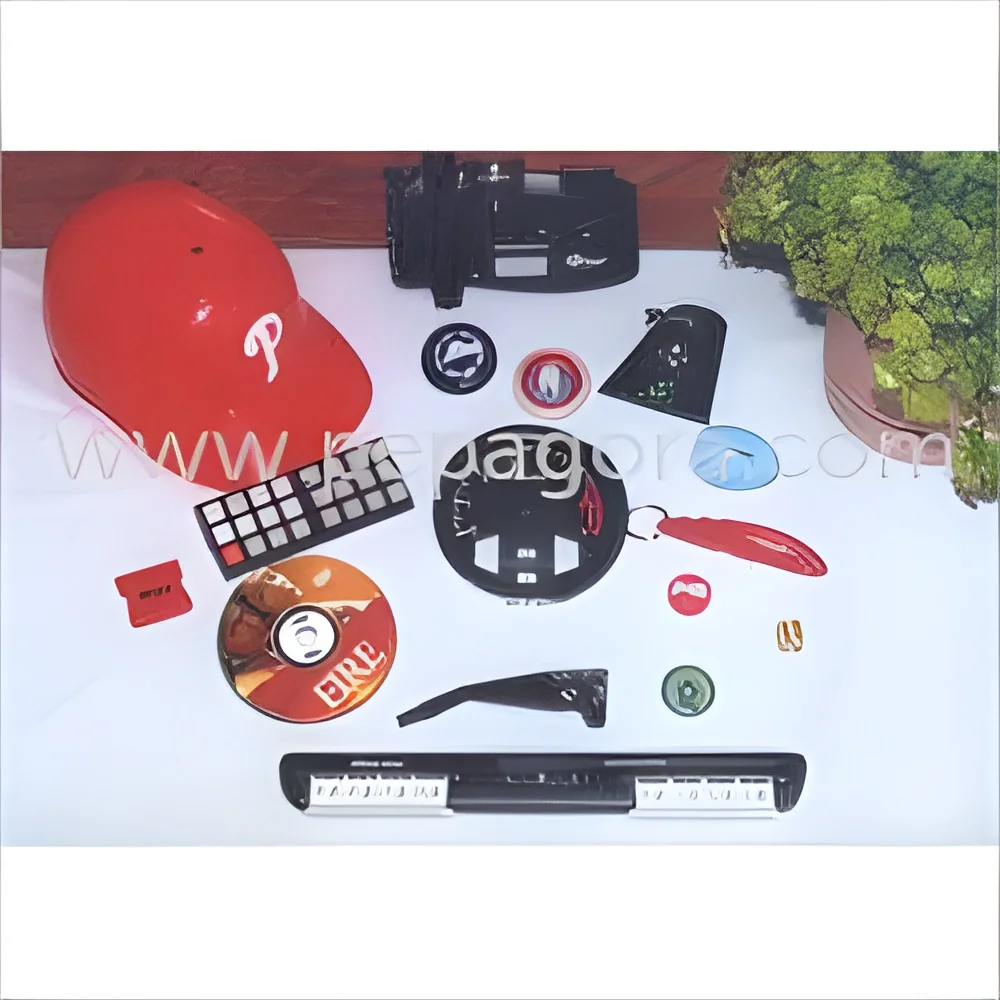
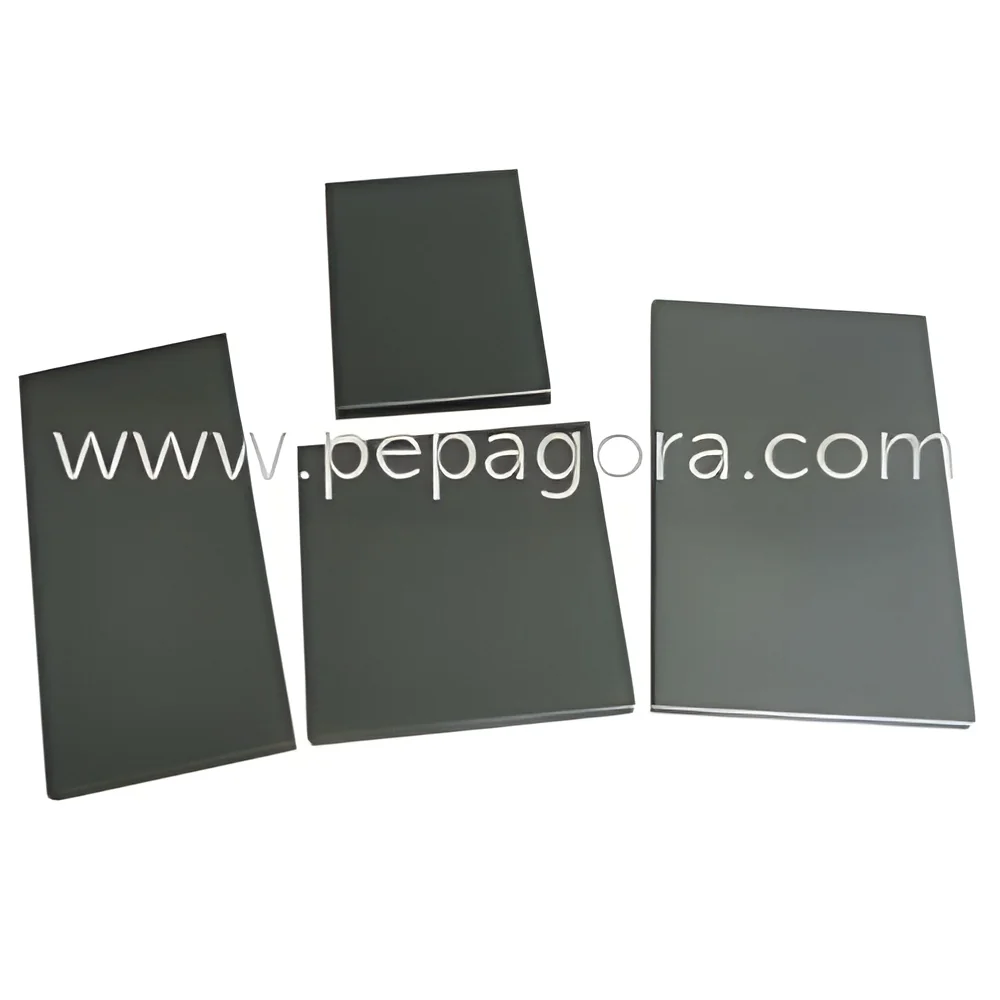
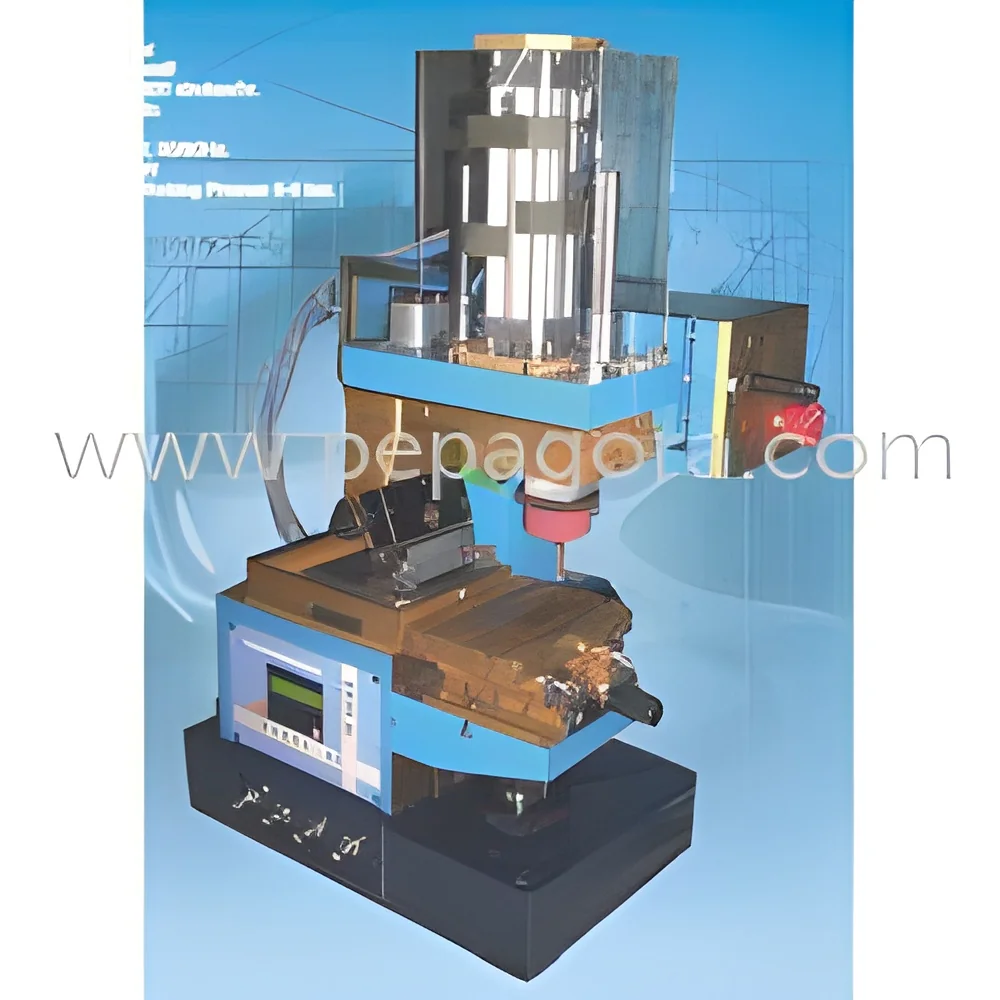
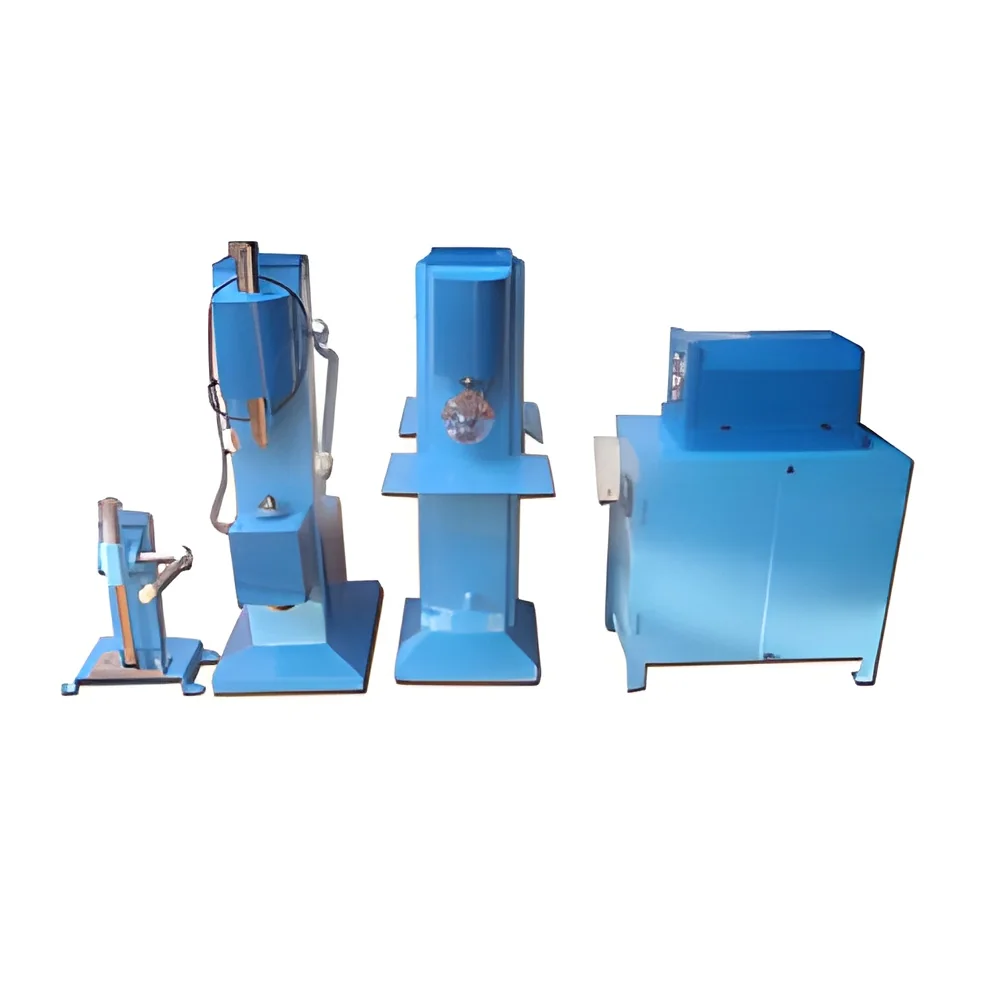
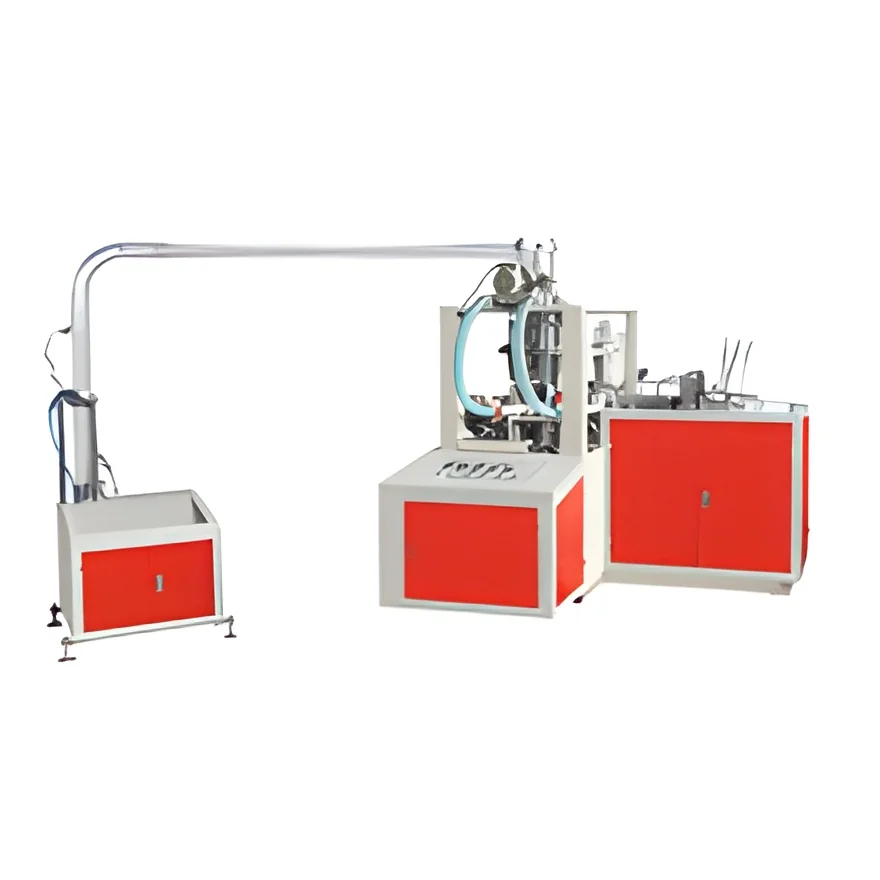
Pad printers are specialized printing machines that utilize a silicone pad to transfer ink onto various substrates. This method allows for printing on irregularly shaped objects, providing versatility that traditional printing techniques may not offer. The pad picks up the ink from an etched plate and then transfers it to the desired surface, enabling high-quality prints on a wide variety of materials, including plastic, glass, metal, and ceramics.
Pad printers are commonly used in various industries for branding and customization purposes. They are particularly popular for printing logos, labels, and designs on promotional items, consumer goods, and industrial components. Businesses leverage pad printing for its ability to achieve fine detail and vibrant colors, making it an ideal choice for both large-scale production and small-batch runs. The technology is gaining traction in markets where customization and unique branding are increasingly important.
As industries continue to evolve, the relevance of pad printing remains strong. With advancements in technology and increasing demand for high-quality printed products, pad printers are becoming essential tools for manufacturers and marketers alike. The global market for pad printing is expected to grow, driven by innovations in printing processes and materials, making it a pivotal component in modern industrial applications.
Key Features and Specifications
Pad printers come with a variety of features that enhance their functionality and efficiency. Understanding these specifications is crucial for businesses looking to invest in pad printing technology.
Key specifications include:
1. Printing Area
- The maximum size of the area that can be printed in one operation.
- Typically ranges from 50 mm x 50 mm to 300 mm x 300 mm.
2. Ink Type
- The type of ink used can vary, including solvent, UV, and water-based inks.
- Each ink type offers different properties suited for specific materials.
3. Printing Speed
- The number of prints produced in a given time frame.
- Common speeds range from 600 to 1200 pieces per hour, depending on the machine.
4. Plate Size
- The dimensions of the printing plate used for transferring ink.
- Standard sizes can range from 100 mm to 300 mm.
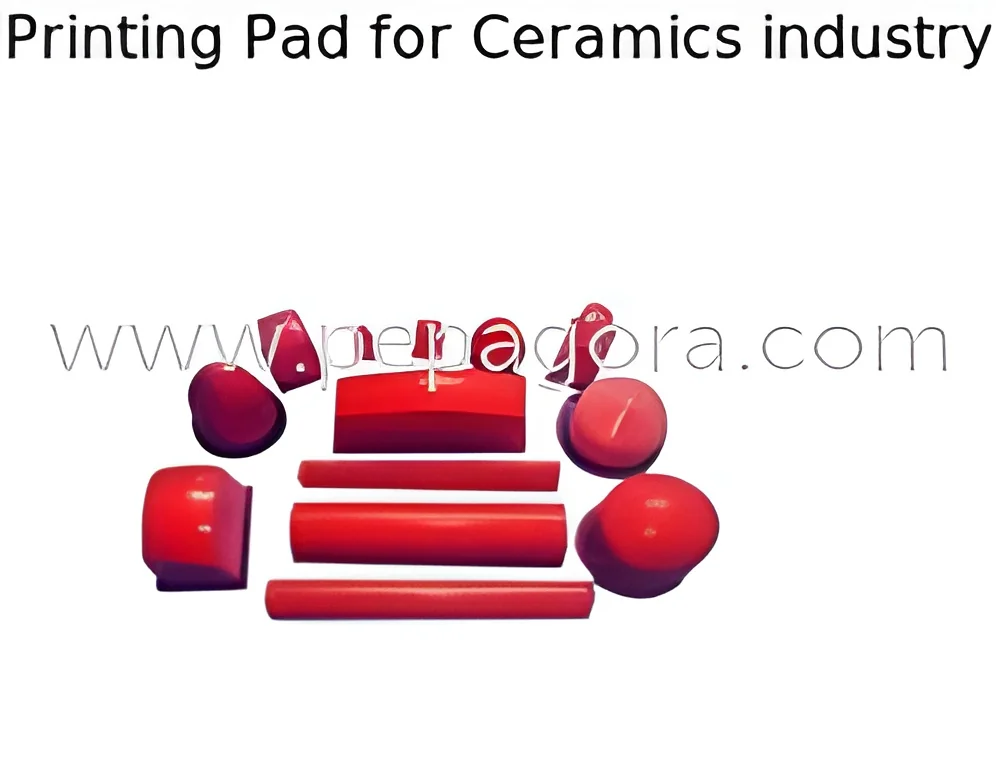
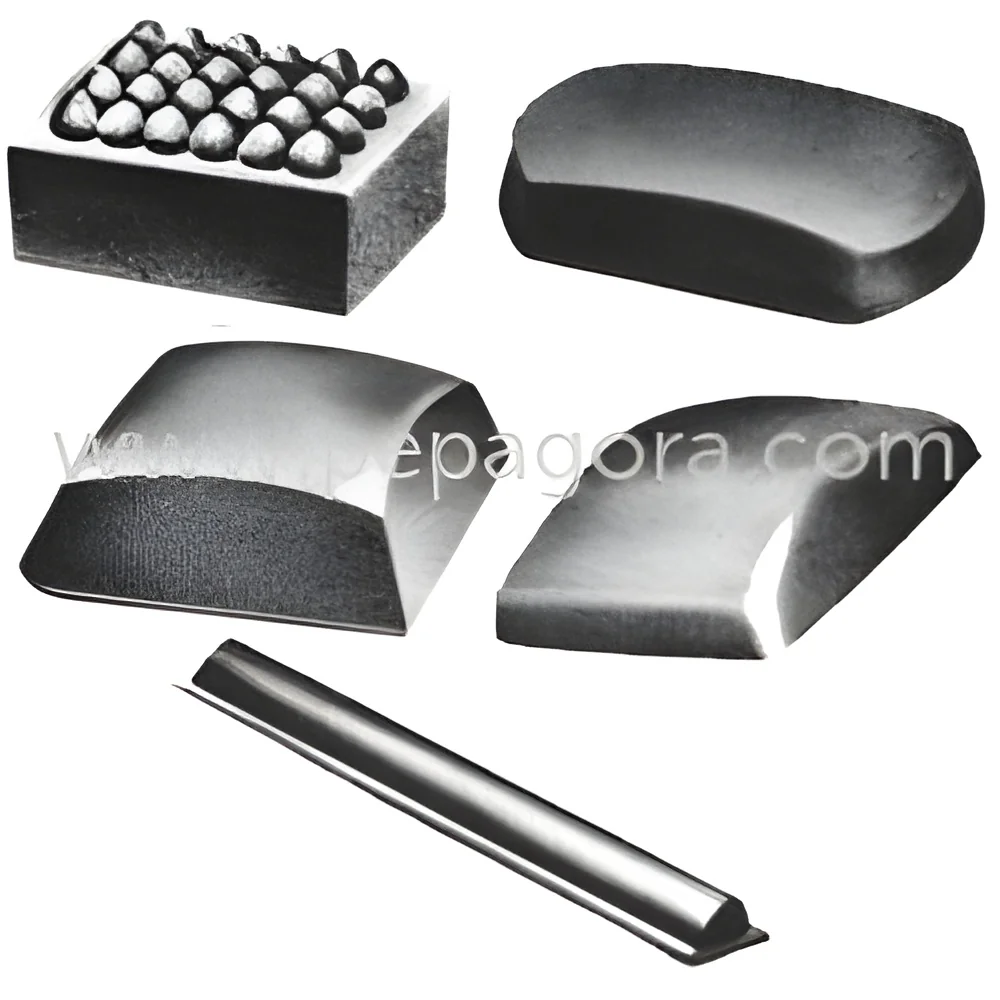
5. Pad Material
- Typically made from silicone, the pad’s material affects ink transfer quality.
- Different hardness levels are available, impacting the printing process.
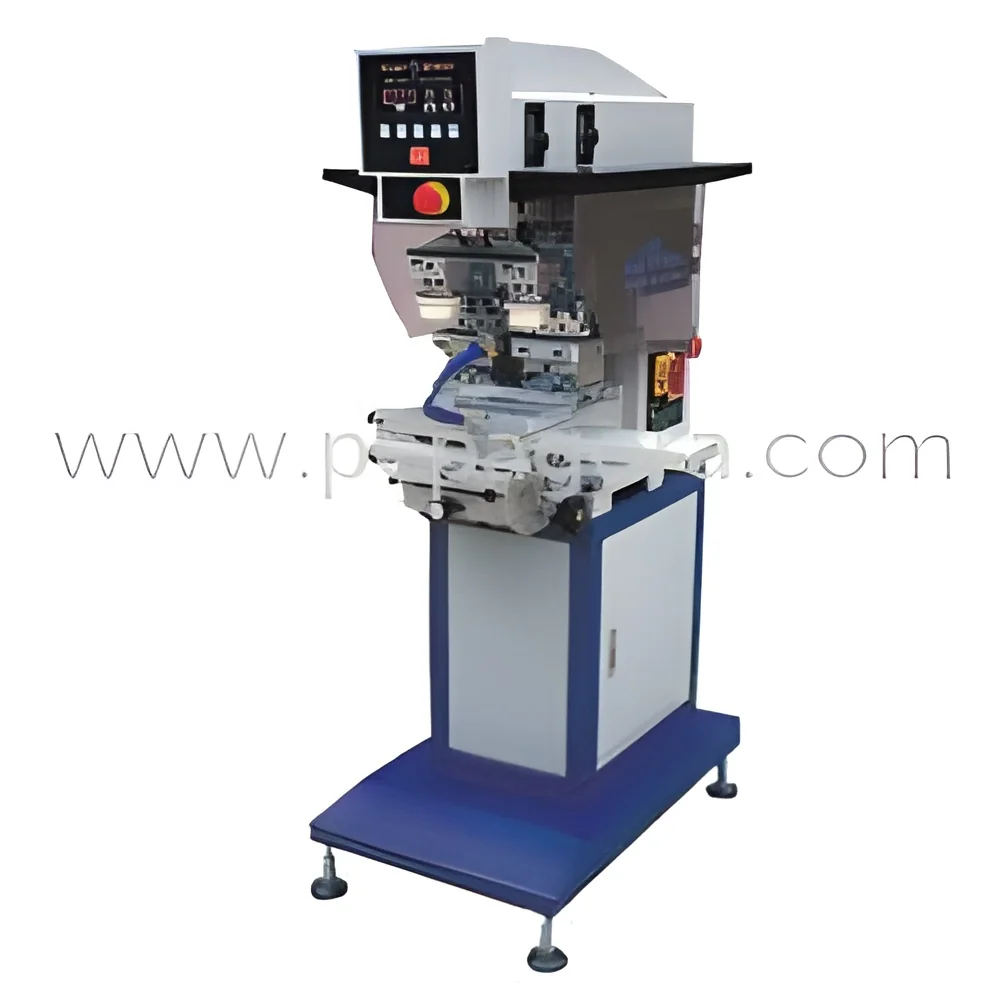
6. Control System
- Modern pad printers often come with computerized control systems.
- This allows for precise adjustments and programming of print settings.
7. Dimensions and Weight
- The size and weight of the printer affect installation and usability.
- Units can range from compact designs for small spaces to larger setups.
8. Warranty and Support
- Manufacturers typically offer warranties and support services.
- A standard warranty period can range from one to three years.
In summary, understanding the features and specifications of pad printers is vital for businesses aiming to enhance their printing capabilities. This knowledge helps ensure that the right equipment is selected for specific printing needs.
Common Applications and Use Cases
Pad printers are utilized across multiple industries, showcasing their versatility and effectiveness in various applications.
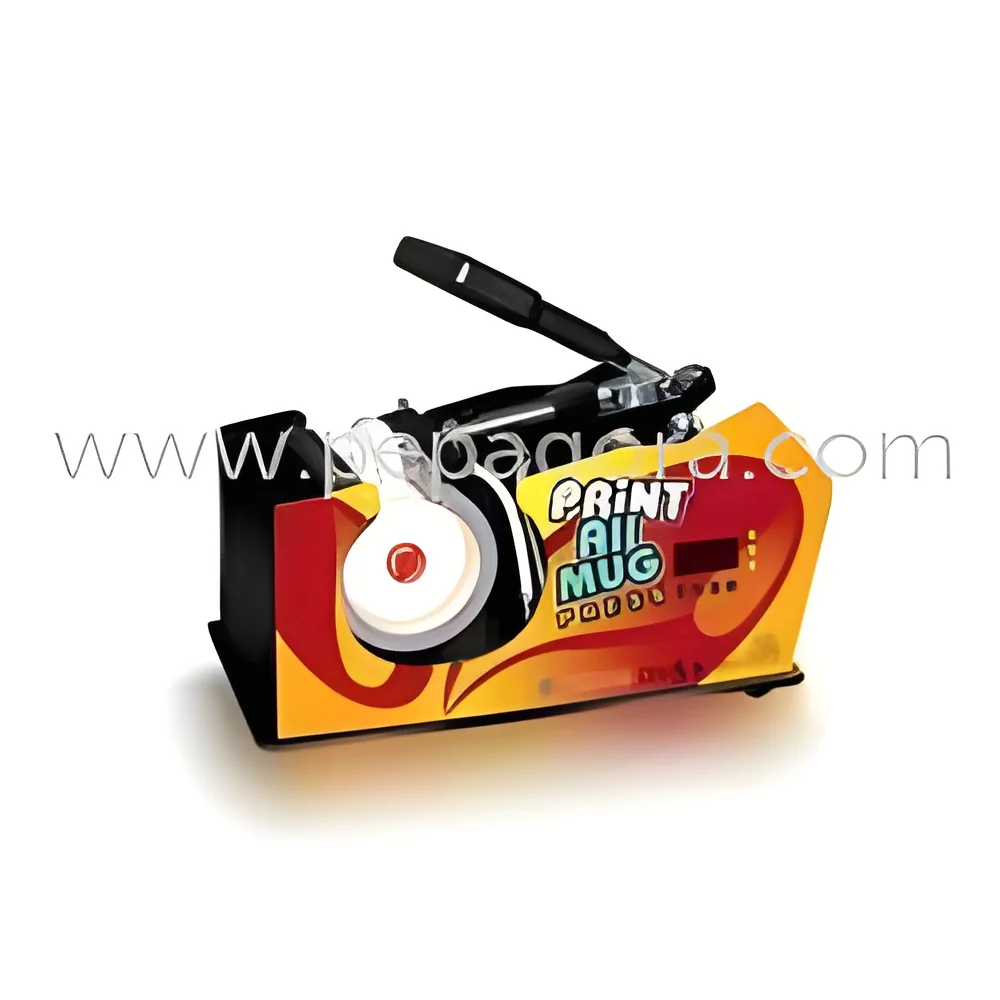
1. Promotional Products: Companies use pad printers to print logos and designs on items such as mugs, pens, and keychains, enhancing brand visibility.
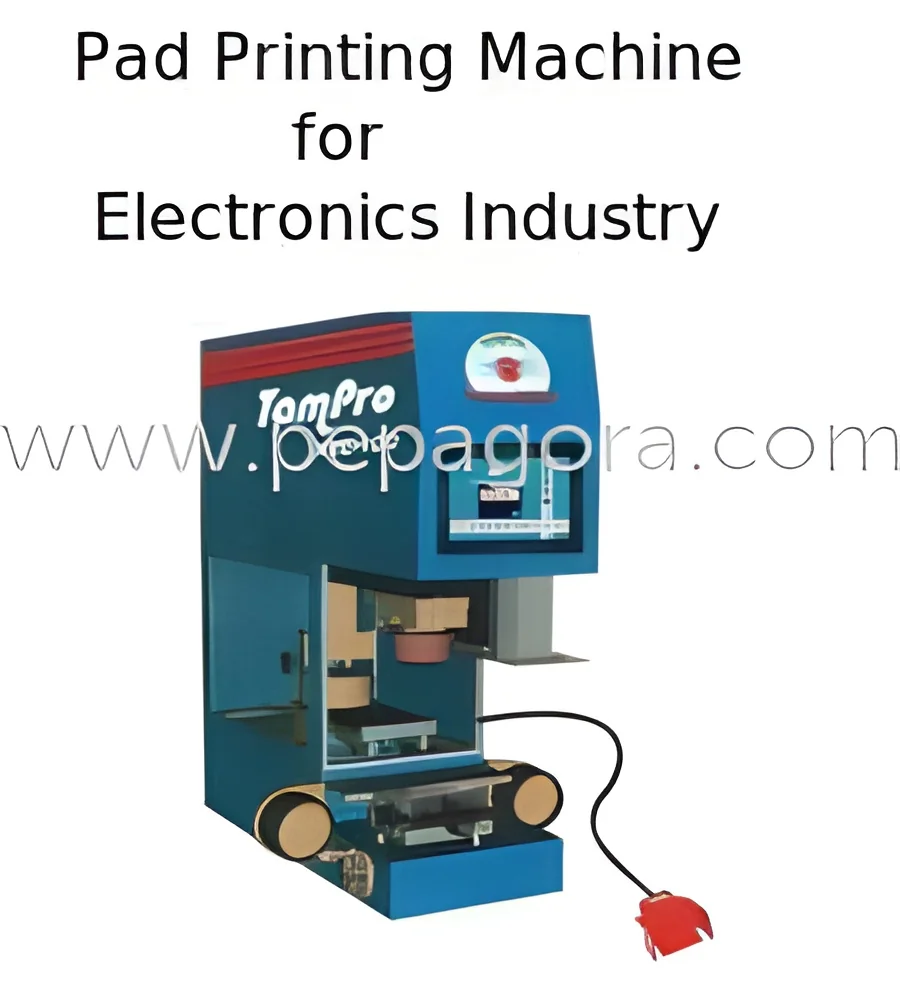
2. Electronics: Pad printing is commonly used to mark serial numbers, logos, and safety warnings on electronic devices and components, ensuring compliance and branding.
3. Automotive Parts: Manufacturers rely on pad printing for labeling parts and components, providing essential information while maintaining aesthetic appeal.
4. Medical Devices: In the medical field, pad printers are used for printing on surgical instruments and devices, where precision and cleanliness are critical.
5. Toys and Sporting Goods: Pad printing allows for colorful designs on toys and sports equipment, making them more appealing to consumers.
6. Packaging: This technology is employed for printing on various packaging materials, including cartons and labels, enhancing product presentation.
7. Home Appliances: Pad printers are used for branding and instruction printing on home appliances, ensuring users have the necessary information readily available.
Product Variants and Subcategories
Pad printers come in various models designed to cater to specific printing needs and production requirements. Each variant offers unique features that make them suitable for different applications.
Standard Pad Printer: This is the most common type, designed for high-volume printing on flat and cylindrical surfaces. It features a basic control system and is suitable for general printing tasks.
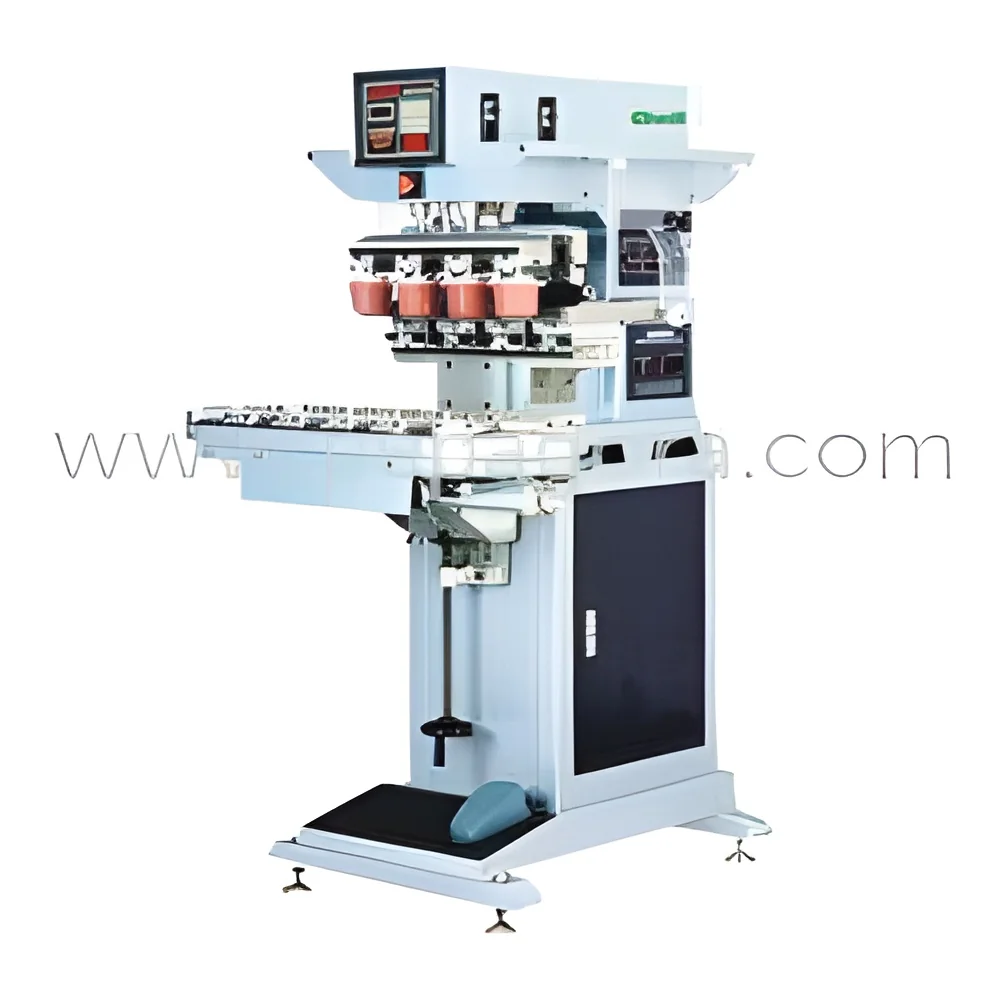
Automatic Pad Printer: These printers are fully automated, offering high-speed printing capabilities. They are ideal for large production runs and can handle complex printing tasks with minimal human intervention.
Semi-Automatic Pad Printer: Combining manual and automatic features, this variant allows for greater control over the printing process while still providing efficiency. It is suitable for medium-scale operations.
Benefits and Advantages
Investing in pad printers offers numerous benefits for businesses looking to enhance their printing capabilities.
Key benefits include:
1. Versatility: Pad printers can print on a wide range of surfaces and shapes, making them suitable for various applications.
2. High Detail: The pad printing process allows for fine detail and vibrant colors, enhancing the appearance of printed products.
3. Cost-Effectiveness: With the ability to produce high volumes quickly, pad printers can reduce per-unit costs, especially in large production runs.
4. Customization: Businesses can easily customize products with logos and designs, appealing to consumer preferences and enhancing brand loyalty.
5. Ease of Operation: Modern pad printers are user-friendly, with simplified controls that make them accessible to operators with varying skill levels.
6. Durability: Printed designs are often resistant to wear and tear, ensuring that branding remains intact over time.
Buying Guide for B2B Buyers
When sourcing pad printers, it is essential for businesses to consider several factors to ensure they make an informed decision.
1. Quality Assessment: Evaluate the quality of printing and the durability of the machine. Look for reviews or case studies that demonstrate the printer's performance in real-world applications.
2. Supplier Verification: Verify the credibility of suppliers by checking their history, customer feedback, and industry reputation. A reliable supplier can provide ongoing support and service.
3. Pricing and MOQ: Understand the pricing structure and minimum order quantities required for your business needs. This helps in budgeting and ensuring that you receive the best value.
4. Delivery and Lead Times: Inquire about the typical lead times for delivery to plan your production schedules effectively. Timely delivery is crucial for maintaining workflow.
5. Compliance Requirements: Ensure that the pad printers meet relevant industry regulations and standards. Compliance with safety and quality certifications is essential for operational success.
Compliance and Certifications
Pad printers must adhere to various compliance and certification standards to ensure product quality and safety. Key relevant quality standards include ISO 9001, which focuses on quality management systems, ensuring that manufacturers meet customer and regulatory requirements consistently.
Additionally, industry certifications such as CE are important for demonstrating that products meet European health, safety, and environmental protection standards. These certifications help build trust with customers and partners.
Safety requirements are also critical, as pad printers must comply with regional regulations that govern the manufacturing and handling of printing equipment. This includes proper testing to ensure that machines operate safely and efficiently.
In summary, compliance with quality standards and industry certifications is crucial for businesses sourcing pad printers. It ensures that they receive reliable, high-quality equipment that meets all necessary safety and operational standards.
Why Source Pad Printers from Pepagora?
Pepagora provides a trusted platform for sourcing pad printers, offering several key advantages to facilitate the purchasing process for businesses.
Verified Supplier Network: Pepagora ensures that all suppliers are thoroughly vetted, providing buyers with access to reputable manufacturers and distributors. This verification process helps mitigate risks associated with sourcing equipment.
Streamlined RFQ Process: The platform features an efficient Request for Quotation (RFQ) system, allowing buyers to easily request quotes from multiple suppliers. This facilitates competitive pricing and helps buyers make informed decisions.
Trade Assurance and Support: Pepagora offers trade assurance programs that protect buyers throughout the purchasing process. This ensures that transactions are secure and that support is available in case of any issues.
Regional Coverage: With a strong presence in India, the Gulf Cooperation Council (GCC), and Southeast Asia, Pepagora provides a broad geographic reach. This allows buyers to access a diverse range of pad printers suited to their specific market needs.
By choosing Pepagora, businesses can confidently source pad printers, knowing they have access to quality products and reliable suppliers, ultimately enhancing their operational capabilities.

 IN
IN





.webp)