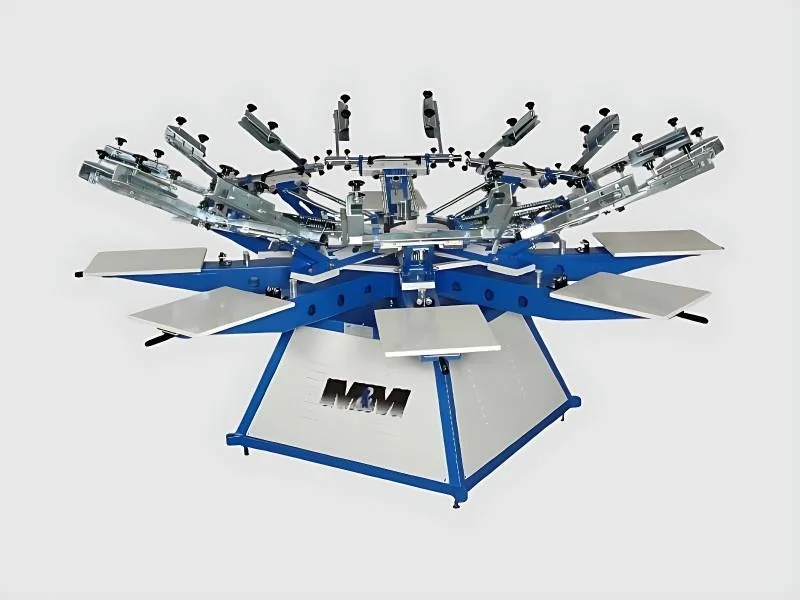
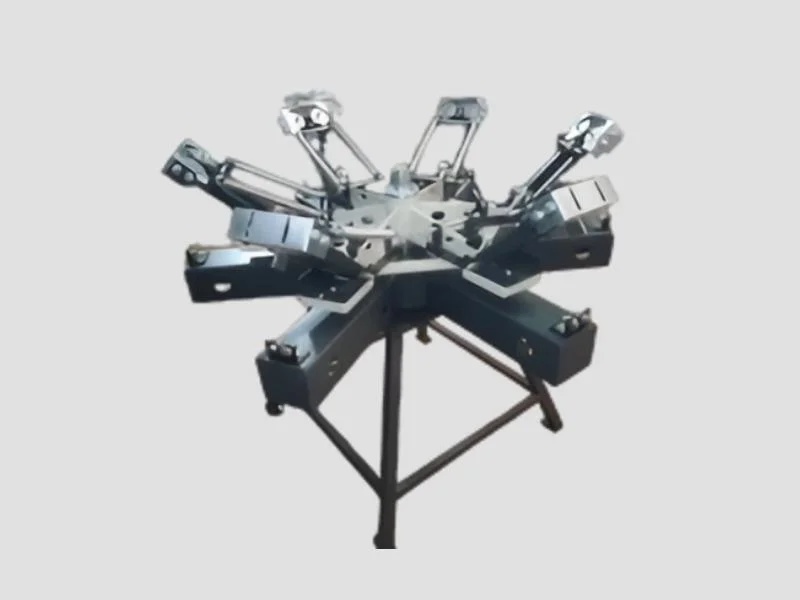
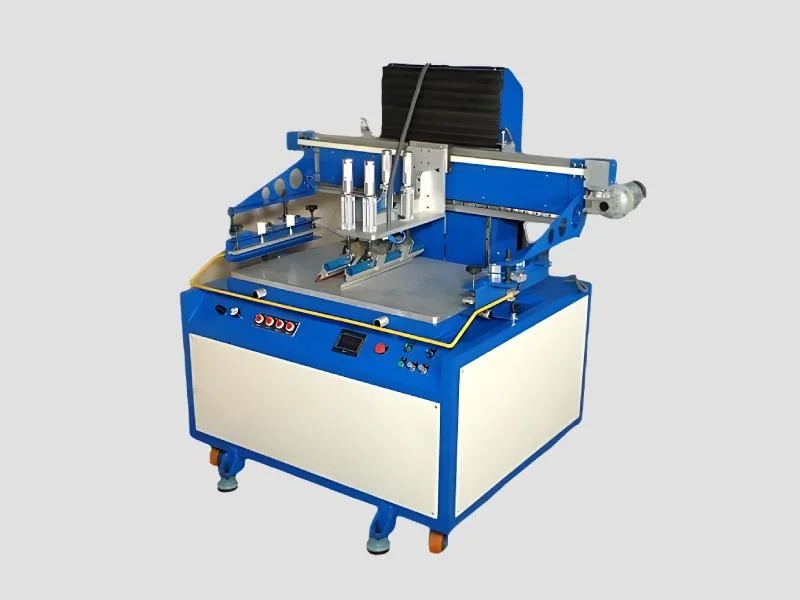
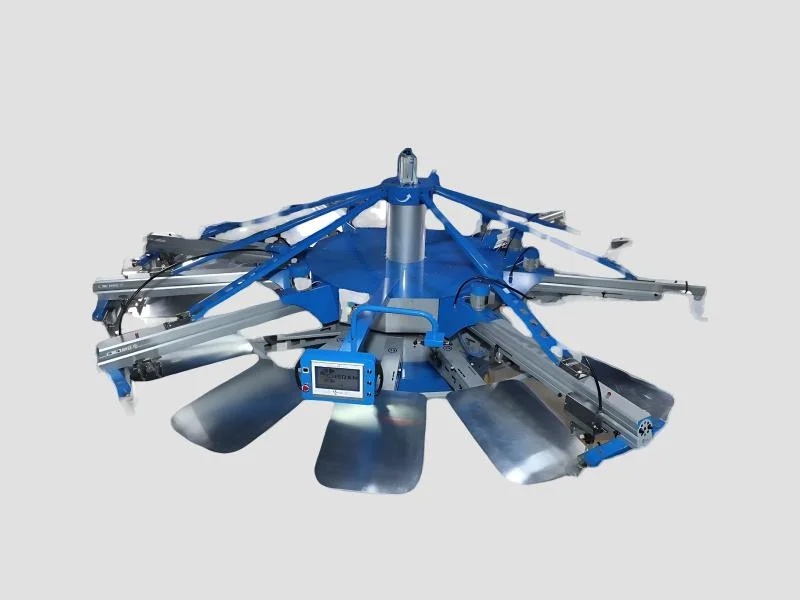
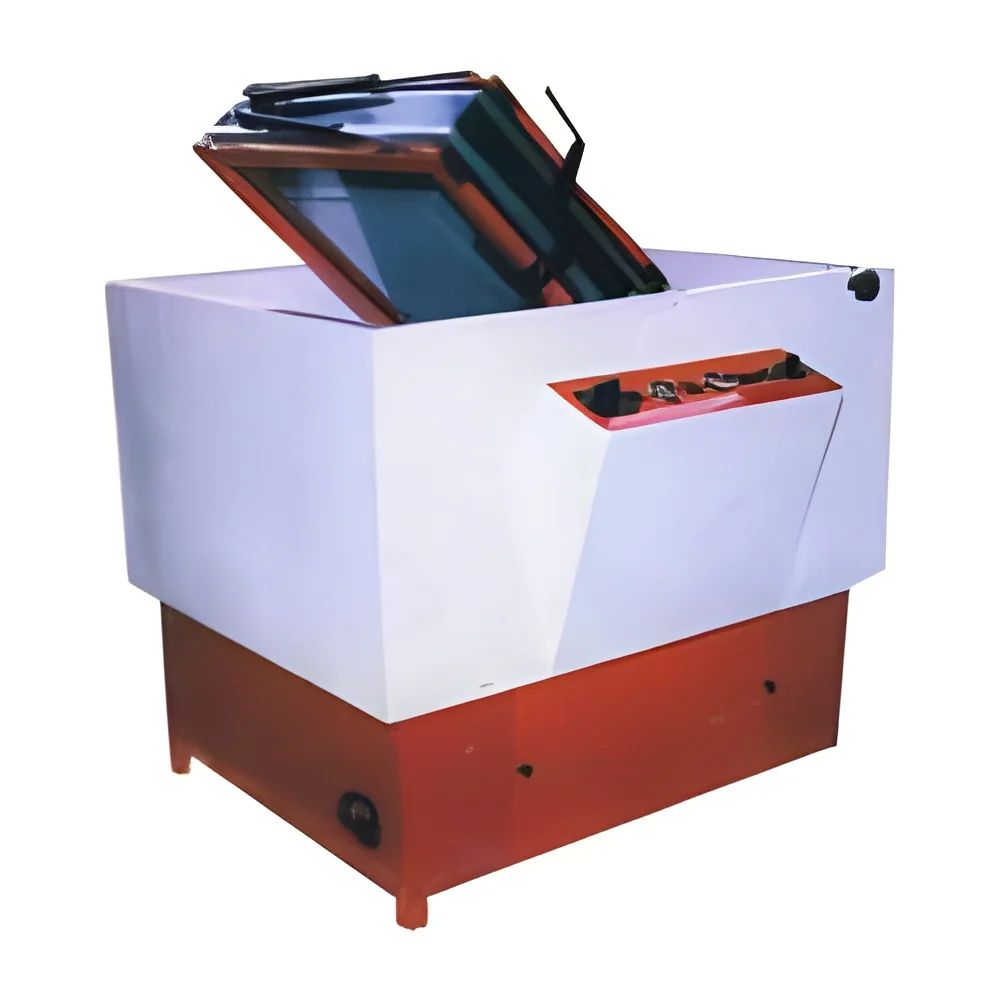
What are Automatic Screen Printing Machines?
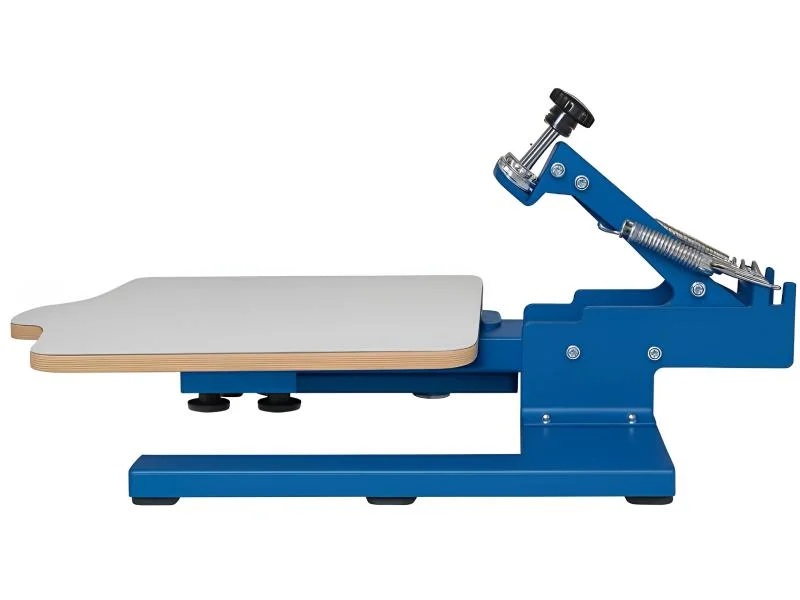
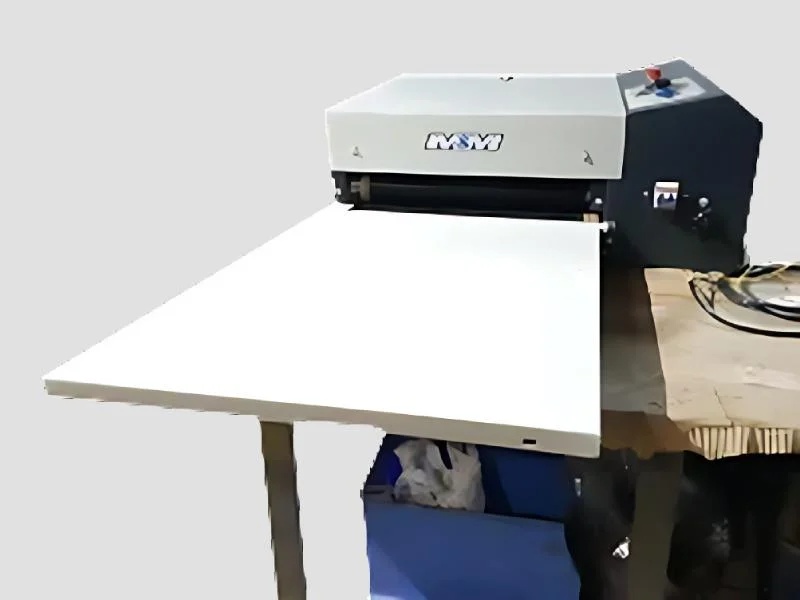
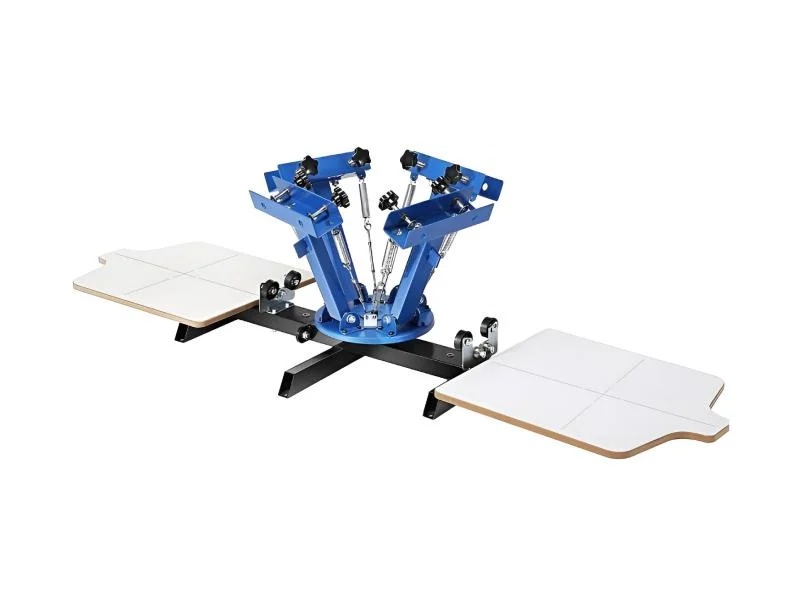
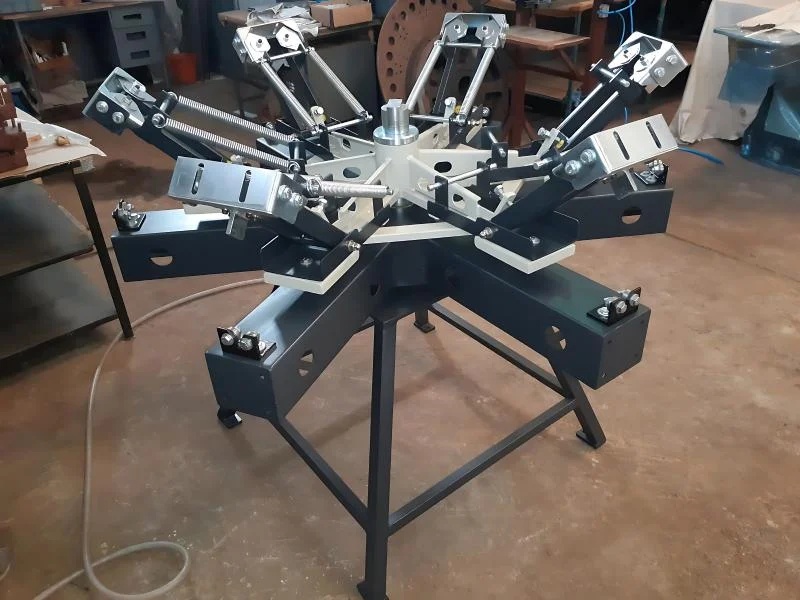
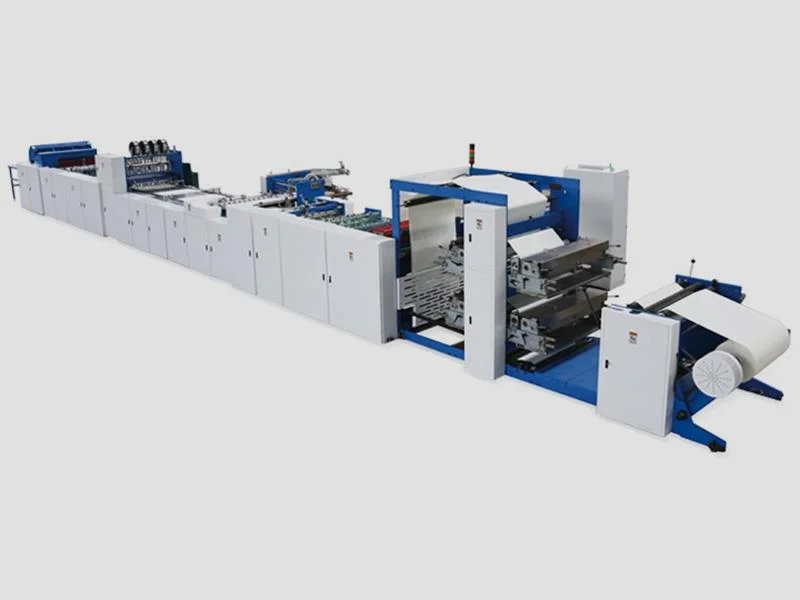
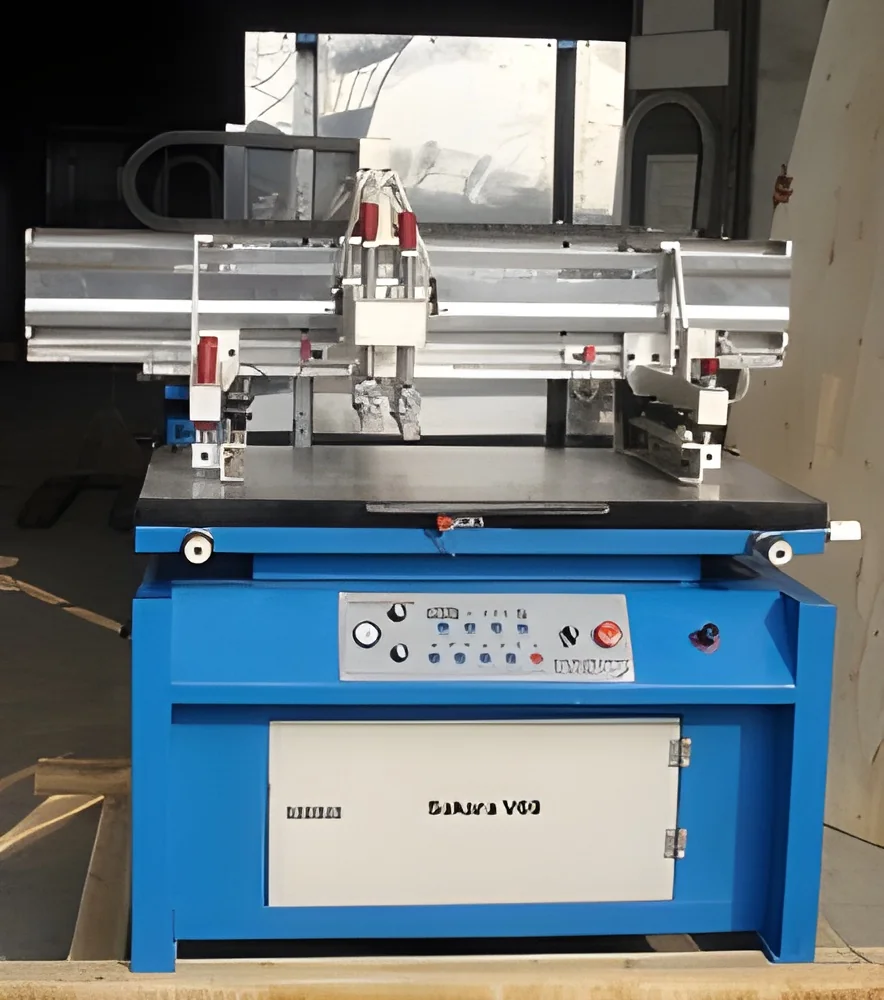
Automatic screen printing machines are advanced printing devices designed to automate the screen printing process. They utilize a series of screens and squeegees to apply inks onto various substrates, allowing for high-speed production and consistent quality. These machines can handle different types of materials, including textiles, plastics, and metals, making them versatile tools in the printing industry.
These machines are primarily used in industries where large quantities of printed materials are required, such as apparel manufacturing, promotional products, and packaging. By automating the process, businesses can significantly increase their output and reduce labor costs. The ability to produce intricate designs with precision makes automatic screen printing machines valuable for brands looking to maintain quality and efficiency.
In today's competitive market, the relevance of automatic screen printing machines cannot be overstated. As businesses strive for efficiency and quality, these machines offer a solution that meets the demands of high-volume printing while maintaining accuracy. The growing popularity of customized products further enhances the need for reliable and efficient printing technologies.
Key Features and Specifications
Automatic screen printing machines come equipped with a variety of features that enhance performance and usability. These features ensure that the machines meet the diverse needs of different industries and applications.
Key specifications include:
1. Print Speed
- Capable of producing large quantities of prints per hour.
- Speeds can range from 500 to 2,000 pieces per hour depending on the model.
2. Print Area
- The maximum size of the print area varies by machine.
- Common sizes range from 16 inches by 20 inches to 24 inches by 36 inches.
3. Number of Colors
- Machines can handle multiple colors in a single run.
- Typically, machines can print between 1 to 8 colors simultaneously.
4. Control System
- Equipped with advanced digital controls for precision settings.
- Features like touchscreens for user-friendly operation.
5. Ink Types Supported
- Compatible with various ink types including plastisol, water-based, and UV inks.
6. Substrate Compatibility
- Designed to print on a wide range of materials.
- Includes textiles, plastics, metals, and paper products.
7. Power Requirements
- Varying power needs depending on machine size and capabilities.
- Commonly require standard electrical outlets, ranging from 110V to 220V.
8. Maintenance Features
- Incorporates self-cleaning mechanisms to reduce downtime.
- User-friendly maintenance protocols for easier upkeep.
These specifications highlight the essential capabilities of automatic screen printing machines, ensuring they can meet the demands of various applications.
Common Applications and Use Cases
Automatic screen printing machines are utilized across a wide array of industries, demonstrating their versatility and efficiency.
1. Textile Industry: These machines are widely used for printing designs on t-shirts, hoodies, and other apparel. They enable manufacturers to produce vibrant, multi-colored designs quickly.
2. Promotional Products: Businesses often use automatic screen printing for creating promotional items such as tote bags, caps, and drinkware. The ability to customize these products in bulk is essential for marketing campaigns.
3. Packaging Industry: Automatic screen printing is employed to print logos and designs on packaging materials. This process enhances branding and product visibility on store shelves.
4. Electronics: Screen printing is used for applying graphics and labels on electronic devices, ensuring high-quality standards for visibility and durability.
5. Signage: Automatic screen printing machines are also used to produce signs and banners, allowing for vibrant color reproduction and intricate designs.
6. Automotive: In the automotive industry, these machines print on various components, including dashboards and exterior parts, ensuring consistent branding and aesthetics.
7. Home Decor: Automatic screen printing is used to apply designs on home textiles, such as curtains and cushions, allowing for customized home accessories.
Product Variants and Subcategories
Automatic screen printing machines come in various models tailored to different production needs. Each variant offers unique features and capabilities.
Compact Automatic Screen Printing Machine
This variant is designed for smaller businesses or those with limited space. It offers high efficiency in a compact design, making it ideal for small to medium-sized production runs.
High-Speed Automatic Screen Printing Machine
This machine is engineered for maximum output, capable of handling high-volume production with faster print speeds. It is suitable for businesses that require quick turnaround times.
Multi-Color Automatic Screen Printing Machine
This variant allows for printing multiple colors in a single pass, significantly reducing production time for complex designs. It is perfect for industries requiring detailed graphics on their products.
Benefits and Advantages
Investing in automatic screen printing machines provides numerous benefits for businesses.
1. Increased Efficiency: Automation significantly speeds up the printing process, allowing for high-volume production without compromising quality.
2. Cost-Effective: Reduces labor costs and minimizes waste, leading to higher profit margins for businesses.
3. Consistent Quality: These machines ensure uniformity in color and design across all printed products, enhancing brand reputation.
4. Versatile Applications: Capable of printing on various materials, making them suitable for different industries and products.
5. Reduced Labor Intensity: With automation, the need for manual intervention is minimized, allowing staff to focus on other critical tasks.
6. Easy Maintenance: Many models come with user-friendly maintenance features, ensuring longevity and reliability.
Buying Guide for B2B Buyers
When considering the purchase of automatic screen printing machines, it is essential to evaluate several key factors to ensure a suitable investment.
1. Quality Assessment: Evaluate the build quality and reliability of the machine. Look for manufacturers that adhere to industry standards and have a good track record.
2. Supplier Verification: Conduct thorough vetting of suppliers to confirm their credibility and experience in the industry. Check for customer reviews and testimonials.
3. Pricing and MOQ: Understand the pricing structure and minimum order quantities (MOQ) required by suppliers. This will help in budgeting and planning your purchases.
4. Delivery and Lead Times: Inquire about delivery schedules and lead times to ensure that the machines can be supplied in line with your production needs.
5. Compliance Requirements: Ensure that the machines meet relevant compliance and safety standards required in your region, such as CE certification.
Compliance and Certifications
Automatic screen printing machines must meet various compliance and certification requirements to ensure safety and quality.
Relevant quality standards, such as ISO 9001, ensure that manufacturers maintain high levels of quality management systems. This certification demonstrates a commitment to consistent quality in production processes.
Additionally, CE certification is crucial for compliance within the European market. It indicates that the machines meet essential safety, health, and environmental protection requirements.
Safety and testing requirements are also critical. Manufacturers should provide documentation proving their machines meet safety standards and regulations applicable in different regions.
Regional compliance considerations are necessary as regulations may vary from one country to another. Businesses should be aware of local laws to ensure their equipment is compliant.
Why Source Automatic Screen Printing Machines from Pepagora?
Pepagora offers a reliable platform for sourcing automatic screen printing machines with several advantages that benefit B2B buyers.
Verified Supplier Network: Pepagora has established a thorough verification process for suppliers. This ensures that buyers connect with reputable manufacturers who provide quality machines.
Streamlined RFQ Process: The Request for Quotation (RFQ) system simplifies the purchasing process. Buyers can easily request quotes from multiple suppliers, facilitating better decision-making.
Trade Assurance and Support: Pepagora provides trade assurance to protect buyers throughout the purchasing journey. This includes support for resolving disputes and ensuring satisfaction with the purchased machines.
Regional Coverage: With a strong presence in India, GCC, and Southeast Asia, Pepagora connects buyers with suppliers across these regions. This broad geographic reach enhances options for sourcing machines tailored to specific needs.

 IN
IN