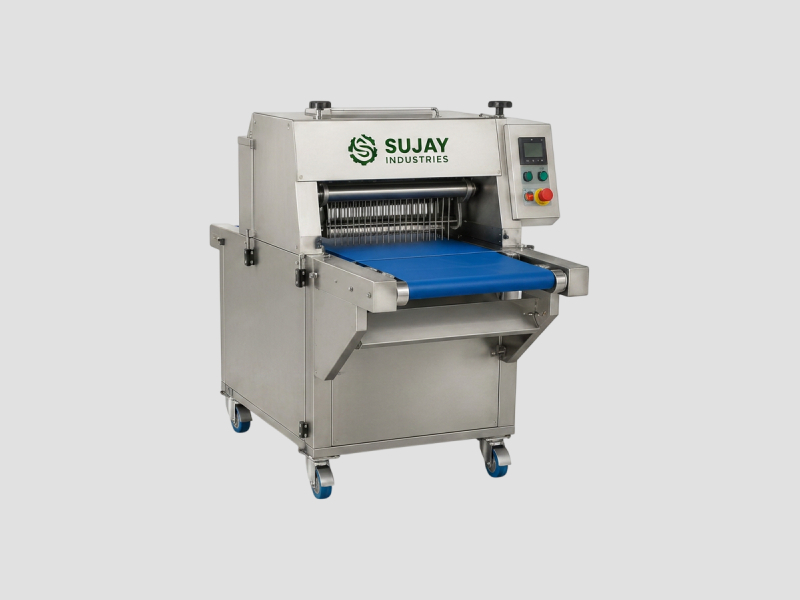
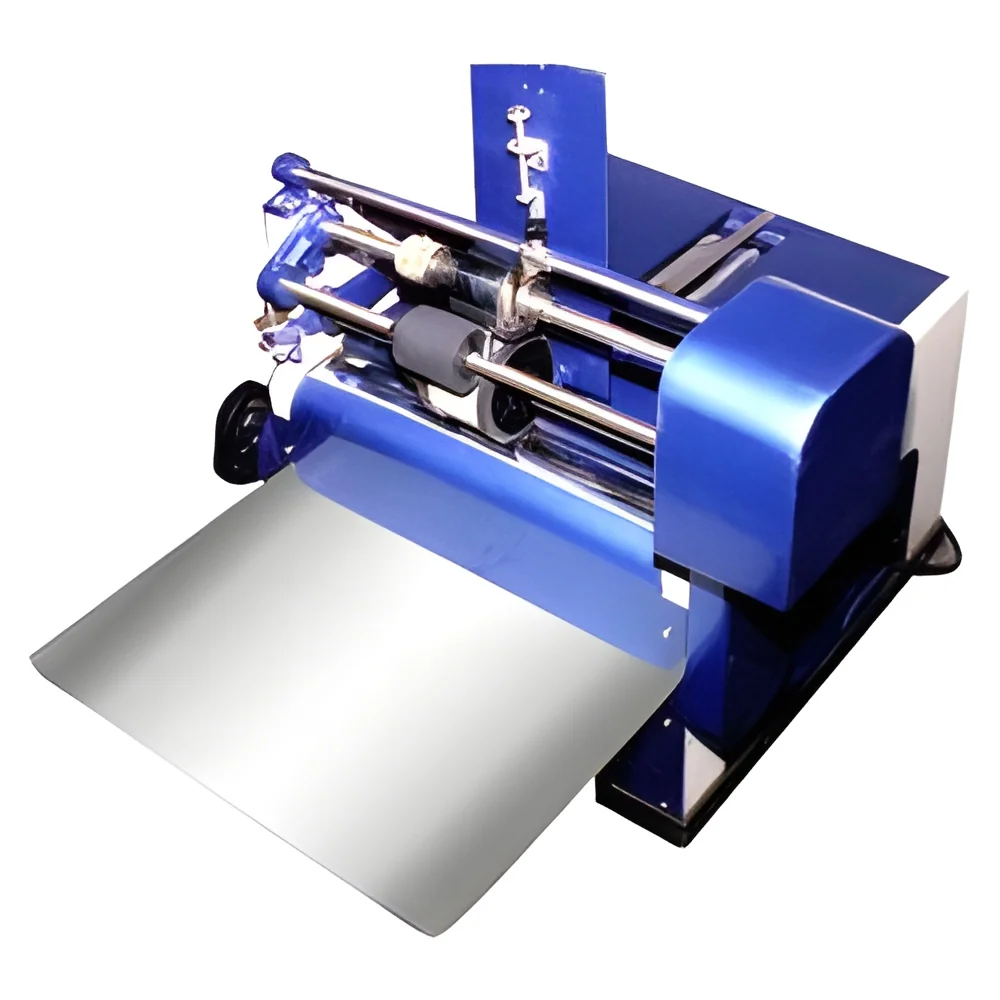
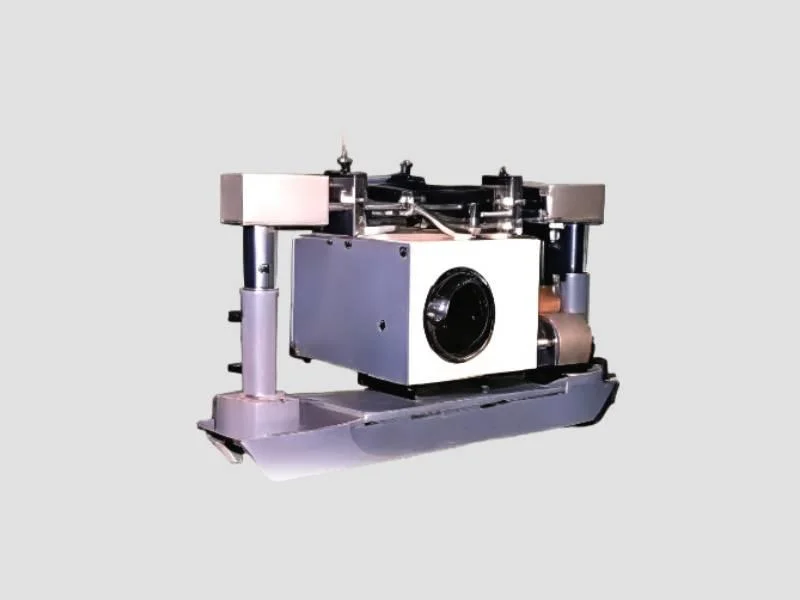
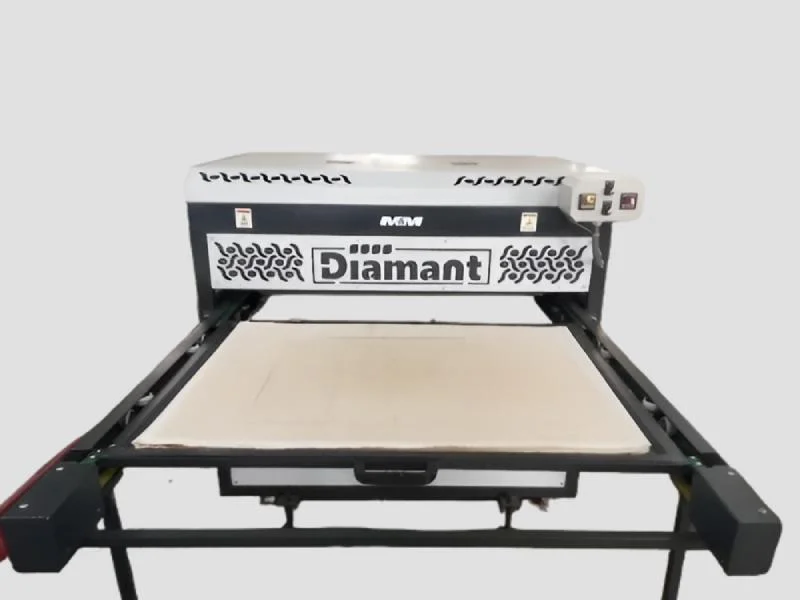
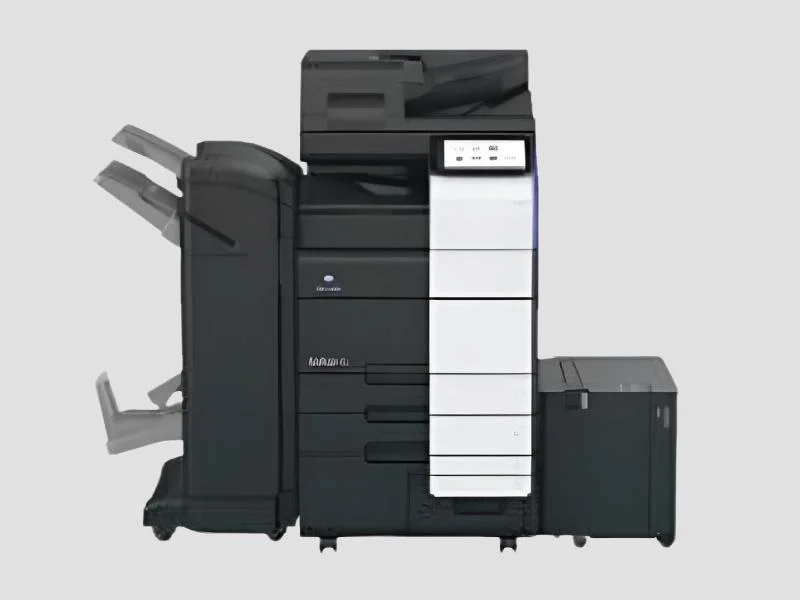
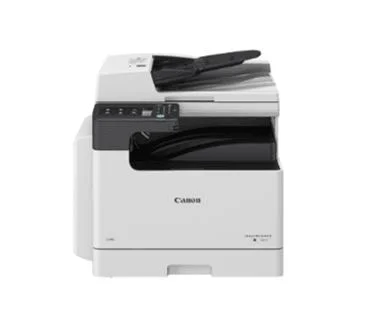
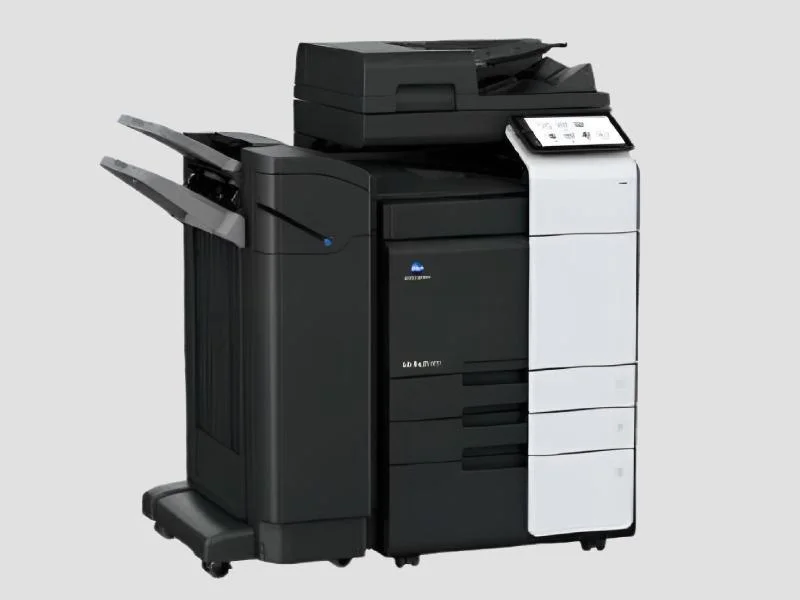
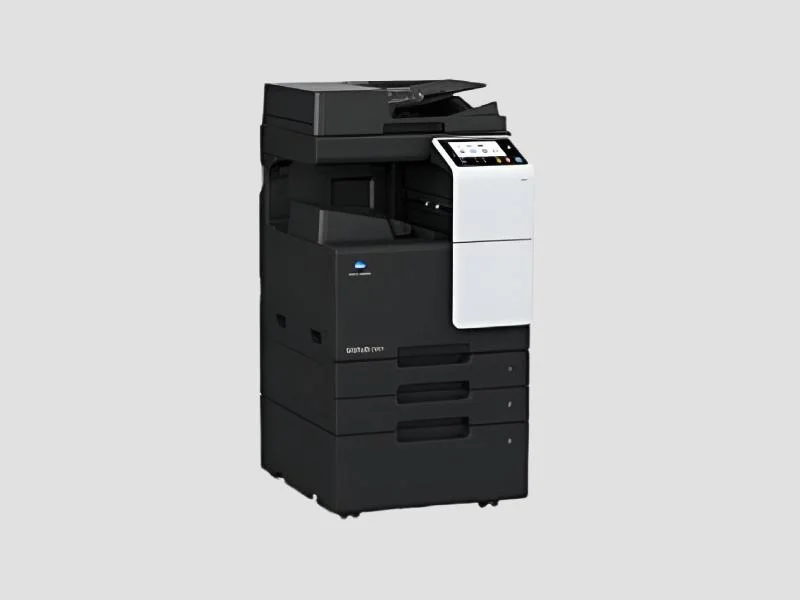
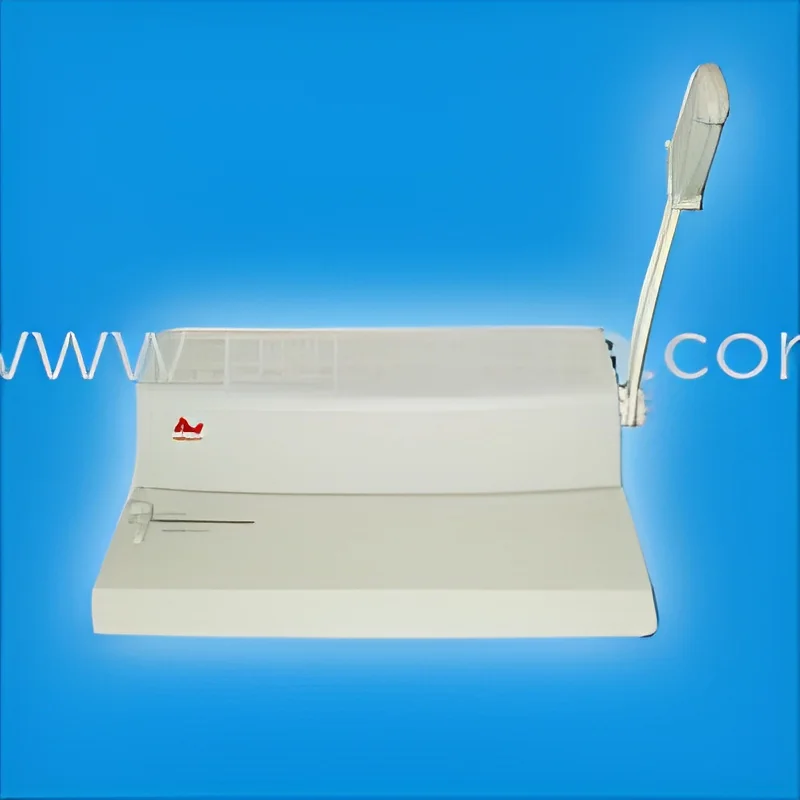
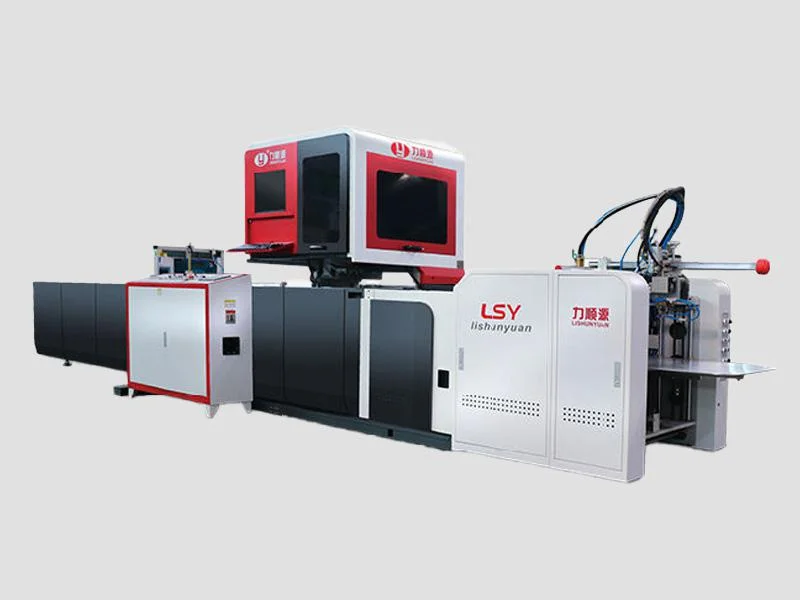
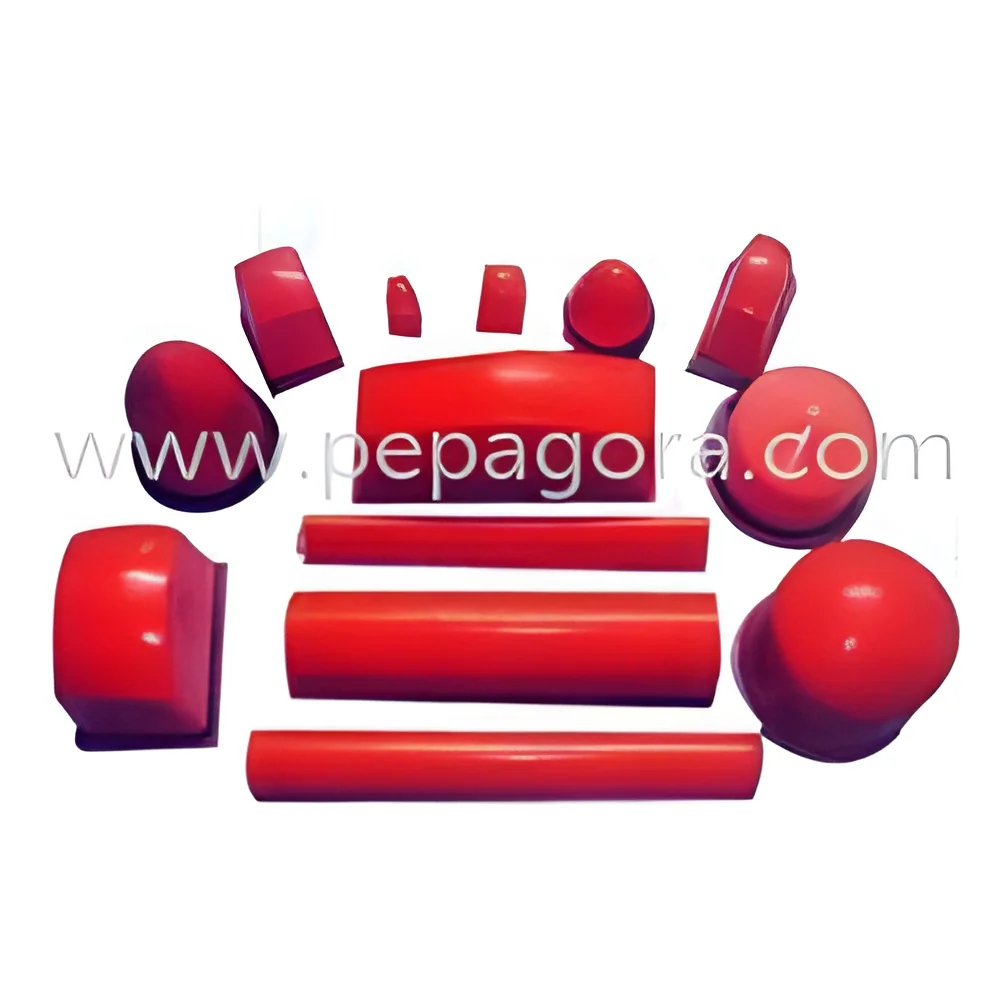
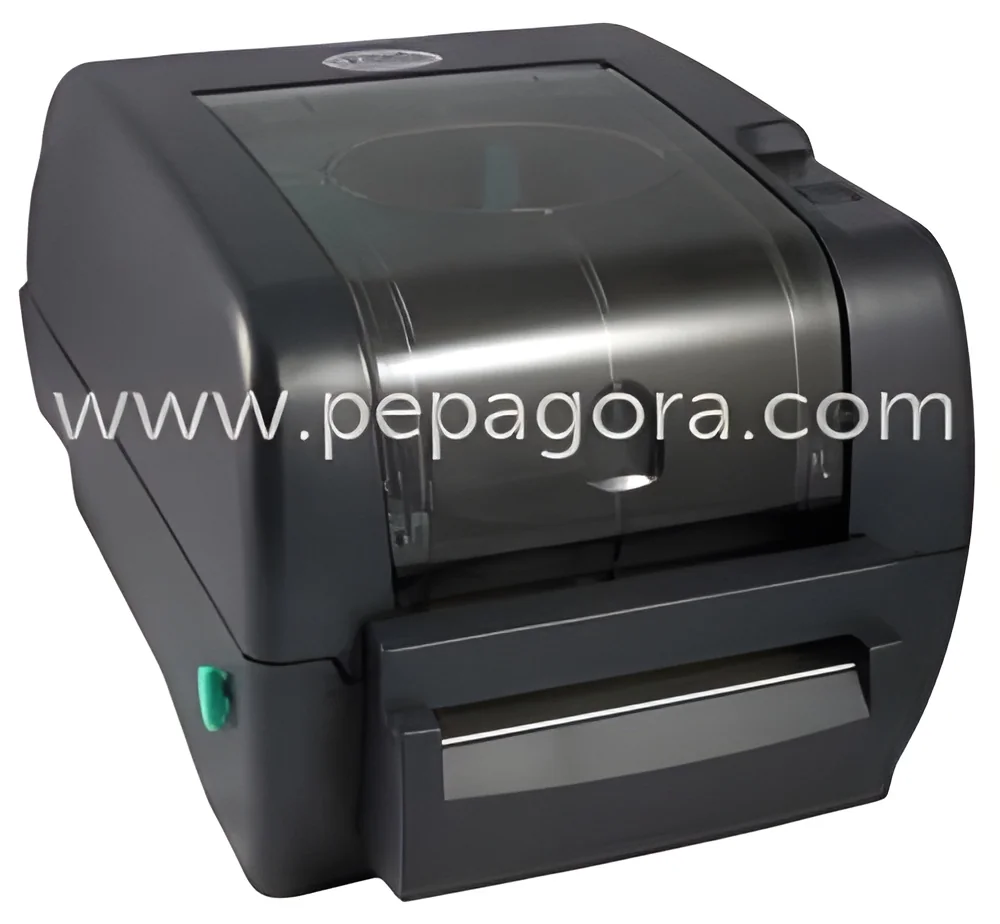
𝗪𝗵𝗮𝘁 𝗮𝗿𝗲 𝗣𝗿𝗶𝗻𝘁𝗶𝗻𝗴 𝗠𝗮𝗰𝗵𝗶𝗻𝗲𝗿𝘆?
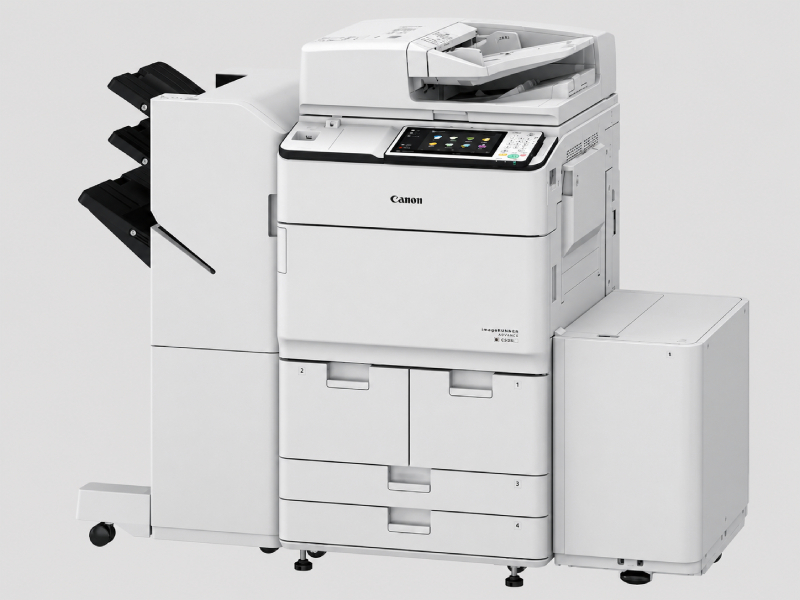
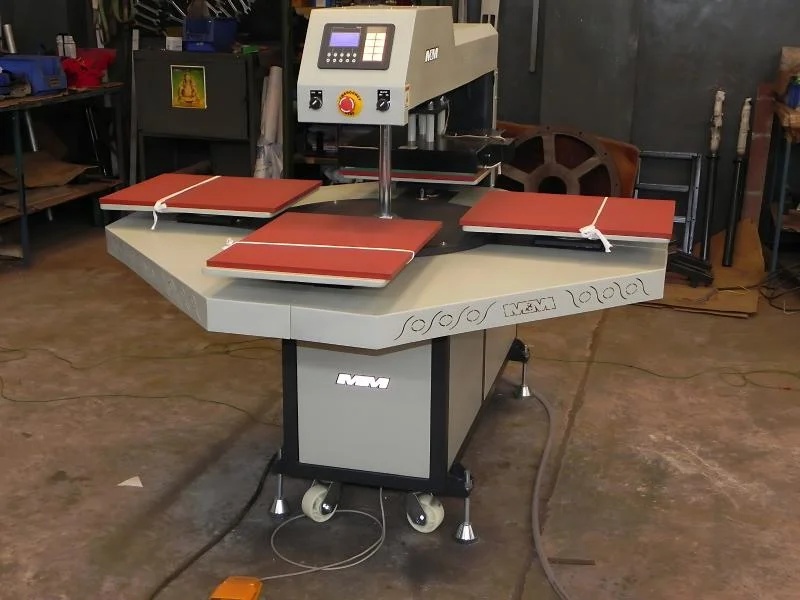
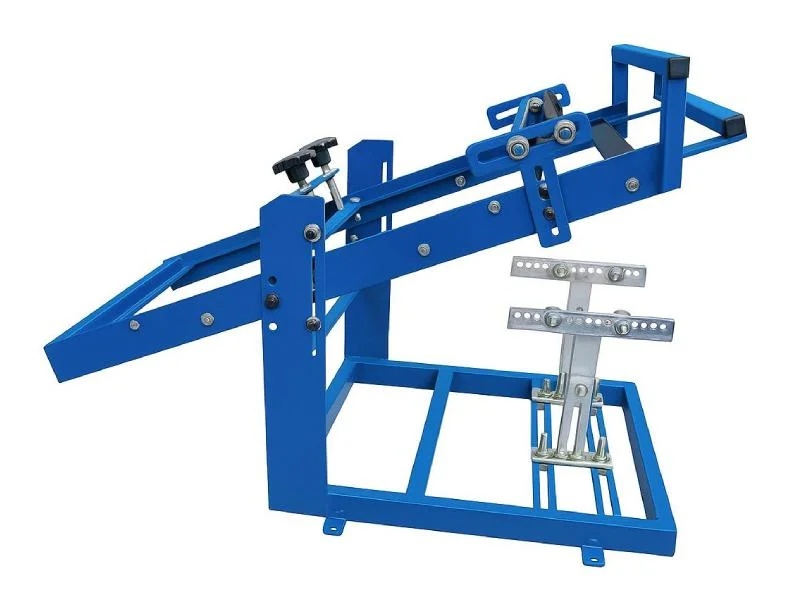
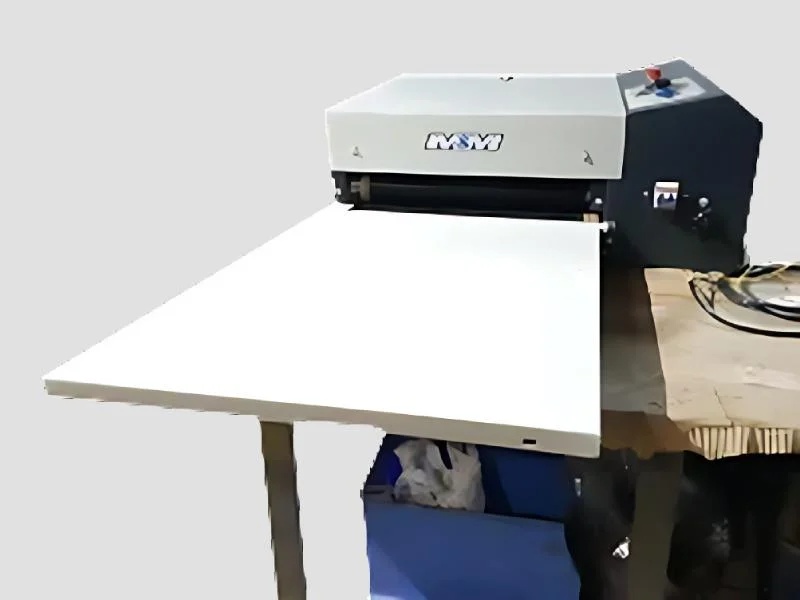
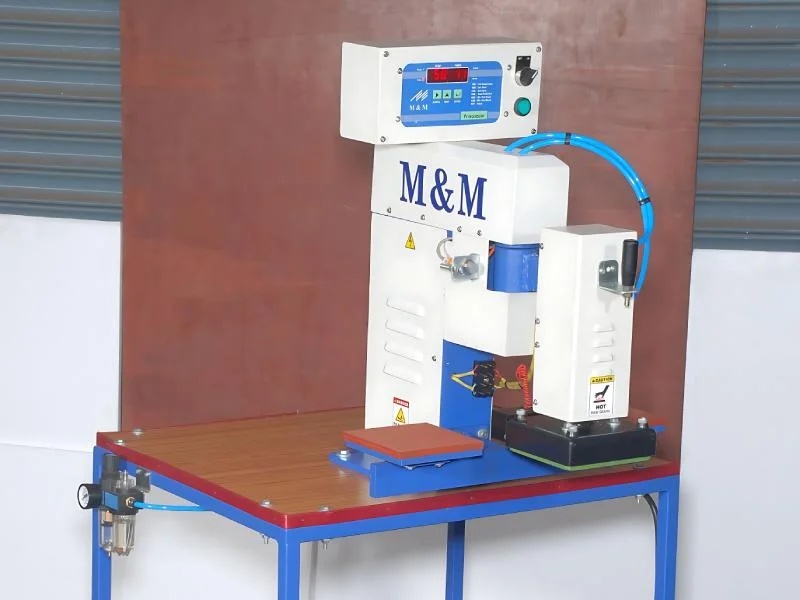
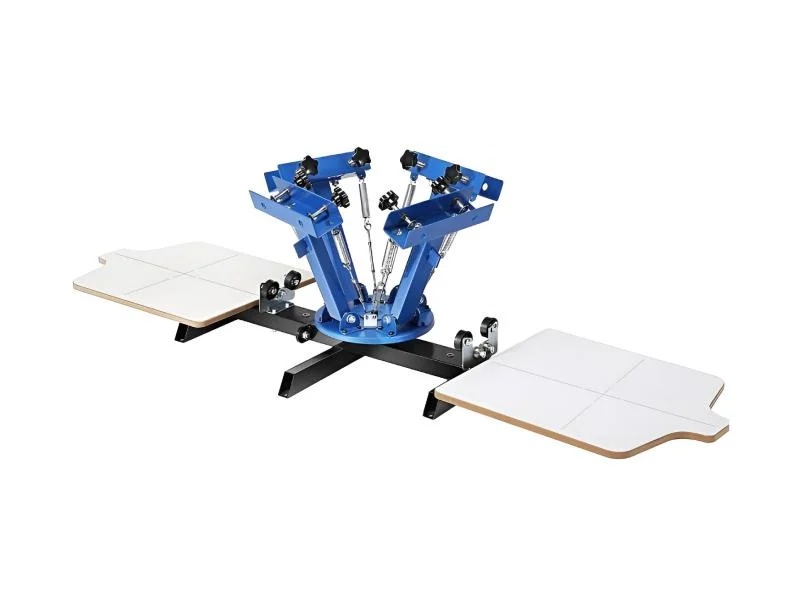
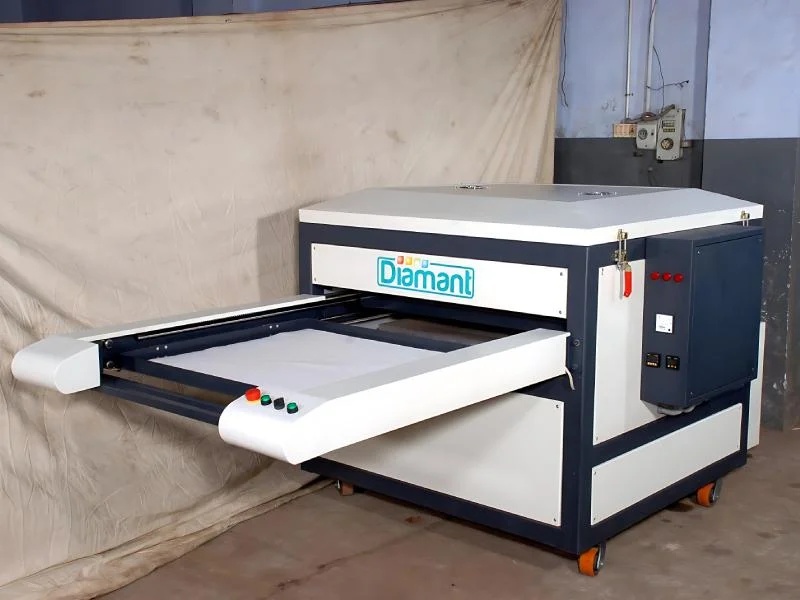
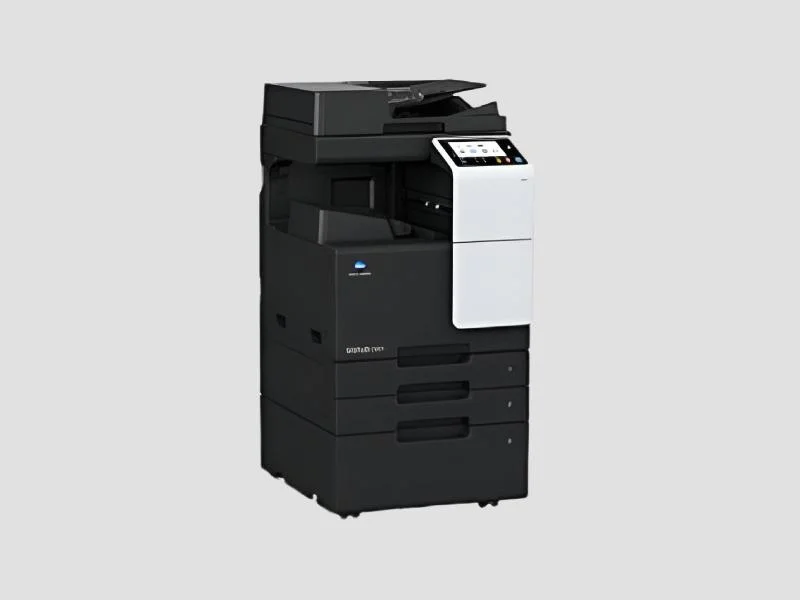
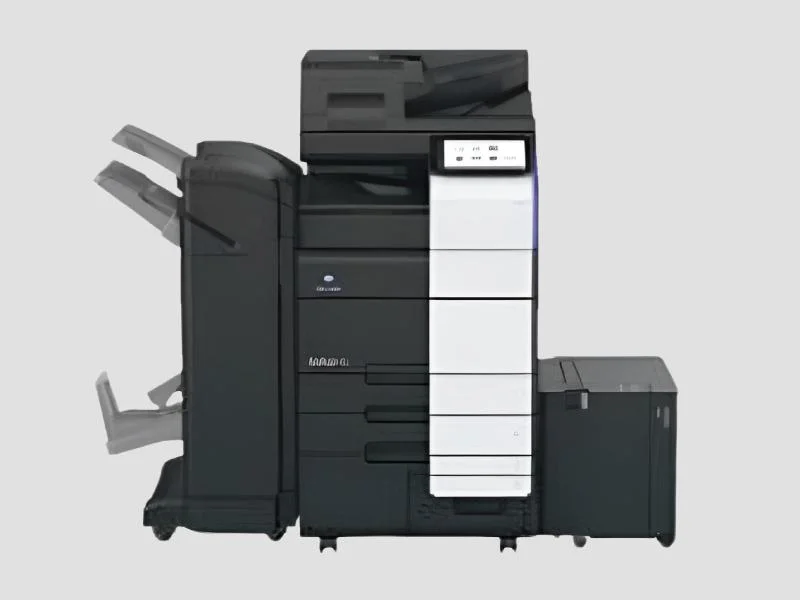
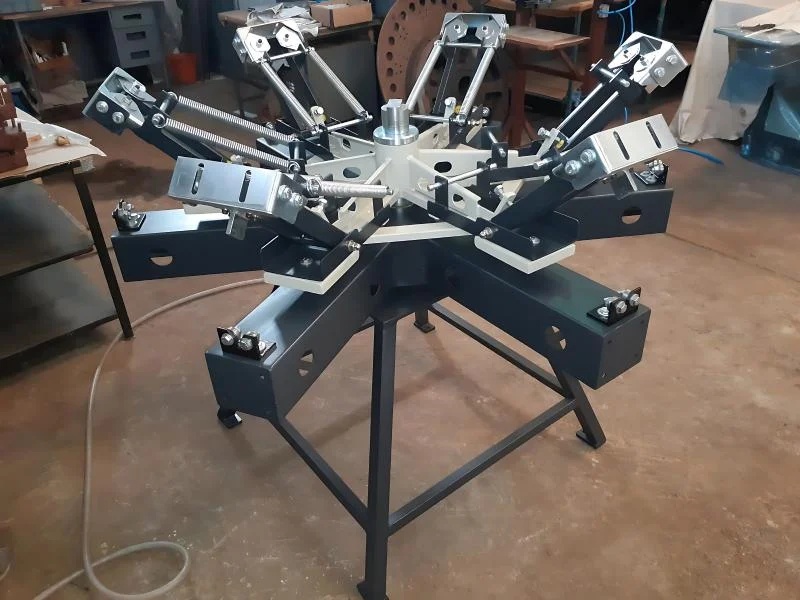
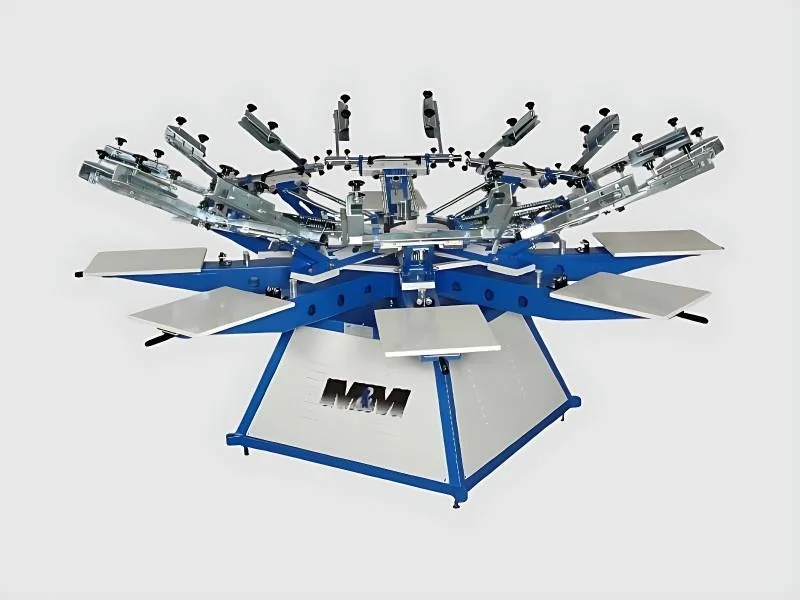
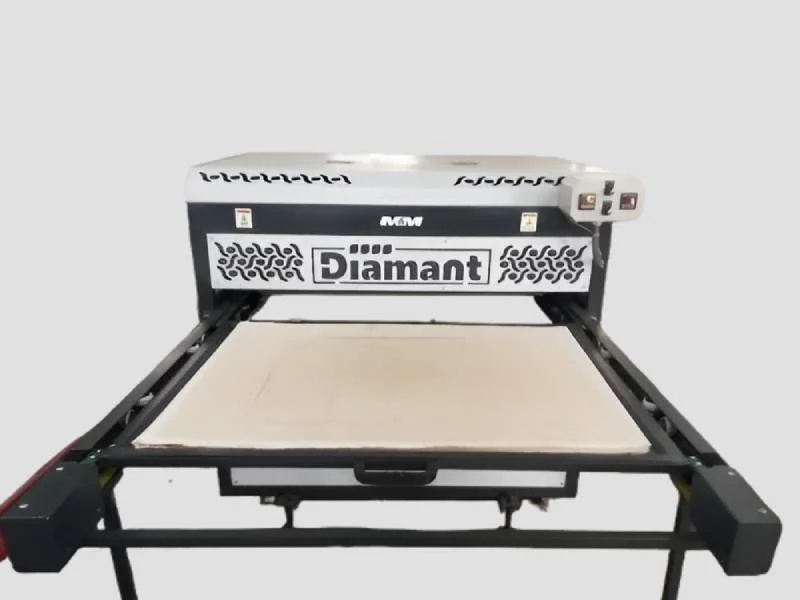
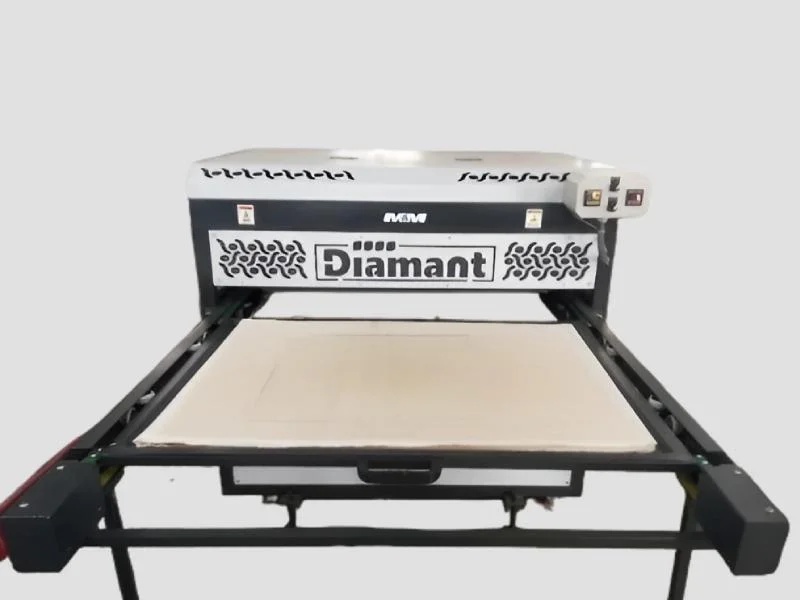
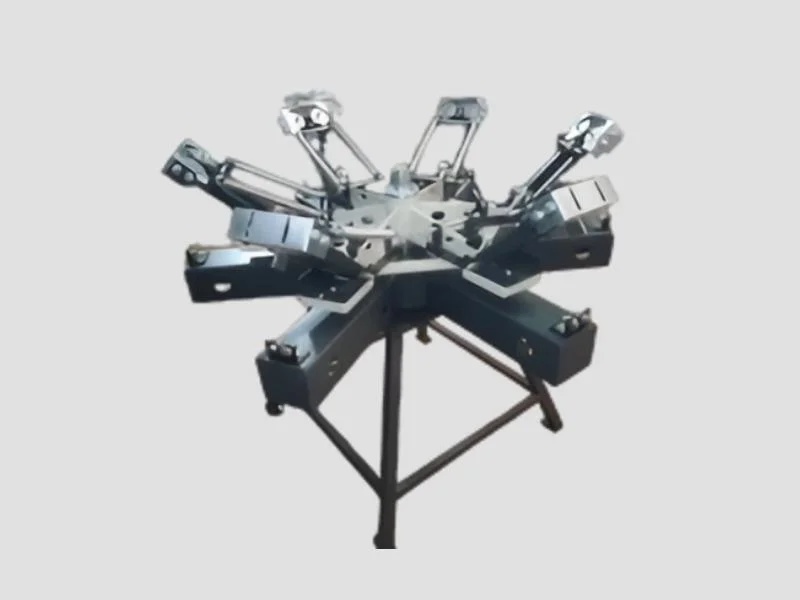
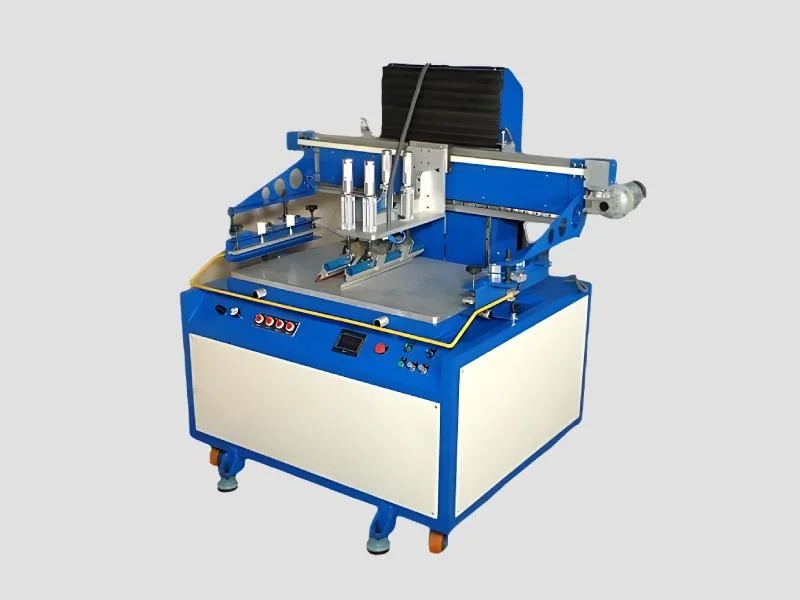
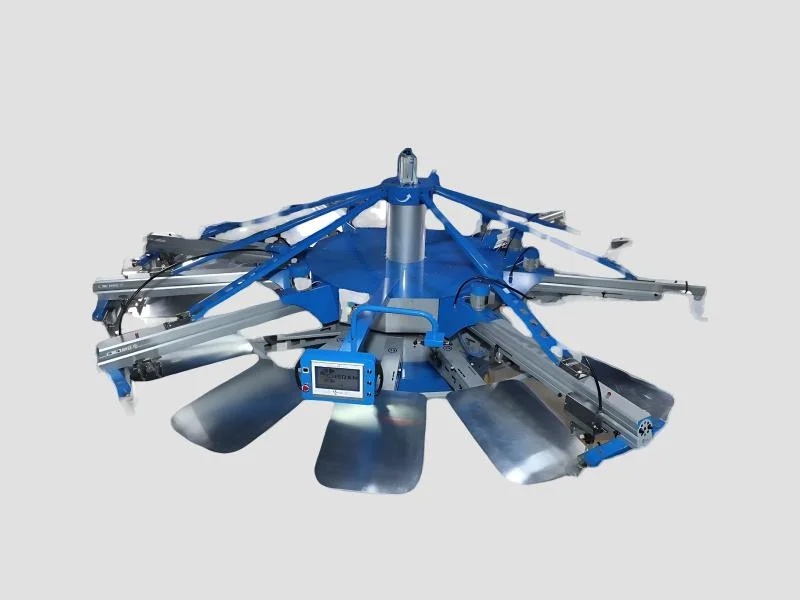
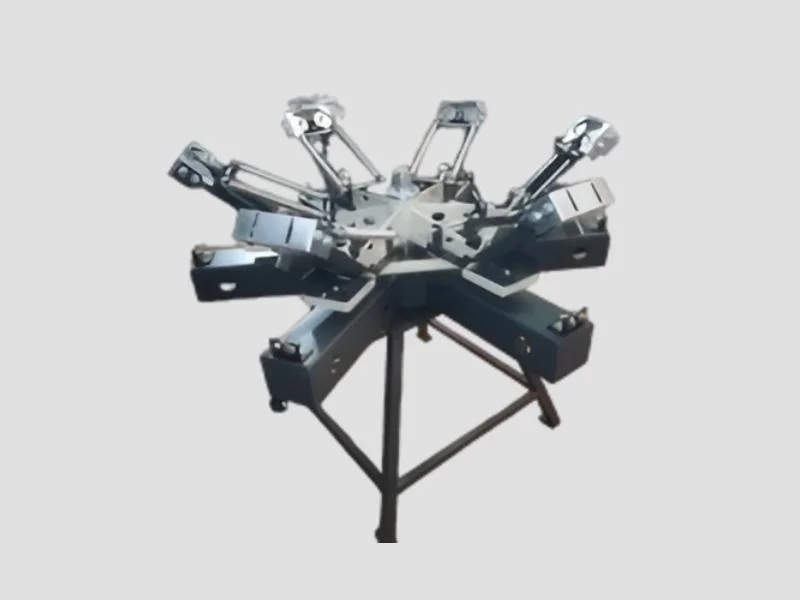
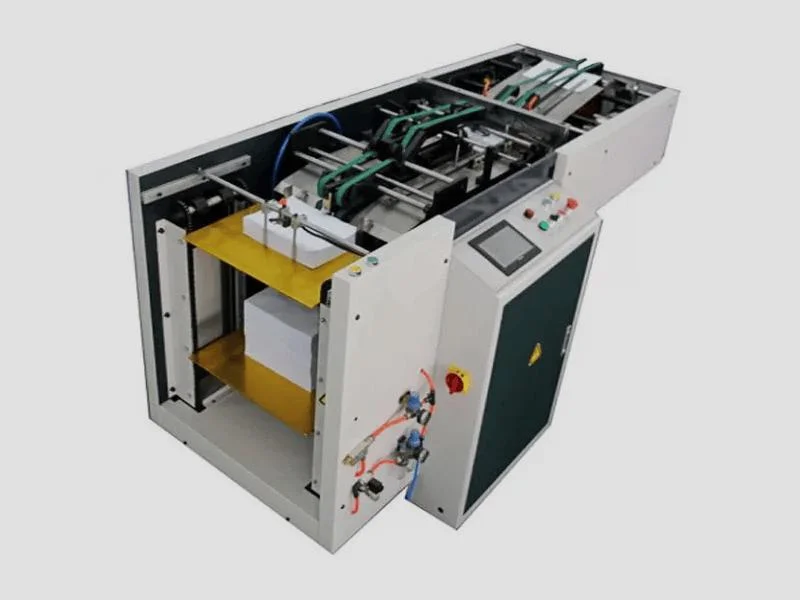
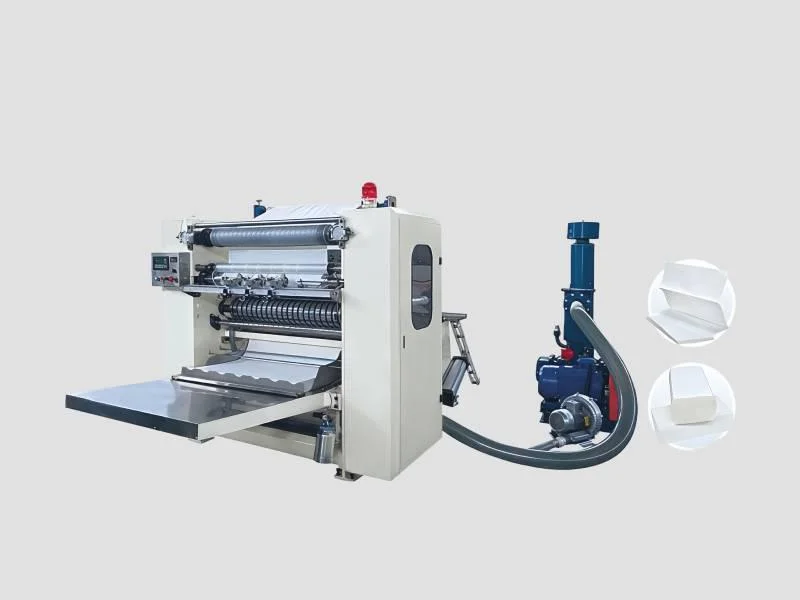
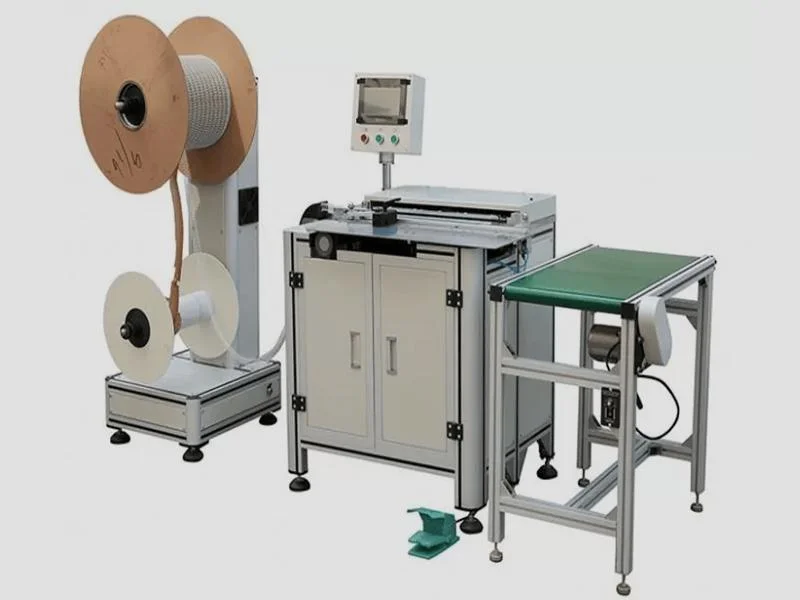
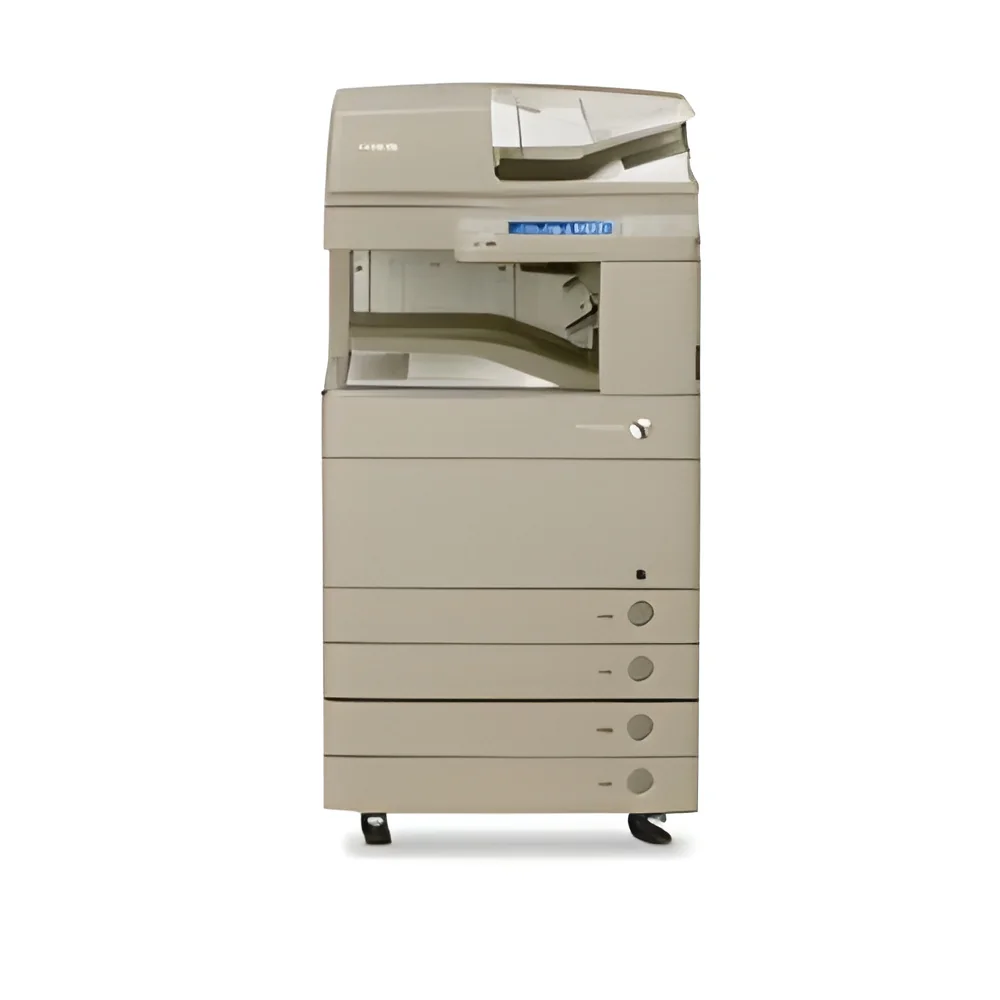
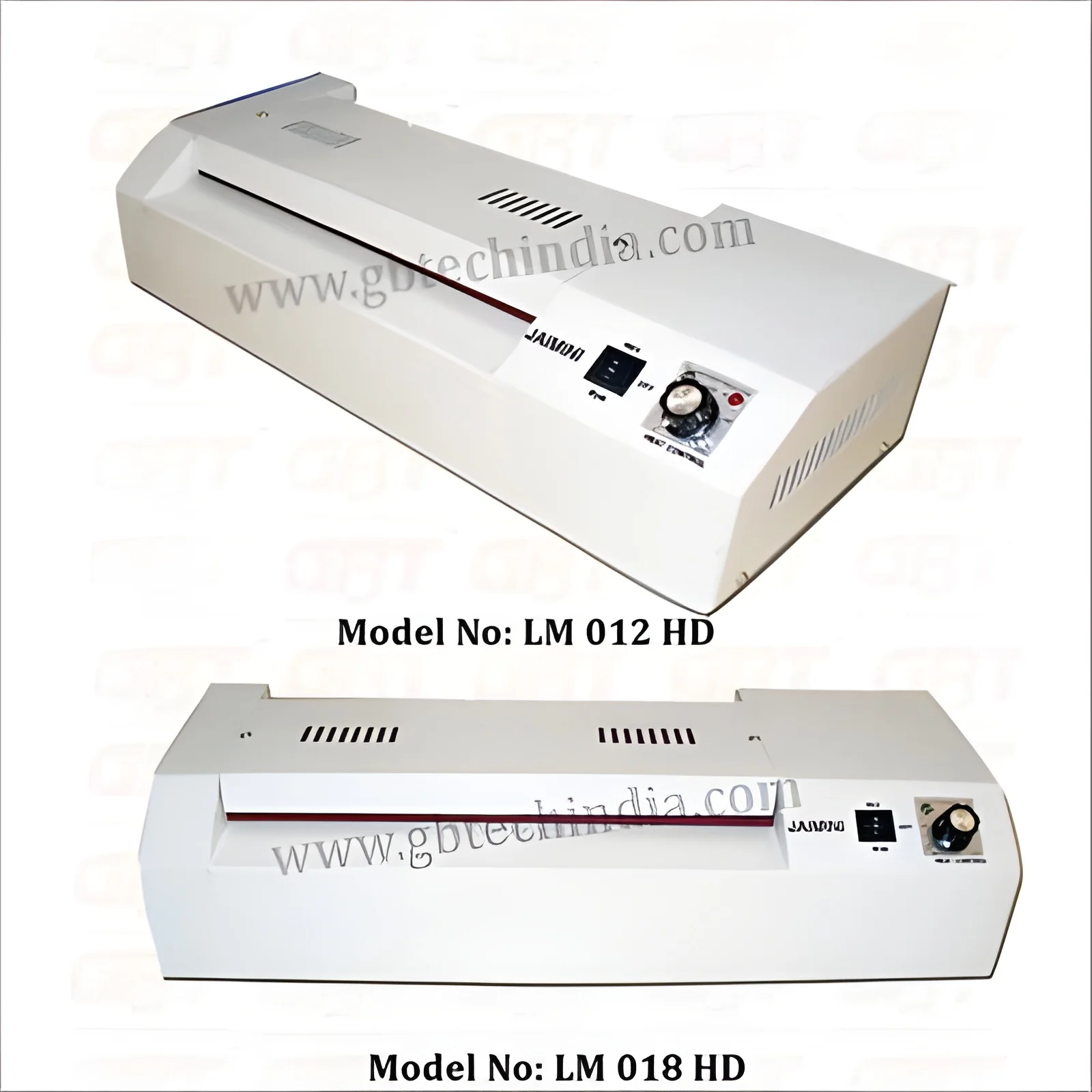
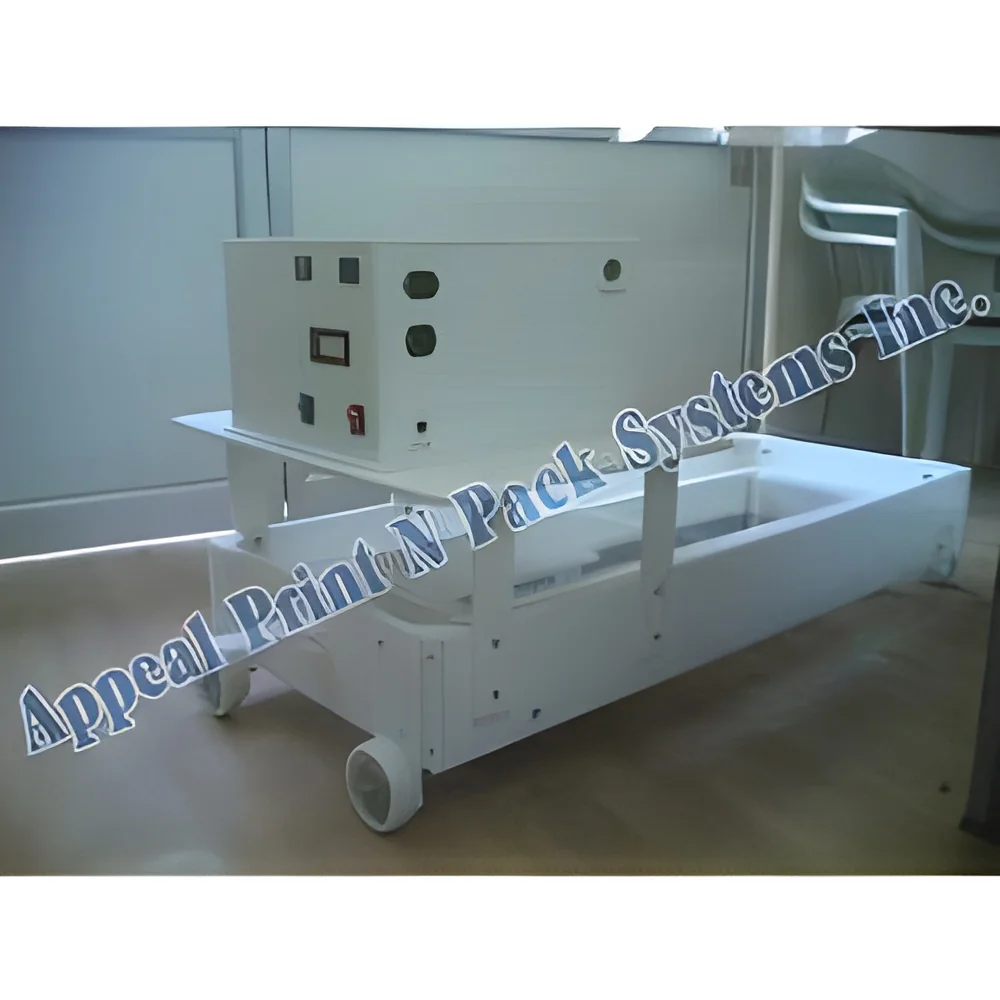
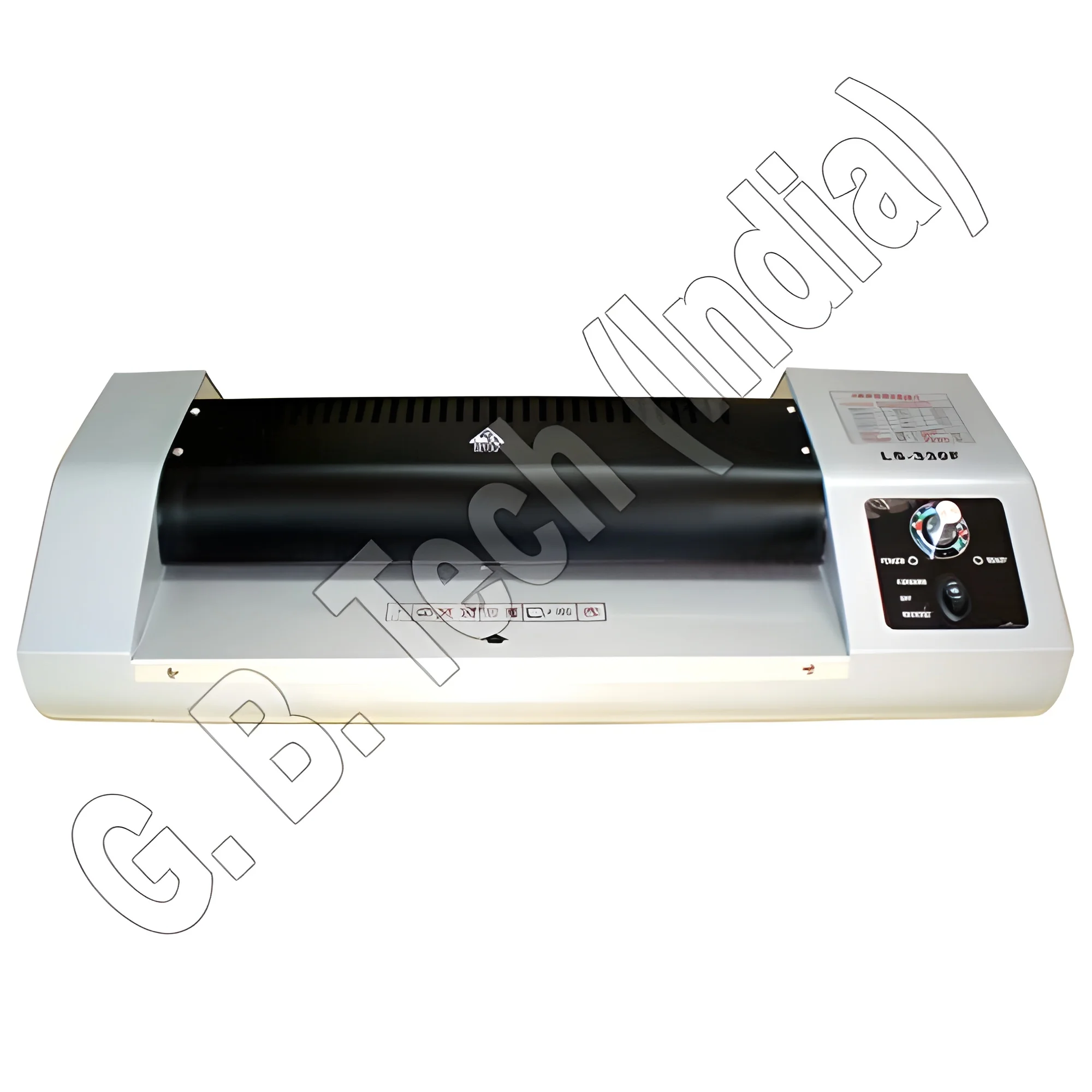
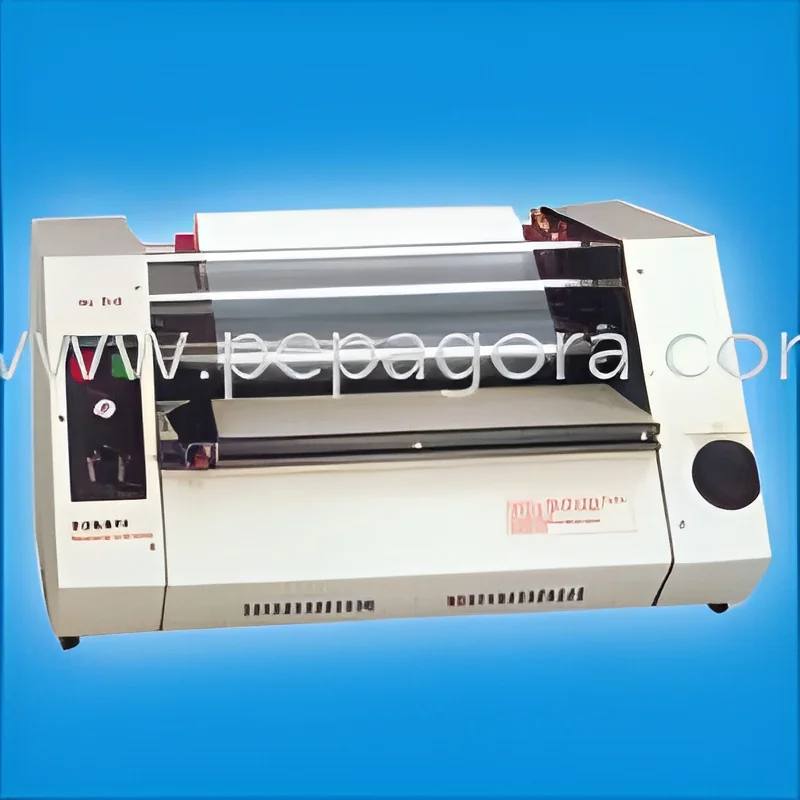
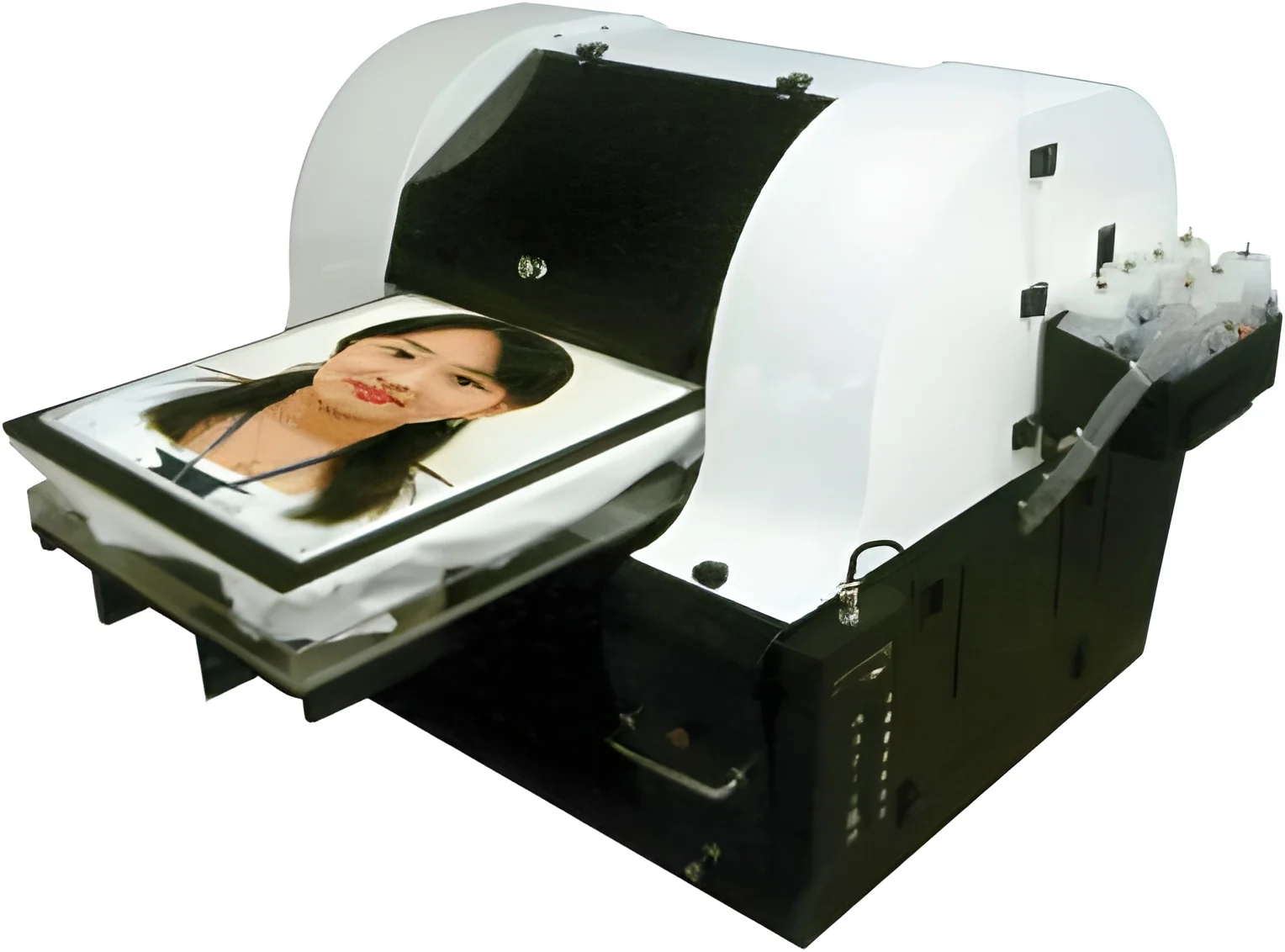
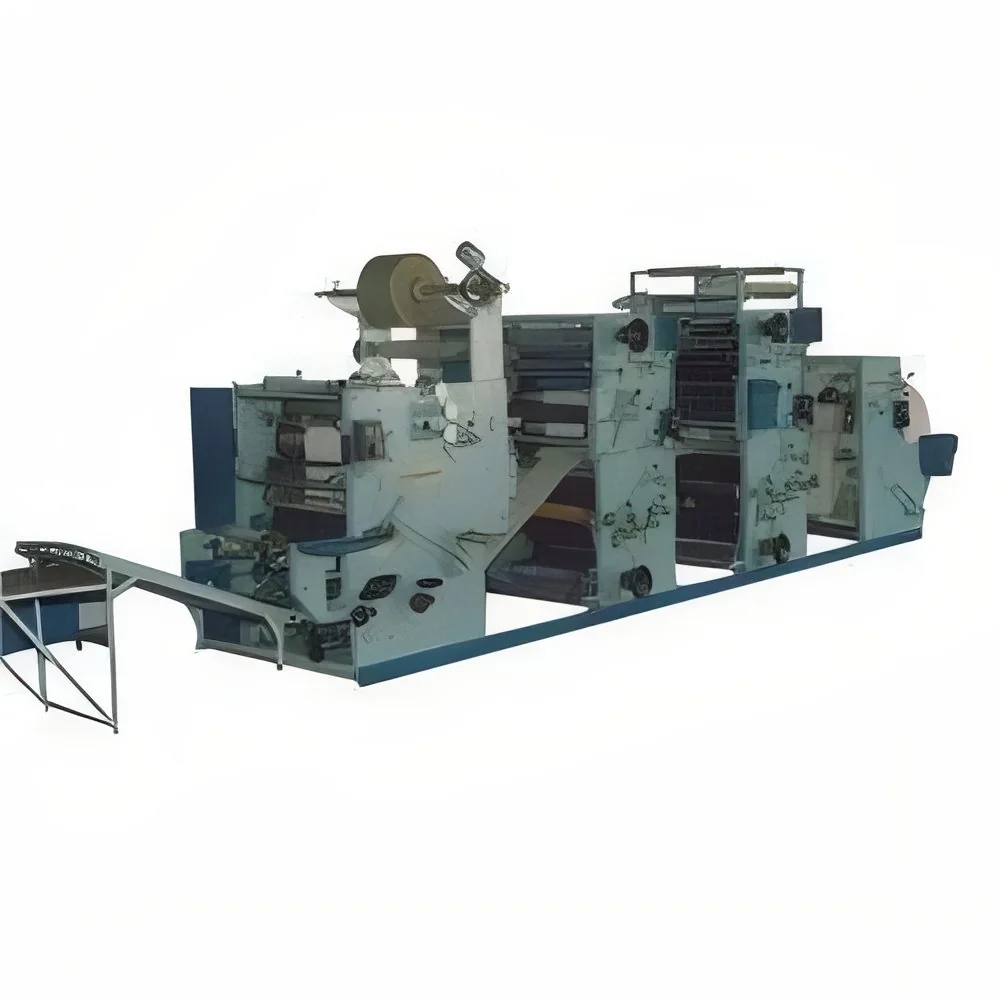
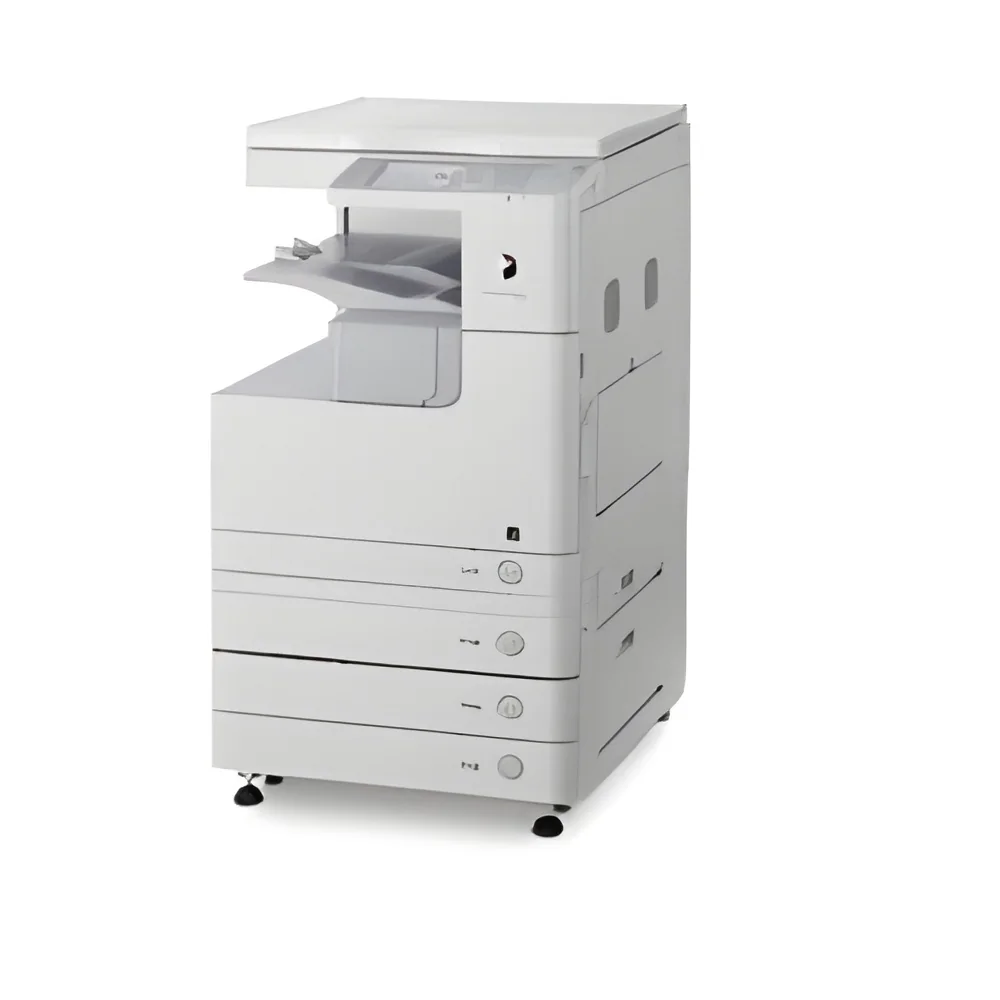
Printing machinery refers to the various types of equipment and machines used to produce printed materials. This encompasses a wide range of technologies designed for various printing processes, including digital, offset, flexographic, and gravure printing. These machines are essential for transforming digital designs into tangible products, such as labels, packaging, and promotional materials. The technology behind printing machinery continues to evolve, incorporating advancements in automation, speed, and print quality.
Printing machinery finds its primary applications across several industries, including packaging, publishing, and textiles. Businesses utilize these machines to create everything from books and magazines to labels and flexible packaging. The demand for customized and high-quality printing solutions drives innovation in this sector. As markets become more competitive, companies are increasingly investing in advanced printing machinery to enhance productivity and meet the growing needs of consumers.
In today's market, printing machinery plays a crucial role in the supply chain of printed products. The industry is characterized by a diverse range of machinery tailored for specific applications, making it vital for businesses to choose the right equipment to optimize their operations. The global printing machinery market is experiencing growth due to the rising demand for printed materials, coupled with advancements in technology and automation, which enable more efficient and cost-effective production processes.
𝗞𝗲𝘆 𝗙𝗲𝗮𝘁𝘂𝗿𝗲𝘀 𝗮𝗻𝗱 𝗦𝗽𝗲𝗰𝗶𝗳𝗶𝗰𝗮𝘁𝗶𝗼𝗻𝘀
Printing machinery is designed with a variety of features that enhance its functionality and efficiency. Understanding the specifications is crucial for businesses looking to invest in the right equipment.
Key specifications include:
1. Print Technology
- Options include digital, offset, flexographic, and gravure.
- Each technology offers unique advantages for specific applications.
2. Maximum Print Speed
- Varies by model and technology, typically ranging from 30 to 300 meters per minute.
- Faster speeds improve productivity for large print runs.
3. Print Resolution
- Measured in dots per inch (DPI), commonly ranging from 300 to 1200 DPI.
- Higher resolution allows for more detailed and vibrant prints.
4. Media Compatibility
- Capable of printing on various substrates, such as paper, plastic, and vinyl.
- Important for businesses looking to diversify their product offerings.
5. Automation Features
- Includes capabilities for automatic setup and maintenance alerts.
- Enhances operational efficiency and reduces downtime.
6. Ink Type
- Options include water-based, solvent-based, and UV-curable inks.
- Different inks provide varying durability and finish qualities.
7. Design Software Integration
- Compatibility with various design software applications.
- Facilitates a smoother transition from design to production.
8. Safety Standards
- Compliance with industry safety regulations, including CE certification.
- Essential for ensuring safe operation and worker protection.
These specifications serve as a guideline for businesses to evaluate and select the right printing machinery based on their unique production needs.
𝗖𝗼𝗺𝗺𝗼𝗻 𝗔𝗽𝗽𝗹𝗶𝗰𝗮𝘁𝗶𝗼𝗻𝘀 𝗮𝗻𝗱 𝗨𝘀𝗲 𝗖𝗮𝘀𝗲𝘀
Printing machinery serves various industries, each with specific applications that highlight its versatility and importance.
1. Packaging: In the packaging industry, printing machinery is used to produce labels, boxes, and flexible packaging materials. High-quality printing ensures that packaging is visually appealing and informative.
2. Publishing: The publishing sector relies on printing machinery for producing books, magazines, and newspapers. Advanced printing technologies allow for efficient large-scale production.
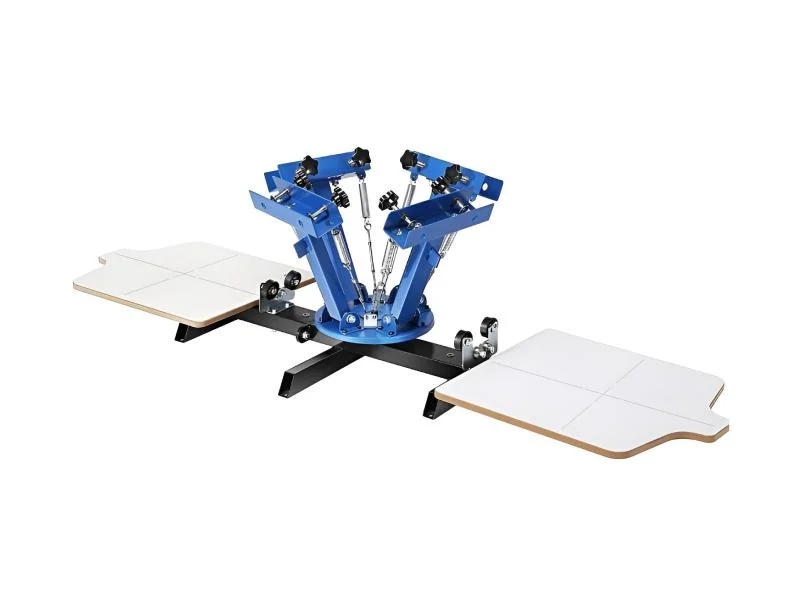
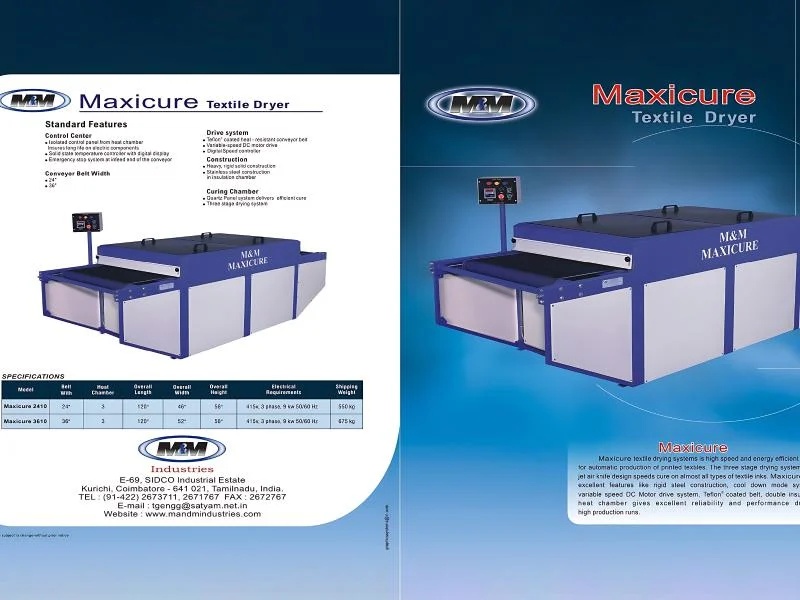
3. Textiles: In textile manufacturing, printing machinery is essential for producing printed fabrics and garments. This includes everything from fashion items to home textiles.
4. Advertising: Businesses in the advertising sector utilize printing machinery for promotional materials, including brochures, flyers, and banners. High-quality print outputs can significantly enhance marketing campaigns.
5. Automotive: The automotive industry uses printing machinery for producing labels, decals, and promotional materials. Precision and durability in printing are crucial for branding.
6. Electronics: In electronics, printed circuit boards (PCBs) may require specialized printing processes. Accurate printing is vital for functionality and quality assurance.
7. Pharmaceuticals: The pharmaceutical industry depends on printing machinery for labeling medicine and packaging. Compliance with regulations is critical in this sector.
𝗣𝗿𝗼𝗱𝘂𝗰𝘁 𝗩𝗮𝗿𝗶𝗮𝗻𝘁𝘀 𝗮𝗻𝗱 𝗦𝘂𝗯𝗰𝗮𝘁𝗲𝗴𝗼𝗿𝗶𝗲𝘀
Printing machinery comes in diverse forms, each tailored to specific needs and applications.
Digital Printers
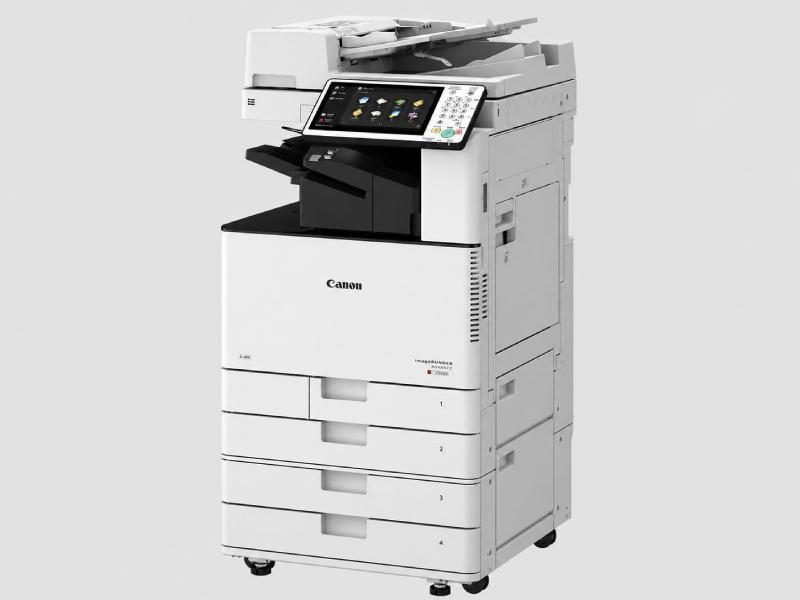
Digital printers are designed for short-run jobs and offer quick turnaround times. They provide high-quality prints and are suitable for personalized products and variable data printing.
Offset Printers
Offset printers are ideal for high-volume jobs, providing consistent quality across large print runs. They are commonly used in commercial printing for items like magazines and brochures.
Flexographic Printers
Flexographic printers are primarily used for packaging applications. They excel in printing on various substrates, including non-porous materials.
Gravure Printers
Gravure printers are known for their ability to produce high-quality images and are often used in long-run applications like wallpaper and flexible packaging.
𝗕𝗲𝗻𝗲𝗳𝗶𝘁𝘀 𝗮𝗻𝗱 𝗔𝗱𝘃𝗮𝗻𝘁𝗮𝗴𝗲𝘀
Investing in printing machinery offers numerous benefits for businesses in various sectors.
1. Enhanced Productivity: Modern printing machinery is designed for speed and efficiency, allowing businesses to complete large print jobs quickly.
2. Cost-Effectiveness: Advanced technologies often lead to lower operational costs per unit, making it more economical for businesses to produce printed materials.
3. Improved Print Quality: High-resolution printing capabilities ensure that produced materials are visually appealing and meet customer expectations.
4. Versatility: Printing machinery can handle a wide range of substrates and applications, allowing businesses to diversify their offerings.
5. Automation Features: Many machines come equipped with automation capabilities that reduce manual intervention and streamline production processes.
6. Customization Options: Printing machinery allows for personalized printing, catering to specific customer needs and preferences.
𝗕𝘂𝘆𝗶𝗻𝗴 𝗚𝘂𝗶𝗱𝗲 𝗳𝗼𝗿 𝗕𝟮𝗕 𝗕𝘂𝘆𝗲𝗿𝘀
When sourcing printing machinery, businesses should consider several critical factors to ensure they make the right investment.
1. Quality Assessment: Evaluate the quality of the printing machinery based on performance metrics, user reviews, and machine longevity. It is essential to choose machinery that meets industry standards.
2. Supplier Verification: Vet potential suppliers by checking their credentials, experience in the industry, and customer feedback. A reliable supplier is crucial for long-term support and maintenance.
3. Pricing and MOQ: Understand the cost structure and minimum order quantities (MOQ) set by suppliers. Compare prices to ensure you are getting a competitive deal without sacrificing quality.
4. Delivery and Lead Times: Inquire about delivery schedules and lead times to align with your production timelines. Delays can affect overall operations and client satisfaction.
5. Compliance Requirements: Ensure that the machinery complies with relevant industry regulations and safety standards. This is essential for maintaining quality and legal compliance.
𝗖𝗼𝗺𝗽𝗹𝗶𝗮𝗻𝗰𝗲 𝗮𝗻𝗱 𝗖𝗲𝗿𝘁𝗶𝗳𝗶𝗰𝗮𝘁𝗶𝗼𝗻𝘀
Compliance with industry standards and regulations is paramount in the printing machinery sector.
Relevant quality standards such as ISO 9001 ensure that manufacturers maintain a consistent level of quality management throughout their operations. This standard focuses on meeting customer expectations and regulatory requirements.
Certifications like CE indicate that the machinery meets European safety, health, and environmental protection standards. This is particularly important for businesses operating in regions where compliance is mandatory.
Safety and testing requirements are critical in ensuring that printing machinery operates safely and efficiently. Regular maintenance and adherence to safety guidelines help prevent workplace accidents and equipment failures.
Regional compliance considerations may vary, and businesses should be aware of specific regulations in their operating regions. This ensures that they avoid legal issues and maintain operational integrity.
𝗪𝗵𝘆 𝗦𝗼𝘂𝗿𝗰𝗲 𝗣𝗿𝗶𝗻𝘁𝗶𝗻𝗴 𝗠𝗮𝗰𝗵𝗶𝗻𝗲𝗿𝘆 𝗳𝗿𝗼𝗺 𝗣𝗲𝗽𝗮𝗴𝗼𝗿𝗮?
Pepagora provides a trusted platform for sourcing printing machinery, offering several key advantages that benefit businesses.
Verified Supplier Network: Pepagora has established a network of verified suppliers, ensuring that businesses can access quality machinery from reputable manufacturers. This reduces the risk of substandard products and builds confidence in procurement.
Streamlined RFQ Process: The platform features a streamlined Request for Quotation (RFQ) process that allows buyers to easily connect with multiple suppliers. This competitive environment helps businesses secure the best pricing and terms for their machinery needs.
Trade Assurance and Support: Pepagora offers trade assurance to protect buyers throughout the purchasing process. This includes support for resolving disputes and ensuring timely delivery, enhancing the overall buyer experience.
Regional Coverage: With a focus on regions such as India, the GCC, and Southeast Asia, Pepagora provides extensive geographic reach for sourcing printing machinery. This local expertise ensures that businesses can access products tailored to their specific market requirements.

 IN
IN