What are Other Printing Machinery?
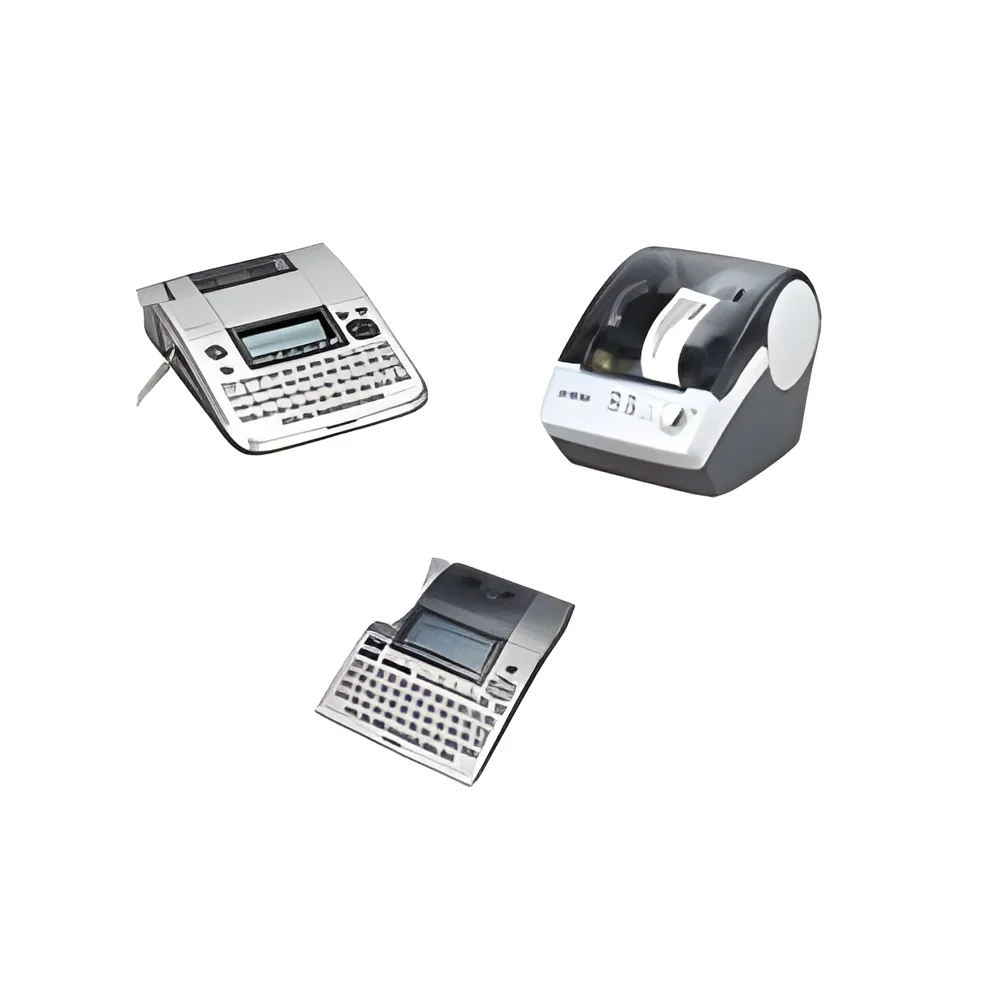
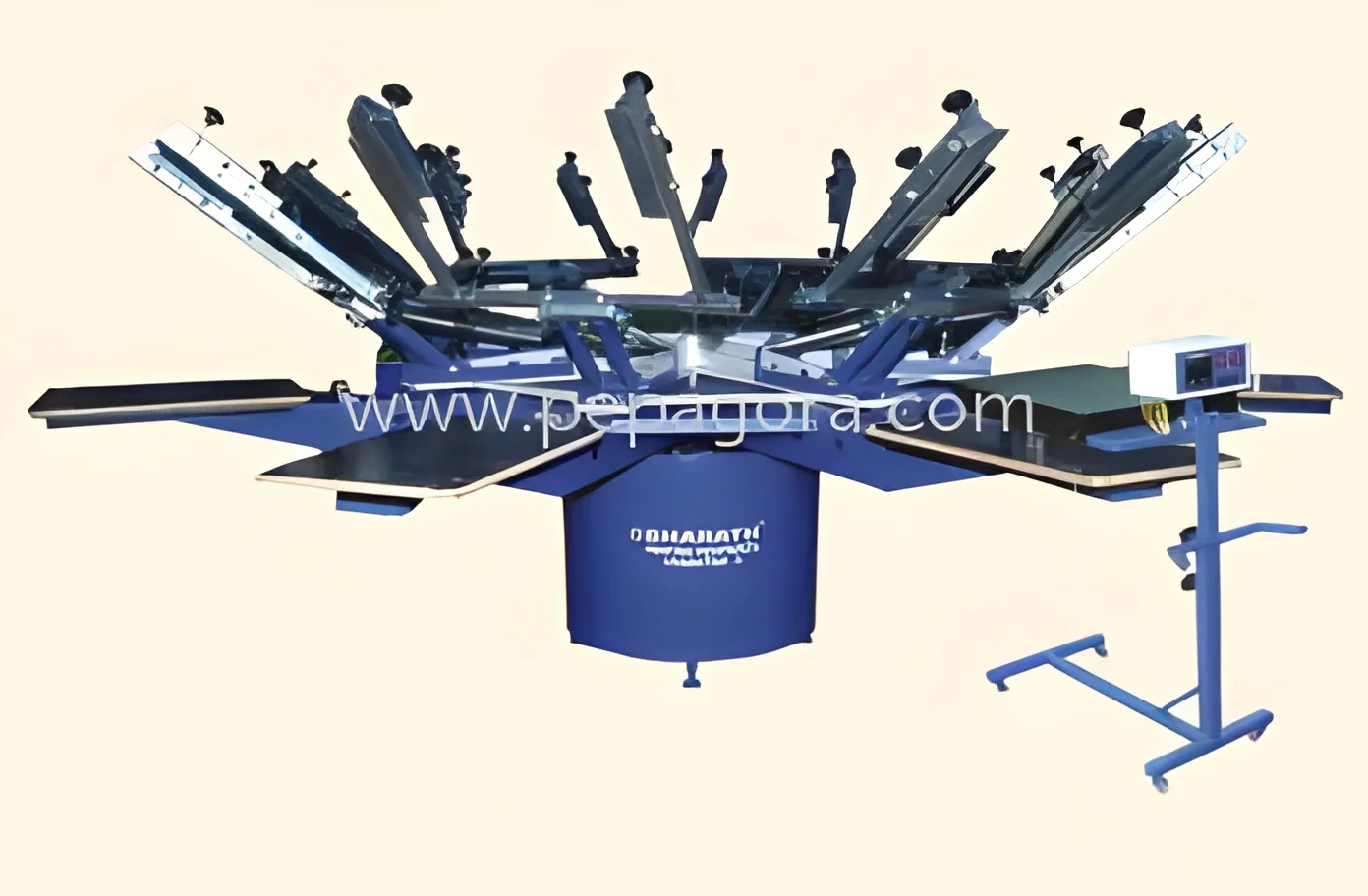
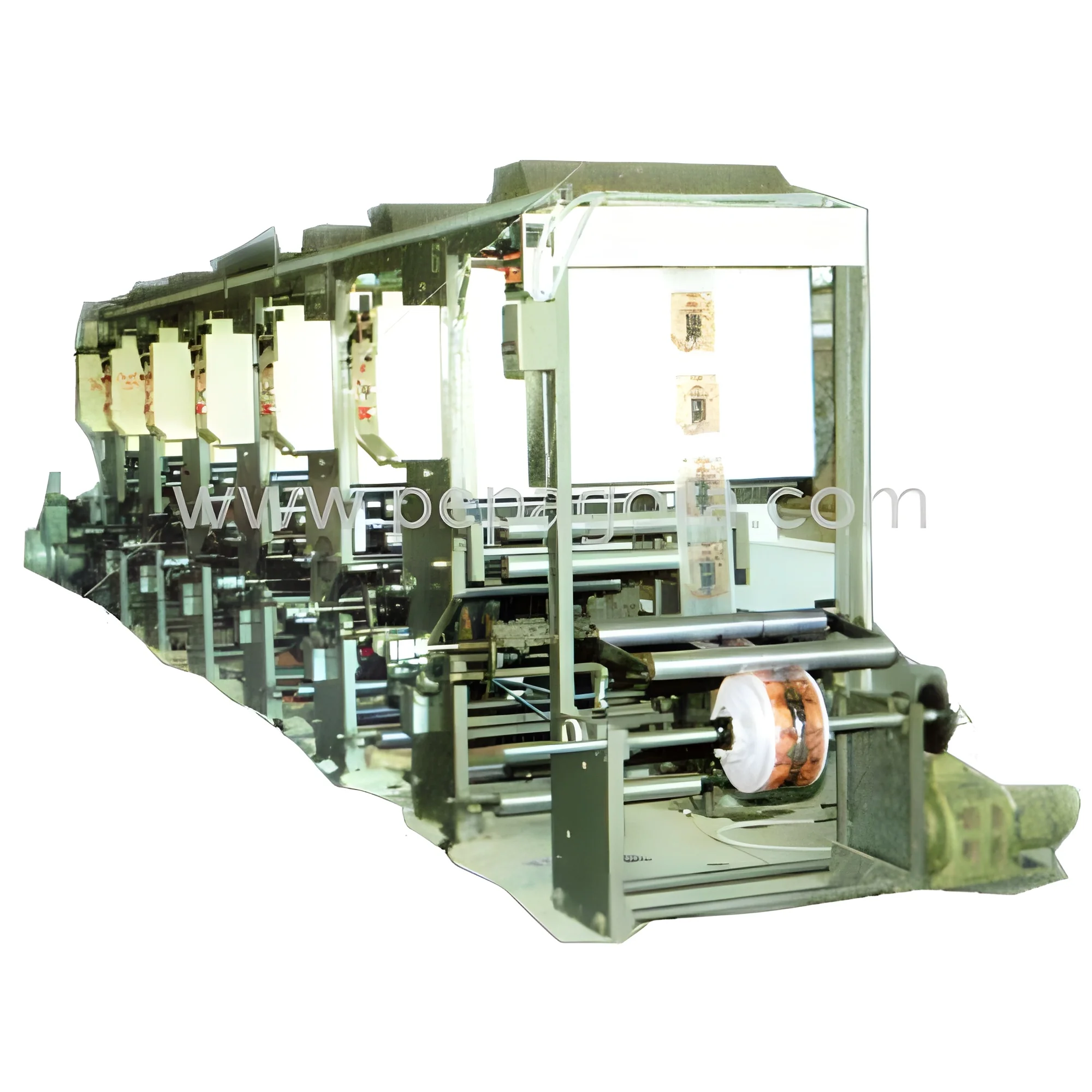
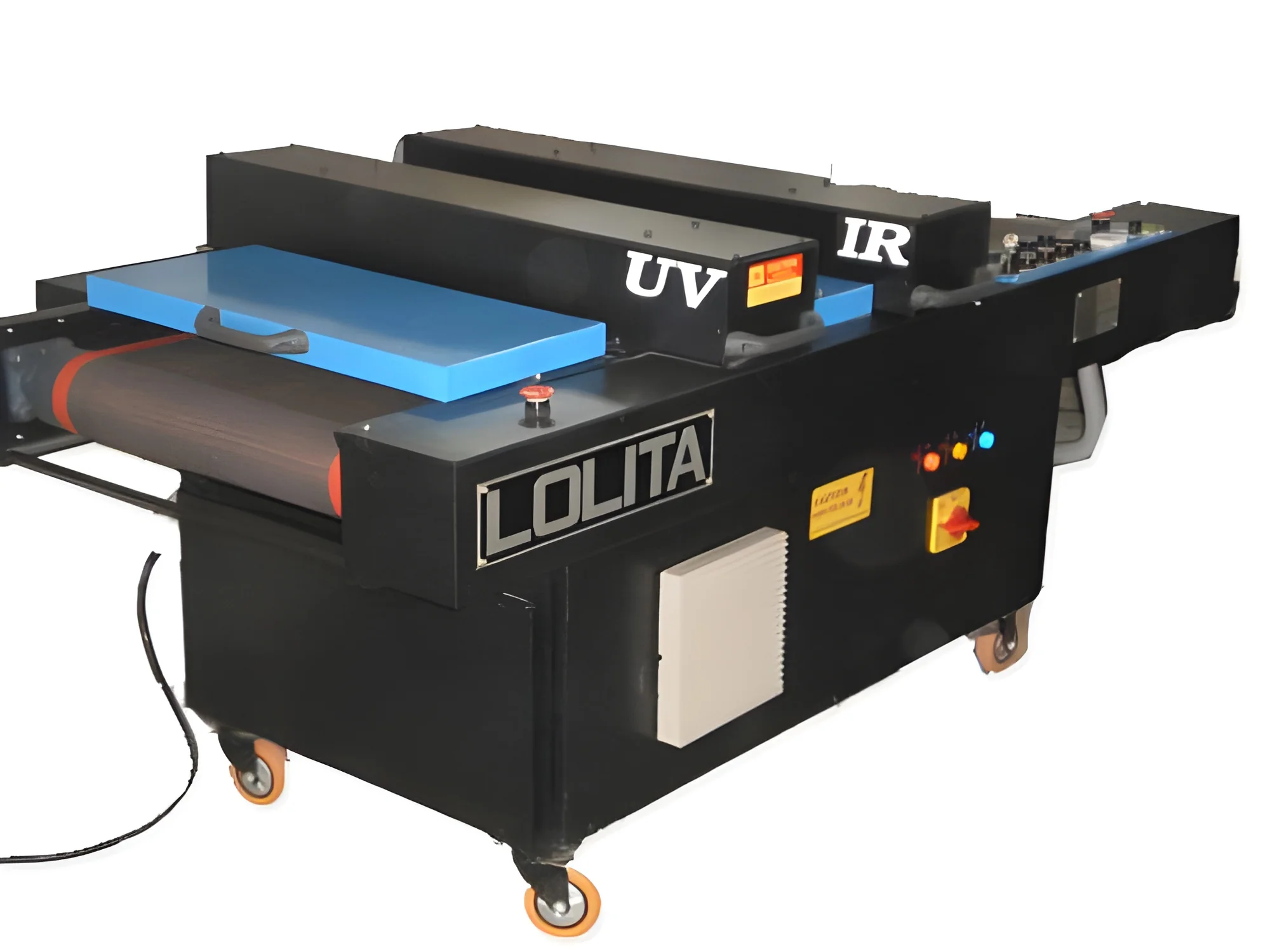
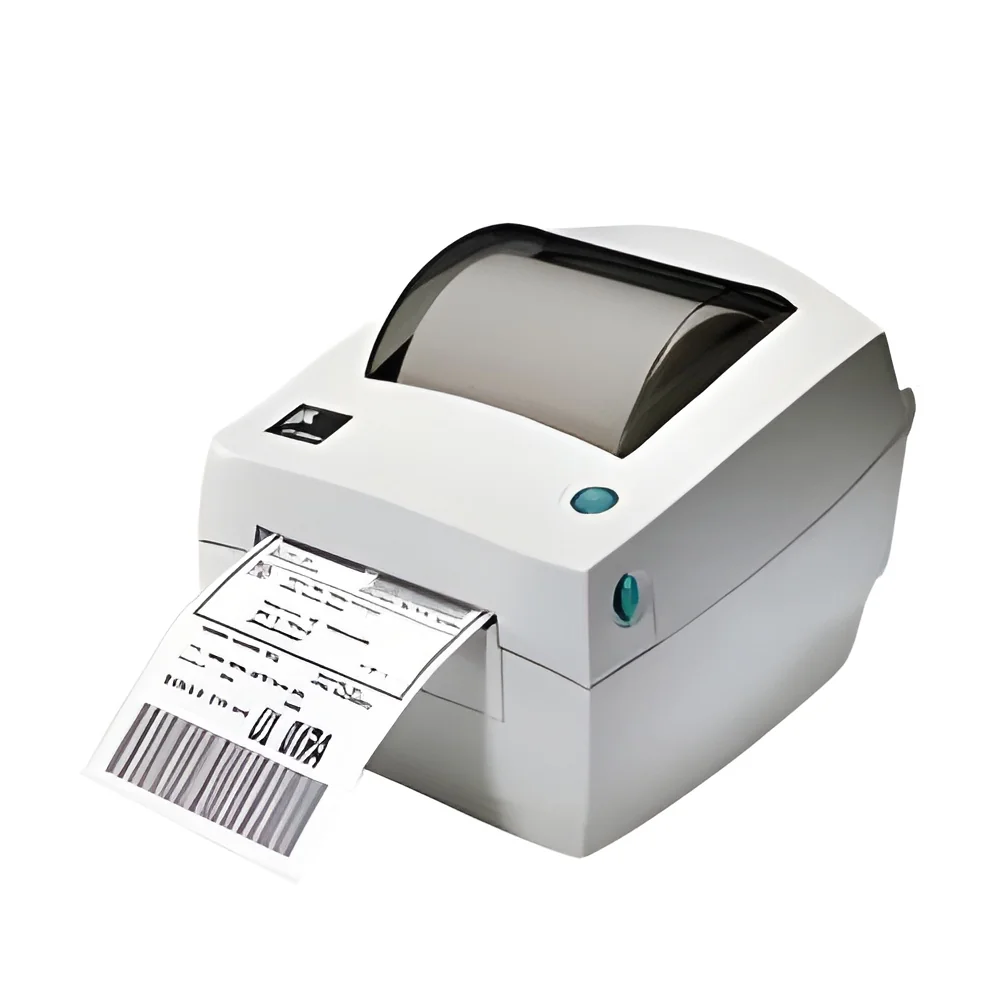
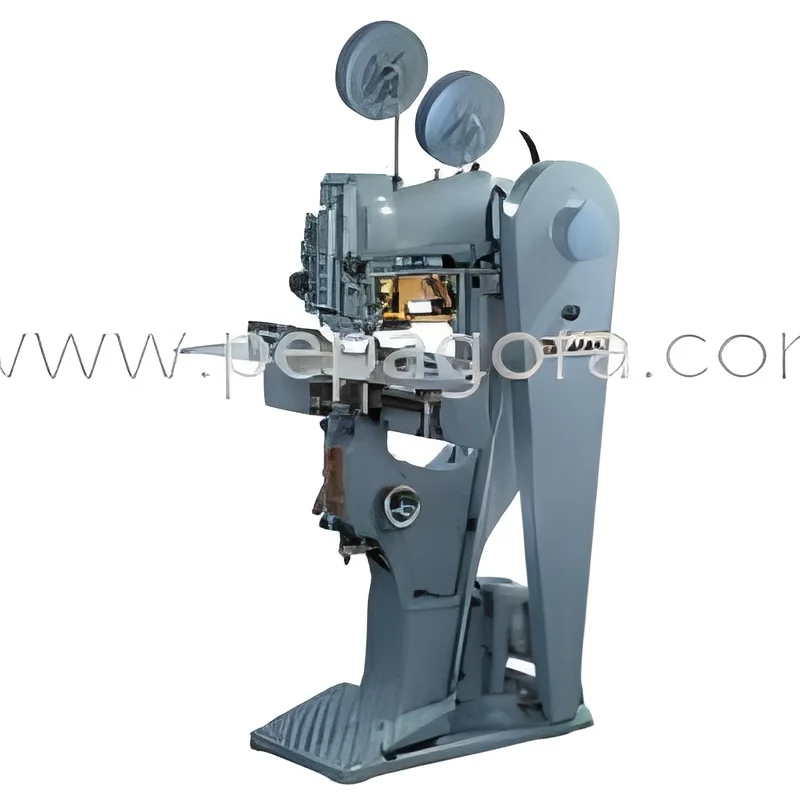
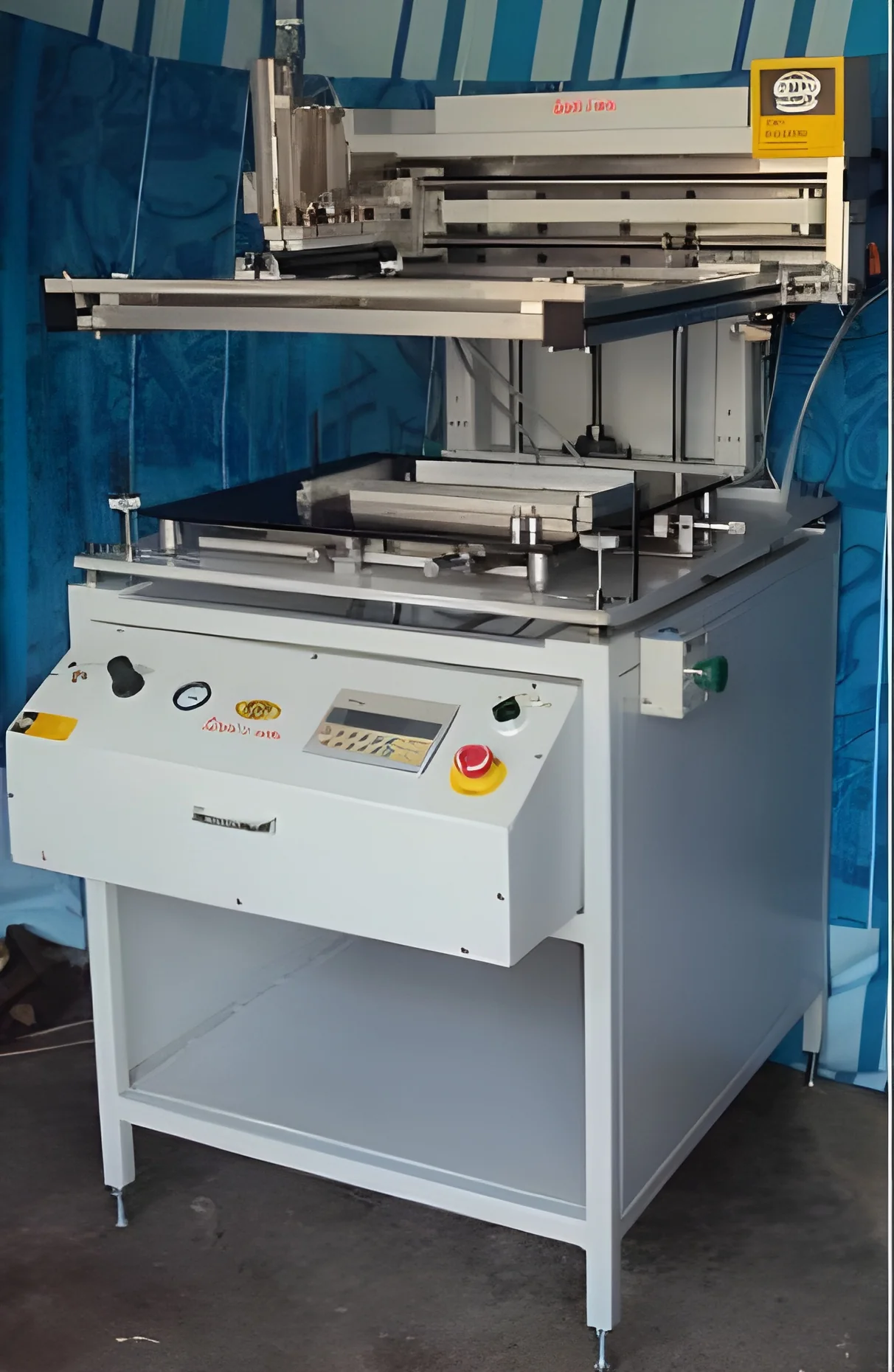
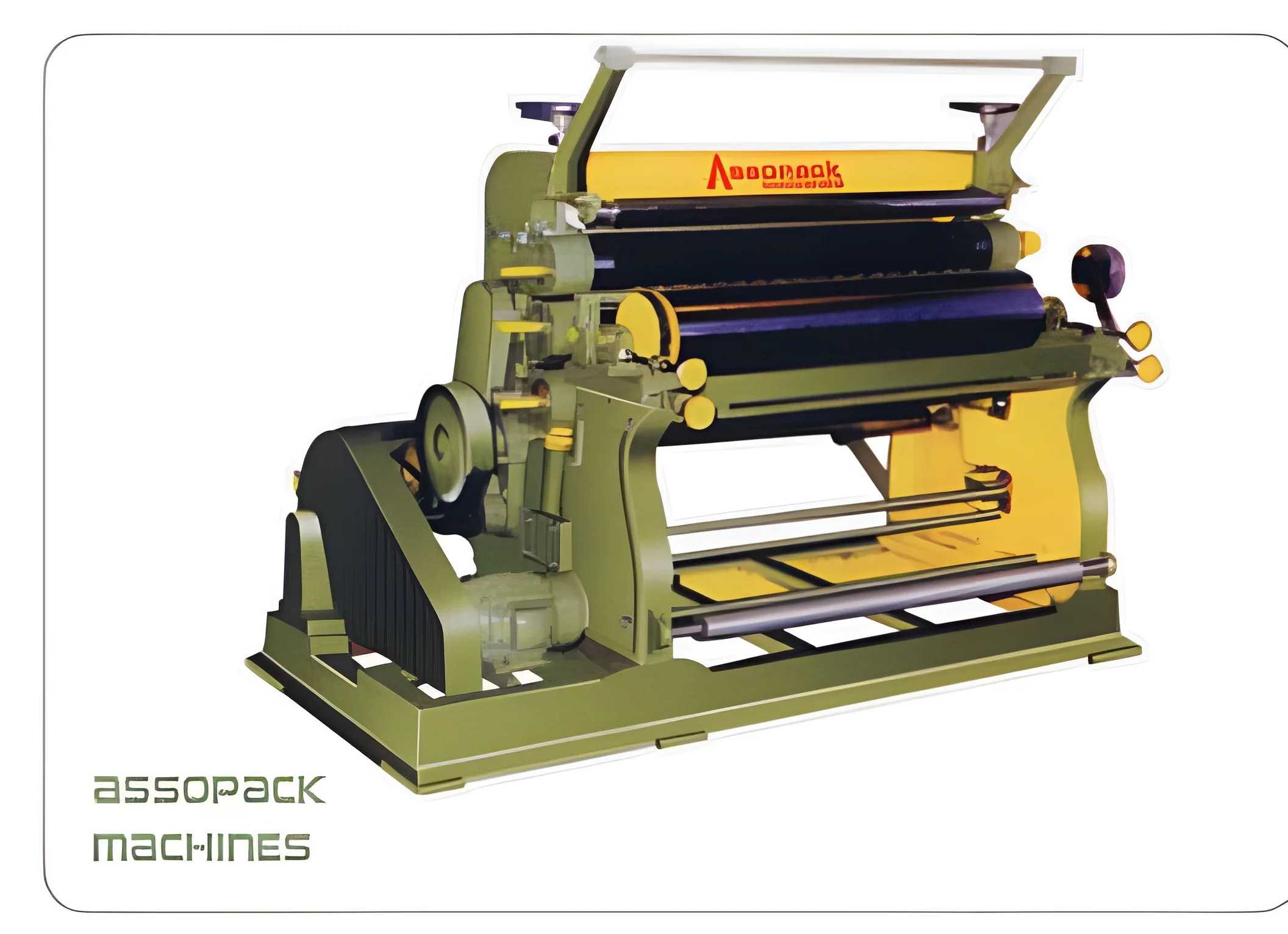
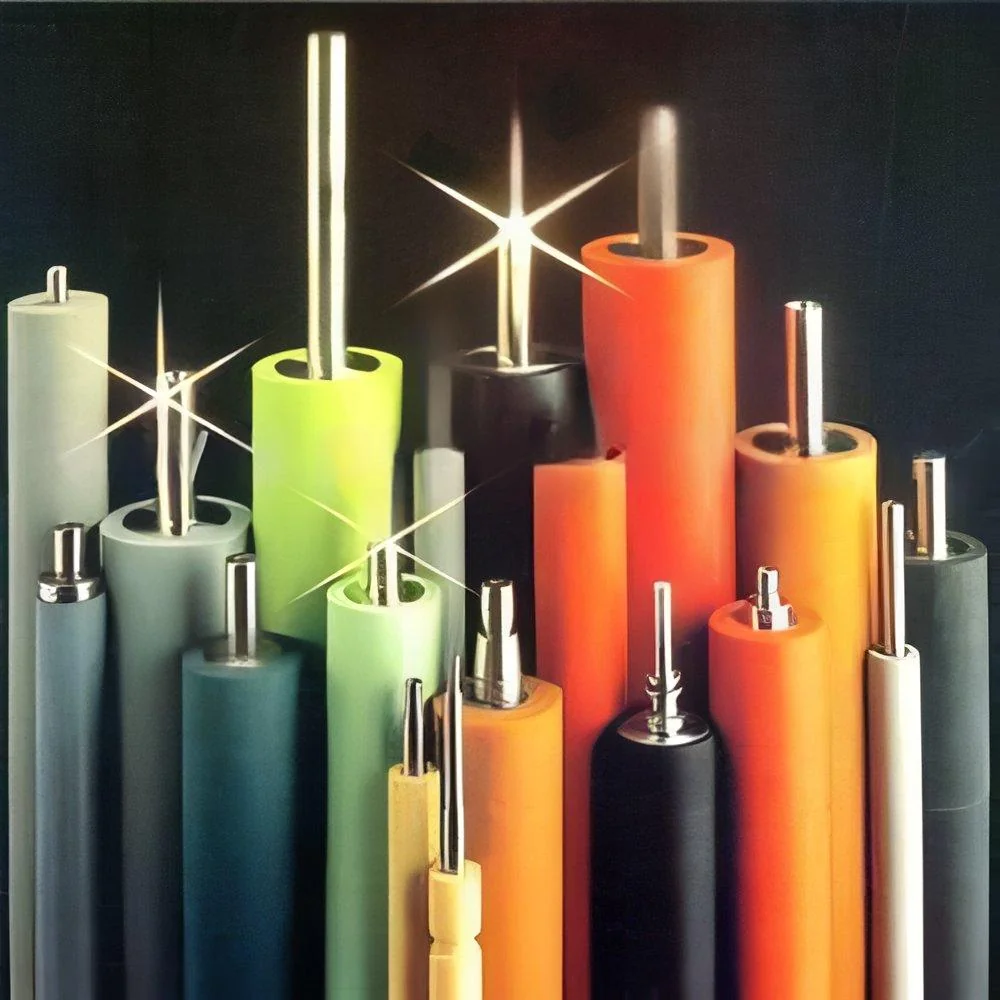
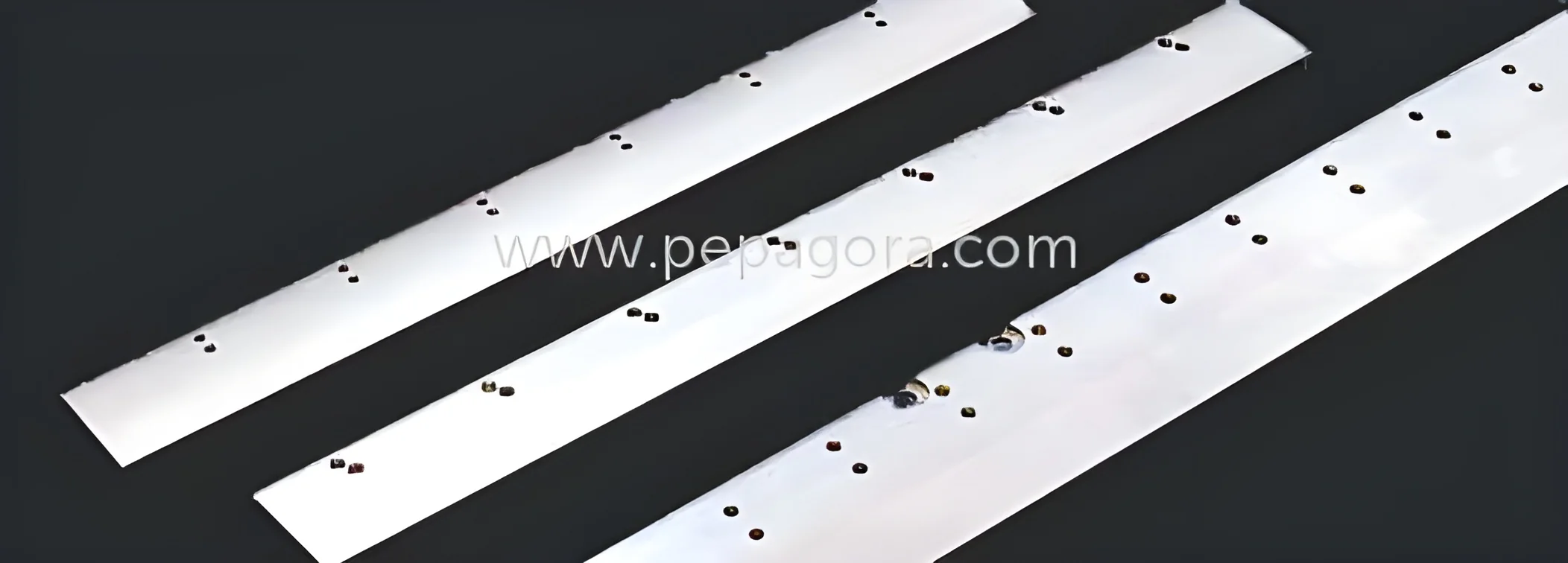
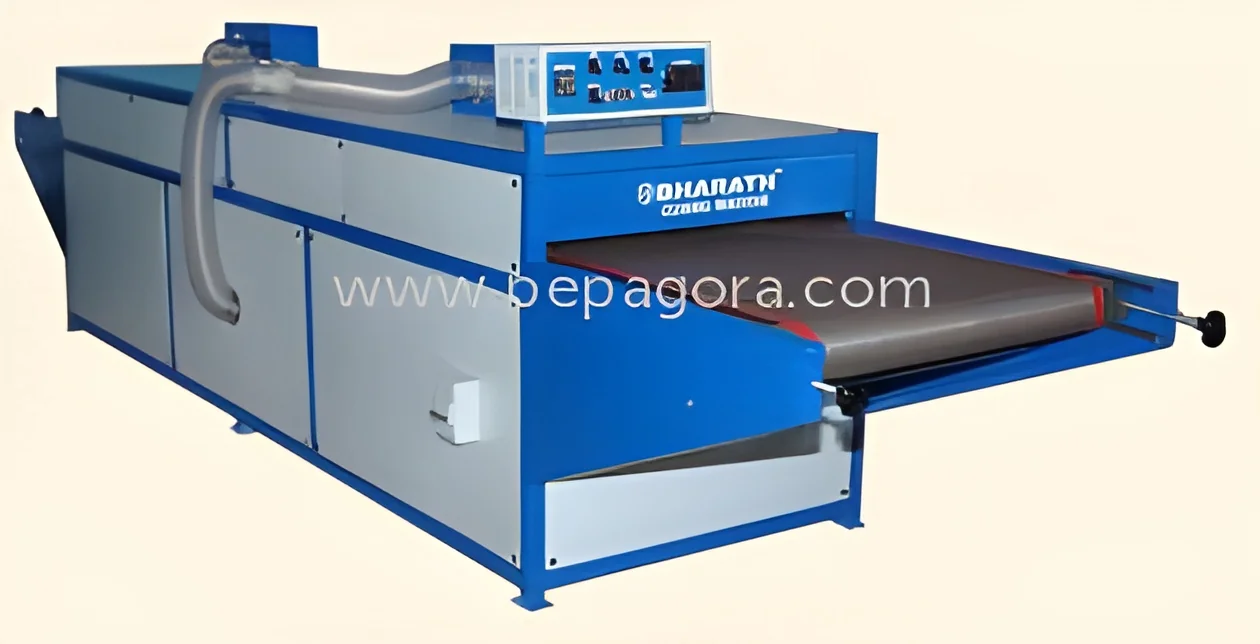
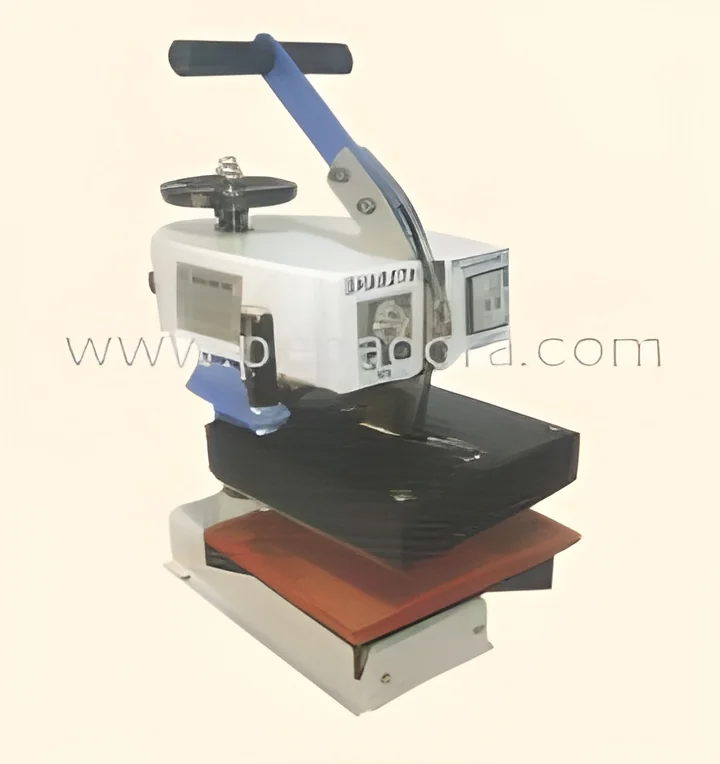
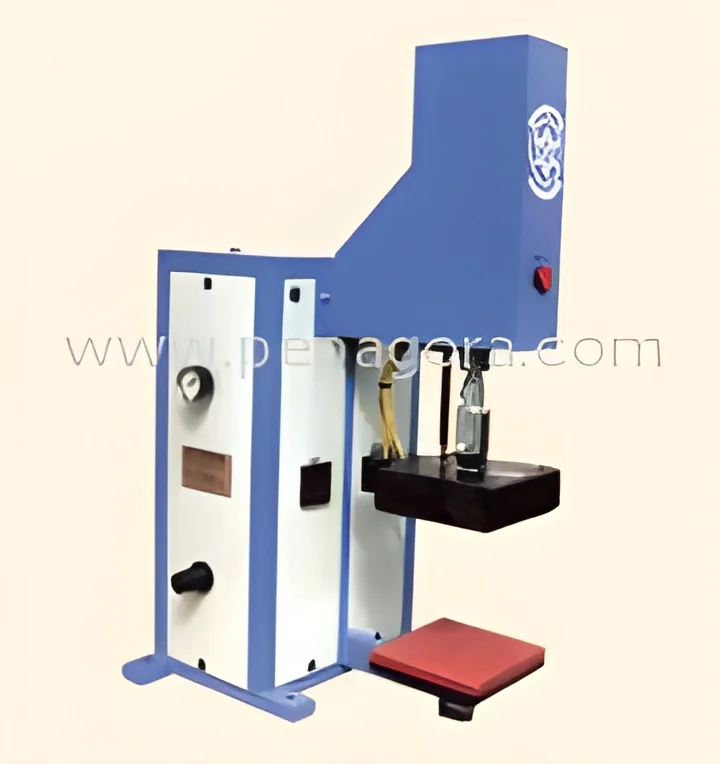
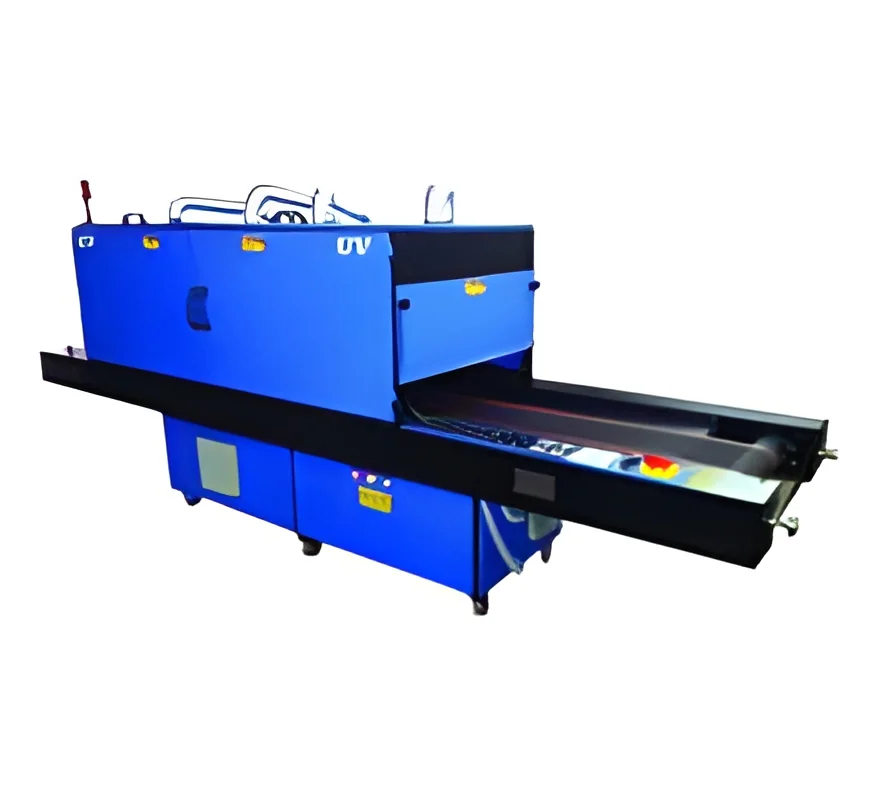
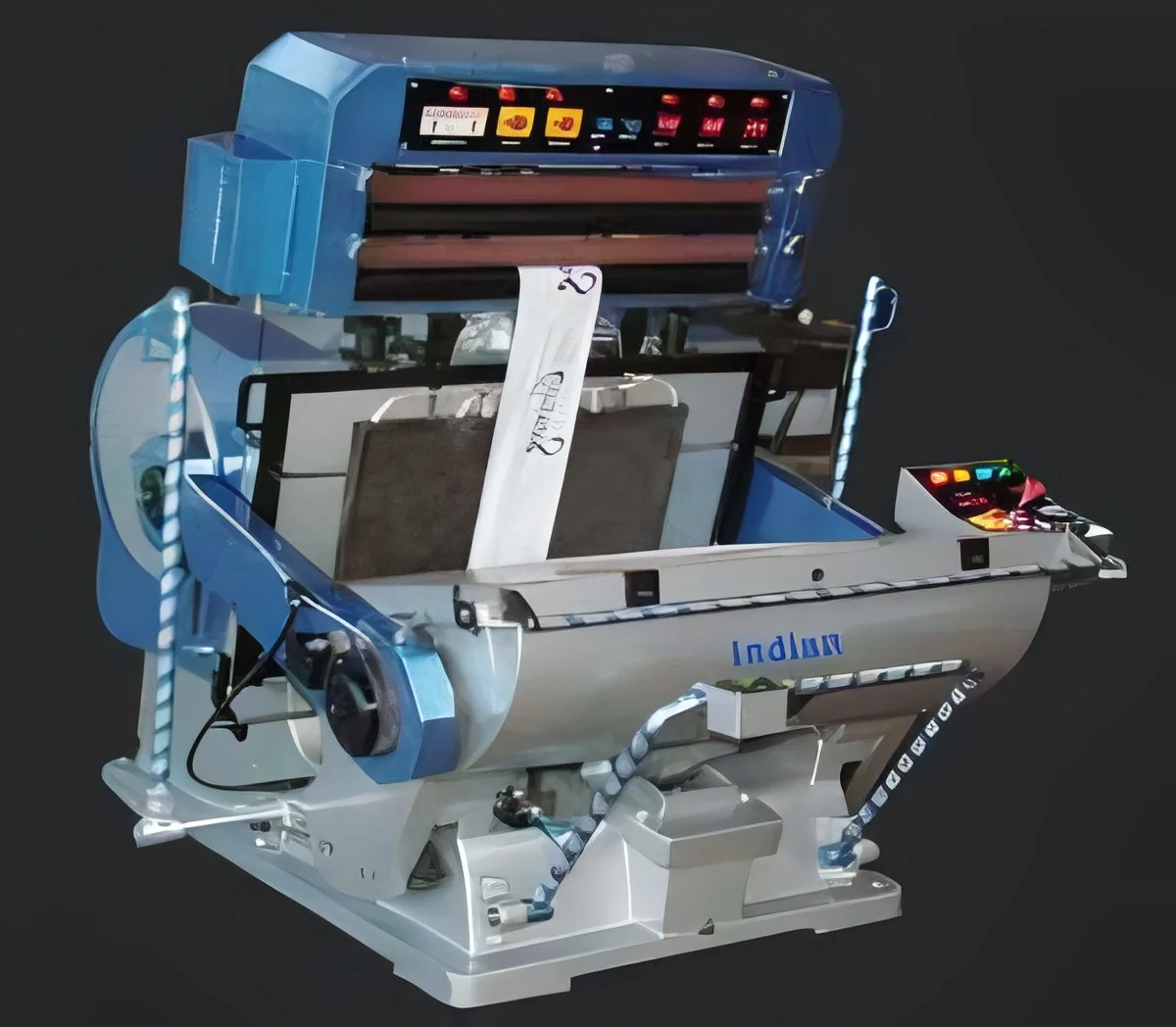
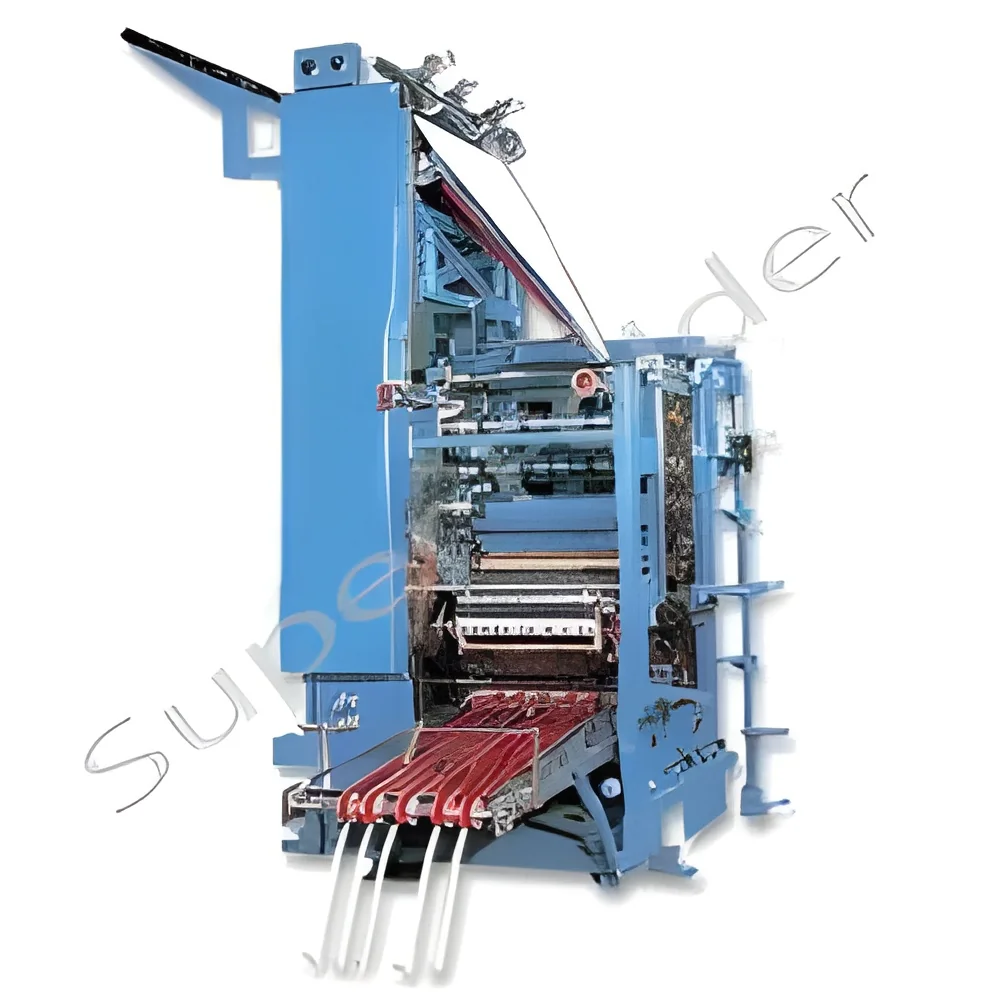
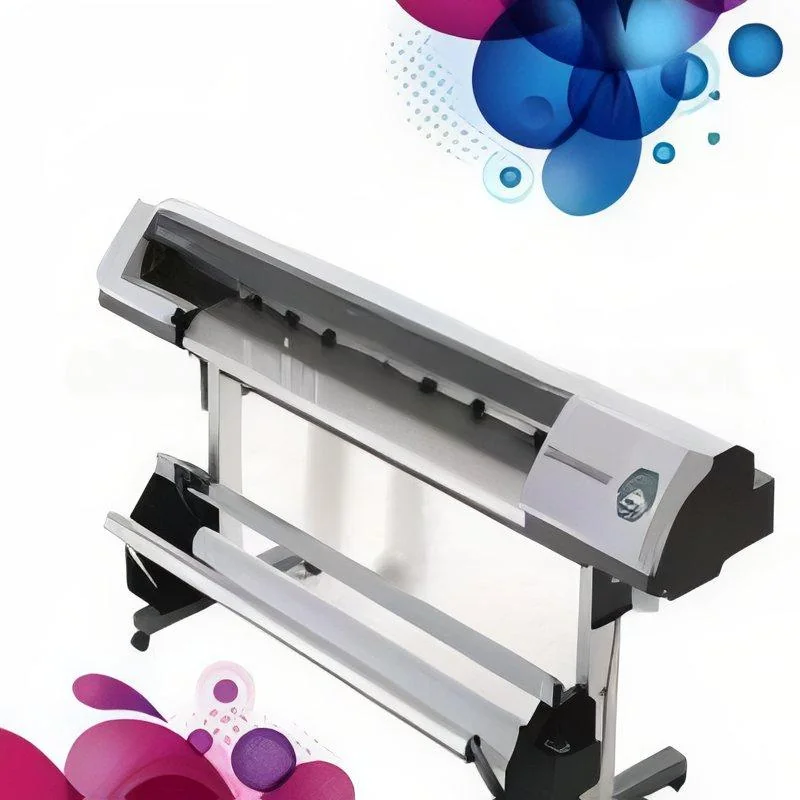
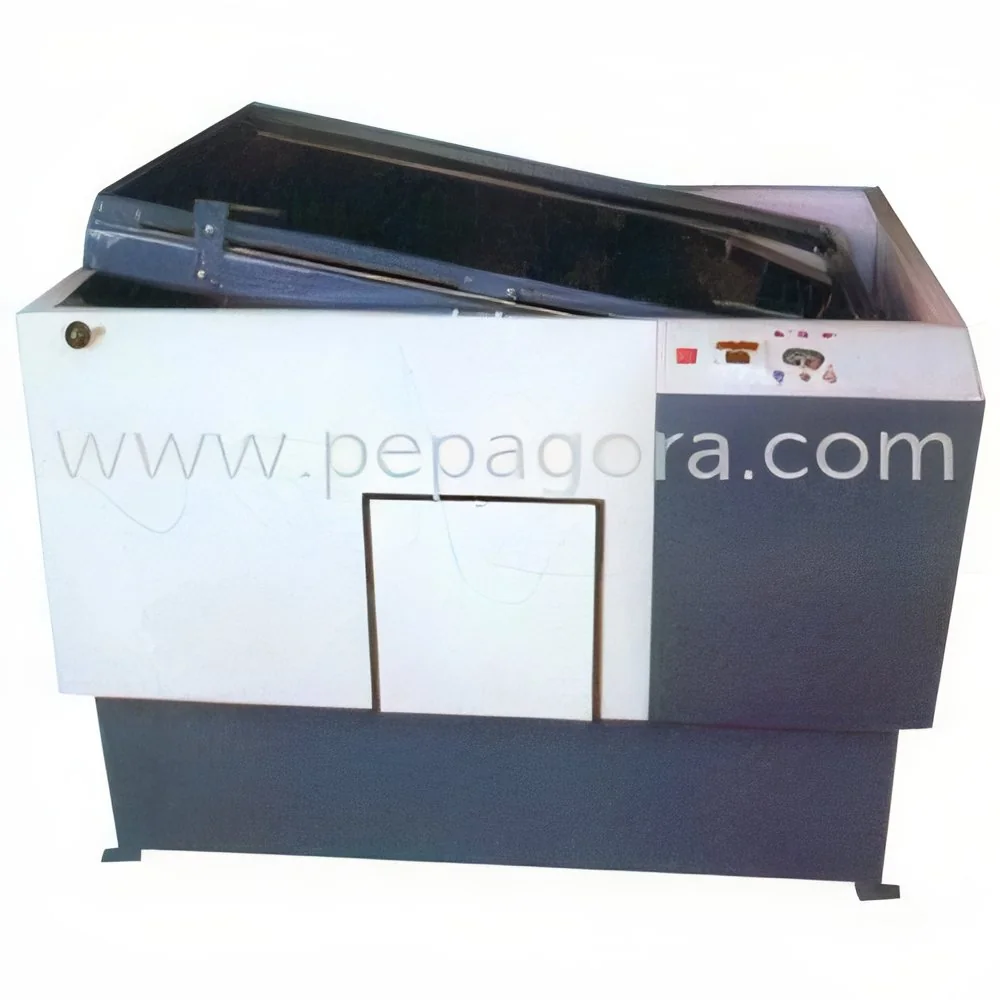
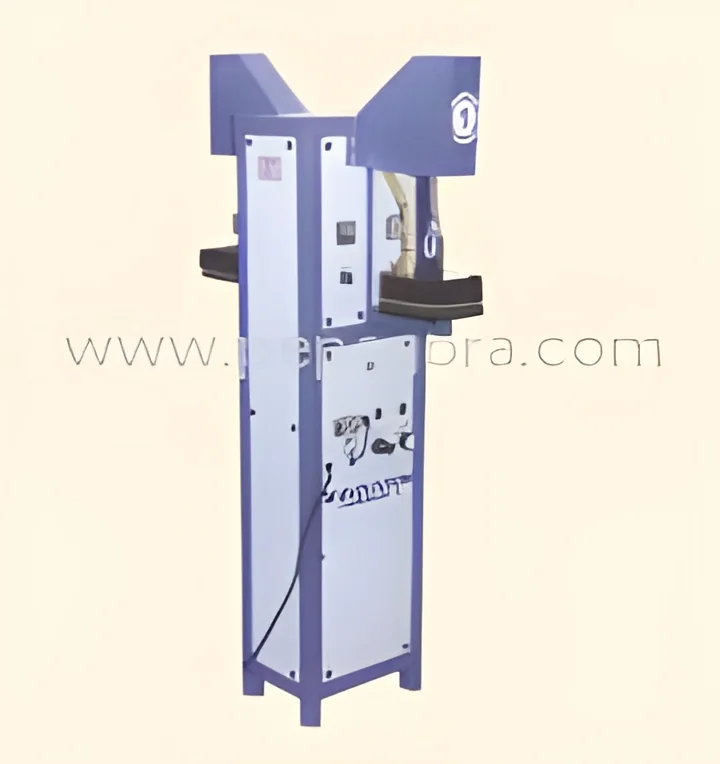
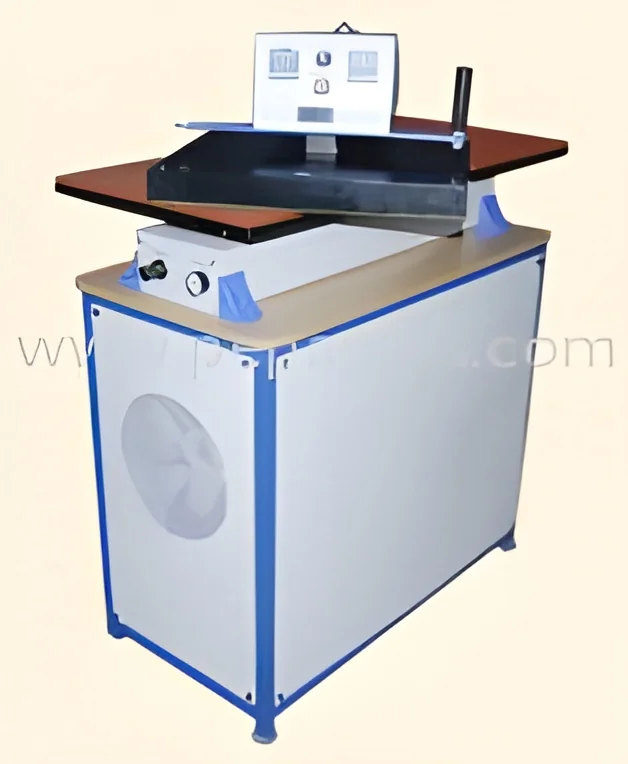
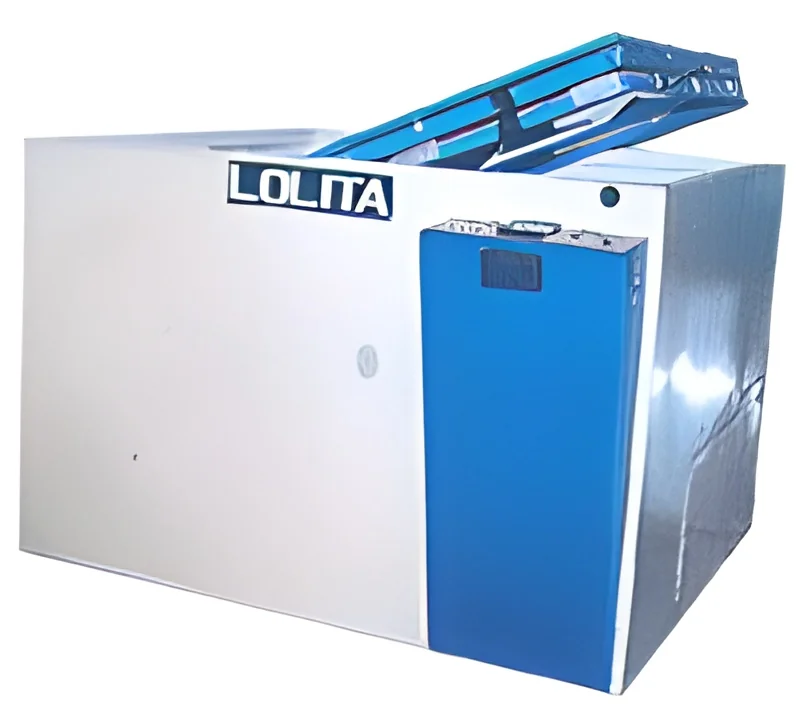
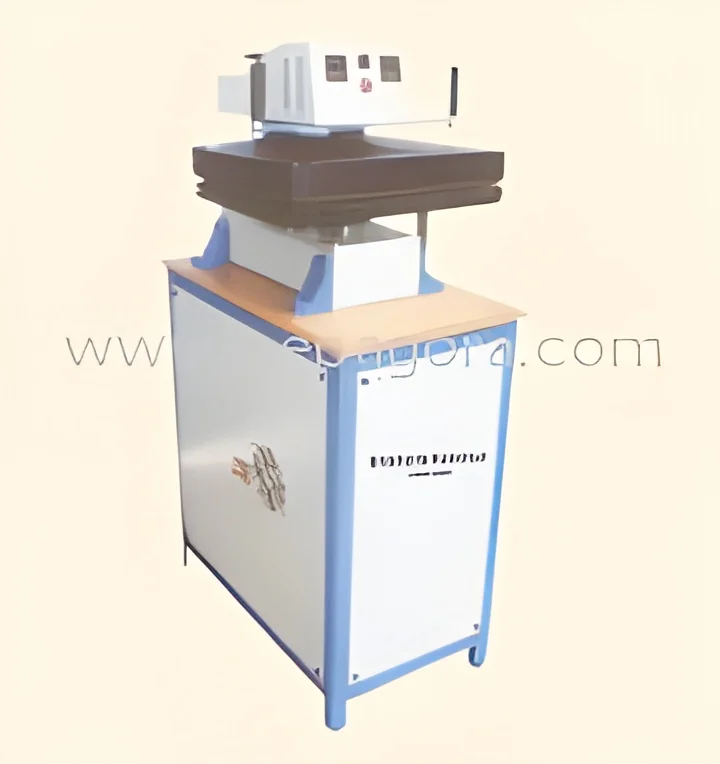
Other printing machinery encompasses a diverse range of equipment used for various printing processes beyond traditional inkjet and laser systems. This category includes machines designed for specialized tasks such as screen printing, flexographic printing, digital printing, and pad printing. Each type of machinery is engineered to meet specific printing needs, whether for high-volume production or intricate designs, making them essential in modern manufacturing and production environments.
These machines find primary applications across multiple industries, including packaging, textiles, and commercial printing. Businesses utilize them for producing labels, packaging materials, promotional products, and decorative textiles. The ability to customize designs and produce high-quality prints efficiently makes other printing machinery a vital investment for companies looking to enhance their branding and product presentation. The relevance of these machines in the market is underscored by their integration into advanced manufacturing setups, reflecting the ongoing evolution of printing technologies to meet growing consumer demands.
Key Features and Specifications
When evaluating other printing machinery, it is essential to understand the key features and specifications that define their performance and suitability for various applications. These specifications help businesses identify the right equipment to meet their production goals effectively.
Key specifications include:
1. Print Speed
- This specification indicates the number of units printed per hour.
- Typical ranges can vary from 100 to over 1,000 units depending on the machine type.
2. Print Resolution
- This refers to the clarity and detail of the print, measured in dots per inch (DPI).
- Common resolutions range from 300 DPI for standard prints to 2400 DPI for high-quality applications.
3. Maximum Print Area
- The largest size of the material that can be printed on.
- Variations can be from A4 to large-format prints exceeding several meters.
4. Material Compatibility
- The types of materials that the machine can handle, including paper, plastic, textiles, and metal.
- Machines may be optimized for specific substrates.
5. Ink Types
- Compatibility with various inks such as UV, solvent, or water-based inks.
- This influences print quality and durability.
6. Automation Features
- Level of automation available, such as automatic feeding and finishing.
- Higher automation can enhance efficiency and reduce labor costs.
7. Energy Consumption
- The amount of power the machine uses during operation.
- Efficiency ratings may help businesses manage operational costs.
8. Maintenance Requirements
- Frequency and complexity of maintenance tasks needed to keep the machine operational.
- Regular upkeep can affect long-term performance and reliability.
Understanding these specifications can guide businesses in making informed purchasing decisions that align with their production needs.
Common Applications and Use Cases
Other printing machinery serves a variety of industries, each with unique requirements and applications.
1. Packaging: In the packaging industry, other printing machinery is crucial for producing labels, cartons, and flexible packaging. High-resolution prints ensure brand visibility and consumer appeal.
2. Textiles: The textile industry utilizes these machines for screen and digital printing on fabrics. This allows for vibrant designs and customization in apparel and home textiles.
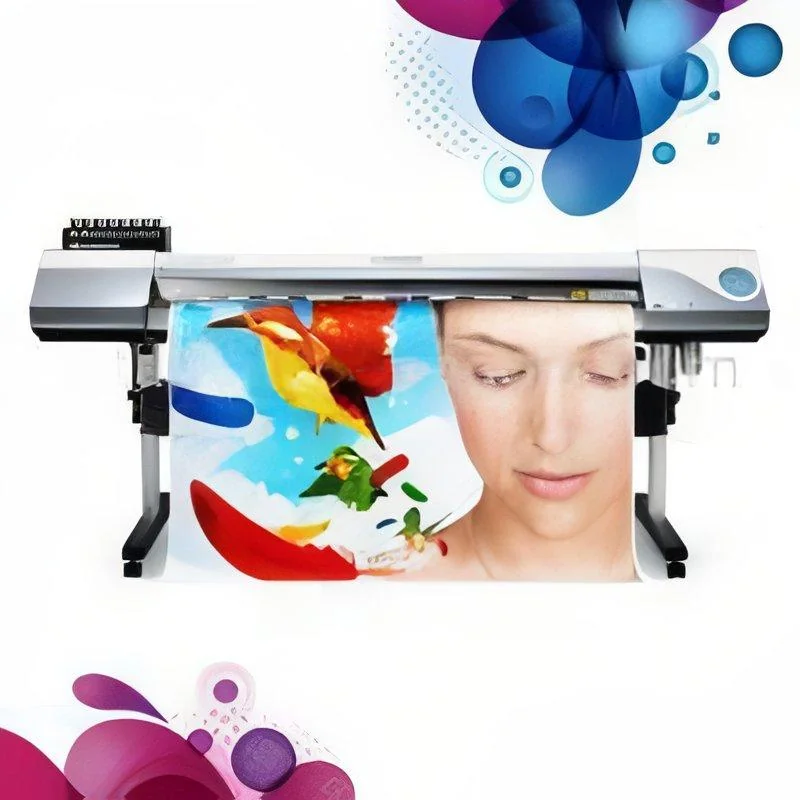
3. Advertising: Businesses in advertising rely on other printing machinery for producing promotional materials, banners, and signage. The ability to print large formats is essential for effective marketing campaigns.
4. Automotive: In the automotive sector, these machines are used for printing on various components and parts, enhancing branding and providing necessary information.
5. Electronics: The electronics industry employs specialized printing machinery for circuit boards and component labeling, requiring precision and reliability.
6. Medical: In the medical field, printing machinery is used for labels on pharmaceutical products and medical devices, ensuring compliance and traceability.
7. Publishing: The publishing industry leverages these machines for printing books, magazines, and other materials, focusing on quality and consistency.
Product Variants and Subcategories
The diversity of other printing machinery offers numerous variants tailored to specific applications and industries.
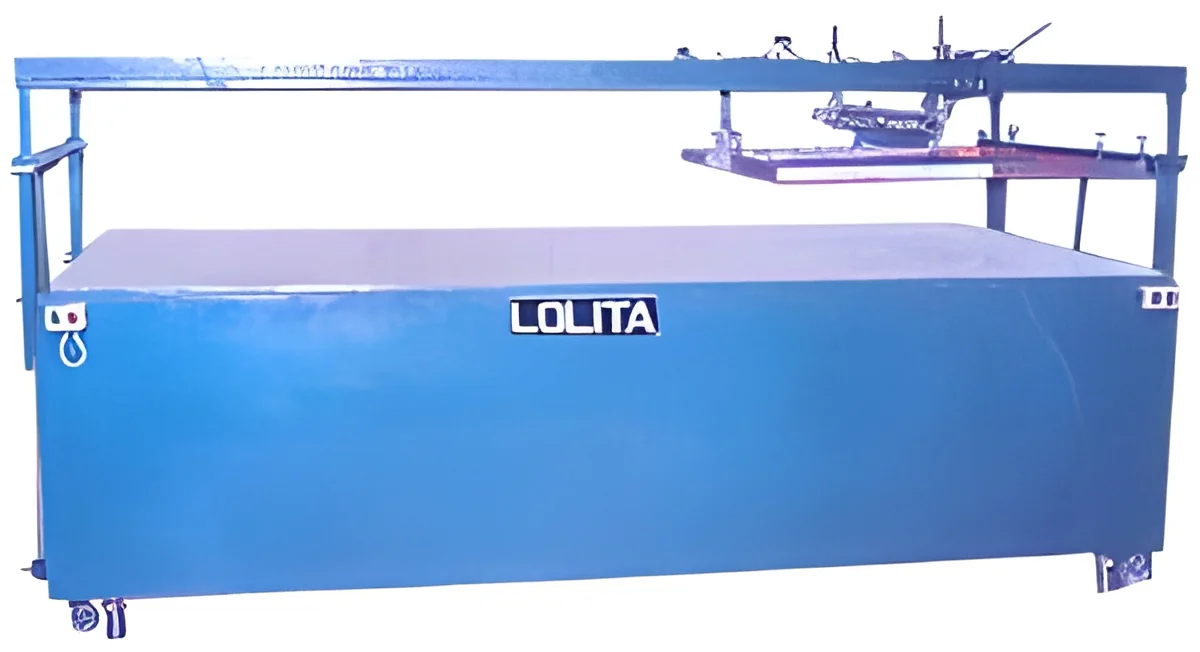
Screen Printing Machines
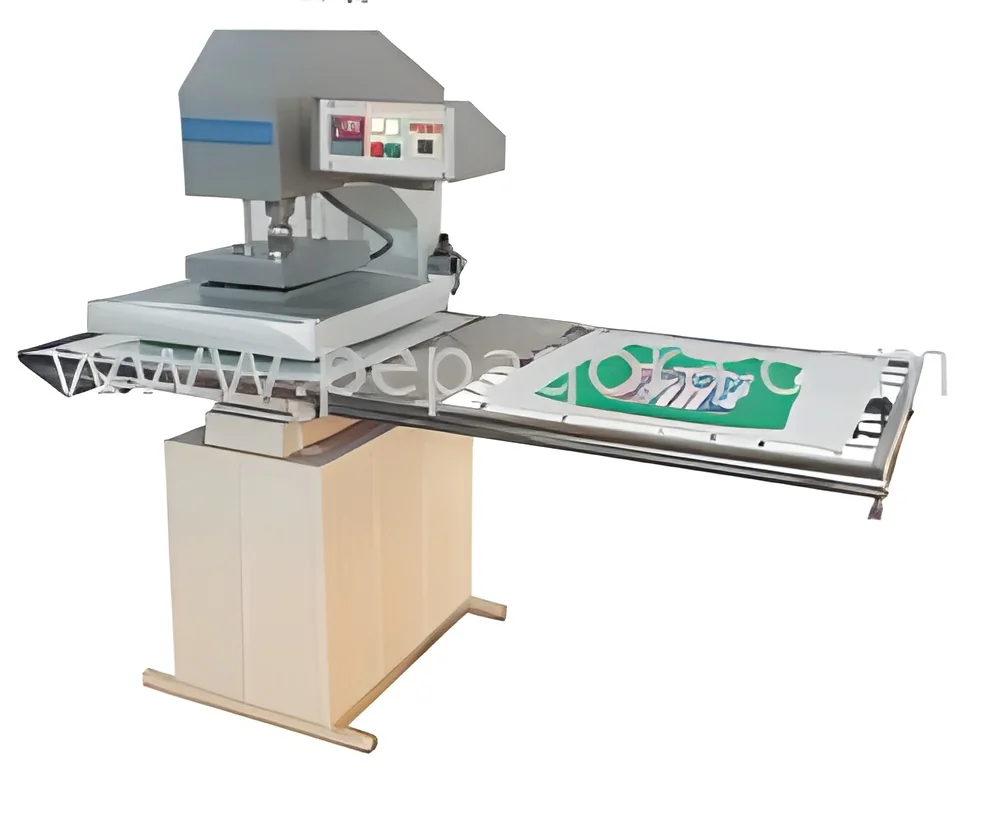
These machines are designed for high-volume printing on various surfaces, including textiles and plastics. They provide vibrant colors and are ideal for custom apparel and promotional items.
Flexographic Printing Machines
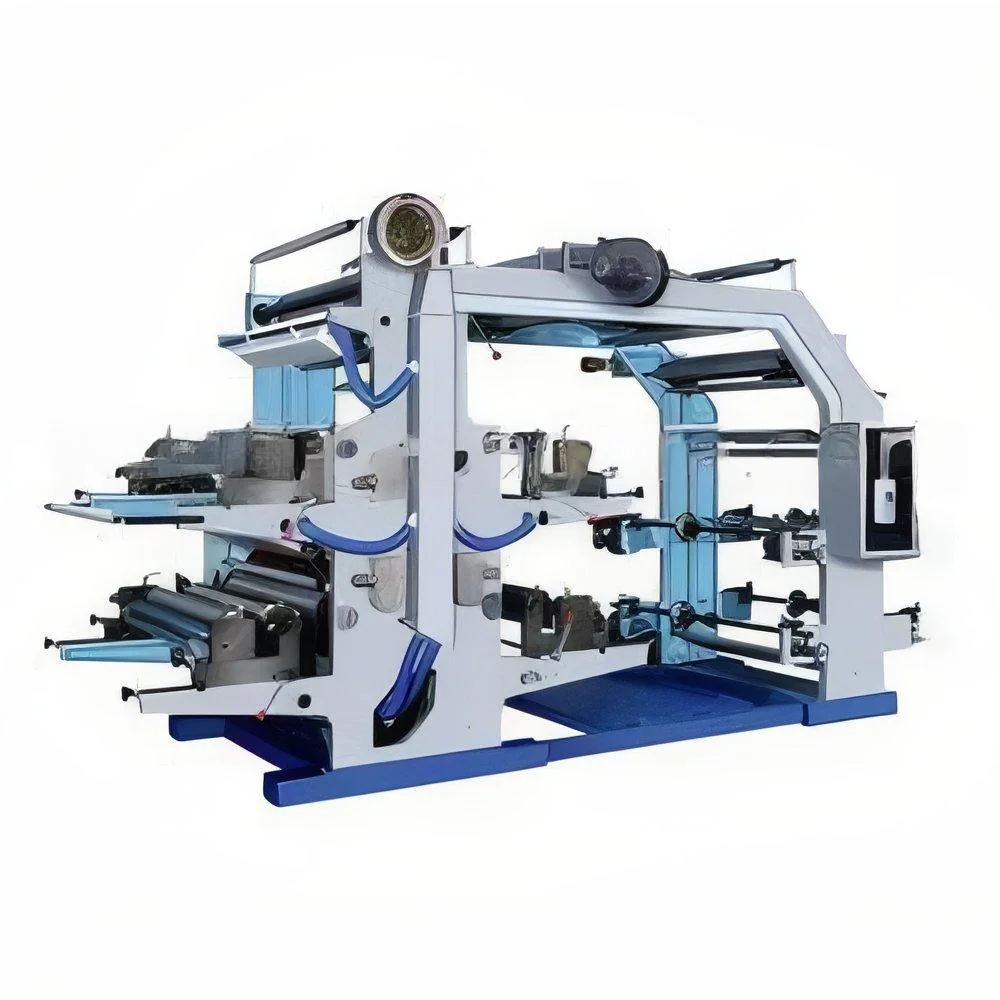
Used primarily in packaging, these machines are suitable for printing on flexible materials like film and paper. They are known for their speed and efficiency in high-volume production.
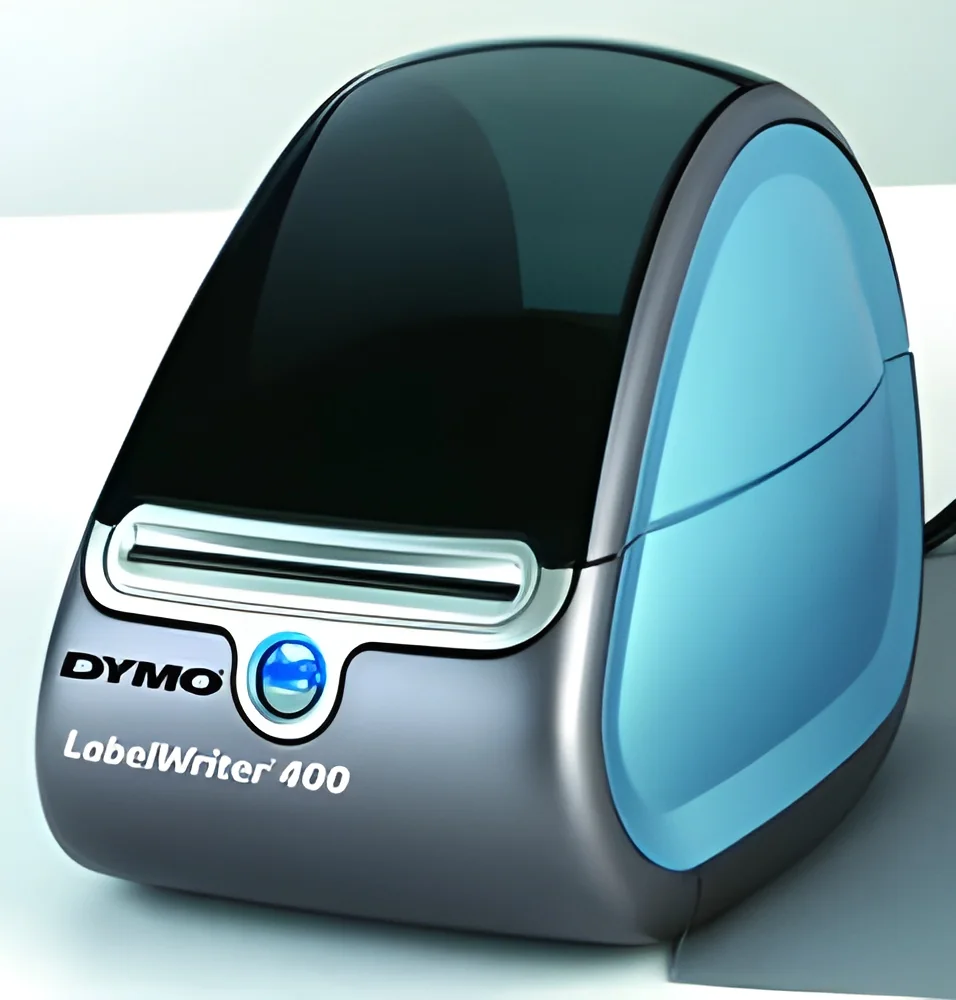
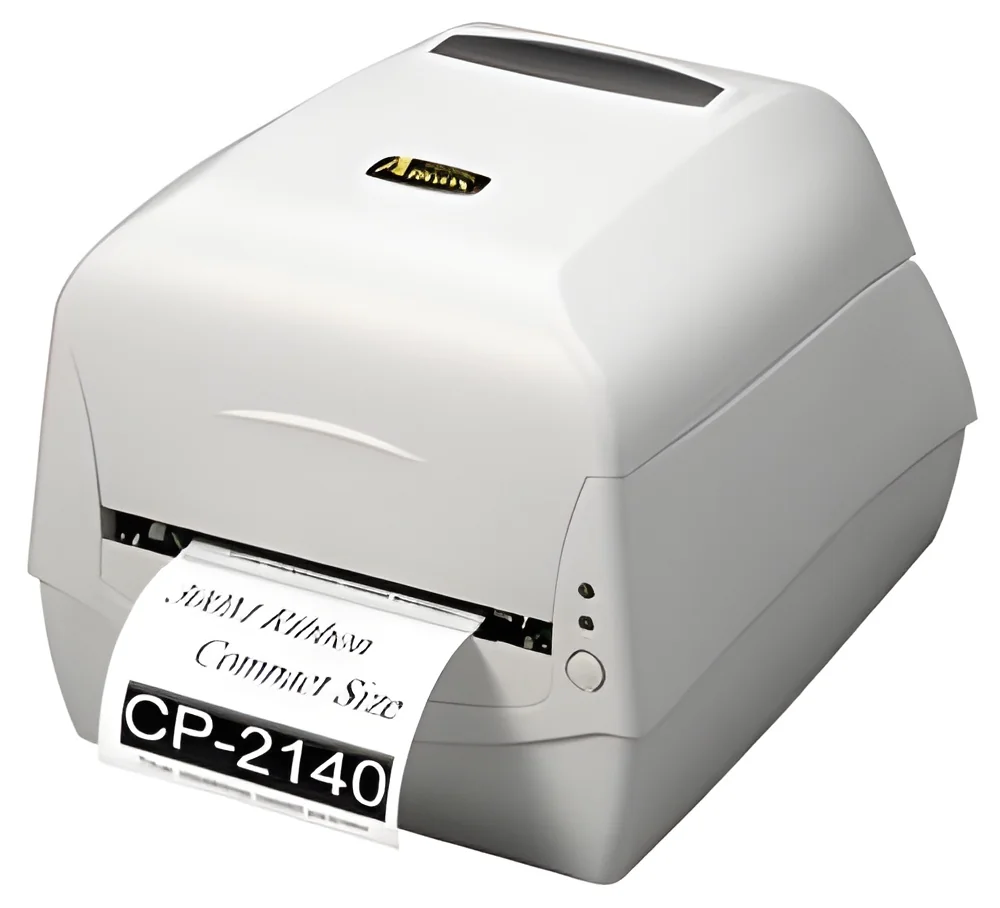
Digital Printing Machines
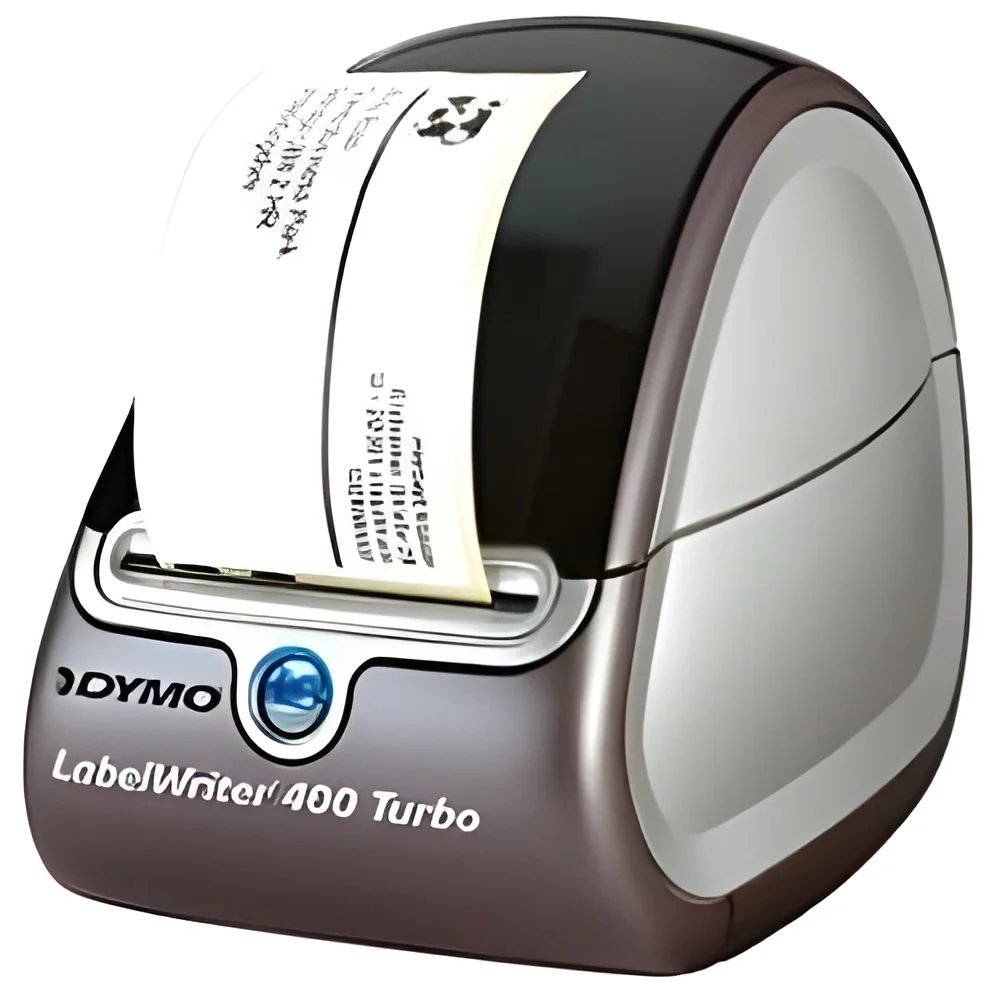
Offering versatility and quick turnaround, digital printers are ideal for short runs and customized prints. They are commonly used for labels, business cards, and promotional materials.
Pad Printing Machines
These machines specialize in printing on irregular surfaces and are widely used for promotional products, electronics, and medical devices. Their capability to handle complex shapes makes them unique.
Benefits and Advantages
Investing in other printing machinery provides several benefits that can enhance business operations and output quality.
1. Increased Efficiency: Advanced printing machines streamline the production process, reducing turnaround times and improving overall efficiency.
2. Cost-Effective: By investing in high-quality machinery, businesses can minimize outsourcing and reduce production costs over time.
3. Customization: Other printing machinery allows for greater flexibility in design and production, enabling businesses to meet unique customer needs.
4. High-Quality Output: These machines are designed to produce sharp, vibrant prints, enhancing product appeal and brand recognition.
5. Versatility: The ability to print on various materials and substrates makes these machines suitable for multiple applications across industries.
6. Longevity: Well-maintained printing machinery can provide years of reliable service, making them a valuable long-term investment.
Buying Guide for B2B Buyers
When sourcing other printing machinery, it is important to consider several factors to ensure the best fit for your business needs.
1. Quality Assessment: Evaluate the manufacturing quality and reliability of the machinery. Look for machines that meet industry standards and have a track record of performance.
2. Supplier Verification: Vet potential suppliers to ensure they have a solid reputation and can provide reliable service and support. Check for customer reviews and references.
3. Pricing and MOQ: Understand the pricing structure and minimum order quantities. Compare costs with the value offered to ensure you are making a sound investment.
4. Delivery and Lead Times: Consider the logistics involved in procurement. Confirm delivery timelines to avoid disruptions in your production schedule.
5. Compliance Requirements: Be aware of any regulatory or compliance standards that apply to the machinery, ensuring it meets all necessary safety and operational guidelines.
Compliance and Certifications
Compliance and certifications are critical considerations when selecting other printing machinery.
Many printing machines adhere to quality standards such as ISO 9001, which focuses on quality management systems and ensures consistent quality in production. Compliance with HACCP standards is essential for businesses in the food packaging and medical sectors, where safety is paramount.
CE certification indicates that the machinery meets European health, safety, and environmental protection standards. This certification is crucial for businesses looking to operate within the European market.
Safety and testing requirements vary by region and industry, and it is important to ensure that any machinery purchased complies with local regulations. Businesses should also consider specific industry certifications that may apply to their operations.
Understanding these compliance requirements helps businesses mitigate risks and ensure that their investments are in line with both safety standards and market expectations.
Why Source Other Printing Machinery from Pepagora?
Pepagora provides a trusted platform for sourcing other printing machinery with several key advantages that benefit B2B buyers.
Verified Supplier Network: Pepagora ensures that all suppliers in its network are thoroughly vetted. This verification process helps buyers connect with reliable manufacturers and distributors known for quality and service.
Streamlined RFQ Process: The platform offers a straightforward request for quotation (RFQ) system, allowing businesses to compare multiple suppliers and find the best offers without the hassle of extensive negotiations.
Trade Assurance and Support: Pepagora provides trade assurance to protect buyers throughout the purchasing process. This includes support in case of disputes and assistance with order fulfillment.
Regional Coverage: With a strong presence in India, the GCC, and Southeast Asia, Pepagora connects businesses with suppliers across these regions. This broad geographic reach facilitates access to diverse products and competitive pricing, making it easier for companies to find the right machinery for their needs.
In conclusion, sourcing other printing machinery through Pepagora offers B2B buyers a comprehensive solution to enhance their production capabilities while ensuring quality, efficiency, and value.

 IN
IN


.webp)