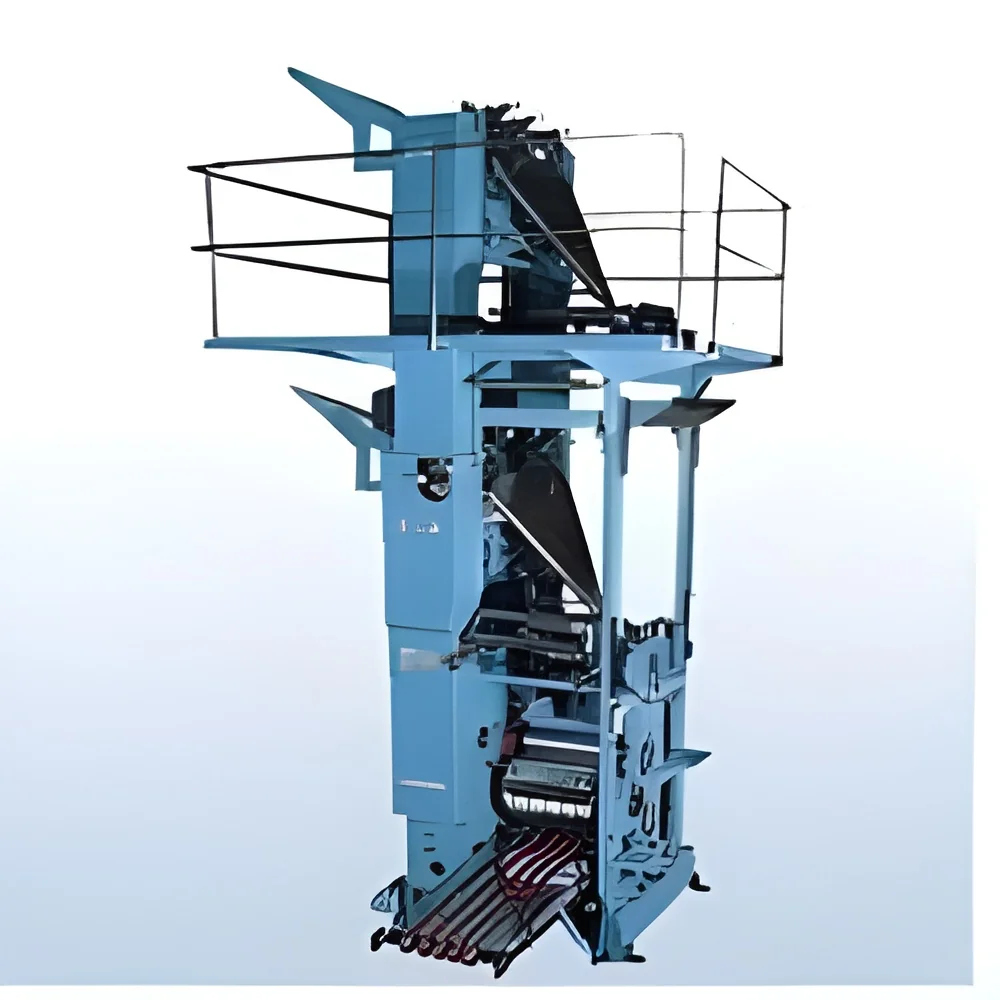
What are Web Offset Printing Machines?
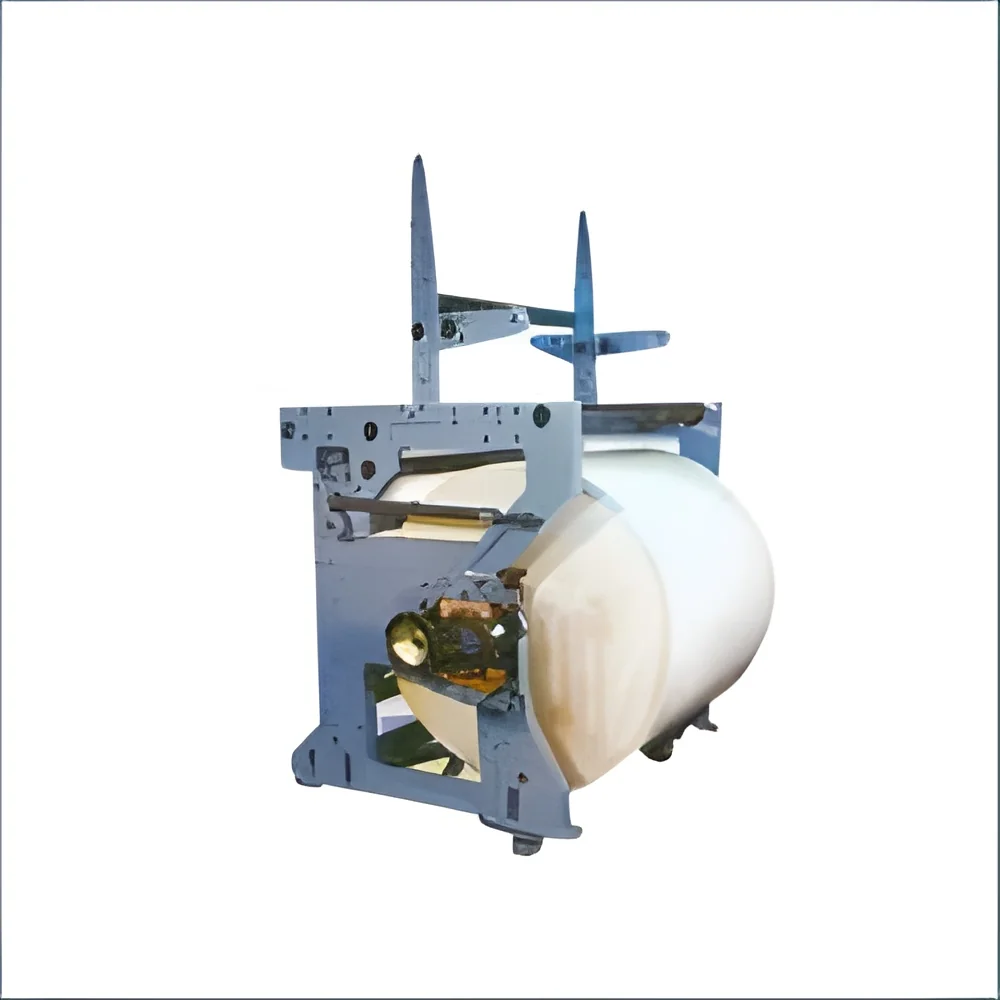
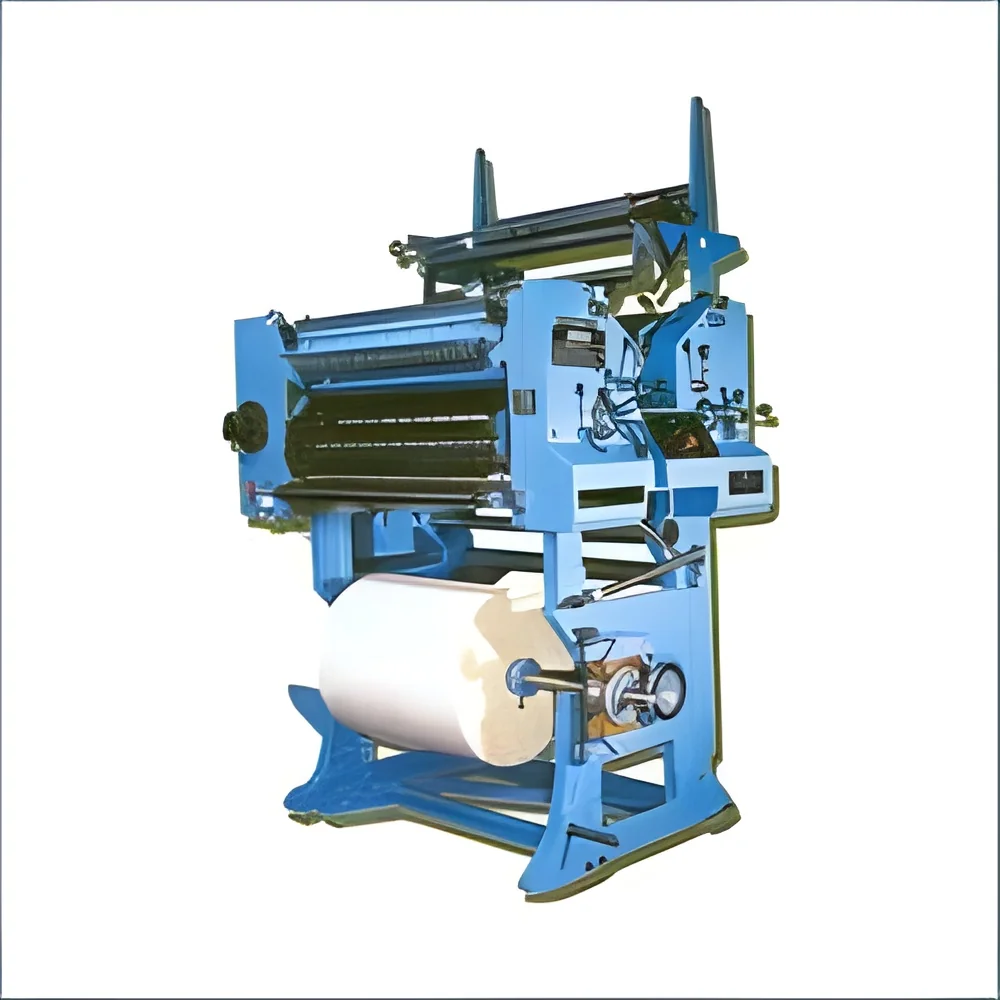
Web offset printing machines are specialized printing devices designed to produce high-quality printed materials on large rolls of paper. These machines utilize a unique printing process where ink is transferred from a plate to a rubber blanket and then onto the paper. This method allows for rapid printing speeds and is ideal for large volume print jobs. Typically, web offset printing is used for newspapers, magazines, catalogs, and other publications that require efficient and cost-effective printing solutions.
The primary applications of web offset printing machines are found in industries that demand high-speed production and superior print quality. Businesses involved in publishing, commercial printing, and packaging often rely on these machines to meet their high-volume needs. With advancements in technology, modern web offset printing machines are equipped with features that enhance their efficiency and versatility, making them a crucial asset in the printing industry. As the demand for printed materials continues to grow, the relevance of web offset printing machines remains strong in today's market.
Key Features and Specifications
Web offset printing machines come equipped with a variety of features that enhance their performance and usability. These specifications are critical for businesses looking to invest in reliable printing technology.
Key specifications include:
1. Printing Speed
- The speed at which the machine can print, often measured in impressions per hour.
- Typical ranges can go from 15,000 to 80,000 impressions per hour.
2. Paper Width
- The width of the paper roll that the machine can accommodate.
- Common widths range from 16 inches to 80 inches.
3. Ink System
- Types of ink systems utilized, such as conventional or UV inks.
- Advanced machines may offer automatic ink viscosity control.
4. Plate Cylinder Diameter
- The size of the plate cylinder, which affects the quality of the print.
- Standard diameters often range from 12 inches to 20 inches.
5. Registration Accuracy
- The precision with which colors are aligned in the printing process.
- High-end machines can achieve registration accuracy within 0.1 mm.
6. Automation Features
- Includes automatic plate loading and ink adjustment systems.
- Automation reduces setup time and enhances operational efficiency.
7. Control System
- The type of control interface, often ranging from manual to fully automated digital controls.
- Modern systems may include touchscreen interfaces for ease of use.
8. Maintenance Requirements
- Information on frequency and types of maintenance needed for optimal performance.
- Regular maintenance schedules are crucial for longevity and efficiency.
In summary, understanding these specifications will help businesses select the right web offset printing machine that meets their production needs and quality standards.
Common Applications and Use Cases
Web offset printing machines are versatile tools used across numerous industries, catering to various printing needs.
1. Publishing Industry: These machines are extensively used for producing newspapers and magazines, where large quantities need to be printed quickly and with high-quality images.
2. Commercial Printing: Businesses in this sector use web offset printing for brochures, flyers, and catalogs, benefiting from the cost-effectiveness of high-volume printing.
3. Packaging Industry: Web offset printing is used for printing on flexible packaging materials, providing high-quality graphics and text required for consumer products.
4. Direct Mail: Companies utilize these machines for direct mail campaigns, ensuring that promotional materials can be printed and shipped efficiently.
5. Book Printing: Publishers often rely on web offset machines for mass-producing books, taking advantage of the high-speed printing capabilities.
6. Labels and Tags: Web offset printing is employed for producing labels and tags in various industries, including food and beverage, pharmaceuticals, and retail.
7. Commercial Advertisements: Advertising agencies use these machines for producing large-format ads that require vibrant colors and quick turnaround times.
Product Variants and Subcategories
Web offset printing machines come in various models to cater to different business requirements.
Entry-Level Web Offset Machines: These variants are designed for smaller print shops that require basic functionality. They offer essential features at a lower cost, making them accessible for startups.
High-Speed Web Offset Machines: Tailored for large-scale operations, these machines provide enhanced speed and efficiency, suitable for high-volume production tasks. They often include advanced automation features for seamless operation.
Compact Web Offset Machines: Ideal for businesses with limited space, these compact models maintain high-quality output while occupying less floor space. They are perfect for smaller printing jobs.
Hybrid Web Offset Machines: These machines combine web offset printing with digital capabilities, allowing for greater flexibility in printing short runs alongside traditional high-volume jobs.
Benefits and Advantages
Investing in web offset printing machines provides numerous benefits that enhance production efficiency and cost-effectiveness.
Key benefits include:
1. High-Speed Production: Web offset machines can produce large volumes of printed materials quickly, reducing turnaround times for businesses.
2. Cost Efficiency: The ability to print in bulk lowers the cost per unit, making it an economical choice for high-volume printing projects.
3. Superior Print Quality: These machines deliver excellent color reproduction and sharp images, essential for professional-grade print materials.
4. Versatility: Web offset printing can handle a variety of paper types and sizes, accommodating diverse printing needs across different industries.
5. Automation Capabilities: Many modern machines feature automated processes that streamline operations and reduce manual labor, increasing overall productivity.
6. Low Waste: The precision of web offset printing minimizes ink and paper waste, contributing to more sustainable printing practices.
Buying Guide for B2B Buyers
When sourcing web offset printing machines, it is essential for buyers to consider several factors to ensure they make informed decisions.
1. Quality Assessment: Evaluate the build quality and materials used in the machine. Look for recognized brands with a history of reliability and performance.
2. Supplier Verification: Research potential suppliers to confirm their credibility. Check for reviews and testimonials from previous customers to ensure a reliable purchase.
3. Pricing and MOQ: Understand the pricing structure and minimum order quantities associated with the machines. This will help in budgeting and negotiation.
4. Delivery and Lead Times: Inquire about delivery timelines and lead times to plan production schedules effectively. Timely delivery is crucial for maintaining workflow.
5. Compliance Requirements: Ensure that the machines meet relevant industry standards and regulations. This includes safety certifications and environmental compliance.
Compliance and Certifications
Web offset printing machines must adhere to various compliance standards and certifications to ensure quality and safety.
Relevant quality standards include ISO 9001, which focuses on quality management systems. This certification ensures that manufacturers maintain consistent quality in their products.
Additionally, compliance with industry certifications such as CE is vital. This certification indicates that the equipment meets the essential health and safety requirements set by the European Union.
Safety and testing requirements should also be met to protect operators and ensure the equipment functions correctly. Regular inspections and adherence to safety protocols are necessary.
Regional compliance considerations may vary, so it is essential for buyers to be aware of specific regulations in their country or region. This can impact the selection of machines and their operational capabilities.
Why Source Web Offset Printing Machines from Pepagora?
Pepagora offers a reliable platform for sourcing web offset printing machines, providing key advantages for buyers.
Verified Supplier Network: At Pepagora, buyers can access a network of verified suppliers, ensuring that they are dealing with reputable manufacturers. This reduces the risk of fraud and enhances the purchasing experience.
Streamlined RFQ Process: The Request for Quotation (RFQ) process is designed to be straightforward and efficient. Buyers can easily submit their requirements and receive competitive quotes from multiple suppliers.
Trade Assurance and Support: Pepagora offers trade assurance, providing protection for buyers during the purchasing process. This support helps ensure that transactions are secure and satisfactory.
Regional Coverage: With a strong presence in India, the GCC, and Southeast Asia, Pepagora provides extensive regional coverage. This allows buyers to find suitable suppliers in their local markets, facilitating smoother transactions and logistics.

 IN
IN