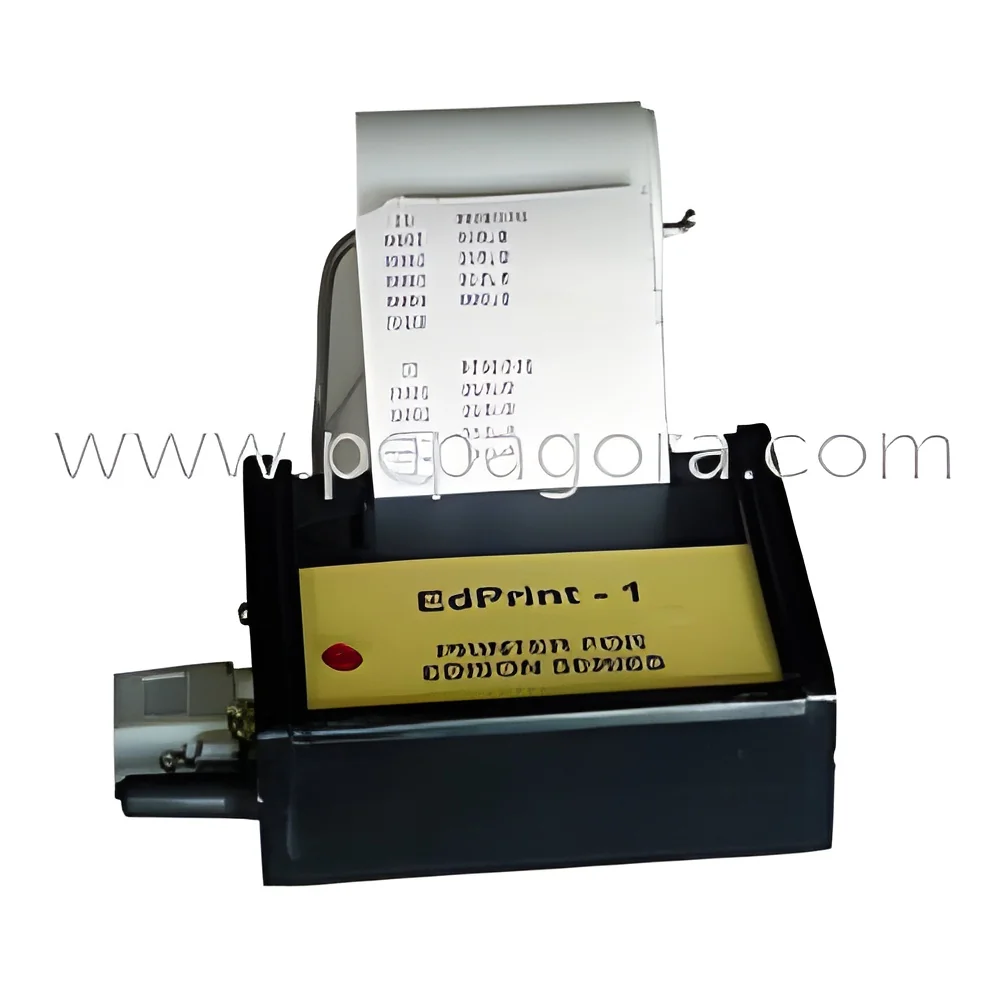
What are Glass & Ceramic Printing Machines?
Glass and ceramic printing machines are specialized devices designed to apply inks and coatings onto glass and ceramic surfaces. These machines utilize advanced printing technologies, including digital printing, screen printing, and pad printing, to create detailed designs and patterns. The printing process is tailored to ensure high precision, durability, and vibrant colors that adhere well to the non-porous surfaces of glass and ceramics.
These machines are primarily used in industries such as home décor, automotive, and packaging. Businesses utilize them to produce customized products ranging from decorative tiles and glassware to functional items like bottles and jars. The ability to print intricate designs directly onto the materials enhances product appeal and allows for personalization, which is increasingly important in competitive markets. With the rise in demand for unique and customized products, the relevance of glass and ceramic printing machines continues to grow, making them a vital asset in modern manufacturing processes.
Key Features and Specifications
Glass and ceramic printing machines come equipped with numerous features that enhance their functionality and efficiency. Understanding these specifications is crucial for businesses looking to invest in these machines.
Key specifications include:
1. Printing Technology
- Options include digital, screen, and pad printing
- Each technology offers unique advantages in terms of speed and detail
2. Print Resolution
- Typically ranges from 720 to 1440 DPI
- Higher resolutions yield finer details in designs
3. Ink Compatibility
- Supports a variety of inks, including UV, solvent, and water-based
- Compatibility ensures versatility in applications
4. Production Speed
- Varies based on machine type, generally between 200 to 1000 units per hour
- Faster production speeds increase overall efficiency
5. Material Thickness Handling
- Capable of printing on materials ranging from 1 mm to 25 mm thick
- Flexibility to accommodate different product designs
6. Automation Features
- Options for semi-automatic and fully automatic systems
- Automation reduces labor costs and enhances production consistency
7. Software Integration
- Advanced software for design and production management
- Enables easy customization and design modifications
8. Safety Features
- Includes emergency stop functions and protective enclosures
- Ensures operator safety during machine operation
In summary, the key features and specifications of glass and ceramic printing machines significantly influence their performance and suitability for various applications, making it essential for buyers to evaluate them carefully.
Common Applications and Use Cases
Glass and ceramic printing machines serve a wide range of industries, each benefiting from their unique capabilities.
1. Home Décor: These machines are widely used to print decorative designs on tiles, vases, and glass panels, adding aesthetic value to homes.
2. Automotive Industry: They are utilized for printing designs on glass components, including windshields and windows, often incorporating branding or decorative elements.
3. Packaging: Businesses in the packaging sector use these machines to print labels and designs on glass bottles and jars, enhancing product appeal on retail shelves.
4. Ceramics Manufacturing: Printing machines are essential for creating intricate patterns on ceramic dinnerware and tiles, allowing for artistic expression.
5. Promotional Products: Companies use glass and ceramic printing for custom promotional items, such as branded mugs and awards, to enhance their marketing efforts.
6. Electronics: Some printing machines are used to apply markings and designs on ceramic substrates used in electronic components, ensuring functionality and branding.
7. Signage: These machines can print on glass surfaces for signage applications, providing durable and eye-catching displays for businesses.
Product Variants and Subcategories
The glass and ceramic printing machine market offers a variety of models to cater to different production needs and preferences.
Digital Glass Printing Machines
These machines leverage digital printing technology to produce high-resolution graphics directly onto glass surfaces. They are ideal for complex designs and short runs, making them suitable for custom orders.
Screen Printing Machines
Screen printing machines are designed for high-volume production, allowing for rapid printing on glass and ceramics. They are best suited for simpler designs and larger batches, providing cost-effective solutions for mass production.
Pad Printing Machines
Pad printing machines are versatile and can print on uneven surfaces, making them perfect for ceramic items with intricate shapes. They are commonly used for promotional items and smaller products.
Benefits and Advantages
Investing in glass and ceramic printing machines presents numerous benefits for businesses looking to enhance their production capabilities.
Key benefits include:
1. Customization: These machines allow for the printing of unique designs tailored to customer preferences, fostering brand loyalty.
2. Efficiency: High-speed production capabilities streamline manufacturing processes, reducing lead times and increasing output.
3. Versatility: The ability to print on various materials expands product offerings, allowing businesses to cater to diverse markets.
4. Enhanced Aesthetics: High-quality prints improve the visual appeal of products, making them more attractive to consumers.
5. Durability: Inks used in glass and ceramic printing are often resistant to fading and wear, ensuring long-lasting designs.
6. Cost-Effectiveness: Automation and efficient production reduce labor costs and waste, enhancing overall profitability.
Buying Guide for B2B Buyers
When sourcing glass and ceramic printing machines, several factors should be considered to ensure a sound investment.
1. Quality Assessment: Look for machines that meet industry quality standards. Evaluate the build quality, print consistency, and longevity of the machine.
2. Supplier Verification: Research potential suppliers thoroughly. Check their reputation, customer reviews, and previous projects to ensure reliability.
3. Pricing and MOQ: Understand the pricing structure and minimum order quantities. Compare quotes from different suppliers to find the best value for your business.
4. Delivery and Lead Times: Discuss lead times for delivery. Ensure that suppliers can meet your production timelines to avoid delays.
5. Compliance Requirements: Verify that the machines comply with necessary regulations and industry standards. This may include safety certifications and environmental regulations.
Compliance and Certifications
Compliance and certifications are critical aspects of glass and ceramic printing machines, reflecting their quality and adherence to industry standards.
Relevant quality standards often include ISO 9001, which ensures consistent quality management systems, and HACCP, which addresses food safety when applicable. Compliance with GDP (Good Distribution Practice) may also be necessary for machines used in the packaging of food and pharmaceutical products.
Additionally, many glass and ceramic printing machines carry the CE mark. This certification signifies that the machines meet European health, safety, and environmental protection standards, making them suitable for use across Europe and other regions.
Safety and testing requirements also play a significant role. Machines must undergo rigorous testing to ensure they operate safely and efficiently, protecting both operators and end-users. Regional compliance considerations may vary, so it is essential for buyers to familiarize themselves with local regulations when sourcing these machines.
Why Source Glass & Ceramic Printing Machines from Pepagora?
Pepagora provides a trusted platform for sourcing glass and ceramic printing machines, offering several key advantages for B2B buyers.
Verified Supplier Network: Pepagora collaborates with a network of verified suppliers, ensuring that buyers have access to reputable manufacturers. This verification process builds trust and confidence in the sourcing experience.
Streamlined RFQ Process: The platform simplifies the request for quotation process, allowing buyers to easily compare offers from multiple suppliers. This efficiency saves time and helps buyers find the best deals.
Trade Assurance and Support: Pepagora offers trade assurance, providing protection for buyers throughout the purchasing process. This support includes assistance with disputes and guarantees that buyers receive quality products.
Regional Coverage: With a strong presence in India, the GCC, and Southeast Asia, Pepagora connects buyers with suppliers across these regions. This geographic reach ensures that businesses can source machines that meet their specific needs while benefiting from local support.

 IN
IN