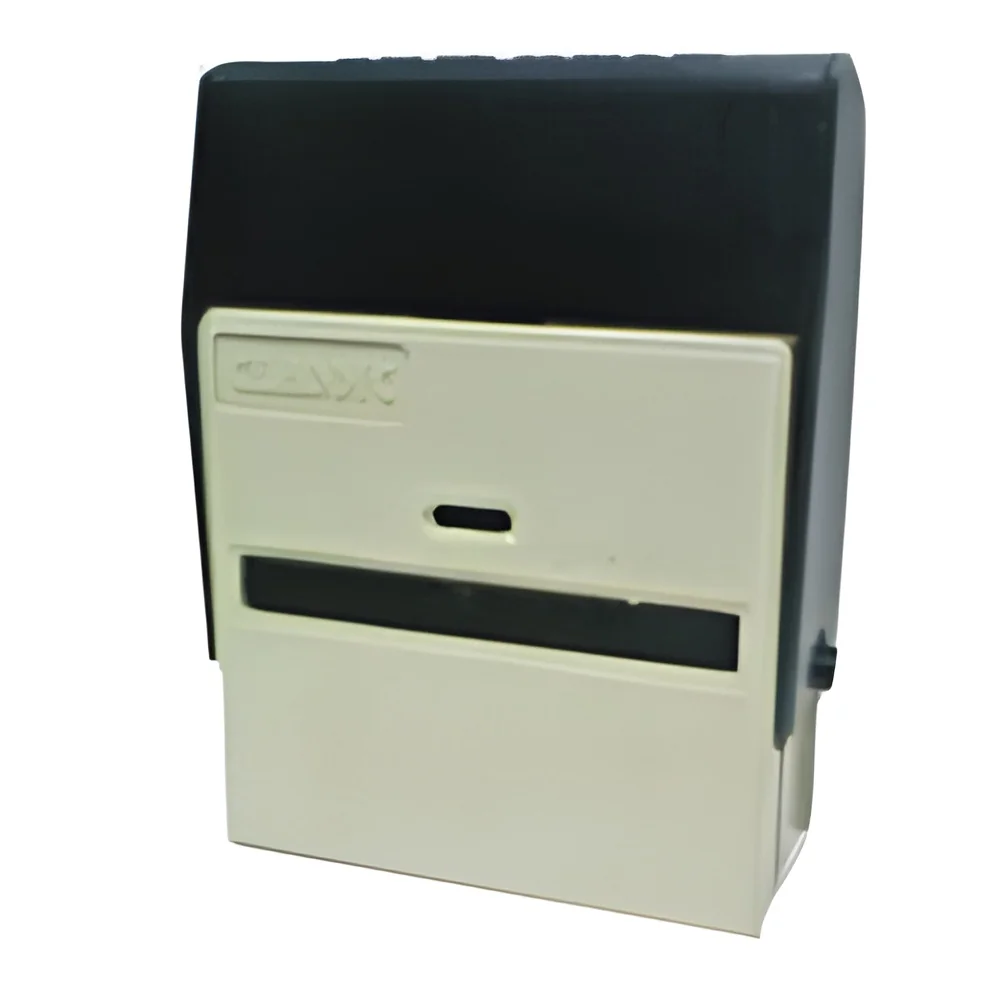
What are Plastic Printing Machines?
Plastic printing machines are specialized equipment designed to print on various types of plastics. These machines utilize advanced printing technologies to apply designs, logos, and text onto plastic surfaces with precision and high-quality results. They are often equipped with state-of-the-art features that enhance printing capabilities, including color accuracy and durability.
These machines find extensive use in several business applications, such as creating packaging, labels, and promotional materials. Industries ranging from consumer goods to electronics rely on plastic printing machines to produce customized products that meet specific branding and marketing needs. As businesses continue to expand their product lines, the demand for effective and efficient plastic printing solutions has grown, highlighting the importance of these machines in the market.
The relevance of plastic printing machines in today's industrial landscape cannot be overstated. With the rise in e-commerce and the need for customized products, companies are increasingly seeking innovative printing solutions. The market for plastic printing technology continues to evolve, driven by advancements in digital printing and the need for sustainable production processes.
Key Features and Specifications
Plastic printing machines come equipped with a range of features that enhance their functionality and efficiency. When considering a machine, it is essential to understand its specifications to meet your business needs effectively.
Key specifications include:
1. Printing Technology
- Digital, flexographic, or screen printing methods
- Capabilities for high-resolution output
2. Print Speed
- Measured in square meters per hour
- Varies by model and technology used
3. Color Capability
- Number of colors supported
- Options for full-color printing or spot colors
4. Material Compatibility
- Types of plastics that can be printed on
- Thickness and surface texture considerations
5. Control Systems
- User interface types, including touchscreens
- Software integration for design and monitoring
6. Dimensions and Weight
- Size specifications for installation requirements
- Weight considerations for transport and setup
7. Maintenance Features
- Ease of cleaning and maintenance routines
- Availability of spare parts and service support
8. Energy Efficiency
- Power consumption ratings
- Compliance with energy-saving standards
In summary, understanding these key specifications allows businesses to select the right plastic printing machine tailored to their operational needs and production goals.
Common Applications and Use Cases
Plastic printing machines are versatile tools used across various industries to fulfill specific needs.
1. Packaging Industry: These machines are widely used for printing labels and packaging materials, allowing companies to enhance product visibility and branding.
2. Electronics Industry: Plastic printing is essential for creating personalized components and casings, often featuring intricate designs and specific branding elements.
3. Automotive Industry: Companies leverage plastic printing machines for dashboard labels, control panels, and other decorative elements that require durability and precision.
4. Medical Industry: In healthcare, these machines are utilized for printing on medical devices, ensuring compliance with safety standards while providing clear instructions and branding.
5. Promotional Products: Businesses use plastic printing machines to create customized giveaways, signage, and merchandise that effectively promote their brand.
6. Retail: Retailers employ these machines for in-store signage and product displays, enhancing customer engagement through eye-catching designs.
7. Construction: Plastic printing machines are often used to produce safety signs and labels that are essential for compliance and safety on construction sites.
Product Variants and Subcategories
Plastic printing machines come in diverse variants to cater to specific printing needs and business applications.
Digital Plastic Printing Machines
These machines utilize digital printing technology, allowing for quick setup and high flexibility in design. They are ideal for short runs and customized projects, enabling businesses to respond quickly to market demands.
Screen Printing Machines
Screen printing machines are perfect for large batch productions where high durability and vibrant colors are essential. They are commonly used for promotional items and apparel printing, delivering consistent quality across extensive runs.
Flexographic Printing Machines
These machines are designed for high-speed printing of flexible materials, making them suitable for packaging applications. Flexographic printing is known for its efficiency in producing large quantities at a lower cost.
Benefits and Advantages
Plastic printing machines offer numerous benefits that can enhance business operations.
1. High-Quality Output: They produce sharp, vibrant prints that enhance product appeal and branding.
2. Versatility: Capable of printing on various plastic substrates, these machines can cater to multiple industries.
3. Cost Efficiency: They provide a cost-effective solution for both small and large production runs, reducing wastage and increasing profitability.
4. Customization: Businesses can easily create personalized products, allowing for unique branding opportunities.
5. Speed and Efficiency: These machines operate at high speeds, significantly reducing lead times and increasing production capacity.
6. Sustainability: Many modern plastic printing machines are designed to minimize environmental impact through reduced energy consumption and waste.
Buying Guide for B2B Buyers
When sourcing plastic printing machines, buyers should consider several critical factors to ensure they make an informed decision.
1. Quality Assessment: Evaluate the machine's printing quality through samples and customer reviews. Look for consistency in color and detail.
2. Supplier Verification: Conduct due diligence to verify suppliers' credibility. Check for industry experience, customer feedback, and service support.
3. Pricing and MOQ: Analyze pricing structures and minimum order quantities. Ensure that the costs align with your budget while considering the total cost of ownership.
4. Delivery and Lead Times: Discuss logistics and expected lead times with suppliers to ensure timely delivery of the machines.
5. Compliance Requirements: Understand regional and industry-specific compliance standards that the machines must meet, including safety and environmental regulations.
Compliance and Certifications
In the manufacturing of plastic printing machines, compliance with quality standards is crucial. Relevant standards include ISO 9001, which ensures consistent quality management systems. Additionally, HACCP and GDP may apply in specific industries, particularly food packaging and pharmaceuticals.
Industry certifications, such as CE marking, indicate that the machines meet European safety, health, and environmental protection standards. Buyers should also be aware of safety testing requirements that may vary by region and application.
Regional compliance considerations are vital, especially for businesses operating in multiple countries. Understanding local regulations will help ensure that the purchased equipment meets all necessary legal and safety requirements.
Why Source Plastic Printing Machines from Pepagora?
Pepagora provides a trusted platform for sourcing plastic printing machines, offering several key advantages that benefit B2B buyers.
Verified Supplier Network: Pepagora connects buyers with a network of verified suppliers, ensuring that all vendors meet industry standards and have a track record of reliability.
Streamlined RFQ Process: The request for quotation (RFQ) process is designed to facilitate quick and efficient communication between buyers and suppliers, allowing for easy comparison of offerings.
Trade Assurance and Support: Buyers are protected through trade assurance measures, which provide added security during transactions. This includes support for dispute resolution and assurance of quality delivery.
Regional Coverage: With a strong presence in India, GCC, and Southeast Asia, Pepagora offers extensive regional coverage, making it easier for businesses to access local suppliers and services that meet their specific needs.

 IN
IN