
 IN
UV Flatbed Printers
6 products available
What are UV Flatbed Printers?
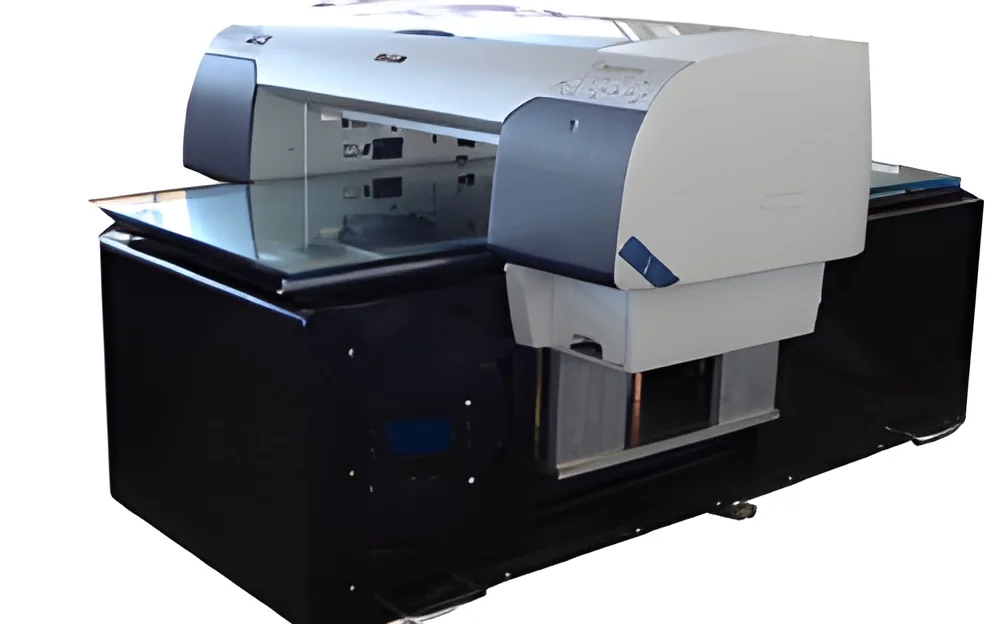
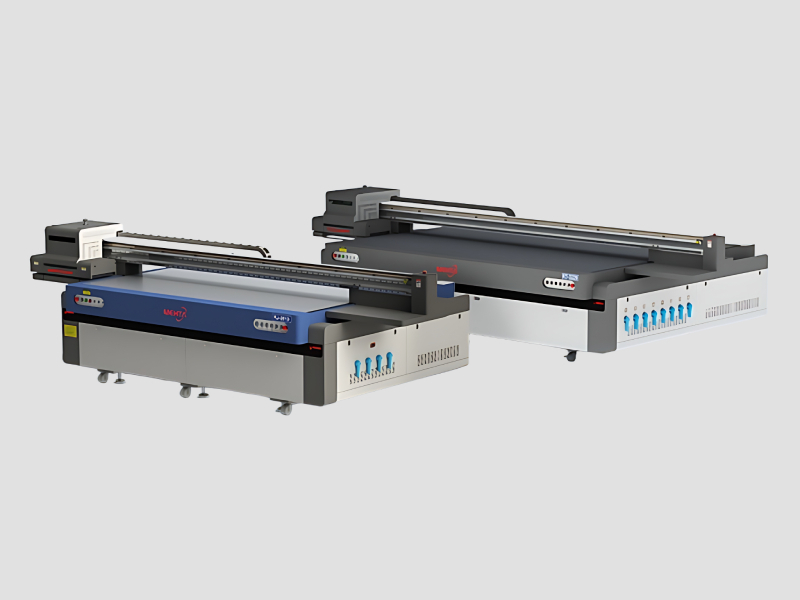
UV flatbed printers are advanced printing devices that utilize ultraviolet (UV) light to cure or dry the ink as it is printed. Unlike traditional printing methods, these printers can print directly onto a wide range of materials, including rigid and flexible substrates. This technology allows for high-quality prints with vibrant colors and sharp details, making it suitable for various applications.
The primary uses of UV flatbed printers span across multiple industries. They are commonly employed in signage, packaging, and promotional products. Businesses leverage this technology to produce custom graphics, displays, and even durable items like furniture. The versatility of UV flatbed printers makes them essential in sectors where high-quality, durable prints are required.
In today's market, UV flatbed printers are gaining traction due to their ability to print on unconventional materials and their efficiency in short-run production. As industries increasingly demand customization and personalization, the relevance of UV flatbed printers continues to grow. With advancements in technology and material compatibility, these printers are becoming a crucial tool for businesses aiming to stay competitive.
Key Features and Specifications
UV flatbed printers come equipped with a range of features designed to enhance printing efficiency and quality. Understanding these specifications is essential for businesses looking to invest in this technology.
Key specifications include:
1. Print Resolution
- Typically ranges from 600 to 1440 DPI
- Higher DPI values provide finer detail and sharper images
2. Print Speed
- Varies based on the model and mode, ranging from 10 to 100 square meters per hour
- Faster speeds are advantageous for high-volume printing needs
3. Material Compatibility
- Capable of printing on various substrates, including wood, metal, glass, and plastic
- Broad material compatibility increases versatility for different projects
4. Ink Type
- Utilizes UV-curable inks that are durable and resistant to fading
- Offers a range of colors, including specialty inks for unique effects
5. Bed Size
- Available in various sizes, typically from 4x8 feet to larger custom sizes
- Larger beds accommodate bigger materials for significant projects
6. Software Compatibility
- Supports various design software for seamless integration
- Allows for easy file management and printing setup
7. Energy Efficiency
- Designed to consume less energy during operation
- Eco-friendly options available for sustainable production
8. Maintenance Features
- Equipped with automatic cleaning systems for print heads
- Simplifies upkeep and ensures consistent print quality
In summary, understanding the key features and specifications of UV flatbed printers helps businesses select the right model for their needs, ensuring they achieve optimal printing results.
Common Applications and Use Cases
UV flatbed printers are versatile tools that serve numerous industries and applications. Their ability to print on various materials makes them indispensable for many businesses.
1. Signage Industry: UV flatbed printers are widely used to create durable outdoor signs, banners, and wayfinding displays. Their resistance to weathering ensures longevity in harsh environments.
2. Packaging Industry: Businesses utilize these printers for custom packaging solutions, including boxes and labels. They enable high-quality graphics that enhance brand visibility.
3. Promotional Products: Many companies rely on UV flatbed printers to produce personalized promotional items, such as gifts and giveaways. The ability to print directly on different surfaces adds a unique touch.
4. Interior Design: These printers are employed to create custom wall graphics and decorative elements for homes and commercial spaces. Their versatility allows for personalized interior aesthetics.
5. Furniture Manufacturing: UV flatbed printers can print directly onto furniture surfaces, enabling customized designs and finishes. This application enhances the appeal of furniture products.
6. Textile Industry: Some UV flatbed printers can also print on textiles, allowing for unique fabric designs. This capability opens new avenues for fashion and home décor.
7. Automotive Industry: Customized graphics for vehicles, including wraps and decals, can be produced with UV flatbed printers. This application is popular for branding and personalization.
Product Variants and Subcategories
UV flatbed printers come in various models, each designed to meet specific needs and applications in the printing market. While there are no official subcategories available, different variants cater to diverse business requirements.
High-Volume Production Printer
This variant is designed for businesses with high-output needs. It offers rapid print speeds and large bed sizes to accommodate extensive projects. Features may include advanced ink management systems and enhanced automation for efficiency.
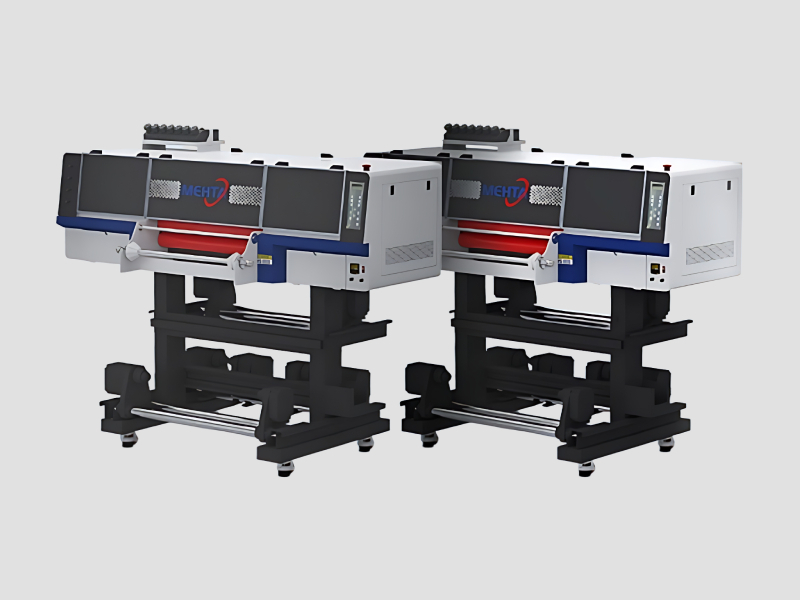
Compact Desktop Printer
Ideal for small businesses or those with limited space, this compact variant provides high-quality printing in a smaller footprint. It is perfect for small-scale projects and offers ease of use and flexibility for various materials.
Industrial-Grade Printer
This model is built for rigorous industrial applications. It features robust construction, high-speed capabilities, and extensive material compatibility. This printer is suitable for businesses that require heavy-duty performance and durability.
Benefits and Advantages
Investing in UV flatbed printers offers several advantages for businesses looking to enhance their printing capabilities. Understanding these benefits can guide decision-making for potential buyers.
Key benefits include:
1. Versatility: UV flatbed printers can print on a wide range of substrates, allowing for diverse applications and products.
2. Durability: The UV-curable inks are resistant to scratches, fading, and environmental factors, ensuring long-lasting prints.
3. High Quality: These printers deliver exceptional print quality with vibrant colors and intricate details, enhancing the overall product appeal.
4. Efficiency: UV flatbed printers often have faster print speeds, enabling quicker turnaround times for projects and increased productivity.
5. Customization: Businesses can easily produce custom designs and personalized products, meeting the growing demand for unique offerings.
6. Reduced Waste: The printing process minimizes ink waste, and many models are designed to be energy-efficient, aligning with sustainability goals.
Buying Guide for B2B Buyers
When considering the purchase of UV flatbed printers, B2B buyers should evaluate several key factors to ensure they select the right equipment for their needs.
1. Quality Assessment: Look for printers that meet stringent quality criteria, such as high print resolution and durable output. Request samples to evaluate print quality firsthand.
2. Supplier Verification: Vet potential suppliers thoroughly. Check for industry experience, customer reviews, and after-sales support to ensure reliability.
3. Pricing and MOQ: Understand the pricing structures and minimum order quantities associated with UV flatbed printers. Compare costs across different suppliers for the best deal.
4. Delivery and Lead Times: Confirm delivery timelines and lead times for printer availability. Efficient logistics are crucial for timely project completion.
5. Compliance Requirements: Ensure the printers comply with relevant industry standards and certifications. This may include safety standards and environmental regulations.
Compliance and Certifications
UV flatbed printers must adhere to various compliance and certification standards to ensure quality and safety. While specific standards were not detailed, it is essential to consider the following aspects.
Relevant quality standards such as ISO 9001 ensure that manufacturers maintain quality management systems. This certification reflects a commitment to consistent quality across production processes.
Industry certifications, like CE, indicate that the products meet European health, safety, and environmental protection requirements. This is crucial for companies looking to sell in international markets.
Safety and testing requirements include evaluating the equipment for potential hazards and ensuring it meets regulatory standards. This is vital for protecting workers and consumers alike.
Regional compliance considerations may vary, depending on the geographical area of operation. Businesses should remain informed about local regulations that may impact printer usage and safety.
Why Source UV Flatbed Printers from Pepagora?
Pepagora offers a comprehensive platform for sourcing UV flatbed printers, ensuring buyers have access to high-quality products from verified suppliers.
Verified Supplier Network: Pepagora conducts thorough vetting of suppliers, ensuring they meet industry standards and provide reliable products. This reduces the risk for buyers and fosters trust in transactions.
Streamlined RFQ Process: The request for quotation process is designed to be efficient, allowing buyers to receive competitive quotes quickly. This system simplifies procurement and saves time.
Trade Assurance and Support: Pepagora provides buyer protection through trade assurance, offering support throughout the purchasing journey. This ensures that buyers feel secure in their investments.
Regional Coverage: With a strong presence in India, the GCC, and Southeast Asia, Pepagora connects buyers with local suppliers, enhancing accessibility and logistical efficiency. This regional focus supports businesses in finding suitable printers that meet their specific needs.

Frequently Asked Questions
What are UV Flatbed Printers?
UV flatbed printers are advanced printing machines that utilize ultraviolet light to cure or dry the ink as it is printed. This technology allows for printing on various substrates, including rigid materials like wood, glass, metal, and plastic, making them versatile for different applications.
What are the different types of UV Flatbed Printers?
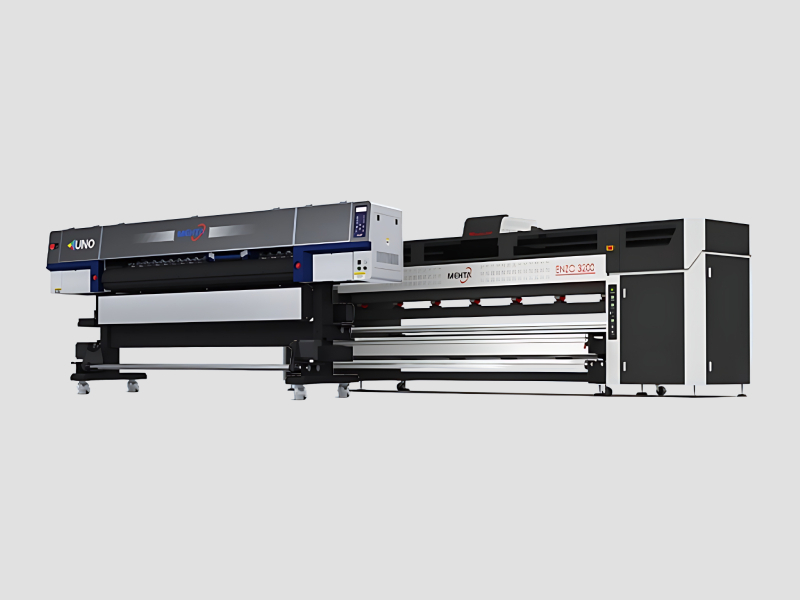
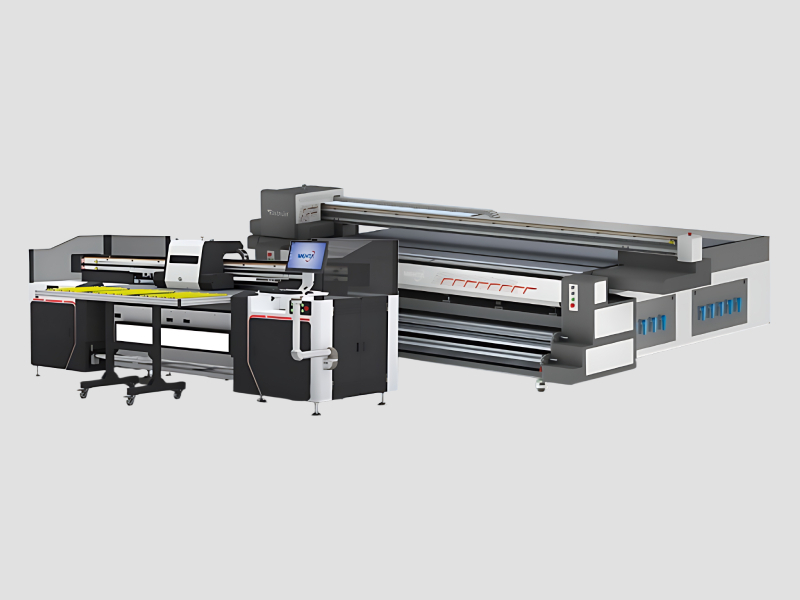
There are several types of UV flatbed printers, including hybrid printers that can print on both flat and roll materials, and dedicated flatbed printers designed specifically for flat surfaces. Additionally, some models may feature different print head technologies, such as piezoelectric or thermal inkjet, which can impact print quality and speed.
How do I choose the right UV Flatbed Printers?
When choosing a UV flatbed printer, consider factors such as the intended application, print speed, maximum print size, and substrate compatibility. Additionally, evaluate the printer's resolution capabilities and the availability of support and service from the manufacturer.
What are the standard specifications for UV Flatbed Printers?
Standard specifications for UV flatbed printers typically include print resolution (measured in dpi), maximum media size, ink types compatible, and print speed (measured in square meters per hour). Other important specifications may include the number of colors the printer can produce and the type of curing technology used.
What is the price range for UV Flatbed Printers?
The price range for UV flatbed printers can vary widely based on features, brand, and specifications, typically starting from around INR 5 lakhs to over INR 50 lakhs. Higher-end models with advanced features and capabilities will generally be more expensive.
What quality standards apply to UV Flatbed Printers?
UV flatbed printers must adhere to quality standards such as ISO 12647 for color management and consistency, and various safety and environmental standards regarding the use of inks and chemicals. Manufacturers often provide certifications that indicate compliance with these standards.
Where can I find UV Flatbed Printers suppliers in India?
You can find UV flatbed printer suppliers in India through various online B2B marketplaces, trade shows, and industry directories. Websites like Pepagora.com offer a platform to connect with manufacturers and suppliers of UV flatbed printers across the country.
Can UV Flatbed Printers be customized?
Yes, many manufacturers offer customization options for UV flatbed printers, allowing businesses to select specific features, sizes, and configurations tailored to their needs. Customization can enhance the printer's functionality and improve efficiency for specific applications.
What is the typical minimum order quantity for UV Flatbed Printers?
The typical minimum order quantity (MOQ) for UV flatbed printers can vary by supplier but generally ranges from one unit for customized orders to several units for bulk purchases. It is advisable to check with the specific manufacturer or supplier for their MOQ policies.
What is the typical lead time for UV Flatbed Printers?
The typical lead time for UV flatbed printers can range from a few weeks to several months, depending on the manufacturer's stock levels and the complexity of the order. Custom orders may take longer due to the additional time required for modifications and configurations.
Why Businesses Trust Pepagora
Thousands of companies trust Pepagora to source smarter and sell faster
Expand Your Sales Globally

Source Smarter,Grow Faster
