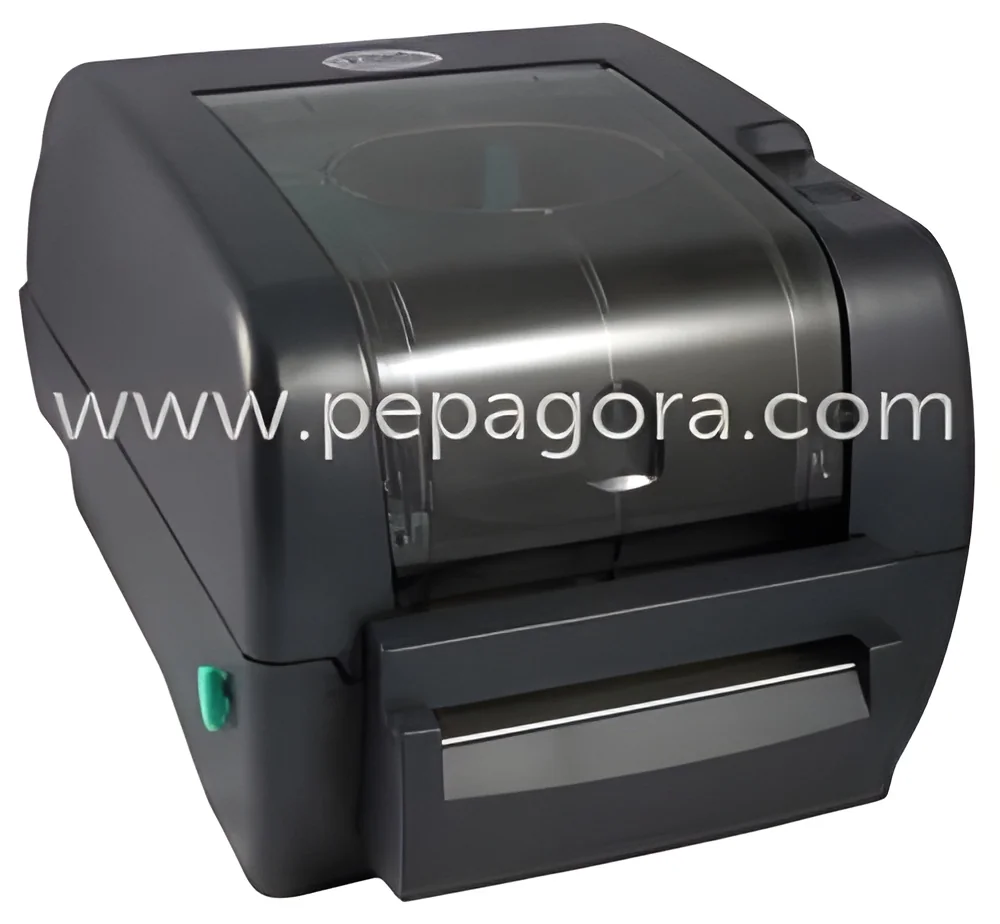
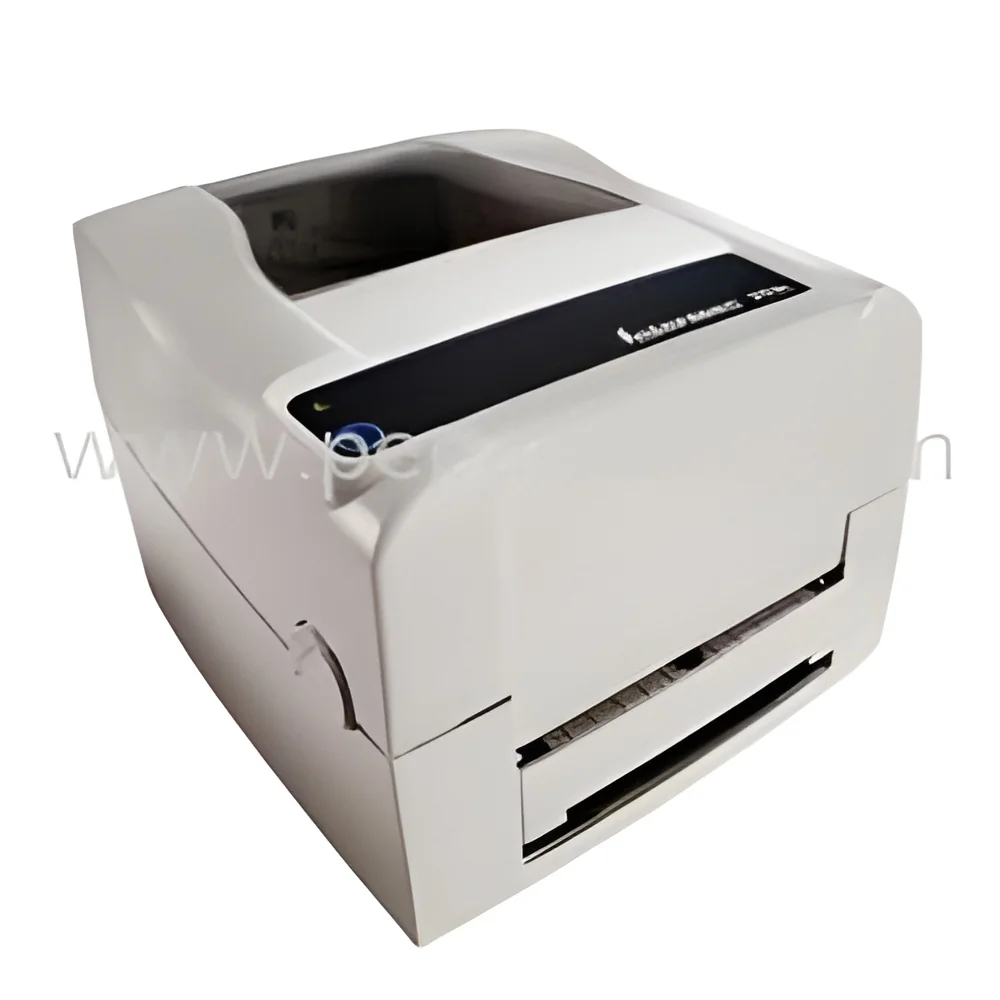
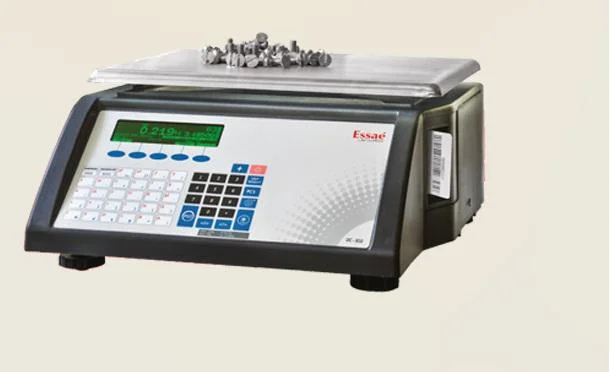
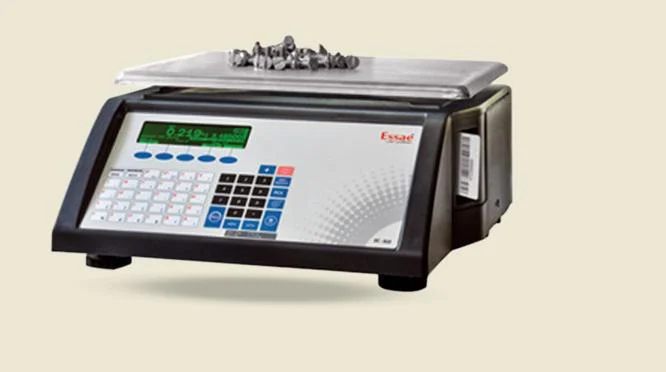
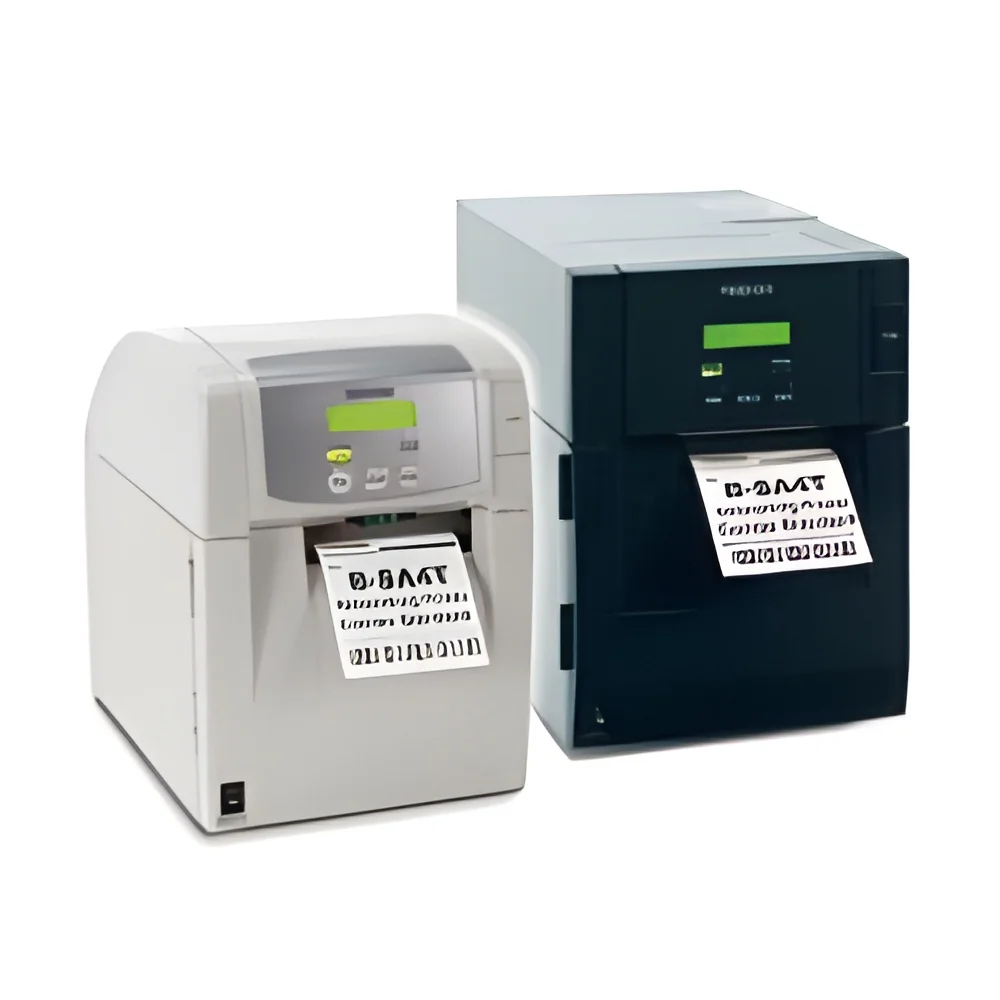
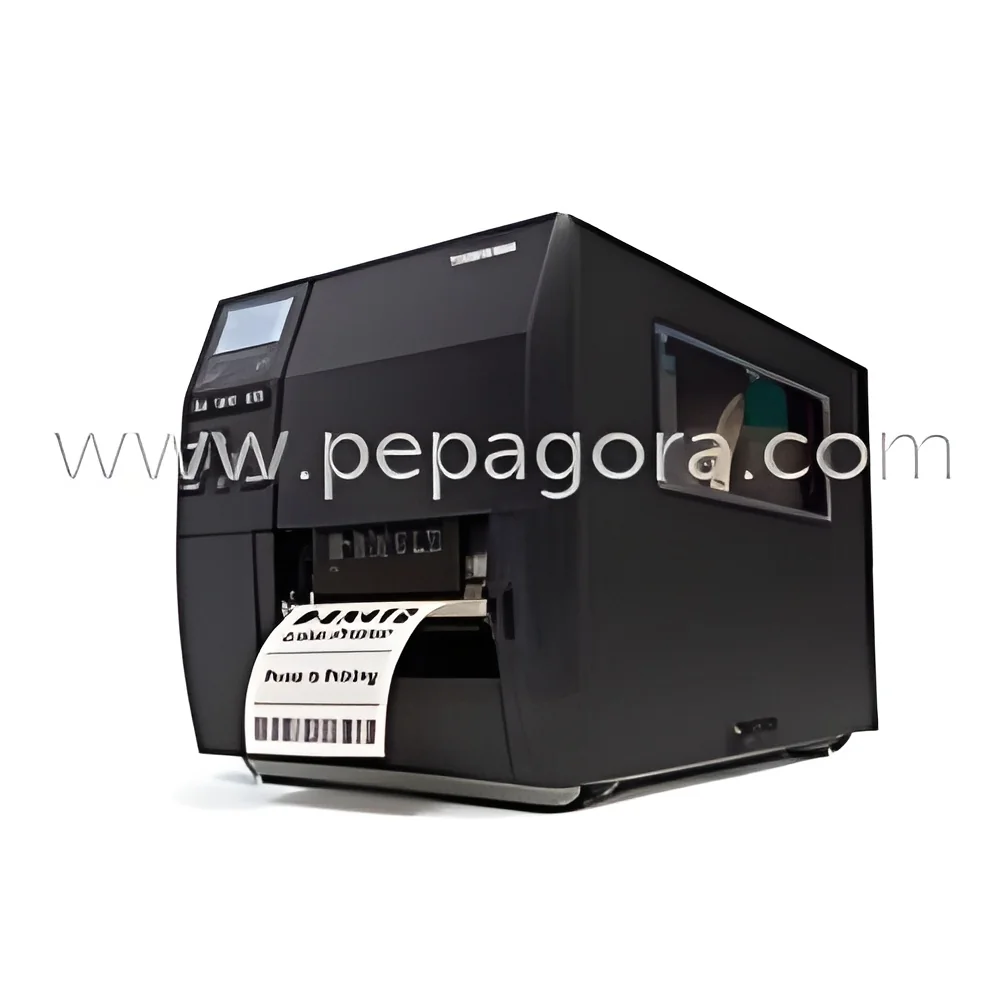
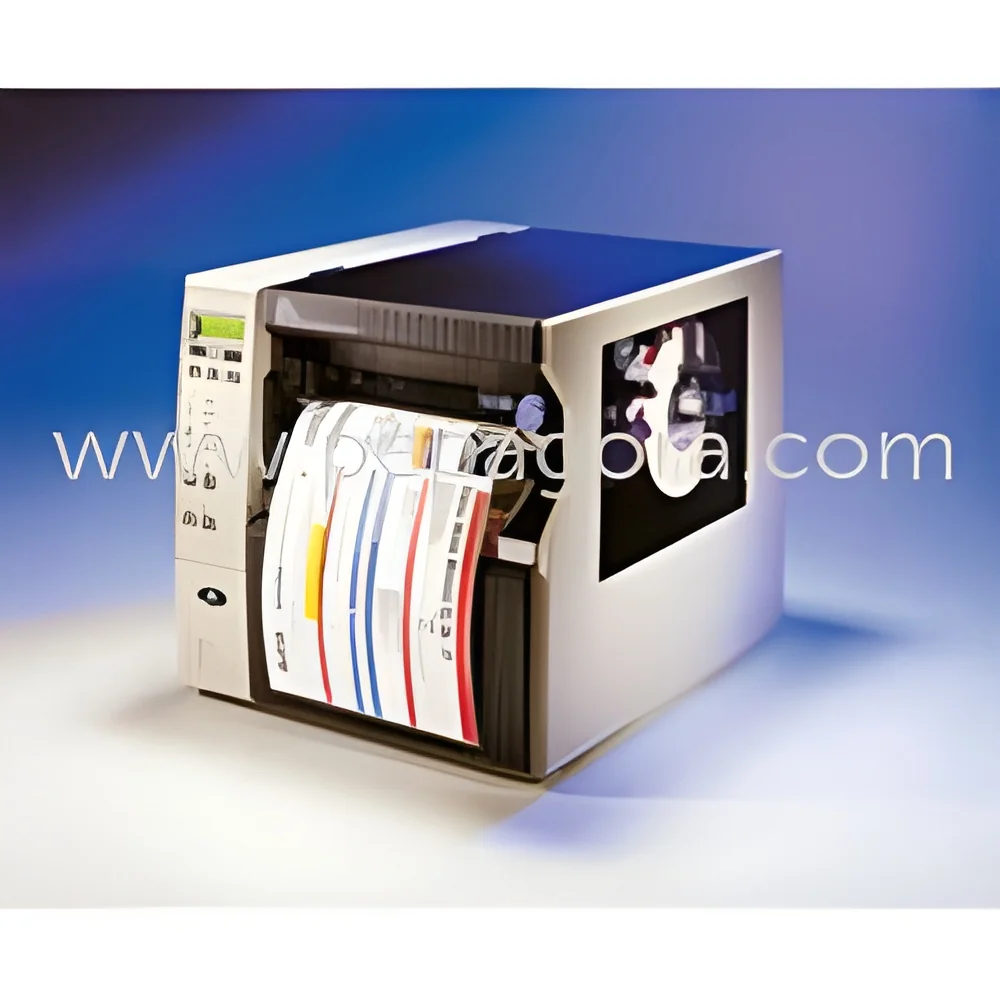
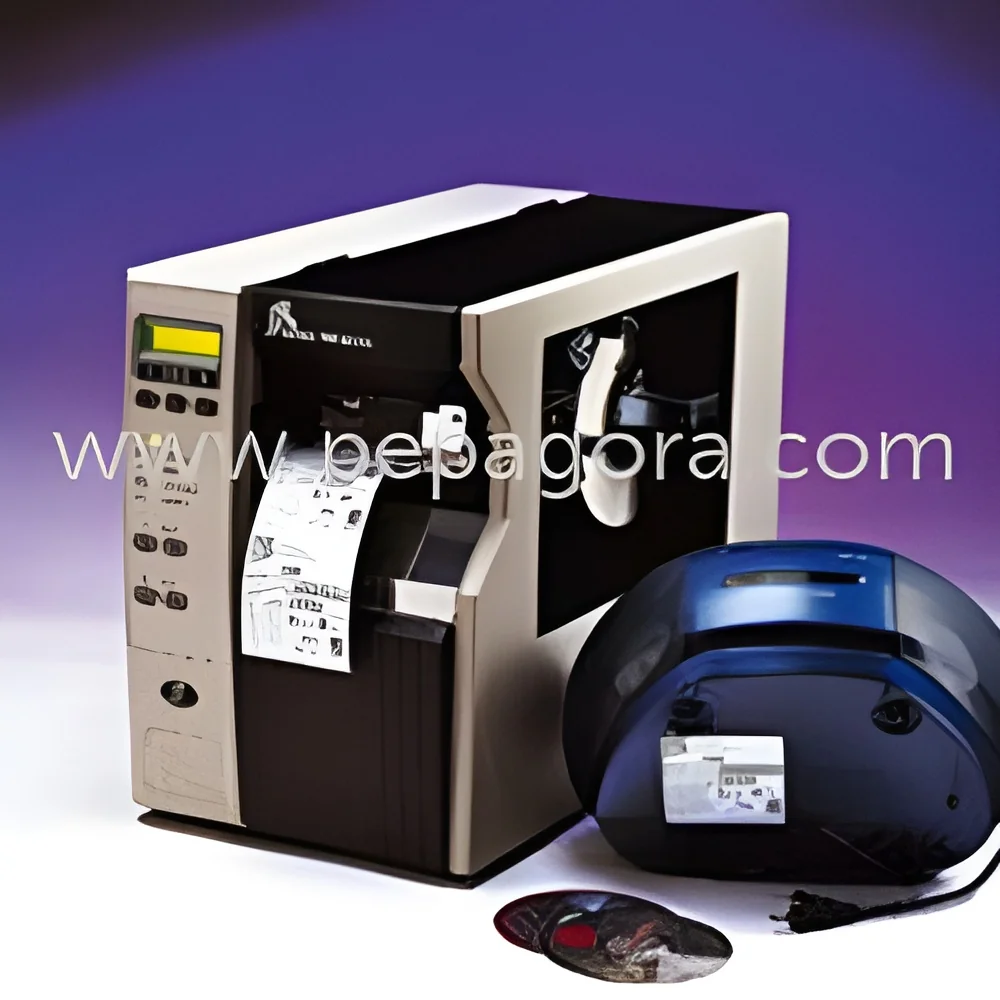
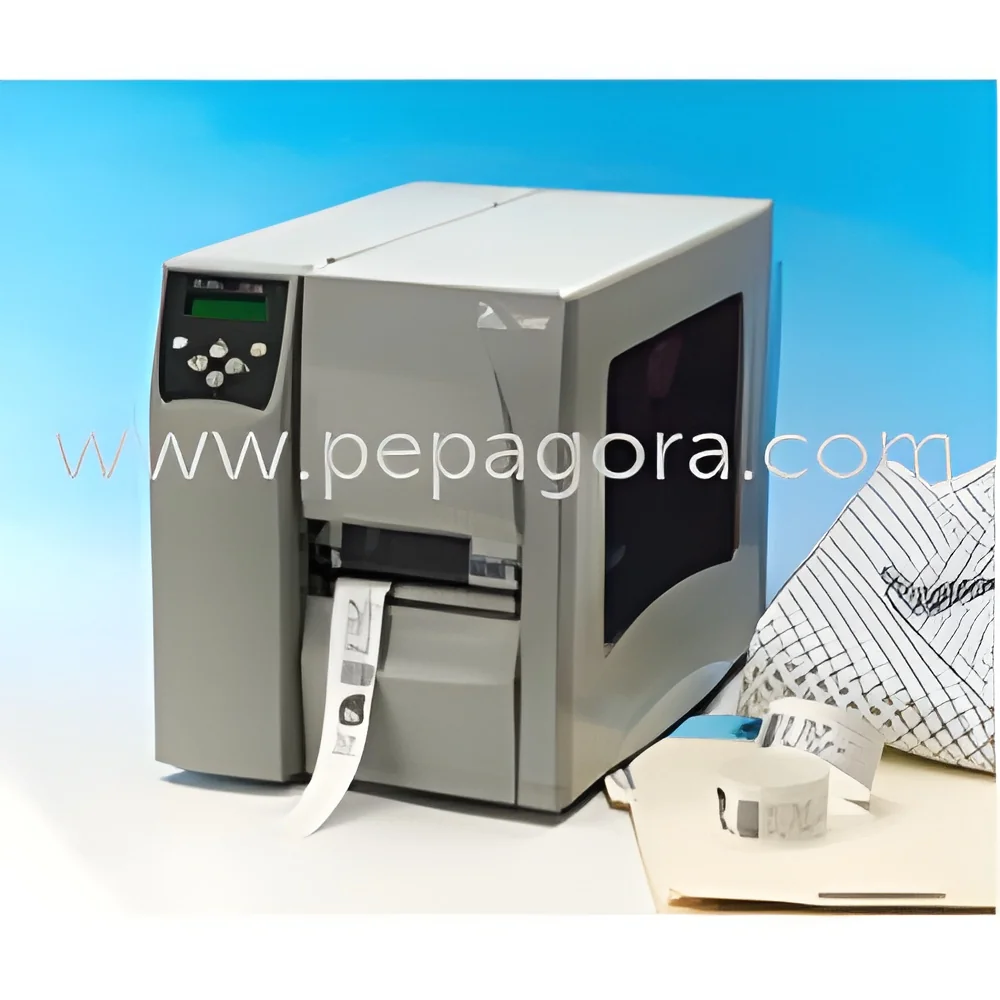
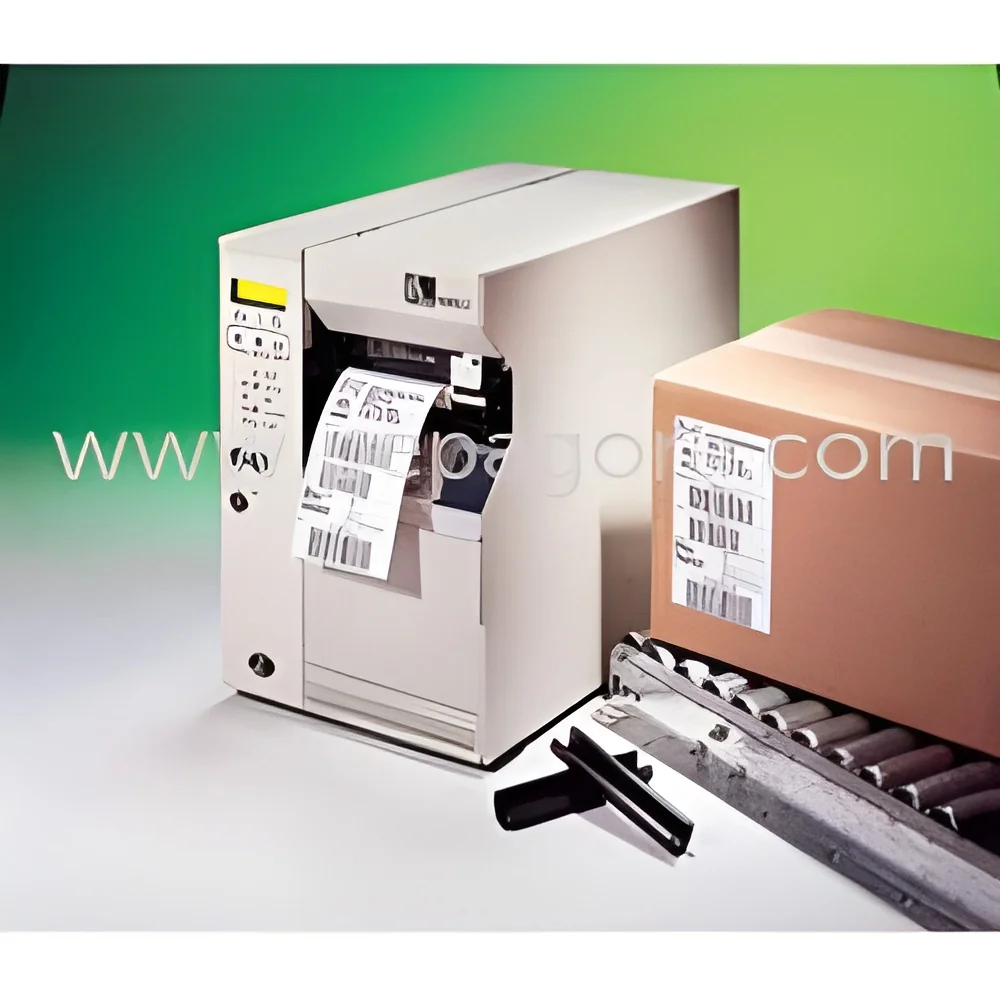
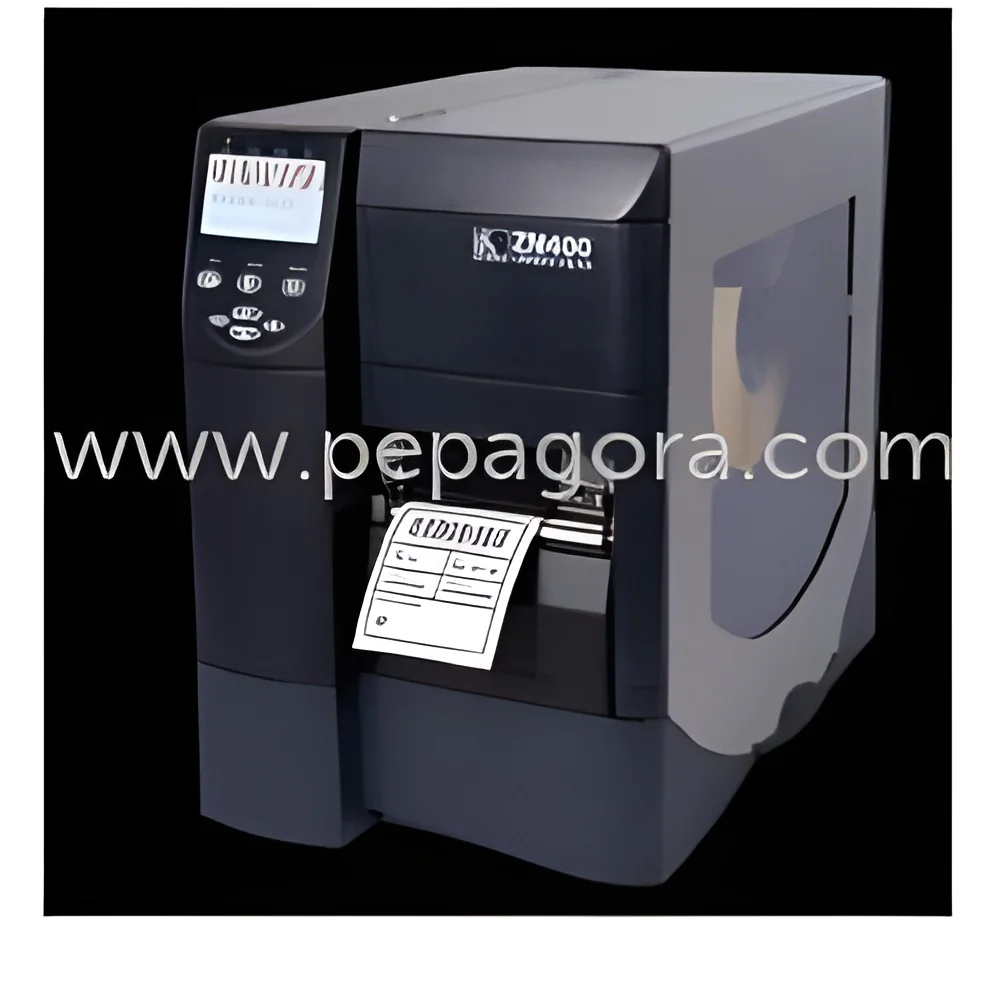
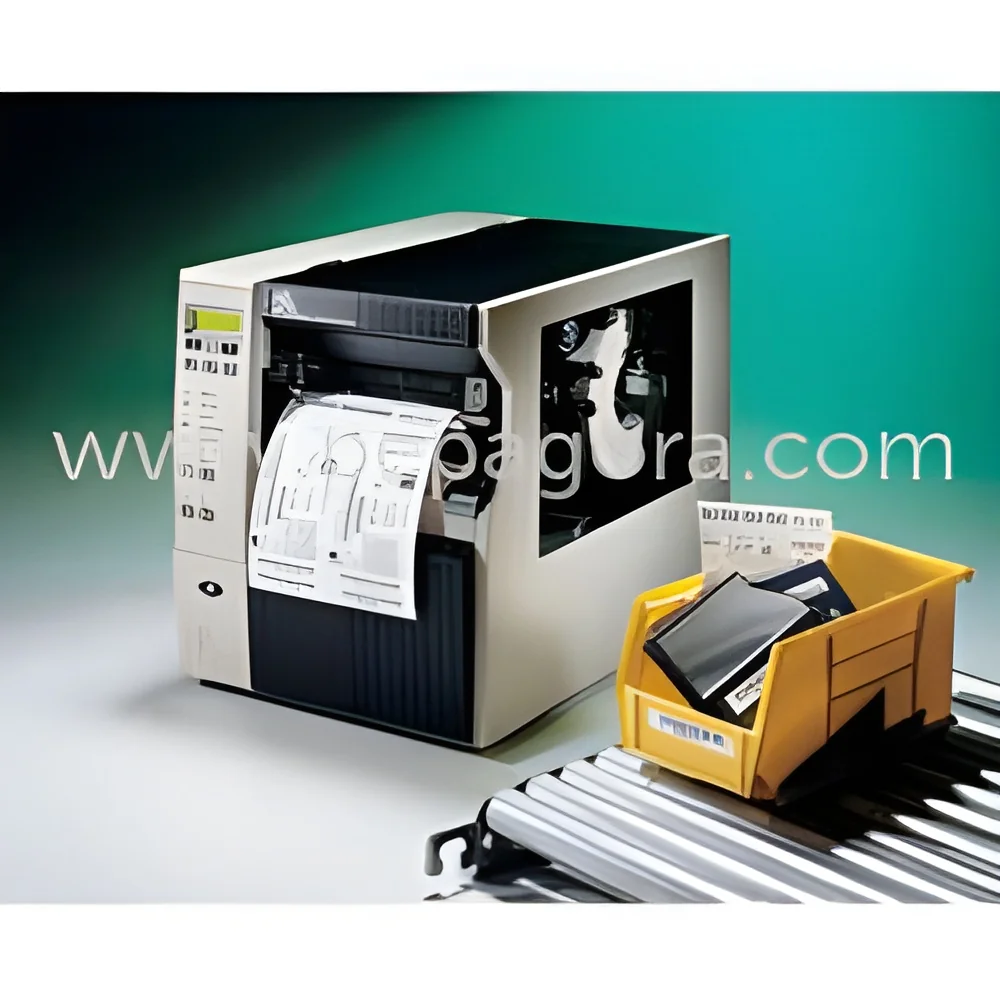
What are Barcode Printing Machines?
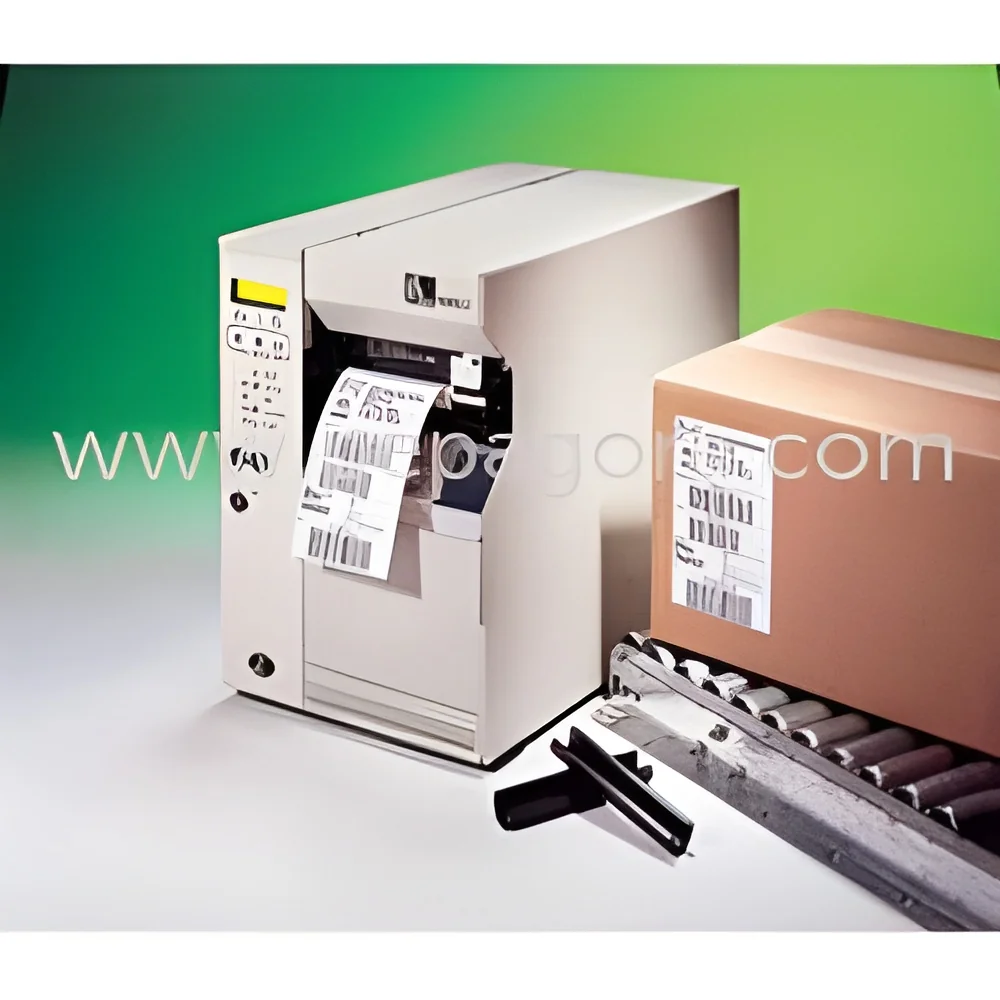
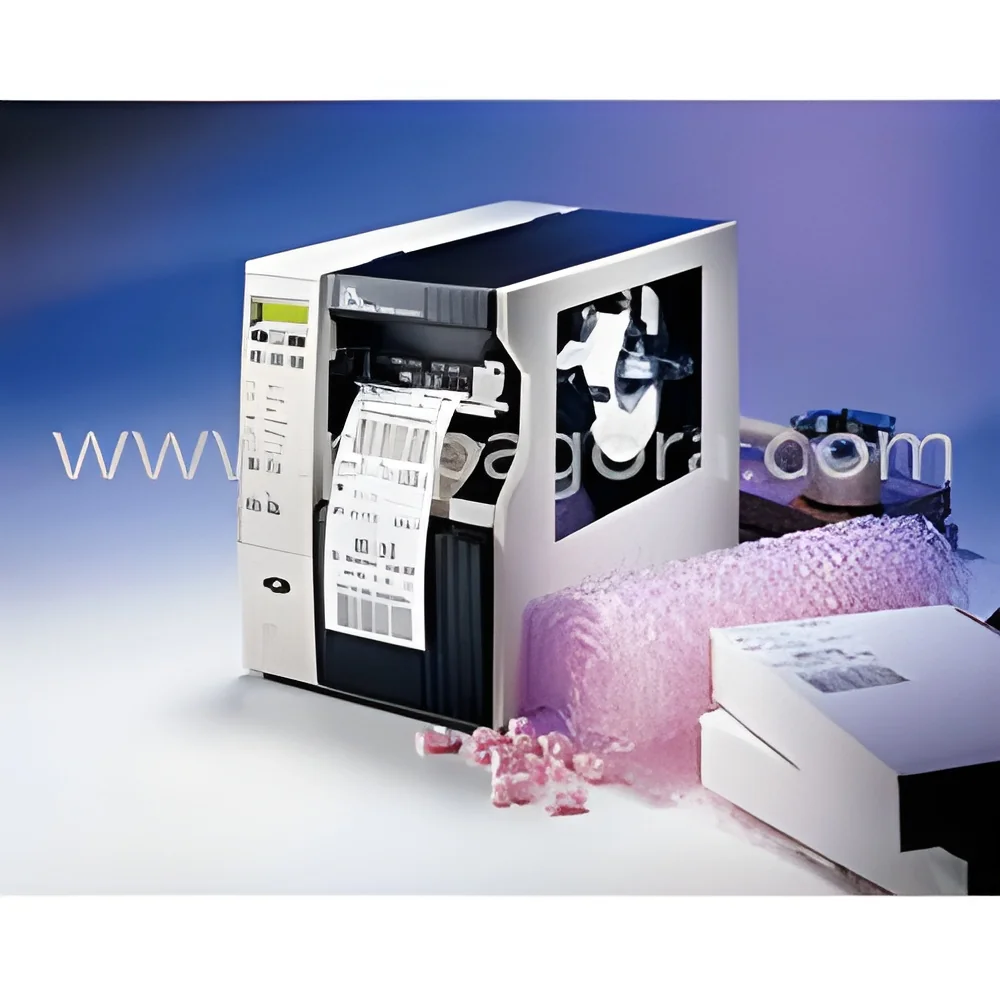
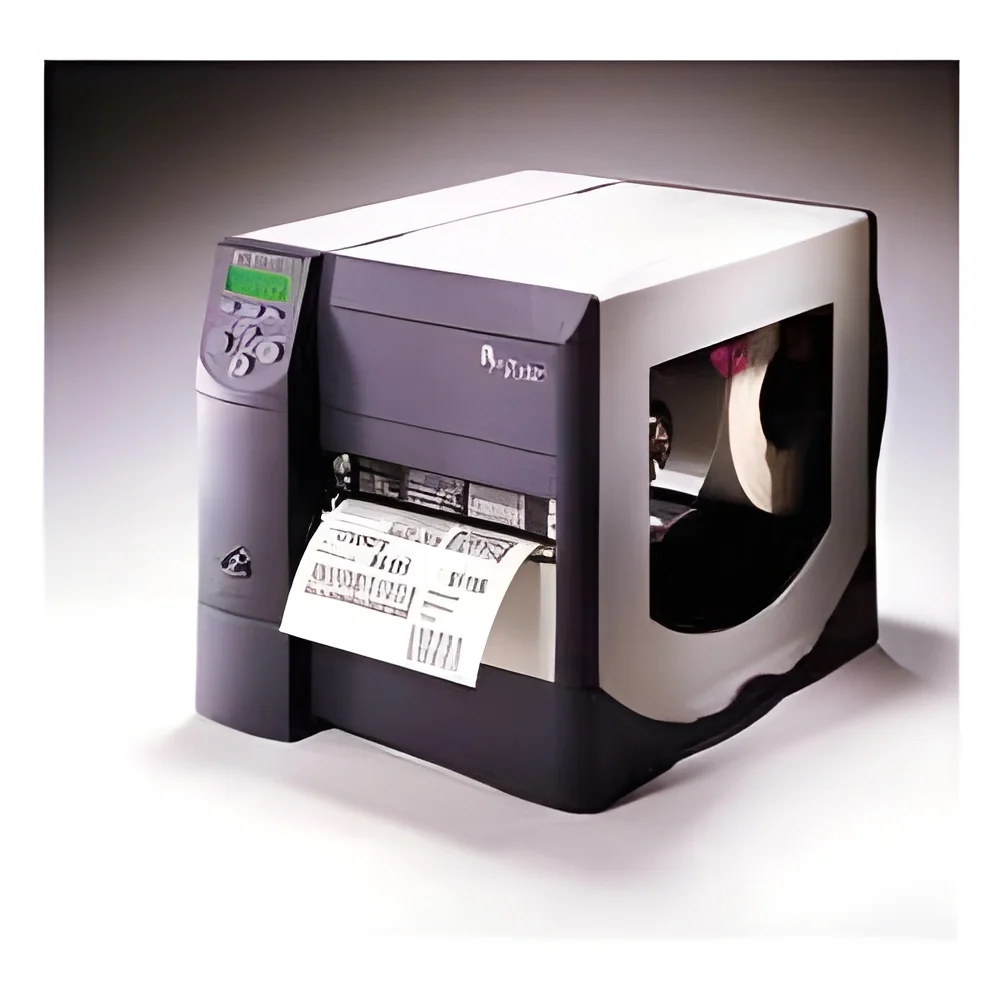
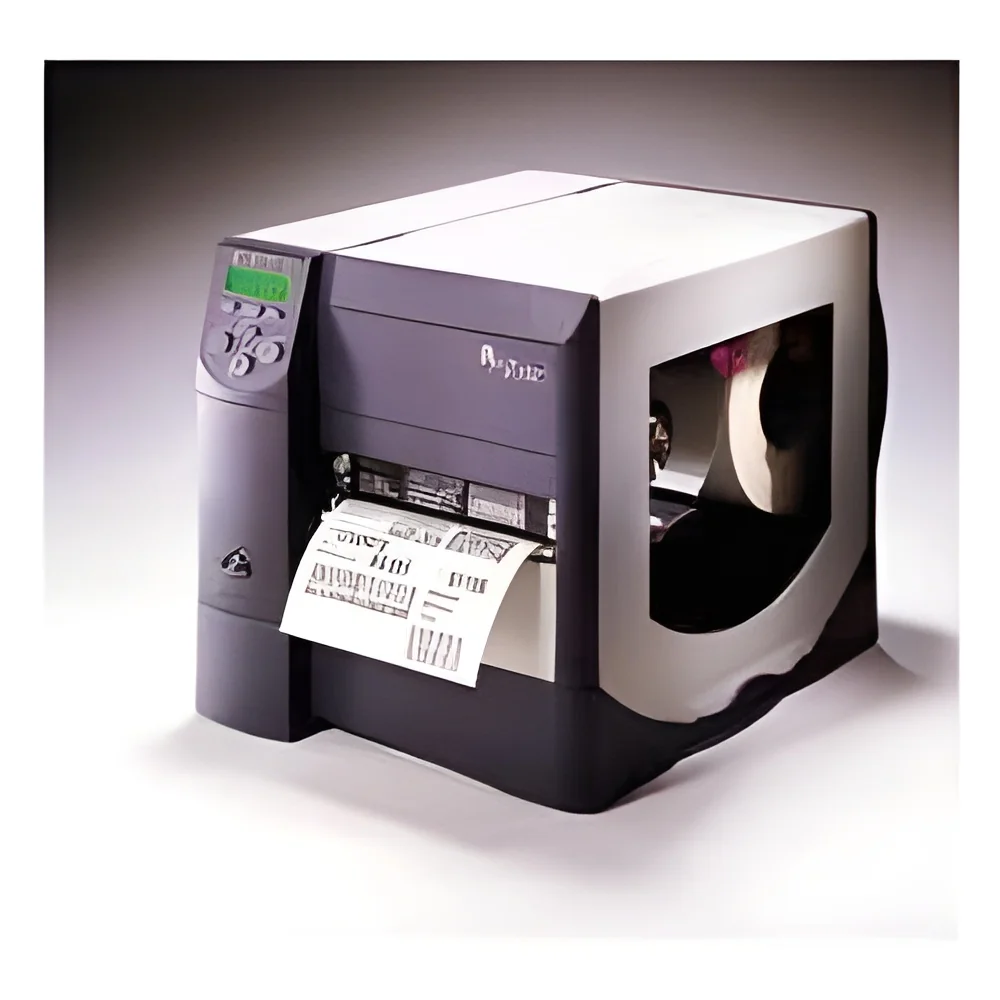
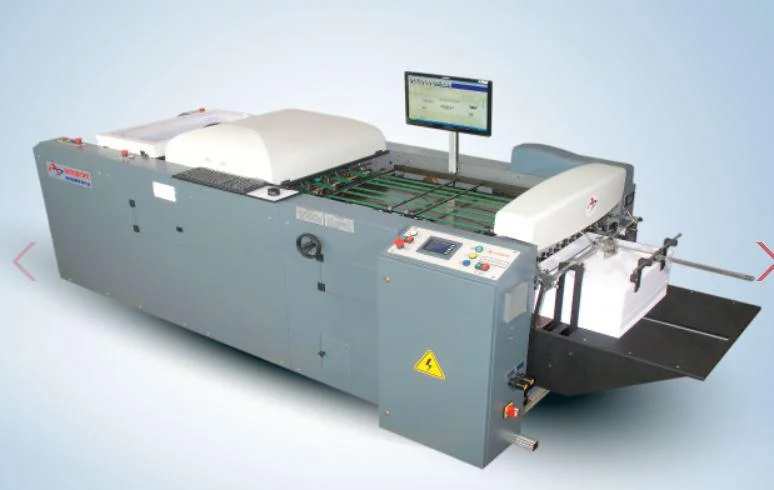
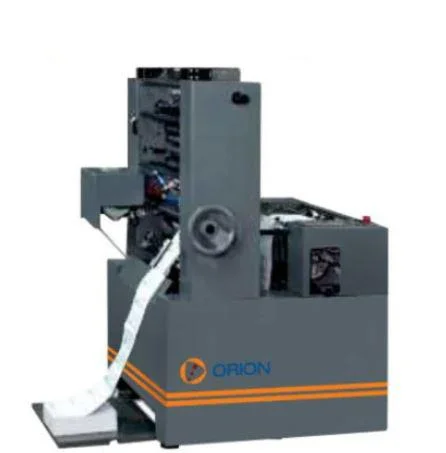
Barcode printing machines are specialized devices designed to produce high-quality barcode labels. These machines utilize advanced printing technologies, such as thermal transfer and direct thermal printing, to create durable and scannable barcodes. They are essential tools in numerous industries where tracking and inventory management are critical.
The primary uses of barcode printing machines include labeling products, managing inventory, and enhancing supply chain efficiency. Businesses employ these machines for various applications, including retail, manufacturing, logistics, and healthcare. By providing accurate and readable barcodes, these machines facilitate quicker checkouts, streamline inventory processes, and improve overall operational efficiency.
In an increasingly competitive market, the relevance of barcode printing machines cannot be overstated. As companies seek to optimize their operations and reduce errors, the demand for reliable barcode printing solutions continues to grow. The global market for these machines is expanding, driven by technological advancements and the increasing need for automation in various industries.
Key Features and Specifications
Barcode printing machines come equipped with several key features that enhance their functionality and performance. These features make them suitable for a variety of applications across different sectors.
Key specifications include:
1. Print Resolution
- Standard resolutions range from 203 to 600 DPI
- Higher resolutions provide clearer and more detailed barcodes
2. Print Speed
- Varies typically between 2 inches per second to 12 inches per second
- Faster speeds improve productivity in high-volume environments
3. Connectivity Options
- Common options include USB, Ethernet, and Bluetooth
- Allows integration with various systems and devices
4. Media Compatibility
- Supports a range of label sizes and materials
- Compatibility with thermal transfer and direct thermal labels
5. Durability
- Machines are designed for heavy-duty use and can withstand industrial environments
- Extended lifespan even in demanding conditions
6. User Interface
- Often features LCD screens for easy navigation
- Intuitive controls enhance usability in various settings
7. Software Integration
- Compatible with barcode generation and inventory management software
- Ensures seamless operation within existing workflows
8. Security Features
- May include password protection and user access controls
- Enhances data integrity and prevents unauthorized use
In summary, barcode printing machines are equipped with diverse features and specifications that cater to the unique needs of various industries, making them invaluable tools for efficient labeling and inventory management.
Common Applications and Use Cases
Barcode printing machines have a wide array of applications across different industries, making them versatile tools for business operations.
1. Retail: In retail environments, these machines are used to print price labels and product barcodes, facilitating quick checkouts and inventory tracking.
2. Manufacturing: Manufacturers utilize barcode printing for tracking raw materials and finished goods, ensuring accurate inventory management throughout the production process.
3. Logistics: In the logistics sector, barcodes printed on shipping labels enable efficient tracking of parcels and packages during transit.
4. Healthcare: Hospitals and clinics use barcode printing for patient identification, medication administration, and tracking medical supplies, enhancing safety and operational efficiency.
5. Food and Beverage: In this industry, barcode labels help track products throughout the supply chain, ensuring compliance with safety standards and enhancing traceability.
6. Pharmaceuticals: Barcode printing is crucial for tracking medication and ensuring authenticity, preventing counterfeit products from entering the market.
7. Warehousing: Warehouses rely on barcode systems for inventory management, allowing for quick stock counts and accurate order fulfillment.
Product Variants and Subcategories
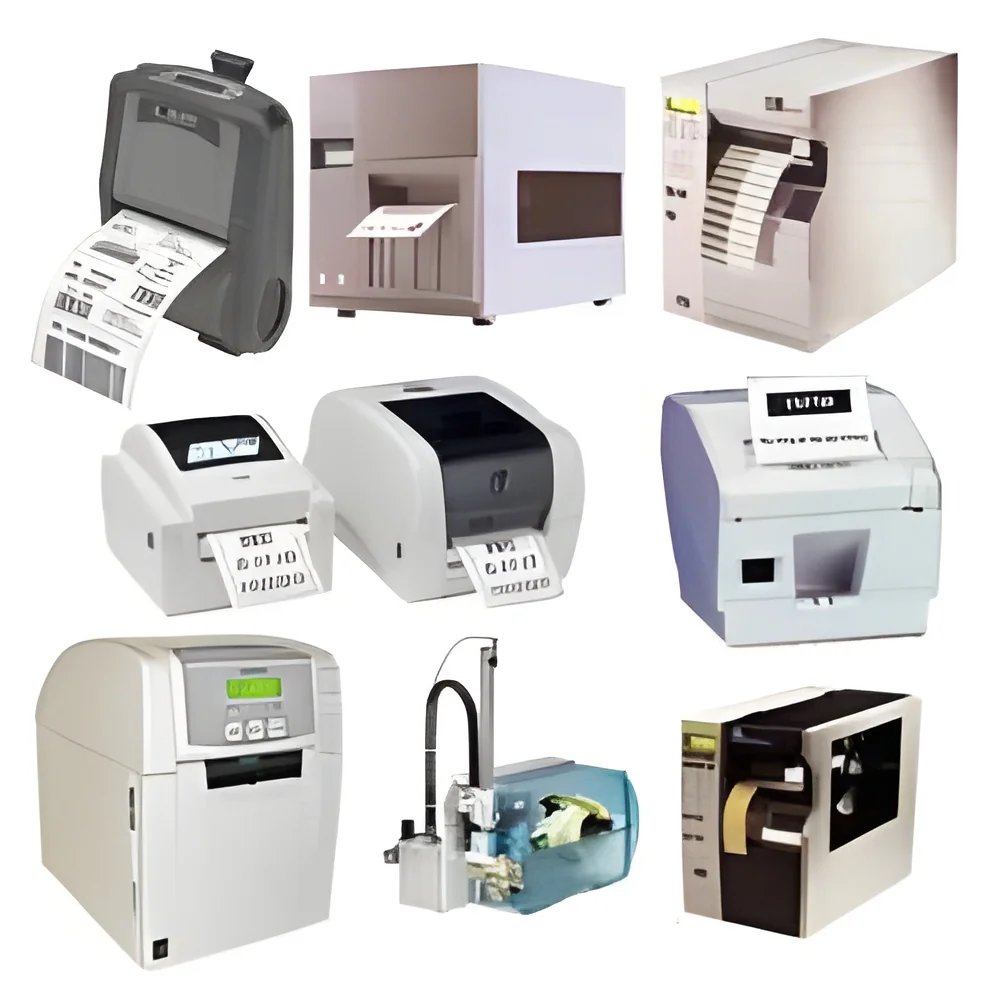
Barcode printing machines come in various types to suit different business needs. Each variant has unique features tailored for specific applications.
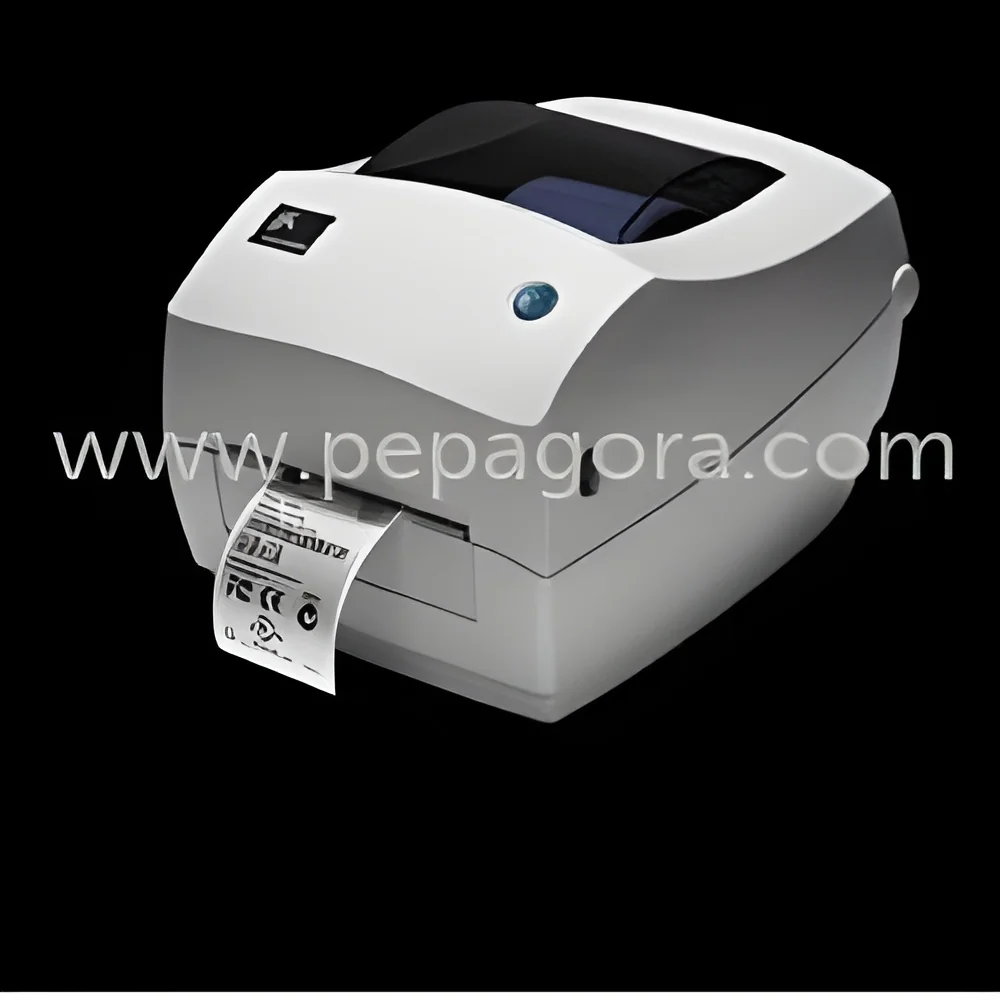
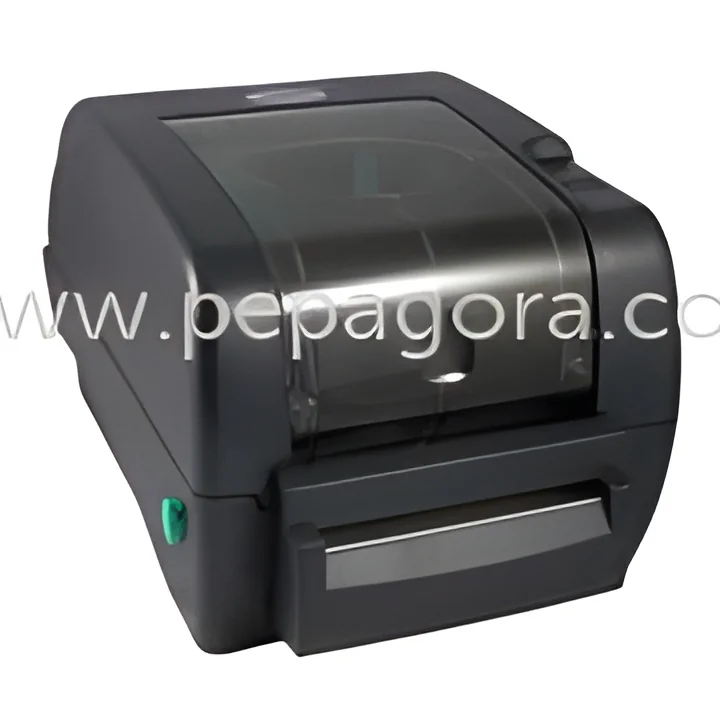
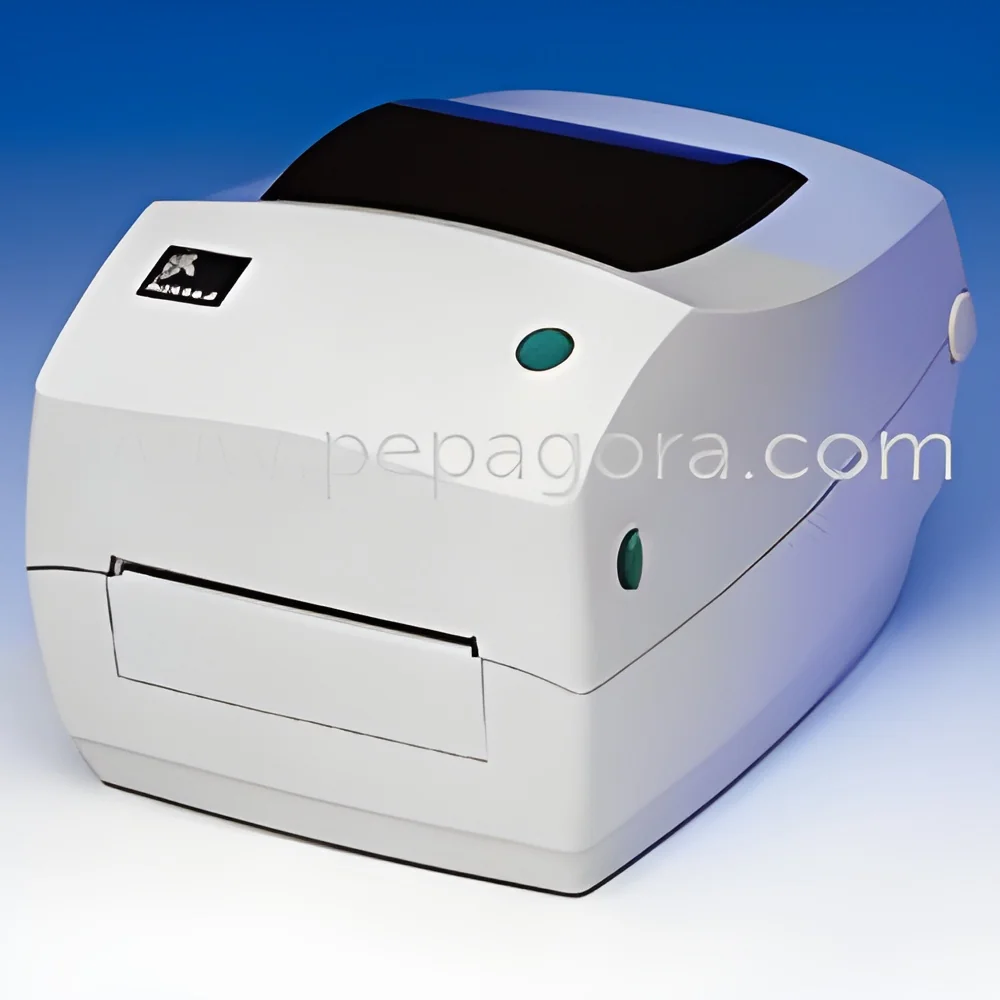
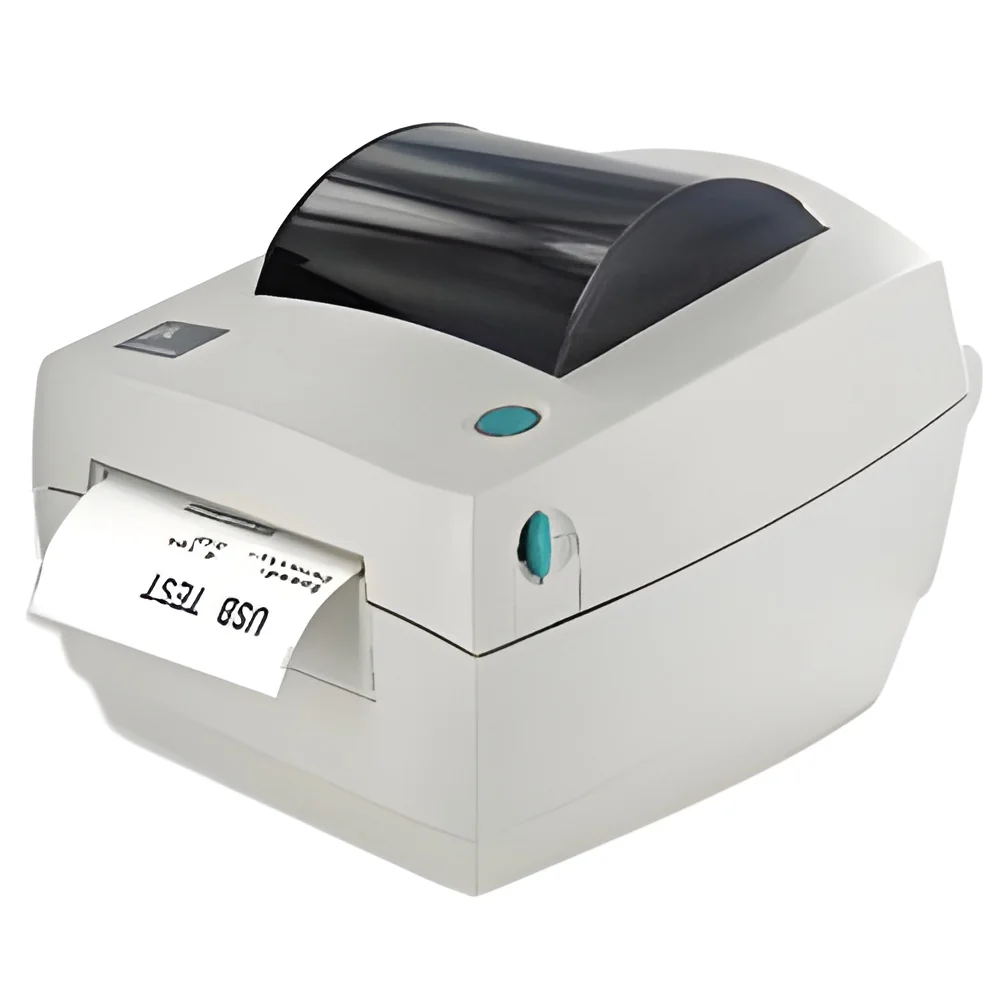
Desktop Barcode Printers
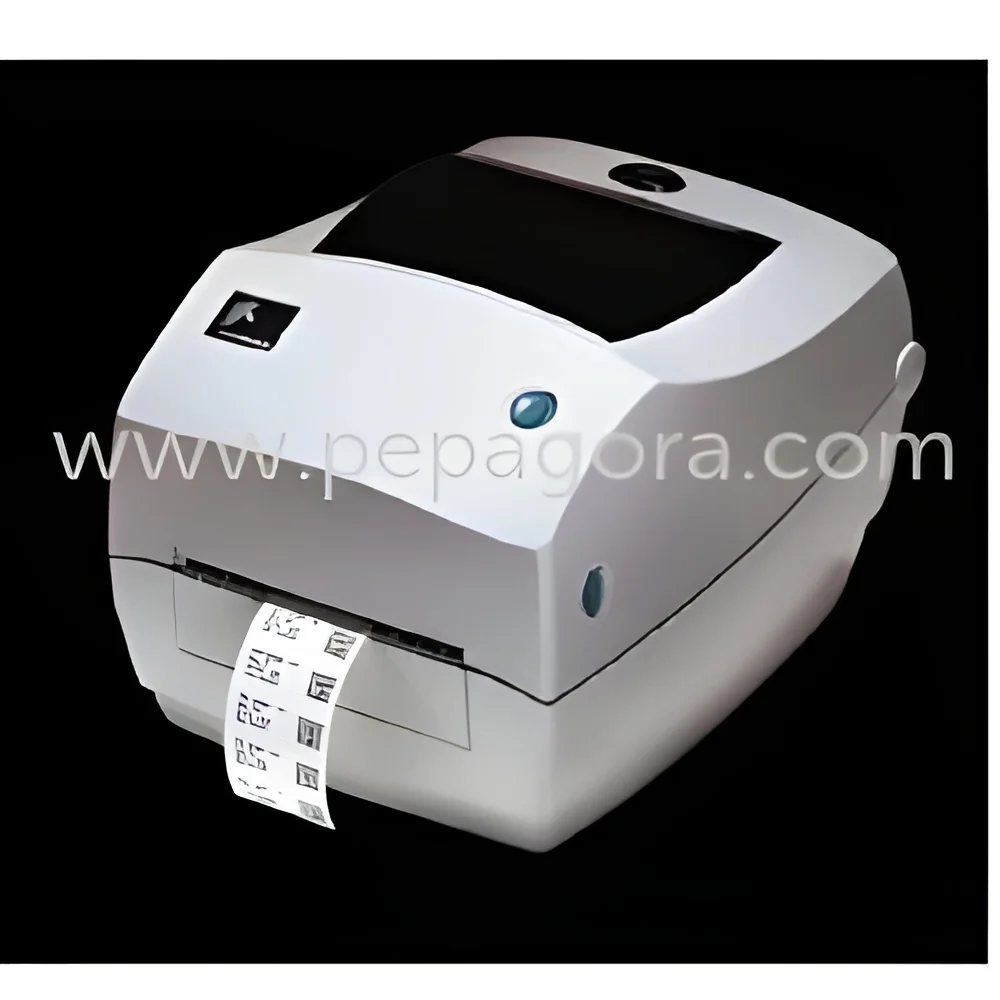
These compact machines are ideal for low to medium volume printing. They are user-friendly and suitable for small businesses.
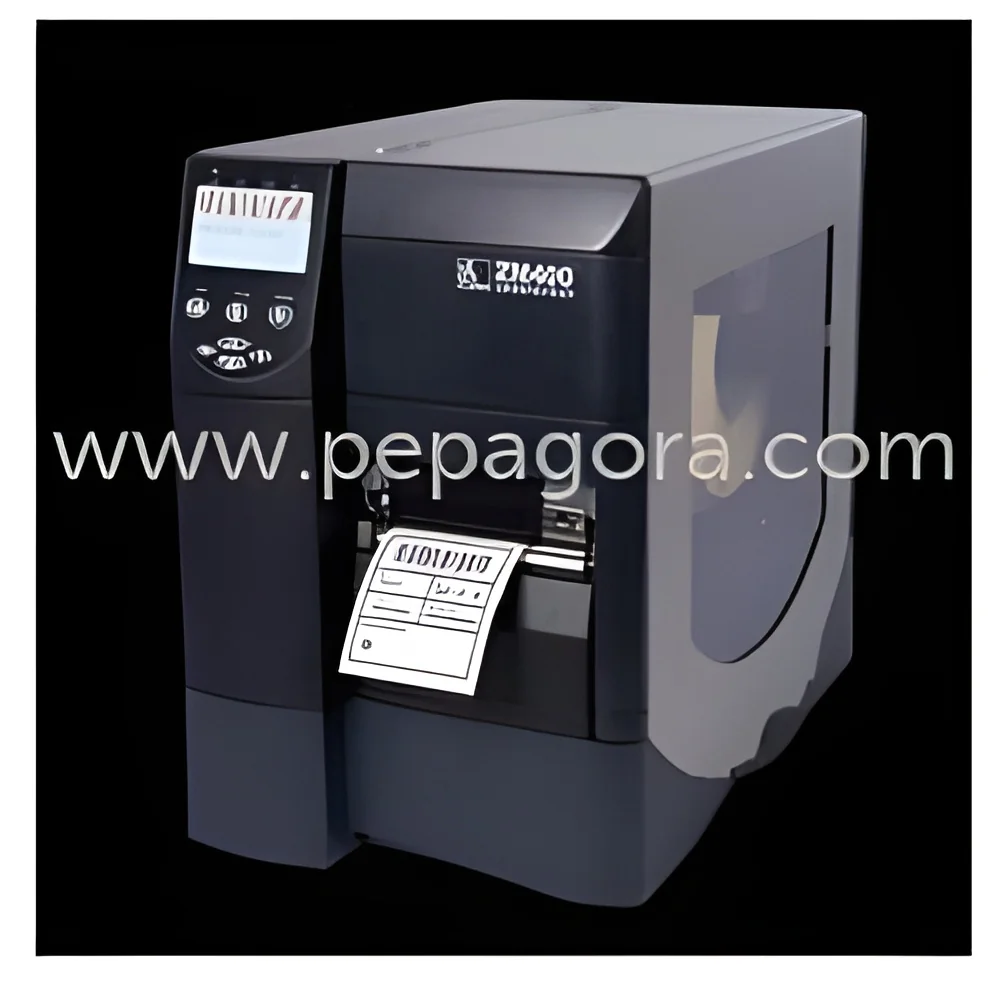
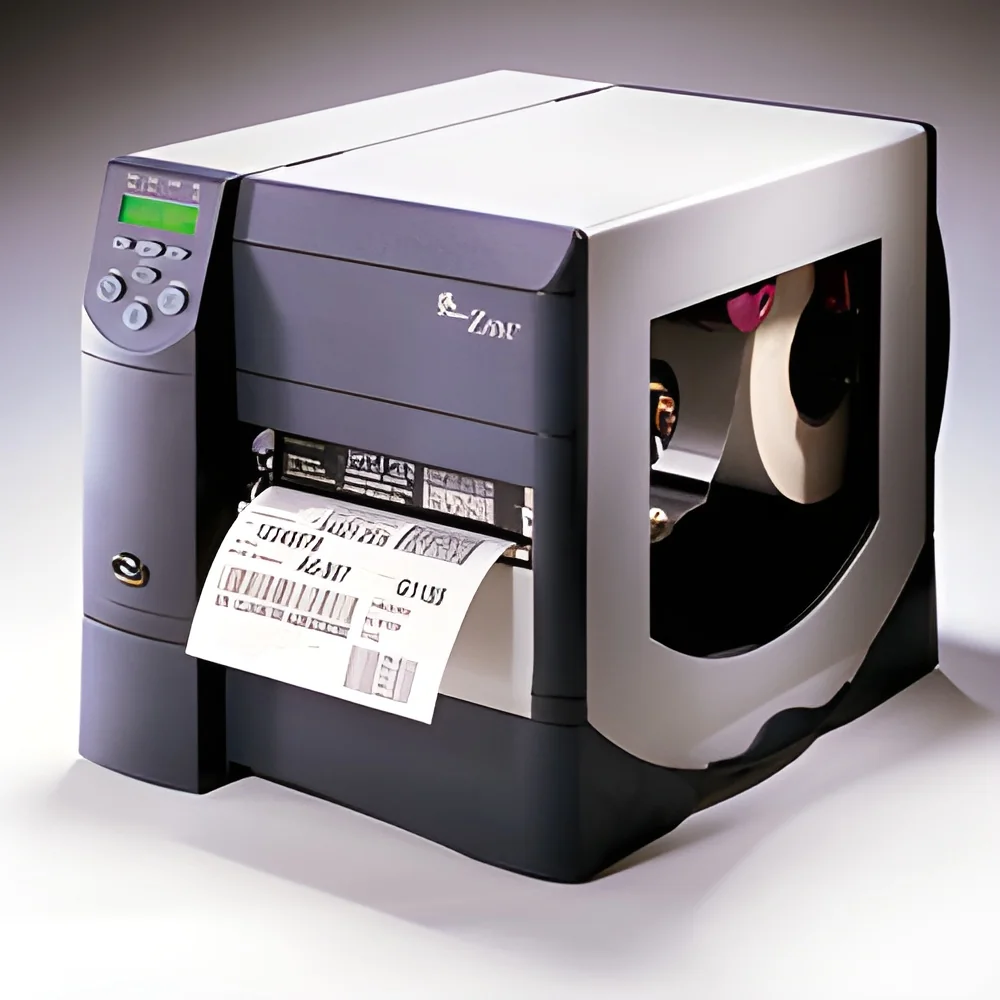
Industrial Barcode Printers
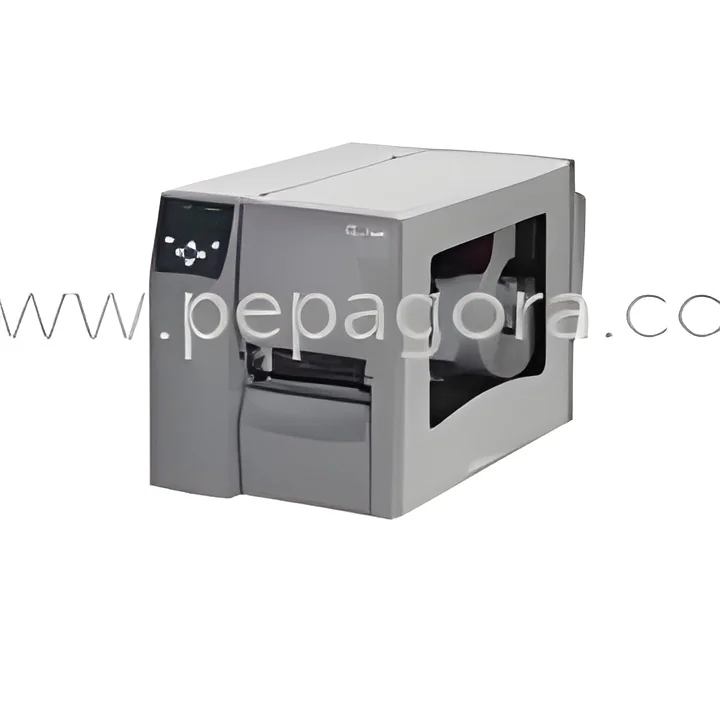
Designed for high-volume printing, these robust machines can handle larger label sizes and heavier materials. They are perfect for manufacturing and logistics environments.
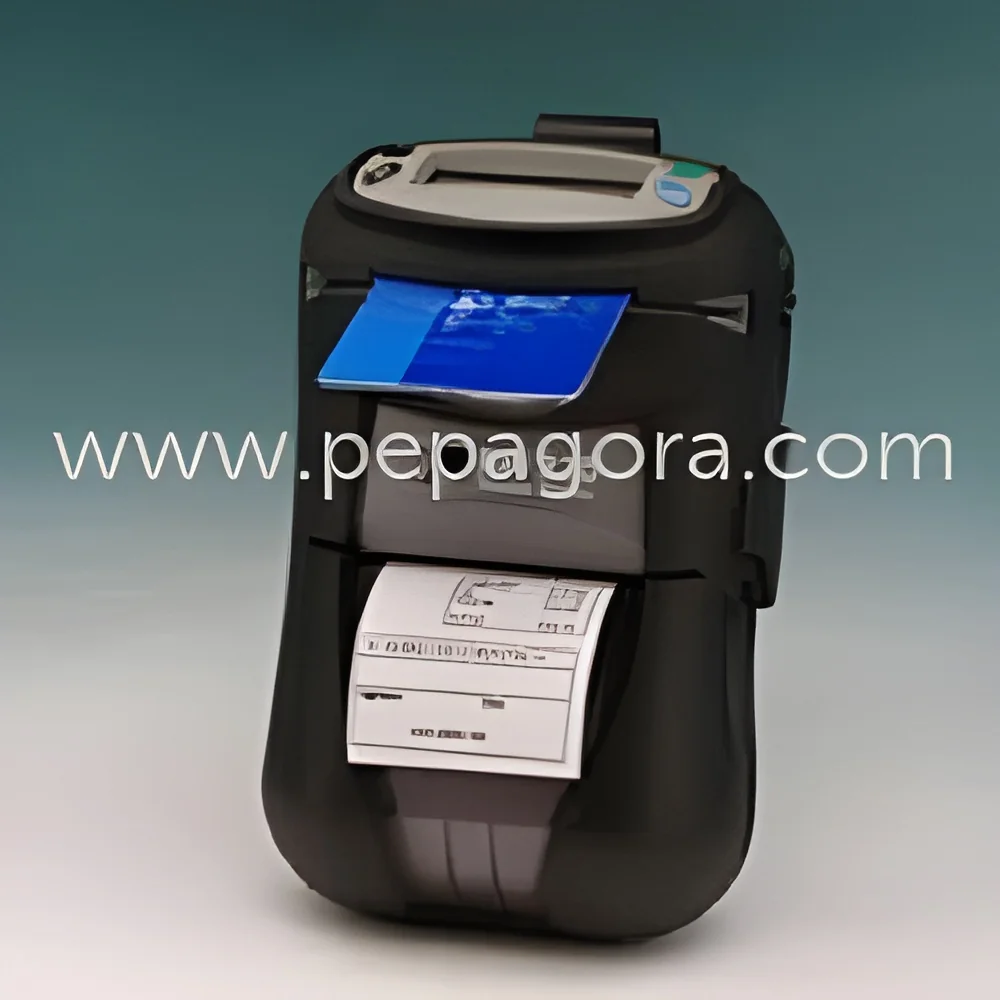
Mobile Barcode Printers
Portable and lightweight, mobile printers are perfect for on-the-go labeling in retail and field operations. They offer convenience and flexibility for users.
Benefits and Advantages
Investing in barcode printing machines offers several key benefits that can significantly enhance business operations.
1. Improved Efficiency: Barcode printing streamlines labeling processes, reducing time spent on manual entry and minimizing human errors.
2. Enhanced Accuracy: High-quality barcodes ensure accurate scanning, leading to better inventory management and fewer discrepancies.
3. Cost-Effective Solution: With reduced labeling errors and improved productivity, businesses can save on operational costs over time.
4. Increased Traceability: Barcodes provide a reliable method for tracking products throughout the supply chain, ensuring compliance and safety.
5. Versatility: These machines can accommodate various label sizes and materials, making them adaptable to different applications.
6. Better Customer Experience: Faster checkouts and accurate inventory information enhance the overall customer experience in retail environments.
Buying Guide for B2B Buyers
When sourcing barcode printing machines, it is essential to consider several factors to ensure a suitable purchase.
1. Quality Assessment: Evaluate the build quality and reliability of the machines. Look for models that have passed rigorous testing standards to ensure durability.
2. Supplier Verification: Vet suppliers thoroughly by checking their credentials and customer reviews. This helps ensure you are working with reputable manufacturers.
3. Pricing and MOQ: Understand the price range for different models and inquire about minimum order quantities. This can impact your budget and inventory management.
4. Delivery and Lead Times: Confirm delivery schedules and lead times to ensure timely receipt of machines. This is critical for maintaining operational timelines.
5. Compliance Requirements: Ensure that the machines comply with relevant industry standards and regulations, which may vary by region.
Compliance and Certifications
Barcode printing machines must adhere to various quality standards and industry certifications to ensure their reliability and safety. One key standard is ISO 9001, which outlines requirements for quality management systems and ensures consistent product quality.
In addition, certifications like CE indicate compliance with European health, safety, and environmental protection standards. This is crucial for businesses operating in regions where such certifications are mandatory.
Safety and testing requirements are also important considerations. Barcode printing machines must undergo rigorous testing to ensure they meet industry standards for performance and safety. Regional compliance is vital, as different areas may have unique regulations governing the use of printing equipment.
Why Source Barcode Printing Machines from Pepagora?
Pepagora offers a trusted platform for sourcing barcode printing machines, providing several key advantages for buyers.
Verified Supplier Network: Pepagora maintains a network of verified suppliers to ensure quality and reliability. Buyers can rest assured they are connecting with reputable manufacturers.
Streamlined RFQ Process: The platform simplifies the request for quotation process, enabling buyers to receive competitive bids from multiple suppliers quickly and efficiently.
Trade Assurance and Support: Pepagora provides trade assurance to protect buyers throughout the purchasing process. Support services are available to assist with any inquiries or issues.
Regional Coverage: With a focus on markets in India, GCC, and Southeast Asia, Pepagora offers extensive geographic reach, making it easier for businesses to find suitable suppliers in their region.

 IN
IN