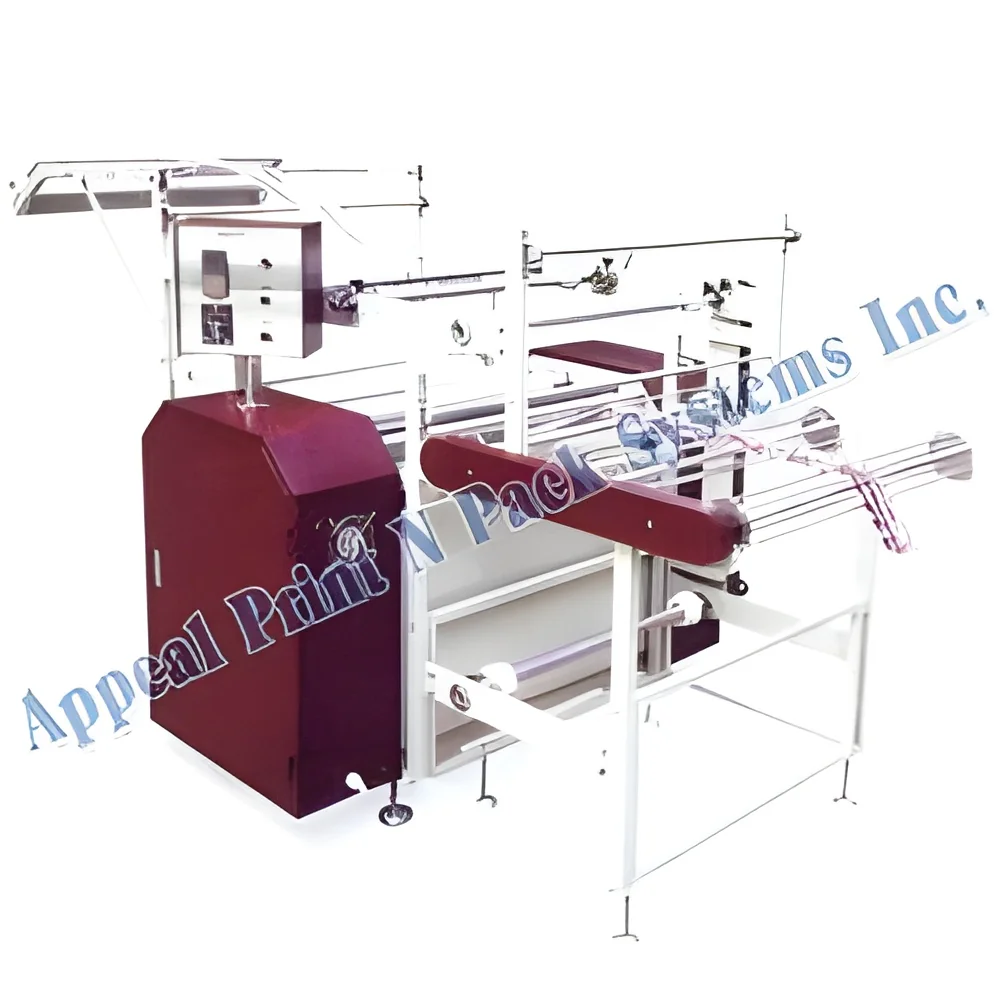
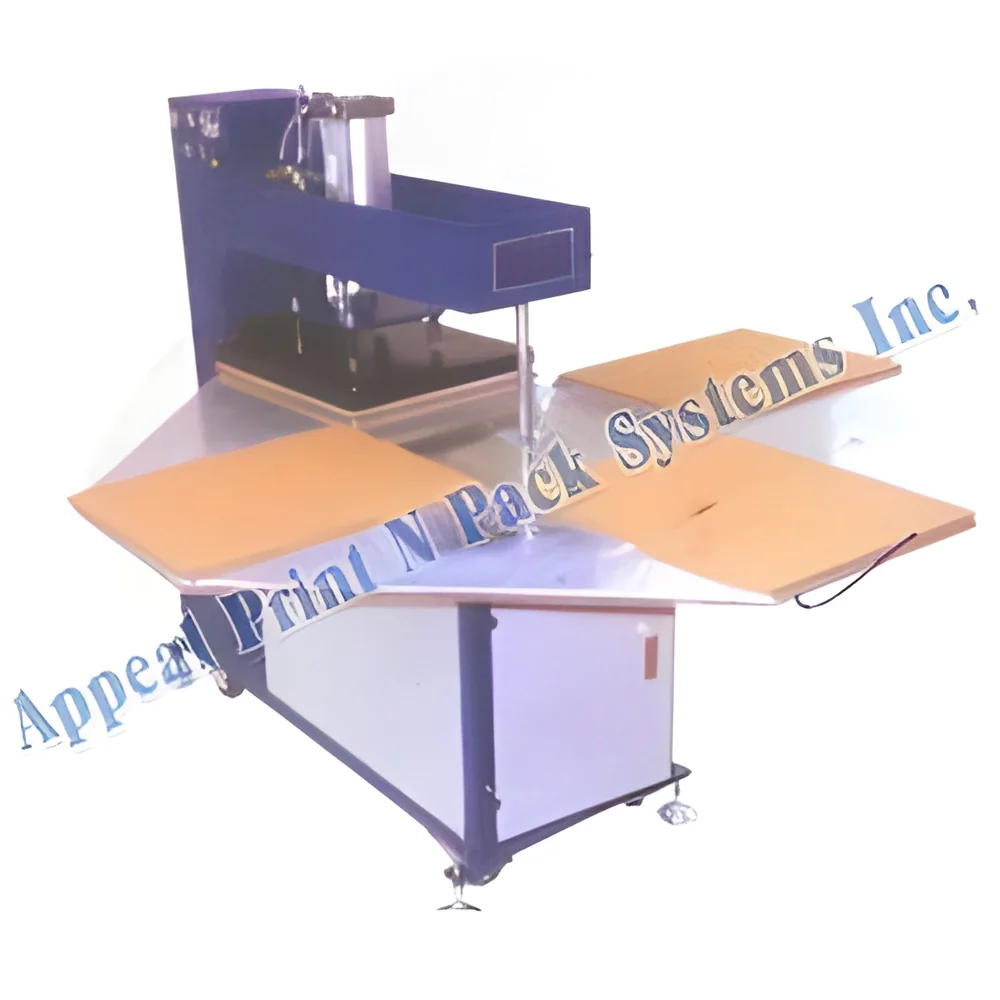
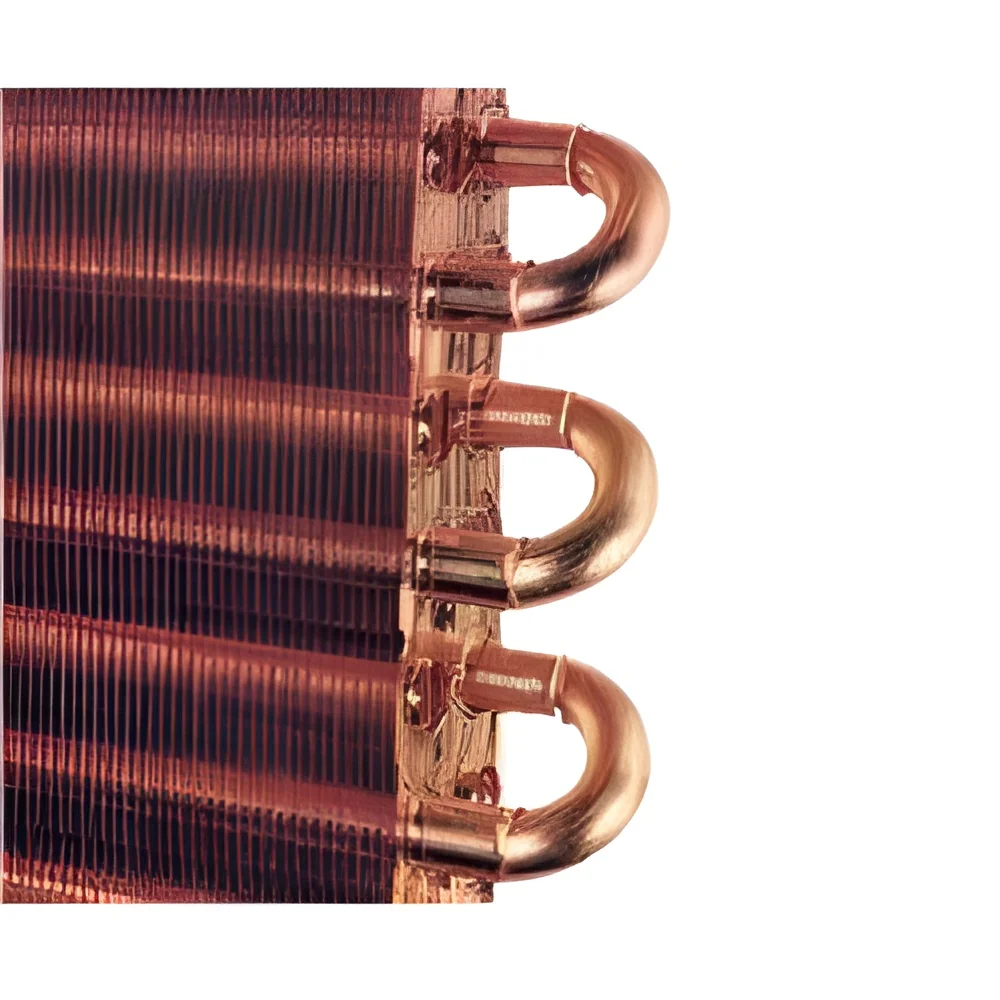
What are Heat Transfer?
Heat transfer refers to the process of thermal energy moving from one material or medium to another. This fundamental concept is crucial in various industrial applications where temperature control is essential. The primary modes of heat transfer include conduction, convection, and radiation. Each method has its unique mechanisms and applications, making heat transfer a key consideration in engineering and design.
In business applications, heat transfer is vital across multiple sectors, including manufacturing, HVAC, food processing, and more. Industries rely on efficient heat transfer systems to optimize processes, enhance product quality, and ensure safety. The relevance of heat transfer technology has grown with increasing energy efficiency regulations and the demand for sustainable practices. Companies that effectively manage heat transfer can improve operational efficiency and reduce costs, positioning themselves competitively in the market.
Key Features and Specifications
Understanding the key features and specifications of heat transfer systems is essential for making informed purchasing decisions. These specifications help determine the suitability of a product for specific applications and environments.
Key specifications include:
1. Temperature Range
- Defines the operational limits of the heat transfer system.
- Typical ranges vary based on application needs and system design.
2. Efficiency Rating
- Measures how effectively a heat transfer system converts energy into useful thermal output.
- Higher efficiency ratings indicate better performance and lower energy costs.
3. Material Composition
- Refers to the types of materials used in construction.
- Common materials include metals, ceramics, and composites, chosen for their thermal conductivity and durability.
4. Size and Dimensions
- Specifies the physical dimensions of the heat transfer units.
- Important for installation and integration into existing systems.
5. Pressure Rating
- Indicates the maximum allowable pressure for safe operation.
- Essential for applications involving high-temperature or high-pressure environments.
6. Compliance Standards
- Lists the certifications and standards the product meets.
- Ensures safety and performance in accordance with industry regulations.
7. Maintenance Requirements
- Describes the frequency and type of maintenance needed for optimal operation.
- Regular maintenance can prolong the life of heat transfer systems.
8. Cost Considerations
- Provides an overview of the pricing model, including initial purchase cost and long-term operating expenses.
In summary, understanding these specifications allows businesses to select heat transfer systems that meet their operational requirements while ensuring safety and efficiency.
Common Applications and Use Cases
Heat transfer systems are utilized in diverse industries, each requiring specific solutions to meet their unique challenges.
1. Manufacturing: In manufacturing, heat transfer is essential for processes such as metal forging and plastic molding, where precise temperature control is critical for product quality.
2. HVAC: Heating, ventilation, and air conditioning systems rely on effective heat transfer to maintain comfortable indoor environments while optimizing energy use.
3. Food Processing: In the food industry, heat transfer is employed for cooking, pasteurization, and refrigeration to ensure food safety and preserve quality.
4. Chemical Processing: Heat transfer systems facilitate reactions in chemical processing, where temperature regulation is vital for reaction rates and product outcomes.
5. Power Generation: In power plants, heat exchangers play a crucial role in converting thermal energy into electrical energy, improving overall efficiency.
6. Automotive: Heat transfer technologies are integral in automotive applications, including cooling systems that manage engine temperatures for optimal performance.
7. Semiconductor Manufacturing: In the semiconductor sector, precise heat transfer is critical for processes such as wafer fabrication, where temperature fluctuations can affect product yield.
Product Variants and Subcategories
Heat transfer technology encompasses a range of products designed to address various industrial needs. Each variant offers distinct features tailored for specific applications.
Heat Exchangers
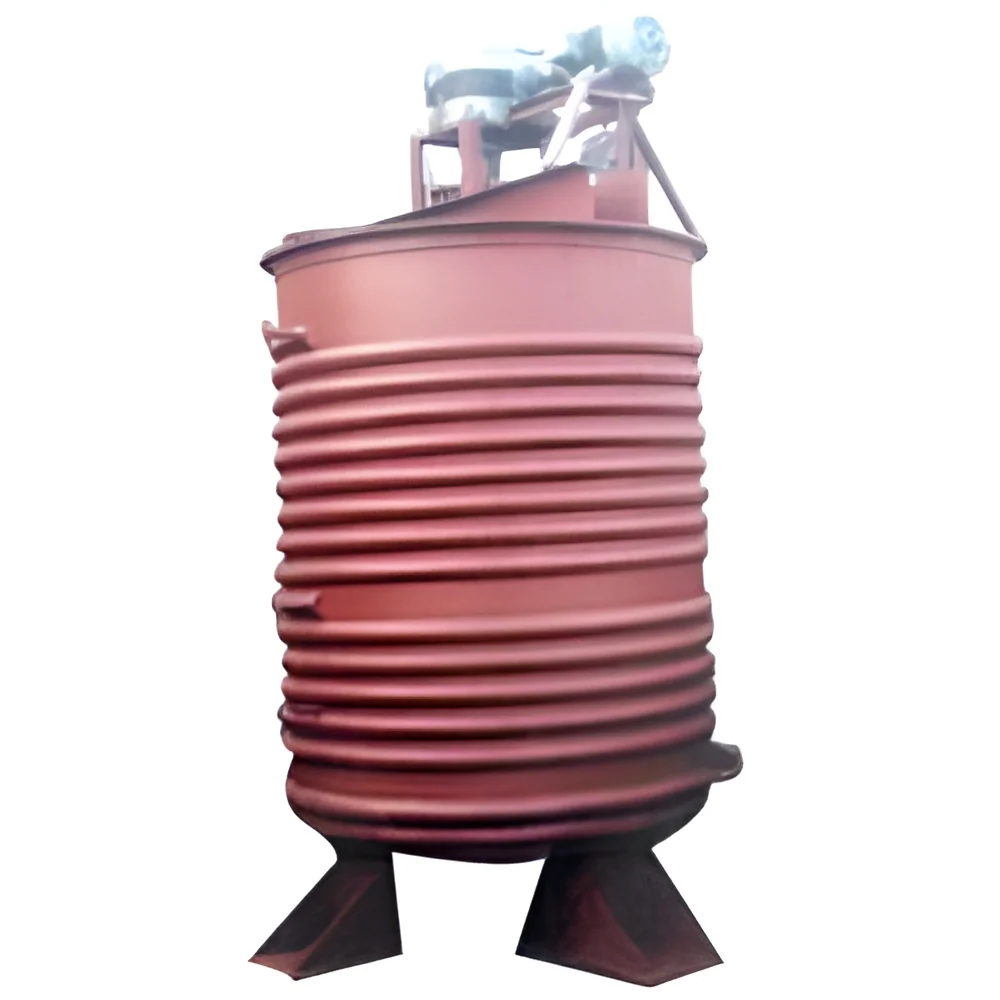
Heat exchangers are designed to transfer heat between two or more fluids, optimizing thermal efficiency in heating and cooling processes. They are commonly used in HVAC systems and industrial processes.
Heat Sinks
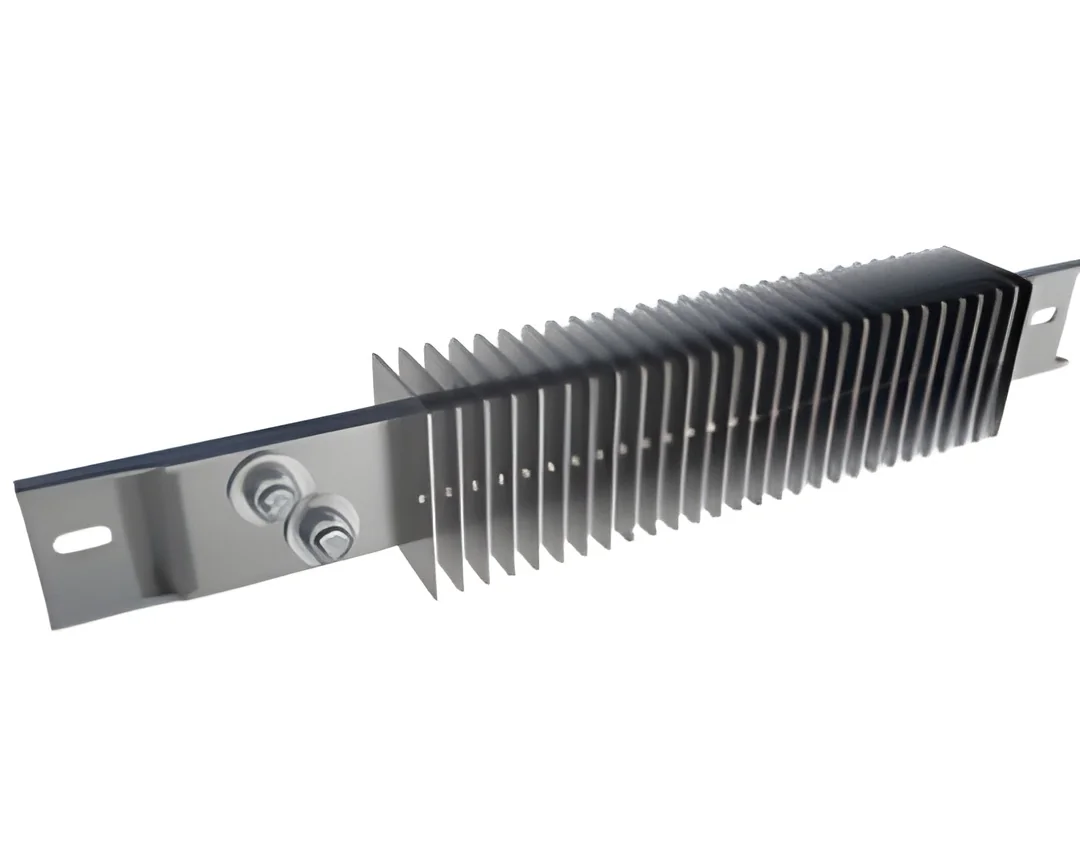
Heat sinks are passive heat transfer devices that dissipate heat generated by electronic components, ensuring they operate within safe temperature limits. They are crucial in the electronics and telecommunications industries.
Thermal Paste
Thermal paste enhances the thermal conductivity between surfaces, such as CPUs and heat sinks, improving heat dissipation. This variant is essential in high-performance computing applications.
Heat Transfer Fluids
These fluids are specifically formulated to transfer heat efficiently in various systems, including solar thermal systems and industrial heating applications. They play a critical role in maximizing energy efficiency.
Benefits and Advantages
Investing in high-quality heat transfer systems offers significant advantages for businesses.
1. Improved Efficiency: Efficient heat transfer systems enhance energy use, leading to lower operational costs and reduced waste.
2. Enhanced Product Quality: Precise temperature control ensures that products meet quality standards, reducing defects and rework.
3. Increased Safety: Reliable heat transfer systems minimize the risk of overheating and related hazards, protecting personnel and equipment.
4. Cost Savings: Over time, energy-efficient systems lower utility costs, contributing to overall savings for the business.
5. Regulatory Compliance: Using compliant heat transfer technologies helps businesses adhere to industry standards and regulations, avoiding penalties.
6. Versatility: Heat transfer solutions can be tailored for various applications, making them suitable for a wide range of industries.
Buying Guide for B2B Buyers
When sourcing heat transfer systems, several key factors should be considered to ensure the best fit for your business needs.
1. Quality Assessment: Evaluate the quality of heat transfer systems by reviewing materials, construction methods, and performance ratings. Consider products that meet recognized industry standards.
2. Supplier Verification: Vet suppliers by checking their credentials, customer reviews, and industry experience. A reliable supplier with a proven track record can offer better support and service.
3. Pricing and MOQ: Understand the pricing structure and minimum order quantities (MOQ) before making a decision. Ensure that the costs align with your budget and business needs.
4. Delivery and Lead Times: Discuss delivery timelines with suppliers to ensure that products arrive when needed. Timely delivery is critical for maintaining production schedules.
5. Compliance Requirements: Be aware of any compliance and regulatory requirements specific to your industry. Ensure that the heat transfer systems you choose meet these standards to avoid legal issues.
Compliance and Certifications
Compliance with industry standards and regulations is crucial for heat transfer systems. Relevant quality standards such as ISO 9001 ensure consistent quality and performance across products. These standards focus on quality management systems, emphasizing continuous improvement and customer satisfaction.
Additionally, heat transfer systems often require industry certifications, such as CE, which indicates conformity with safety and environmental protection standards within the European Economic Area. Compliance with safety and testing requirements is essential to ensure that products operate safely and effectively under specified conditions.
Regional compliance considerations may vary, with specific regulations in regions such as North America, Europe, and Asia. Understanding these regional differences is vital for businesses operating in multiple markets, as it affects product design and market entry strategies.
Why Source Heat Transfer from Pepagora?
Pepagora offers a trusted platform for sourcing heat transfer systems, providing several key advantages for B2B buyers.
Verified Supplier Network: Pepagora maintains a network of verified suppliers, ensuring that businesses have access to quality products from reputable manufacturers. This verification process helps reduce the risk associated with sourcing.
Streamlined RFQ Process: The platform's Request for Quotation (RFQ) process simplifies procurement by allowing buyers to submit their requirements and receive competitive quotes from multiple suppliers. This efficiency saves time and enhances decision-making.
Trade Assurance and Support: Pepagora offers trade assurance, providing buyers with protection throughout the purchasing process. This support includes dispute resolution and guidance to ensure a smooth transaction.
Regional Coverage: With a wide geographic reach, including India, the Gulf Cooperation Council (GCC), and Southeast Asia, Pepagora connects buyers with suppliers in key markets, facilitating international trade and sourcing opportunities.

 IN
IN