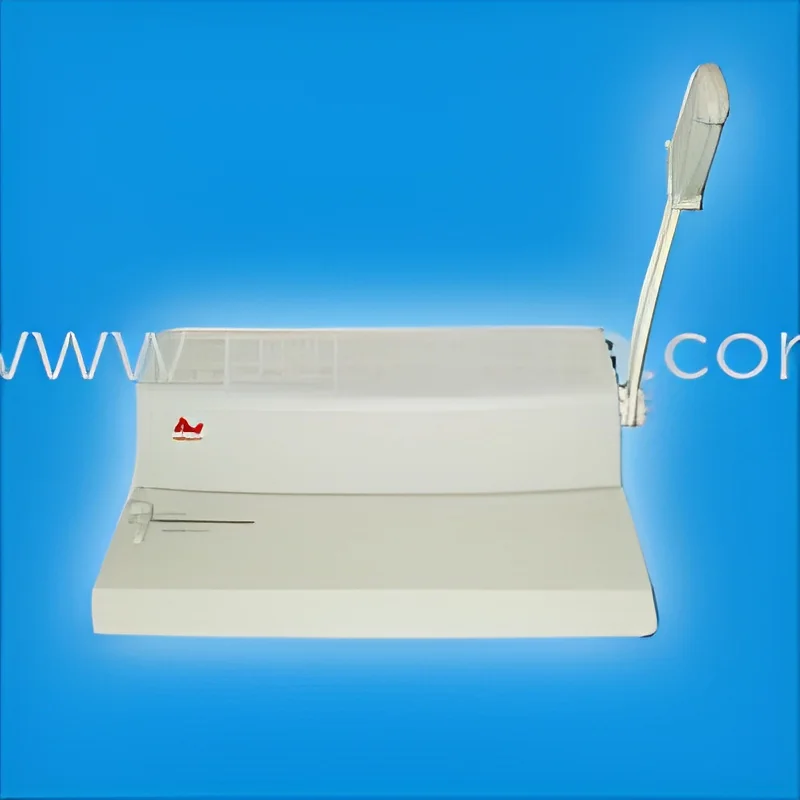
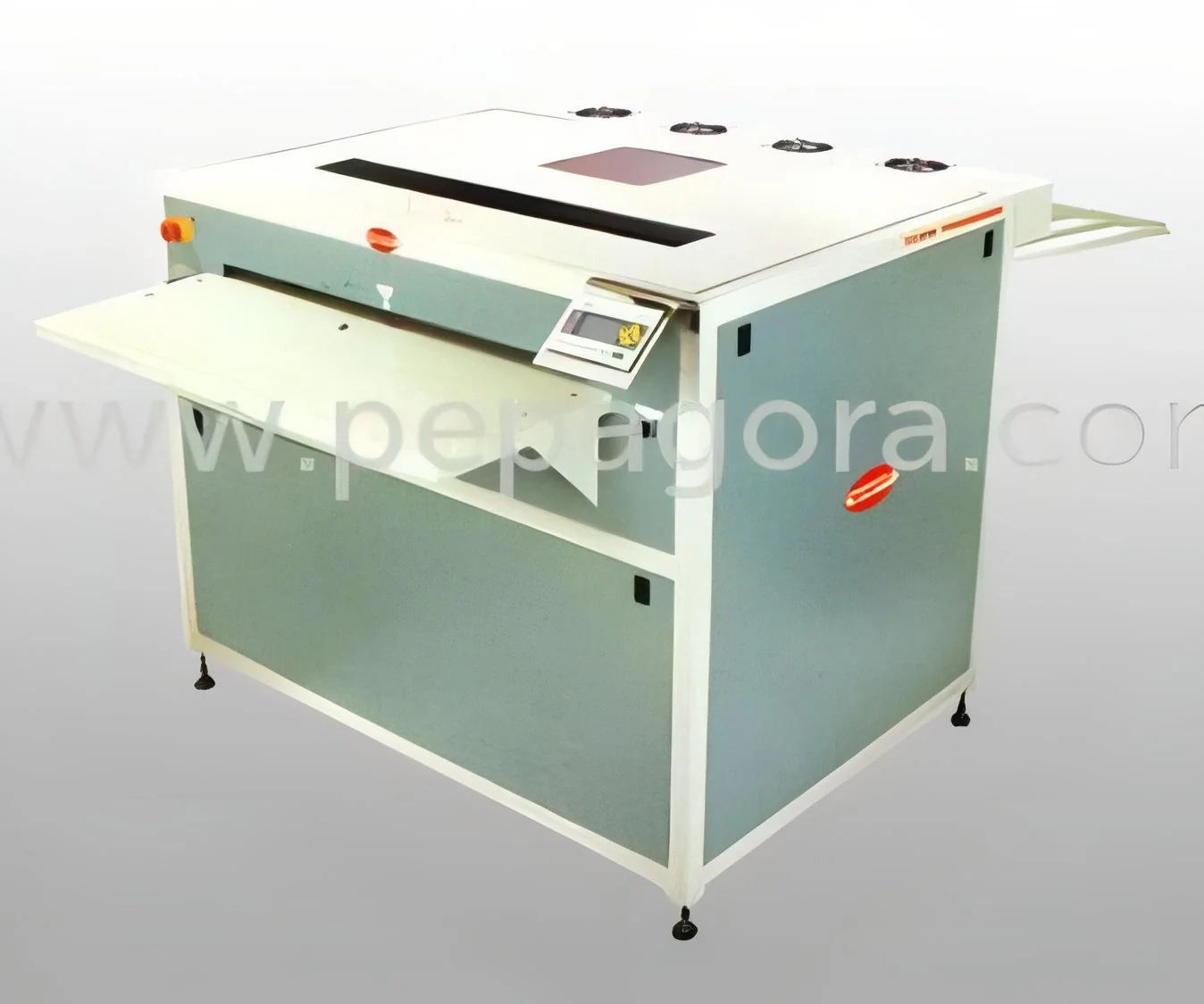
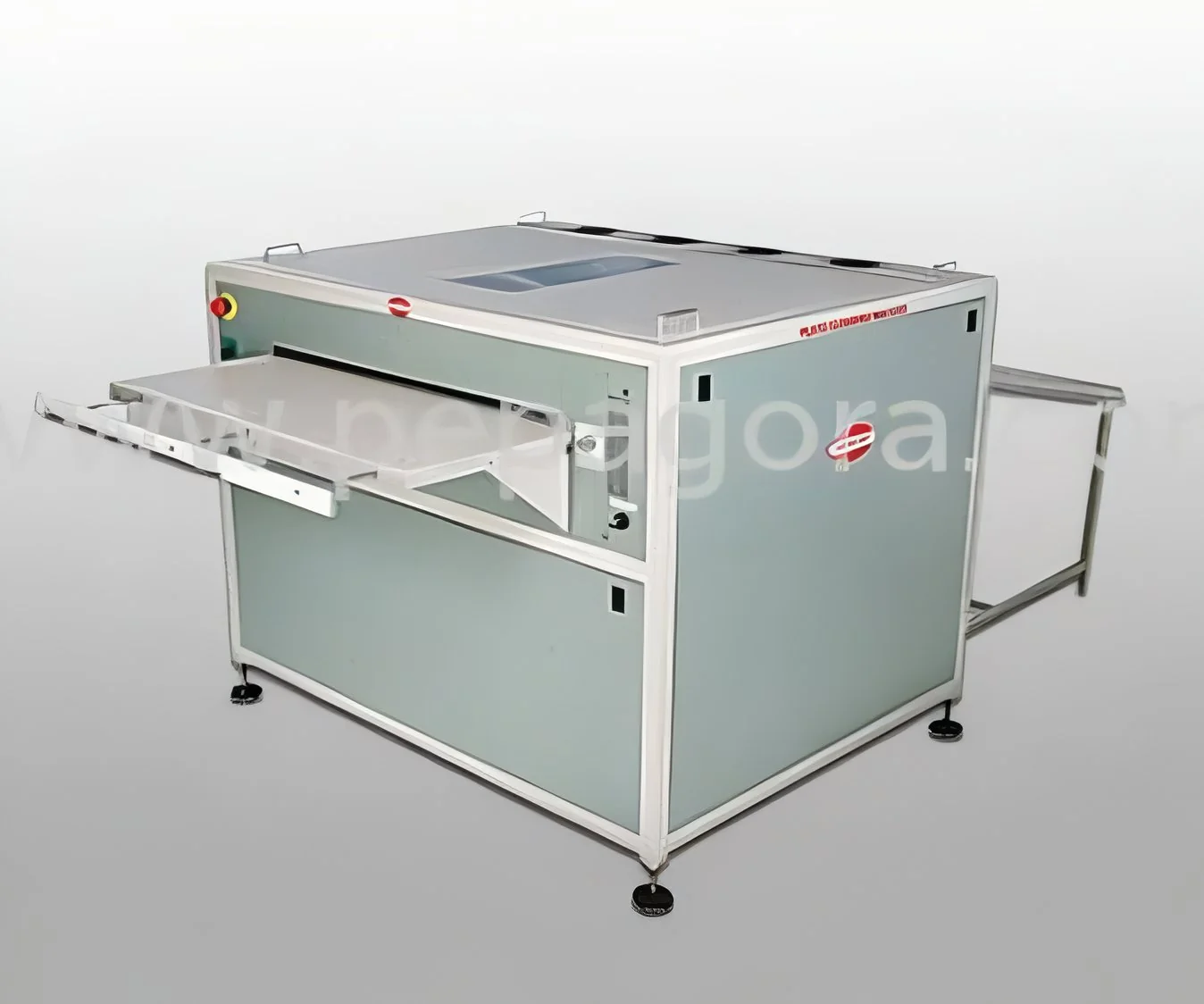
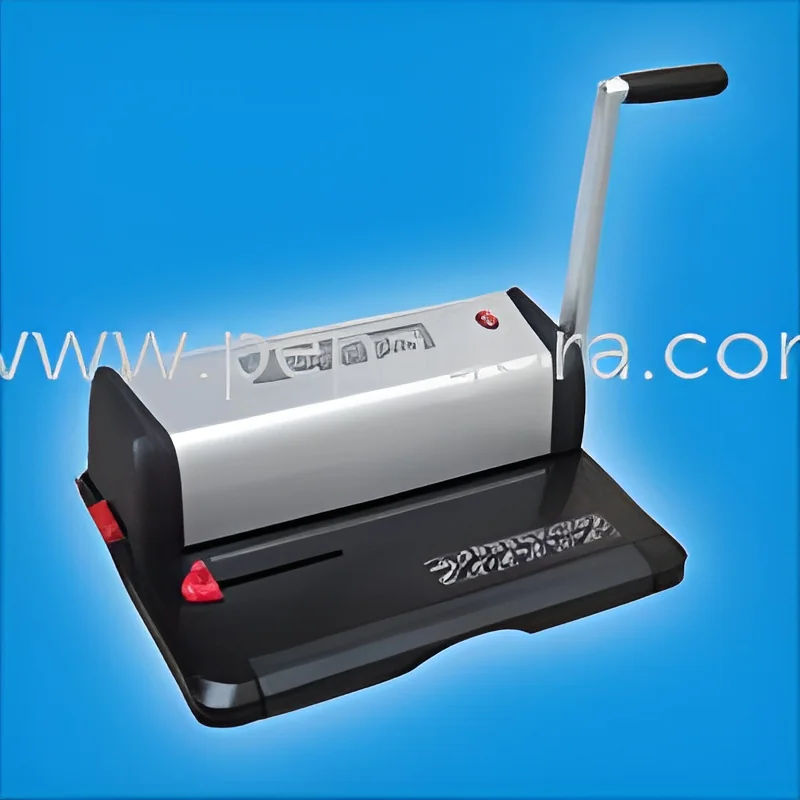
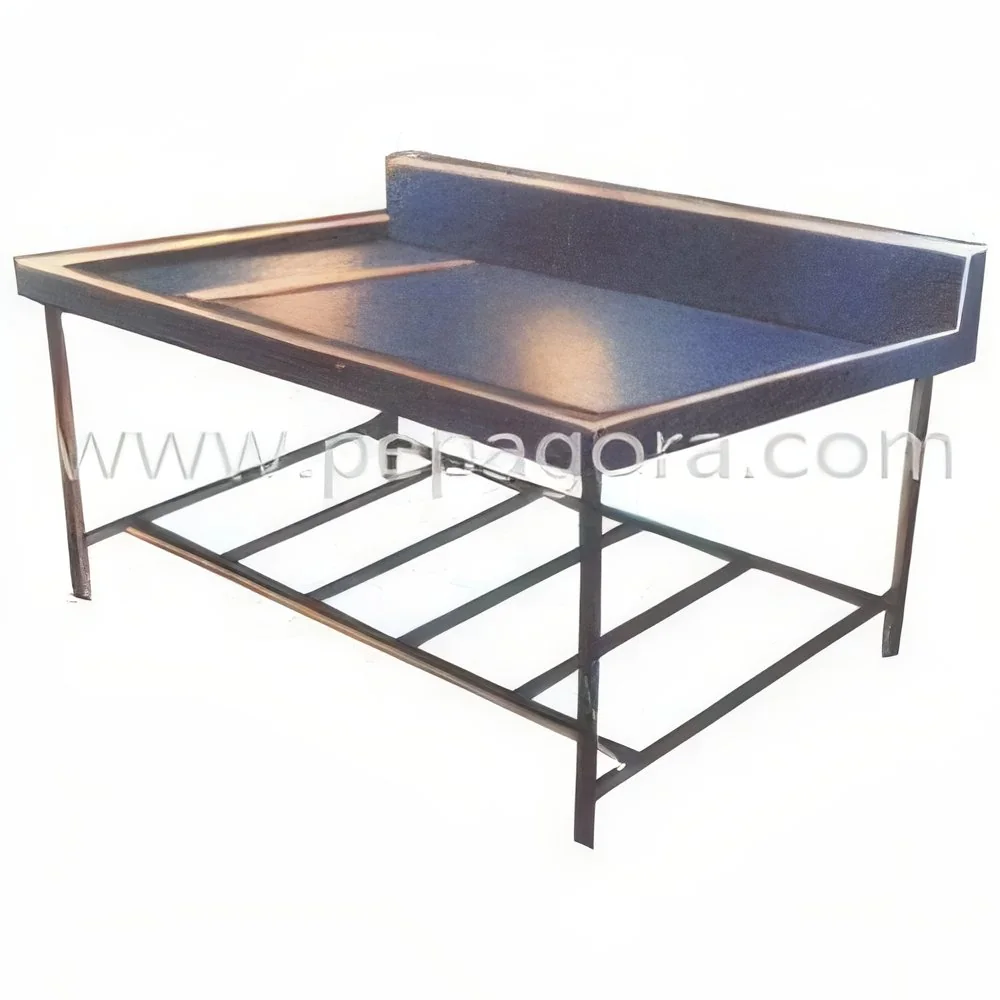
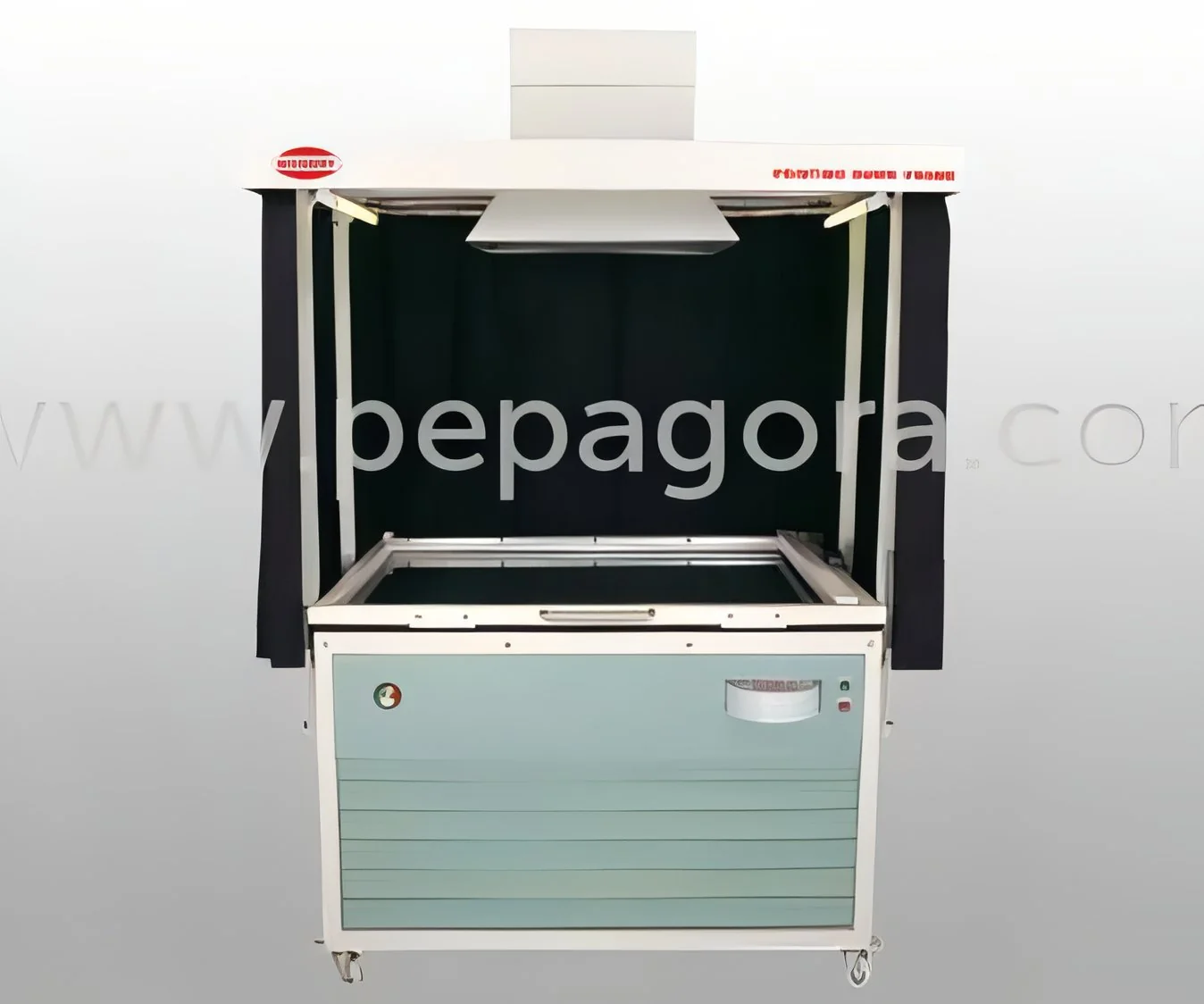
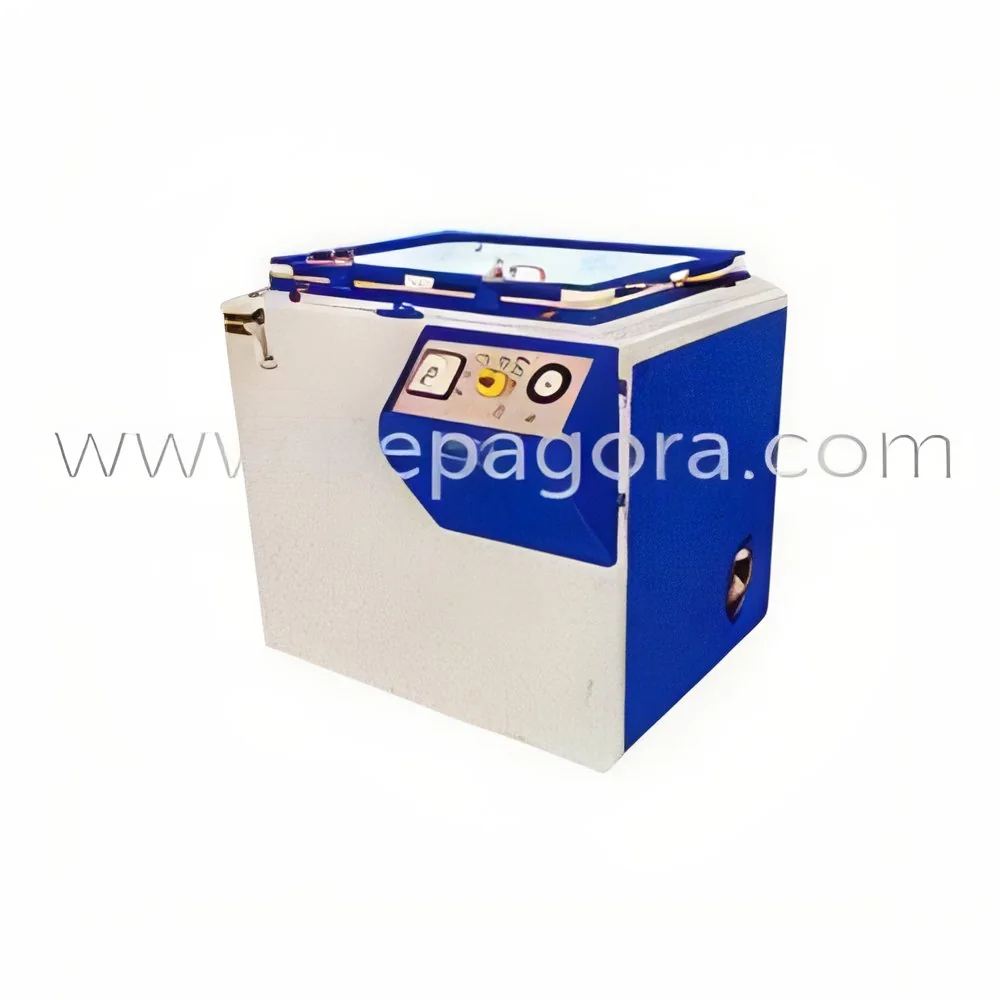
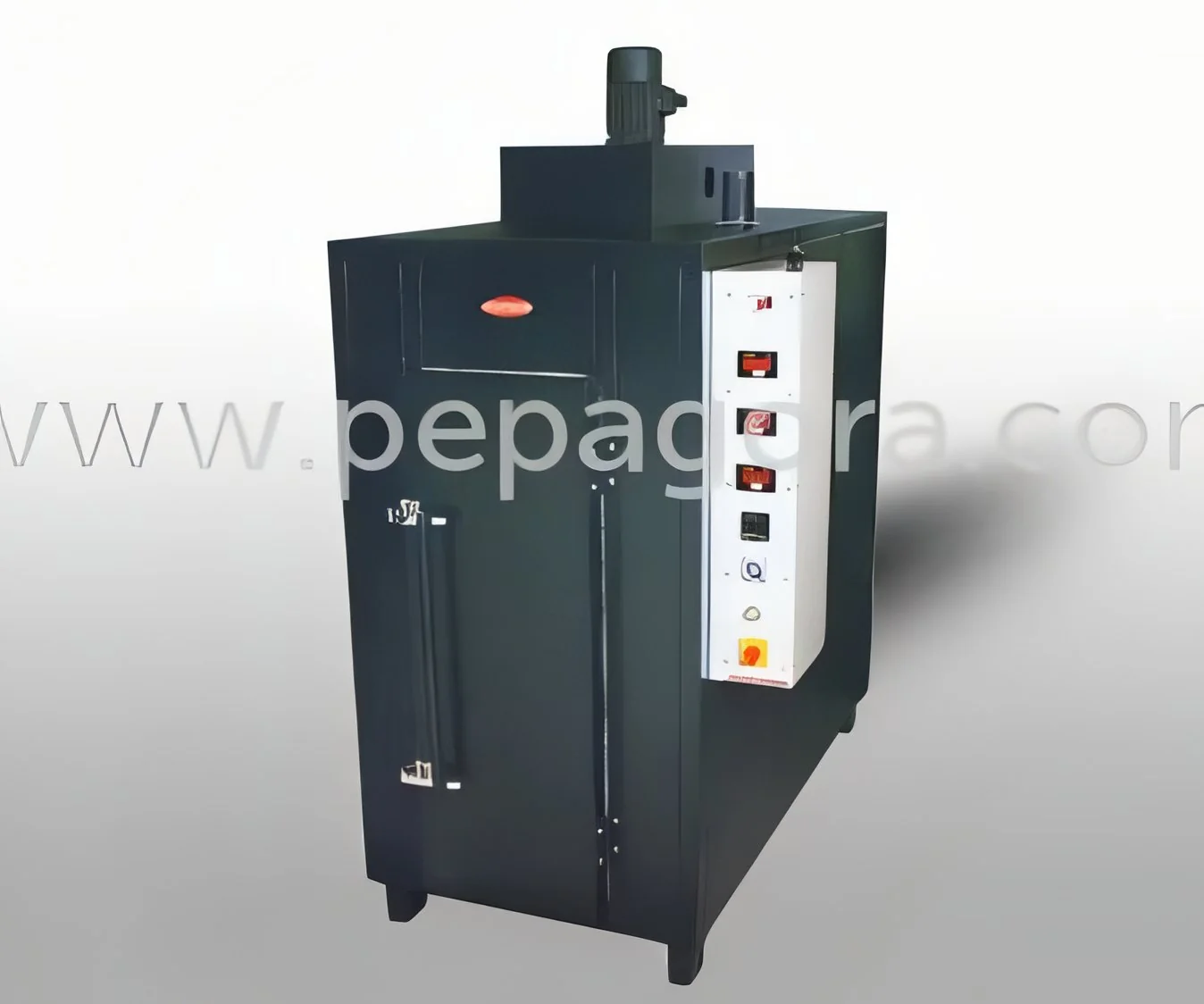
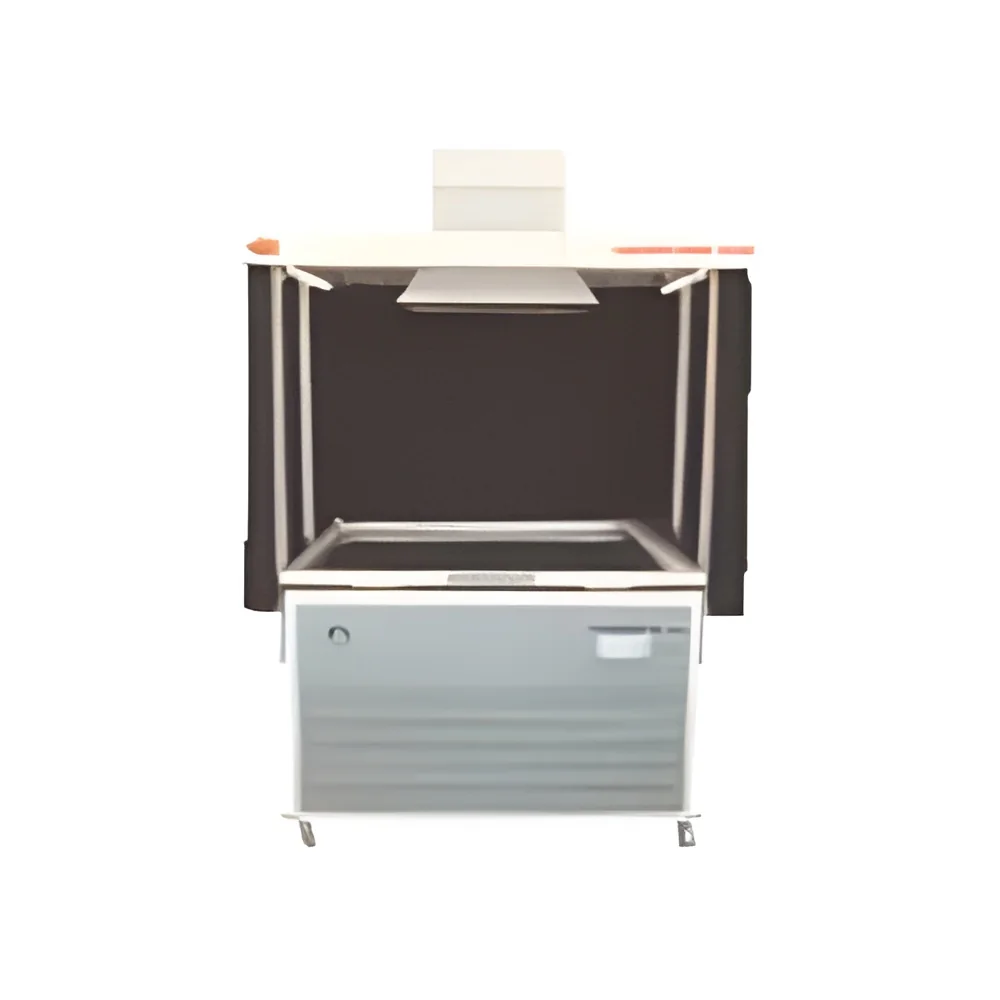
What are Pre Press Equipment?
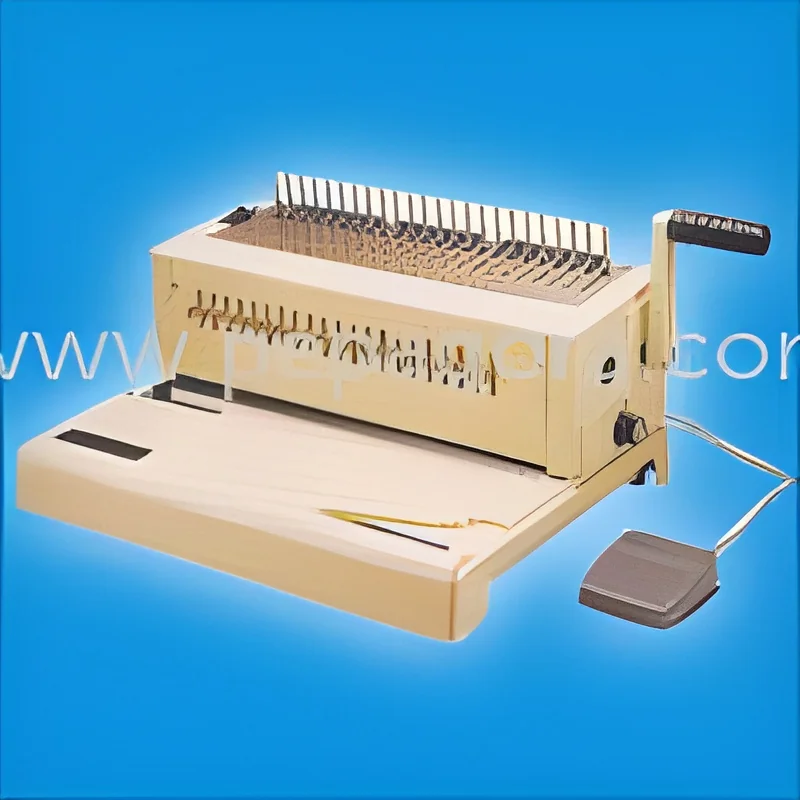
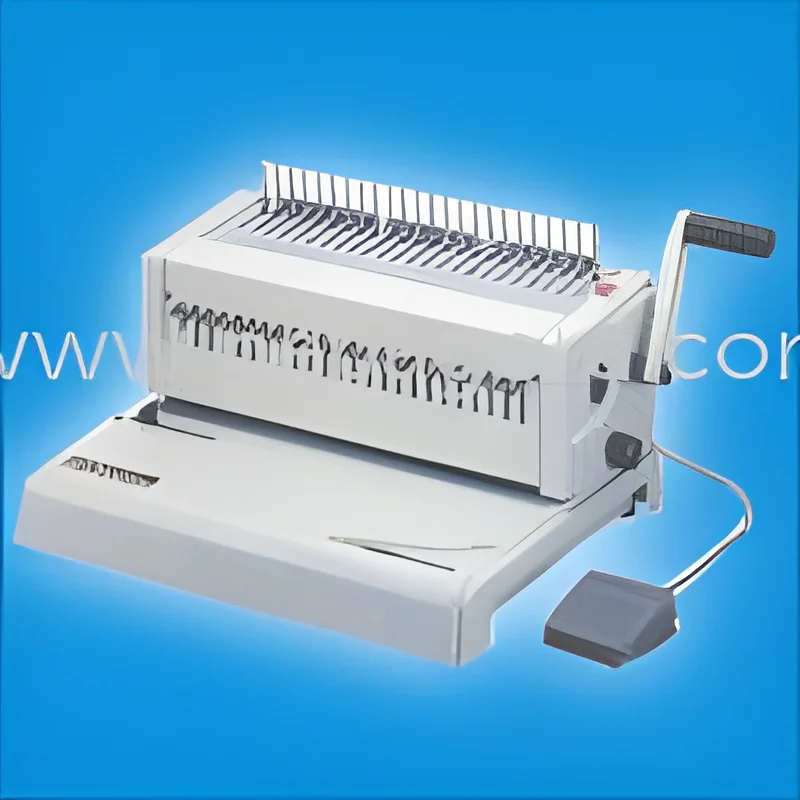
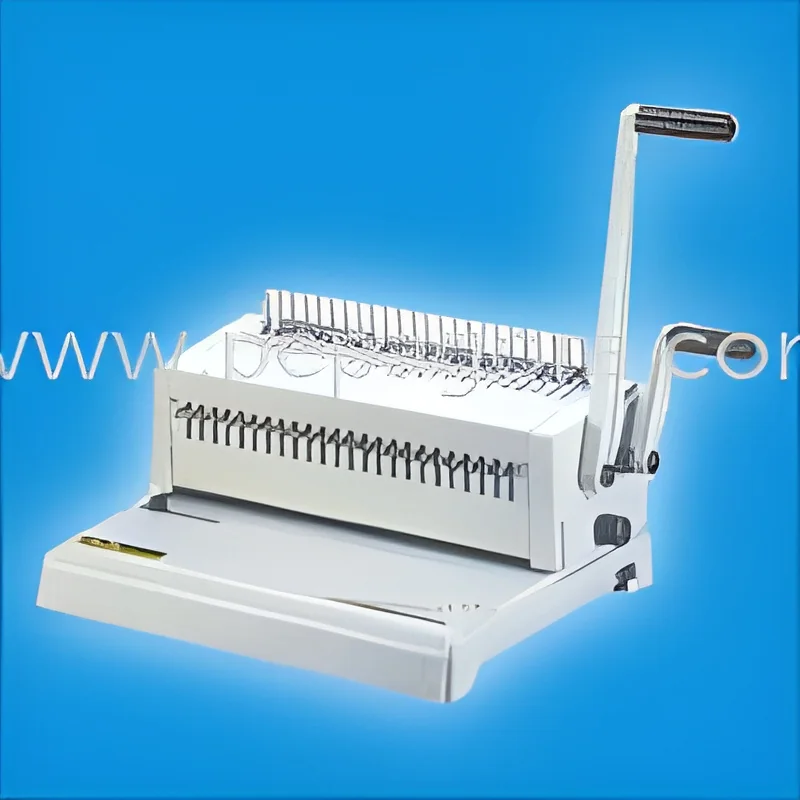
Pre Press Equipment refers to the machinery and tools used in the printing and publishing industry to prepare materials for the printing process. This equipment plays a critical role in the pre-production phase, ensuring that all components of a print job are aligned, formatted, and ready for mass reproduction. The equipment facilitates various tasks including imaging, plate making, and color management, making it essential for high-quality print output.
Businesses utilize Pre Press Equipment for a range of applications, from creating marketing materials to producing packaging and labels. The equipment is designed to handle various media types and sizes, allowing for flexibility across different printing projects. With the rise of digital printing technologies, the relevance of Pre Press Equipment has expanded, adapting to meet the demands of both traditional and digital workflows.
In today's competitive market, the efficiency and effectiveness of Pre Press Equipment can significantly influence production timelines and cost management. As the industry continues to evolve, businesses investing in advanced pre press solutions can gain a competitive edge through improved print quality and faster turnaround times.
Key Features and Specifications
Pre Press Equipment is characterized by specific features and specifications that enhance its functionality and performance. Understanding these aspects is vital for businesses seeking to invest in reliable and efficient machinery.
Key specifications include:
1. Imaging Technology
- Digital imaging capabilities that ensure high-resolution output.
- Compatibility with various file formats (PDF, TIFF, etc.).
2. Plate Making
- Options for both traditional and digital plate-making processes.
- Ability to produce plates with varying thicknesses and materials.
3. Color Management Systems
- Integrated software for precise color calibration.
- Support for industry-standard color profiles (CMYK, RGB).
4. Workflow Automation
- Features that streamline job processing and reduce manual intervention.
- Job ticketing systems that facilitate tracking and management.
5. Media Compatibility
- Versatility to handle different media types, including paper, vinyl, and specialty substrates.
- Adjustable settings for various print sizes and formats.
6. User Interface
- Intuitive controls and display screens for ease of operation.
- Customizable settings for specific project requirements.
7. Maintenance Requirements
- User-friendly maintenance protocols that minimize downtime.
- Availability of diagnostic tools for troubleshooting.
8. Safety Features
- Compliance with industry safety standards to protect operators.
- Emergency shut-off mechanisms for added security.
In summary, understanding these key features allows businesses to select Pre Press Equipment that aligns with their operational needs and enhances their printing capabilities.
Common Applications and Use Cases
Pre Press Equipment serves various industries with unique requirements and applications.
1. Commercial Printing: This industry utilizes Pre Press Equipment to create brochures, flyers, and business cards, ensuring consistency and quality in high-volume production.
2. Packaging: Businesses in packaging often rely on pre press solutions for the design and production of labels, cartons, and wrappers, ensuring that branding and regulatory compliance are met.
3. Publishing: The publishing sector employs pre press technology to prepare books, magazines, and newspapers, focusing on layout and image quality for optimal reader experience.
4. Textile Printing: In textile industries, pre press equipment is essential for creating patterns and designs on fabrics, allowing for both digital and screen printing methods.
5. Signage: Companies producing signage benefit from pre press equipment to ensure vibrant colors and clear graphics for outdoor and indoor displays.
6. Advertising: Marketing agencies use pre press solutions to produce eye-catching advertisements that require precise color matching and high-quality images.
7. Specialty Printing: This includes industries focused on niche products, where customized pre press processes are essential for unique applications.
Product Variants and Subcategories
Pre Press Equipment is diverse, offering various variants to cater to different business needs.
Digital Plate Makers
These machines are designed for quick and efficient plate production, allowing for rapid job turnaround. They are ideal for businesses that require on-demand printing solutions.
Color Management Workstations
These systems focus on achieving precise color reproduction. They are essential for companies that prioritize brand consistency across different print jobs.
Workflow Management Systems
These solutions help streamline the entire pre press process, from file submission to final output. They are beneficial for larger operations handling multiple projects simultaneously.
Benefits and Advantages
Investing in Pre Press Equipment provides several advantages that can enhance operational efficiency and output quality.
1. Enhanced Quality Control: The use of advanced imaging and color management technologies ensures that final printed materials meet high-quality standards.
2. Increased Productivity: Automation features reduce manual processes, allowing for faster job completion and higher throughput.
3. Cost Efficiency: By minimizing waste and optimizing material usage, businesses can significantly lower production costs.
4. Flexibility in Production: The ability to handle various media types and formats enables businesses to adapt quickly to changing market demands.
5. Improved Collaboration: Integrated software solutions facilitate better communication between design and production teams, enhancing overall workflow.
6. Competitive Advantage: Companies that invest in modern pre press technologies can offer superior products and faster service, setting themselves apart in the market.
Buying Guide for B2B Buyers
When sourcing Pre Press Equipment, it is crucial for buyers to consider several factors to ensure they make an informed decision.
1. Quality Assessment: Evaluate the quality of equipment based on manufacturer reputation and customer reviews. Consider certifications that indicate compliance with industry standards.
2. Supplier Verification: Conduct thorough checks on potential suppliers to ensure they have a proven track record. Look for references and assess their ability to provide support and service.
3. Pricing and MOQ: Understand the pricing structure and minimum order quantities. Balance cost considerations with the quality and capabilities of the equipment.
4. Delivery and Lead Times: Discuss delivery schedules and lead times with suppliers to ensure that equipment can be obtained within required timeframes.
5. Compliance Requirements: Be aware of any regulatory standards related to safety and quality that the equipment must meet. This is essential for ensuring smooth operations.
Compliance and Certifications
Pre Press Equipment must adhere to various compliance and certification standards to ensure safety and quality.
Relevant quality standards include ISO 9001, which focuses on maintaining quality management systems, ensuring that equipment is manufactured to meet customer expectations. Additionally, HACCP standards may apply in industries where food packaging is involved, emphasizing safety and hygiene.
Industry certifications such as CE mark indicate that the equipment complies with European health and safety directives. This certification is crucial for businesses looking to operate within European markets, ensuring that products meet stringent safety requirements.
Safety and testing requirements vary by region, but generally include assessments for electrical safety and operational hazards. Businesses should also be informed about regional compliance considerations that may affect equipment specifications and operational practices.
Why Source Pre Press Equipment from Pepagora?
Pepagora provides a trusted platform for sourcing Pre Press Equipment, offering several key advantages to B2B buyers.
Verified Supplier Network: Pepagora has a comprehensive network of verified suppliers, ensuring that buyers can access high-quality equipment from reputable manufacturers. This network helps mitigate risks associated with sourcing.
Streamlined RFQ Process: The platform features a user-friendly Request for Quotation (RFQ) system that simplifies the procurement process. Buyers can easily compare options and obtain quotes to make informed decisions.
Trade Assurance and Support: Pepagora offers trade assurance to protect buyers' investments, providing confidence in transactions. Additionally, the platform offers support services to assist buyers throughout the procurement process.
Regional Coverage: With a strong presence in India, GCC, and Southeast Asia, Pepagora provides extensive geographic reach. This allows businesses to find suppliers and equipment tailored to their local markets, enhancing accessibility and convenience.

 IN
IN