What are Vision-Based Quality Inspection Units?
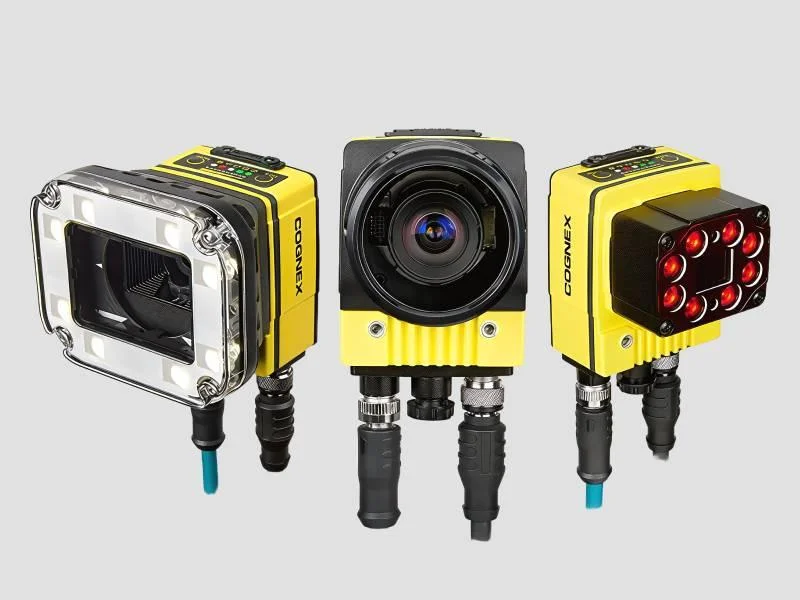
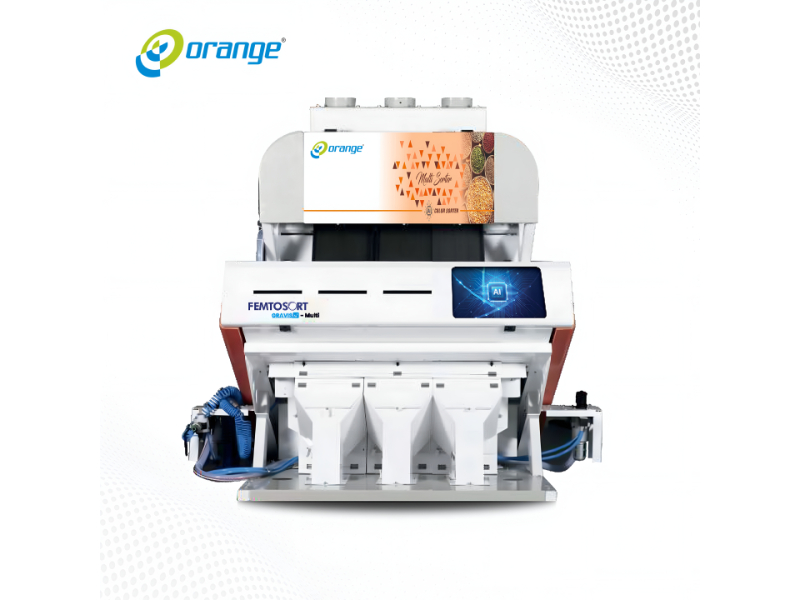
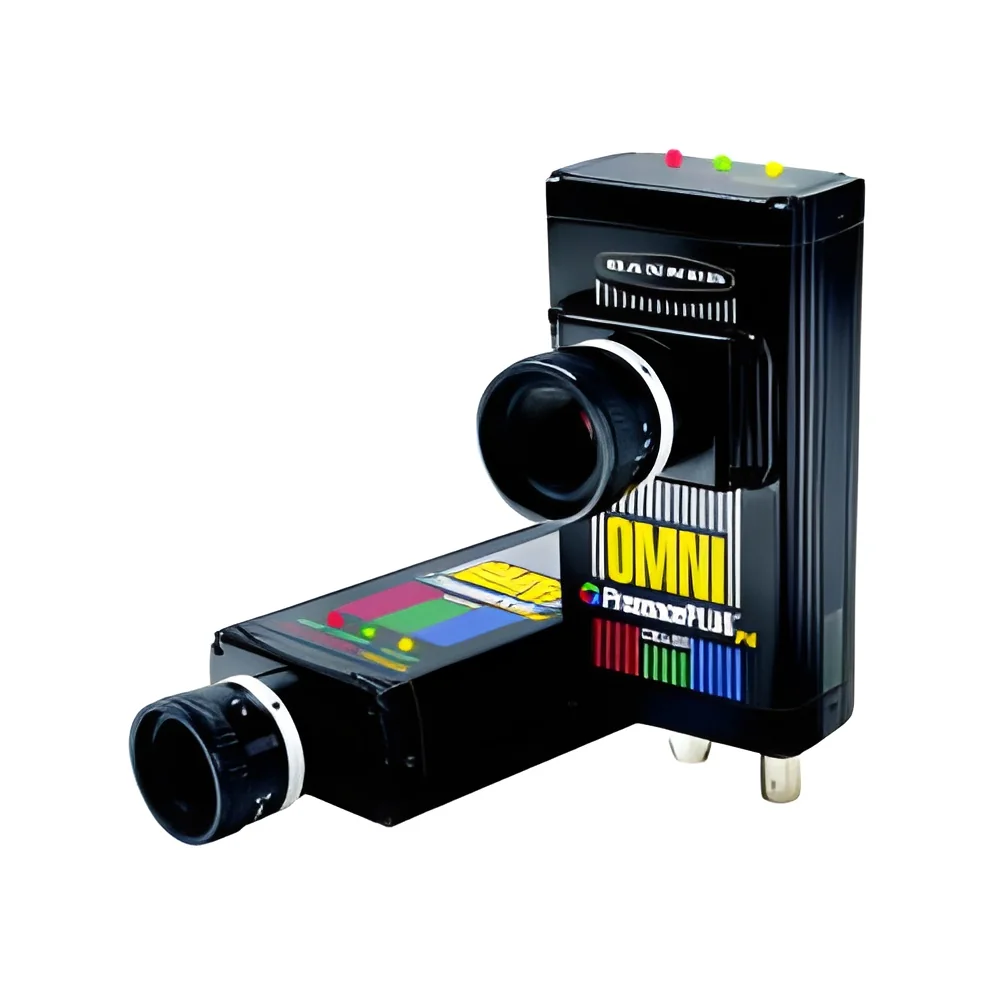
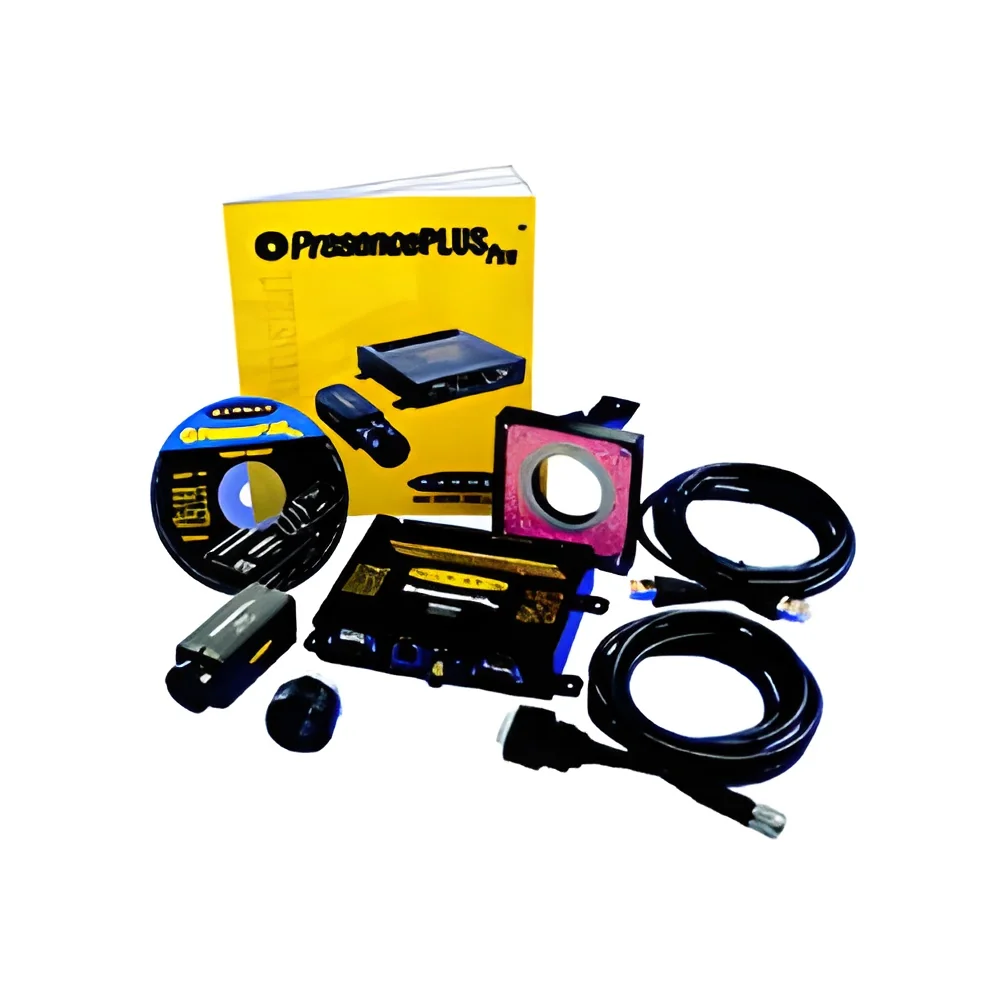
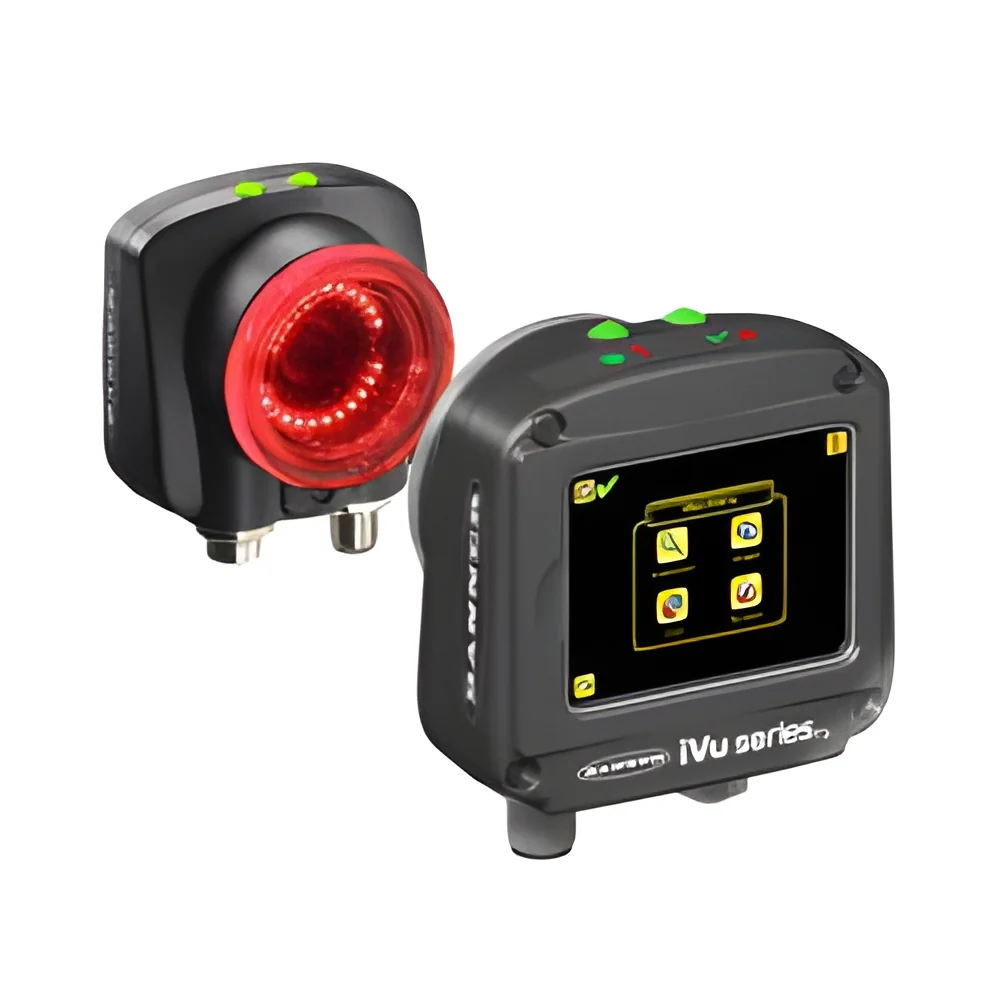
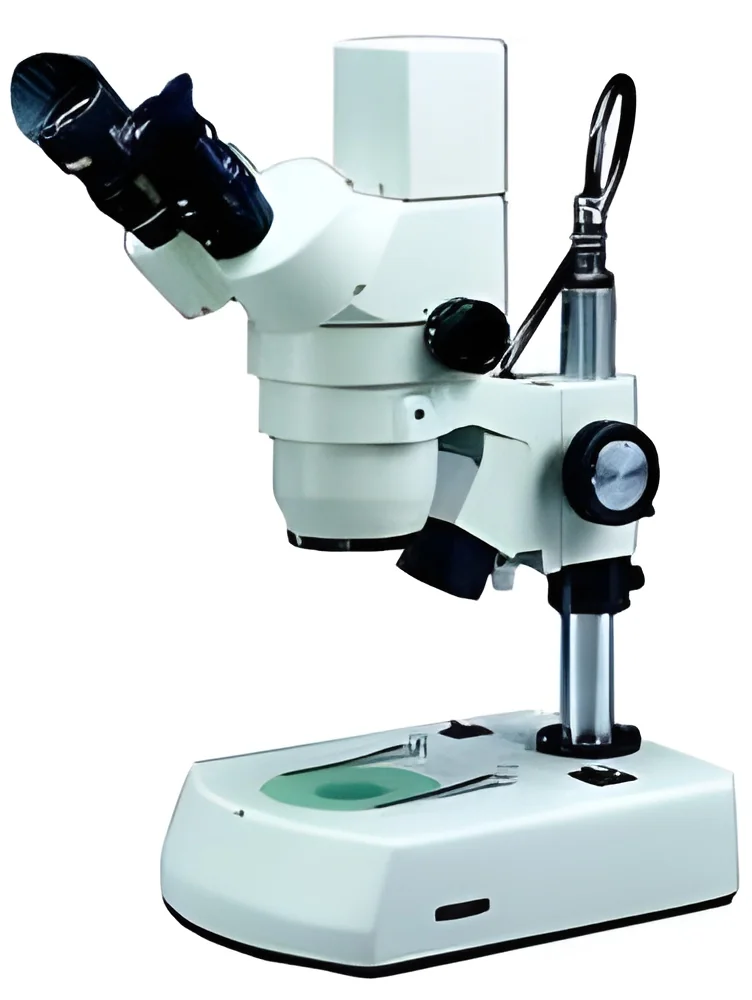
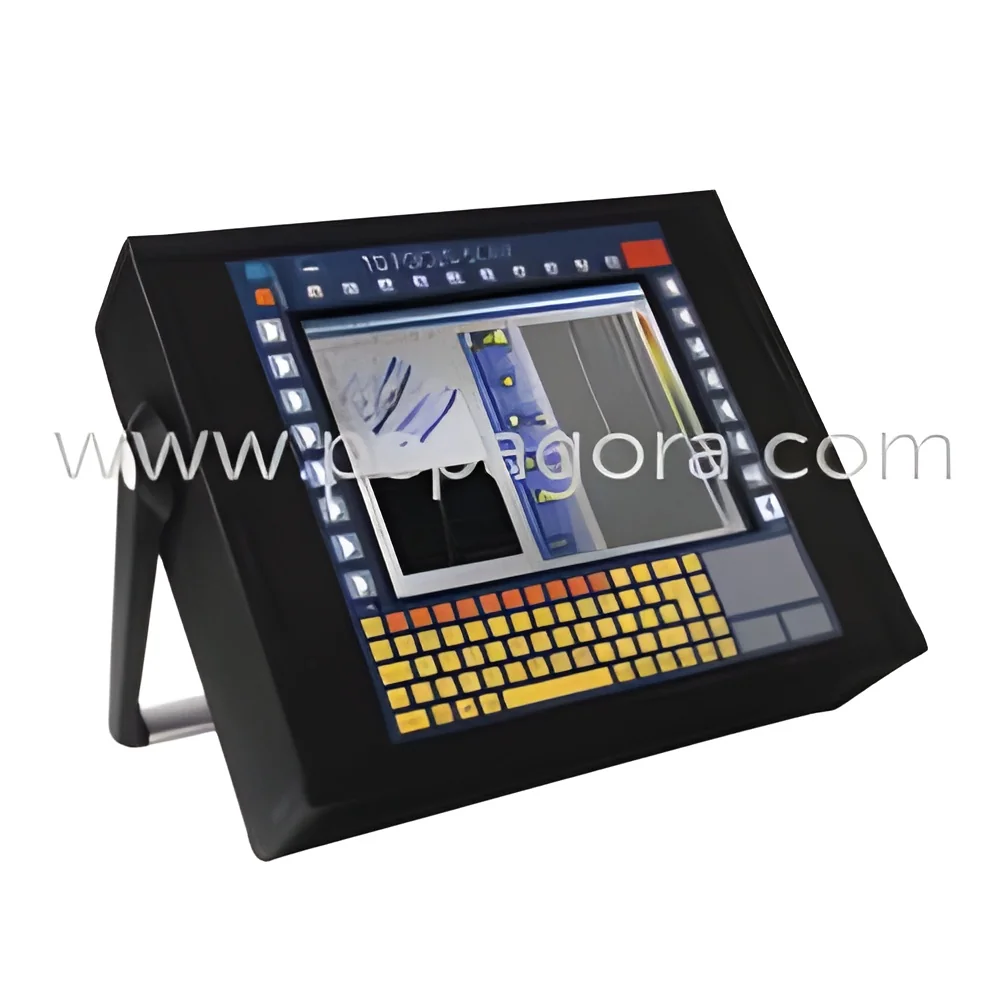
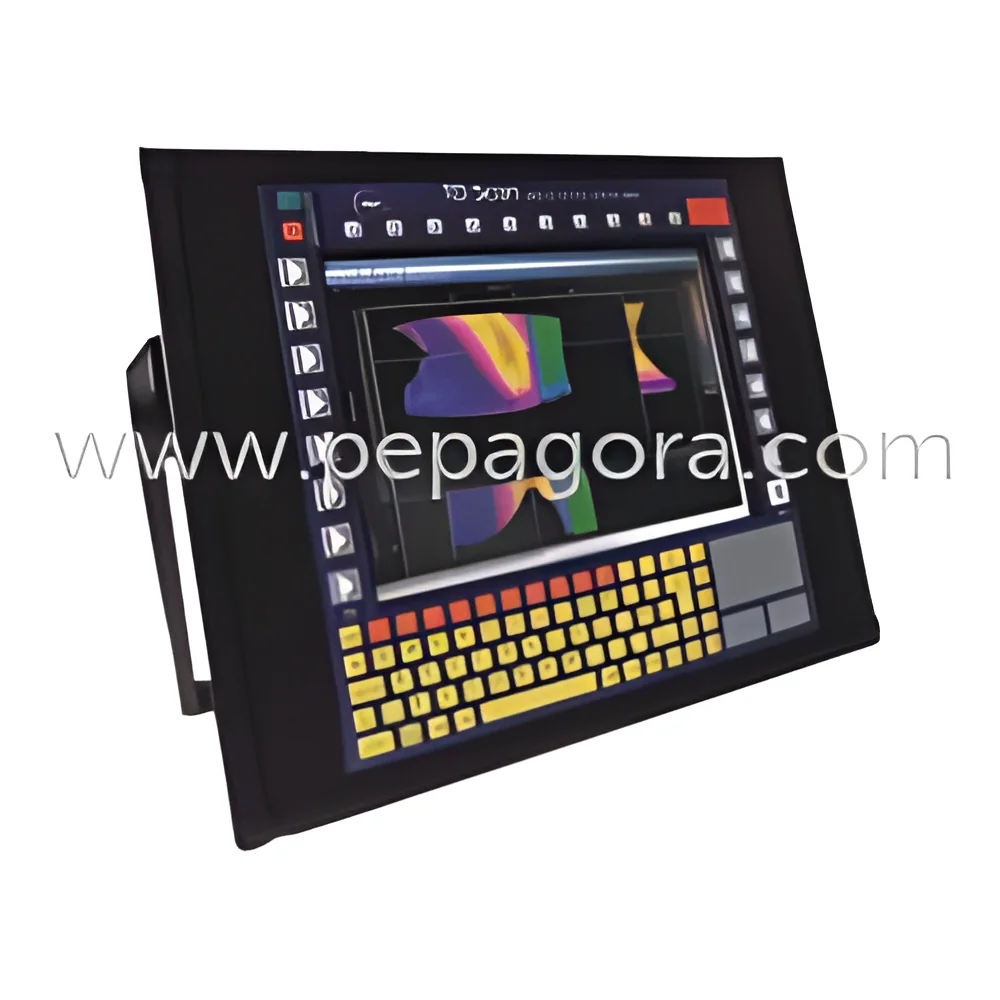
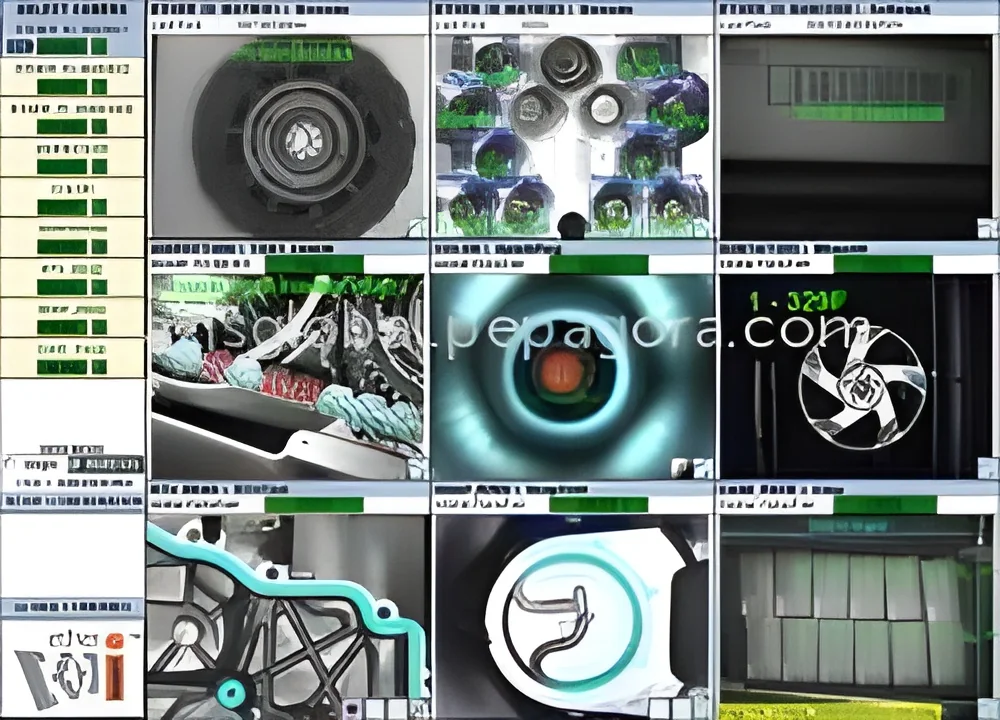
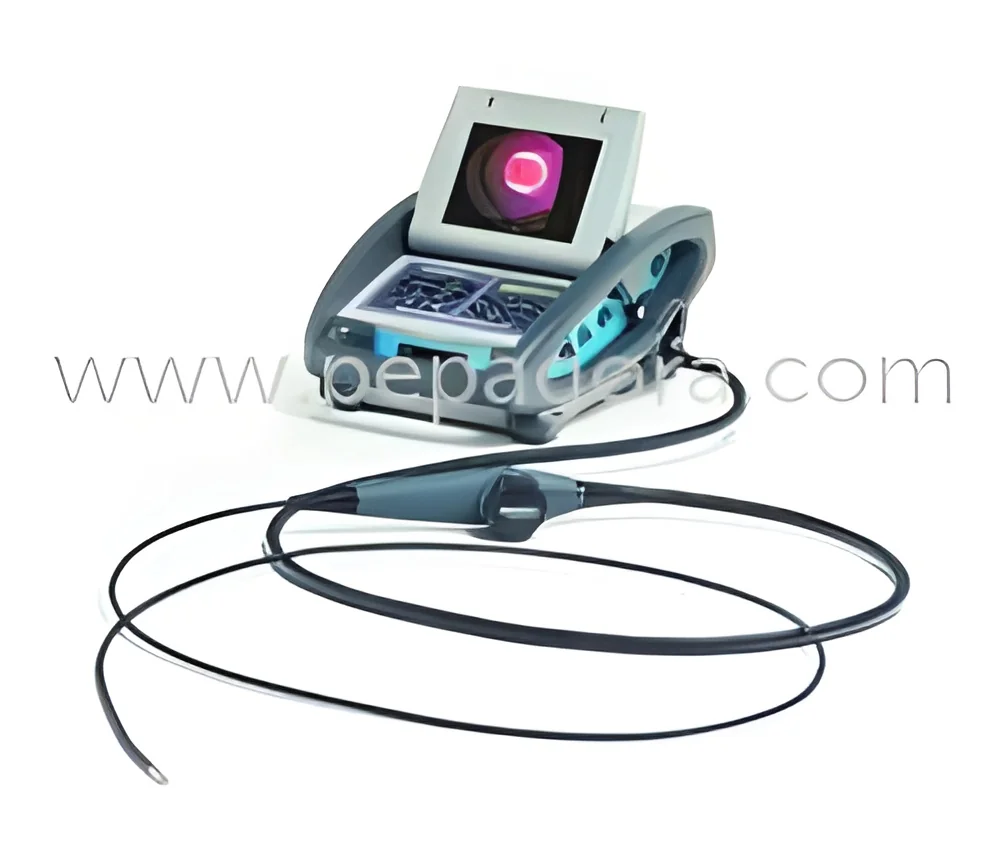
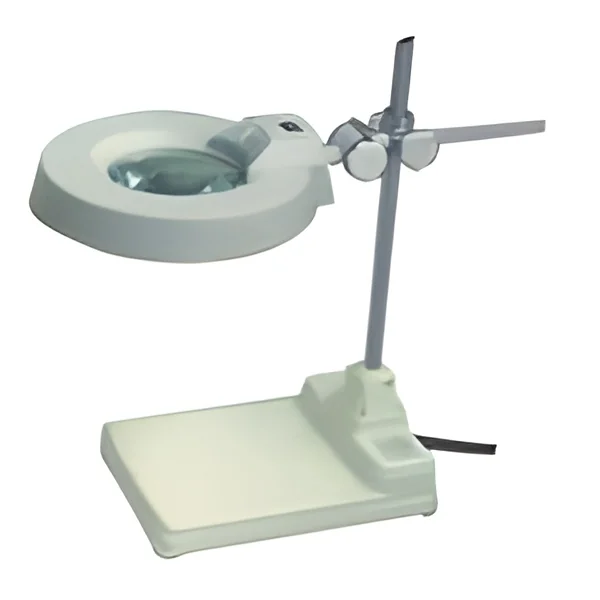
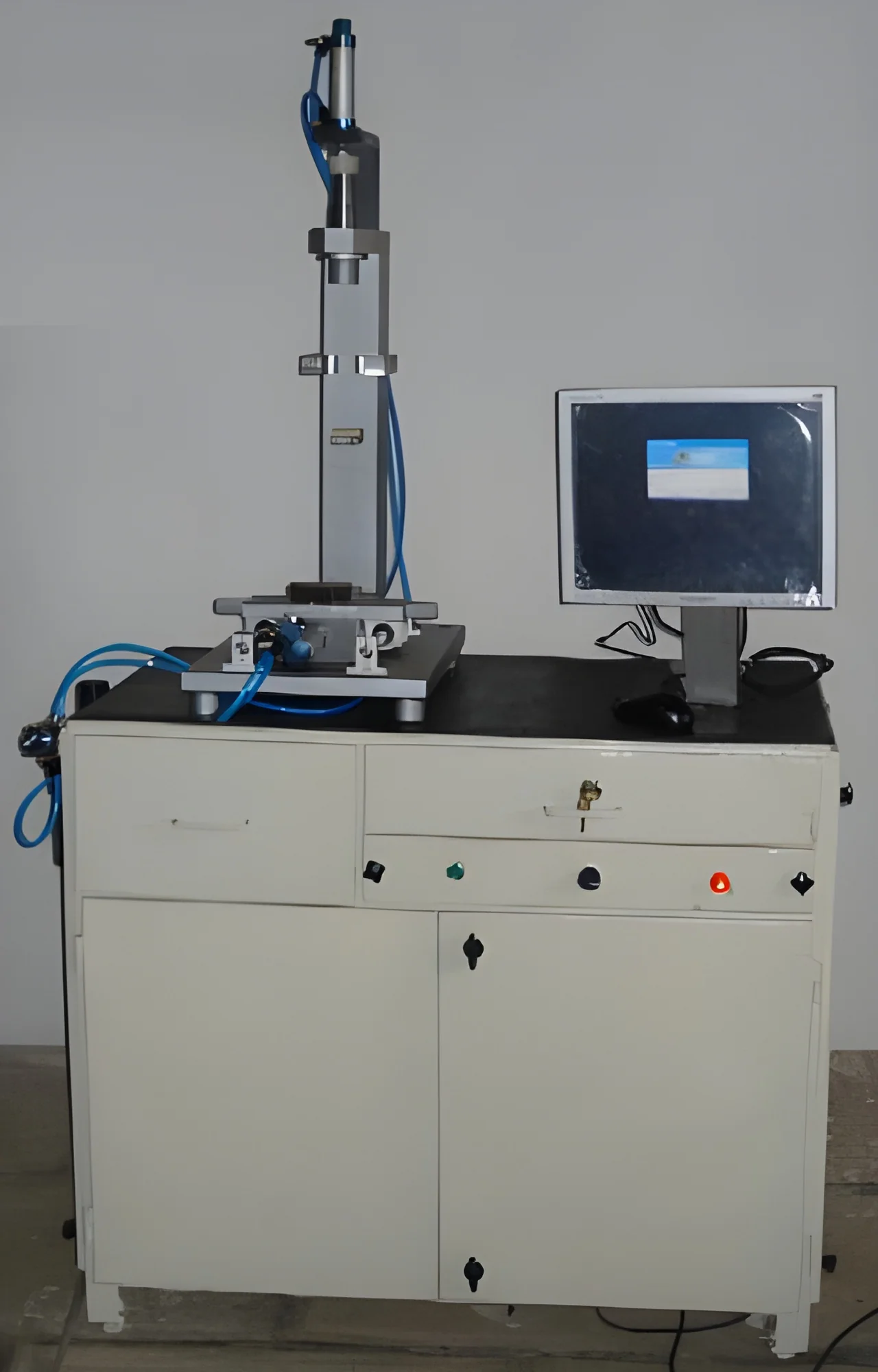
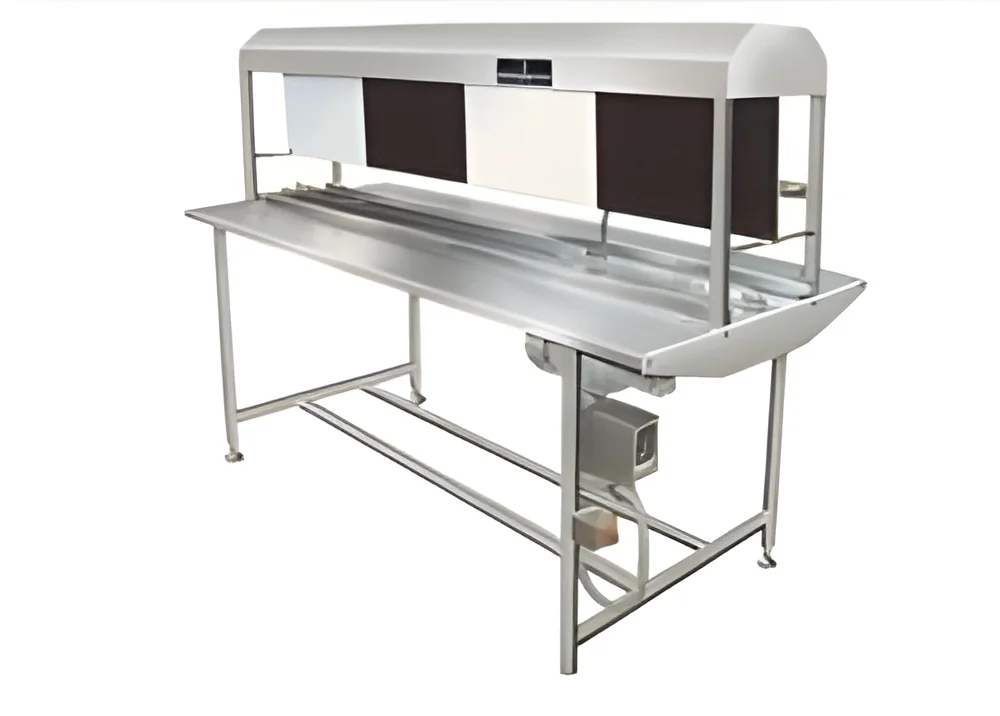
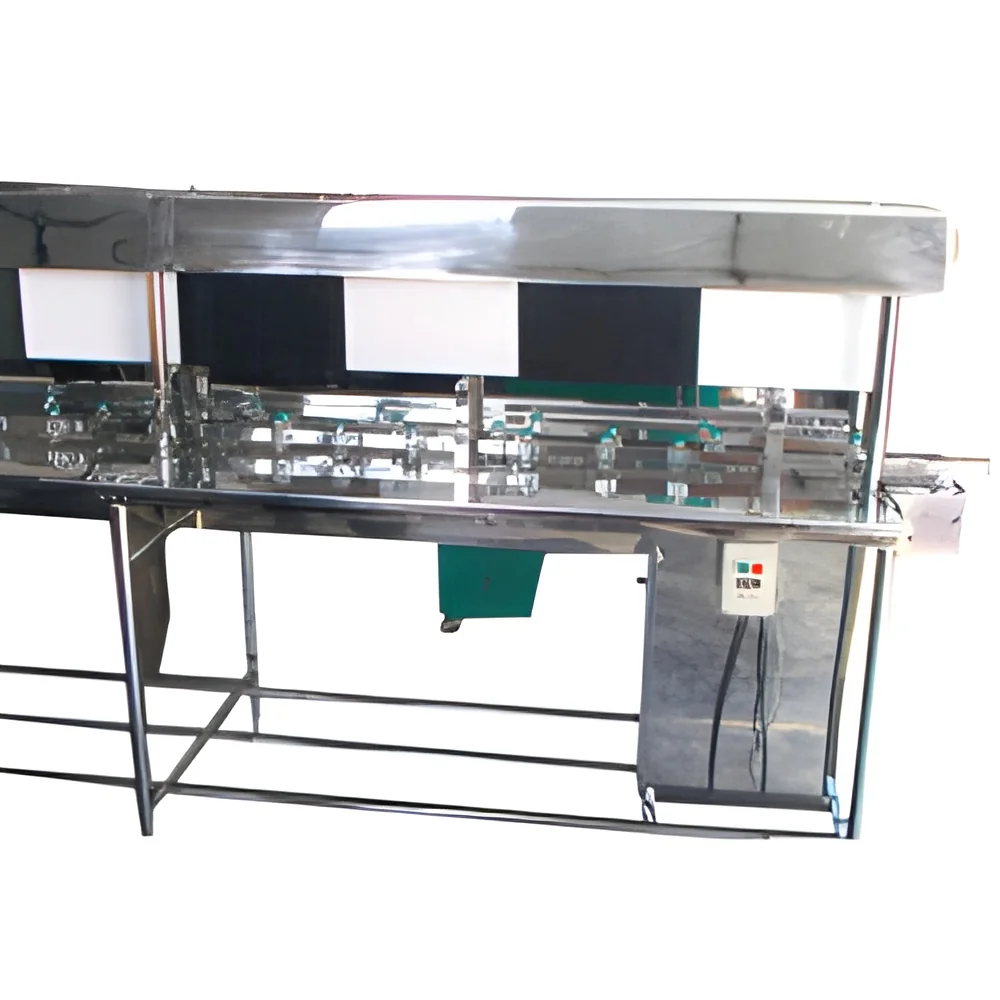
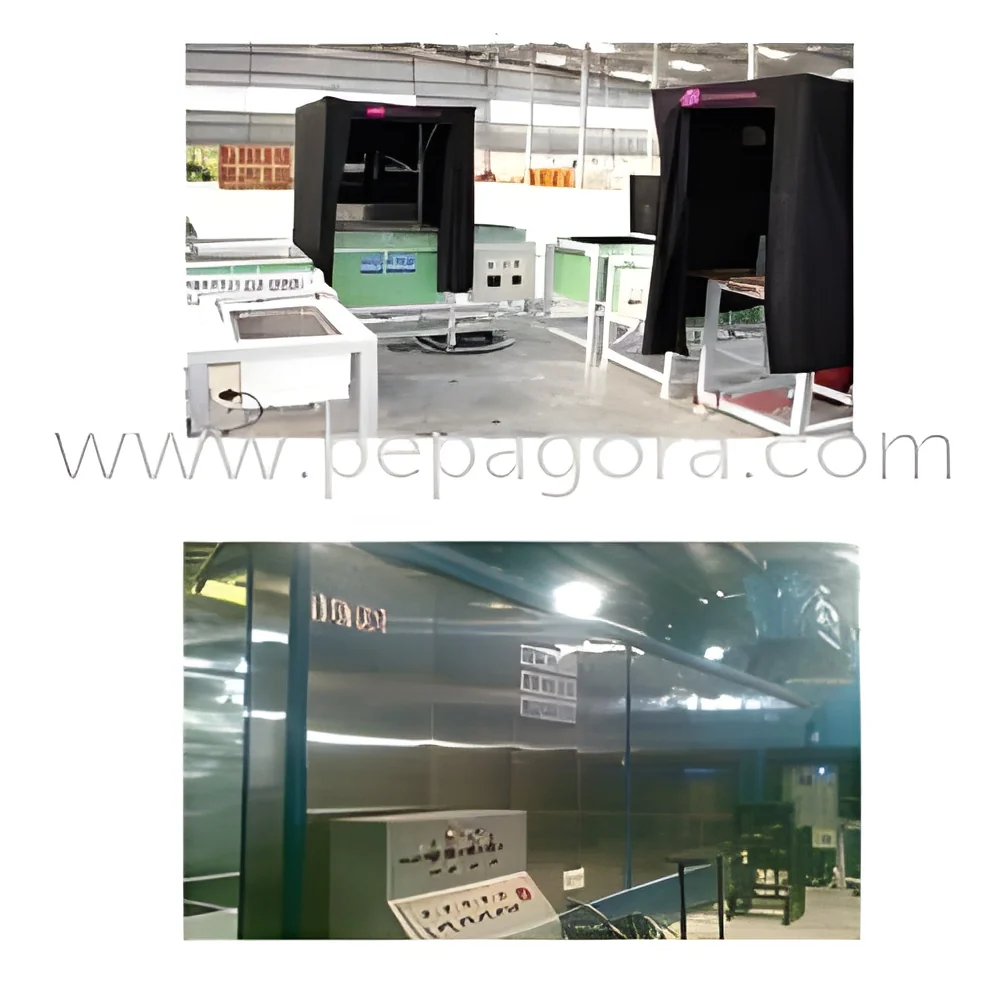
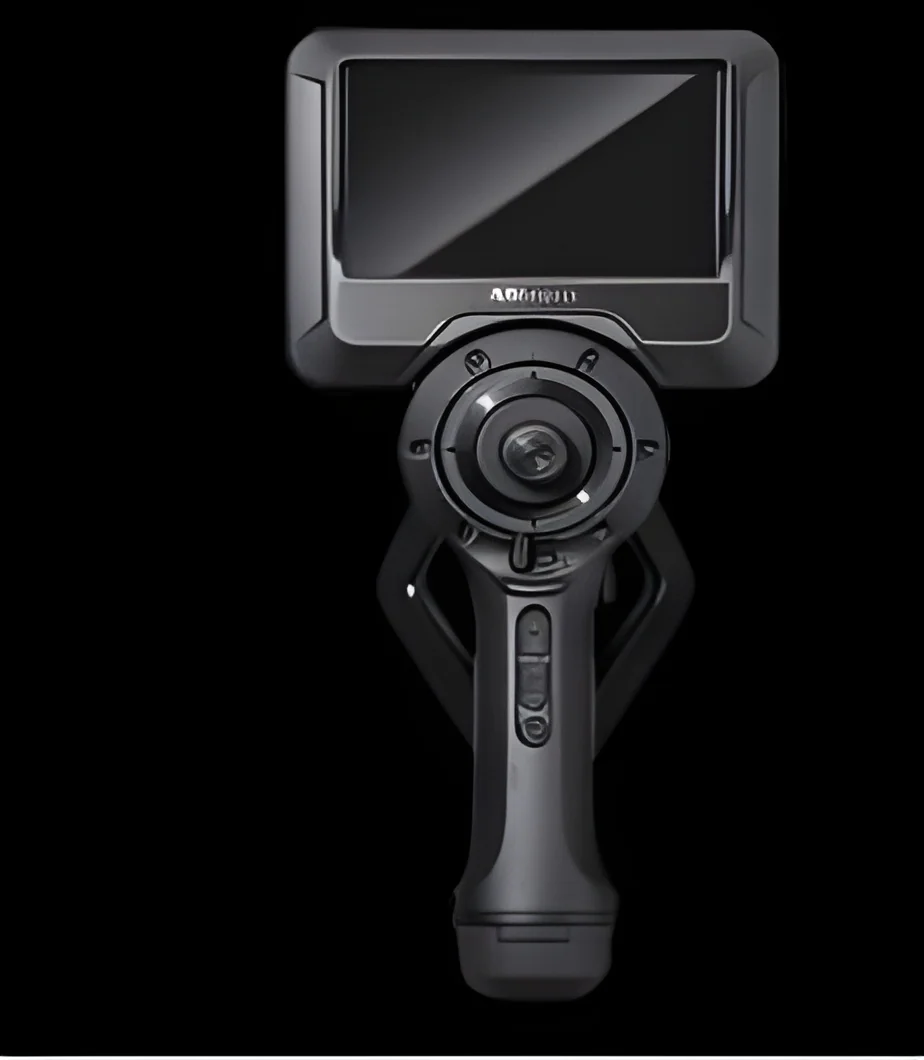
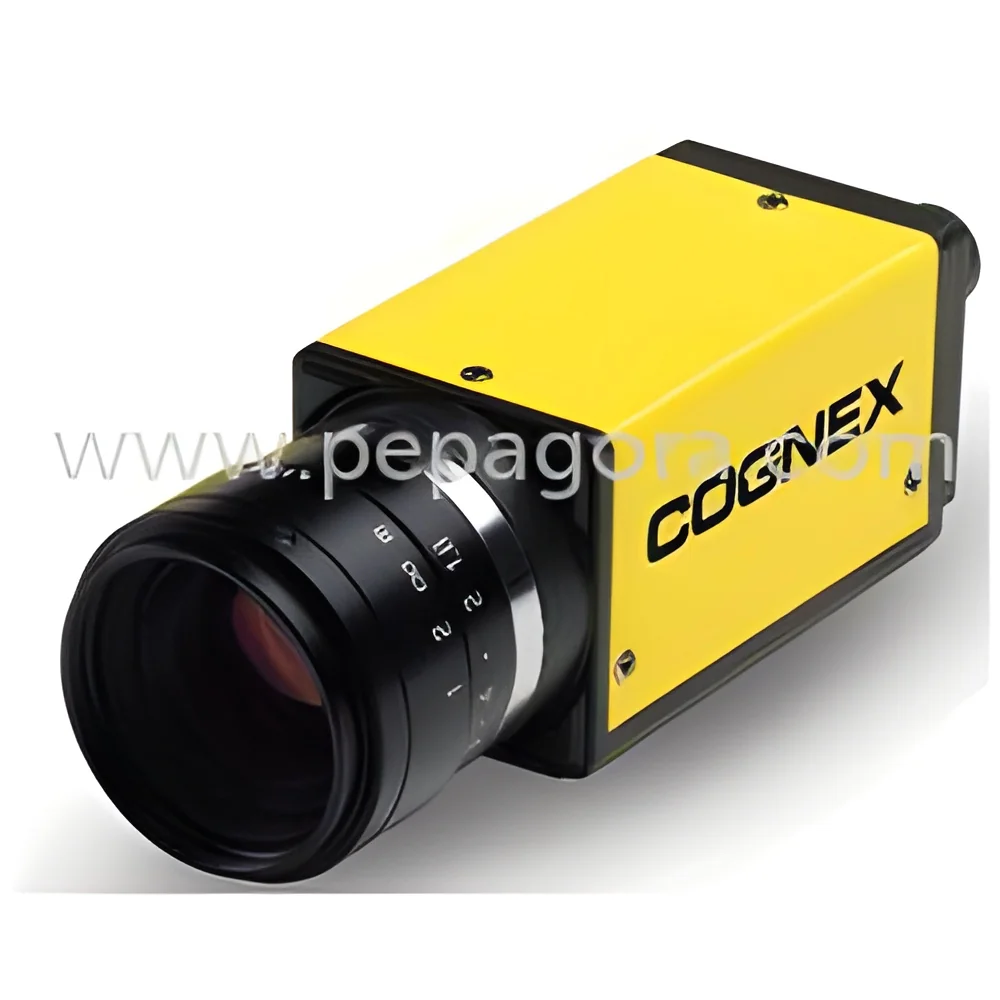
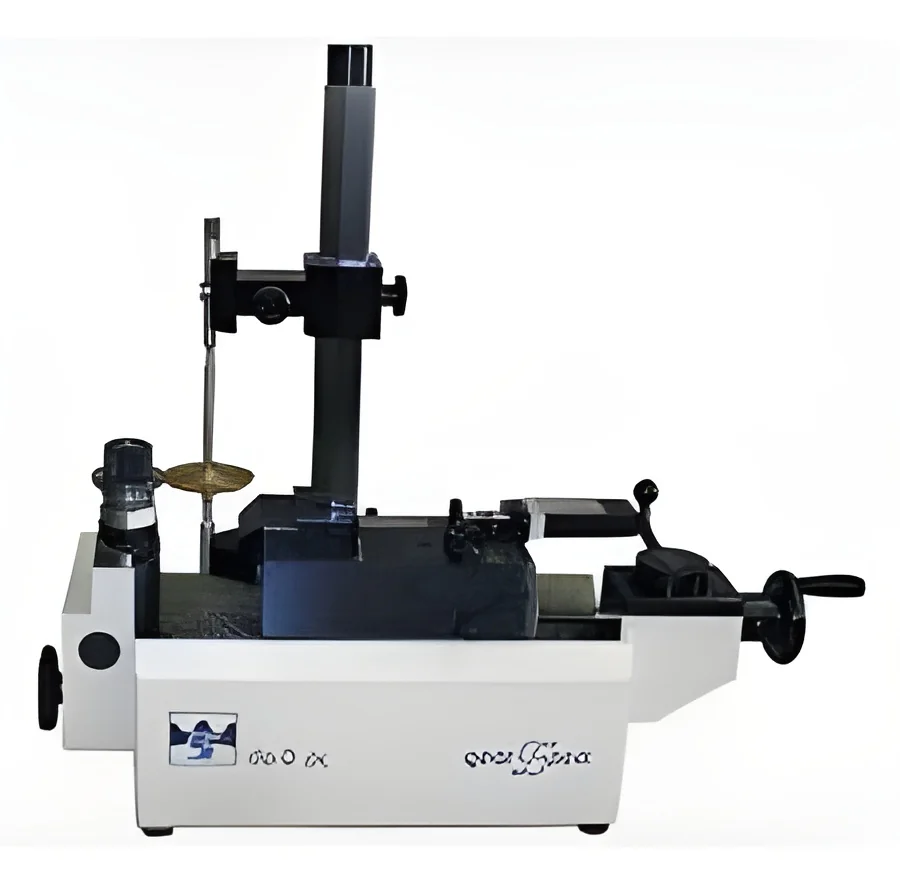
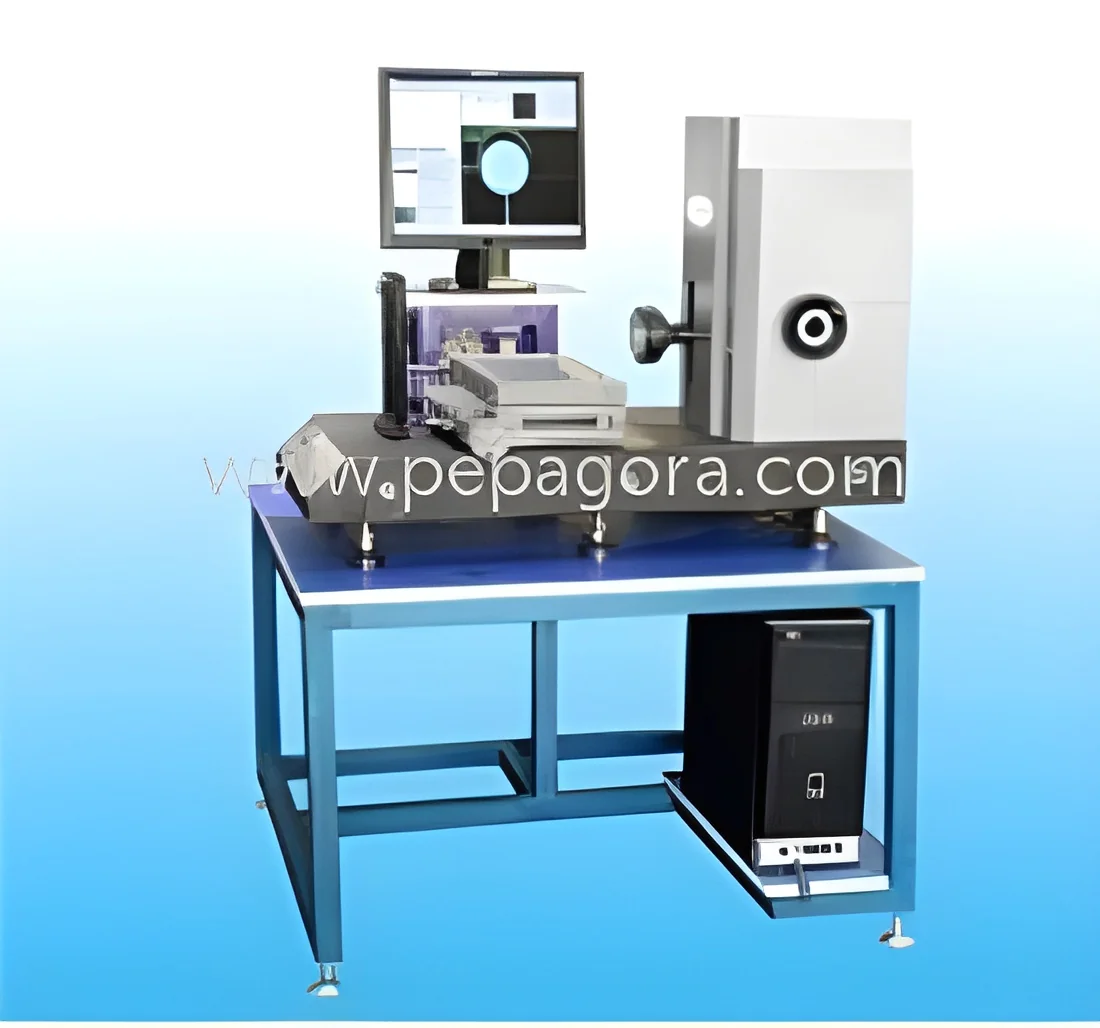
Vision-Based Quality Inspection Units are advanced automated systems designed to enhance quality control processes in manufacturing and production environments. These units utilize high-resolution cameras and sophisticated image processing algorithms to inspect products for defects, ensuring that only items meeting specified quality standards proceed through the production line. By integrating machine vision technology, these systems offer real-time monitoring and analysis, which significantly reduces human error and increases inspection speed.
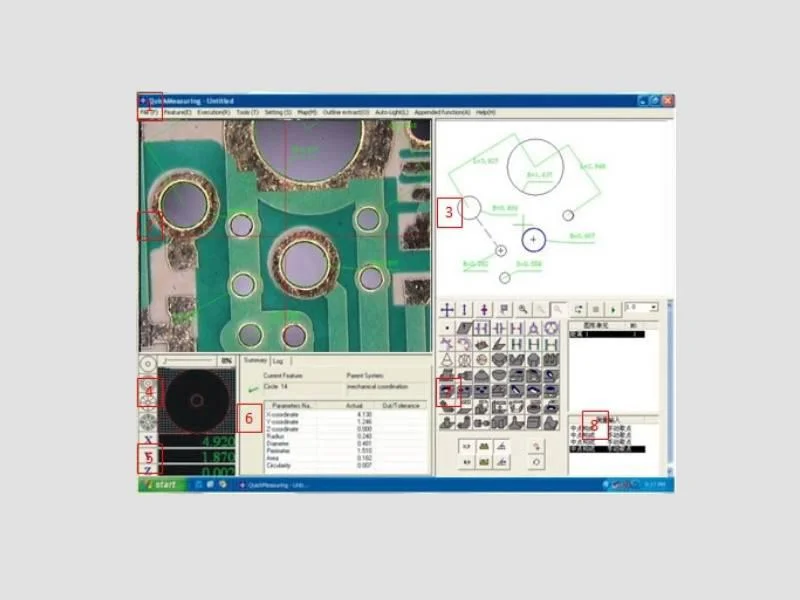
These units find applications across various industries, including electronics, automotive, pharmaceuticals, and food processing. In electronics, for example, they are used to detect soldering defects on circuit boards, while in the food industry, they help ensure packaging integrity and label accuracy. As industries strive for higher efficiency and lower operational costs, the relevance of Vision-Based Quality Inspection Units continues to grow, making them essential tools for quality assurance.
The growing demand for precision in manufacturing processes is driving the market for Vision-Based Quality Inspection Units. With advancements in technology, these systems are becoming more accessible and affordable, making them an attractive investment for businesses aiming to improve their quality control measures.
Key Features and Specifications
Vision-Based Quality Inspection Units are equipped with several key features that enhance their functionality and performance. These features are essential for ensuring accurate inspections and meeting industry standards.
Key specifications include:
1. Imaging Technology
- High-resolution cameras for detailed inspection
- Options for infrared and visible spectrum imaging
2. Processing Speed
- Fast image processing capabilities to ensure real-time inspection
- Ability to handle high throughput in production lines
3. Software Integration
- Compatibility with existing manufacturing systems
- Advanced analytics for data collection and reporting
4. User Interface
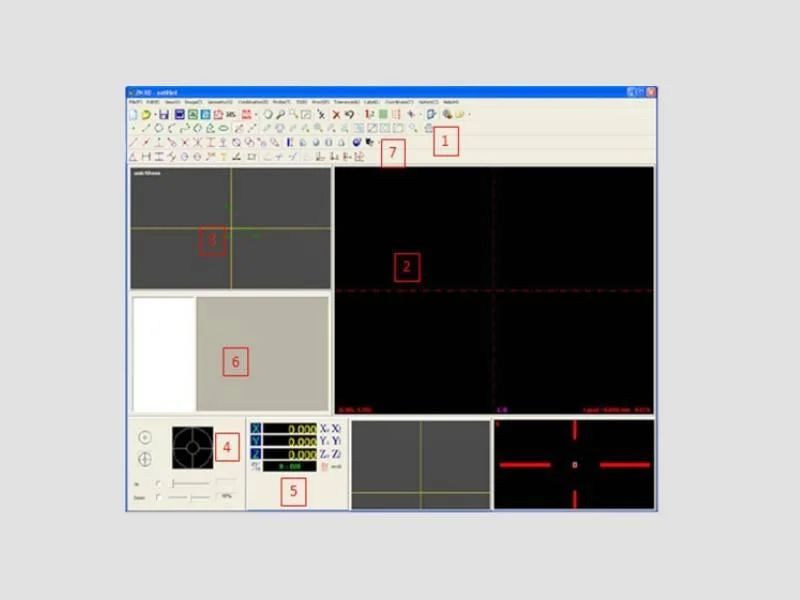
- Intuitive software for easy operation and monitoring
- Customizable dashboards for real-time statistics
5. Inspection Parameters
- Flexibility to inspect various attributes such as dimensions, colors, and surface defects
- Programming options for different product specifications
6. Connectivity
- Support for various communication protocols for easy integration
- Remote monitoring capabilities via cloud solutions
7. Durability
- Built to withstand industrial environments with robust housing
- Resistance to dust and moisture for reliable operation
8. Compliance Features
- Adherence to industry standards for quality assurance
- Reporting capabilities for regulatory compliance
These specifications ensure that Vision-Based Quality Inspection Units are effective, reliable, and adaptable to various manufacturing needs.
Common Applications and Use Cases
Vision-Based Quality Inspection Units serve multiple industries by providing critical quality control measures. Their versatility allows them to be tailored to specific needs across sectors.
1. Electronics: In the electronics industry, these units detect defects in circuit boards, ensuring that solder joints and components are correctly placed and functioning.
2. Automotive: They are employed in automotive manufacturing to inspect parts for dimensional accuracy and to detect surface imperfections, enhancing safety and reliability.
3. Pharmaceuticals: In the pharmaceutical sector, quality inspection units help verify labeling accuracy and packaging integrity, ensuring compliance with strict regulatory requirements.
4. Food Processing: These systems inspect food packaging for seal integrity and check for proper labeling, helping to maintain consumer safety and product quality.
5. Textiles: In the textile industry, they ensure that fabrics meet quality standards by detecting defects such as tears or color mismatches.
6. Metal Fabrication: Vision-based systems are used to inspect metal components for dimensional accuracy and surface quality, improving product reliability.
7. Consumer Goods: They help in quality checks of various consumer products, ensuring that they meet aesthetic and functional standards before reaching the market.
Product Variants and Subcategories
Vision-Based Quality Inspection Units are available in various configurations to meet diverse industrial needs. This diversity allows businesses to select a model that aligns with their specific inspection requirements.
Standard Model
The standard model offers essential features for basic quality inspections, including high-resolution imaging and real-time processing. It is suitable for industries with moderate inspection needs.
Advanced Model
The advanced model includes additional features such as enhanced software integration and advanced analytics. It is ideal for high-throughput environments requiring detailed data analysis and reporting.
Customizable Model
This model allows for customization according to specific industry requirements. It can be tailored with unique software and hardware configurations to meet specialized inspection criteria.
Benefits and Advantages
Vision-Based Quality Inspection Units offer numerous benefits that contribute to improved operational efficiency and product quality.
Key benefits include:
1. Increased Efficiency: By automating the inspection process, these units significantly reduce the time required for quality checks, leading to faster production cycles.
2. Enhanced Accuracy: The precision of machine vision technology minimizes human error, ensuring consistent quality and reducing the likelihood of defective products reaching customers.
3. Cost Savings: Automating quality control helps reduce labor costs and minimizes waste associated with defective products, resulting in overall cost savings.
4. Real-Time Monitoring: These units provide immediate feedback on product quality, allowing for quick adjustments to the production process and preventing larger issues.
5. Data Collection: They enable comprehensive data gathering for quality analysis, helping businesses identify trends and areas for improvement.
6. Compliance Assurance: Vision-Based Quality Inspection Units can help ensure compliance with industry standards and regulations, reducing the risk of penalties and recalls.
Buying Guide for B2B Buyers
When sourcing Vision-Based Quality Inspection Units, it is crucial for B2B buyers to consider several factors to ensure they select the right solution for their needs.
1. Quality Assessment: Evaluate the inspection capabilities and accuracy of the units. Ensure they meet your specific quality criteria and can handle the types of products you manufacture.
2. Supplier Verification: Vet potential suppliers thoroughly. Look for established companies with a proven track record in providing quality inspection systems and reliable customer support.
3. Pricing and MOQ: Understand the pricing structure and minimum order quantities. Compare quotes from different suppliers to ensure you receive competitive pricing without compromising quality.
4. Delivery and Lead Times: Consider the logistics involved in acquiring the units. Assess the lead times provided by suppliers to ensure they align with your production schedules.
5. Compliance Requirements: Review any regulatory needs specific to your industry. Ensure the units comply with relevant standards and can produce documentation for audits.
Compliance and Certifications
Vision-Based Quality Inspection Units are subject to various compliance and certification standards to ensure quality and safety in industrial applications.
One of the most relevant quality standards is ISO 9001, which focuses on quality management systems. Compliance with ISO 9001 ensures that manufacturers have effective processes in place for maintaining product quality.
Additionally, HACCP (Hazard Analysis and Critical Control Points) is crucial in food-related applications, ensuring that safety measures are in place to control food safety hazards.
Another important certification is CE, which indicates compliance with European health, safety, and environmental protection standards. This certification is essential for products sold in European markets.
Safety and testing requirements also play a significant role in compliance. Units must undergo rigorous testing to ensure they meet safety standards specific to their applications.
Finally, regional compliance considerations may vary, so it is essential to understand local regulations that may apply to the use of Vision-Based Quality Inspection Units.
Why Source Vision-Based Quality Inspection Units from Pepagora?
Pepagora offers a reliable platform for sourcing Vision-Based Quality Inspection Units, providing several key advantages to B2B buyers.
Verified Supplier Network: Pepagora connects buyers with verified suppliers who have undergone thorough vetting processes. This ensures that businesses can source high-quality products from trustworthy manufacturers.
Streamlined RFQ Process: The platform features an efficient request for quotation (RFQ) system, allowing buyers to quickly receive competitive quotes from multiple suppliers. This simplifies the procurement process and saves time.
Trade Assurance and Support: Buyers benefit from trade assurance policies that protect their investments. Pepagora provides support throughout the purchasing process, ensuring that any issues are addressed promptly.
Regional Coverage: With a strong presence in India, the GCC, and Southeast Asia, Pepagora offers extensive regional coverage. This allows businesses to source Vision-Based Quality Inspection Units tailored to their specific market needs while enjoying local support and service.

 IN
IN



 India
India