IN
IN₹
Apparel & Fashion

Description
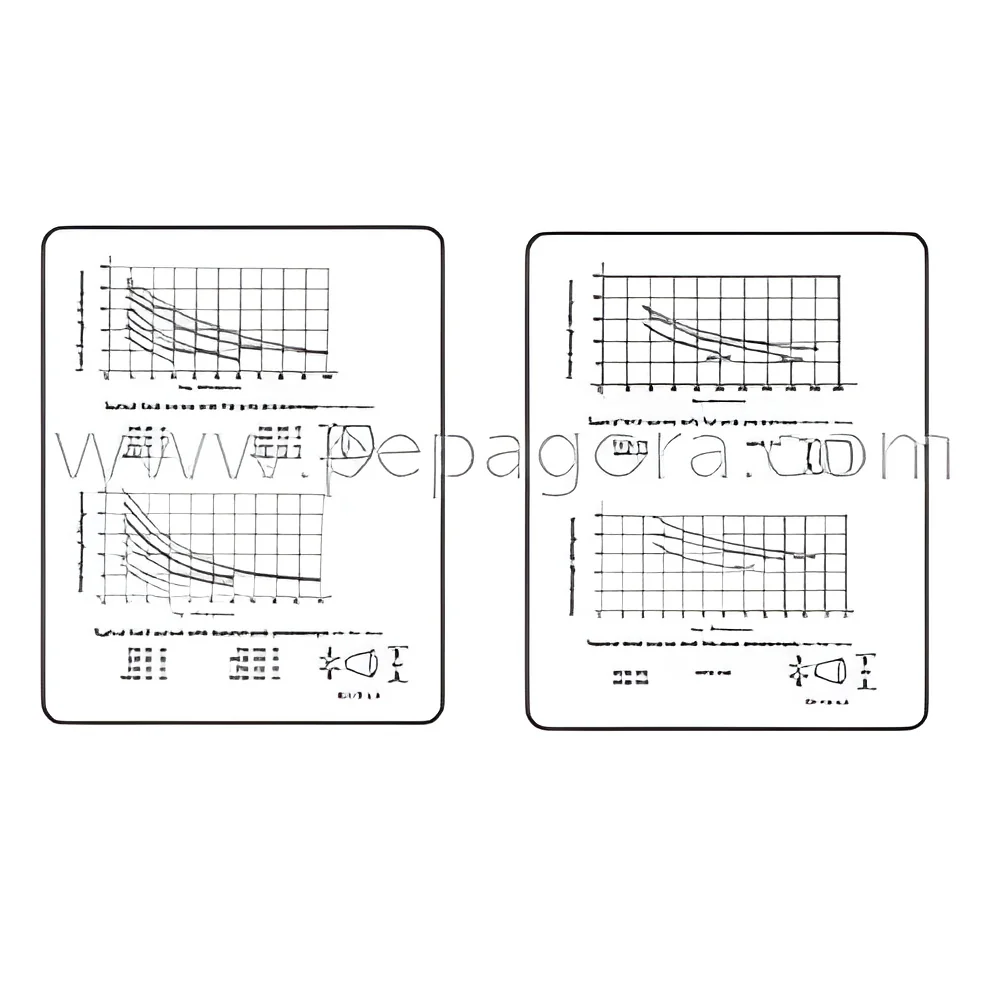
Quality Control Homogeneity Plots provide a sophisticated yet straightforward method for analyzing variance between sample groups, delivering reliable coherence probability measurements for plaid patterns and material structures. These plots enable rapid statistical comparison, giving quality professionals immediate insight into whether observed variances represent significant differences or normal variation. Designed for practical application, they eliminate complex statistical calculations while maintaining rigorous analytical standards. The tool's straightforward implementation makes it accessible to technicians and engineers alike, ensuring consistent quality assessment across organizational levels.

Multiple industries depend on Homogeneity Plots to maintain product integrity and manufacturing consistency. Textile manufacturers utilize these plots to verify pattern alignment and material uniformity across production runs, preventing costly defects in finished fabrics. Composite ma...
Quality Control Homogeneity Plots provide a sophisticated yet straightforward method for analyzing variance between sample groups, delivering reliable coherence probability measurements for plaid patterns and material structures. These plots enable rapid statistical comparison, giving quality professionals immediate insight into whether observed variances represent significant differences or normal variation. Designed for practical application, they eliminate complex statistical calculations while maintaining rigorous analytical standards. The tool's straightforward implementation makes it accessible to technicians and engineers alike, ensuring consistent quality assessment across organizational levels.

Multiple industries depend on Homogeneity Plots to maintain product integrity and manufacturing consistency. Textile manufacturers utilize these plots to verify pattern alignment and material uniformity across production runs, preventing costly defects in finished fabrics. Composite material producers rely on them to ensure even distribution of reinforcing fibers and binding resins. Electronics manufacturers implement homogeneity analysis to validate component placement precision on circuit boards, while automotive and aerospace sectors use them to verify material consistency in safety-critical components. Research institutions incorporate these plots into material science studies where statistical validation of sample groups is essential.

The business value of Homogeneity Plots lies in their ability to enhance quality control processes while reducing operational costs. By providing early detection of material inconsistencies, these plots prevent defective products from advancing through production stages, minimizing waste and rework expenses. Their rapid analysis capability enables quick decision-making, reducing downtime and maintaining production flow. The reliability of variance comparison ensures compliance with industry standards and customer specifications, strengthening brand reputation for quality. This analytical tool delivers long-term value through consistent performance and adaptability to various quality control scenarios.

Key Features:
- Fast variance comparison between multiple sample groups
- Reliable coherence probability measurement for patterns
- Statistical significance testing for group variances
- Support for multiple analysis models and configurations
- Precise data output for quality decision-making

Benefits:
- Early detection of material inconsistencies prevents defects
- Reduced waste and rework through proactive quality control
- Faster decision-making with immediate variance analysis
- Compliance with industry quality standards and specifications
- Enhanced product reliability through consistent material verification
Specifications
| Additional Information | |
|---|---|
| Country of Origin | India |
Application
Homogeneity Plots deliver critical variance analysis for industries where material consistency determines product quality. These tools enable rapid comparison between sample groups, allowing quality teams to identify inconsistencies before they impact production. The statistical confidence provided ensures reliable decision-making across manufacturing and research environments where precision matters most.
These plots serve as essential quality assurance instruments for maintaining strict compliance standards. Businesses implement them to verify material homogeneity, reduce defect rates, and ensure manufacturing processes remain within specified tolerances. Their application spans multiple sectors including textiles, composites, and electronics manufacturing where uniform material properties are non-negotiable.
- Textile manufacturing for verifying pattern coherence and weave consistency across fabric batches
- Composite material production to ensure uniform fiber distribution and resin penetration
- Electronics manufacturing to validate component placement accuracy on circuit boards
- Automotive component production for testing material homogeneity in safety-critical parts
- Research laboratories conducting statistical analysis of material sample variances
Trade Details
| Available Stock | In Stock |
| Sample Availability | No |
Payment Terms
| Payment Terms |
|
Company Profile
Polytronic Corporation, Maharashtra
 Maharashtra, India
Maharashtra, IndiaTools & Hardware•Manufacturer•Trading Company
Factory Details
Factory SizeBelow 1000 sqm
Annual Production Capacity0
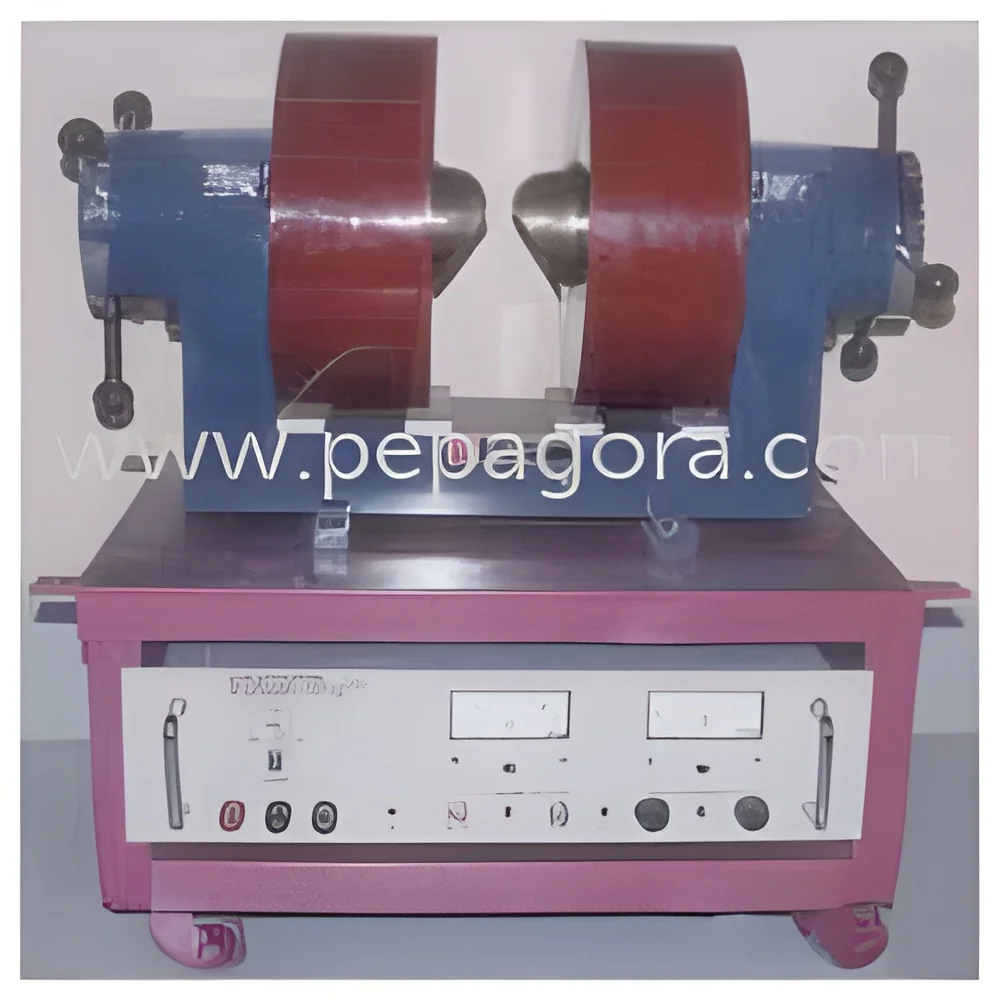
Quality Control Homogeneity Plots For Variance Comparison
Quality Control Homogeneity Plots provide reliable variance comparison for material analysis, delivering fast coherence probability measurement in quality control and research applications with precise data.
Min. Order Quantity: 1 unit
Shipping
Shipping fee and delivery date to be negotiated. Contact supplier now for more details.
Polytronic Corporation
 Maharashtra, India
Maharashtra, IndiaTools & HardwareManufacturer